Sep 1, 20269 min read
Where to Stay in Tokyo: Best Areas and HotelsJun 8, 2026
8 MIN READ

Writer
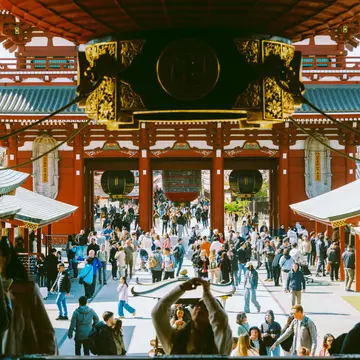
Crowds at Sensō-ji, Asakusa, Tokyo. Rintaro Kanemoto for Lonely Planet

Writer
Highlights
Writer Kim Kahan's three-day Tokyo itinerary draws on seven years of city life.
Start in Asakusa at Sensō-ji, then head to Shinjuku for gyoza and Golden Gai drinks.
Day two delivers teamLab's immersive art and a Kill Bill-inspired dinner at Gonpachi in Roppongi.
Sunday means Yoyogi Park's strutting rockabillies and dinner at Shibuya's PARCO.
Lonely Planet may earn a commission from affiliate links on our site. All recommendations and reviews reflect our own independent opinions.
When I moved from the UK to Tokyo, my plan was to stay for one year. Seven years later, I’ve fully fallen in love with the place. The largest metropolis in the world, the city sprawls over 23 wards, each with its own specific charm. It would take take more than a lifetime to discover them all.
From the neighborly community of Shimo-Kitazawa to the neon brashness of Shinjuku, there really is a vibe for every comer in Tokyo. Since the city’s size can feel intimidating, I’ve compiled this wide-ranging list to cover some of the most popular Tokyo attractions, some unique things to do and a few local secrets. Use this Tokyo itinerary if you want a memorable long weekend here.
When to visit: The best times are from September to June, avoiding Tokyo's hot, humid summer months and June’s rainy season.
How to get from the airport: The easiest way to get to the center of Tokyo from Narita Airport is to use the Narita Express train (5200 yen round trip). The cheapest direct method is the highway bus at about ¥3000 round-trip.
Getting around town: The Japanese train system may well be the best in the world. For visitors, and many locals, too, it’s the most convenient form of transport, although buses and bike-share schemes like Hello Cycling have their uses. The trains stop around midnight, so be careful to keep an eye on the time if you’re far away from your accommodation. To ensure you can get around easily, get the Welcome Suica transport card from the JR East train station in the airport after you’ve landed. This will save you a lot of time, since you won’t have to buy a new ticket every time you ride the train.
Where to stay: Places like Ginza, Shinjuku and Shibuya are all easy to get to, and around in – which is what you want if you’re in Tokyo for a short time. If you prefer a bit of peace and quiet, head to slightly further, calmer areas such as Tomigaya (a 20-minute walk from Shibuya), or Yoyogi (a 15-minute walk from Shinjuku).
Cash or card: Many places in Japan only accept cash, especially smaller, independent establishments.
Venues may permit smoking: Some places allow smoking indoors. Check reviews ahead of time if that bothers you.
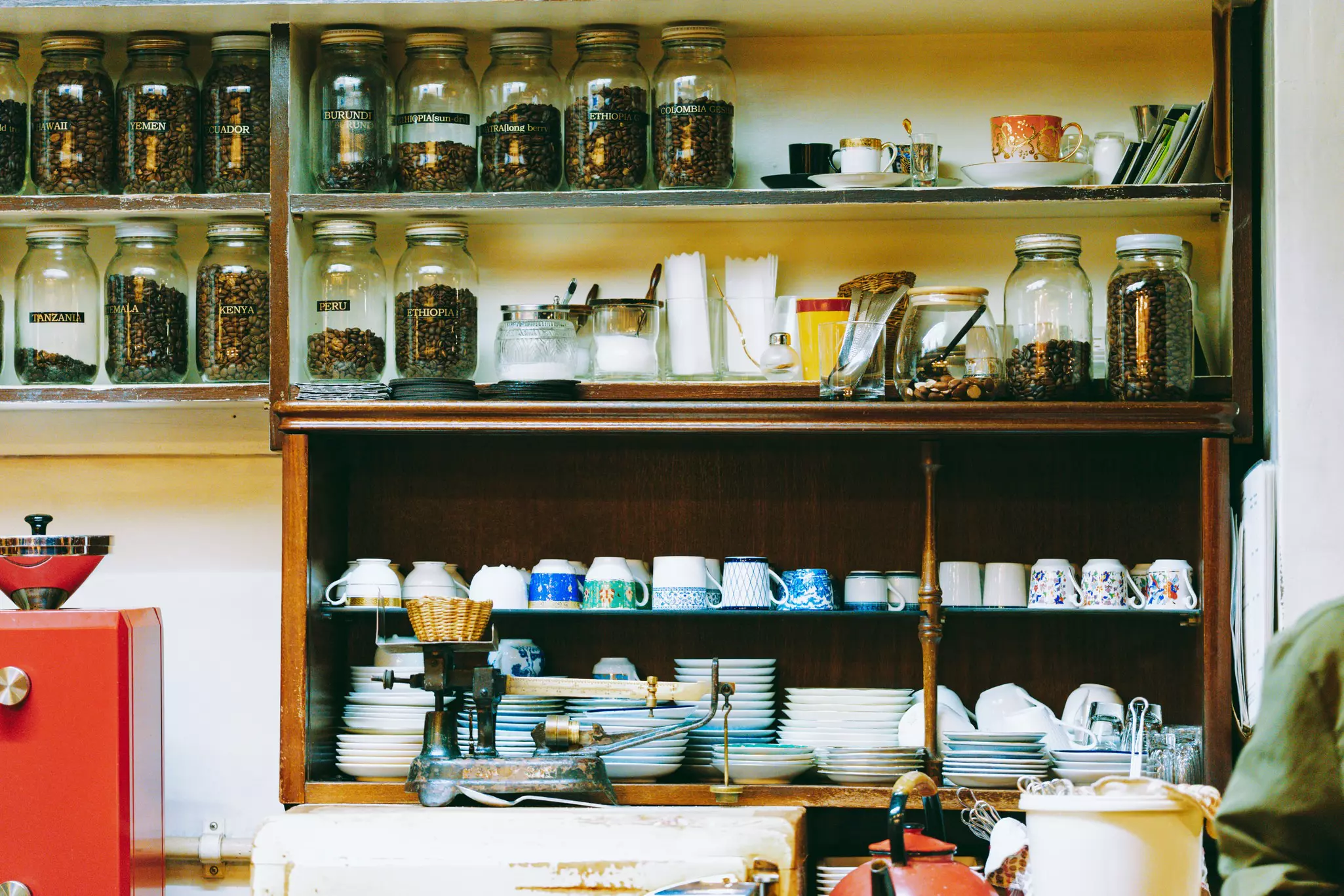
Morning: For your first day, get out nice and early for breakfast at a nearby kissaten (old-school Japanese cafe). Most kissaten offer a “Morning Set” – a Western-style breakfast, done the Japanese way, for a great price. The exact components vary from place to place but generally include fluffy, white Japanese toast, an egg and your choice of drink. Cafe Tomorrow in Asakusa is open beginning at 6:30am, and serves a great selection of morning options, from the kissa classic toast set to its Japanese-style rice balls and fish.
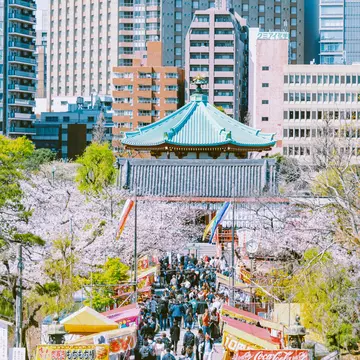
How to spend the day: Wander around Asakusa, making sure to stop by Sensō-ji, one of the most famous shrines in Tokyo. Its superior size and the majestic Kaminari-mon are enough to impress even a seasoned shrine-goer. Remember to purify your hands in the omizuya (water station) before entering.
Next, head toward Kappabashi along the Sumida River for great views of Tokyo Skytree. Kappabashi is a shopping street known for its kitchenware; look out for specialist Japanese knives and plastic food.
Local tip: The area is named after a mythical Japanese creature, the kappa. See if you can spot the little kappa figures dotted around.
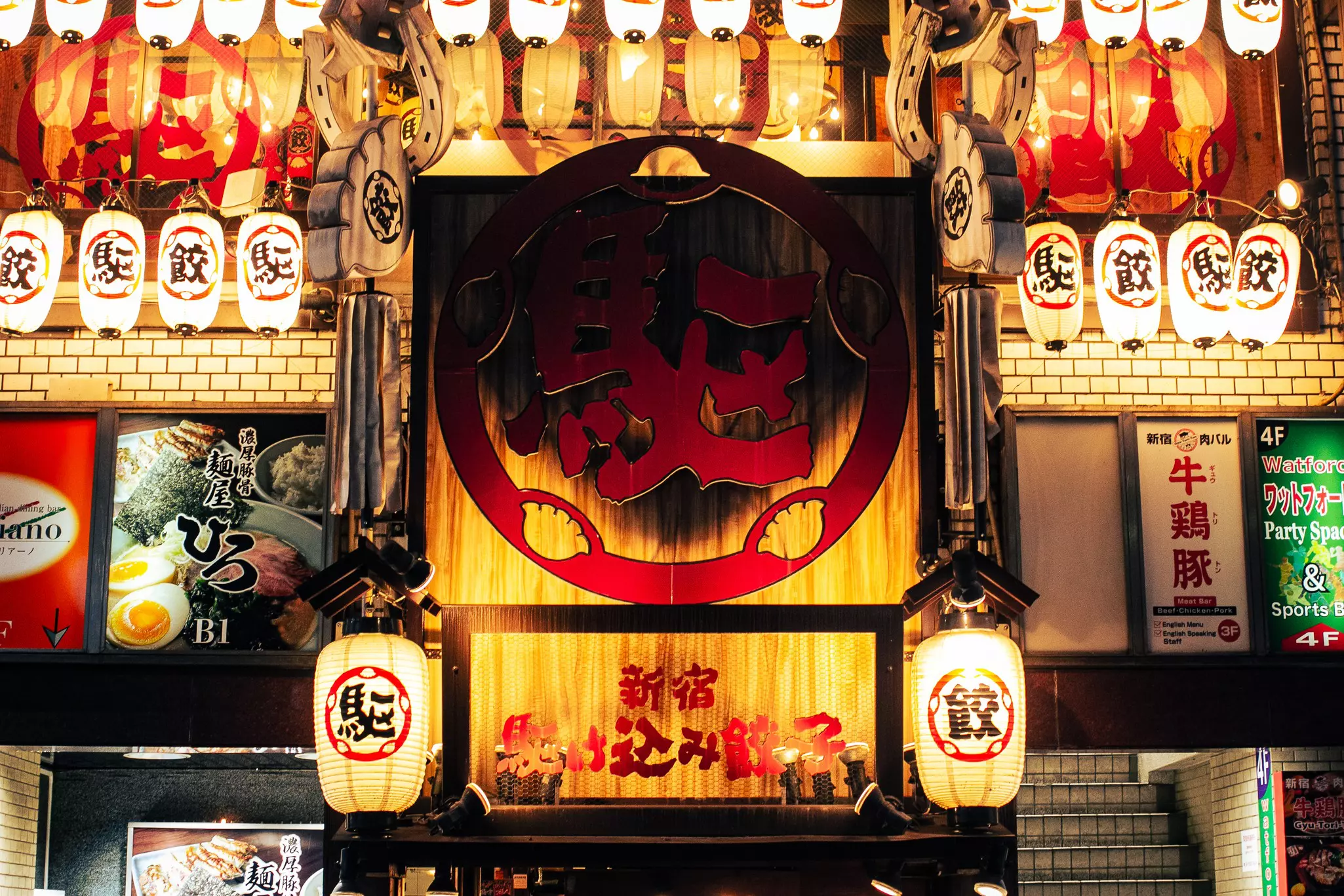
Dinner: Once you get hungry, head over to Shinjuku for cheap gyoza at Kakekomi Gyoza, a two-story izakaya serving Japanese pub food including sashimi and oden (stewed vegetables, tofu and fish). Try the lucky highball drink game, where the staff provide you with a die to roll. Depending on your luck, you’ll either get a free drink...or pay double the price. Not only does the place buzz with energy at all times of the day (it’s open 24 hours), it also works to raise money for local nonprofit, Kakekomi Dera, which helps those in need, including victims of domestic violence.
If you can’t get into Kakekomi Gyoza, there’s a great little kushikatsu (bite-sized Japanese street food) place called Dengana a few doors down, or Ningen Restaurant around the corner.
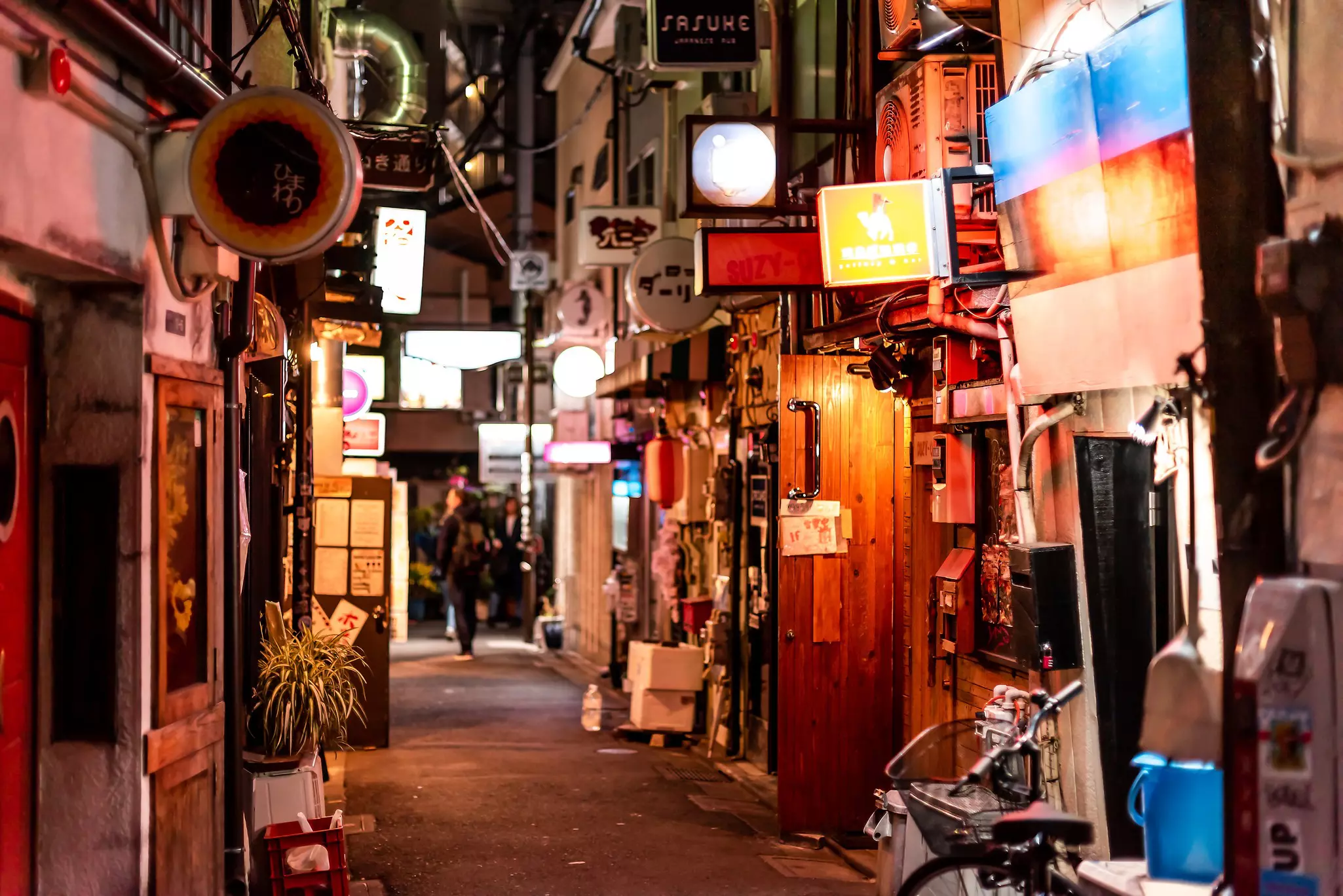
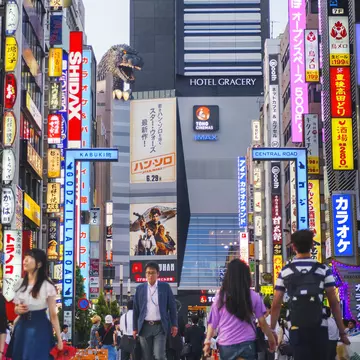
After dark: Kabukicho, Shinjuku, comes alive at night, its sights, smells and sounds making this one of the most stimulating areas in the whole of Japan. Spend the night checking out a Shinjuku yokocho (drinking alley) like Golden Gai, Omoide-yokochō or Omoide no Nukemichi. These hidden gems weave between the skyscrapers, and are packed with bars both tiny and large.
Morning: Chances are that you’ll have had a late night and may be feeling a little worse for wear – so head to your local convenience store to grab something to revive yourself. The zingiest option has to be Ukon no Chikara, (“Ginger Power”), which comes in a shiny orange bottle. For food, grab a rice ball or something warm from the hot counter.
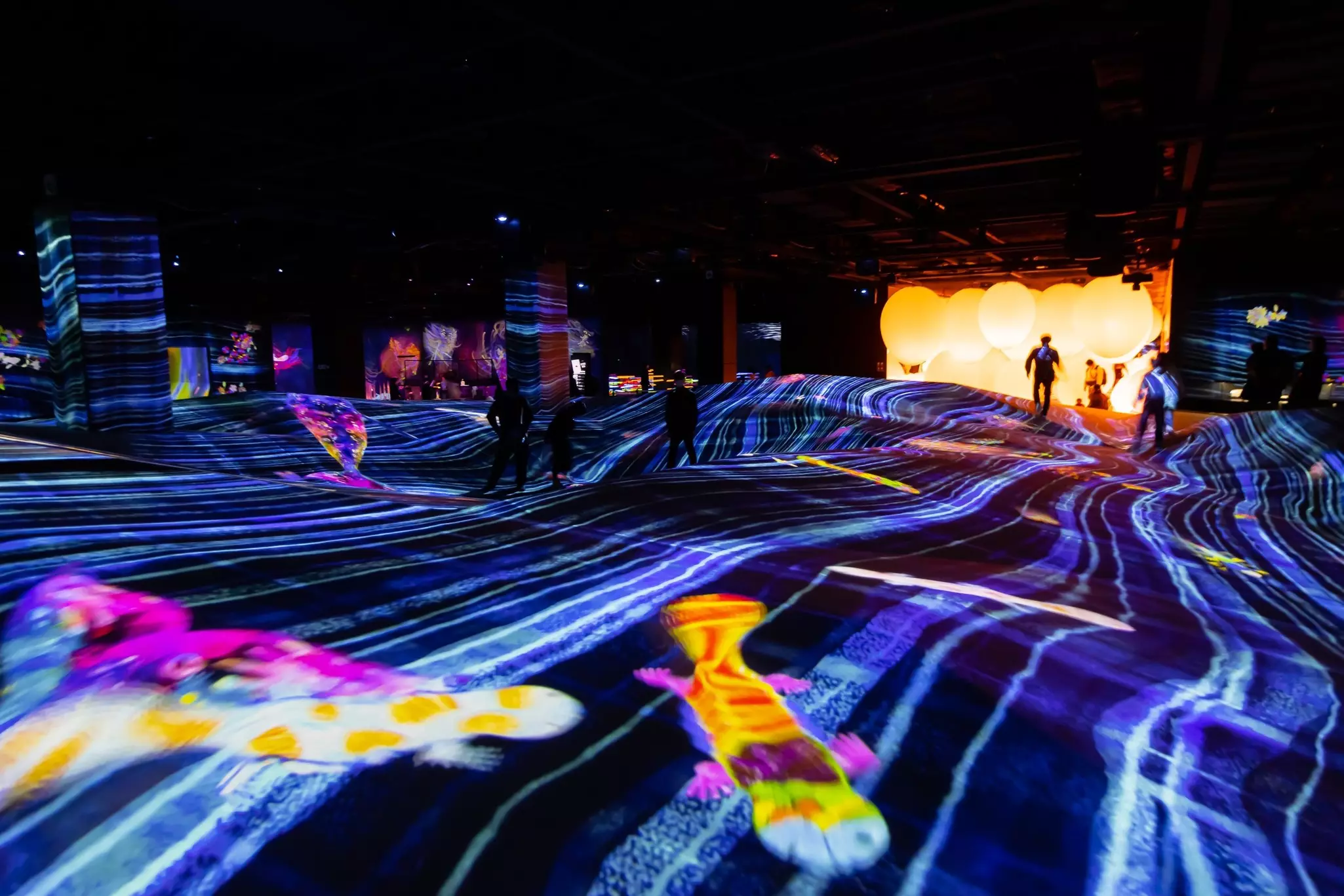
How to spend the day: Head over to teamLab in the afternoon to take in this immersive digital art project. Depending on the branch you visit, you may wade through water while digital fish swim all around, or get surrounded by dazzling chains or interactive lights running floor to ceiling and then some. (The entire space is mirrored.)
Reservations in advance are essential; reserve a few weeks (or months) before you land. There are currently two different teamLab locations: teamLab Borderless in Azabudai Hills (Roppongi) and teamLab Planets in Odaiba. Both have their advantages, with Borderless arguably more photogenic and Planets more tactile.
Bonus tip: Make sure you get some food at teamLab, whether the award-winning vegan ramen at Planets or the matcha and ice cream at Borderless.
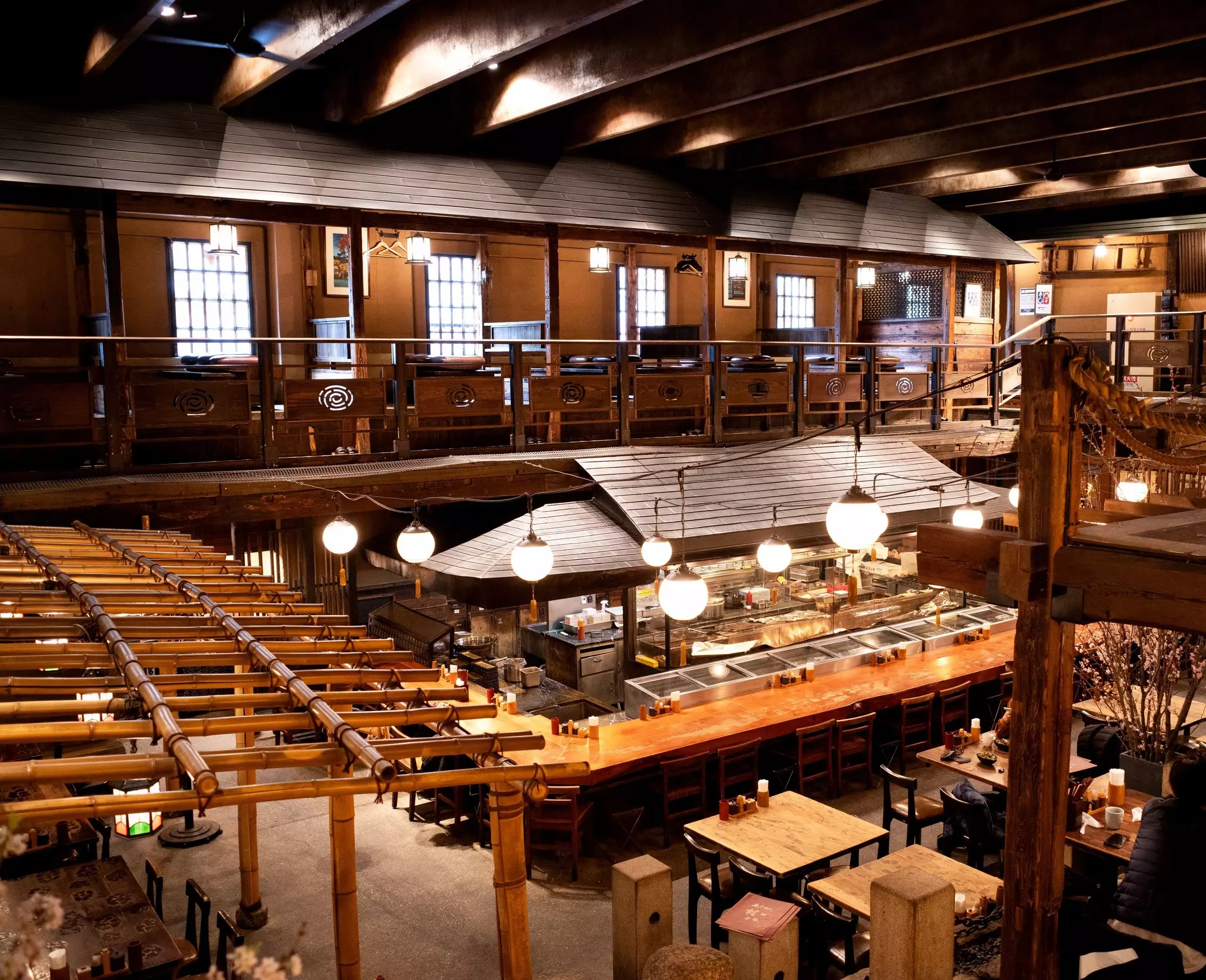
Dinner: For dinner, it's time to live out your movie fantasy and go to Gonpachi: the branch in Roppongi inspired the set for the famous Kill Bill fight scene. The food is delicious, too, with great sushi and tempura, and nice vegan options.
After dark: If you fancy checking out the local music scene, Shimo-Kitazawa is a good place to start, with bars like Three and Spread open from 7pm for shows featuring a range of local bands and live acts. If you’re more of a clubgoer, places like ZEROTOKYO in Shinjuku or Womb in Shibuya provide a good introduction to Tokyo nightlife.
If you’re continuing with the Hollywood theme, it’s time to do your best Lost in Translation impression and head over to the recently renovated cocktail bar in the Park Hyatt Hotel in Shinjuku. Sample a cocktail or two while looking out over the Tokyo skyline as it glitters in the night. Then head into town for some late-night karaoke – or even a late-night parfait at 24-hour kissaten Coffee Aristocrat Edinburgh.
Morning: On your final day, it’s time to relax and do some shopping. Start the day in Tomigaya at a third-wave coffee shop like Beasty or Rostro. Sample the matcha latte or the espresso tonic.
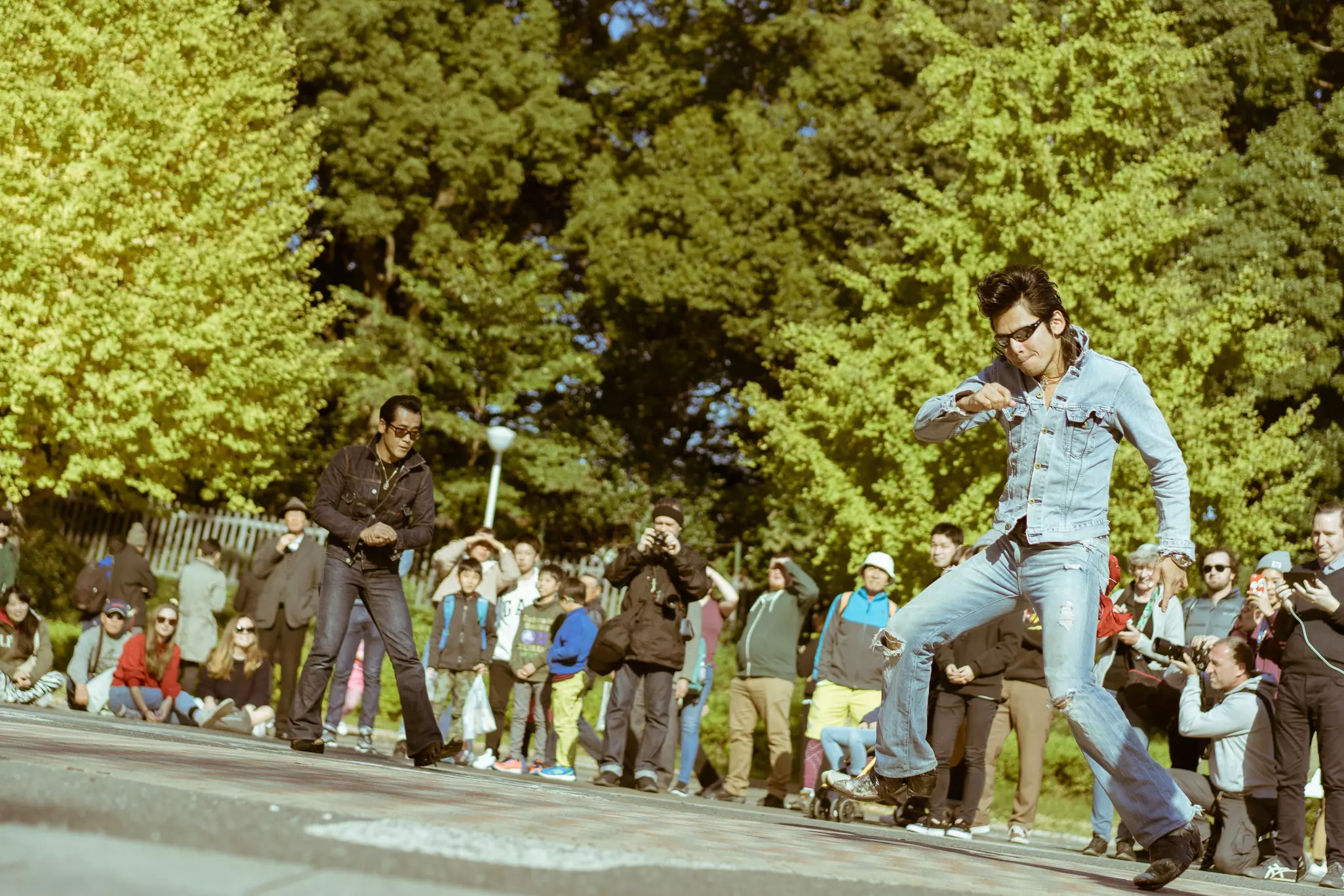
How to spend the day: Make like the locals and hang out in Yoyogi Park, picking up a selection of Japanese sweets from Kantan na Yume for a picnic. There is so much to see and do that you can while away the whole morning here. On Sundays, you’ll be able to catch the Strangers, a veteran group of Elvis-like rockabillies, strutting their stuff near the Meiji-jingū shrine entrance. If you head over to the outdoor stage area, chances are there will be a free festival or performance to check out.
Mid-afternoon, stroll down to Omote-sandõ, a tree-lined boulevard packed with designer shops, each clamoring for your attention with striking architecture.
If you fancy a bit of calm and culture amid the hustle and bustle, check out the former studio of artist Taro Okamoto further up the road. Now a museum, the space boasts its own sculpture garden and even a cake shop.
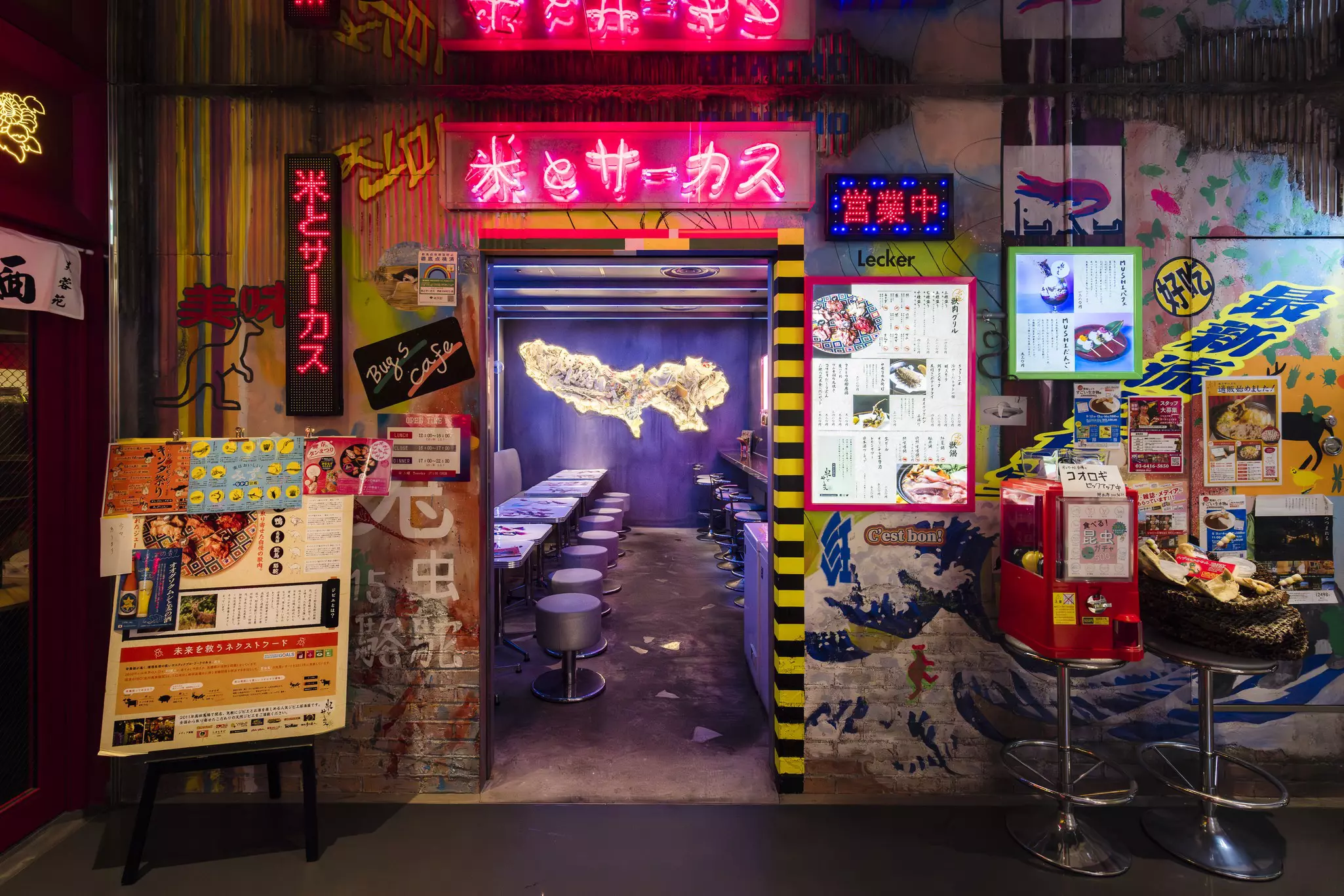
Dinner: For dinner, it’s time to head to the Shibuya culture hub PARCO. Everything you could possibly want is under one roof here, from Pokémon and Nintendo stores to the trendiest Japanese designers, like John Lawrence Sullivan and loungewear brand Pamm. Across two levels of the 11-story building, you’ll find a host of eateries, from Rice and Circus, a Japanese izakaya serving up creepy crawlies, to vegan ramen at Jikasei Mensho, and fun conveyor-belt sushi on the seventh floor.
After dark: If you’re solo or in a small group, have a nightcap at a chill music bar nearby. These tiny bars are a Japanese specialty, perfect for listening to music or chatting in hushed tones, as you reflect on how great your time in Tokyo has been. In Shibuya, hit up dens like JBS (Jazz, Blues and Soul) for a retro vibe, or Bloody Angle for a trendy neon-lit vibe.
Explore related stories