Oct 13, 20268 min read
10 Experiences You Can Only Have in NicaraguaOct 13, 2026
8 MIN READ

Writer
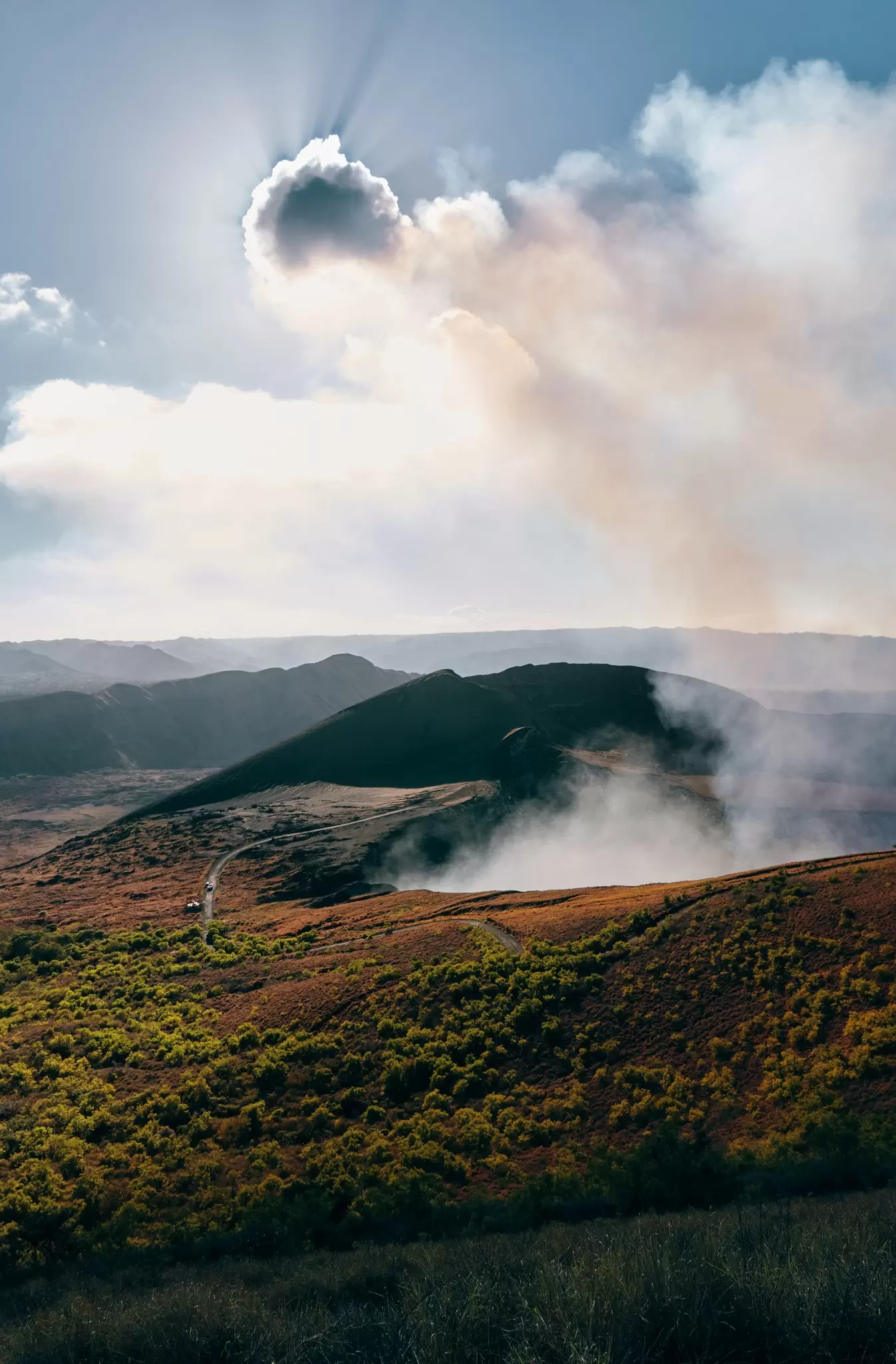
View of the Cráter Santiago in Parque Nacional Volcán Masaya. Cisco_96/Shutterstock
Writer
Lonely Planet may earn a commission from affiliate links on our site. All recommendations and reviews reflect our own independent opinions.
Despite being the largest country in the region, Nicaragua has traditionally been seen as the more low-key cousin in the Central American family. Previously a stop-off on backpackers’ multi-country itineraries, the nation is becoming a stand-alone destination in its own right and attracting an increasingly broad range of travelers.
Nica, as it's known locally, boasts an abundance of nature reserves, culture-filled cities, and volcanoes galore. And, with world-class surfing on the Pacific side, Creole culture on the Caribbean coast, and a colossal lake in the middle, Nicaragua has it all – with fewer crowds and far more reasonable prices.
To start planning your trip, download the Lonely Planet app or check out our Central America guidebook for local tips, maps and more.
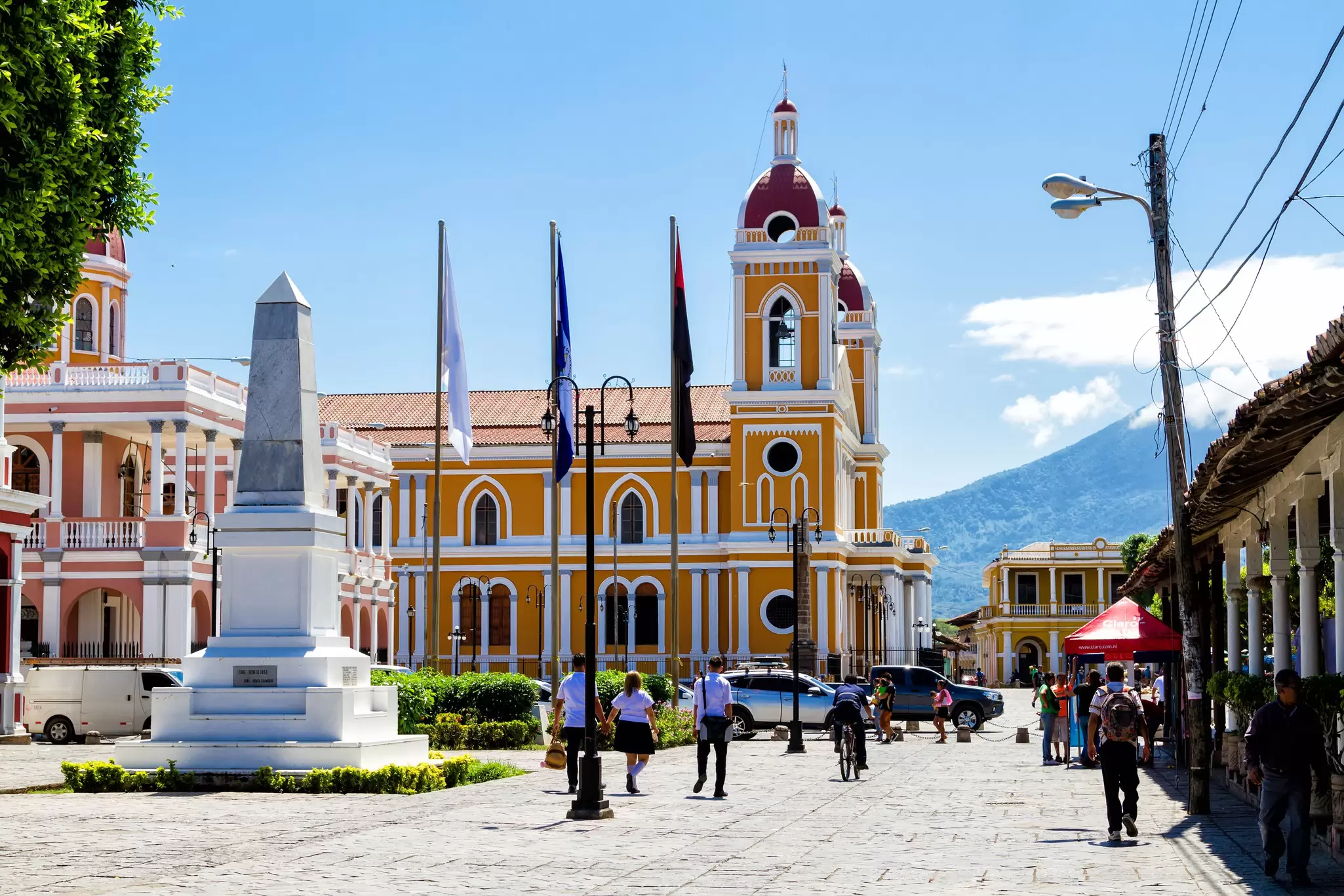
Although Managua is the country’s capital, Granada takes the lead when it comes to culture, characterized by its gray cobblestone streets and terracotta-tiled roofs. Introduce yourself to the city by visiting its many fine places of worship: go up the baroque bell tower of Iglesia de la Merced to see the sunset, admire the frescoes of Catedral de Nuestra Señora de la Asunción, and wander around the impressive museum housed inside the Convento San Francisco for an insight into Nicaraguan indigenous and colonial history.
Granada is also a good place to sample Nicaragua’s best exports, such as Doña Elba Cigars, a factory-meets-museum that demonstrates the process behind Nicaragua’s world-famous, premium puros. Visit not one but two chocolate-related sights, ChocoMuseo and Argencove, which offer tours, tastings and classes, giving you a sensorial insight into the Nicaraguan artisanal cacao industry. Finally, seek out the city’s signature dish, vigorón – boiled cassava topped with crispy pork pieces, fresh cabbage, and tomato – which is sold from street stalls around the city’s main parks and markets.
Detour: Granada is sandwiched between two of Nicaragua’s great lakes: Laguna de Apoyo and Lago de Nicaragua, which both make ideal water-focused trips from the city. Go kayaking around Las Isletas de Granada just for the day or treat yourself to an ecolodge on one of its 365 tiny islands.
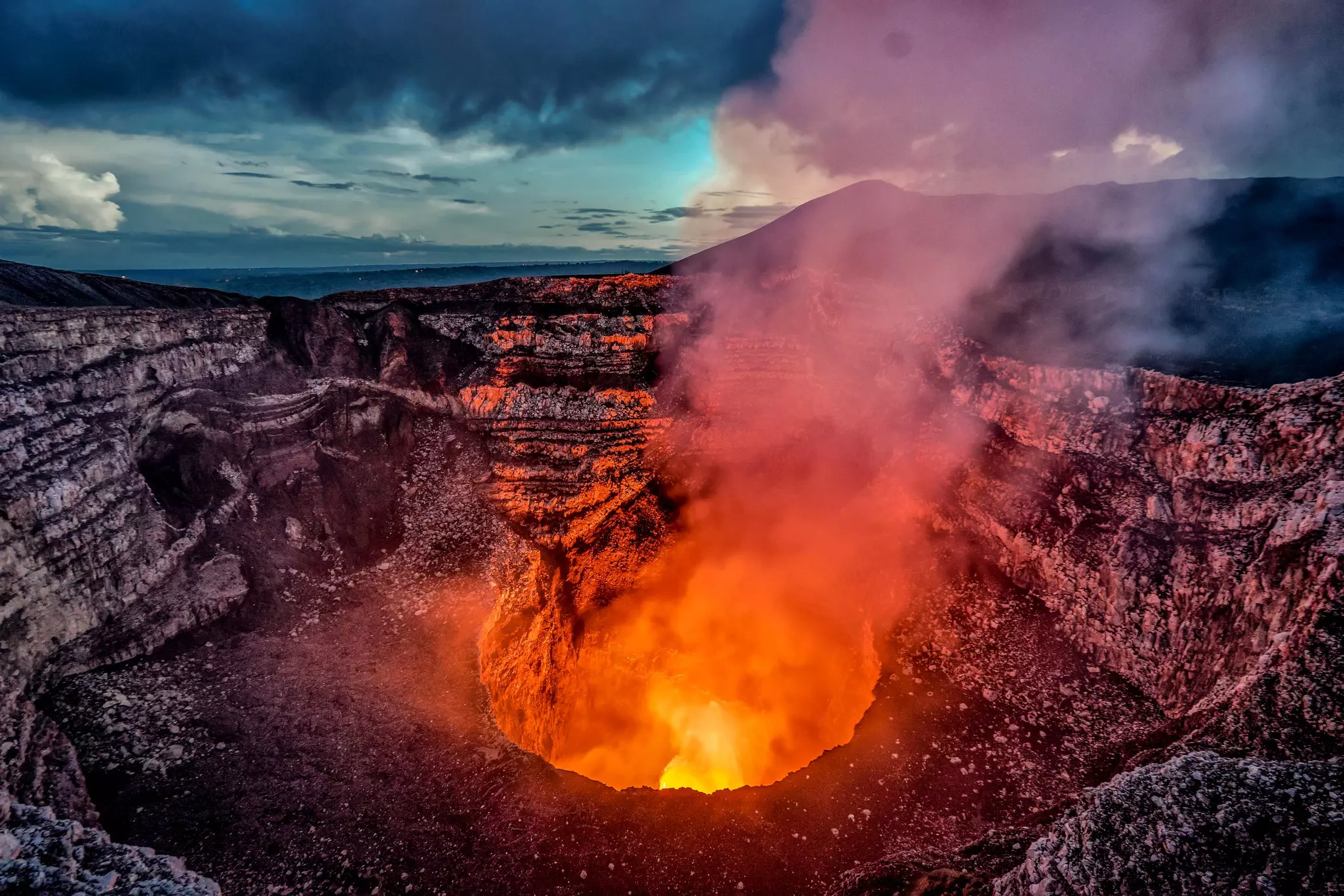
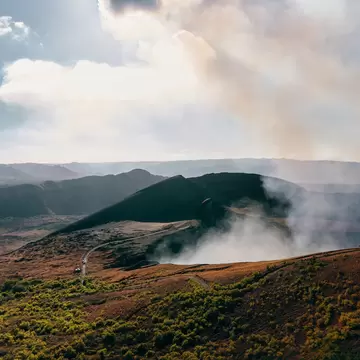
Deep within Parque Nacional Volcán Masaya lies a crater which was coined by the Spanish as the “Mouth of Hell”. A bubbling cauldron of epic proportions, it still spits out molten magma and bellows sulphuric smoke to this day. Tour operators in major towns such as Granada offer nighttime tours to Cráter Santiago in order to witness its supernatural, incandescent glow in all its glory.
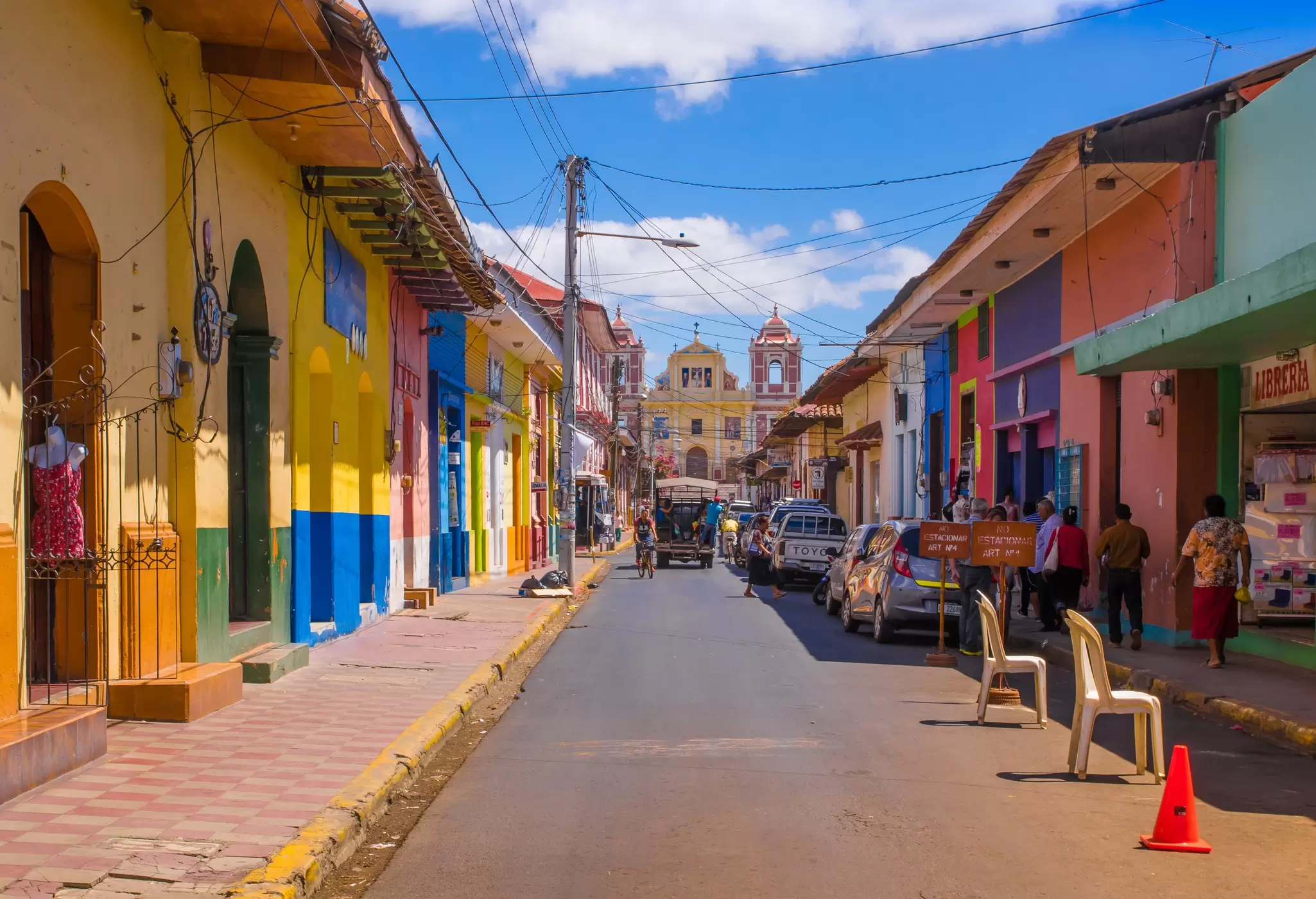
Around a 3-hour drive northwest of Granada is the equally colonial but grittier city of León, a university town packed with churches, museums, bars and restaurants. Climb up to the roof of the spectacular whitewashed Catedral de León and visit the childhood home-turned museum and archive of Nicaragua’s beloved “Father of Modernism,” the poet Rubén Darío. The country’s most prominent art gallery, Museo de Arte Fundación Ortiz-Gurdián, displays an extensive collection of Latin American contemporary artwork.
Detour: León is a fantastic jumping-off point to nearby nature reserves, beaches, volcanoes and colonial ruins. Twelve miles west are the local beaches of Las Peñitas and Poneloya, and roughly the same distance east sit the ruins of Viejo León, the site where the original city stood before devastating earthquakes hit in 1594 and 1610. Around 45 minutes northwest of León, on the way to Chinandega, is the Flor de Caña Rum Distillery, which offers educational tours and tastings detailing the family history and production process behind Nicaragua’s national spirit.
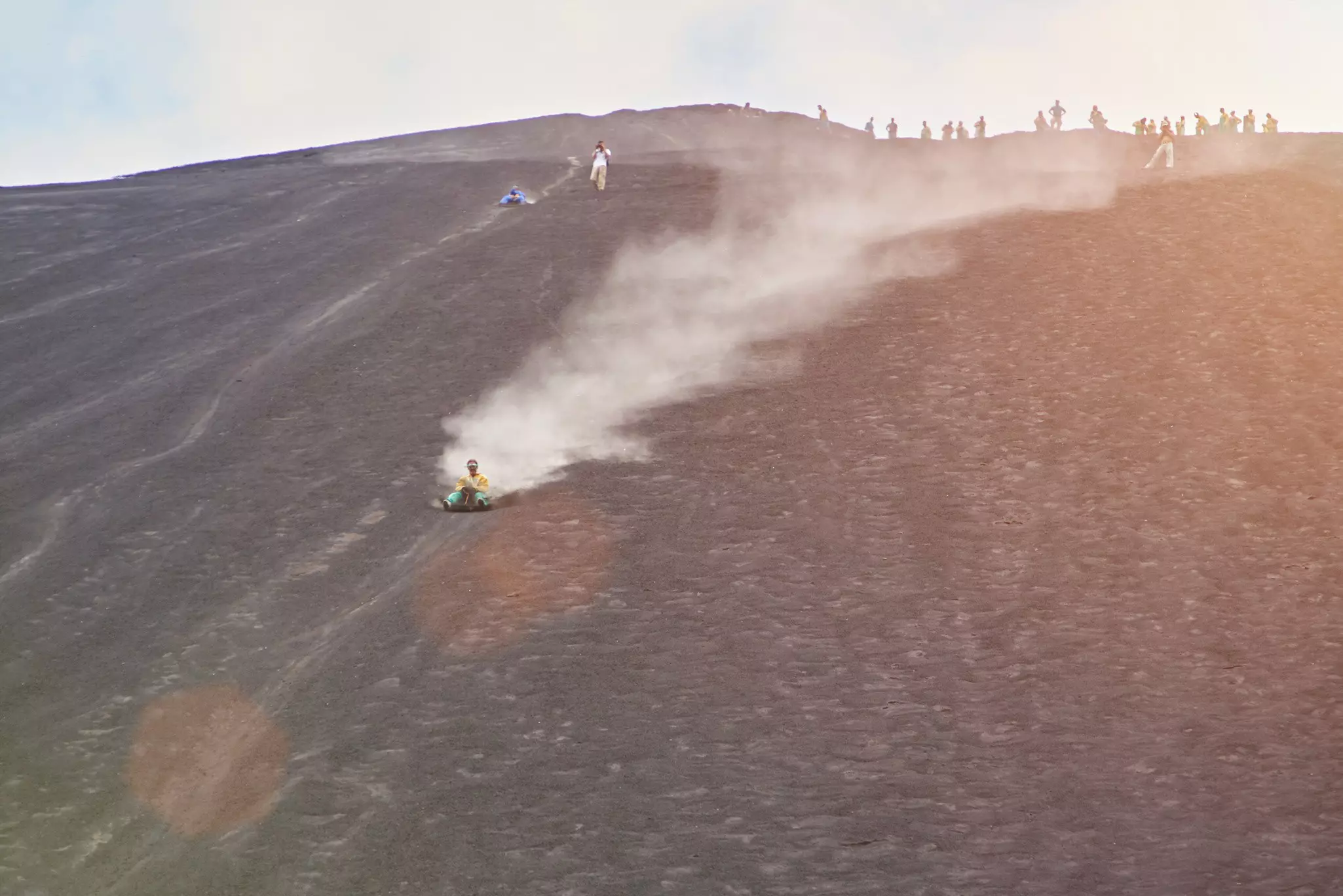
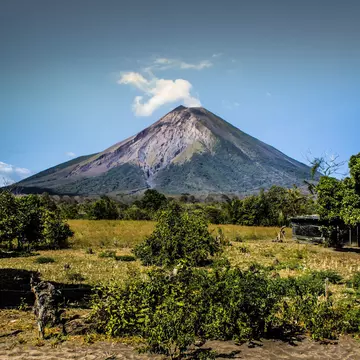
Perhaps the most popular adventure attraction in Nicaragua is to go sandboarding down the slopes of the country’s (and the region’s) youngest volcano. Gear up in a brightly-colored hazmat suit and goggles, take a short but brisk hike to the summit, and then go hurtling down the black, ashy incline faster than molten lava pouring down a mountainside.
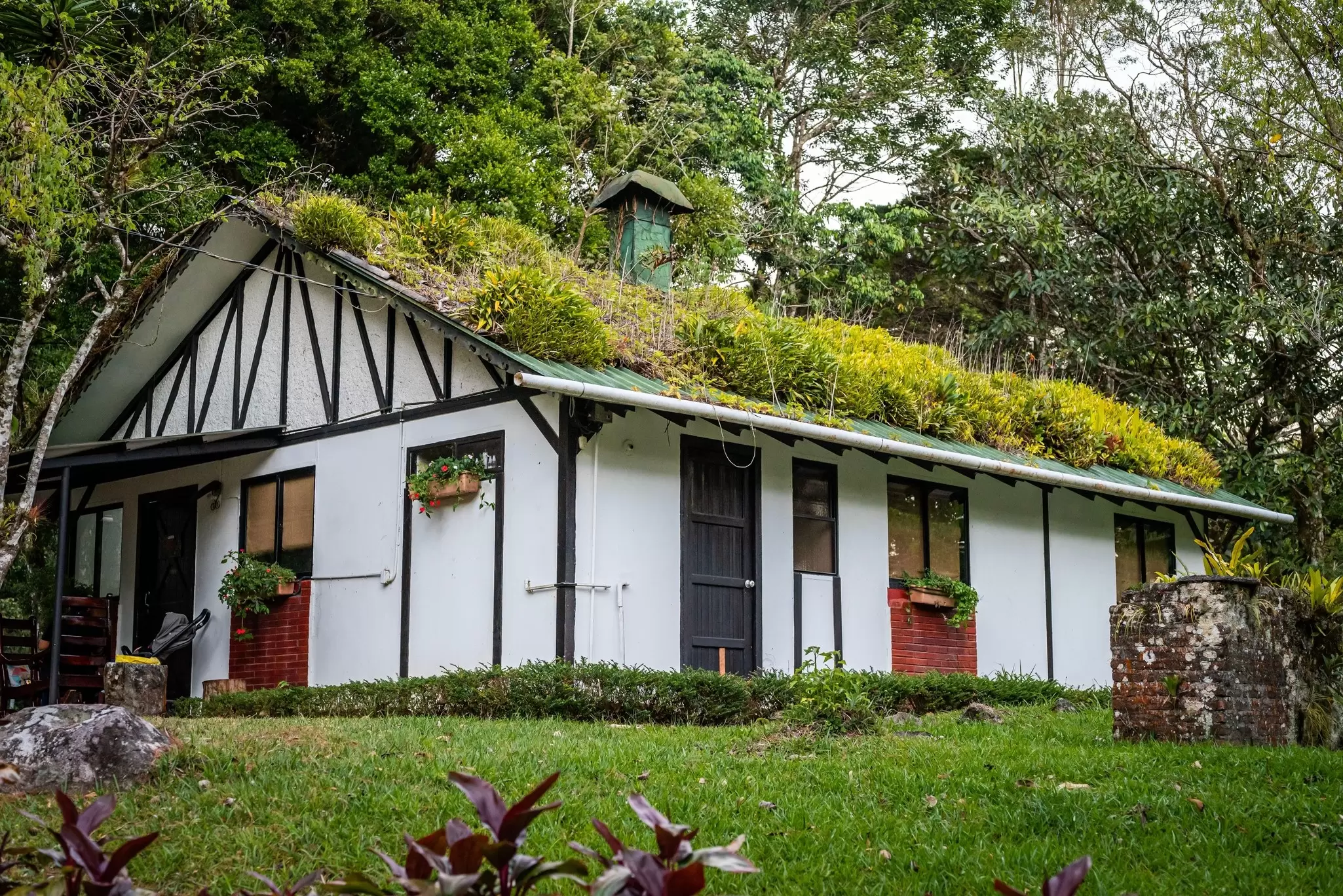
The country’s northern highlands provide a less trodden path through coffee farms, cloud forests, and tobacco plantations. The best way to experience this region is to base yourself at a local ecolodge and use it as a starting point to explore the surrounding area. Finca Neblina del Bosque is situated in the Área Protegida Miraflor, a highly diverse nature reserve-meets-farming community made up of cloud forest, dry tropical forest, and natural grassland. Stay in wooden cabins and go on one of their many walking or horseback riding excursions to discover the hundreds of orchid and bird species that thrive in these cooler conditions; you may even spy a colorful quetzal if you’re lucky.
Likewise, hidden in the Matagalpa mountains is the iconic Selva Negra, a family business set up by German immigrants in the 1880s. Take a tour of their 850-hectare estate or experience a night walk in the forest where flora and fauna come alive.
Planning tip: The Northern Highlands are accessible from Managua and León, taking 2 to 3 hours to get to the region’s urban hubs of Matagalpa or Estelí. Many travelers stay the night in one of these places before heading off into the remote nature reserves. For the brief time you’re there, embrace local life by checking out farmers’ markets by day and popular drinking holes by night.
For the more intrepid travelers, going around the Masaya region’s Pueblos Blancos is as authentically Nicaraguan as it gets. Each tiny town possesses a different artisan craft: San Juan de Oriente is known for its pottery, Catarina is famed for its flower nurseries, and Diriomo produces cajeta sweets. Both Diriomo and Diriá are also home to a thriving community of healers who perform all manner of rituals and impart spiritual guidance.
Local tip: If you are passing by the Pueblos Blancos, you must try the local brew: chica bruja, or calavera de gato, a traditional alcoholic corn beverage that packs quite the punch. Chicha Bruja Doña Loña is a family-owned spot in San Juan de Oriente that serves the stuff in tinajas de barro (clay pots).
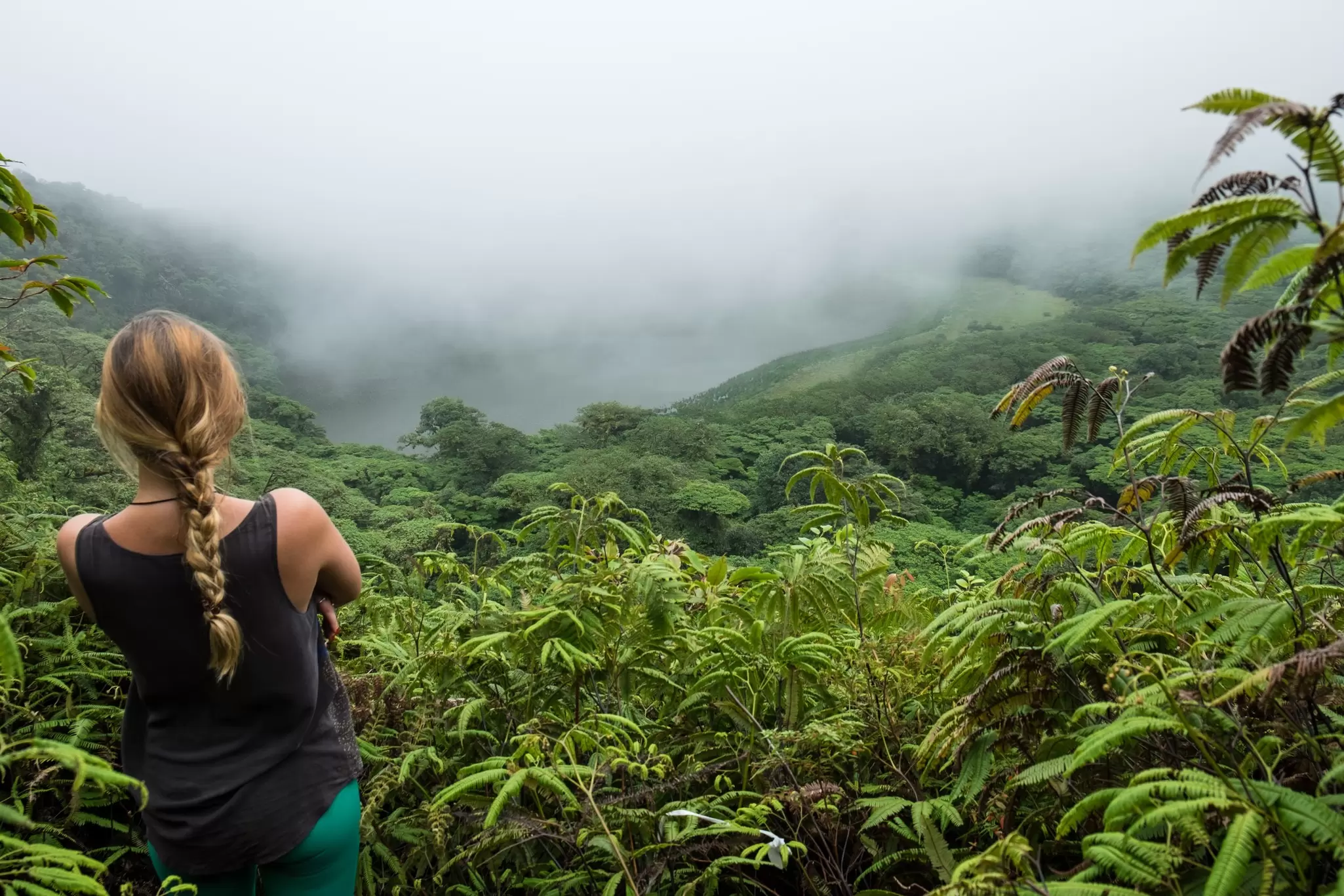
El Lago de Nicaragua, also known as Lago Cocibolca, stands out on maps of Central America as a large oval blob. In the middle of the lake is Ometepe, an enchanted island of twin volcanoes, one active and one dormant. At their bases are rich rainforests where monkeys swing through the trees, parrots chatter, and pigs roam freely. In addition to volcano hiking, waterfalls, and healing springs, Ometepe is full of amazing ecolodges and fincas that offer not only accommodation but also immersive ecological and agricultural experiences. Finca Magdalena and El Porvenir Albergue Ecológico give petroglyphs tours located on site, El Pital Chocolate Paradise is where to head for all things cacao, and El Zopiloteis a backpacker favorite that offers courses in permaculture, mycology, and more.
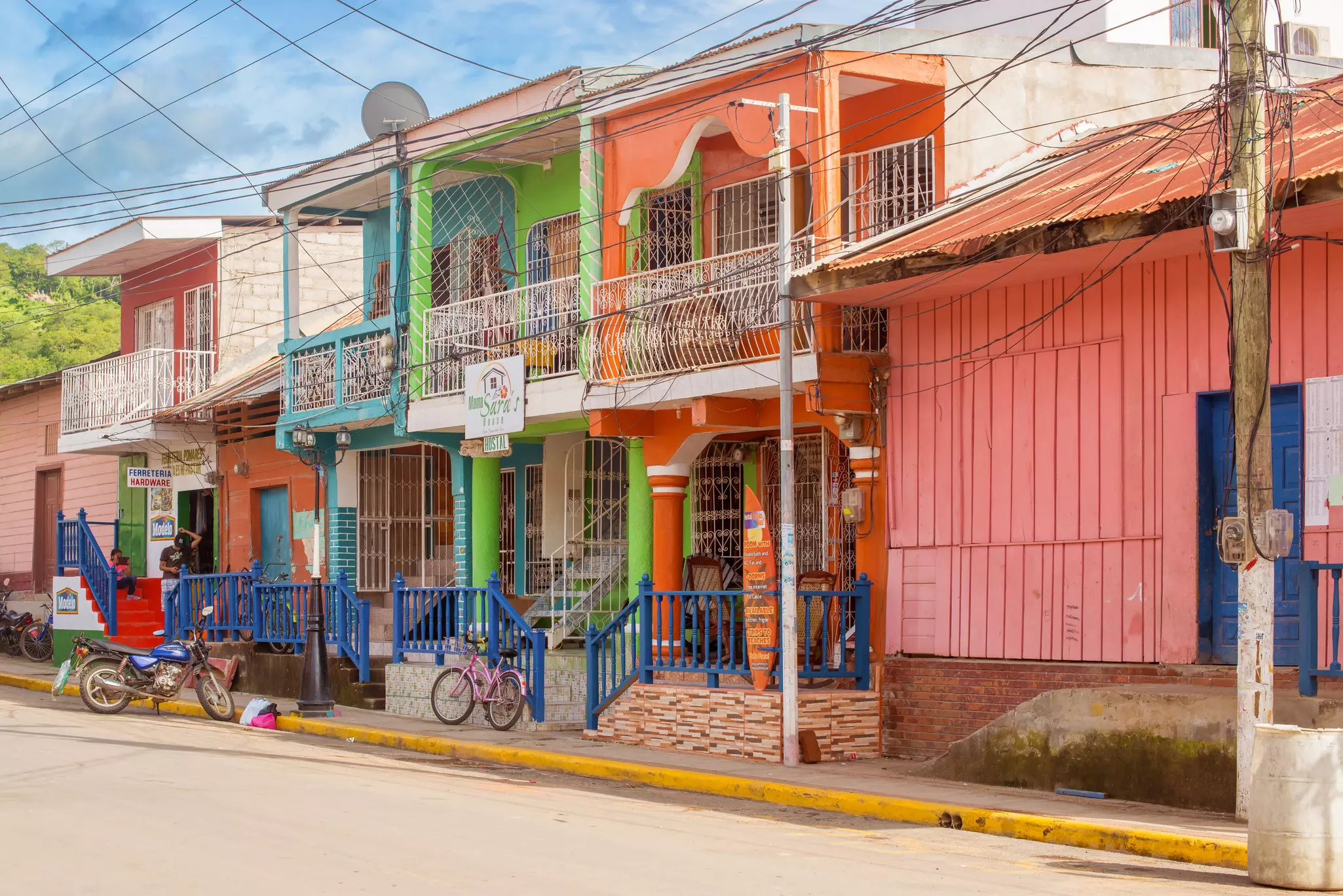
The seaside town of San Juan del Sur is sleepy and surf-centric most of the week, but come the weekend, backpackers descend in droves for the infamous Sunday Funday. Active since 2013, it is one of the biggest parties in Central America and has become a rite of passage for young travelers. Revved-up revelers party from 1pm to 1am around various hostels, enjoying complimentary shots, DJ sets, dancing in the pool, and celebrating with people from all over the world.
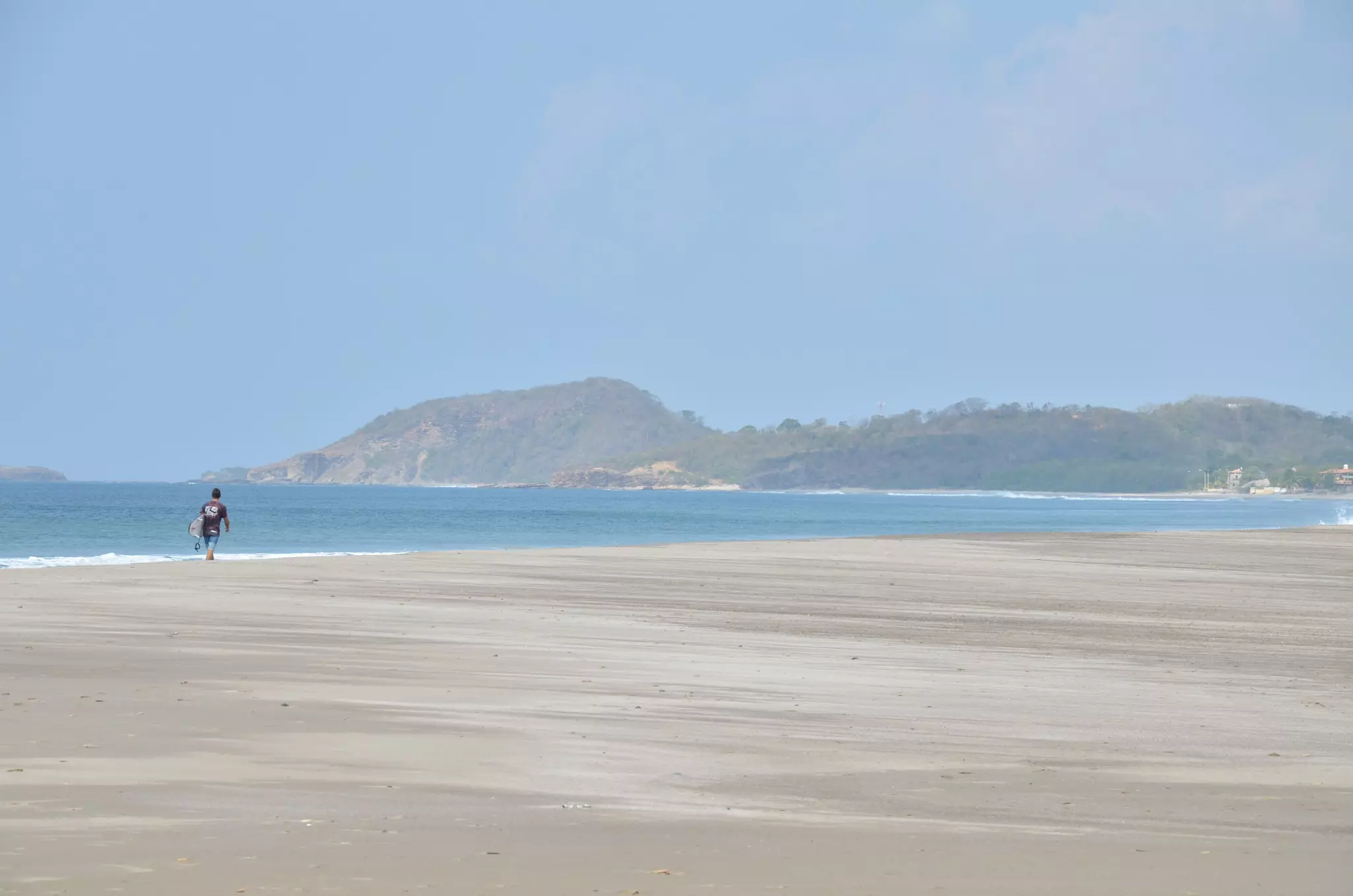
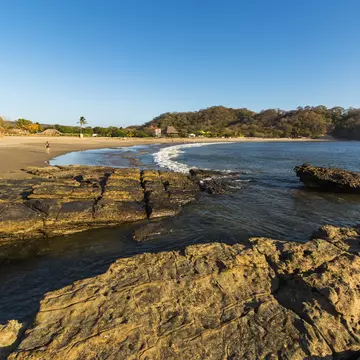
Head north or south of San Juan del Sur, and you’ll find laid-back towns and endless, incredible beaches that make up the Costa Esmeralda. Playa Popoyo (aka Playa Guasacate), once a sleepy surf village, is fast becoming a key Central American destination for wellness and wave seekers, thanks to being made more accessible by the new Pacific Highway. Surfing aside, there are now a number of boutique hotels and hostels hosting yoga, meditation, and other trendy activities. Search for tide pools to the north of the rocky coastline, deep enough for you to dive into, and just a 10-minute drive inland, you can go for a soak in the Termales de Nahualapa hot springs.
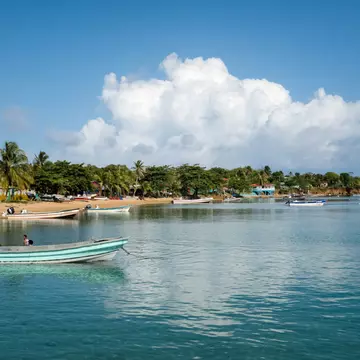
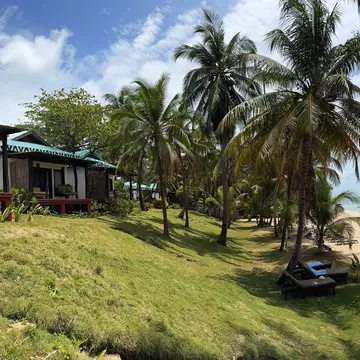
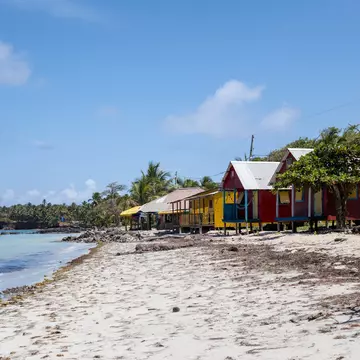
Most of Nicaragua’s tourist destinations are concentrated along and near the Pacific coastline, yet the Caribbean Coast offers a markedly different, quintessentially Caribbean experience. Las Islas del Maíz (the Corn Islands) lend themselves to indulging in lazy days stretched out on the sandy shore, sensational snorkeling and diving, and nights spent tucking into seafood and drinking beers at a local bar with Creole-speaking locals. Big Corn is larger and more developed, whereas Little Corn is smaller (hence the name) and is car-free, rustic, and even more low-key.
Planning tip: The quickest but priciest way to get to and from the Corn Islands is a flight from the capital with La Costeña Airlines to Big Corn. The cheapest is an 8-hour bus ride from Managua to Bluefields, and then a ferry to Big Corn, which runs twice a week (Wednesday and Saturday, returns Thursday and Monday). For a highly convoluted yet adventure-packed route, catch a bus from Managua to El Rama, and then hop on a panga river boat all the way down the Río Escondido until Bluefields. Boats between the two islands run once a day and take just over an hour.
Explore related stories