Nov 27, 202511 min read
The 9 Best Things to Do in NicaraguaOct 16, 2025
3 MIN READ

Writer
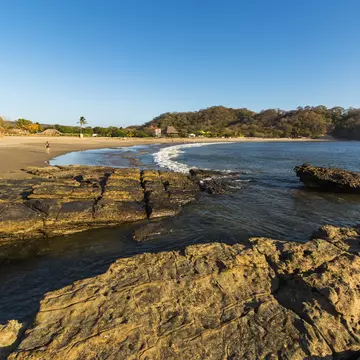
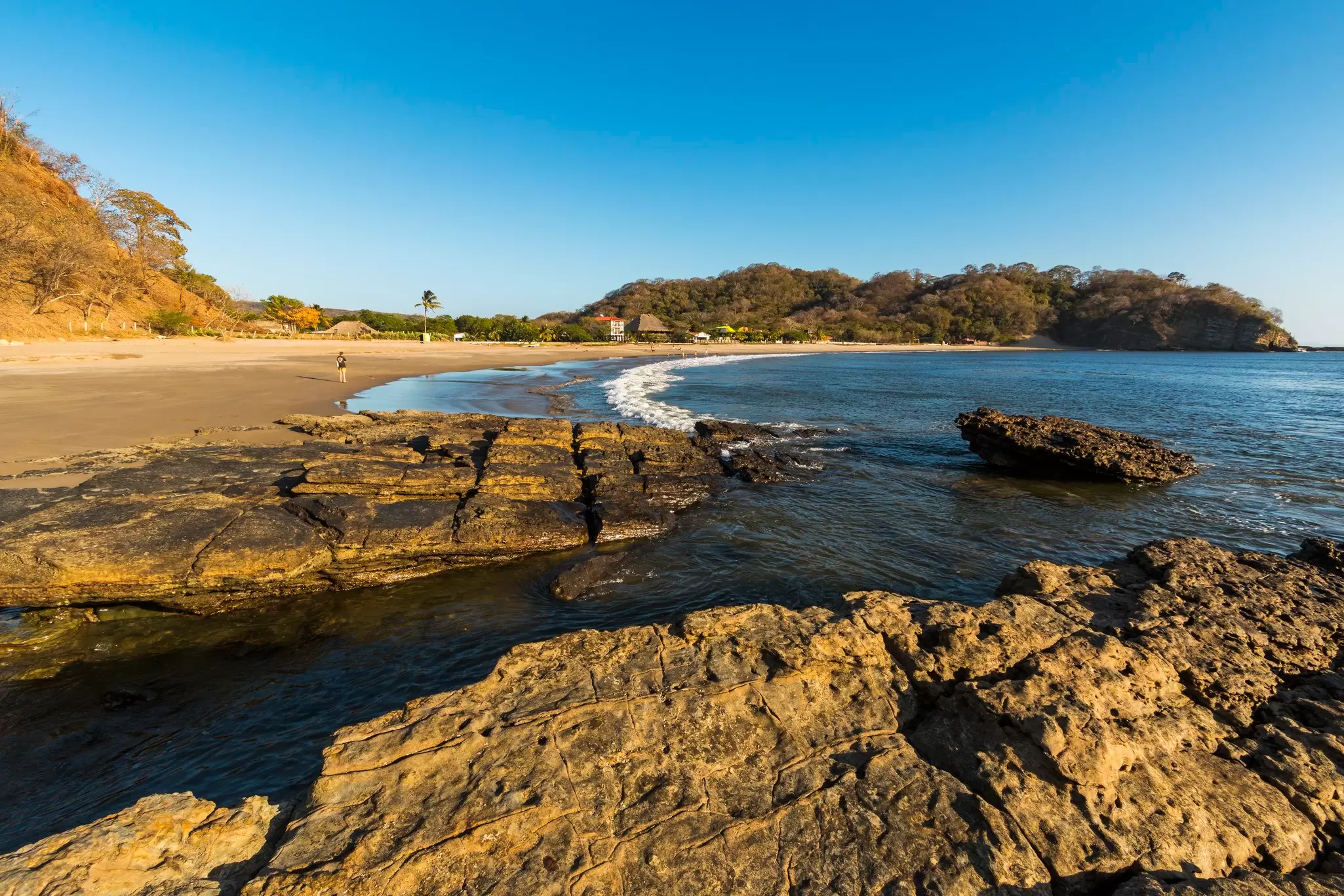
Playa Marsella, Nicaragua. mikeblue/Getty Images
Writer
Lonely Planet may earn a commission from affiliate links on our site. All recommendations and reviews reflect our own independent opinions.
Nicaragua is popular with travelers for its volcanic landscapes, idyllic islands and delightful beaches, but also because it has a tropical climate year-round. The Nicaraguan year is divided into the rainy season and the dry season, with religious and cultural events happening whatever the weather.
The high season in Nicaragua is December to April, and prices can increase by up to 25% in popular tourist spots. During this time, make reservations in advance for beachside accommodations, as it’s hot and sunny with dry conditions throughout the country.
November is considered shoulder season. Rains ease throughout the Pacific, but the Caribbean is still wet. Expect cool weather and green countryside, which can make for the best trekking. And low season is May through October, when heavy rains make some roads in rural areas difficult to pass and mountain hiking trails slippery. The biggest swell on the Pacific side pulls a crowd to the best breaks.
Weather in Nicaragua in February through April: Expect to enjoy perfect beach weather in the Pacific region with almost nonstop sunshine, followed by March’s soaring temperatures and dry conditions. April brings more sunshine.
This is the best weather for time on the beaches in Nicaragua. April especially is accompanied by big, consistent surf in the Pacific and calm seas throughout the Caribbean, ideal for diving and snorkeling.
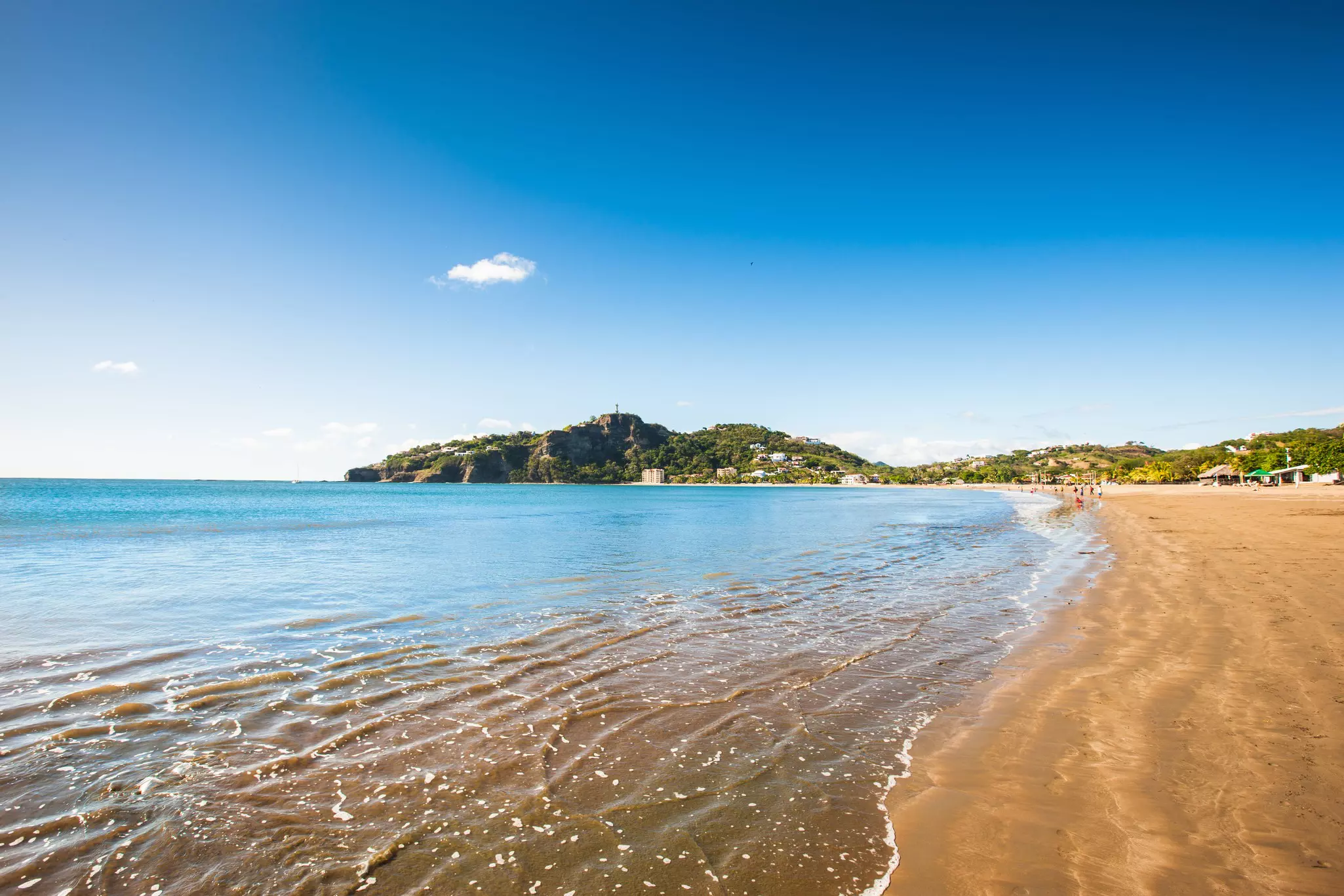
For beach fun, head straight to San Juan del Sur, Nicaragua’s water-sports capital. From there, take a shuttle to Playa Maderas to surf some killer breaks, then scope out a yoga session. If you have more time and energy, shuttle back to Managua for the short flight to the Corn Islands to swim the reefs of this divers’ paradise.
Weather in Nicaragua in May through October: By the end of May, the skies open, marking the beginning of the wet season. This is a time that can bring heavy rains, so carry an umbrella. August is typically pleasant, green and slightly wet; September and October are the wettest months.
Many fear the phrase "rainy season, " but prices for hotels and services plummet during this time. Rain almost never falls all day long, and precipitation makes the vegetation lush and lively. Plus, with cooler temperatures you can see flowers growing wildly, and the jungles are thick with foliage. The landscape is wonderfully green at this time of year, with waterfalls, like Ometepe’s San Ramón, at full flow.
Note that in September, the height of hurricane season may disrupt travel plans, but when there are no storms, the weather is generally bright.
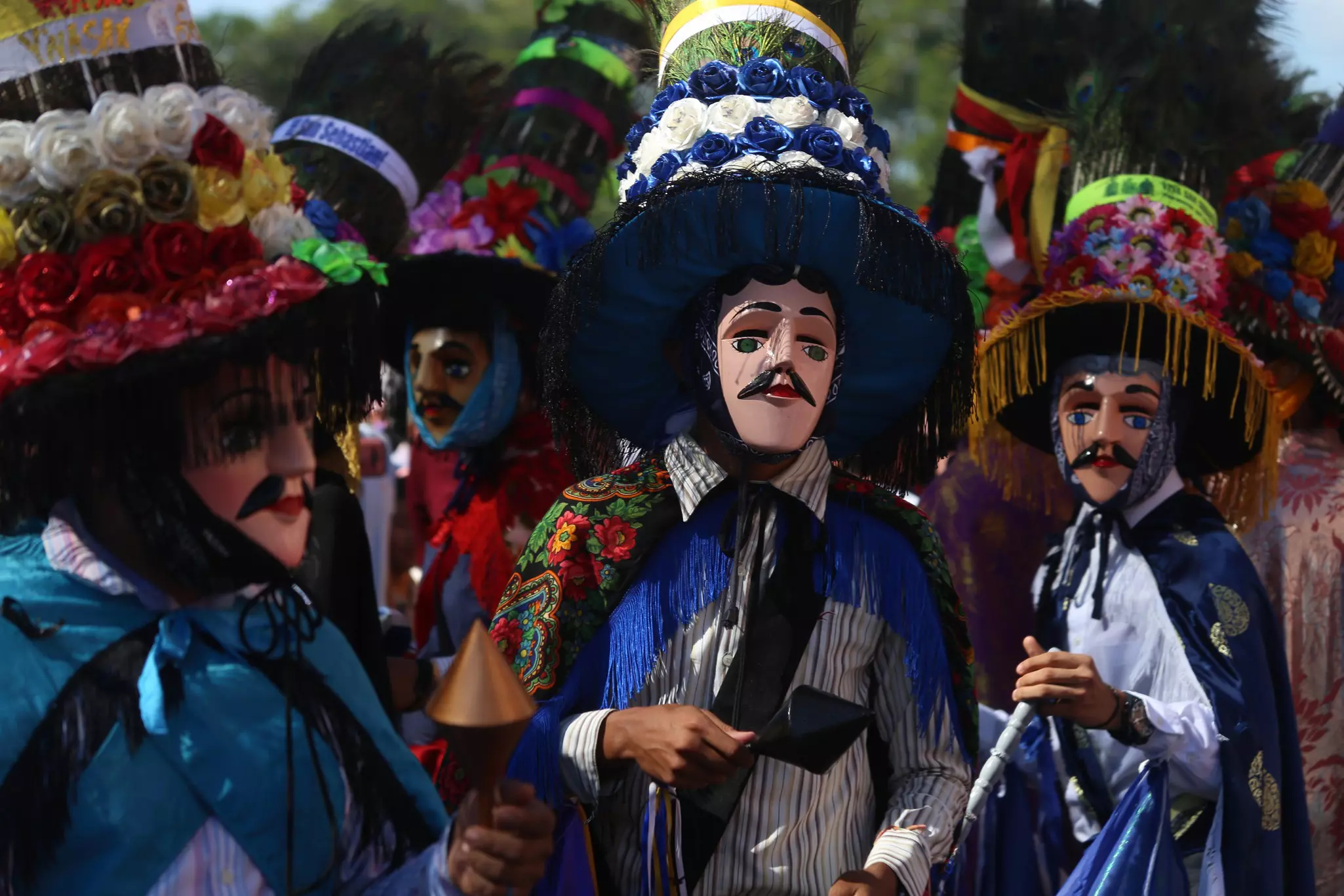
Weather in Nicaragua in November through January: Rains ease at the beginning in November, marking the end of the rainy season and the point at which tourism starts to ramp up. January can often bring some of the best weather of the year.
This can be a great time to visit, as the prime beach season hasn’t yet brought the crowds. And as if to celebrate the holidays, in December, many varieties of flowers bloom across the country. This can be a great time to visit to the Pueblos Blancos of Masaya, where artisans perfect their crafts.
Many festivals are running during this time. In January, the village of Diriamba celebrates the Festival of San Sabastián with performances of the centuries-old play, El Güegüense.
This article was adapted from Lonely Planet’s Central America guidebook, published in October 2025, and the Nicaragua guidebook.
Explore related stories