Sep 28, 20267 min read
The Perfect 3 Days in Budapest, HungaryJun 26, 2025
7 MIN READ

Writer
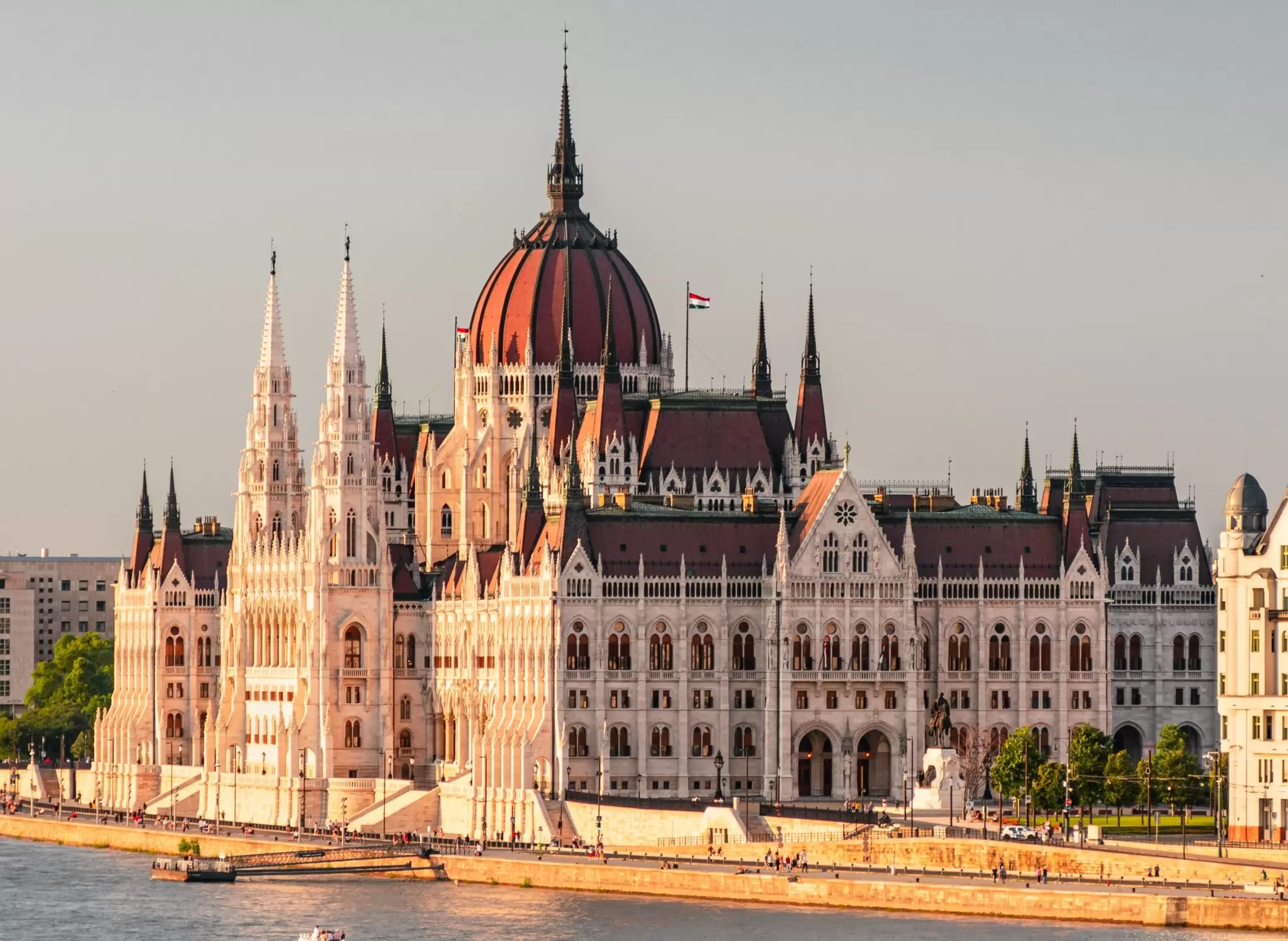
The Hungarian Parliament at dusk. Krisztian Tefner/Shutterstock
Writer
Highlights
Budapest-based writer Kata Fári picks 13 things from thermal baths to ruin pubs.
Széchenyi Baths offers majestic outdoor pools while Rudas adds a rooftop hot tub.
History lovers should visit neo-Gothic Parliament and the Moorish-style Great Synagogue.
Climb to the Castle District for Fishermen's Bastion views and cake at Ruszwurm.
Lonely Planet may earn a commission from affiliate links on our site. All recommendations and reviews reflect our own independent opinions.
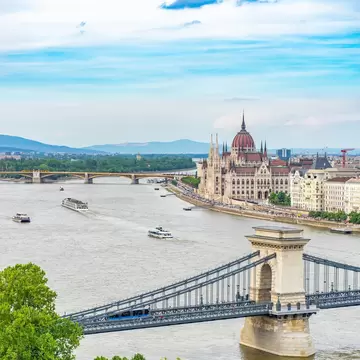
Exploring Hungary's capital, renowned for its romantic architecture and charming streets, is an absolute pleasure. Split in half by the Danube River (Duna), which is repeatedly crossed by illuminated bridges, beautiful Budapest brings endless cultural activities, street art, historic sights, muscle-melting waters at centuries-old thermal baths and a thriving food and drink scene. After a day or even a weekend, you'll start to wonder how you'll pack everything into just one visit. Don't worry, we've made our 13 picks for the top things to do in Budapest.
Budapest’s neo-Gothic Parliament building dominates the curve of the Danube and is a true postcard superstar. It houses the Holy Crown (used to crown the country’s monarchs since the 12th century), as well as other royal jewels.
Not too far from Parliament, you’ll find one of the city’s most moving memorials – the Shoes on the Danube. The monument honors the victims of the Holocaust who were marched to the riverbank on a winter’s day and ordered to remove their shoes before being shot and falling into the fast-flowing river beneath.
Planning tip: English-language guided tours of Parliament are available, but it’s best to book ahead.
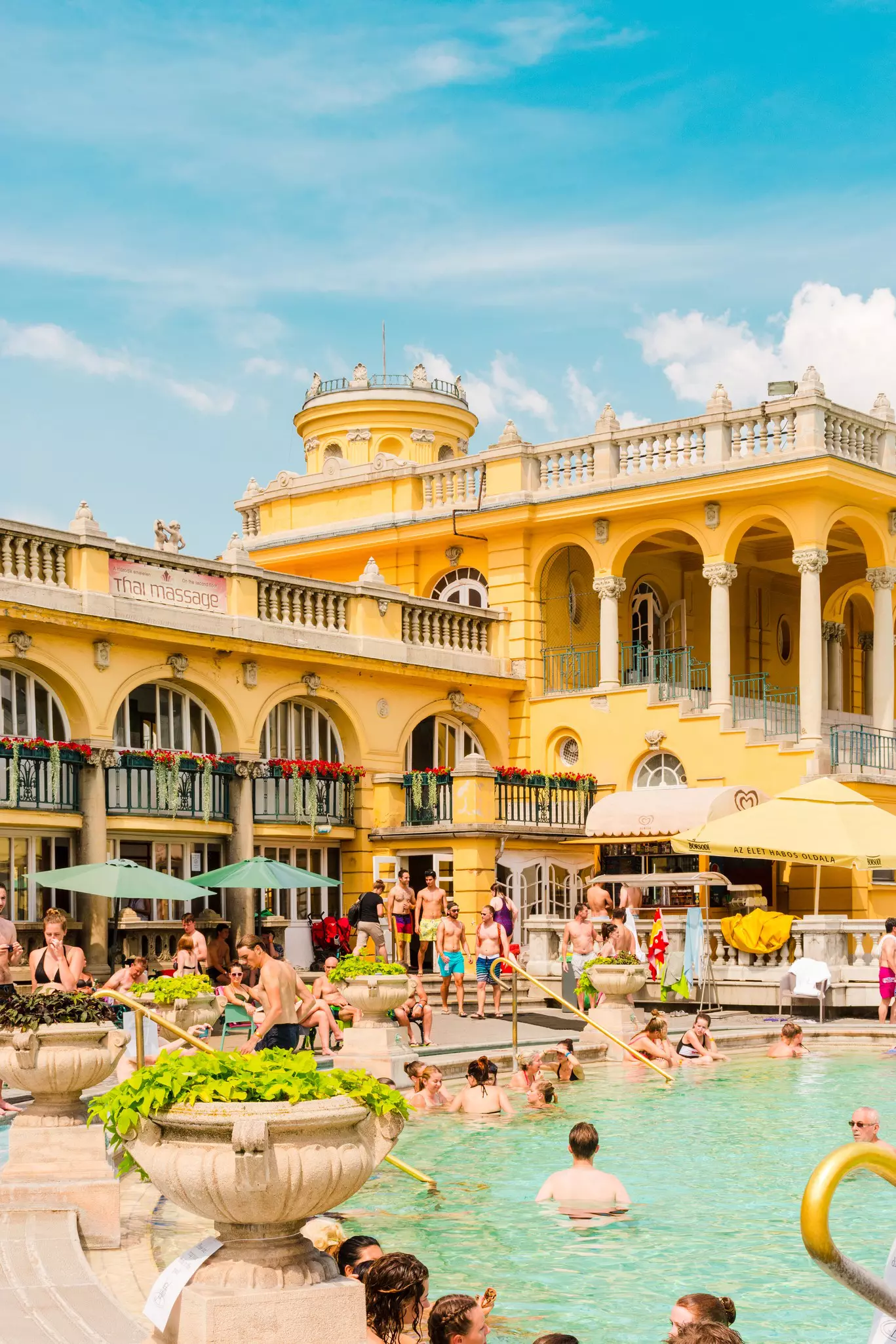
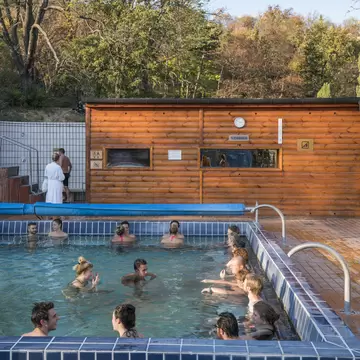
Budapest sits on a patchwork of springs – mineral-rich water spouts from the ground – hence its abundance of spas, many dating back to the era of Turkish rule. These waters are said to be capable of curing just about anything, and soaking in a thermal pool is a top Budapest experience.
The world-famous Széchenyi Baths is the biggest spa complex in Europe, and while the location could certainly be described as a tourist trap, its majestic architectural elements and outdoor pools still make it a wonderful place to visit. Other spas throughout Budapest's neighborhoods have special amenities, such as the rooftop hot tub at Rudas Baths.
Planning tip: Gellért Baths, with its stained-glass windows and colorful porcelain tiles, suits those wanting a more peaceful plunge.
Frequently cited as one of the most panoramic tram journeys in the world, tram 2's route travels all along the Danube shore between the Margaret Bridge (Jászai Mari tér) and south Pest. It chugs alongside everything you'll want to see downtown, all for the price of a regular public transportation ticket.
Planning tip: A boat trip can be a lovely alternative to the tram. If you don’t want to spend money on a sightseeing cruise, use the public boats with a regular transportion ticket.

Lonely planet’s trusted travel insurance provider
Travel with confidence. Protect your trip and your wallet.
We don’t represent World Nomads, we receive a fee from quotes using this link. This is not a recommendation to buy travel insurance.
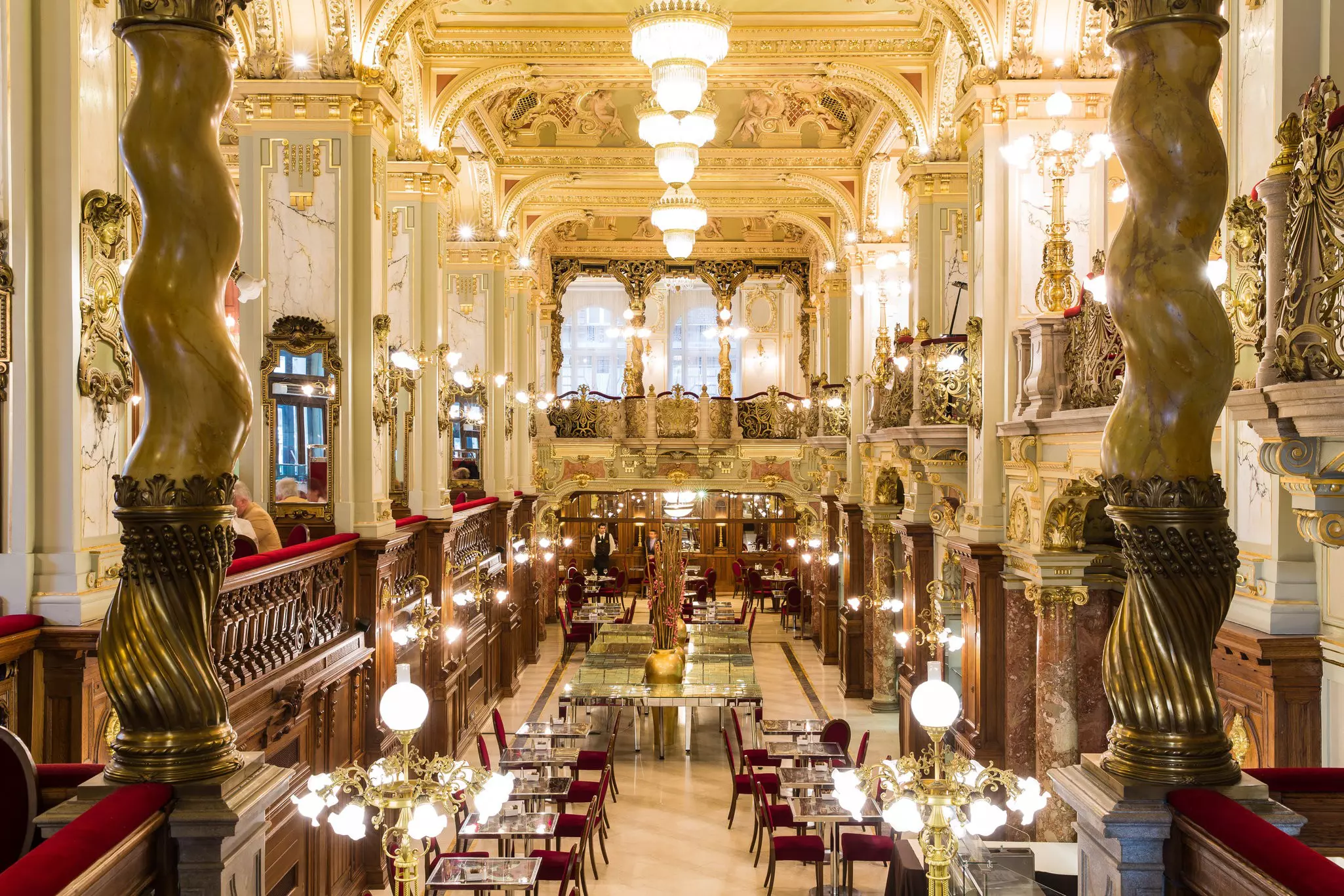
Budapest’s coffee-drinking culture dates back centuries, and its classic coffeehouses are a sight to behold. Many were cradles of culture and haunts for Hungary’s literary greats. The most prominent is New York Café, once chosen as the most beautiful coffeehouse in the world, where gilded and marble surfaces, crimson accents, crystal, frescoes, chandeliers and often live Hungarian music bring a fin de siècle finesse. Gerbeaud, Hadik and Centrál are equally great choices for a trip back in time.
Full of fancy shops, cafes and gorgeous buildings, tree-lined Andrássy út is Budapest’s version of the Champs-Élysées. It begins behind the basilica and stretches to Heroes’ Square, one of the city’s most famous monuments. Along the way, you’ll see the Hungarian State Opera House and the harrowing House of Terror museum, the former headquarters of the secret police, where victims of cruel regimes were once tortured.
Where the avenue ends, City Park begins. The Pest side's biggest park includes a rowboat-filled lake, which is an ice rink in winter, the fairy-tale Vajdahunyad Castle and the Széchenyi Baths.
Planning tip: Should you find the walk too long, the Millennium Underground, the oldest metro in continental Europe, runs the whole length of Andrássy.
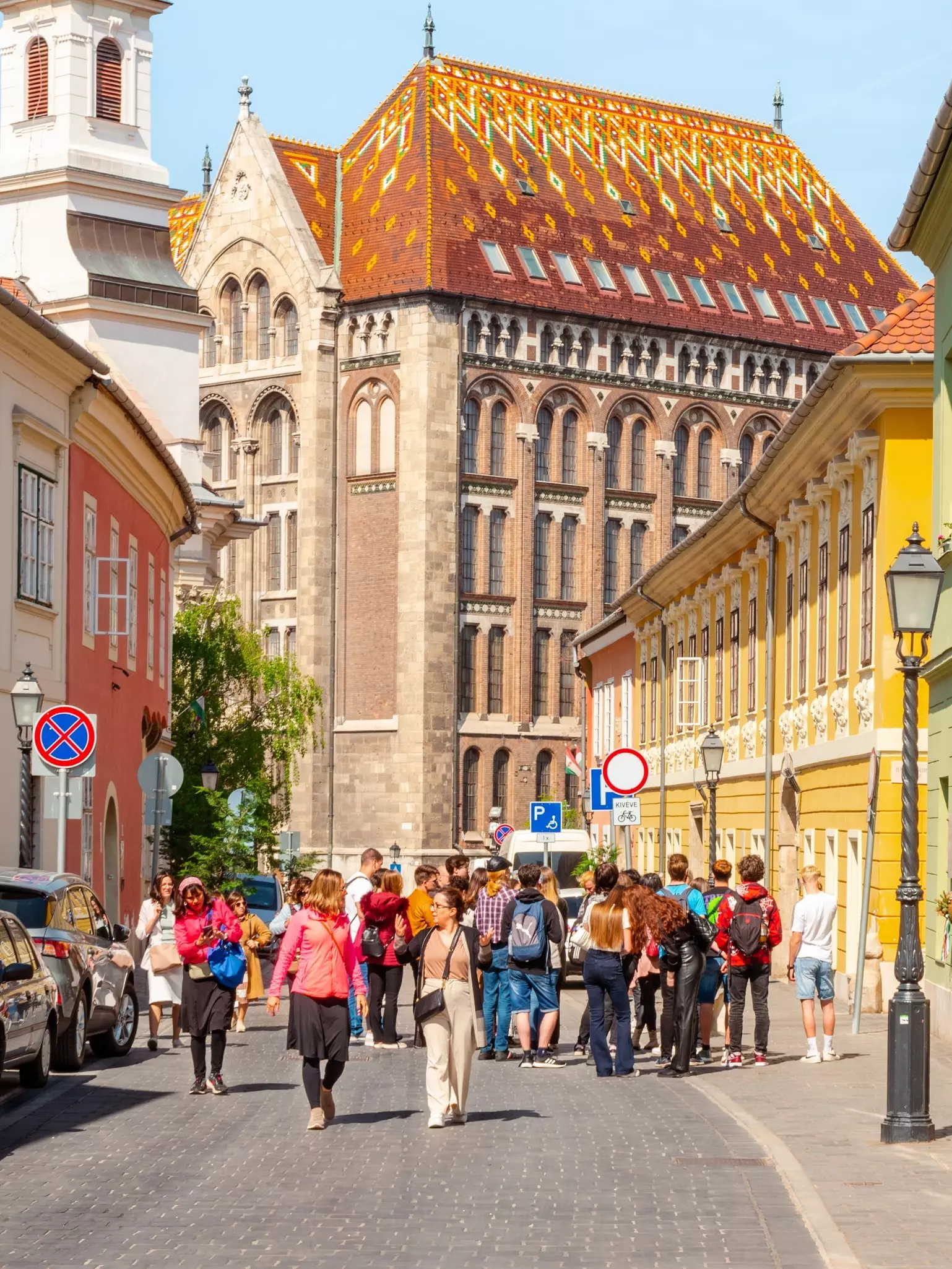
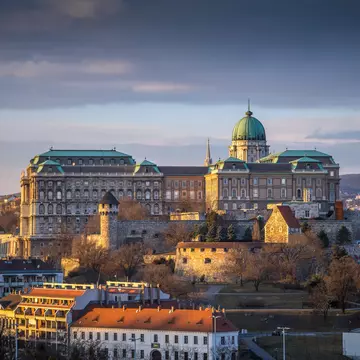
The Buda side's rolling hills are crowned by the former Royal Palace, one of the city’s most emblematic buildings. Razed and rebuilt several times through the ages, today it houses the Hungarian National Gallery and major temporary exhibitions.
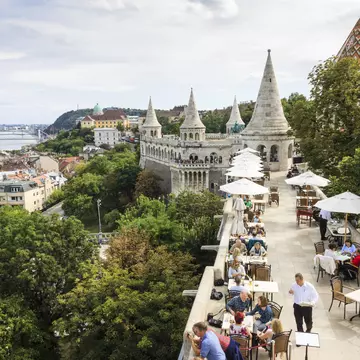
Other landmarks include Fishermen’s Bastion, with its unparalleled panorama of Pest's skyline over the Danube. The Gothic Matthias Church is steps away on twisting cobblestone streets.
For coffee and cake, be sure to stop by Ruszwurm, the longest-running confectionery in Hungary. The Hospital in the Rock Nuclear Bunker Museum, packed with wax figures and original medical equipment, was once a functioning hospital beneath the Royal Palace. The vintage funicular – one of the oldest funicular railways in the world – whisks you up to the palace in minutes. Alternatively, hop on bus 16, which has many stops throughout the city, or hike up (it’s not as far as it seems, we promise).
The ornate Basilica of St Stephen is the city’s biggest church and is mere blocks from Deák Square. Inside, the basilica hides the country’s most revered (and eerie) religious relic: the embalmed right hand of St Stephen, the founding king of Hungary. Climb the 193 steps (or take the elevator) to the basilica’s dome for some of the best views of Budapest.
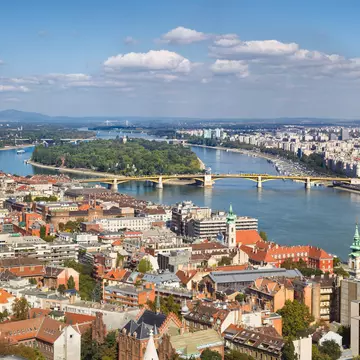
With the curving Danube, graceful bridges and stunning landmarks, Budapest is especially beautiful – and photogenic – from above. Climb up to the Citadella and Budapest’s Liberty Monument on Gellért Hill for a rewarding view. If you’d rather sit back with a drink and enjoy a front-row seat to all of Budapest, try any of the city’s many rooftop bars.
Planning tip: Areas of the Citadella have been under renovation and may be closed to visitors.
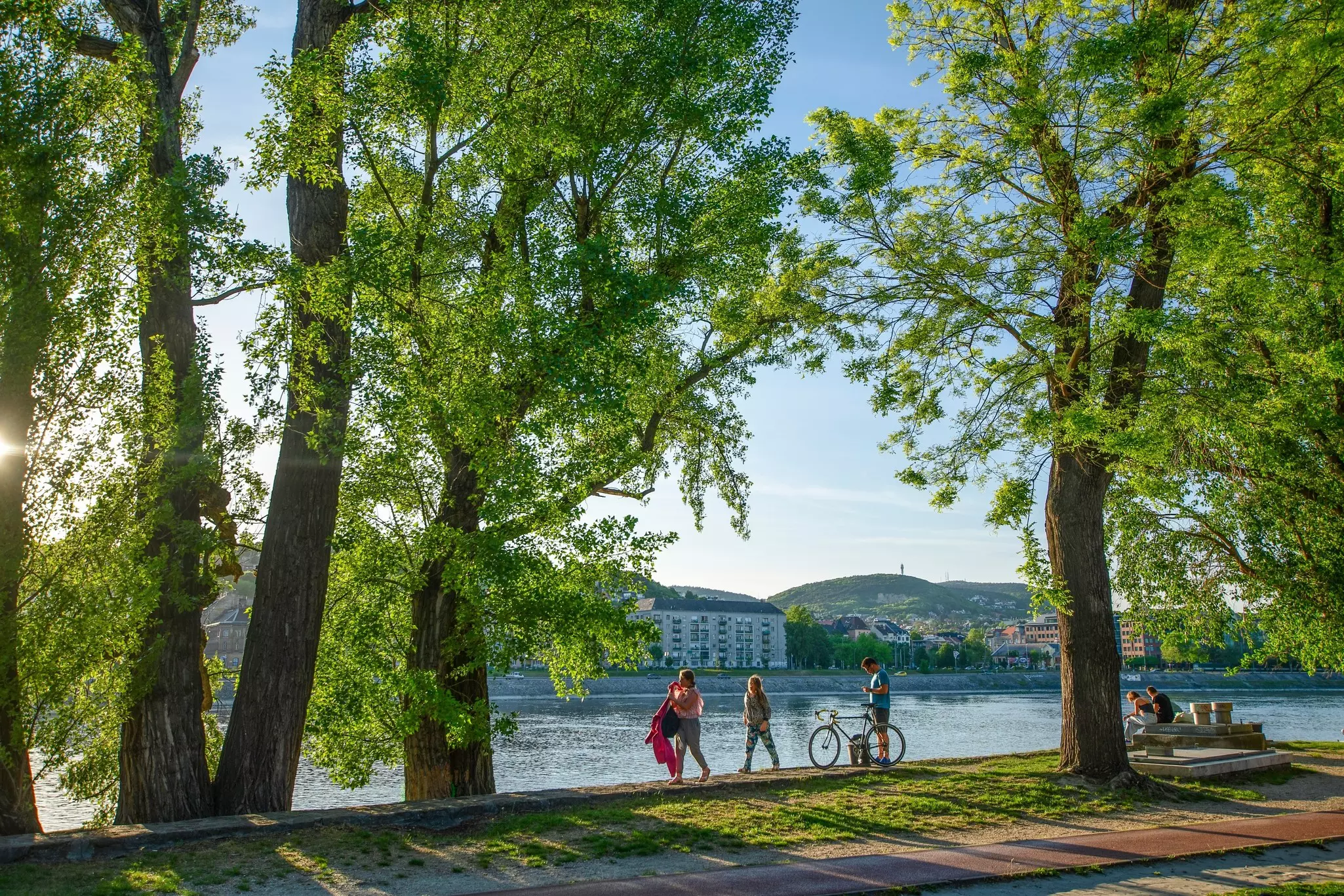
Margaret Island is Budapest’s biggest green oasis – accessible by foot from the yellow Margaret Bridge. The whole island is a huge park, home to the ruin of a medieval church, a lovely Japanese garden, a theater, century-old towering trees and endless picnics.
Planning tip: Head for the centerpiece of the island, a recently renovated fountain that lights up and pulses to music every hour starting at 11am from early May to the end of October.
The largest Jewish place of worship outside of New York City, the Moorish-style Great Synagogue is one of Budapest’s most eye-catching buildings. Built in 1859, the distinctive structure, with its crenelated red-and-yellow glazed-brick facade and two enormous towers, stands next to the Hungarian Jewish Museum and Archives. In the courtyard is the poignant Holocaust Tree of Life Memorial, designed by sculptor Imre Varga.
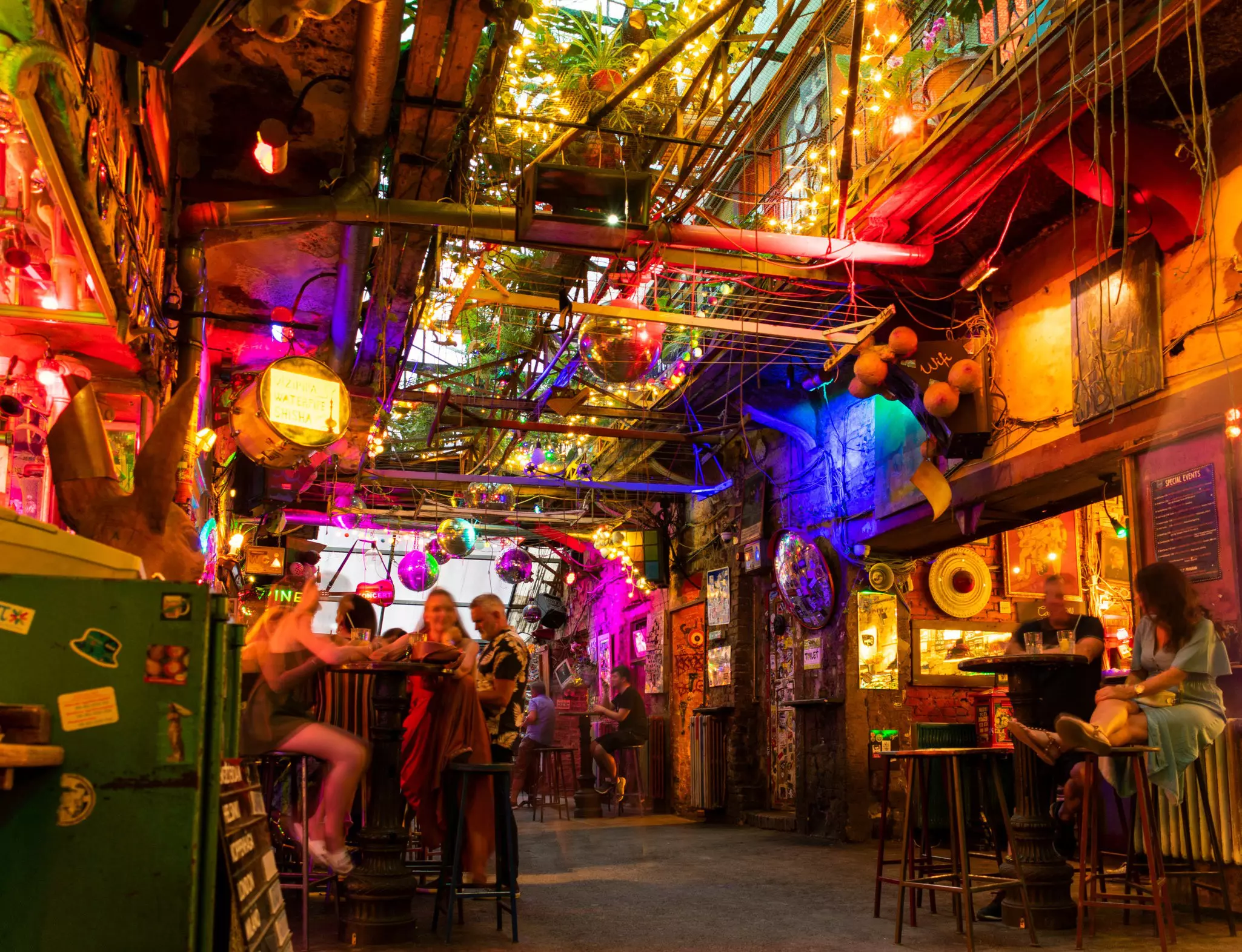
A visit to Budapest during the long, hot summe r is not complete without an evening at one of the city's many kertek, literally "gardens." But in Budapest, really any outdoor spot has been converted into an entertainment zone. These often rough-and-ready venues, including courtyards, rooftops and romkocsmák (ruin pubs) that rise phoenix-like from abandoned buildings, can change from year to year and are seasonal, but some of the more successful ones are permanent and open year-round.
Containing statues and other memorials from the communist past, Memento Park can only be described as a cemetery of socialist mistakes in southern Buda. Its four dozen statues, busts and plaques of Lenin, Marx and home-grown henchmen like Béla Kun were still being erected into the late 1980s and remained in their original locations until the early 1990s.
The area may be short on sights – except for Béla Bartók’s house, where he spent his final year in Hungary – but the Buda Hills are a welcome respite from the dusty city in warmer months. Perhaps the hills' biggest draw is the unusual transportation: a narrow-gage cog railway dating from the late 19th century gets you up the hills, a train run by children takes you across, and a chairlift glides you back down to terra firma.
Explore related stories