Dec 19, 20257 min read
9 Things to Know Before Traveling to St LuciaMay 7, 2025
9 MIN READ

Writer
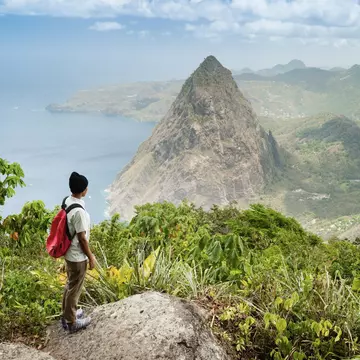
A hiker looks out at Petit Piton from the top of Gros Piton, St Lucia3. Justin Foulkes for Lonely Planet

Writer
Highlights
Writer Nasha Smith rounds up 11 St Lucia picks, from hikes to street parties.
Hike the Pitons or soar above the rainforest on Rainforest Adventures' aerial tram.
Chocolate lovers should visit Cacao Sainte Lucie; rum fans can tour St Lucia Distillers.
Join the Gros Islet Friday-night street party for soca, barbecue and Piton beers.
Lonely Planet may earn a commission from affiliate links on our site. All recommendations and reviews reflect our own independent opinions.
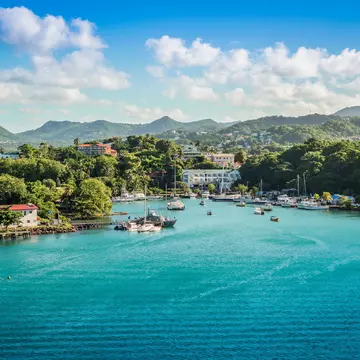
It takes just 90 minutes to get from one end of tropical St Lucia to the other – maybe an hour with light traffic.
But don’t be fooled by the island’s compact size. A trip to this sensational Caribbean spot will keep you busy with activities from dawn until dusk, whether your taste runs to cacao-estate tours or jungle hikes, local markets or waterborne adventures.
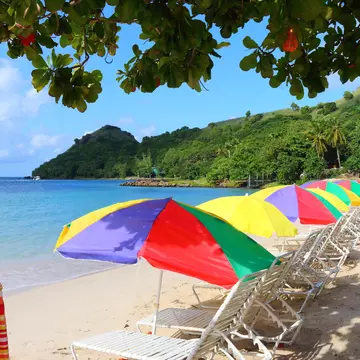
Beyond its bone-white sands and turquoise waters, St Lucia offers an abundance of nature trails, family-friendly experiences and mouthwatering cuisine – and good vibes in every corner of the island.
You should plan on lying out on the beach for hours, it’s true – yet in between sun sessions, consider these picks for the best things to do in St Lucia.
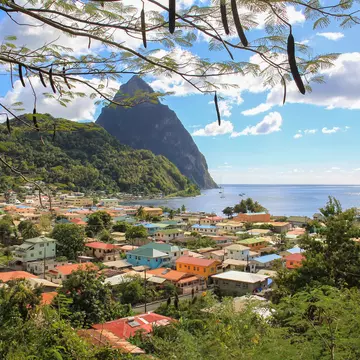
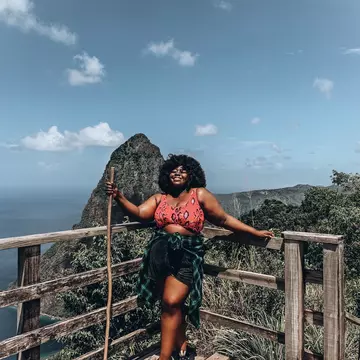
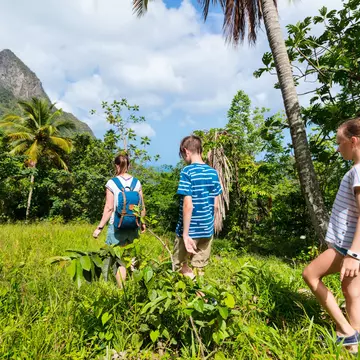
As you might on an island with such mountainous terrain, St Lucia is a hikers’ paradise – and most walkers begin their adventures on the twin volcanic plugs known as the Pitons.
The larger of the two, Gros Piton has an ascent that gets progressively more taxing as you get closer to the summit. Though the climb is shorter, the trek up Petit Piton is unforgiving from the get-go. The payoff for both? A panoramic, unobstructed view of the island that will leave you breathless.
Wildlife enthusiasts should tackle the Piton Flore Trail, located on the outside of the island, and loops through lush rainforest to the top of Piton Flore near Castries and offers the chance to see endemic St Lucia parrots.
Planning tip: If you’re just after a leisurely stroll against a brilliant backdrop, the Tet Paul Nature Trail climbs through an organic farm to a lofty lookout near Soufrière. The route is doable for hikers of all ages and fitness levels, and an early-morning start is best for keeping cool and by avoiding the midday sun.
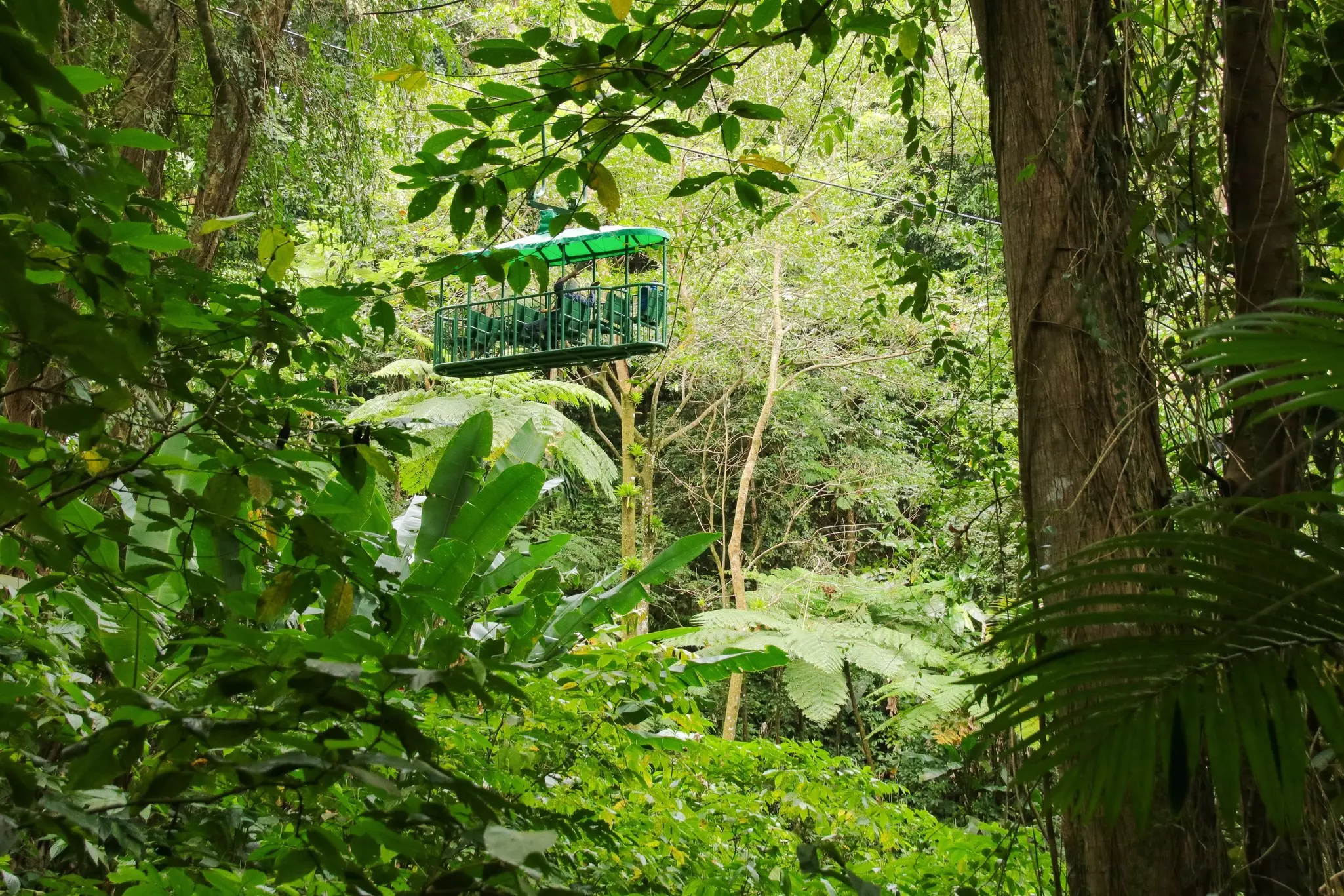
A dense stretch of emerald rainforest covers St Lucia’s interior, providing shelter for the national bird, the St Lucia parrot (Amazona versicolor), which is found only on this tiny Caribbean island.
In local parlance, it’s called the jacquot – and you may be lucky enough to spot one from the aerial tram that crosses the jungle at Rainforest Adventures, inland from Castries.
The line’s open, cage-like gondolas soar 120ft (37m) above the rainforest canopy, providing an incomparable overhead view of the lush flora and fauna below.
Each gondola holds eight people, and a nature interpreter accompanies each group to point out noteworthy plants and wildlife along the trip. At ground level, you can wander past flourishing animal life, waterfalls and tree orchids on the Fern Nature Trail.
Rum is the essential ingredient in many of St Lucia’s best-loved culinary traditions, from the island’s famous rum punch to the local fruitcake. And locally produced Bounty Rum embodies the spirit of St Lucia in every way.
Bounty is manufactured and bottled by St Lucia Distillers, which also produces the award-winning premium rum Chairman’s Reserve. You can follow its production process on a Rhythm of Rum tour, which also includes tastings of the distillery’s extensive collection of rums and rum-based liqueurs.

One of the holdovers from St Lucia’s time under British colonial rule is a national obsession with cricket.
This British pastime is tied with football (soccer for you Americans) as the most popular sport on the island. If you’re unfamiliar with the game, ask a local to talk you through the (awfully complicated) rules.
Like most West Indians, St Lucians are mad for cricket, so don’t be surprised if you see locals walking along holding small transistor radios to their ears to follow matches.
The best place to see a match is the Gros Islet’s Daren Sammy Cricket Ground, named after the first St Lucian to be called up to the West Indies Cricket Team.
Planning tip: For the ultimate in Caribbean cricket-watching, grab a seat in the party stands, where the drinks are always free-flowing and the celebrations spirited and uninhibited.
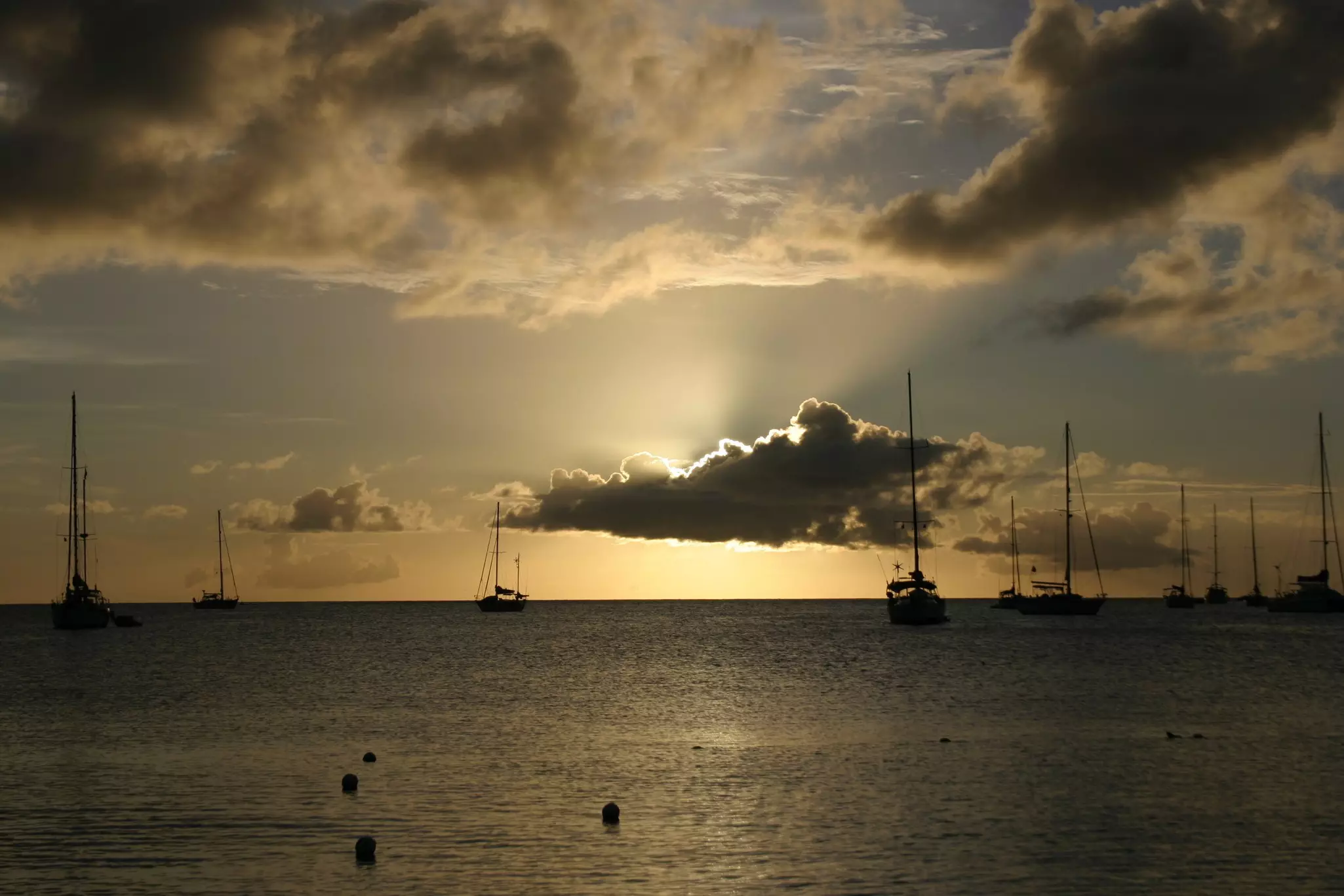
There are few more romantic experiences than watching the sun dip below the horizon, feeling its long orange rays kiss your skin as you sip on a cold drink and nibble on hors d’oeuvres.
Accordingly, a sunset cruise will be a highlight of any trip to St Lucia. Most cruises offer two relaxed hours at sea, with the perfect trifecta of good drinks, good food and Caribbean music.
For a novel twist on the typical St Lucia sunset cruise, Mystic Man offers a sunset excursion that sails along the inner bay of the Pitons, serving up dramatic coastal views. Increase the intimacy factor with a private cruise, or rent a catamaran for an evening sail with just your nearest and dearest.
You might even catch that elusive phenomenon known as the green flash, an optical illusion caused by the refraction of the last of the sun’s light.
St Lucia’s most famous party is not its annual carnival, but rather the weekly street party in Gros Islet – a Friday-night staple on the island’s nightlife scene for more than 50 years.
Held in St Lucia’s northernmost town, the weekly jump-up and jam session starts as soon as the sun sets. Residents pile up their coolers with ice, local fruit juice and Piton beers; before long, the telltale scents of barbecue and garlicky fish and chicken start wafting through the air.
Add in a few hundred revelers and DJs spinning records ranging from groovy soca to the “riddim-driven” sounds of Caribbean dancehall, and you have a shindig lasting well into the wee hours on Saturday morning. If you want to party like a true Lucian, there’s no better place to strut your stuff.
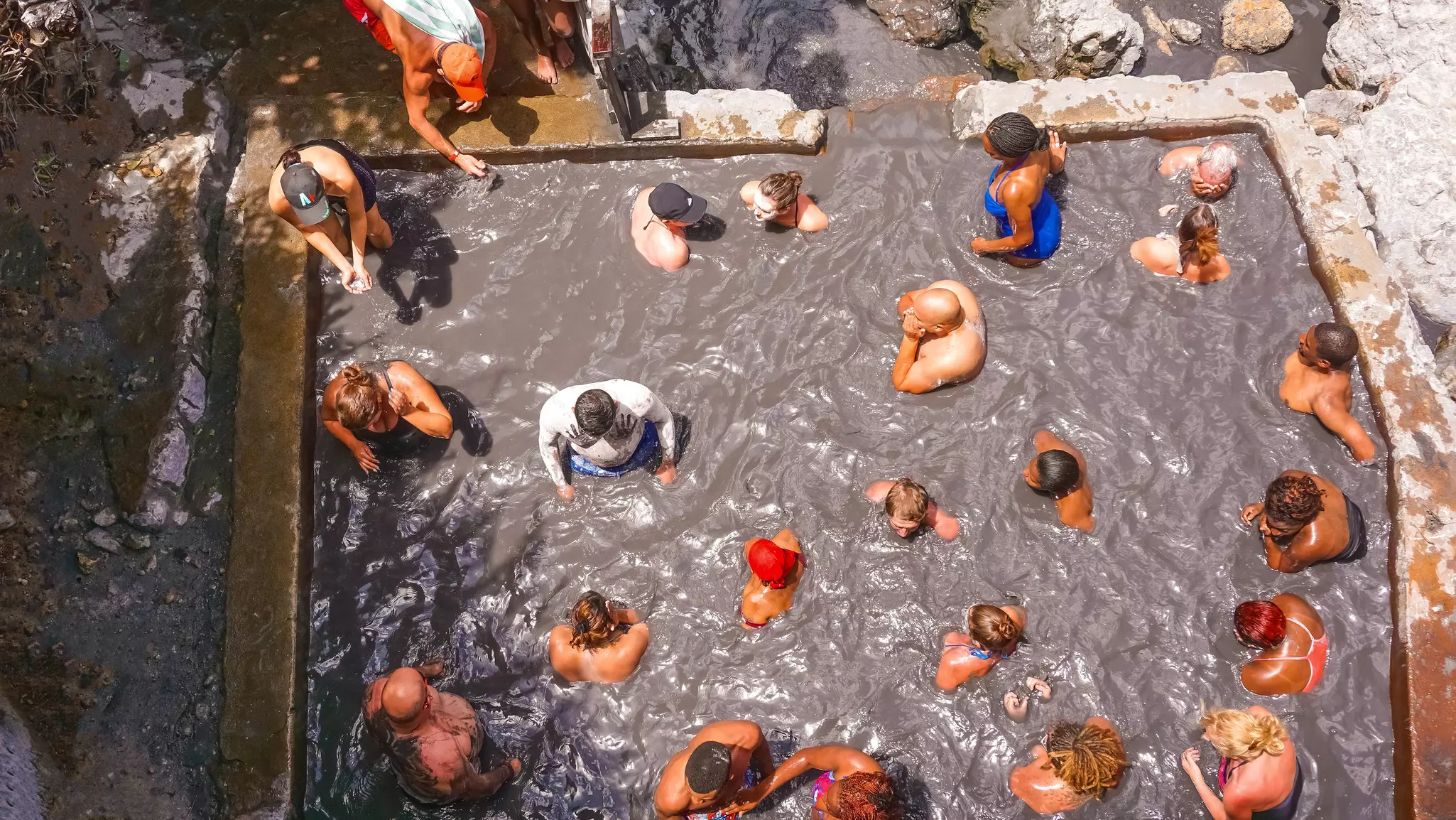
Did you know that St Lucia boasts the world’s only drive-in volcano? While not quite on par with the entrance to Bond villain’s lair, the arrival at this steaming, natural volcanic spa is certainly an experience.
Thankfully, the dormant volcano that produces all this geothermal heat last erupted in the 1700s – but the heat it still throws off means its four mud baths, hot springs and waterfalls draw a global crowd.
The mud baths are believed to contain detoxifying properties that soothe sunburn, joint soreness, arthritis and skin conditions like eczema.
Planning tip: Try to nab a spot for a soak in the first mud bath, for the water flows from one to the next, and gets a bit mucky by the fourth bath.
St Lucia traces its long history of cacao production to the 1700s, when settlers established plantations to supply beans to Europe for transformation into premium chocolate.
Today, the industry is thriving once again with the growth of local premium chocolate brands – and the entire month of August is dedicated to events that celebrate the sweet delicacy.
The Rabot Hotel is the centerpiece of a 250-year-old cocoa farm, the oldest on the island, and it supplies beans to the Hotel Chocolat brand. Beyond the cocoa-inspired decor, the property’s meals are also infused with chocolate.
Standouts at lunchtime include cacao nib–marinated chicken rotis and watermelon salad; for dinner, the beef tenderloin is paired with seasonal vegetables, cacao nibs and garden mint.
For a sweet addition to an intimate getaway, try a revitalizing "Chocolate Delight" spa treatment at the innovative (and super-premium) Jade Mountain resort, or a sensuous "Sweet Surrender Chocolate Wrap" at Kai Koko Spa inside the tranquil Ti Kaye Resort.
For a more immersive experience, the history tour offered by Fond Doux Eco Resort provides a deep dive into all things cacao, including the “cocoa-rina” dance traditionally performed when polishing the beans.
Cacao Sainte Lucie, in the village of Belvedere near Canaries, takes visitors through the slow-roasting and stone-grinding processes that form the foundation of its handcrafted small-batch chocolate. You can even try your hand at crafting a bar yourself.
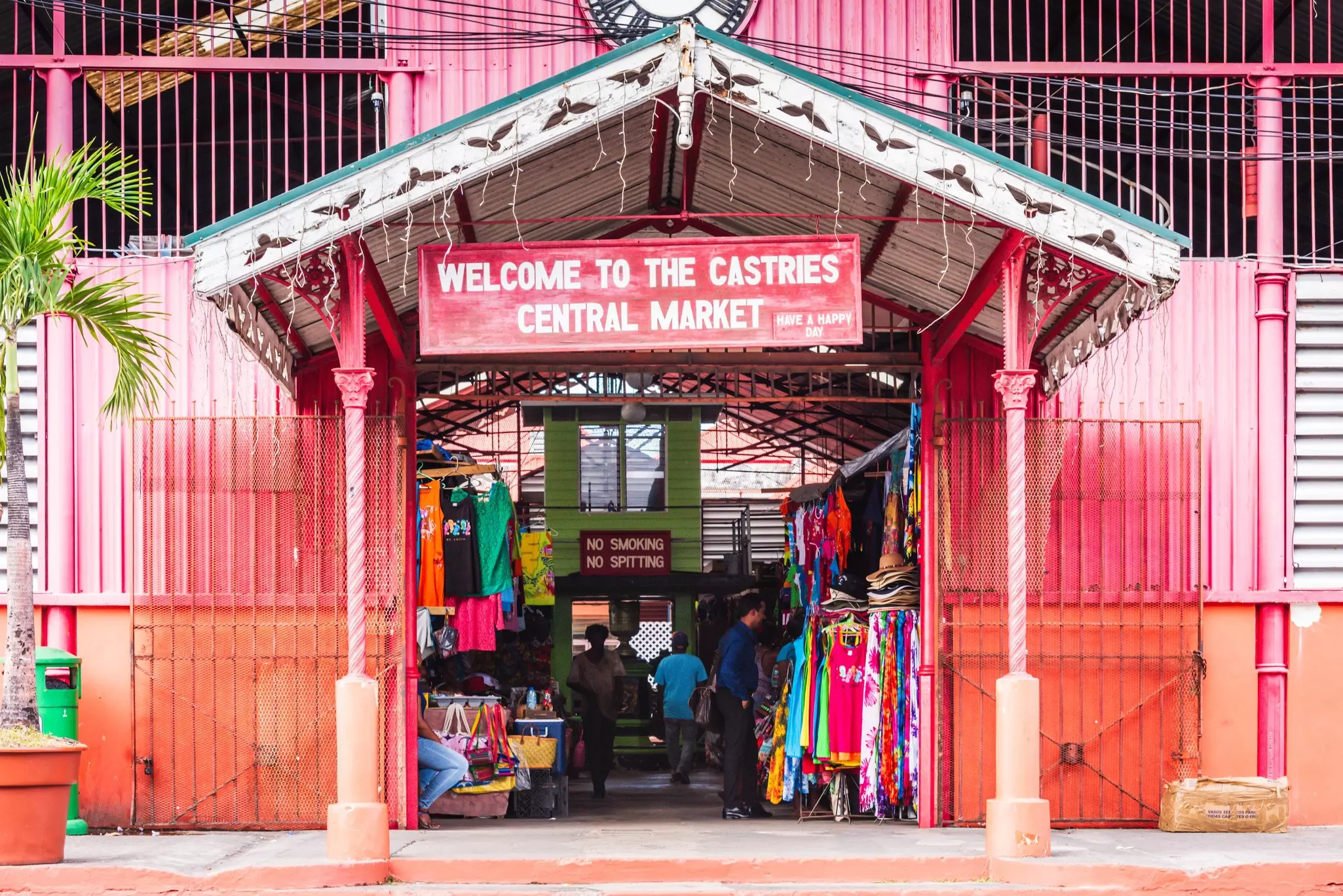
Since 1894, the Castries Market on Jeremie St in the St Lucian capital has been the island’s main hub for the sale of fresh produce, herbs, spices, fish and meat. It’s a great place to browse for sun-sweetened fruit and vegetables, recently picked and displayed in neat piles.
Nearby, the covered section of the market features rows of colorful stalls selling handcrafted souvenirs, decorated calabashes, woven baskets, straw hats, art, spicy island condiments and locally produced beachwear. It’s also a fine spot to sample authentic St Lucian treats such as bakes (fried dough), cocoa tea and cow-heel soup.
Planning tip: While the market operates daily, Saturday is the busiest and most recommended day of the week. Locals gather before 7am to have first pick of the fresh produce.
The floating water park Splash Island is a firm favorite of families in St Lucia. Just off of Reduit Beach on the island’s northwest coast, the park features a kid- and adult-friendly obstacle course with hurdles, monkey bars, a slide, swing and climbing wall; a trampoline; water volleyball; and more. Lifeguards are stationed close by to ensure safe frolicking.
Planning tip: After working up an appetite, visitors can tuck into a meal from one of the small, cozy restaurants lining the nearby Rodney Bay strip.
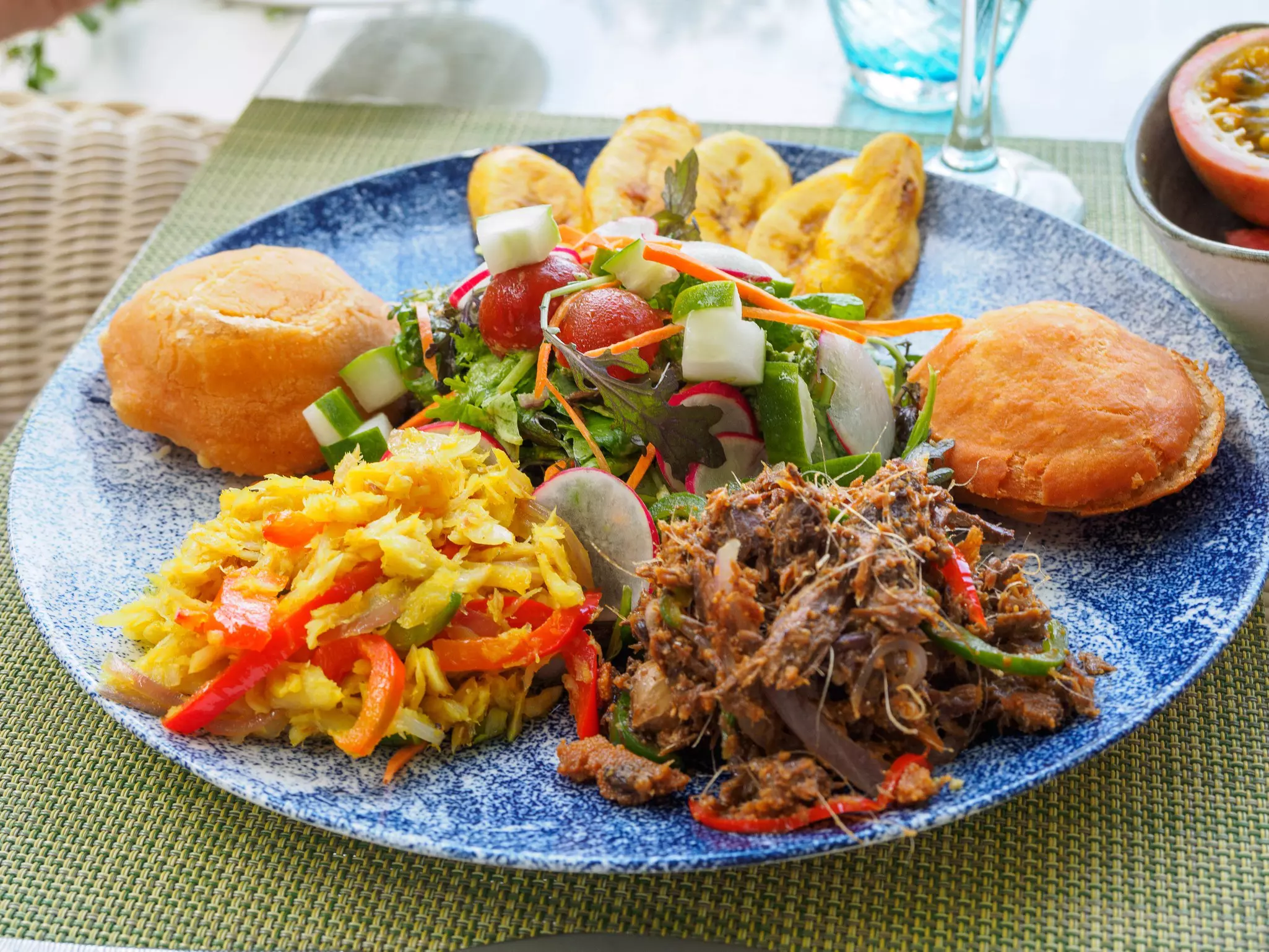
St Lucia’s cuisine is a dizzyingly delicious blend of Amerindian, British, French, African and Creole influences. Starchy sides such as yam, sweet potato and dasheen (a kind of taro) are typically accompanied by stewed meats or fish broth and vegetables.
Legumes are a popular accompaniment, particularly lentils or red (kidney) beans. A traditional breakfast starts with cocoa tea made from cacao sticks and aromatic spices, with fried dough “bakes, ” stewed saltfish and cucumber salad
You can sample any of these dishes and many more at local restaurants around the island. During Jounen Kwéyòl – a festival dedicated to Creole culture held each October – you can find many authentic local meals served in towns and villages, including the national dish: saltfish and green fig (unripened banana). Also, look out for bouyon (meat stew) and breadfruit with smoked herring.
Explore related stories