Dec 19, 20257 min read
9 Things to Know Before Traveling to St LuciaDec 19, 2025
7 MIN READ

Writer
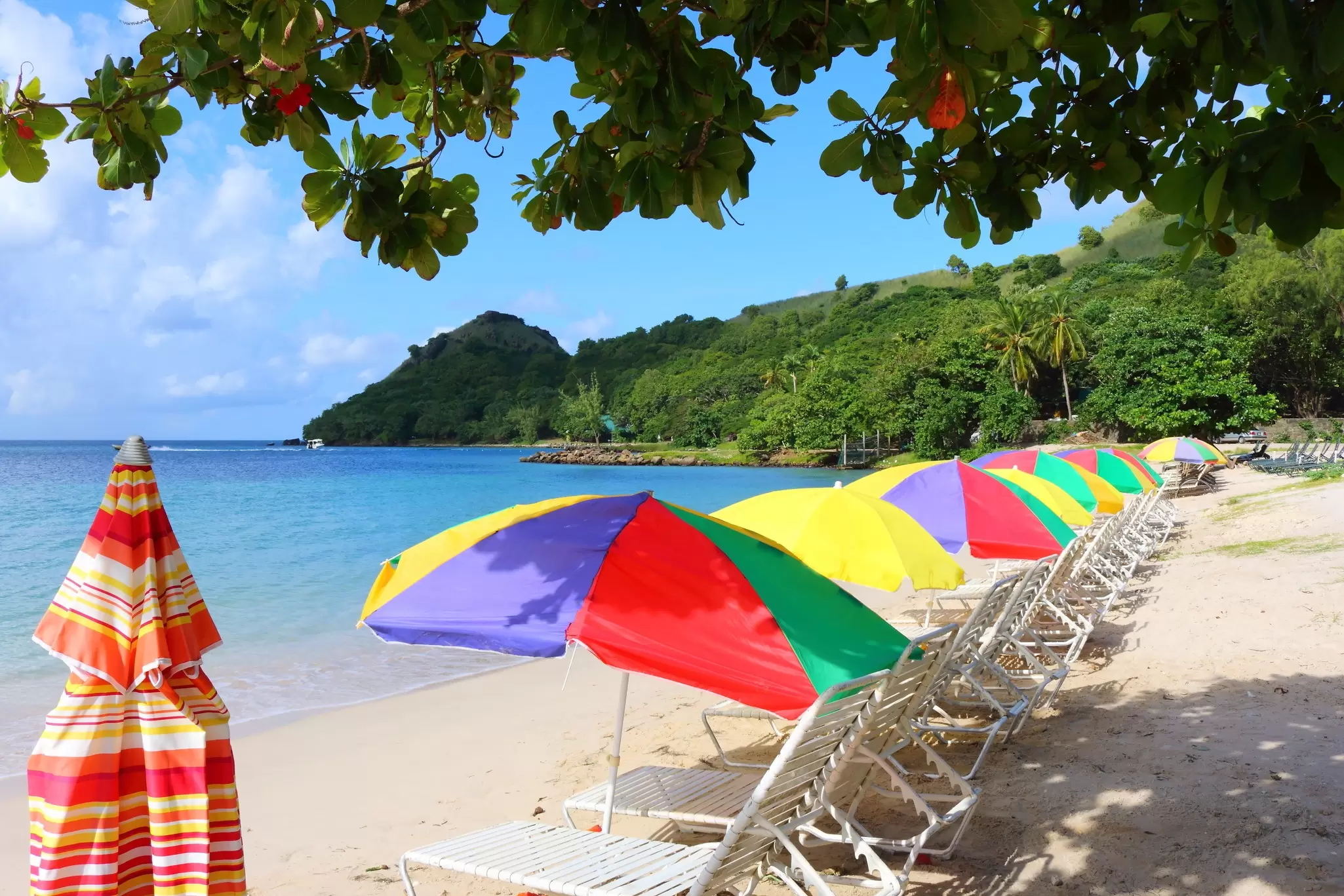
Pigeon Island Beach in St Lucia. Judith Lienert/Shutterstock
Writer
Highlights
Writer Nasha Smith covers nine St Lucia tips on weather, safety and culture.
Visit year-round – hurricane season lasts June through November but rarely brings all-day rain.
Dress modestly off the beach and greet everyone warmly – St Lucians take manners seriously.
Pay in Eastern Caribbean dollars and use official taxis with blue TX plates.
Lonely Planet may earn a commission from affiliate links on our site. All recommendations and reviews reflect our own independent opinions.
With volcanic beaches, emerald-dipped landscapes and mouthwatering cuisine, St Lucia has a well-earned reputation as one of the most tranquil and exquisite places to visit.
I was born and raised on the island and still find it impossible to exhaust the wonders of my favorite Caribbean jewel. I always book a window seat on the left side of a flight back home just to see the magnificent Pitons slowly come into view, and I never tire of searching for the best bakes (fried bread filled with fish) and accras(salted cod fritters) outside of my grandmother's.
But if you've never been, you might have some questions. What is the best way to take it all in? What attire suits the tropical climate? What about the hurricane season? What if you’re flying solo?
Here are a few of the most important things to know before you pack your bags for the Helen of the West Indies.

St Lucia is usually warm and balmy throughout the year. The Atlantic hurricane season, which coincides with the island's rainy season, begins in June and runs until November, but it is very rare for it to rain nonstop for a whole day or several days at a time.
Even though St Lucia is in the hurricane belt, the strongest part of the belt is to the far north of the island. Most of the time, hurricanes in the Atlantic get stronger and more dangerous as they move west, away from St Lucia and toward the USA, so the hurricanes that do hit the island are usually much weaker than those that wreak havoc on islands to the northwest and on the US mainland.
However, it is still important to know what to expect during hurricane season. Be sure to check the latest weather forecasts, and if there are hurricane warnings, listen to advice from local authorities.
St Lucia, like the rest of the Caribbean, has a generally conservative attitude toward the LGBTQ+ community. Public displays of affection (such as hand-holding and kissing) between both same-sex couples and heterosexual couples are rare.
Certain sexual acts are illegal in St Lucia, though the law is rarely enforced. Travelers identifying as LGBTQ+ should be aware of cultural norms and understand that showing affection in public may draw unwanted attention.
Lonely planet’s trusted travel insurance provider
Travel with confidence. Protect your trip and your wallet.
We don’t represent World Nomads, we receive a fee from quotes using this link. This is not a recommendation to buy travel insurance.
However, the island has been taking steps toward fostering inclusivity. In 2022, St Lucia became one of the few countries in the Caribbean to provide legal protection to same-sex couples who are victims of domestic violence. Additionally, it is the only country in the region that expressly forbids discrimination in applying such laws based on sexual orientation and gender identity.
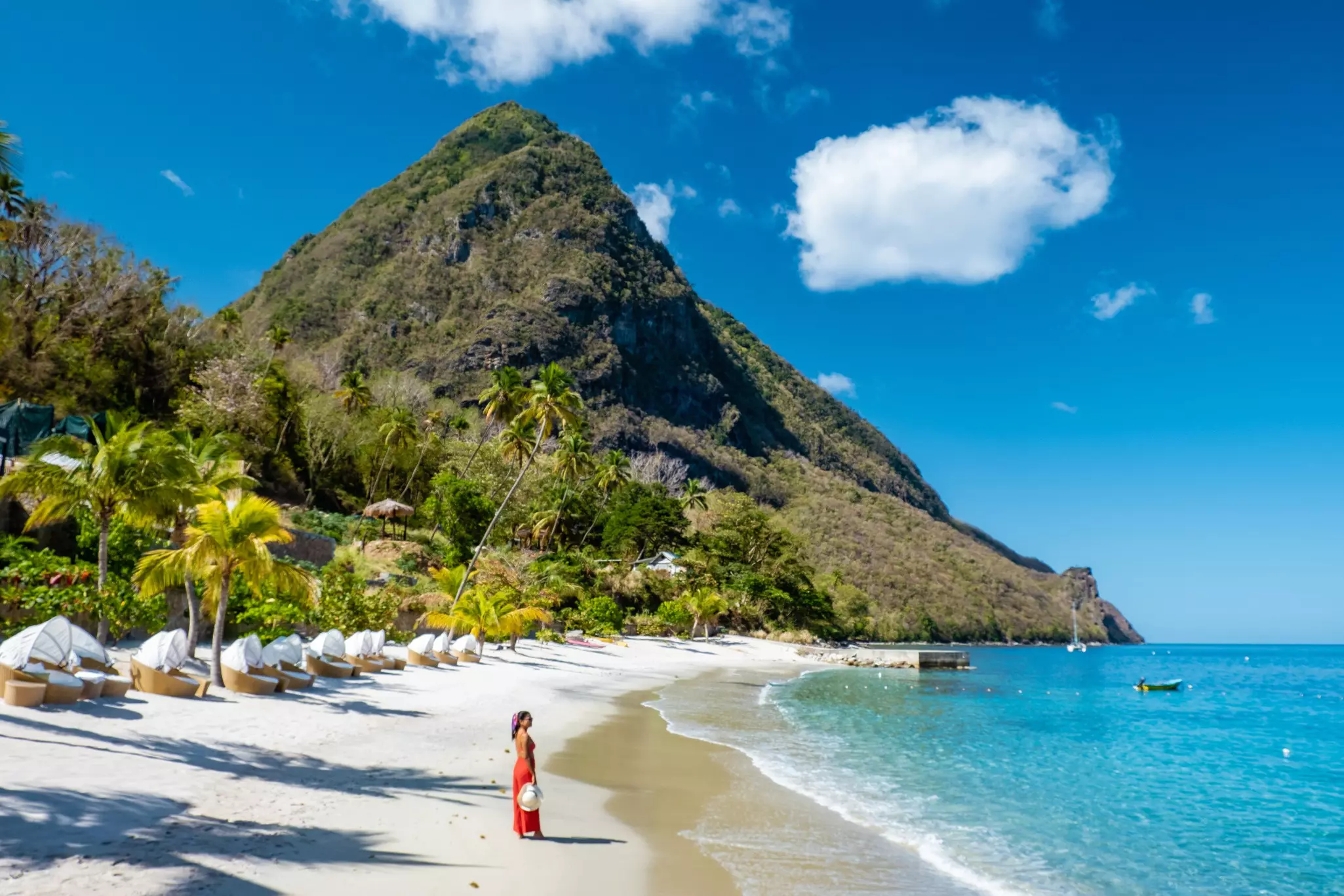
During Carnival celebrations, revelers shed layers of fabric, seemingly in a nod to the tradition’s roots in emancipation. But there is a limit to liberation on the island’s beaches – going topless or nude on the beach is a major no-no in St Lucia.
The majority of St Lucians identify as Christian, and attitudes are quite conservative. All Catholic holidays and sacraments are observed throughout the island, and churches can be found everywhere. Other denominations include Anglican, Methodist, Baptist, Seventh-Day Adventist and Jehovah's Witness. If you wish to join residents in worship, there is no specific dress code but err on the conservative side: moderate-length dresses and skirts, blouses, and trousers. Think casual and comfortable but not revealing.
Remember to throw on a cover-up over your swimsuit if you’re heading into a restaurant or any other place of business.
St Lucians are very courteous, as you will quickly observe. You will hear some variation of "good morning," "good afternoon" or "good night" (which is interchangeable with "good evening") when you enter any store, public bus, restaurant or pretty much anywhere.
Not reciprocating might draw some curious looks and get you branded with the dreaded unmannerly label. When the chance arises, don’t be afraid to engage in some light banter when interacting with residents, especially vendors or people who are providing some sort of service. The community's elders are typically treated with respect.
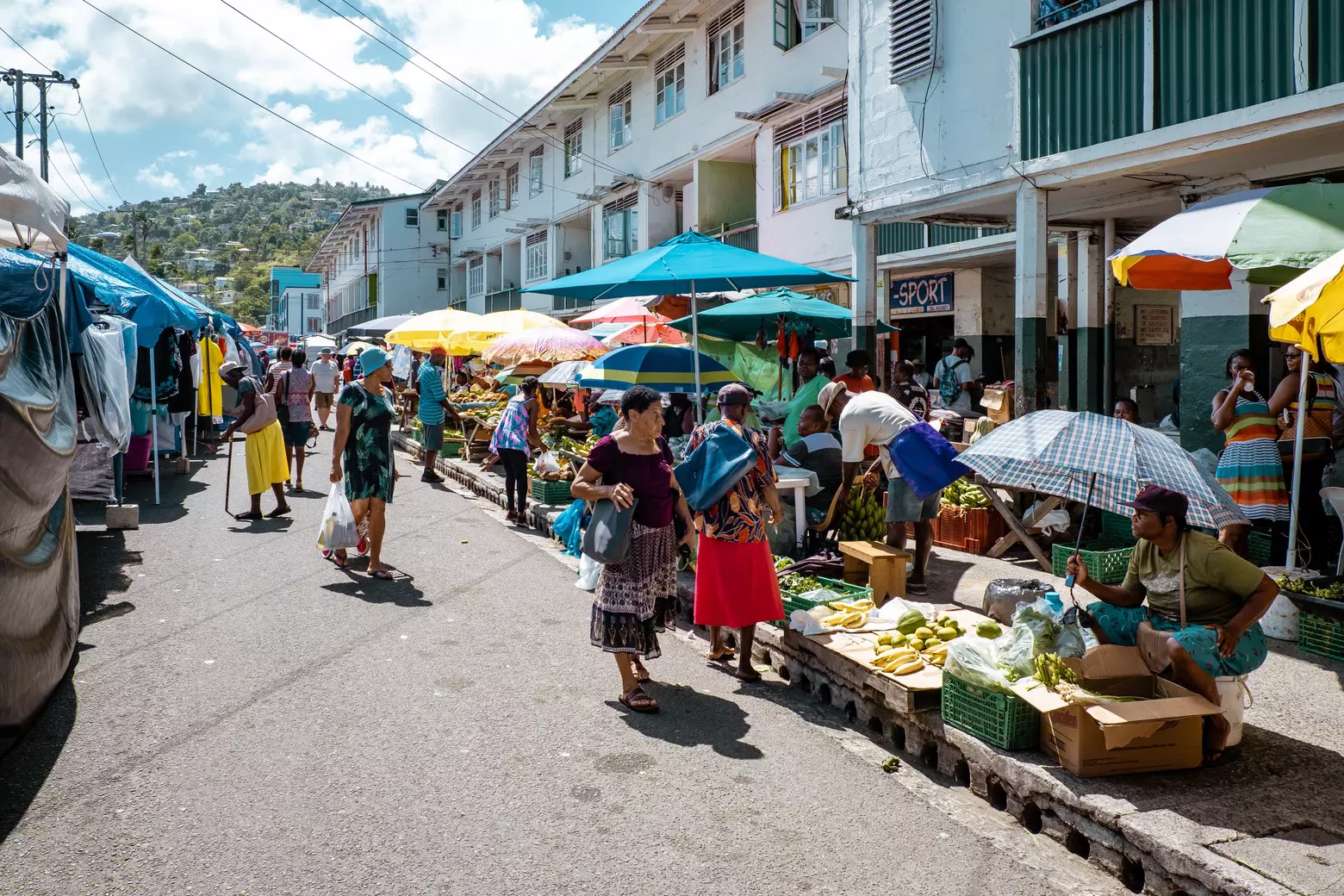
Credit and debit cards are accepted forms of payment at most major businesses, hotels and various other establishments. However, cash is still the most common form of payment. Some vendors will accept US dollars and euros, but it's better to carry the official currency of the island, the Eastern Caribbean dollar (EC$). When getting around St Lucia by public transportation or purchasing goods from vendors along the roadside, having cash will be especially helpful.
You can find ATMs and banks all over the island to exchange currency, but verify whether your home bank will charge any foreign transaction fees for using your card abroad before you leave.
The island’s roads are filled with unexpected turns, and there are a few potential hazards you should be aware of before getting behind the wheel. St Lucians drive on the left-hand side, which is a departure from the USA, Canada, Brazil, Vietnam and multiple European and African countries.
Drivers frequently make sudden stops in traffic without warning – especially public buses – and speeding is common. Keep an eye out for motorcycle riders who may weave between other cars.
Dogs and other pets are welcome at various short-term rental apartments and villas. It’s also not unusual to find a few cats roaming freely around the premises of some hotels and outdoor restaurants.
But larger pets like dogs are not generally allowed into businesses and eating establishments. You will, however, run into stray dogs along the beaches, particularly in the Pigeon Island area. Those dogs are generally friendly and accustomed to receiving food from visitors and locals.

Traveling around St Lucia by yourself is generally safe. Public transportation, such as taxis and buses, is usually a risk-free option for travelers. But like many popular tourist destinations, crowded areas are prime spots for petty theft like pickpockets and bag snatchers.
And as busy as the capital city, Castries, is during the day, it’s much more deserted at night. You should always take some measures to protect yourself, particularly if you are a woman traveling alone.
Always have your cell phone handy in case of an emergency. If you need a local SIM card, prepaid mobile phone cards are available islandwide at telecommunications companies Digicel and Flow.
Do not get in a car with a complete stranger, even if they seem nice. If possible, use public transportation or a taxi. Authorized buses have green number plates beginning with the prefix M, and taxis sport light blue plates with a TX prefix.
Avoid carrying large sums of cash. Instead, pay with a debit or credit card where possible and keep small bills to pay for snacks and drinks where cards aren't accepted.
Never leave your accommodation without telling someone you trust where you are going and when you expect to return.
The casual use of marijuana is a common Caribbean trope. In reality, St Lucia decriminalized – not legalized – the personal use of up to 30g of cannabis in 2021. A second piece of legislation cleared the records of people whose only crime was being caught with less than 30g of cannabis.
St Lucia's government is carrying out a public consultation with a view to setting up a Cannabis Advisory Council that establishes the rules and guidance surrounding cannabis use in St Lucia.
Explore related stories