Sep 8, 202615 min read
The Best Things to Do in BaliJul 24, 2026
8 MIN READ

Writer
Danau Tamblingan in Bali's Central Highlands. Gathot Subroto/Shutterstock

Writer
Lonely Planet may earn a commission from affiliate links on our site. All recommendations and reviews reflect our own independent opinions.
Bali is Indonesia’s most popular tourist destination, and it’s easy to see why. Despite the island’s relatively compact size, it offers a remarkable number of things to do. It’s the ideal place to relax and unwind, with its many beaches, rice fields and lush highlands, but it also provides thrilling adventures like hiking up active volcanoes, white water rafting through the jungle and surfing some of the world’s best waves. Bali is a fantastic place for culture, too, with colorful temple ceremonies and traditional music and dance.
Whether you’re traveling solo, with friends or with little ones, Bali is a safe and friendly destination. But like anywhere in the world, it pays to take the time to understand it before visiting. I was born and raised in Indonesia, which means that its social etiquette is second nature to me. I've seen visitors make faux pas more times than I can count, so to avoid being that tourist, here’s everything you need to know before traveling to Bali.
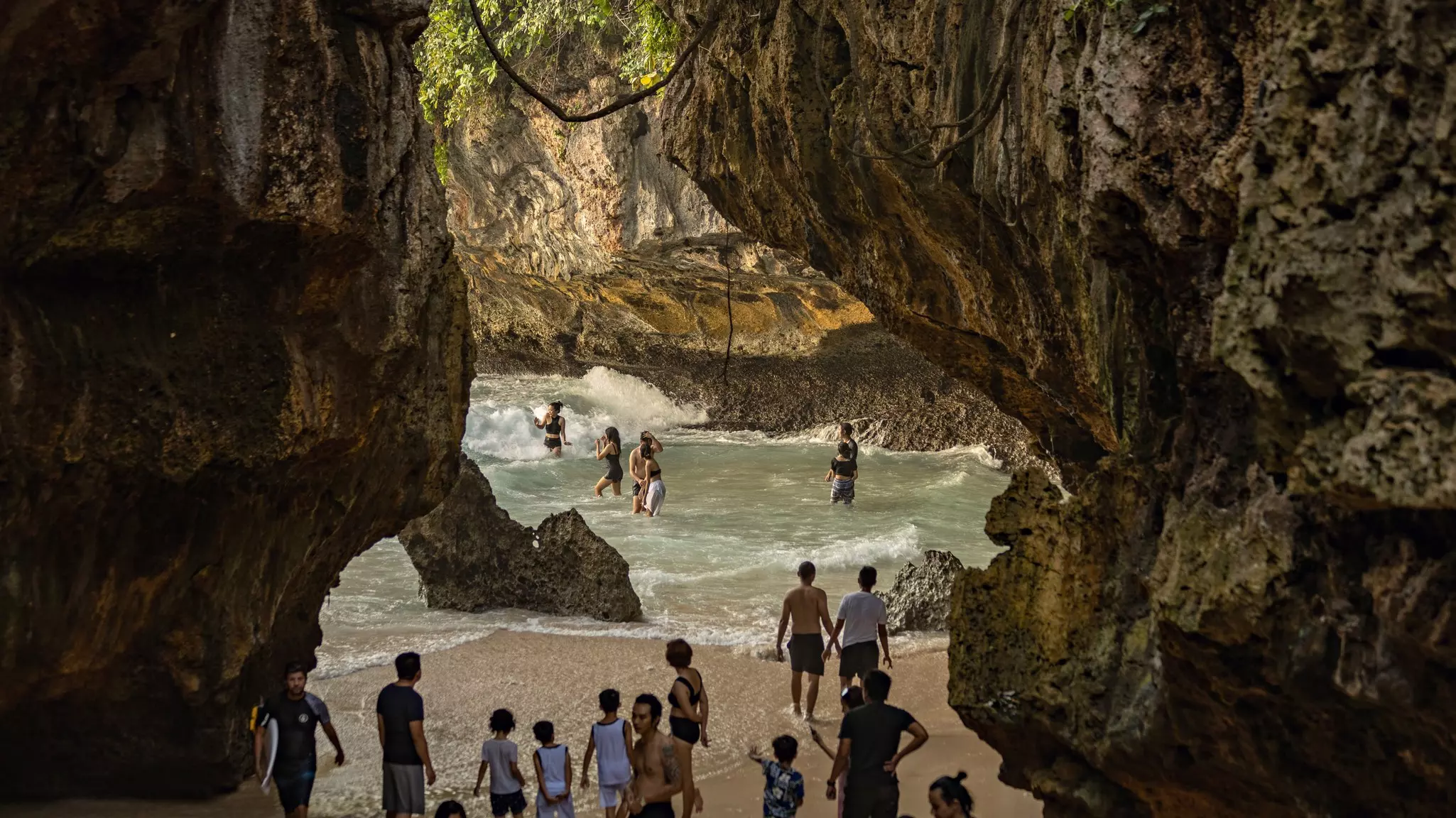
The best time to visit Bali is during the dry season from April to September. It’s also much less humid during these months, making it the ideal time for outdoor activities. The wet season runs between October and March, and although heavy showers are common, they don’t usually last all day. A perk to visiting Bali during the rainy season is that it’s much quieter, and budget travelers can get lower rates.
Two weeks is the perfect length for a first visit to Bali. This lets you spend a few days in various areas of the island (including a couple days island-hopping in the Nusa islands) without feeling too rushed.
If you’re pressed for time, you can see plenty of things in 1 week, from surfing and partying in Canggu to cultural performances in Ubud and scuba diving in Tulamben.
If you want to skip the main tourist areas of Bali, you can trim down your time and spend a week exploring the mountains, lakes and quiet beaches on the north and east coast.
For first-time visitors to Bali, Seminyak is a great area to stay. Only a 30-minute drive from the airport, it’s walkable, has plenty of hotels and restaurants, and is right on the beach. It’s also a good location for day trips north to Canggu’s beaches or south to visit the spectacular Pura Luhur Ulu Watu and Jimbaran’s famous seafood restaurants.
Another prime area for first-timers is Ubud, known as the spiritual heart of Bali. You’ll be surrounded by art, culture and nature, and north Bali’s mountains and lakes are just a 90-minute drive away.
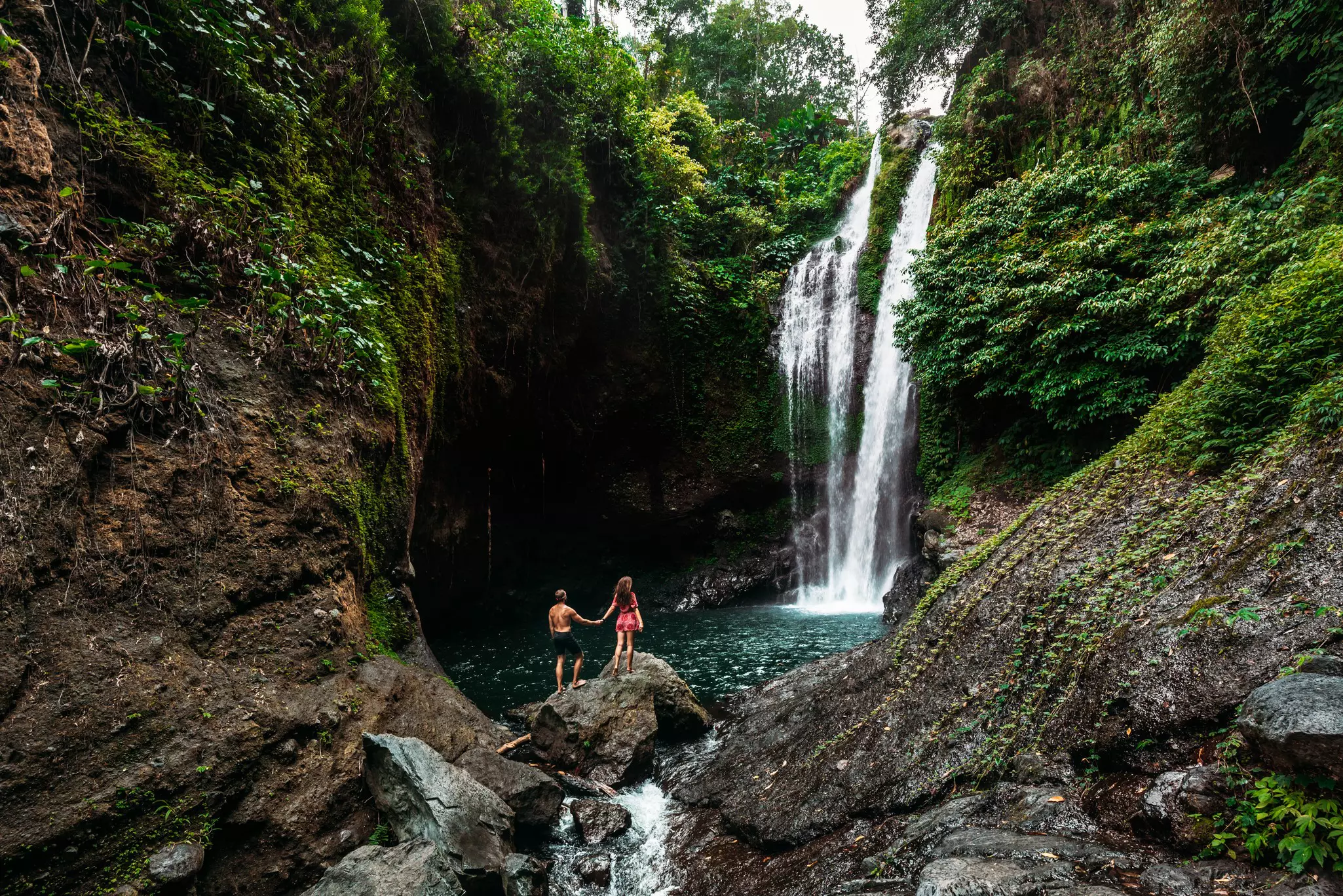
Bali’s temperature ranges between 28°C and 32°C (82–90°F) year-round, so you’ll want to bring light and breezy clothing made of natural fabrics like cotton and linen. If you’re planning on hiking, bring a sturdy pair of shoes and activewear. It’s also worth packing a light layer, since mountain areas are slightly cooler, ranging between 10°C and 15°C (50–59°F) at night. I recommend not taking insect repellent and buying it in Bali instead – popular brands are Autan and Soffell. They likely cost a fraction of the price that you'll pay at home, and I’ve found that they’re much more effective.
Bali is a major tourist destination, and most of its residents speak a proficient level of English. However, Indonesians love it when you make an effort to speak their language, and it’s worth learning a few basic words. Some good-to-know phrases:
terima kasih (thank you)
selamat pagi, selamat sore, selamat malam (good morning, good afternoon, good evening or night)
Balinese is a totally different language, and if you really want to impress, you can even learn a few words in Balinese, such as om swastiastu (hello) and suksma (thank you).

It’s not uncommon to hear of tourists wearing swimwear to visit temples. Don’t be that person – both men and women should cover their shoulders, knees and midriffs. A sarong and sash must also be worn, and these can be rented at the entrance of most frequently visited temples. It’s also worth mentioning that women who are menstruating shouldn’t enter temples.
The same clothing advice goes for any potential workplaces that you may need to visit, such as an immigration or visa office. Although you won’t need a sarong and sash, be sure to cover your knees and shoulders. Immigration offices require you to wear closed-toe shoes, so leave the flip-flops behind.
Indonesians are incredibly friendly, but they can be very camera shy – always ask permission before taking someone’s photo.
In Bali and the rest of Indonesia, the left hand is considered unclean. Use your right hand (or both hands) to touch food or when giving and receiving items. Furthermore, the head is considered the most sacred part of the body in Balinese culture, so never touch or ruffle anyone’s hair – children included.
Like most places in Asia, always take off your shoes before entering someone’s home. In Bali, the feet are seen as the most impure part of the body, and you should never point your feet at another person or sacred objects.
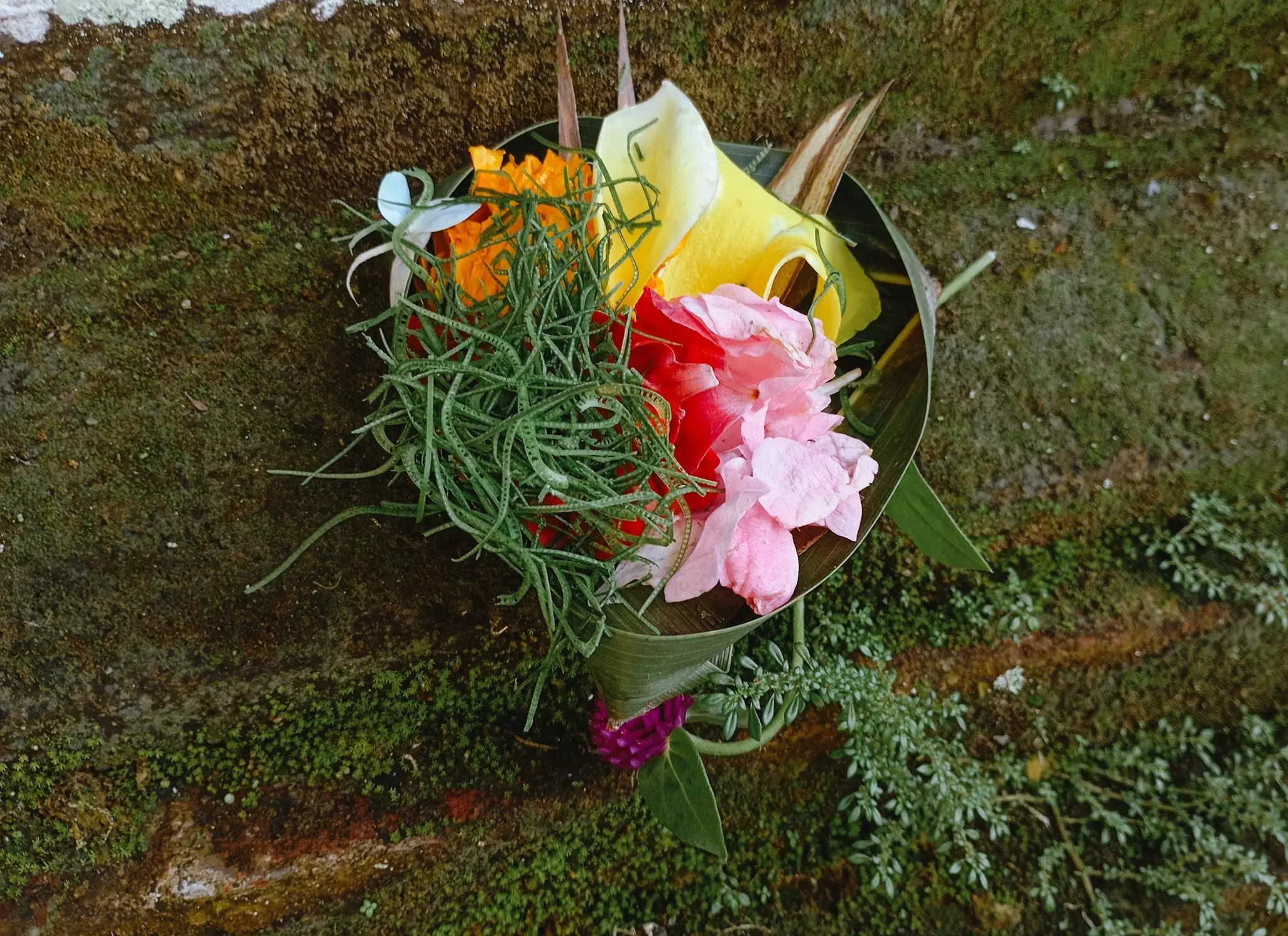
You’ll see little woven palm leaf baskets filled with flowers and incense everywhere in Bali – on sidewalks, in cafes, at shop entrances and on the dashboards of cars. These are offerings called canang sari, and you should make sure to respect them by walking around them.
Waste management is a huge problem in Bali and Indonesia. Public trash cans are few and far between, so take your trash with you and dispose of it responsibly.
Bali is the most liberal place in Indonesia, but there are still limits on PDA. Hand-holding is fine, but anything more than that is frowned upon.
In Bali, peace and harmony are highly valued, and losing your temper in public is disapproved of. Many beaches are frequented by hawkers selling everything from fresh pineapples to sarongs and T-shirts; many of these vendors are quite persistent, and it’s important to keep your cool.
If you’re shopping in markets and little stores where items don’t have prices displayed, then feel free to haggle. Friendly, polite haggling is welcome – start at half the offered price, then work your way up from there.
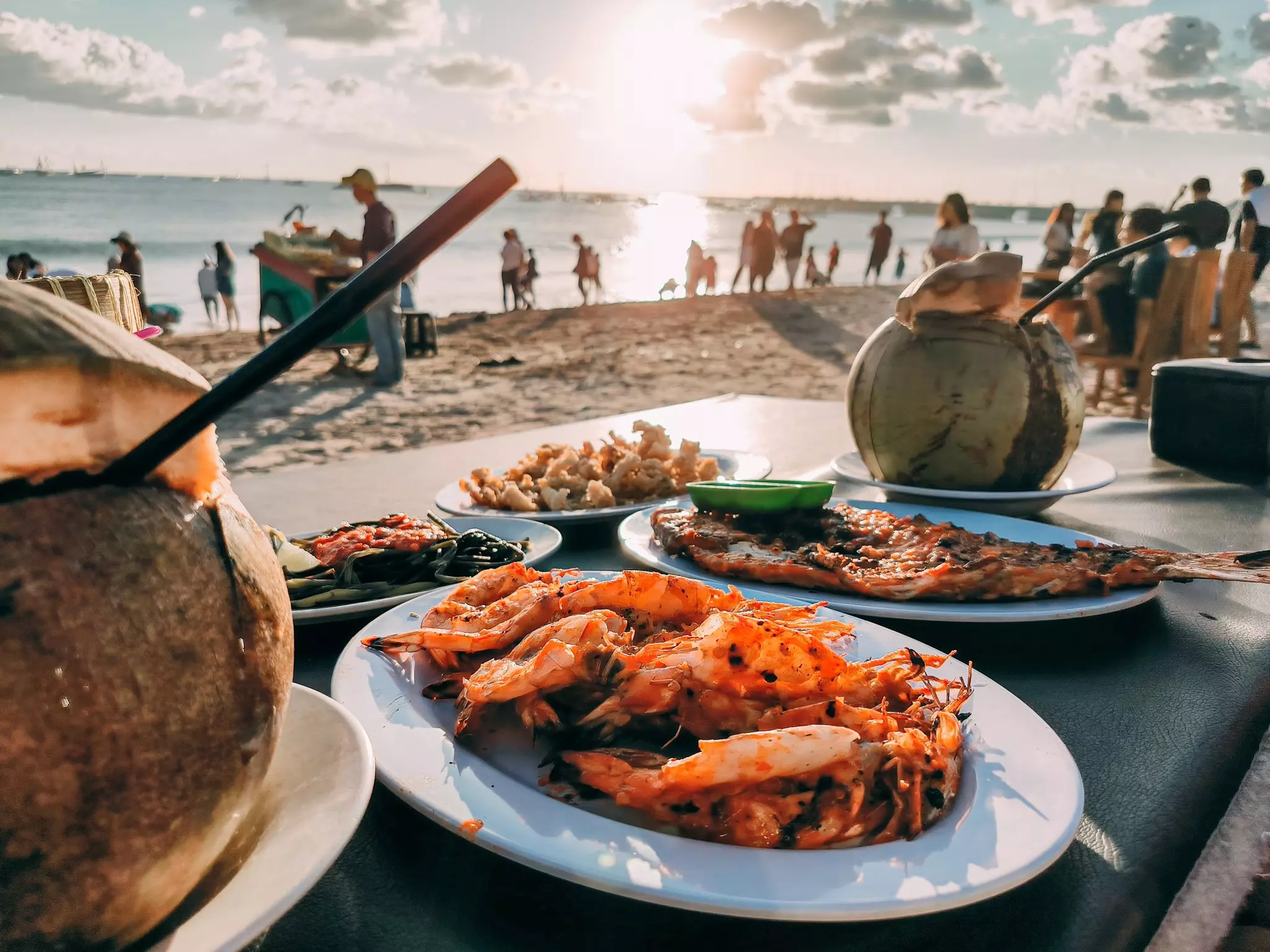
You may have heard of Bali belly, a term for traveler’s diarrhea that affects many visitors to Bali and Southeast Asia. It’s not as inescapable as it’s made out to be and is easily avoided by washing your hands before handling food, washing fruit that you buy in the market, checking that meat is properly cooked before eating it and not eating seafood if you’re not near the sea, since there’s a chance it won’t be fresh.
Tap water in Bali (and elsewhere in Indonesia) isn’t safe for consumption, so always use bottled water for brushing your teeth and drinking.
If you need medical attention, the good news is that Bali is the best place you can be. In recent years, Bali has become a popular destination for medical tourism, and you’ll find high-quality hospitals with English-speaking staff, such as Bali International Hospital and BIMC Hospital.
There are also pharmacies everywhere; Kimia Farma is one of the more established chains with English-speaking staff.
Its location on the Ring of Fire means that earthquakes are common in Indonesia. Most of them are minor and don’t interrupt daily life, and high-magnitude earthquakes are rare. Tsunamis aren’t too much of a concern because most earthquakes near Bali are too small to trigger tsunamis.
On the other hand, volcanic eruptions are common, and major eruptions can occasionally ground flights in the region, including in Bali.
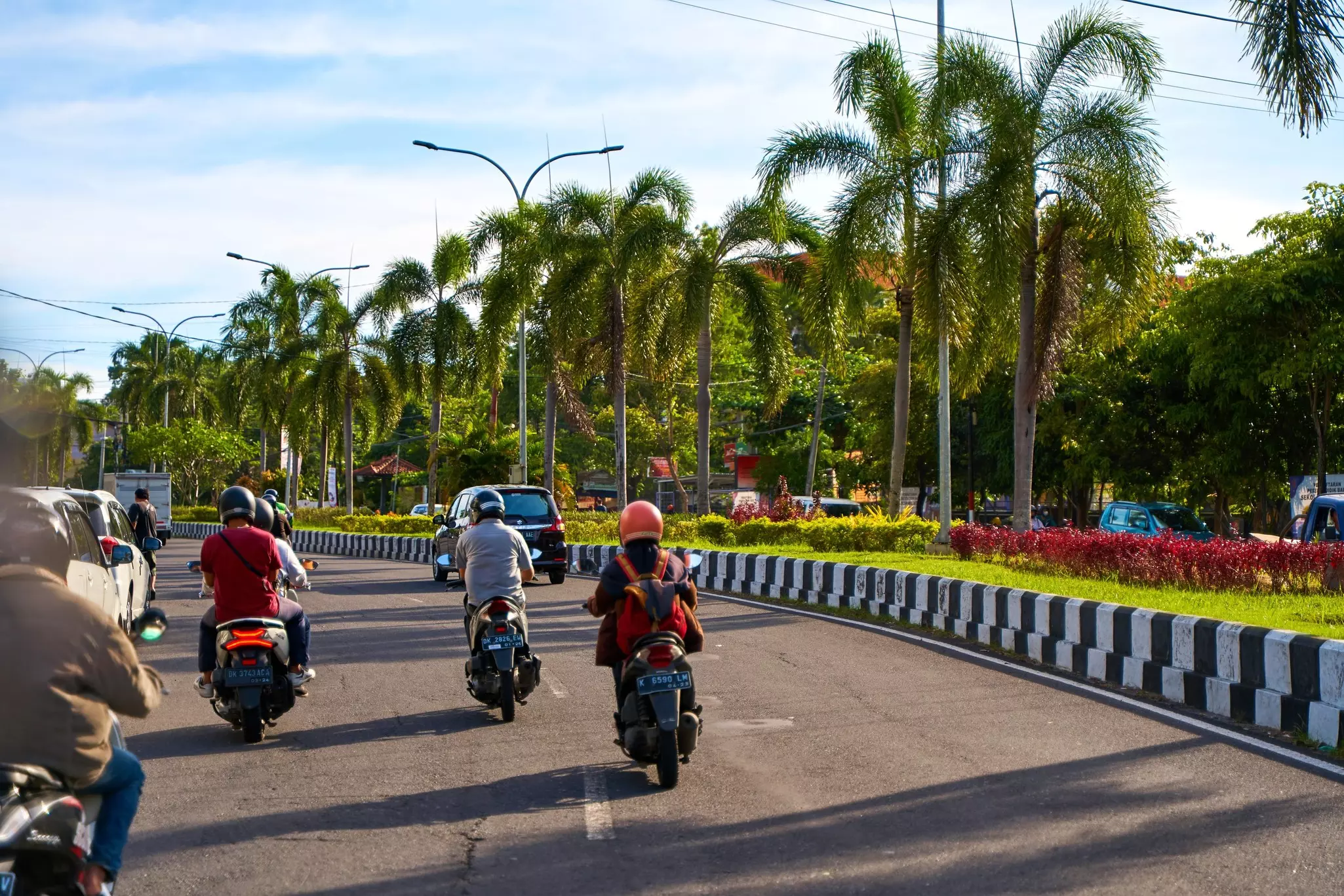
There isn’t an extensive public transportation network in Bali, and if you’re not renting a scooter or car, the best way to get around is by rideshare (using apps like Grab and Gojek) or by metered taxis (Bluebird Taxis is the most trusted company).
Many tourists who visit Bali rent scooters to get around. Scooter rental companies are easy to find, and your accommodation can help you rent one. Have your international driving license on hand, take a quick video of the scooter first to prevent false damage claims, and remember to always wear a helmet.
Many boat companies operate routes to nearby islands like Nusa Penida, Nusa Lembongan and the Gili Islands, but safety isn’t necessarily a priority, so it’s strongly advised to shop around and check the reviews first.
Some restaurants will include a 5–10% service charge (usually combined with the 10% government tax). If it’s not included and you enjoyed the food and service, then feel free to leave a 10% tip.
If you’re dining out in busy areas like Seminyak, Canggu and Ubud, restaurants can fill up really quickly, especially in high season. Book a table in advance to avoid disappointment.
To continue planning your trip to Bali, check out our Bali, Lombok and Nusa Tenggara.
Explore related stories