Sep 8, 202615 min read
The Best Things to Do in BaliAug 24, 2026
10 MIN READ

Writer
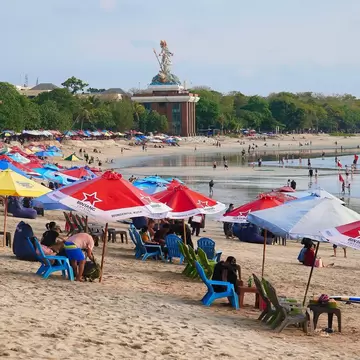
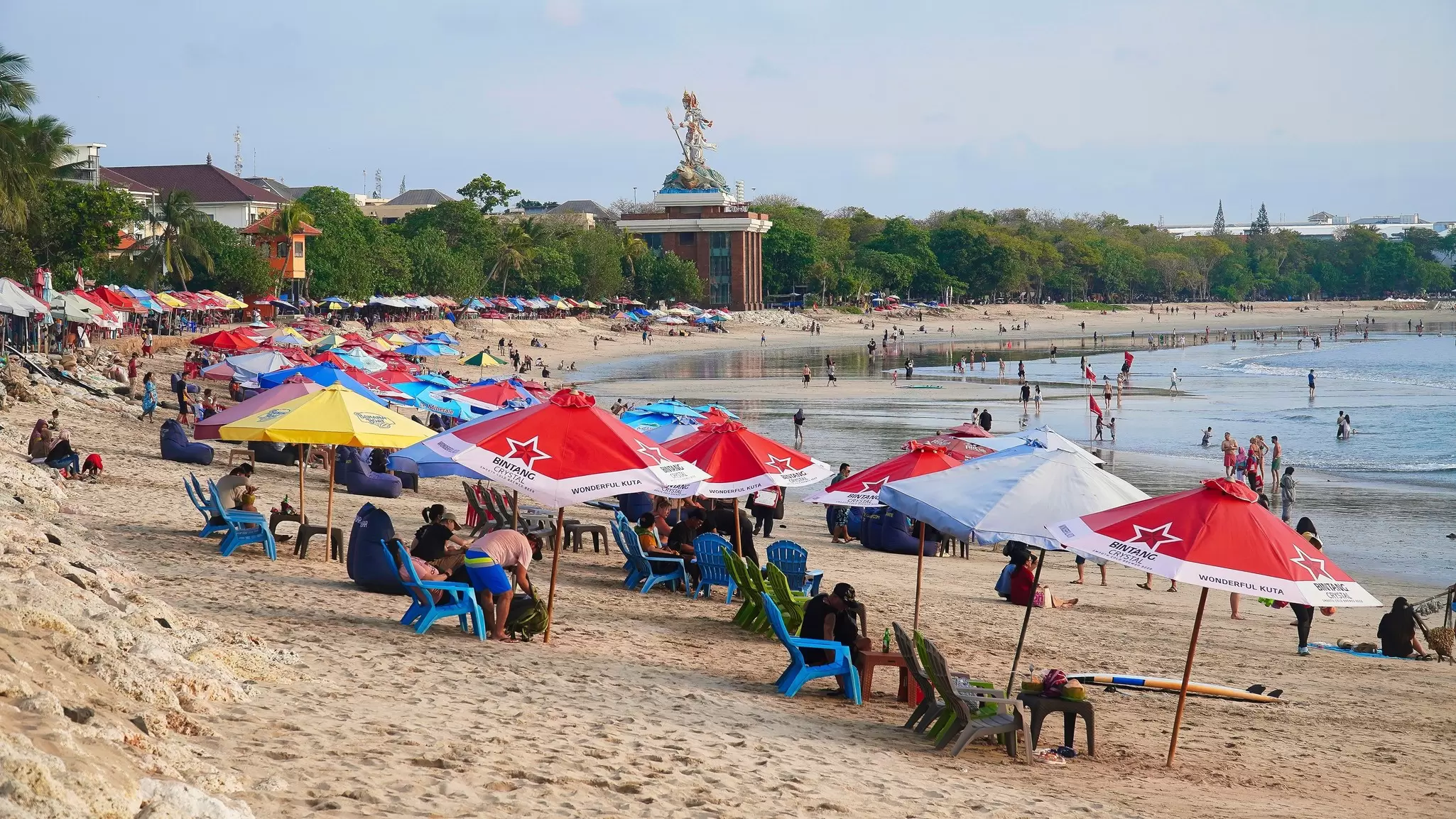
Beach umbrellas on the sand at Kuta in Bali, Indonesia. Stepan Skorobogadko/Shutterstock
Writer
Highlights
Writer Leyla Rose breaks down Bali's overtourism and how to visit more responsibly.
Come in April–May or September–October to sidestep the crowded June–August high season.
Escape to Munduk's cool highlands, or try Amed and Tulamben for Bali's best scuba diving.
Dress modestly at temples, respect canang sari offerings and pay Bali's Rp 150,000 tourist levy.
Lonely Planet may earn a commission from affiliate links on our site. All recommendations and reviews reflect our own independent opinions.
Known as the Land of the Gods, Bali conjures up images of idyllic beaches, lush green landscapes and ancient Hindu culture. Recently, however, this paradise island in western Indonesia has also become associated with overtourism, and all the problems it can bring.
Bali first became a tourist destination during the early 20th century, before becoming an extension of the Hippie Trail during the 1970s and 1980s. Today, it attracts every kind of traveler – surfers catch waves in Uluwatu, partygoers live it up in Kuta, families head to Sanur, digital nomads settle in Canggu, while yogis seek zen experiences in Ubud.
With accommodation ranging from backpacker hostels to luxury resorts, Bali is a destination that caters to every budget. However, it would be fair to say that the island is also a victim of its own success. The island saw 7 million tourist arrivals in 2025, the highest number of visitors this island of 4.5 million people has ever experienced.
With this level of demand, the strain is starting to show. Here’s what every visitor should be aware of to navigate the problems of overtourism when visiting Bali.
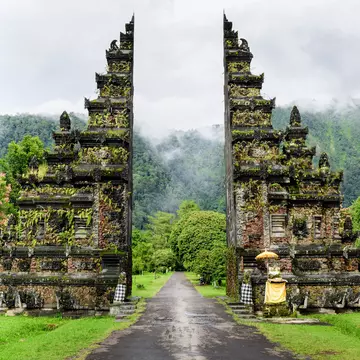
To get an idea of what overtourism looks like in Bali today, a quick social media search of “Bali expectation vs reality” will tell you all you need to know. Yes, that photo of Mount Agung perfectly framed between the temple gates of Pura Lempuyang is incredible – but what you don’t see are the long lines of tourists that queue for hours to grab the perfect shot.
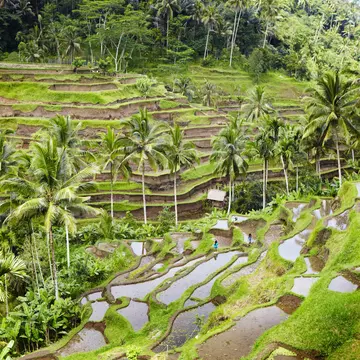
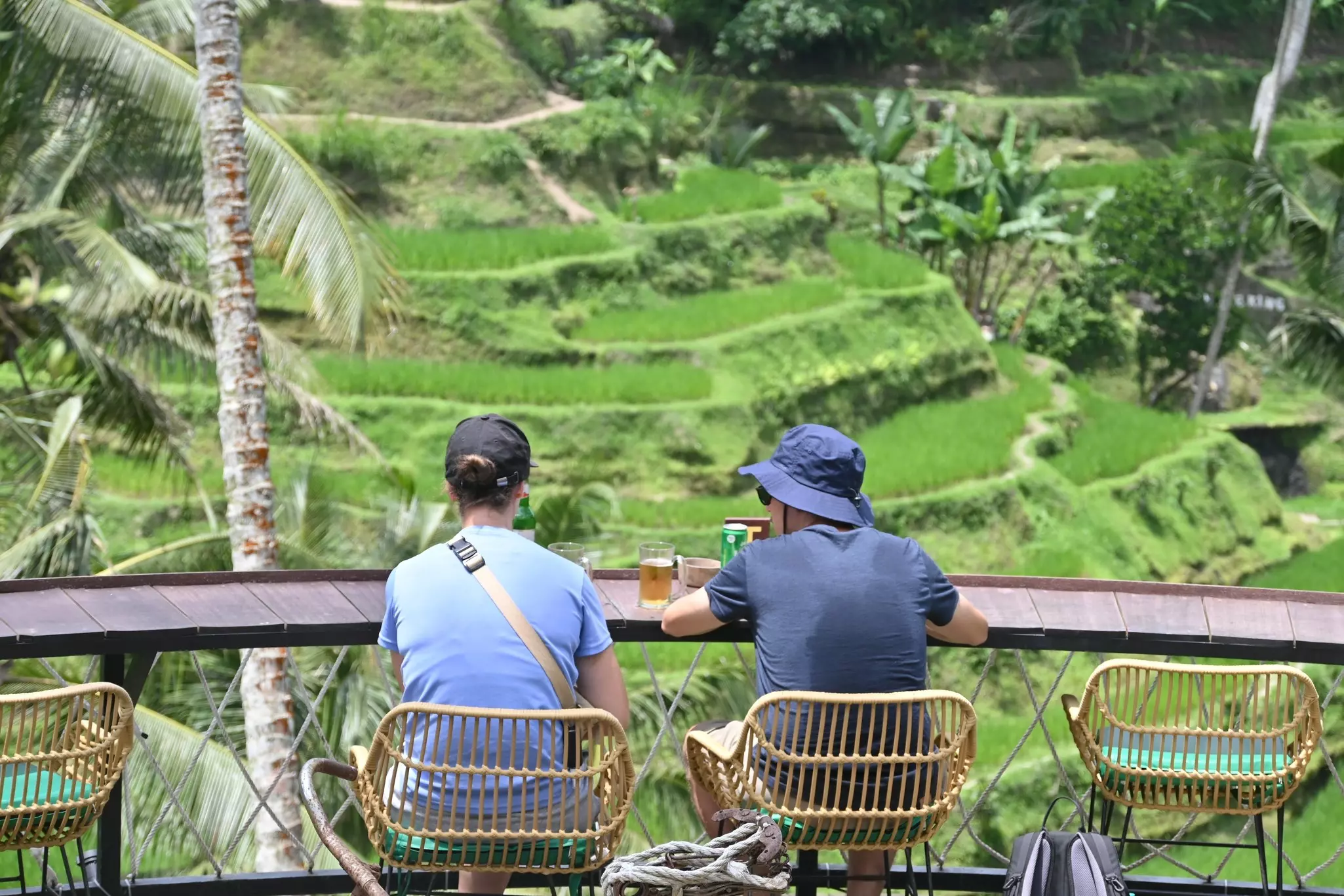
Those photos of the Tegallalang rice terraces near Ubud look idyllic, but the site has been turned into a virtual theme park, with huge crowds jostling for the perfect Insta snap and locals asking for donations at checkpoints along the paths.
What doesn’t help is that tourism isn’t spread evenly across the island. The areas most frequented by visitors are mostly concentrated along the southwest coast, from the airport up through Kuta, Seminyak and Canggu, as well as Ubud in central Bali. In contrast, areas along the north and east coasts, such as Munduk, Amed and Lovina, remain relatively quiet.
What comes with overtourism is a hard impact on the environment. Bali is rapidly losing productive rice fields to developers building villas and hotels. As well as producing food, rice fields are crucial for absorbing water during the rainy season (November–March). Together with uncontrolled urban development and poor waste management, the decline of these natural tools for water management contributed to Bali's deadly floods in 2025.
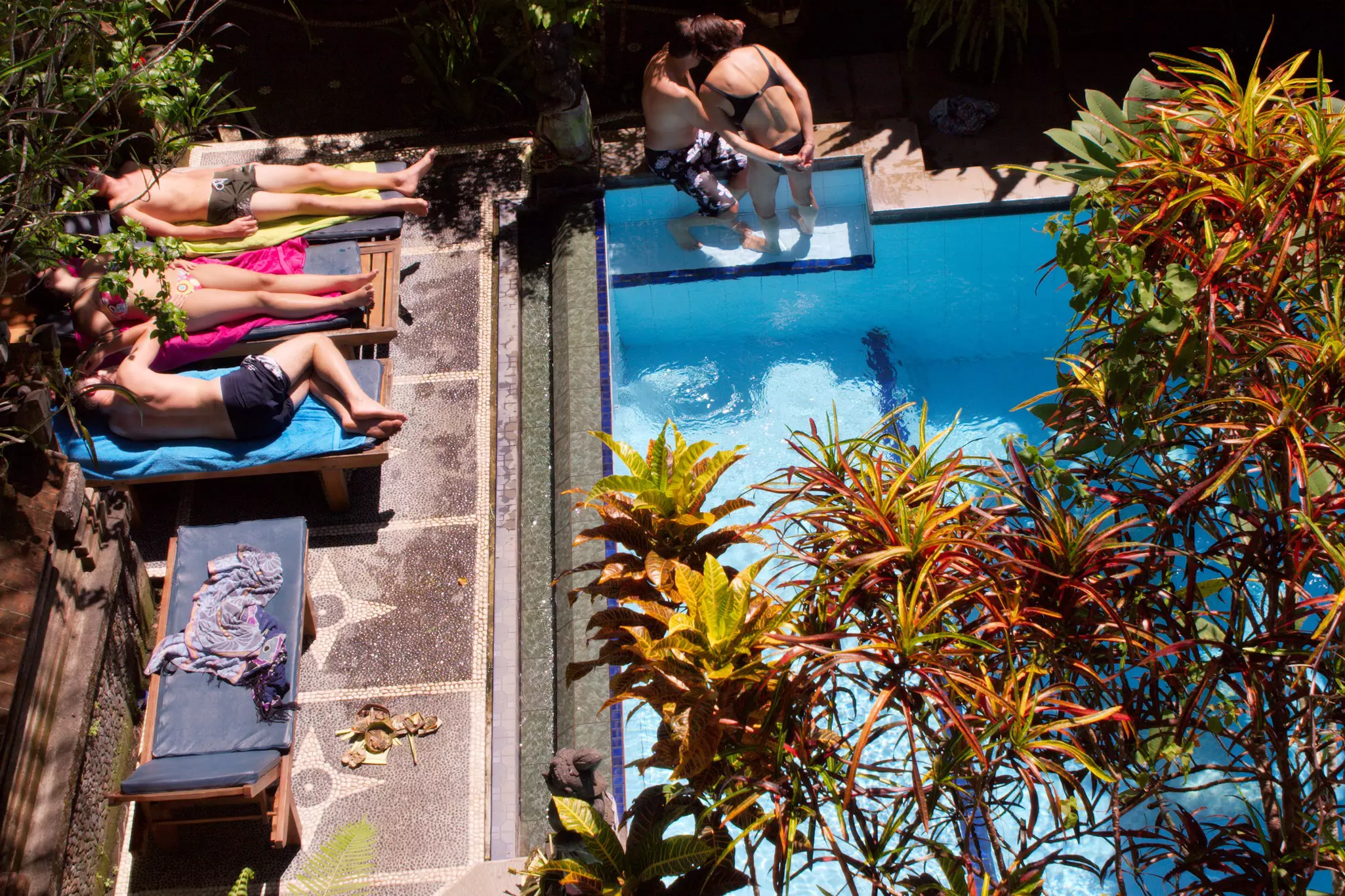
Meanwhile, water resources are under pressure as tourism consumes over 65% of Bali’s fresh water, for swimming pools, for watering gardens, for washing and laundry at hotels and for human consumption. While you won’t necessarily experience water shortages during your holiday (hotels receive regular water deliveries), it’s helpful to be mindful of the issue.
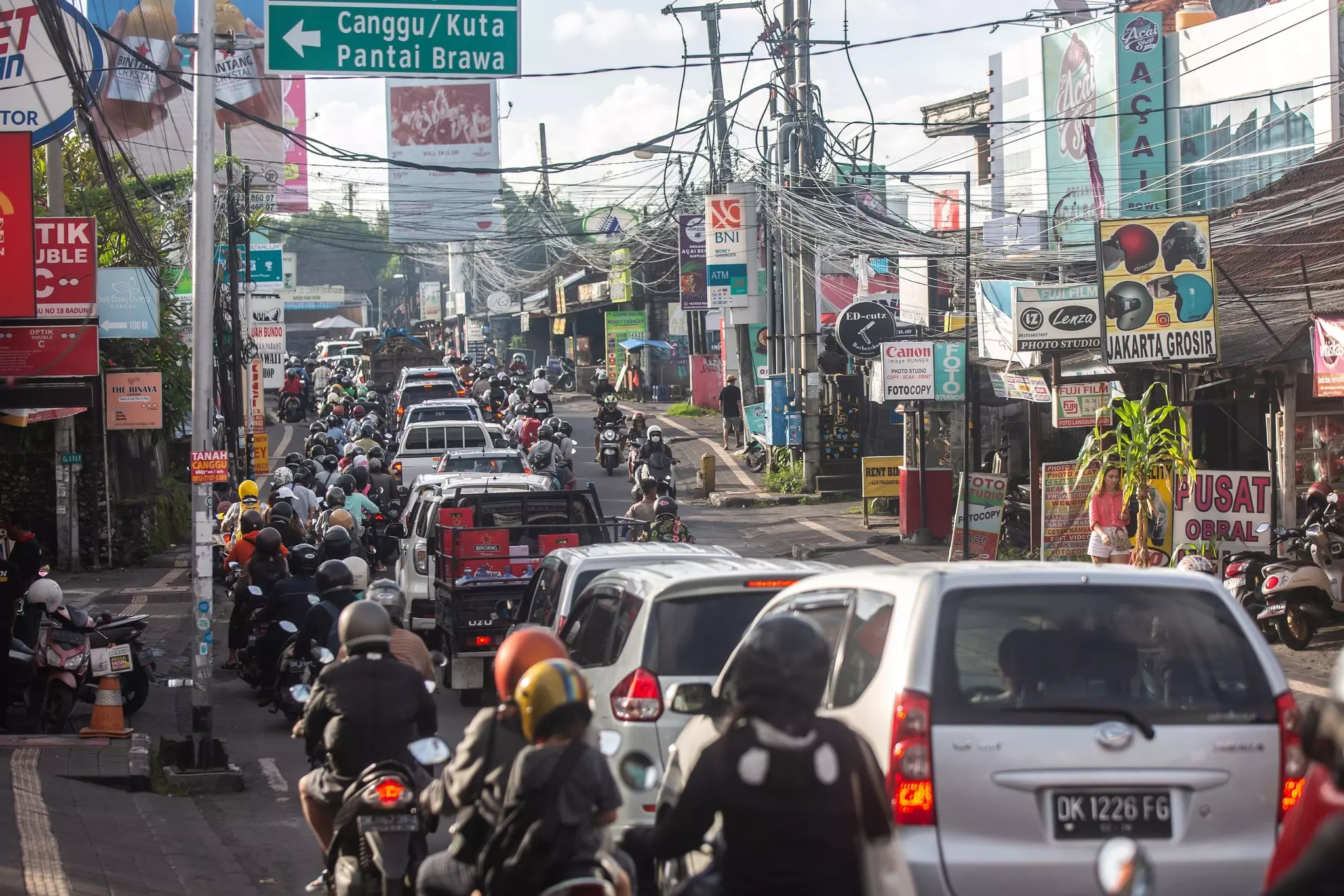
What you certainly will experience, though, is traffic jams. Narrow, single-lane roads, a lack of public transport and rising numbers of tourist buses and rental cars and scooters have all contributed to the island's traffic problems.
This is particularly an issue in the south, where roads are often gridlocked. A 2-hour journey between the airport and Ubud can often turn into a 4-hour crawl. Remember to factor this in when getting around the island, particularly if you are heading to the airport for a flight.
Bali is busy year-round, but tourism reaches its peak during the June–August high season. Try to avoid visiting during this time, not only to reduce your impact on the island, but also for your own enjoyment of this wonderful destination.
More often than not, visiting during peak season means overcrowded tourist attractions, packed beaches, difficulties getting restaurant reservations and higher prices. Coming in the shoulder season, from April to May or September to October, is ideal, offering good, mostly dry weather and smaller crowds.
A huge influx of social media influencers has contributed to Bali’s popularity and its idealized image. When you visit, it’s important to remember that there’s a lot more to Bali than its photogenic cafes and Instagrammable views. Always keep in mind that this is a real place, where people live, work and go about their daily lives.
Bali has also grown into one of Southeast Asia’s largest digital nomad hubs, thanks to its relatively low cost of living, abundance of coworking places and relaxed lifestyle. Many Balinese have mixed feelings about the digital nomad community, regarding them with cautious tolerance rather than outright enthusiasm.
While remote workers tend to stay longer and spend more than backpackers, the influx has driven up rent prices, making it harder for locals to afford living in their own neighborhoods. Similar housing issues are driving opposition to tourism in Barcelona and Venice.
Another sticking point is cultural dilution, with many locals feeling like their culture has been erased. Canggu, for example, was once a quiet fishing village but today, it caters almost solely to digital nomads, with specialty coffee shops, yoga studios and co-working spaces replacing local businesses.
Cultural friction, the increasing cost of living, and badly behaved tourists have all contributed to a growing frustration amongst locals. It’s less of an anti-tourist sentiment, and more of a lowered tolerance towards tourists who don’t respect the local culture, trash the environment, and cause traffic jams and drink-driving accidents.
These types of tourists are in the minority, though, and while many Balinese agree that the island has changed, locals are still welcoming towards respectful, culturally aware tourists.
“Bali isn’t just Canggu and other popular areas," says Ni Kadek Asti, a shopkeeper in Amed. "Actually, these places don’t really represent Bali at all these days. To see the real Bali, go and visit little towns and villages in the north and the east, learn about our culture, see how we live. You’ll get a richer experience than just staying in your villa.”
Overtourism is not a reason to drop Bali from your bucket list, but it is a reason to think more carefully about how you travel here.
Mass tourism puts immense pressure on the environment, and being mindful of your impact on nature can go a long way. If a natural site, such as a waterfall or coral reef, looks too crowded, it’s usually best practice to leave it be rather than add to the pressure. Ask your hotel or locals for alternatives – more often than not, they can suggest a hidden gem which is just as attractive.
Plastic waste is another major issue in Bali, with its beaches and roadsides often strewn with rubbish. Bring a reusable water bottle and refill at dispensers, which are widely available in hotels and restaurants. If you plan on shopping at local markets, bring a reusable fabric shopping bag and refuse single-use plastic bags from shopkeepers.
With the majority of the island’s groundwater going to the tourism industry, you can also help reduce the strain by taking shorter showers, reusing towels and asking your hotel not to change your bedsheets too often (every load of laundry uses precious water).
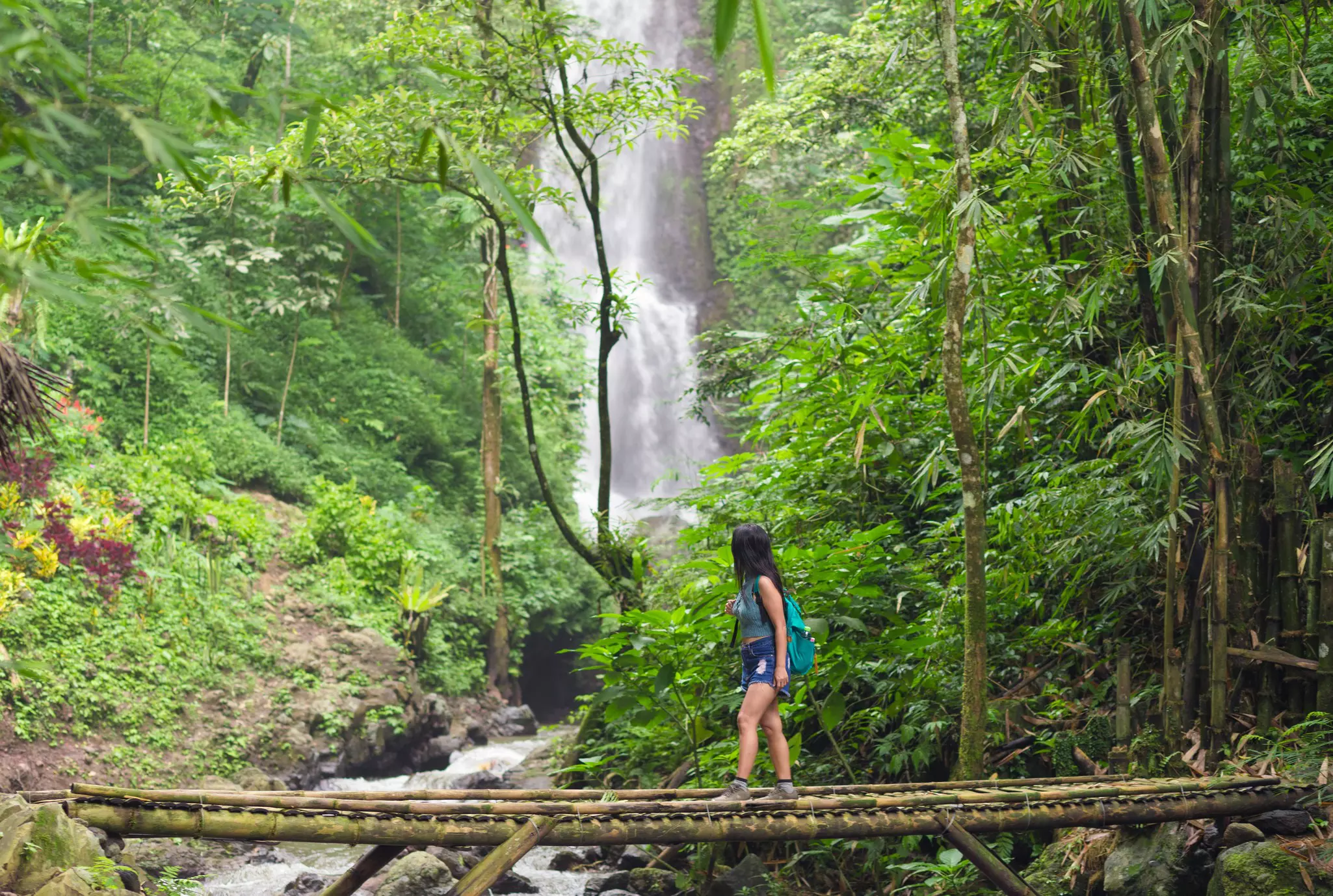
There’s a lot more to Bali than just the tourist hotspots. Exploring less-visited areas not only helps take the strain off more touristy areas, but it also spreads the economic benefits to areas that don’t get as many visitors.
The Munduk highlands in central north Bali are a particularly peaceful place to escape the crowds. The cool mountain air and lush jungles offer a welcome respite from south Bali’s built-up sprawl and congested roads. Slow down with walks through coffee plantations, swim under waterfalls and relax by the twin lakes of Buyan and Tamblingan.
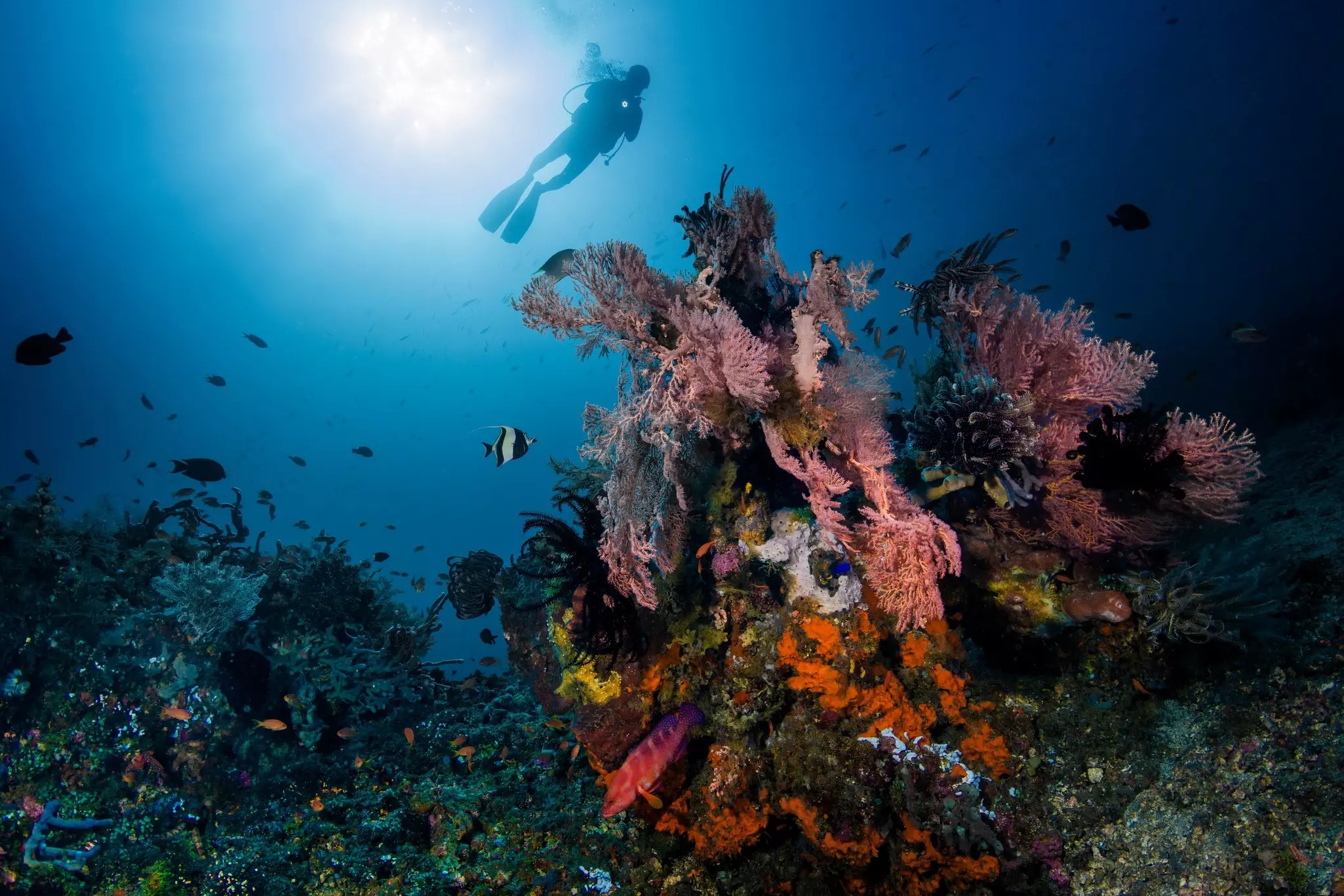
Amed and Tulamben on the northeast coast are a great option for a chilled-out beach holiday. They’re the best places to scuba dive in Bali, particularly for muck diving and exploring old shipwrecks. Although the number of hotels and villas is rising, these are still very much working fishing villages – you’ll see villagers' brightly colored jukung boats lined up along the volcanic, black-sand beach.
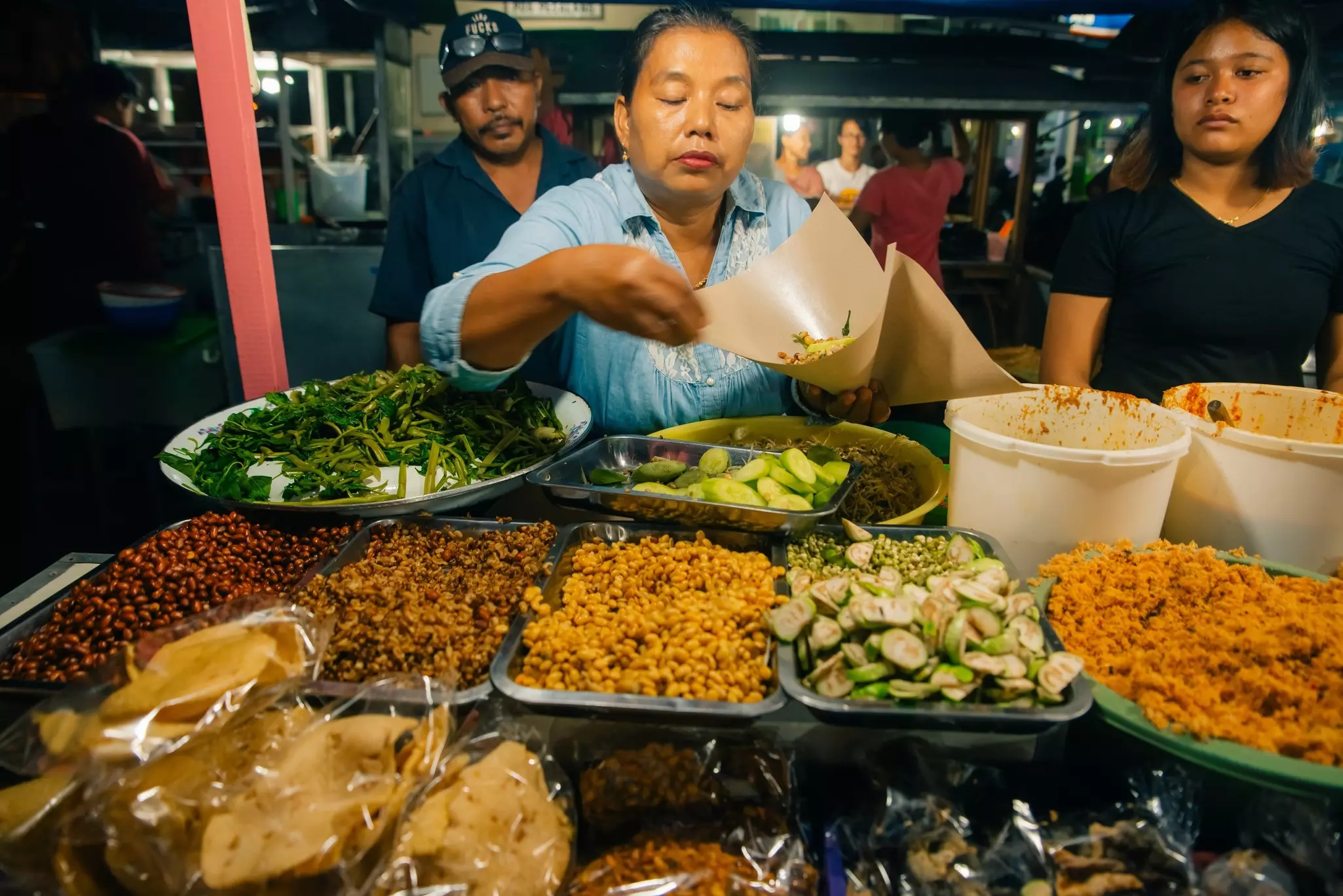
It’s a good idea to choose locally owned businesses whenever possible. When you spend your tourist dollars with a locally owned homestay, restaurant or tour operator, the money stays in the local economy and supports local staff, families and suppliers. These businesses also tend to have a lighter environmental footprint than large resorts. In contrast, international hotel chains and foreign-owned operators tend to move profits overseas, and their activities are often less environmentally sustainable.
Another important reason to go with a locally owned business is that you’ll be getting a more authentic experience. Local guides can offer genuine cultural insights while you explore, and local warungs (food stalls) serve authentic Balinese food, prepared using local ingredients and traditional recipes, rather than catering to international tastes.
Famous locations like the Tegallalang rice paddies and the temples of Pura Tanah Lot and Uluwatu are on everyone’s Bali itinerary. Consider whether taking that photo is really worth it, and if you do decide to go, try to be more thoughtful about it. Visit early in the morning to avoid the crowds and for better lighting, and avoid visiting at the weekend or during public holidays when domestic tourism peaks.
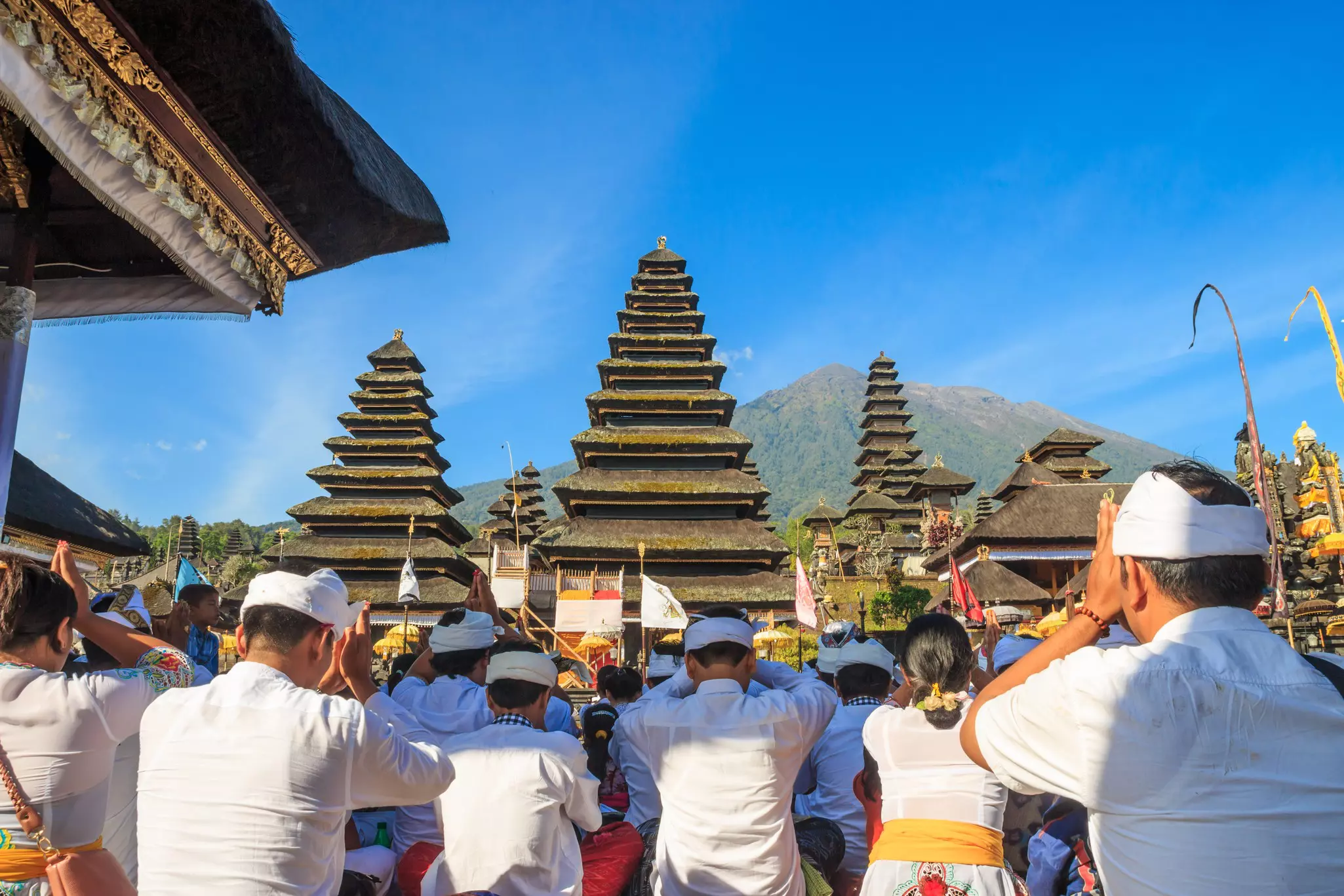
In recent years, Bali has made the headlines for tourists behaving badly, from revelers gatecrashing traditional dance performances to disrespectful travelers stripping down in temples or posing nude in front of sacred trees. This hasn’t been helped by the many social media influencers who portray the island through rose-tinted glasses, suggesting that anything goes.
It should go without saying that you should respect the local culture, wherever you travel, and Bali is no exception. With its Hindu culture and long history of tourism, the island may be less conservative than some other parts of Indonesia, but it’s still important to dress modestly and respect local customs.
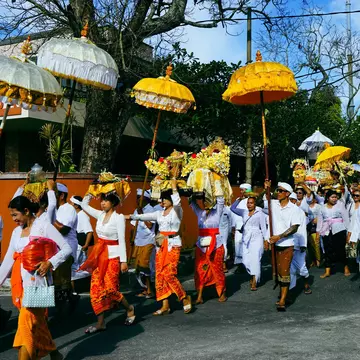
Keep swimwear for the beach, and when visiting temples and other sacred spaces, cover your shoulders, chest and knees. A sarong and sash can usually be rented at temple entrances. Also be careful not to step on the street offerings known as canang sari when walking around – woven from palm leaves and flowers, these are not just ornaments and have great spiritual significance.
Since 2024, Bali has imposed a 150,000 Indonesian rupiah (Rp) tourist levy for all visitors, which goes towards cultural preservation, waste management and restoration of the natural environment. This can be paid online before you arrive or on arrival at Ngurah Rai International Airport, and it's another way that visitors can directly contribute to the costs of managing tourism to this beautiful island.
Explore related stories