Sep 8, 202615 min read
The Best Things to Do in BaliJul 9, 2026
6 MIN READ

Writer
Handara Gate, Bali. Nikita Shchavelev/Shutterstock

Writer
Highlights
Writer Tamara Hinson shares nine budget tips for Bali, from food to timing.
Order nasi goreng or mie goreng at family-run warungs, and drink local Bintang.
Skip pricier Kuta for Sanur's snorkeling, Uluwatu's temples or laid-back Lovina's black sands.
Visit during rainy season (October to February) when prices drop and greenery flourishes.
Lonely Planet may earn a commission from affiliate links on our site. All recommendations and reviews reflect our own independent opinions.
Thanks to its numerous pleasures, it wouldn’t be hard to spend an entire lottery jackpot on Bali. Yet you don’t need a fortune to get the most out of this sun-drenched Indonesian island.
If you want to extend your trip in Bali by a few days...or a few months, read on. These are a few ways to enjoy Bali on a budget.
Bed on a shared dorm in hostel: 200,000 Indonesian rupiah per night
Basic hotel room for two: From 545,000Rp per night
Self-catering apartment (including Airbnb): From 280,000Rp per night
15-minute Grab rideshare trip: 116,000Rp
Cocktail at a beach bar: 125,000Rp
Bottle of Bintang beer: 30,000Rp
Dinner for two at a mid-range restaurant: 400,000Rp
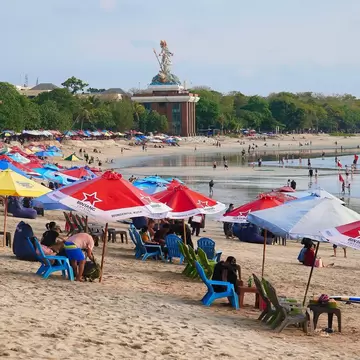
Many travelers considering Bali wonder whether it’s cheaper than Thailand or other iconic destinations in Southeast Asia. The answer depends on where you visit and what you wish to do. Popular beach resorts such as Kuta and Seminyak, for example, will cost you more. Lesser-known areas tend to be better value for money.
A budget vacation in Bali doesn’t have to mean skimping on everything – as long as you establish clear priorities. Lesser-visited spots, such as Canggu on the southern coast, are more likely to have good-value accommodation, but you’ll inevitably need the odd taxi journey to reach the shops or nearby nightlife spots. More-popular areas have no shortage of ridiculously cheap hostels; but bars and restaurants tend to be more expensive in remote areas.
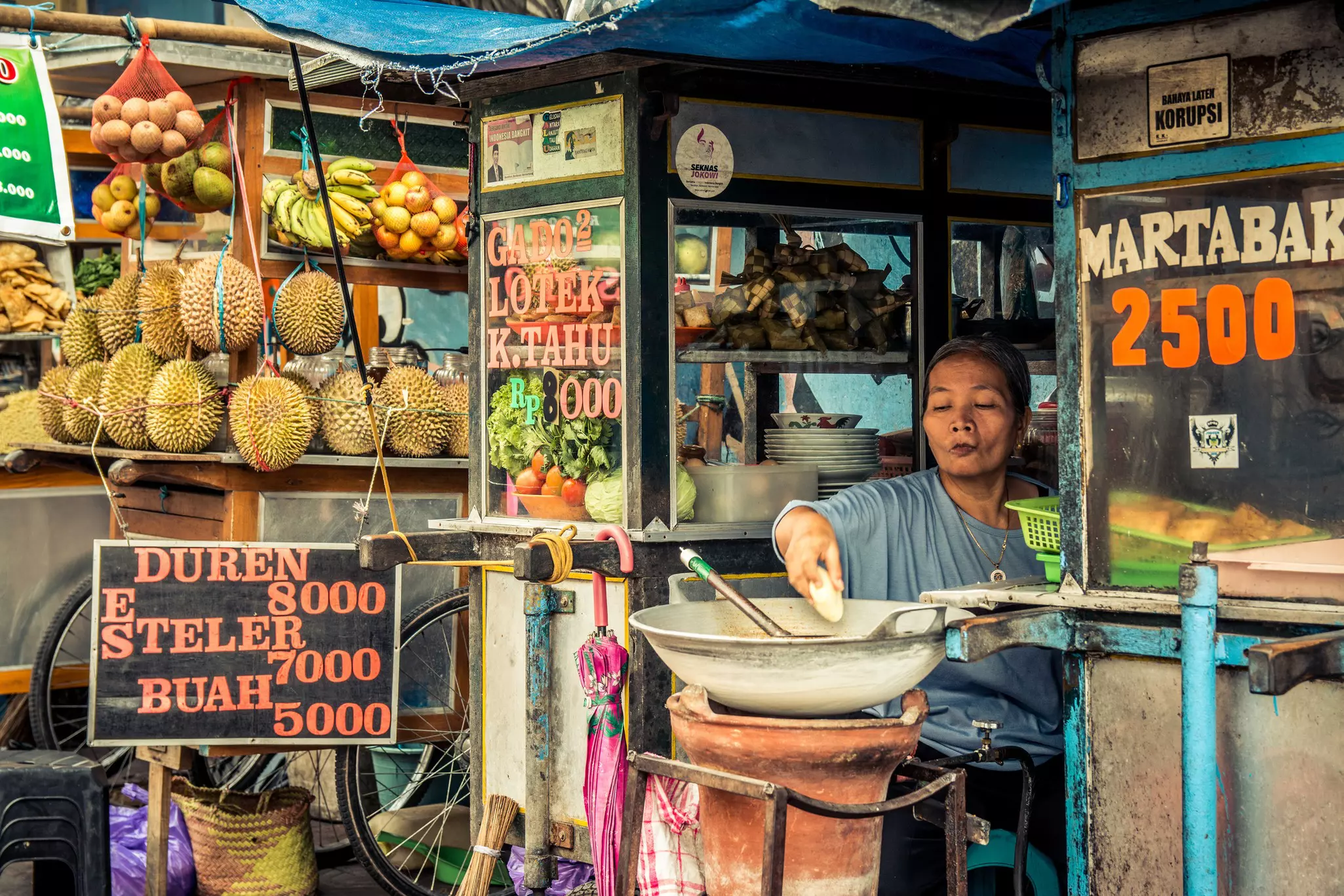
One of the best ways to cut the costs of a Bali vacation is to make a beeline for warungs. These small, family-run restaurants and street food stalls are both ridiculously cheap and delicious. Popular warung dishes include nasi goreng (fried rice served with chicken or prawns) and mie goreng (fried noodles). Most warungs serve food to go, making for terrific, budget-friendly take-out meals. Save more by drinking local, too: opt for Indonesian lagers like Bintang.
Local tip: While tipping isn’t customary in Indonesia, gratuities of 10–20% are common if the service is great. A word of warning, though: it’s increasingly common for restaurants to add service charges to bills. Always check what’s included before you tip.
Skimping on travel insurance might sound like a great way to save cash – but without coverage, you could end up significantly worse off. Bali’s roads aren’t the safest, and if you’re planning on hiring a moped or motorbike (both brilliant options when it comes to getting around the island), you’ll need to make sure your insurance policy will pay out in the event of an accident.
It’s also worth noting that simple things – such as not wearing a helmet or adequate clothing when riding a scooter – can invalidate coverage. If you’re considering certain high-risk activities, such as a PADI scuba diving course or a Jet Ski session, standard insurance policies likely won’t cover you. Add protection for these activities before you go.
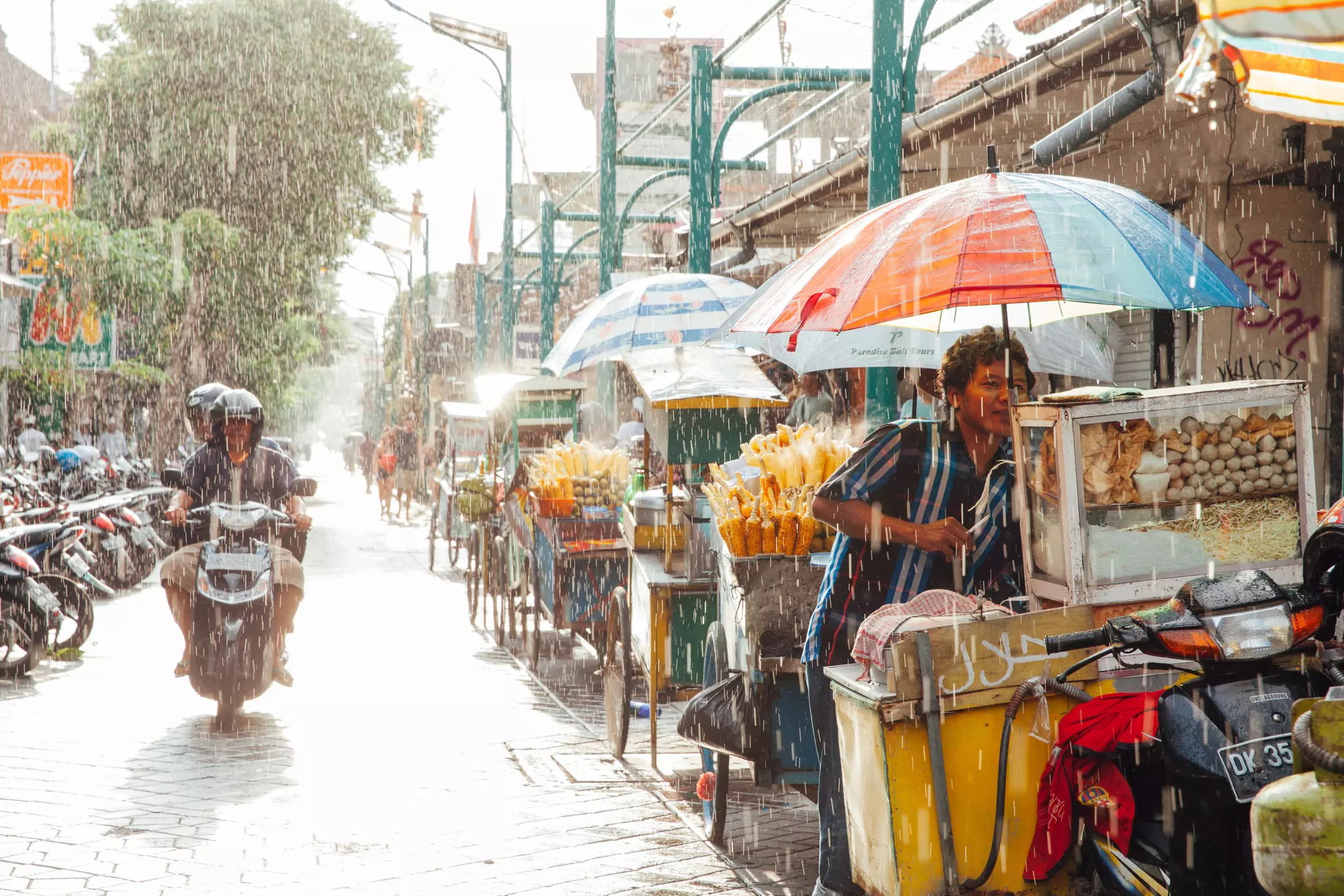
Two rideshare apps will come in handy for short distances in Bali: Indonesian company Gojek, and Grab. (Uber no longer operates in Southeast Asia.) Gojek’s rates are generally lower, and its transport options include mopeds (drivers will typically provide helmets).
For longer distances, such as from Denpasar in the south to Padangbai on the eastern coast (the departure point for ferries heading to the Gili Islands), taxis will likely be the best option. For cheaper fares, negotiate a price beforehand. You should also buddy up with some fellow travelers if you can to pool costs. It’ll almost be guaranteed that someone in your hotel or hostel will be heading to the same place or somewhere along the route.
Drinking tap water is generally not a good idea in Bali. Nor is paying for ocean-polluting single-use plastic water bottles. Instead, buy a water-purification device before your trip to Bali. The most common types are bottles with built-in filters from brands such as Lifestraw or Brita. Steripen also makes pocket-sized water purifiers, which use UV light to kill harmful bacteria.
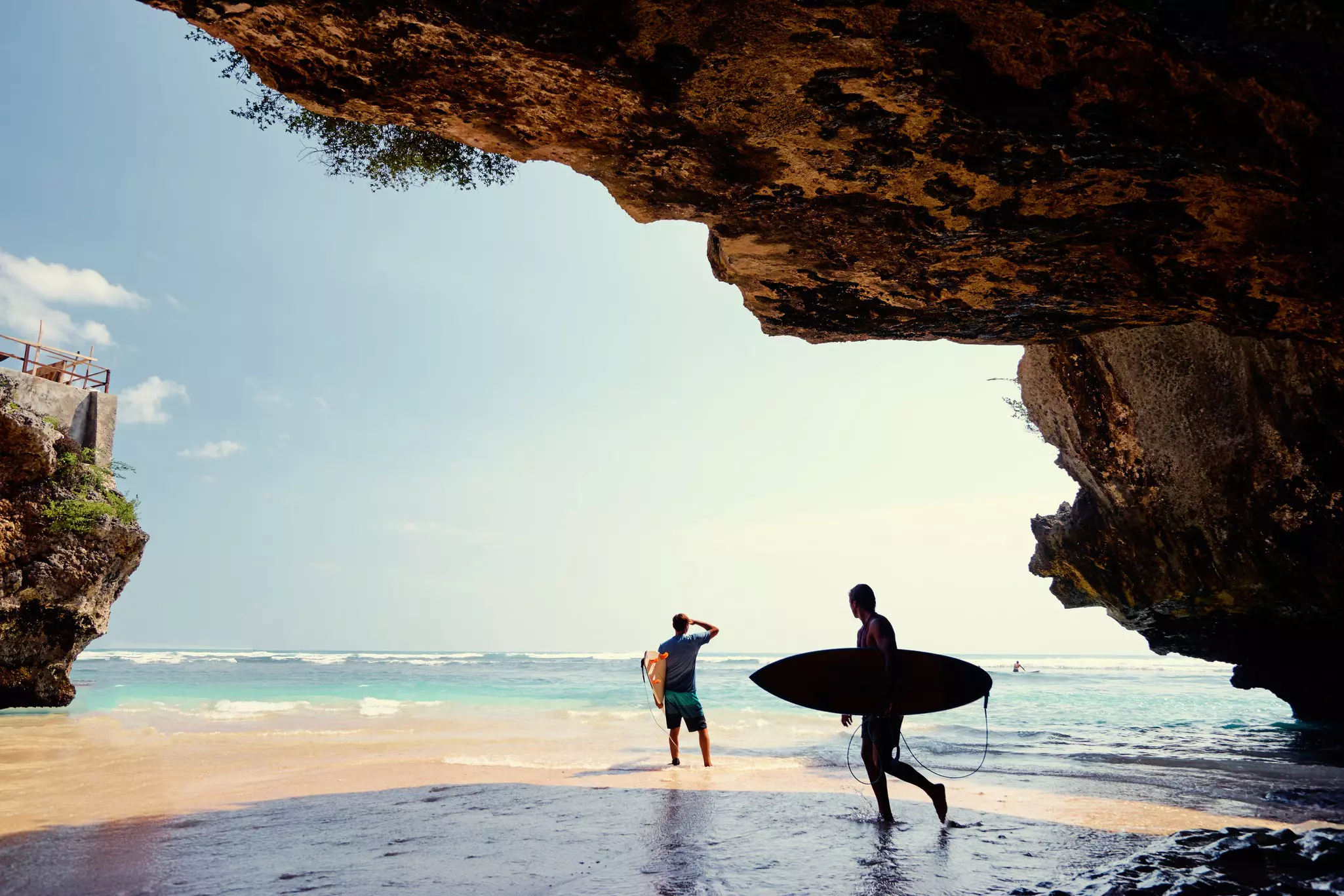
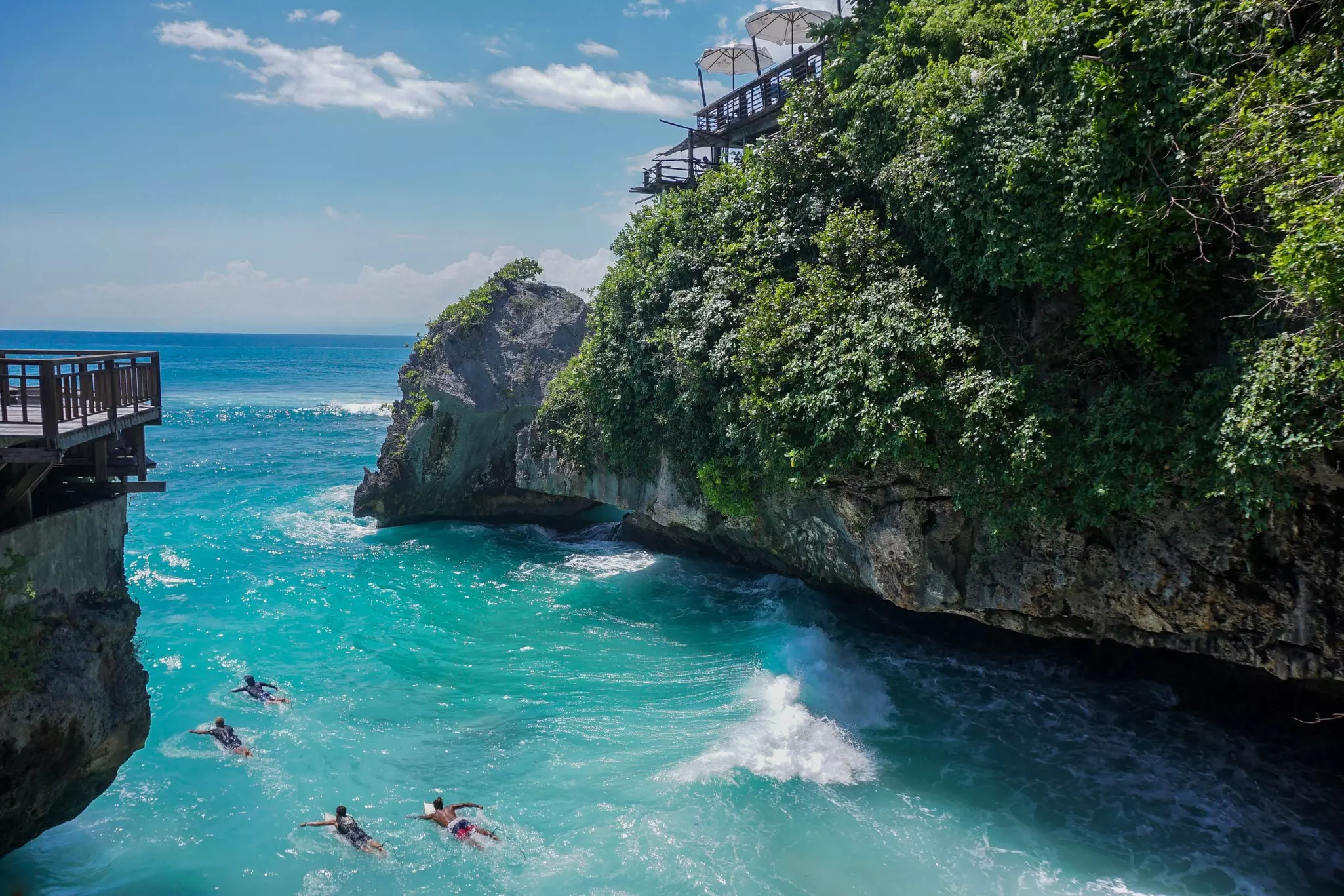
Kuta is a lot of fun. Ubud is beautiful. But prices are higher in Bali’s more popular areas, and almost everything costs less in off-the-beaten-path destinations. Try Sanur, a low-key beach resort with great snorkeling; Uluwatu, known for its Hindu temples and a growing number of hip hotels; or laid-back Lovina, which has black sands and rushing waterfalls.
If being close to the action is a priority, avoid staying in the immediate center of the town or the beach resort in question. It is surprising how much cheaper hotel prices are just a little further out. What’s more, the noise of the nightclub or beach bar is less likely to disturb your sleep.
Not everyone loves haggling, but we’re in favor of it – within reason. If you’re nervous about asking for a discount but suspect the price of that beautiful sarong or plastic “I love Bali” magnet is too high, shop around. Likely, the item will still be in stock when you return. (Especially that magnet.) You will almost always be able to get a reduction on the listed price after a bit of back and forth. Just don’t offend by proposing an unreasonable price.

The cheapest time of year for a Bali vacation? Rainy season (October to February). And, counterintuitively, this is also one of the best times to visit the island. After the rains, the island explodes with lush greenery and waterfalls transform into thundering backdrops for selfies. Visitors also don’t suffer as much from the heat-related fatigue that can set in during the sunniest months. Rains also tend to be short and sweet, so even if you’re caught in a downpour, your clothes will usually be dry in a matter of minutes.
Planning tip: January is the month with the most rainfall.
Negotiating a discount for longer stays can be a useful tactic to save money on accommodation. (It works best at hostels and independent hotels.) It’s much easier to ask for this kind of discount when you’re on the ground, so if you’re worried about ending up with nowhere to stay, consider booking your first night through a website that allows for last-minute cancellations, then try and bag a better deal once you’re out there.
Explore related stories