Jul 23, 20268 min read
How to Visit Indonesia's Gili Islands on a BudgetJul 23, 2026
8 MIN READ

Writer
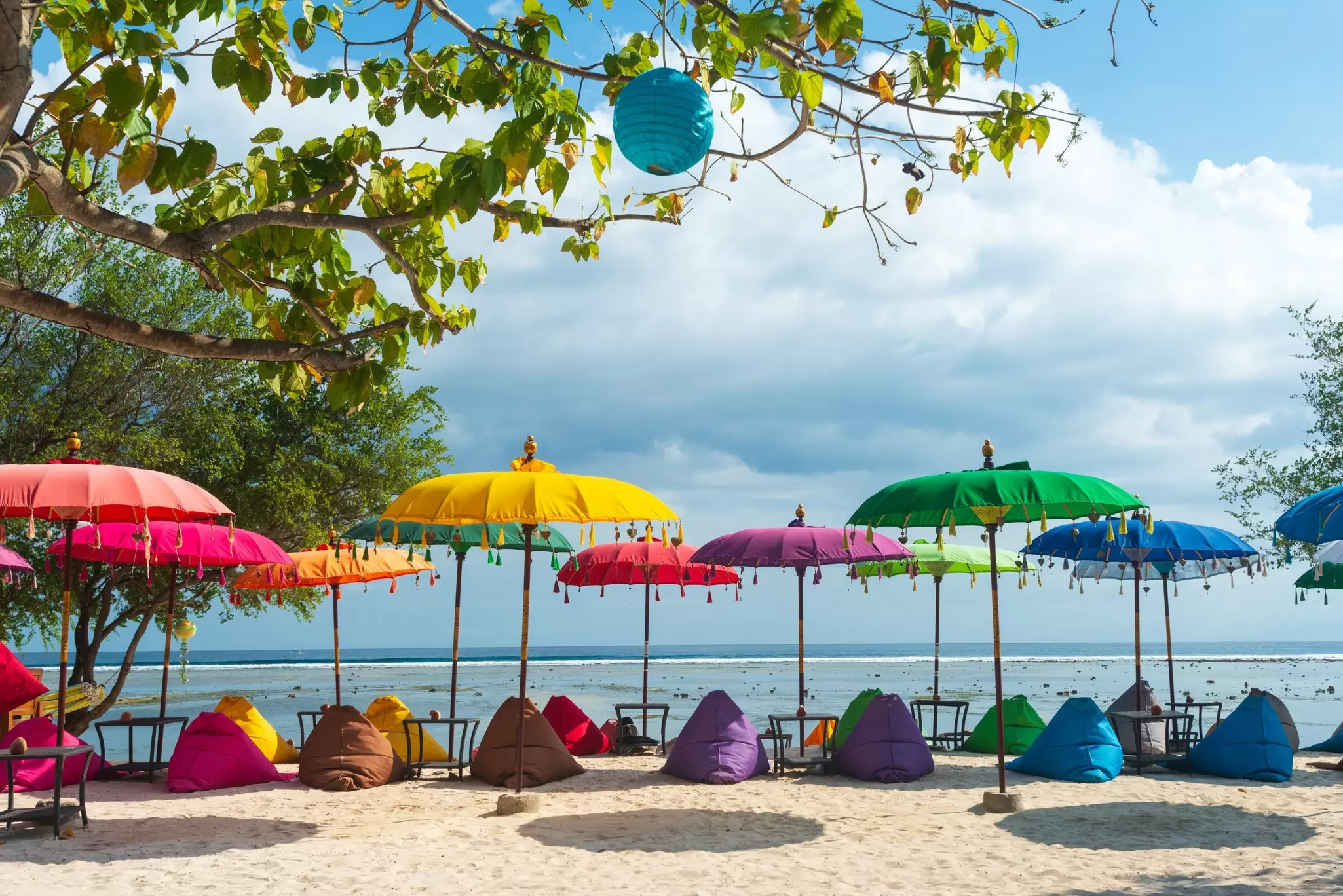
Colorful beach setup in Gili Trawangan, Indonesia. Chris Howey/Shutterstock
Writer
Highlights
Indonesia-based writer Ray Montgomery shares budget tips for the Gili Islands off Lombok.
Gili Trawangan suits budget travelers best; Gili Air is a chilled bohemian alternative.
Inland warungs serve fried rice, noodles and satay for less than a beer.
Join Gili Trawangan's Friday beach clean with the Gili Eco Trust for a free cold beer.
Lonely Planet may earn a commission from affiliate links on our site. All recommendations and reviews reflect our own independent opinions.
Lombok’s Gili Islands – Gili Trawangan, Gili Meno and Gili Air – gained popularity with intrepid backpackers 20 years ago and have been a budget travel hotspot ever since. While midrange boutique hotels now dot beachfronts on all three islands, the budget-conscious traveler is still the mainstay of the Gili Islands' tourism, especially through the low-season months.
A Gili Islands budget trip is all about the beaches and reefs, with the only major expense likely to be a scuba diving package. You’ll find no golf courses, theme parks or motorized transportation. These islands also have one of the most sociable backpacker scenes in Southeast Asia, making it the perfect budget destination for solo travelers. The friendly locals are accustomed to Westerners procrastinating over prices, and of course, there are numerous ways businesses will try to convince you to spend more than you really need to, so be mindful.
All it takes is a little know-how to travel inexpensively in the Gili Islands. Here are our budget travel tips for the Gili Islands to make every last rupiah stretch further.
The low-season months of November to March are the most affordable time of year to visit the Gili Islands. Expect some rain storms during this time of year, though. Shoulder season (April to early June, September and October) can also be a great time to travel, too, since prices for accommodation are reasonable and the weather is a bit less wet than in low season.
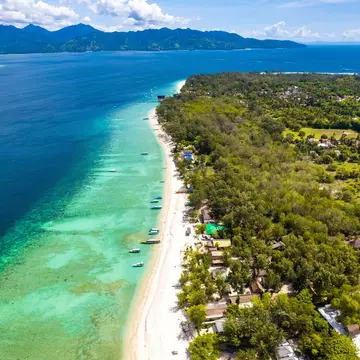
Each of the three Gili Islands has developed its own distinctive character and vibe. Party island Gili Trawangan has by far the largest concentration of inexpensive eats and budget accommodation (as well as the finest dining and luxury resorts, too). By contrast, diminutive Gili Meno is the low-key castaway island, more suited to couples. There is far less competition here for budget dining and homestays, which is reflected in higher overall costs. While there are some no-frills homestays, boutique midrange places to stay are becoming the norm. A happy medium between these two is Gili Air, a less cosmopolitan and arguably more authentic version of Gili Trawangan. There is a distinct bohemian-style vibe here with a chilled-out bar scene.
Planning a trip to the Gili Islands will invariably mean arriving via Bali on one of the many fast boat services. With around a dozen operators, fares vary widely, within the range of about 300,000-600,000 Indonesian rupiah (IDR 300,000-600,000) one way. They can fill up fast during the peak months of July and August when you can expect to pay at the higher end of the range. Most offer advance online bookings (check out Eka Jaya, Wahana and Gili Gili Fast Boat), and the fare includes a hotel pickup from most tourist areas across South Bali. Note that there is often an arbitrary extra charge if taking a surfboard to the Gili Islands. If you plan to bring one, always inform the boat company in advance to avoid a nasty surprise charge. Overall, expect to spend between IDR 500,000-800,000 per day per person in the Gili Islands.
Hostel room in a shared dorm: IDR 200,000
Budget hotel room for two: IDR 350,000
Bicycle rental: IDR 50,000 per day
Fried rice at a food cart: IDR 20,000
Beer at the bar 30,000
Cocktail at a sunset bar: IDR 60,000
Dinner for two on the beach: IDR 200,000 to 400,000
Coffee: IDR 25,000
60-minute massage: IDR 150,000
Snorkeling trip: IDR 170,000 (private charter boat: IDR 500,000)
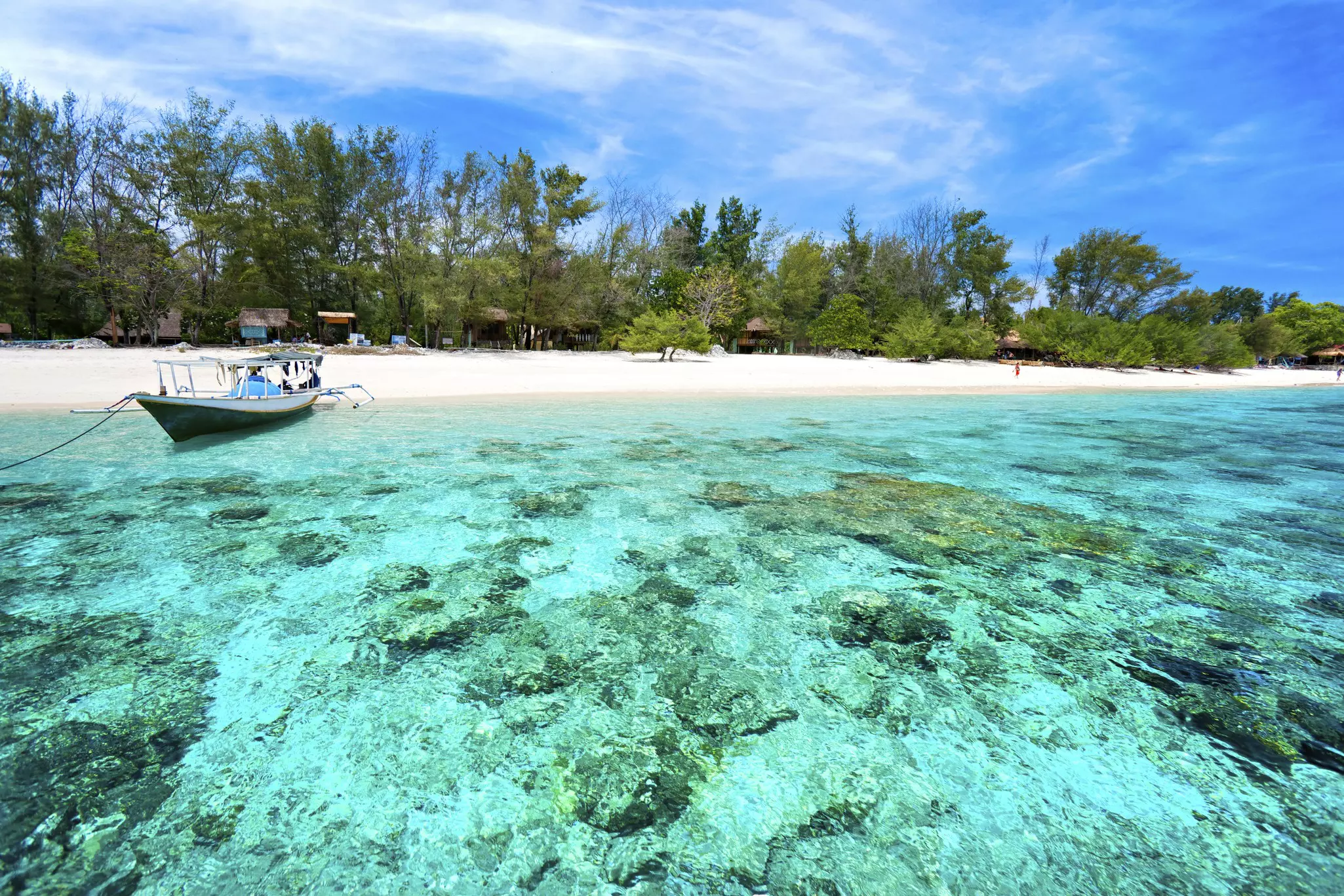
There is little difference between nightly rates for an affordable homestay or bungalow resort versus a hostel. Both have their advantages: hostels in the Gili Islands generally have modern amenities like a pool, bar and indoor and outdoor social spaces. In family-run homestays, you’ll have the privacy of your own ensuite room and you'll have a better chance of enjoying a more authentic Gili Island experience.
Many travelers have arrived on a short side trip from Bali and ended up staying a month or more. Pricing for long stays is very fluid and it's not uncommon to negotiate an affordable homestay for just a third of the daily rate in low season for a month’s stay or more. However, even the best haggler will struggle to secure a sizable discount for peak season (July and August) or during the New Year holiday.
Radika House is a well-reviewed homestay on Gili Trawangan with plenty of space, both indoor and out.
The Rabbit Tree Hostel on Gili Meno is a colorful and inventive (some might even say magical) property offering shared rooms (with or without AC), communal living spaces and a sense of community travelers love.
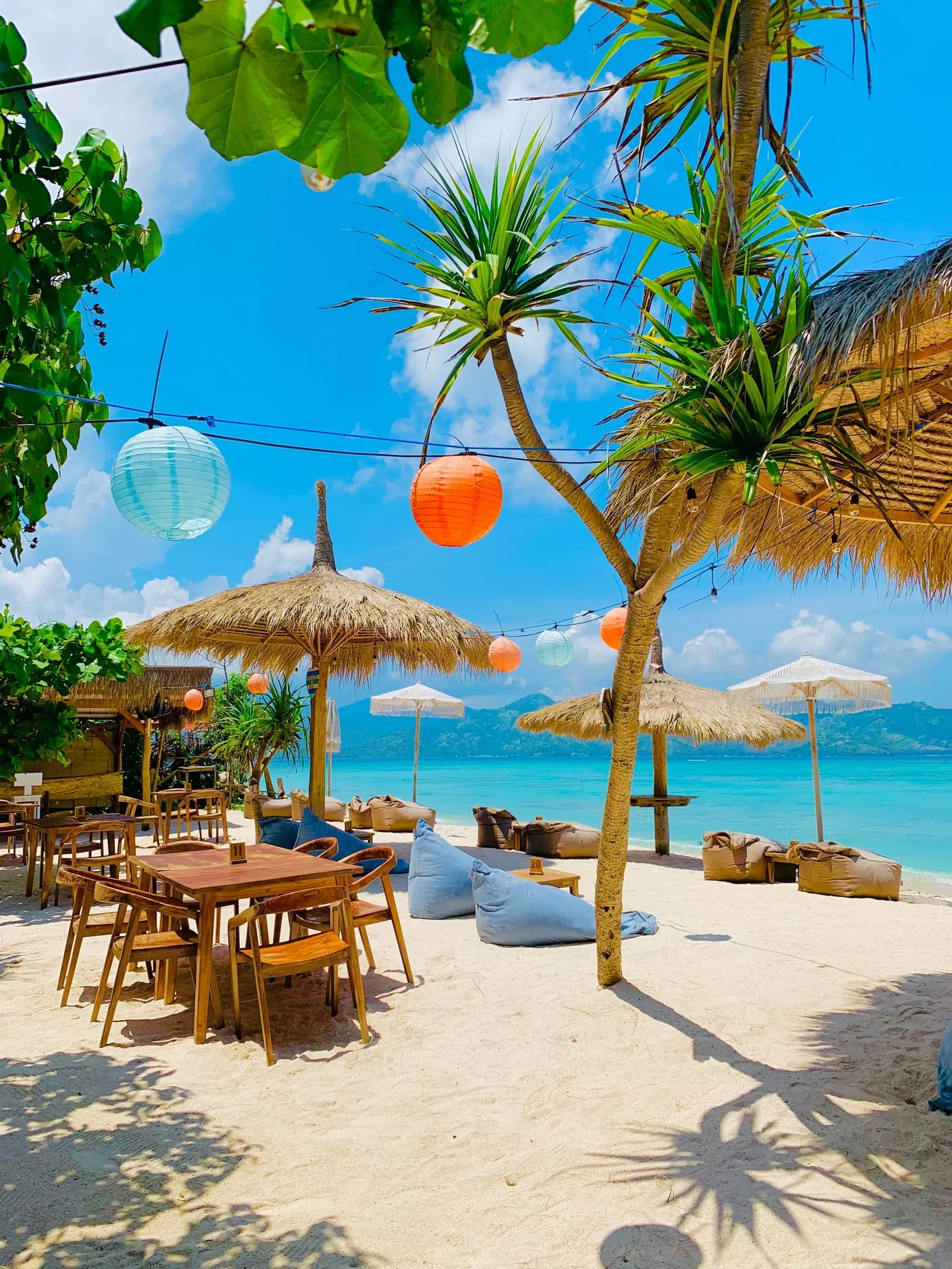
Mahamaya is an eco-resort on Gili Meno that sits right on the beach and offers a beachside tonic bar, a small private pool and plenty of beach loungers and outdoor seating.
Sayang Mama Inn is a guesthouse in Gili Air 80m from the beach with quaint accommodations, free breakfast, WiFi and a pool.
Also on Gili Air, the Koho Air Hotel is an eco-wellness resort with super fresh food, spa treatments and rave reviews.
The beachfront Pearl of Trawangan is a large resort on Gili Trawangan with room options for a range of budgets, air conditioning, a pool, satellite channels and WiFi, and beautifully appointed furnishings.
On Gili Meno, try Bask Gili Meno for its lux environment, beach club and excellent restaurants.
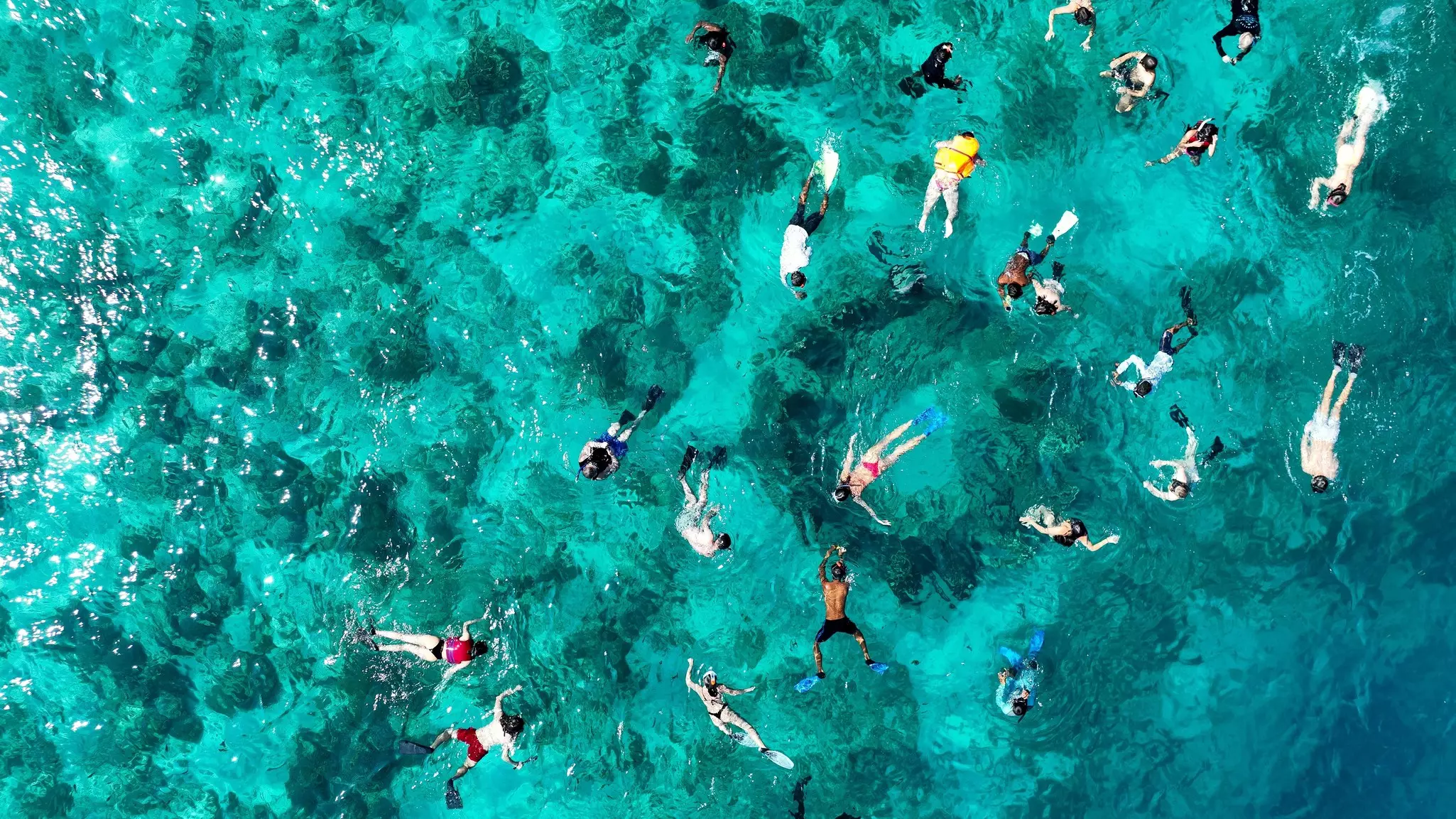
The Gili Islands are among the most affordable diving destinations in Southeast Asia. A three-day PADI Open Water Course will roughly cost around IDR 6,400,000, while a two-day PADI Advanced Open Water Course costs in the range of IDR 5,400,000.
Which island is best and cheapest for scuba diving? In short, it doesn’t really matter. Most of the SSI- and PADI-accredited dive schools have a presence on all three islands and each dive company visits all the same dive sites in rotation. All dive resorts have their own accommodation and offer dive and stay packages, with good low-season deals to be had.
Island hop
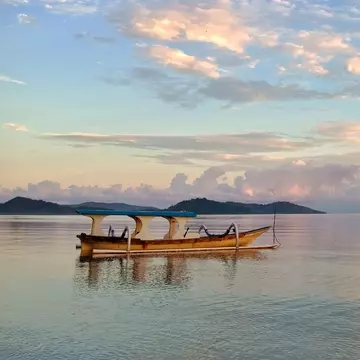
There are two main options for hopping between the three islands. The slow outrigger boat runs a round-trip to all three islands twice a day, at set times in the morning and late afternoon. This makes a day trip to another island feasible. The fare is around IDR 30,000 and takes 40 minutes at most (Gili Trawangan – Gili Meno – Gili Air). The much faster public speedboat service is more convenient, running each hour but costing approximately three times as much.
Earn your happy hour
Earn a free cold beer while keeping Gili Trawangan beaches clean and pristine. Regular Friday beach cleans are organized by the Gili Eco Trust from 5pm to 6pm and all are welcome. You’ll help keep beaches free of trash and meet like-minded travelers too. The prize of a free cold beer for your efforts just in time for the sunset is sure to sweeten the deal.
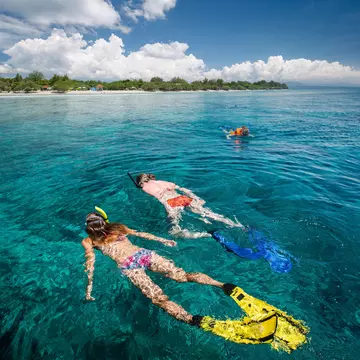
Let’s face it – the Gili Islands are not exactly a hotbed of culture and history (human settlement only began in the 1970s). Aside from yoga, crazy golf and horse riding, the attractions all lie on or beneath the water. Things to do in the Gili Islands on a budget include SUP, kayaking, kite surfing and snorkeling. While prices are based on seasonality, you’ll find the best deals at your hostel or mid-range resort as many have discounted group pricing arrangements.
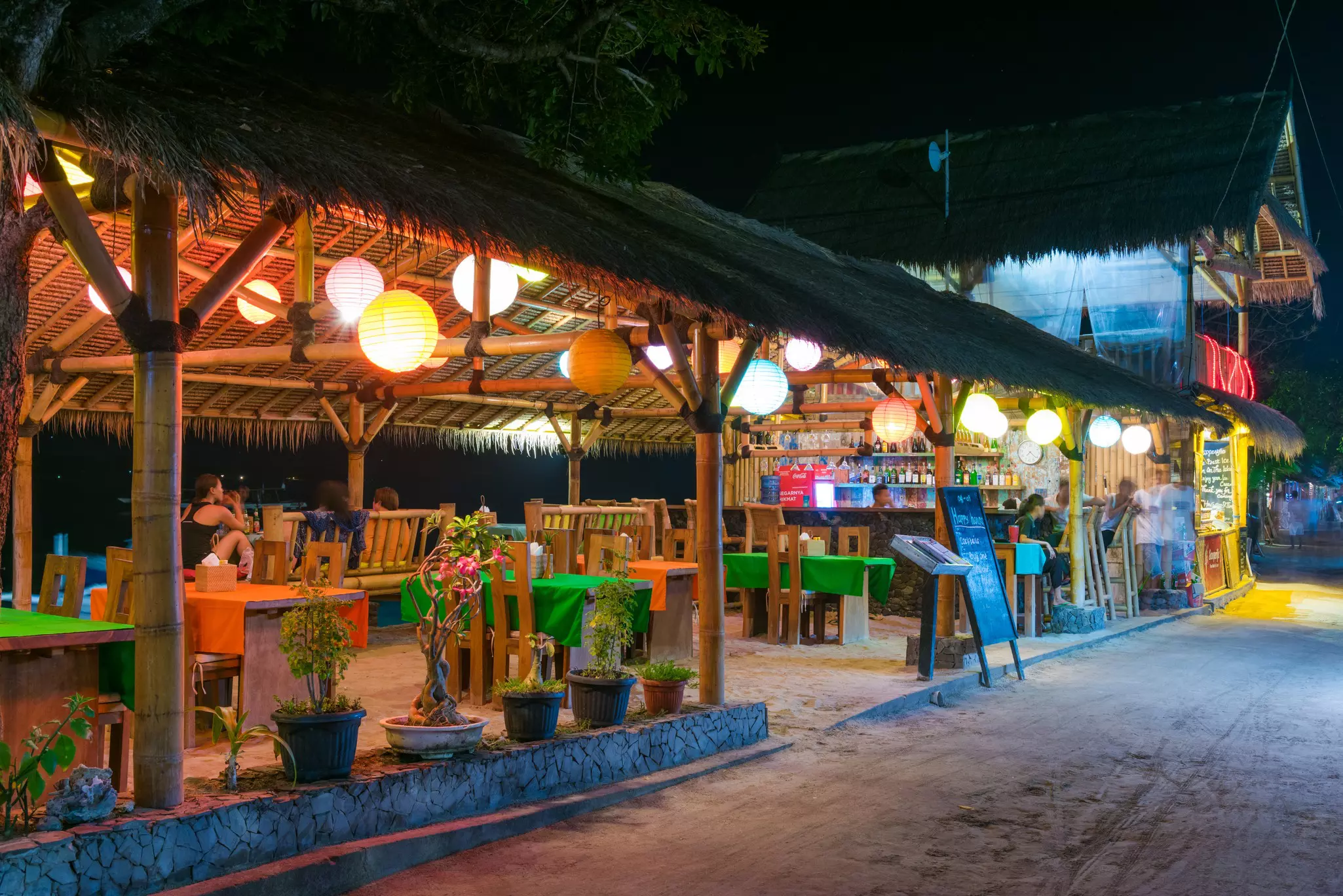
There is a wide variety of beachfront dining options for every conceivable palate, but walk a few meters inland to discover local restaurants at a fraction of the price. There are numerous small warungs (family-owned cafés) serving simple fried rice and noodles, satay and more for less than the price of a small beer. For a happy compromise between price and more familiar western options, the bustling night food market in Gili Trawangan is the go-to place. Additionally on Gili Trawangan, try Coffee & Thyme for sandwiches, salads, juices and homemade cakes or pop into The Shack Restaurant & Bar for a mix of Western and Indonesian dishes from morning to night. Inexpensive and wildly fresh Tip of the Tongue in Gili Meno is a great warung option, too.
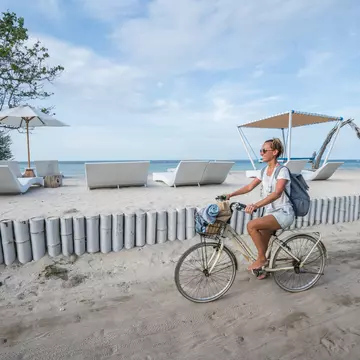
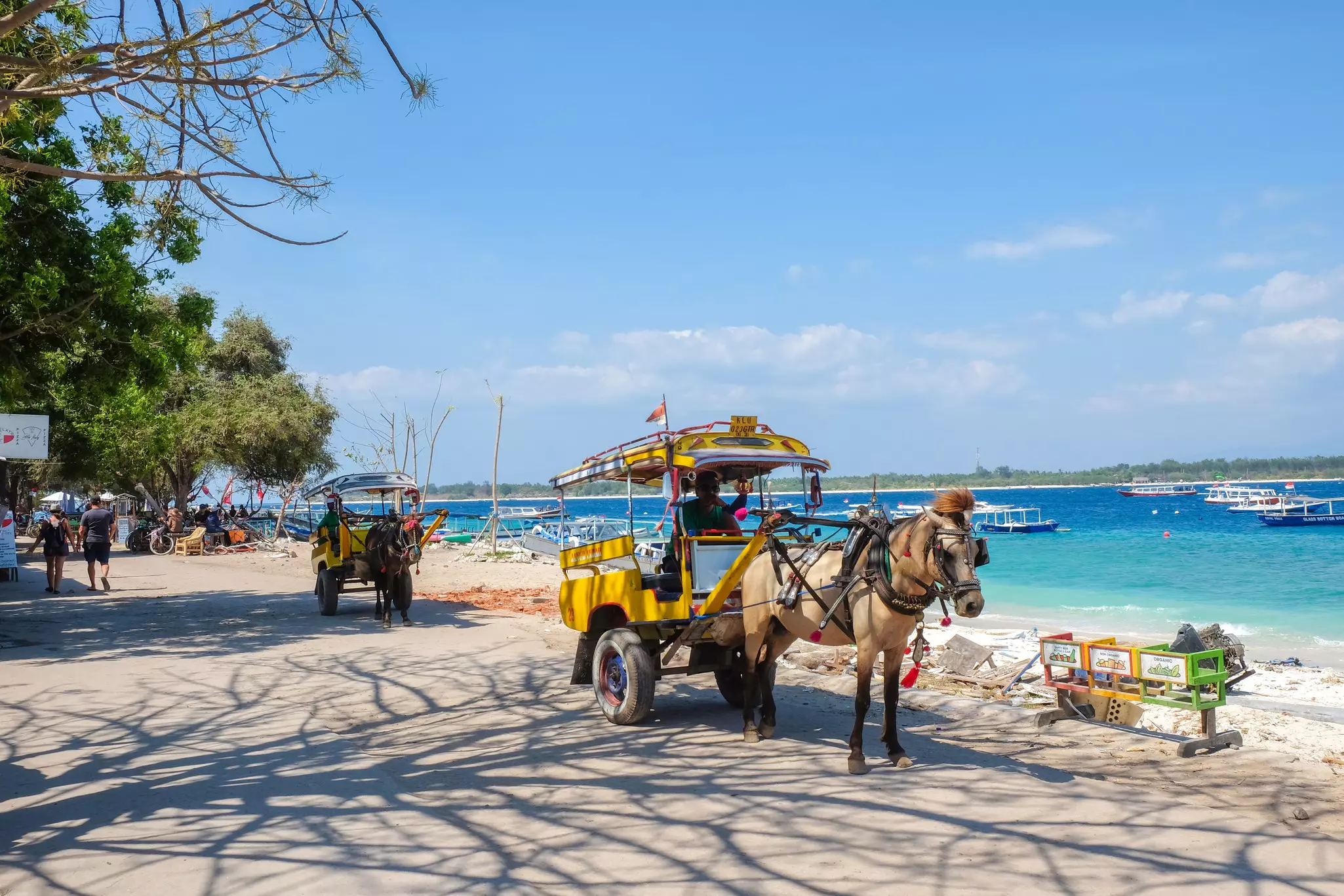
To get from A to B on the Gili Islands, you have a simple choice: on two feet, two wheels or four hooves. A cidomo (horse-drawn cart, the traditional form of transport on the Gili Islands) is the most expensive, with a round-island tour costing at least IDR 300,000, while bicycle rental is affordable and ubiquitous at around IDR 50,000 for the day. Be sure to carefully check the bike’s condition beforehand as you will be expected to pay for any damages. All three islands are mercifully free of cars and motorbikes.
Sign up for the Lonely Planet newsletter for more travel tips and hacks.
Book your Indonesia trip with Lonely Planet Journeys
See Indonesia how it's meant to be seen
Accommodations, activities and ground transportation all taken care of, so you can focus on the fun part. Tell us what your dream trip to Indonesia looks like, and our local experts will build it from scratch. Or start with one of our itineraries and make it your own.

Explore related stories