May 28, 20269 min read
The Best Places to Eat and Drink in Luang Prabang, LaosMay 28, 2026
9 MIN READ

Writer
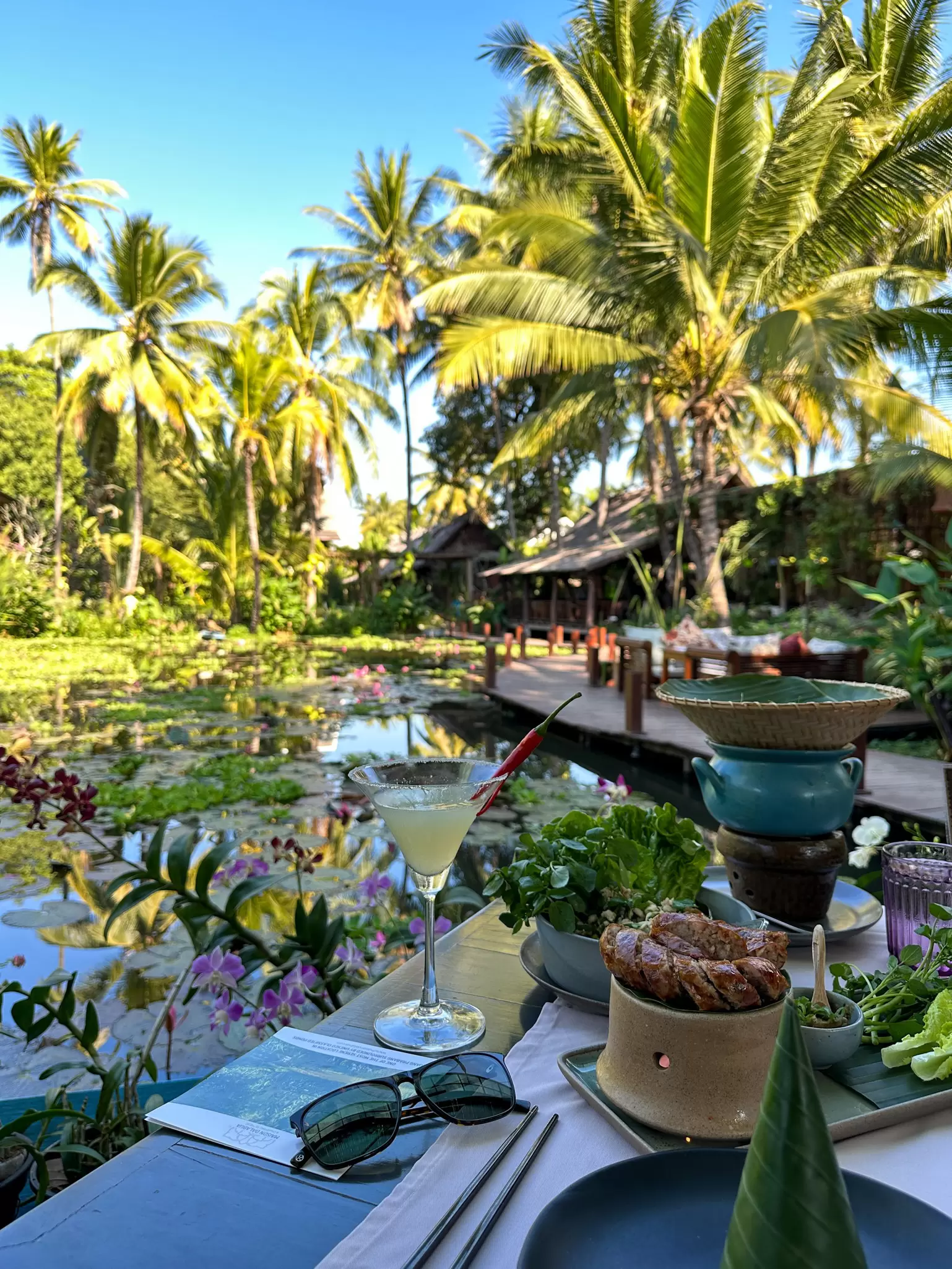
Manda de Laos, a restaurant serving elevated Lao food in Luang Prabang. Zinara Rathnayake
Writer
Lonely Planet may earn a commission from affiliate links on our site. All recommendations and reviews reflect our own independent opinions.
During one of my earliest visits to Luang Prabang in Laos, I wandered the markets with a local chef, sampling everything from dried riverweed to crunchy silkworms. Later that week, I was invited by a group of strangers to their hotpot party in a park. It was during that trip I realized the depth and the diversity of the country’s foodways, and how Laotians eat – always together.
Surrounded by densely forested mountains and fertile riverine valleys, Luang Prabang is an excellent food destination. Returning to Laos every year now, and as the co-author of Lonely Planet Laos, I’ve seen entrepreneurs, chefs and baristas come up with creative ways to revive local ingredients. First- and second-generation Laotian diaspora are moving back home too, setting up contemporary restaurants and shining a spotlight on treasured kitchen traditions like sun-drying, fermentation and long-hour simmering. Here are some of my favorite places to eat and drink in Luang Prabang right now.

When Laos became a part of French Indochina in 1893, European culinary habits slowly crept into local kitchens. Although the country eventually gained full independence from France in 1953, these influences are still evident, and in Luang Prabang, you’ll see that in French-style bakeries and patisseries that stretch into even the quiet corners of town. Every little bakehouse and streetside stall carries the locals’ love for French viennoiserie and everyday staples like khao jee pate (baguette sandwiches with pate, pork floss, pickled papaya, meat, herbs and a generous drizzle of sweet-and-spicy sauce).
For a slow morning, I’ll walk along the Mekong River to Mademoiselle Ny Cafe, where I can watch boats drift across the water while munching on delicious crepes and sandwiches. Family Bakery on Kingkitsarath Rd does excellent croissants and French toast, too, and I love sitting outside so I can watch the world go by. If I’m in the mood for an evening treat, I usually get custard-filled donuts from a little streetside stall called Yummy Donuts, set up every day by two young homebakers.
For something fancy, stop by the chic cafe Jambon for its classic jambon beurre, a crusty, buttered baguette loaded with slow-cooked ham prepared for over 7 days. It includes arugula organically grown on the Jambon farm, so everything here is as fresh as it gets.

Laotian cuisine is rooted in abundance, foraging in the jungle, and gathering from the rivers and streams that curve through the arable valleys peppered with paddy fields. And nowhere is better than Luang Prabang’s morning market to see, feel and learn the ways Lao people eat. By 7am, the marketplace next to Wat Mai Suwannaphumaham gets really busy. The temple’s golden reliefs glow in the soft morning sun, and you’ll see men and women huddled behind old rice sacks displaying everything from wild mushrooms and foraged greens to tubers, frogs, insects and charred rats. On the back streets, women slice and chop meat and debone river fish for refreshing salads.
Walking around the market, sample snacks like hang peung, little banana-leaf packs of soft, crunchy grilled honeycomb filled with juicy white bee larvae; khao jee, crispy and chewy grilled sticky rice snacks; and fawm kauv, delicate handrolled rice sheets stuffed with pork and mushroom, dipped in a sweet-and-tangy sauce. If you want something heartier, go for a bowl of rice porridge or noodle soup.

I’ll be honest: Luang Prabang is not a place where you’ll just stroll down the streets to find local food places. To eat locally in Luang Prabang, to sit side by side with the town’s residents, you have to trek outside the tourist center.
My favorite is Tadam, which sits by the Mekong River near the international airport. This airy, no-frills restaurant offers an excellent entry into Lao classics, with dishes like thum mak hoong, Lao papaya salad with its bold flavors drawing from the crab paste, shrimp paste, and padaek (unfiltered fermented fish sauce) that pairs well with khao niew (sticky rice) and peing gai (grilled chicken). Tadam gets busy during the weekends when families and friends gather around long tables over bowls of laab paa (minced Mekong River fish salad with herbs) and bottles of chilled lager.
Along the way to the famed cascading turquoise pools of Kuang Si, you’ll find the new location of Bio Bamboo, where everything from roof to cutlery – as the name suggests – is bamboo-made. It’s a bit out of the way from the main road and down a small alleyway, but it’s all worth it when you get there: you’ll get to walk the organic farms and slurp a bowl of or lam, ox meat stew flavored with mai sakhan, a spicy chilli wood vine with a numbing aftertaste. Bio Bamboo is lauded by Lao people so much so that they travel from Vientiane – the capital of Laos – just to eat here.
There are a few traditional cuisine restaurants scattered in the heart of the town, too, including chef Joy Ngeuamboupha’s Tamarind by the Nam Khan riverfront. Part restaurant, part cooking school (in the countryside), Tamarind’s tasting platters remain popular along with a shot of Lao Lao, a potent rice whiskey traditionally brewed at home. Here, marinated beef is sun-dried and briefly fried for sin savanh, spicy, slightly sweet beef jerky; skewers of lemongrass-wrapped sour pork are barbecued; and finely chopped river fish is seasoned with aromatic herbs.

Some of Luang Prabang’s most exciting dining establishments aren’t just about the food, but reflect a bigger, deeper story about the way of life here. Little Lao Culture Bar on the quieter end of the Sakkaline Rd (where the town’s night market is held), is one of those, with its exposed earthy brick walls, stone bar counters and artisan-made crockery. In fact, the area known as Ban Jek is where artists from China, Vietnam and elsewhere once resided in Luang Prabang during the royal rule. Little Lao’s menu centers around over 20 different types of jeow, dipping sauces that are a staple, and complement and contrast the flavors of steamed fish, vegetables, sticky rice, salads and meats. Go for jeow bong, a deep red sauce with its origins in Luang Prabang, made with shredded water buffalo skin and sun-dried red chilli.
Further away from the swamped night market area, at the opposite end of town, is Manda de Laos. Set around a lily pond lined with coconut palms, it truly feels like walking into a heavenly garden. Open for all meals, the restaurant is all about elevated Lao family fare that reflects the culinary know-how of founder Toune Sisouphanthavong’s late mother.
At the heart of the town, Lost in Baan’s menu plucks from Southeast and East Asian influences, with ginger-flavored chicken wrapped in pandan leaves and buffalo steak served with tamarind and chili sauce, lemongrass salad and purple sticky rice. My go-to, however, is Khaiphaen, a vocational training kitchen with a soul that employs young people from marginalized backgrounds. I get sai oua (Lao pork sausage), laab (ground meat salad) and red chicken curry cooked with snake beans and apple eggplants. It’s my usual lunch order, always with rice and a chili-rimmed glass of pineapple margarita. Remember to reserve ahead in the peak season from November to January.

Some of the town’s modern restaurants double as gastro bars where food is paired with innovative cocktails and local spirits. The drinks at Lost in Baan, for example, reinvent Asian spirits like Japanese whiskey and rum produced in Laos with a fresh spin.
At Little Lao Culture Bar, you’ll find sato (rice wine made from fermented sticky rice), which is traditionally part of baci, spiritual ceremonies that celebrate life events like births and weddings. The cocktail menu leans on Lao flavors too, with ingredients like pickled papaya, wild bee honey and black ginger from Northern Laos.
Little Lao’s spiral staircase leads to Sun Song Social upstairs, a cocktail lounge open only during late evenings. Fitted with handmade mulberry paper backdrops and peacock glass mosaics designed by local artists, the bar’s menu lists classic cocktails, gin and whiskey to go with its wok-fried whole shrimps and sour pork fried rice. There's also a small wine list.
For something casual, I go to 360 Sunset by the Mekong. It’s a great little place to grab a beer and watch the sunset from the deck. RnB Bar is another chill spot, and sometimes has live music.

In Laos, over 95% of the coffee is grown in the southern volcanic Bolaven Plateau, with only a few farms scattered across the country’s north. Saffron Coffee is one of the first to push the specialty coffee scene in Luang Prabang, where you can still enjoy your coffee alfresco on the Mekong waterfront.
Recently, though, there’s a new generation of young baristas turning to locally grown beans. You’ll find over a dozen tiny coffee carts and swanky cafes in and around the ancient town, but my favorite is Sanid Coffee, a slow bar hiding in a residential neighborhood just west of the town’s post office. It’s quite an experience to watch owner-barista Kone Inthepphavong work his magic every morning, and meticulously brew my coffee using a Flair 58 manual espresso machine.
Walking towards the Dara Market is Coffee Express, a rustic cafe by a lily pond with waddling ducks. Expect matcha lattes, iced caramel macchiatos and oat milk cappuccinos that go hand in hand with just out-the-oven sweet treats and fresh sandwiches. It’s the kind of place locals and tourists cross paths, and you’ll probably be sitting next to an artist working on their new pencil sketch.
Explore related stories