Sep 30, 20269 min read
12 Things to Know Before Visiting the PhilippinesMay 12, 2026
10 MIN READ
Writer
Boardwalk views of Jet Geyser and Fountain Geyser in Yellowstone National Park, Wyoming. Katelyn Perry/Lonely Planet

Writer
Lonely Planet may earn a commission from affiliate links on our site. All recommendations and reviews reflect our own independent opinions.
The smell of freshly baked pastries and roasted coffee wafted down the narrow, cobblestone street, where tables, chairs and locals had spilt, all soaking up the morning sun. Naples in the morning is a special place – not still, not calm, but full of urgency. Conversations erupt in sporadic outbursts, punctuated by the gestures Neapolitans have made an art form.
On either side of me, my crutches click as I walk – something I’m so used to, I barely hear it. Every time I take a step forward, I take it for granted that my brace will catch my fall. Yet, suddenly, as my foot lands, the expected solidity isn’t there. Something gives, I lurch, my knee twists, catapulting the weight of my backpack to one side. It pulls me around with it, and I collapse on the ground in a clattering pile of crutches, body and backpack.
Physically fine, but feeling embarrassed, I’m helped to a chair by some warm and caring people. Looking down at my brace, I realize that one of the screws on my knee joint had fallen out somewhere, and my "leg" would no longer bear my weight. What am I going to do?
This was the first time something like this had happened to me on my travels, but it’s far from the last. Over coffee and with a lot of pointing and chatting, some locals guide me to a small nearby garage. An oily and smudged man in overalls is fascinated by the issue, and before long, I’m heading back out into the bustling Neapolitan streets with a fresh nut and bolt, sanded and screwed tight, and my faith in my leg re-affirmed. The mechanic refused any payment and waved me off with a smile on his face.
It was, I came to realize, a perfect introduction to traveling with a disability. Here are my tips for other travelers.
Disability is not one thing, and neither is planning for it.
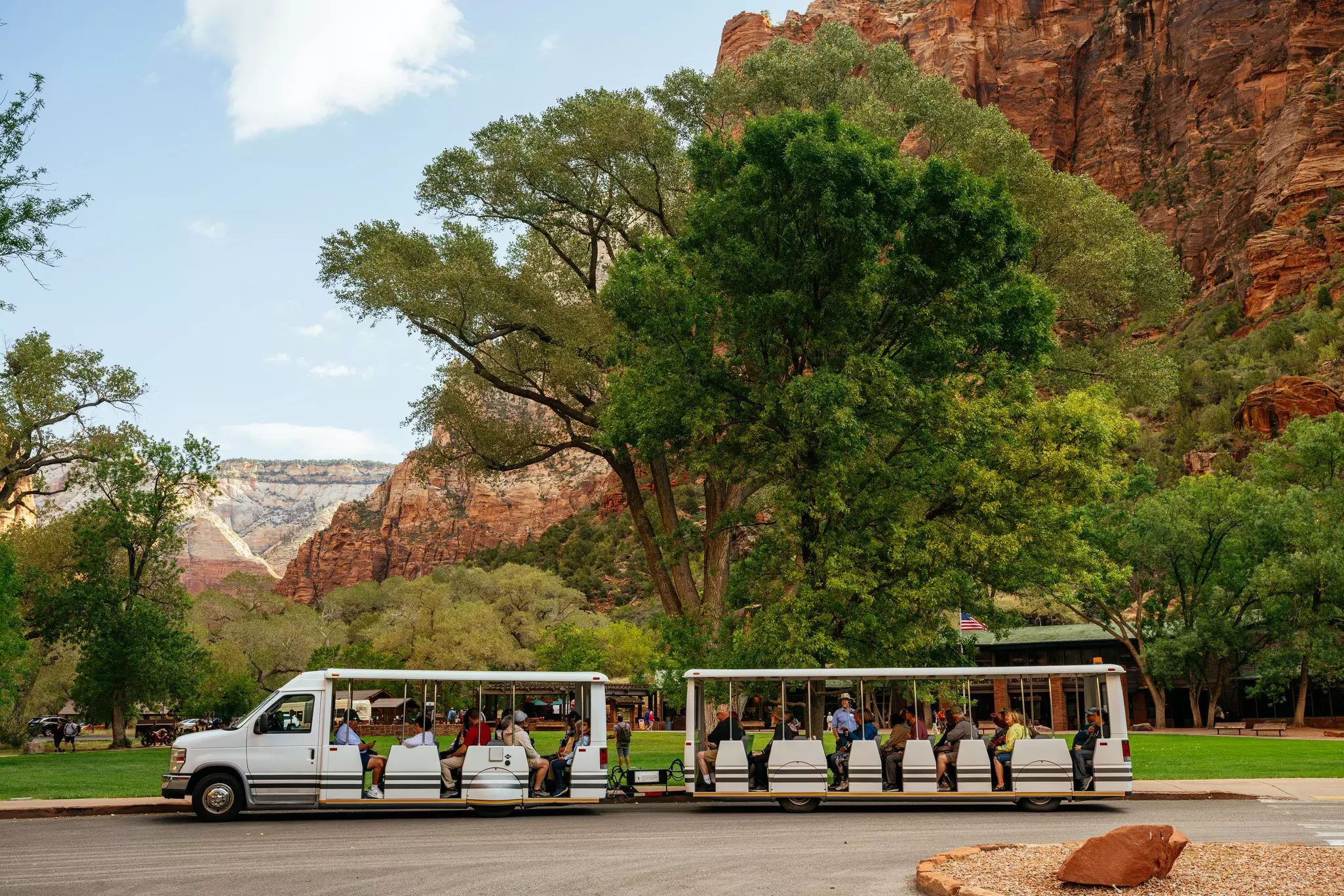
Accessible resources are limited, and high demand means that hoists, specialized beds and adapted rooms can go early. Different countries have different rules regarding the provision of these facilities, so never assume. Contact your travel agent or hotel directly if you have complex needs and open a clear line of communication.
I have come across stories of hotels where the room is fully accessible, but the car park is gravel and prevents wheelchair users from getting to the accessible room itself. If in doubt, call ahead. If language is a barrier to this, use Google Translate and send emails to confirm requirements.
Make sure you are clear about medical conditions, check that your insurance covers the activities that you are planning, and finally, make sure it covers the equipment you need to take with you. Also, having pre-existing medical conditions clearly noted on your form means that you will be covered if you have a flare-up just before or on the trip.
Before you travel, check your government's official travel advice for your destination, as a pharmaceutical that's routine in some countries can be restricted – or even illegal – elsewhere, and this includes some surprisingly common medications. Crossing time zones? It's worth having a quick conversation with your doctor about adjusting your schedule before you go. When on the move, keep medication in its original packaging with a doctor’s letter confirming it's yours, and always carry it in your hand luggage, not your hold baggage. If your medication needs refrigerating, an insulated travel case in the cabin is essential, and any decent hotel will store it in a fridge if you ask.
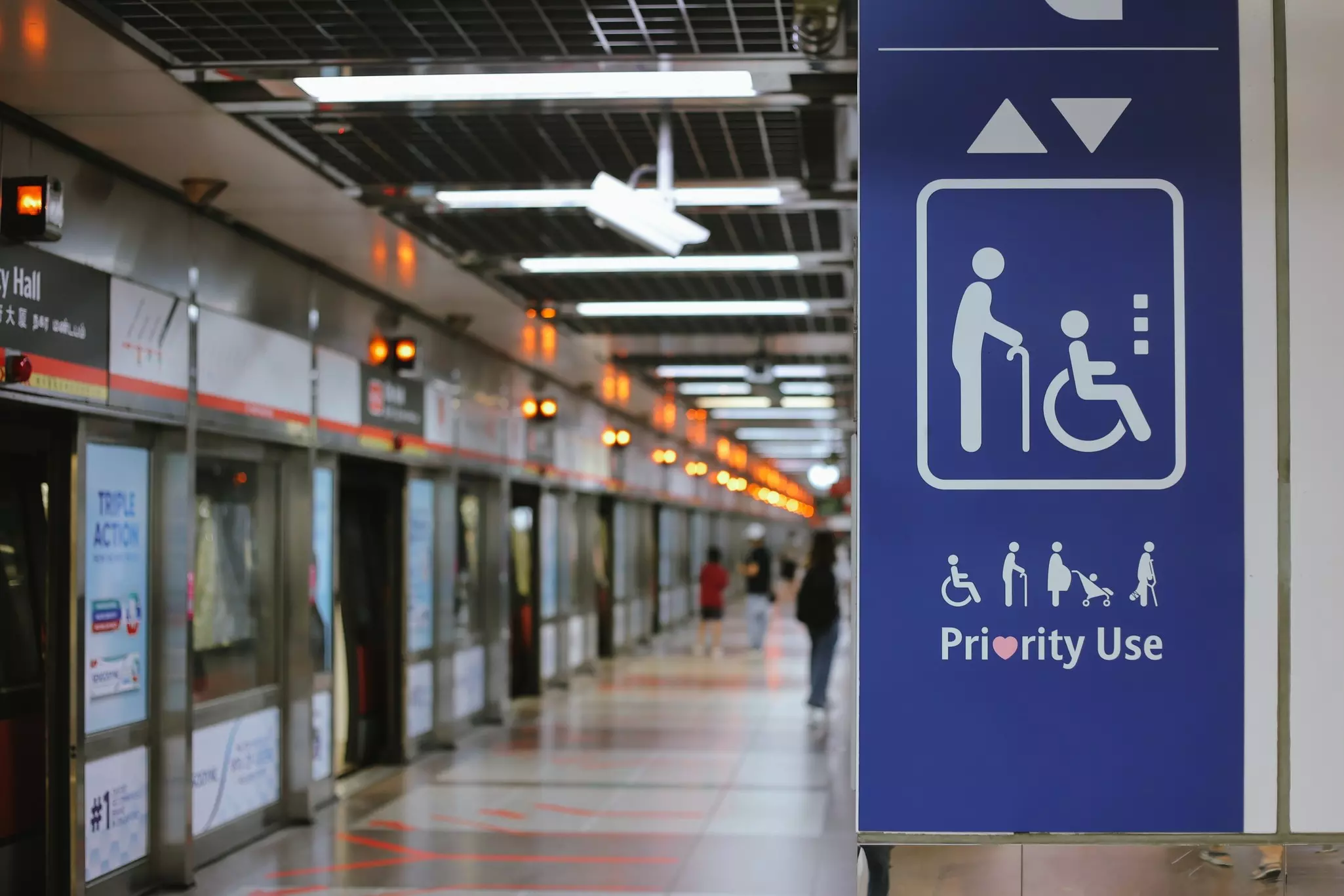
In most airports worldwide, there are the equivalent of "meet and greet" services with assistance provided through the airport, past security checks and onto the plane. Make sure that your carrier is aware of your requirements in advance and contact them early in the booking process. Select seats that meet your requirements. Personally, I choose aisle seats on the left of the plane as this gives me more room for my braced leg.
Damage to wheelchairs and equipment by airlines continues to be an issue across the industry. Before you leave, take photographs of your equipment so that you can prove any damage. Take with you any instructions and technical details that you have for your chair, including information about batteries, as this can help smooth check-in procedures. Legal protections for wheelchair damage vary by country, so check before you travel.
Across the UK, North America and the EU, buses and trains are largely required to be accessible. Check with local providers for assistance schemes. For example, in Italy, the Sala Blu scheme supports access to its train network. When it comes to taxis, if you have large equipment or very particular requirements, it is important to book in advance. In some countries, however, provision is standard, for example, in London, where all black cabs are fully accessible. In cities with metro/underground facilities, double-check online which stations are fully accessible. And finally, if you don’t speak the language, have key phrases or a translation app ready.
Explore beyond the "accessible room" terminology. In my experience, this is where things fall the most, as different countries have different standards, and some of these labels are purely box-ticking exercises.
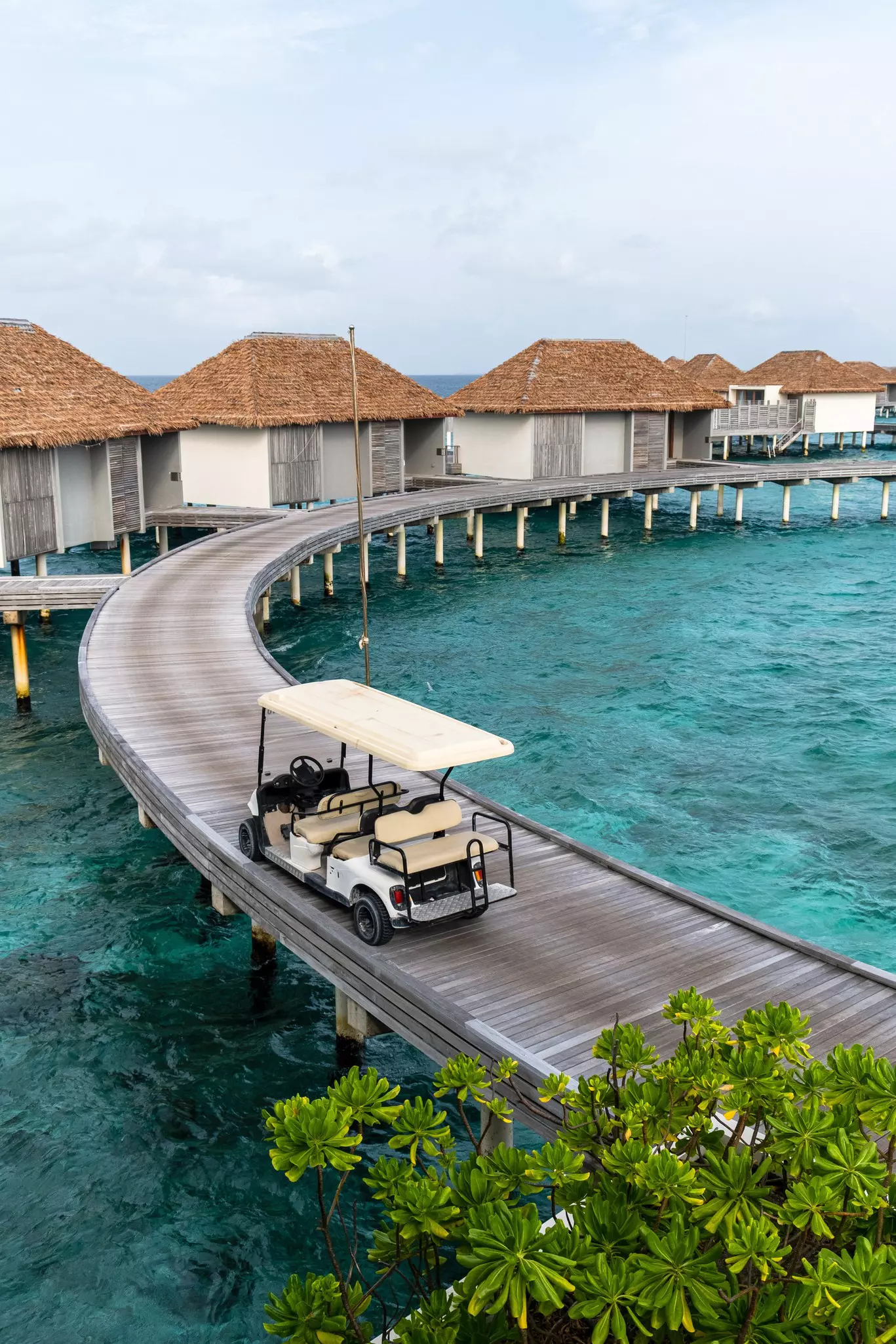
When you book, if you need special facilities, then be sure to specify them or to ask specific questions. Any good hotel will provide photographs and answer specific queries. What floor is the room on? Is the lift working? Are all public areas accessible? Is there a chair in the shower?
Consider your surroundings: what do you want to see on your trip? Are these locations nearby? If you have conditions that can cause fatigue, are you at the bottom of a hill or a long way from the center of town?
Cruises are a great way to see several locations while only having to unpack once. Be sure to check if any ports are tendered – requiring a smaller boat to reach shore – and how these are accessed. I’ve also come across instances where getting to the shore was fine, but the day-trip bus was not accessible. Ask the questions.
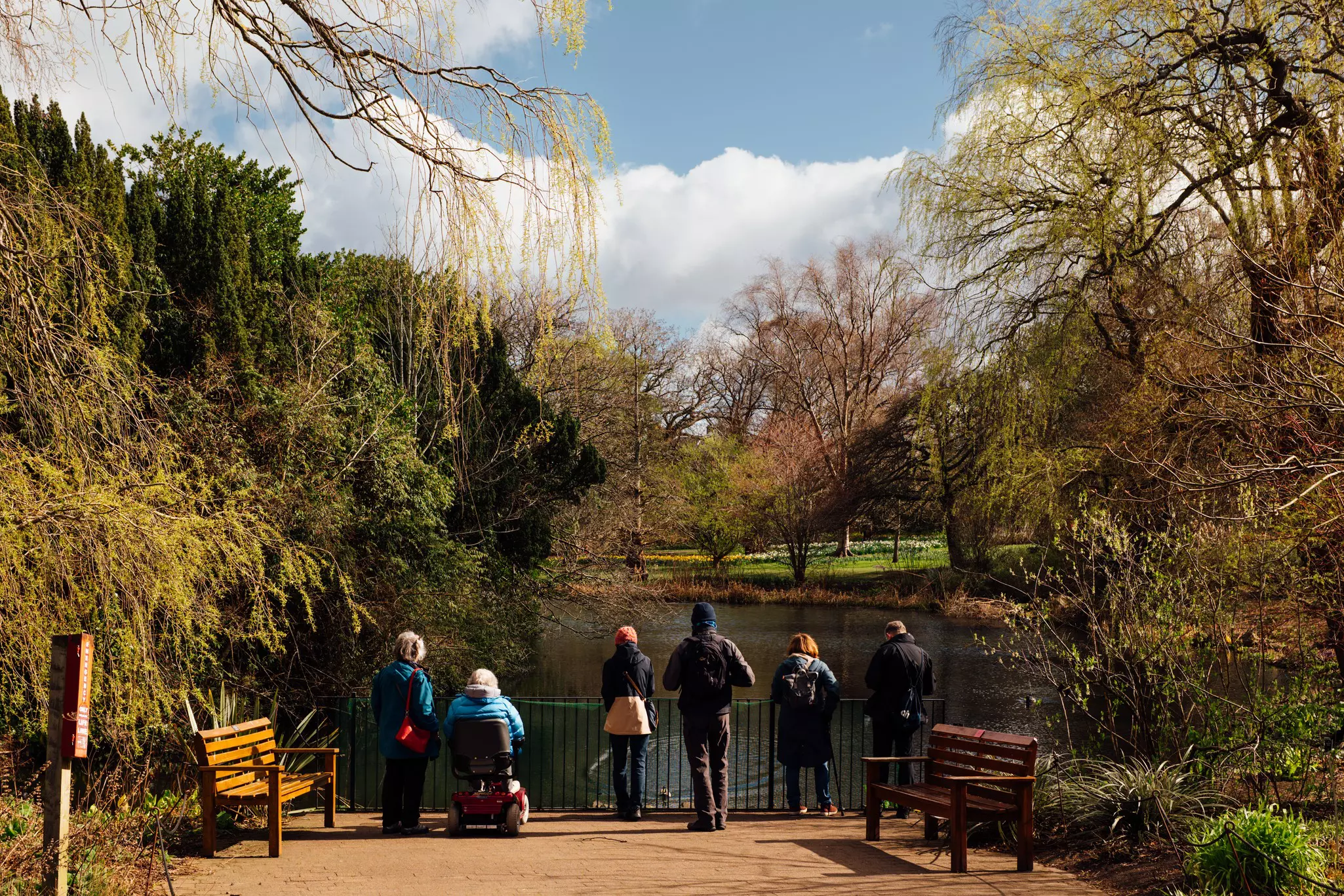
Let’s face it, nowhere is 100% accessible for everyone, but knowing what can and can't be done in advance is half the battle.
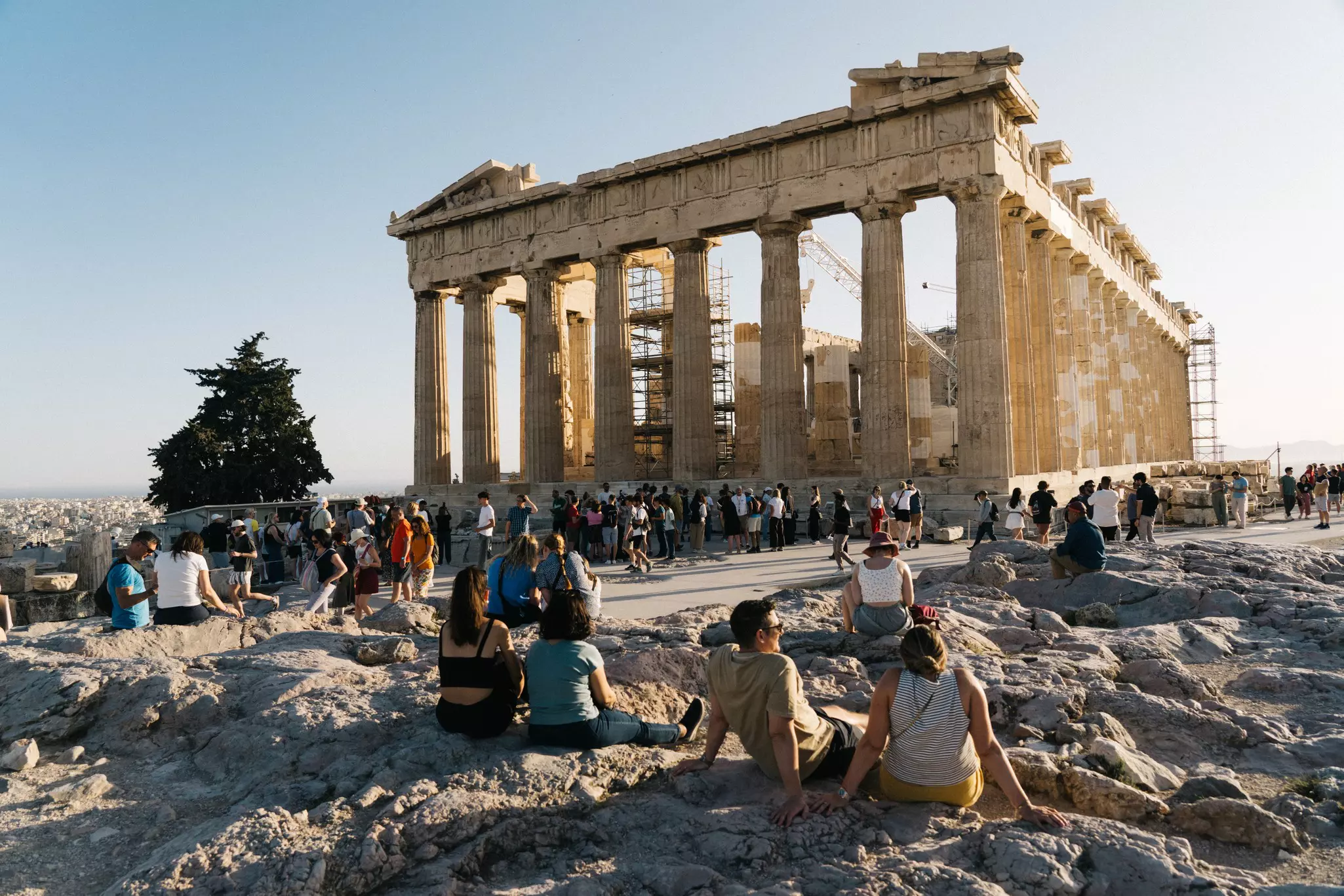
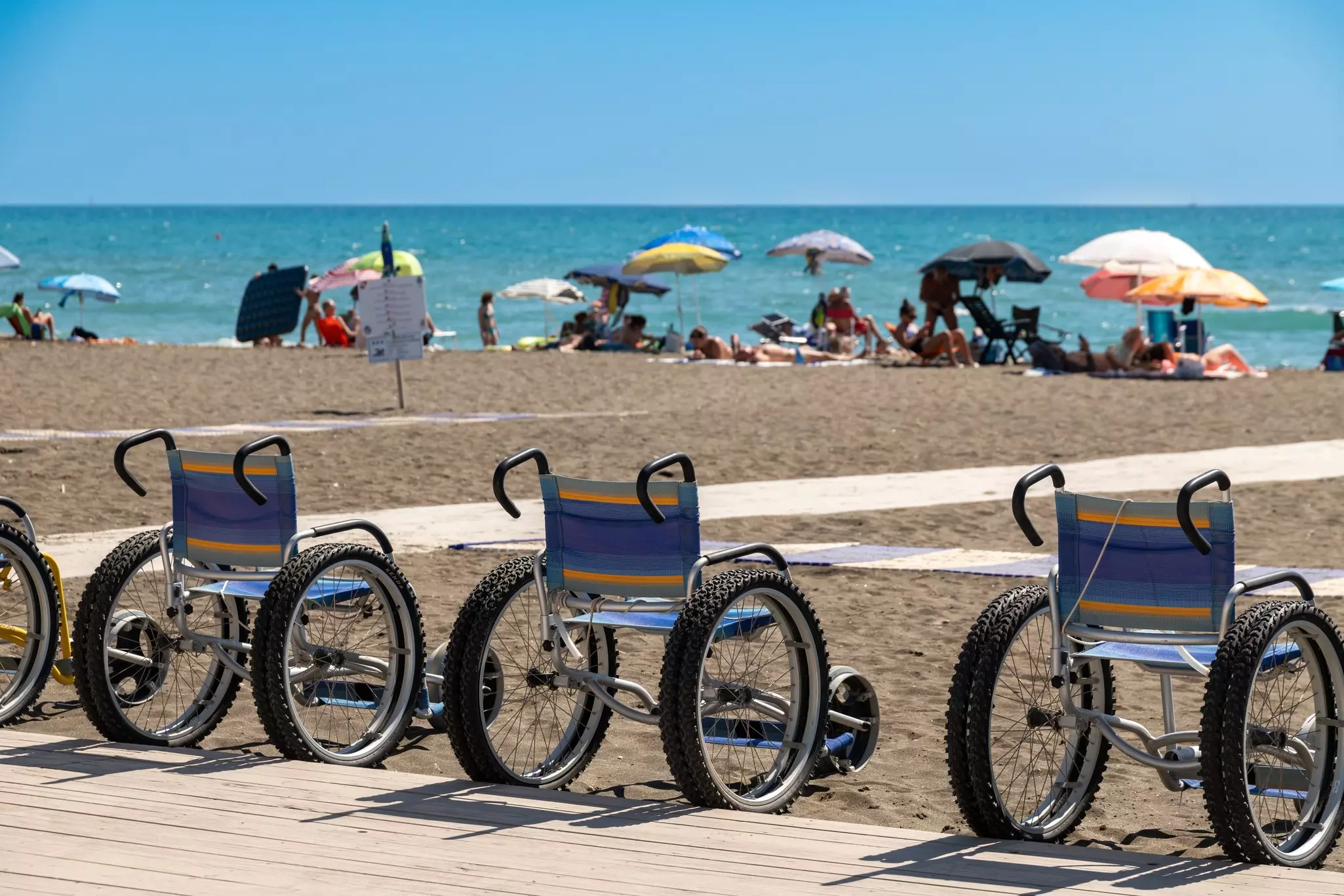
Across North America, Europe and in a lot of Asia, big leaps forward have been taken in adapting cities and building in accessibility. However, a lot of these cities are ancient, and with that come inherent problems like uneven cobblestones, tiny shop entrances and gigantic curbs. Ongoing design is opening up some of these cities. For example, Barcelona states that 80% of its metro services are wheelchair-friendly, and the ancient Parthenon in Athens has a lift and offers group tours in accessible vehicles.
You may get more from your day or night out than you bargain for if you plan ahead. Some museums offer sign language or sensory tours, and some tours during specifically quiet periods. Theaters commonly offer hearing loops, and some, like The Broadway in New York City, use tech to provide audio description.
Some facilities offer reduced or free entrance for people with disabilities. In my experience, it just needs to look official, and I usually rely on my disabled persons rail card. The Hidden Disabilities Sunflower Lanyard is more widely recognized, not only by transit hubs but also tourist venues globally and is a subtle way of indicating you may need more space or time.
Take note of places that may be of use. Not only the usual pharmacy availability (pharmacies are always a great first port of call if you have a non-emergency issue), but also stores that could help with broken equipment. For me, this was the mechanic in Naples, but I’ve heard of bike stores repairing wheelchair issues and walking stick shops replacing stoppers on frames, sticks and crutches. Also, a great bit of advice: if you're struggling for an accessible toilet, chain fast-food restaurants or big hotels will commonly have disabled facilities available.
In my experience, most people in the world are nice and want to help. Get on a packed Tube in London, and nine out of ten times, I am offered a seat. The same happened to me on trains in Madrid, Finland, Delhi and many other places. Now, here is the perceptual part: alongside this genuine kindness, you may find occasional condescension or unsolicited aid. Whilst these situations will be outside of your control, how you respond to them is completely up to you. It can feel violating or infantilizing, but, particularly in community-oriented cultures, it’s often an expression of genuine care. Remember, it’s fine to direct people or to decline help, but be confident and clear.
In parts of Asia, Latin America, Africa and more rural communities globally, disability is often less visible in public life. Stares and interest are rarely malicious, but curious. Be aware of this and, although it can be a challenge, don’t take it personally. I’ve sat with groups of kids and shown them my brace and explained to adults untold times how I came to be in this situation (I sometimes get creative with this story – shark attack is my favorite). I see it as an opportunity for me to make things less unusual.
None of this – the planning, the insurance, the photographed wheelchair, the key phrases loaded into your translation app – is what traveling with a disability is actually about. It's the scaffolding. What it's about is the same thing it's always been about: the mechanic in overalls who won't take your money, the kids in whatever country you've landed in who want to touch your brace, the moment a city you were warned about turns out to have a lift where you didn't expect one.
It will ask more of you than it asks of other travelers. That's true, and it's worth saying plainly rather than dressing it up. The cobblestones will still be cobblestones. The tick-box room will occasionally be a lie. Someone, somewhere, will grab your wheelchair without asking.
But here's what years of crutches on cobblestones have taught me: the gap between the trip you're afraid you can't take and the one you actually go on is almost always narrower than it looks from the planning stage. Most of it is information. Most of it is knowing which questions to ask, which signs to trust, and when to let a stranger help you back to your feet.
The world is more accessible than the fear of it. You just have to know where to look.
Explore related stories