Oct 18, 202613 min read
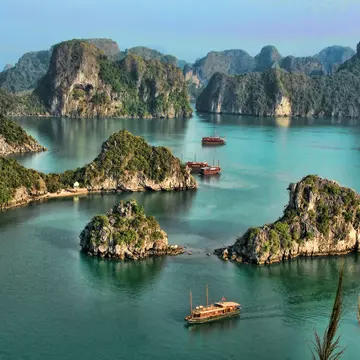
Cruises to Halong Bay: Tips and Things to KnowSponsored by
This article was paid for and produced with TECNO. Paid content is produced separately from Lonely Planet's editorial coverage. Product availability and terms are subject to change; please verify details directly with service providers.
Sep 2, 2026
7 MIN READ

Writer
Photographer Cynthia Hofmann in Jeddah, Saudi Arabia. Cynthia Hofmann for Lonely Planet
Writer
TECNO and Lonely Planet teamed up to launch the Shot On CAMON Contest with the premise "Seeing is Believing." We sent photographers into Saudi Arabia, the Philippines, and Tanzania with instructions to photograph the same four categories — Faces · Unfiltered, Night · Unveiled, Culture · Unscripted, Snapshot · Unspotted.
Photographer Cynthia Hoffman in Jeddah, Saudi Arabia, said, "Before you take the photo, ask yourself what you actually want to communicate — and whether you're the right person to tell this story." Yes, she understood the assignment.
All three photographers shot on the CAMON 50 Ultra 5G without heavy retouching. What came back is the work of three photographers who told the story of three very different destinations through their own unique lens.
Cynthia Hoffman — Saudi Arabia
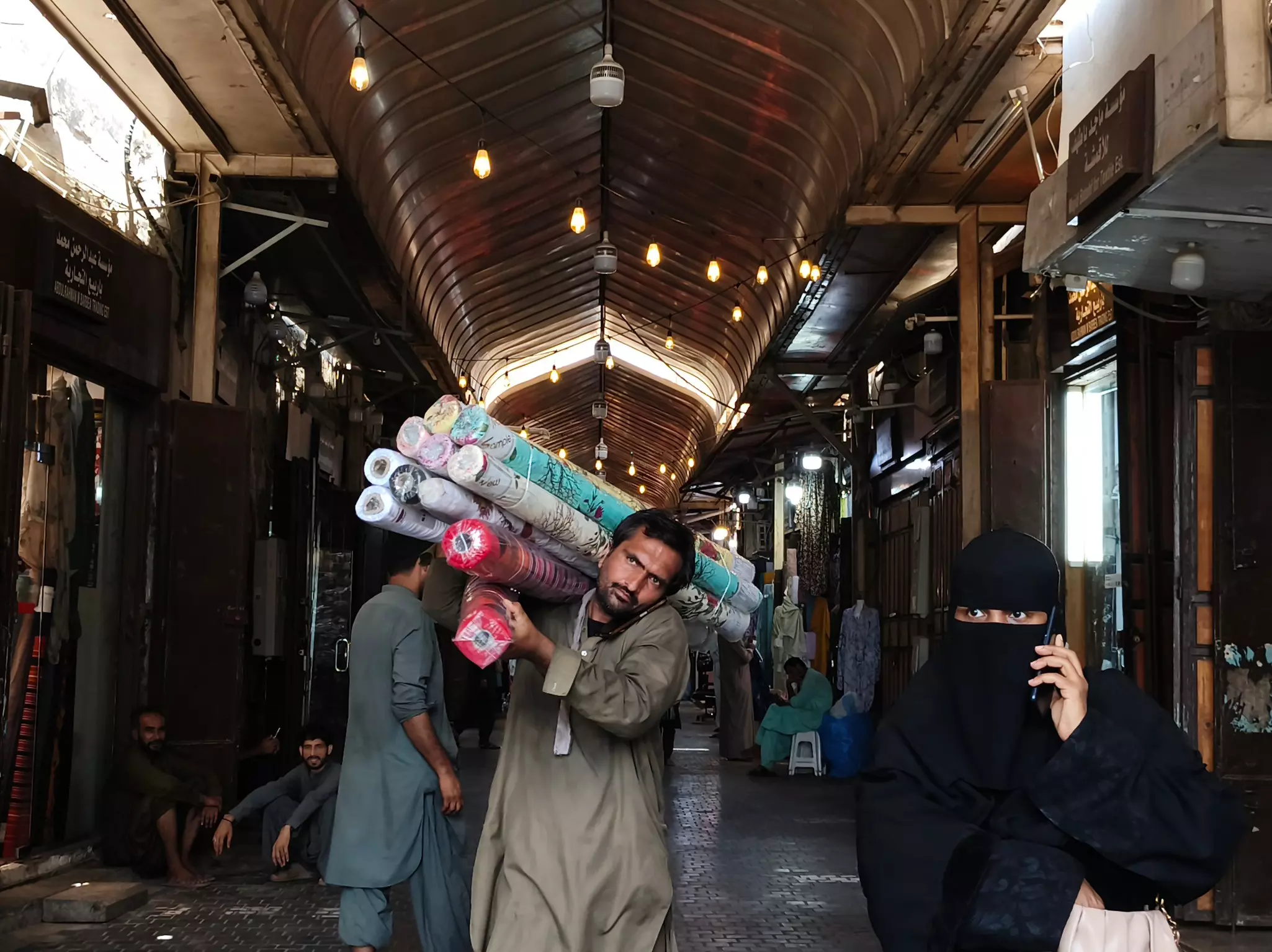
Cynthia Hoffman didn't set out to become a photographer — the camera just never left her hand, from a childhood analog camera and shaky film scans to a first digital camera at seven years old. What started as documentation turned, over years of traveling and publishing what she found, into a practice: before creating every image, she asks herself what it communicates, whether it reinforces a stereotype or dismantles one, and whether she's even the right person to be telling this particular story.
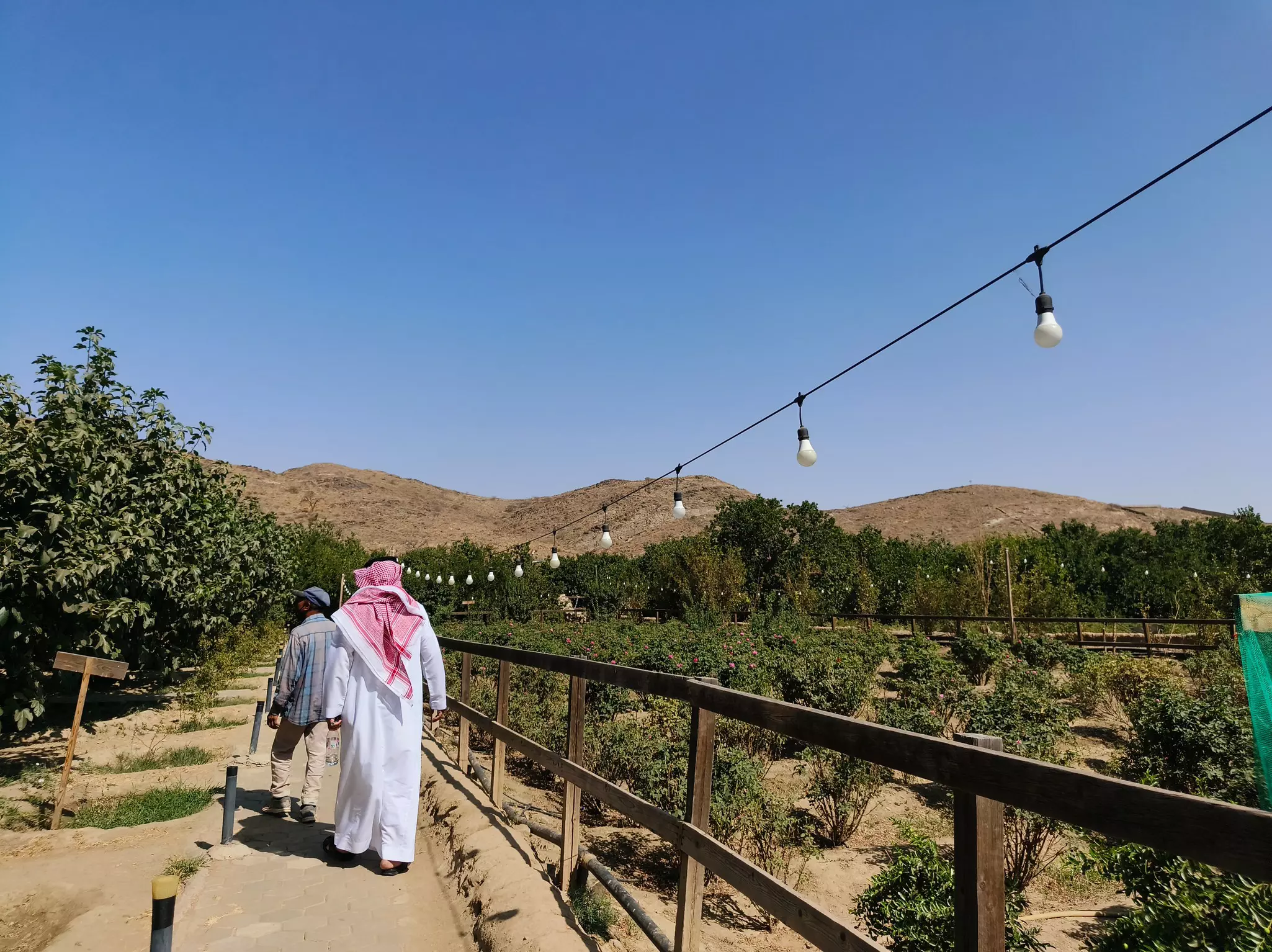
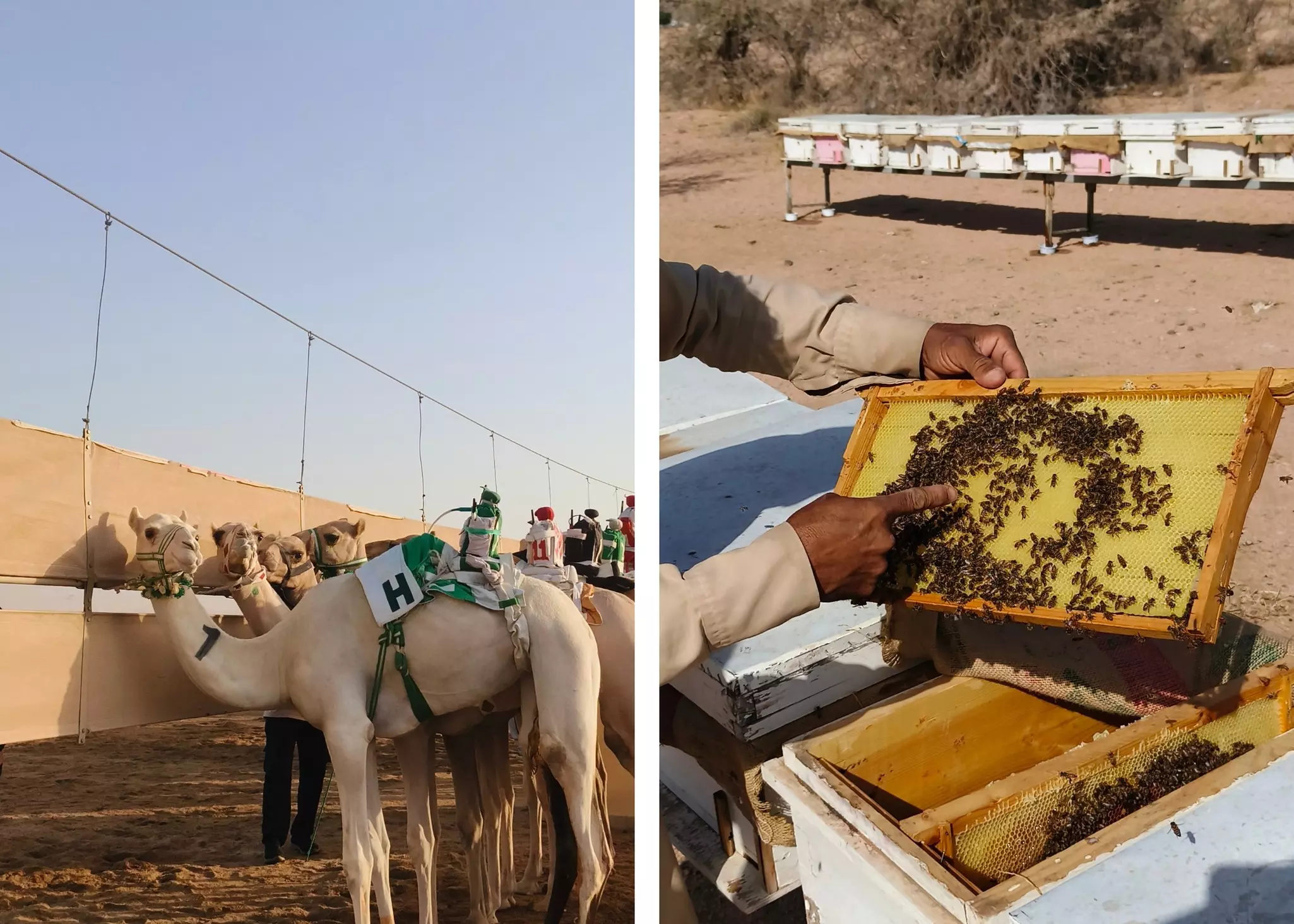
Two hours outside Jeddah, in the cooler mountain air of Al Taif, life slows. Farmers, rose distillers, and beekeepers welcome guests into their homes and tents with dates and Saudi coffee — an openness that candid photography honors. Well-timed visits can coincide with the world's largest camel racing festival.
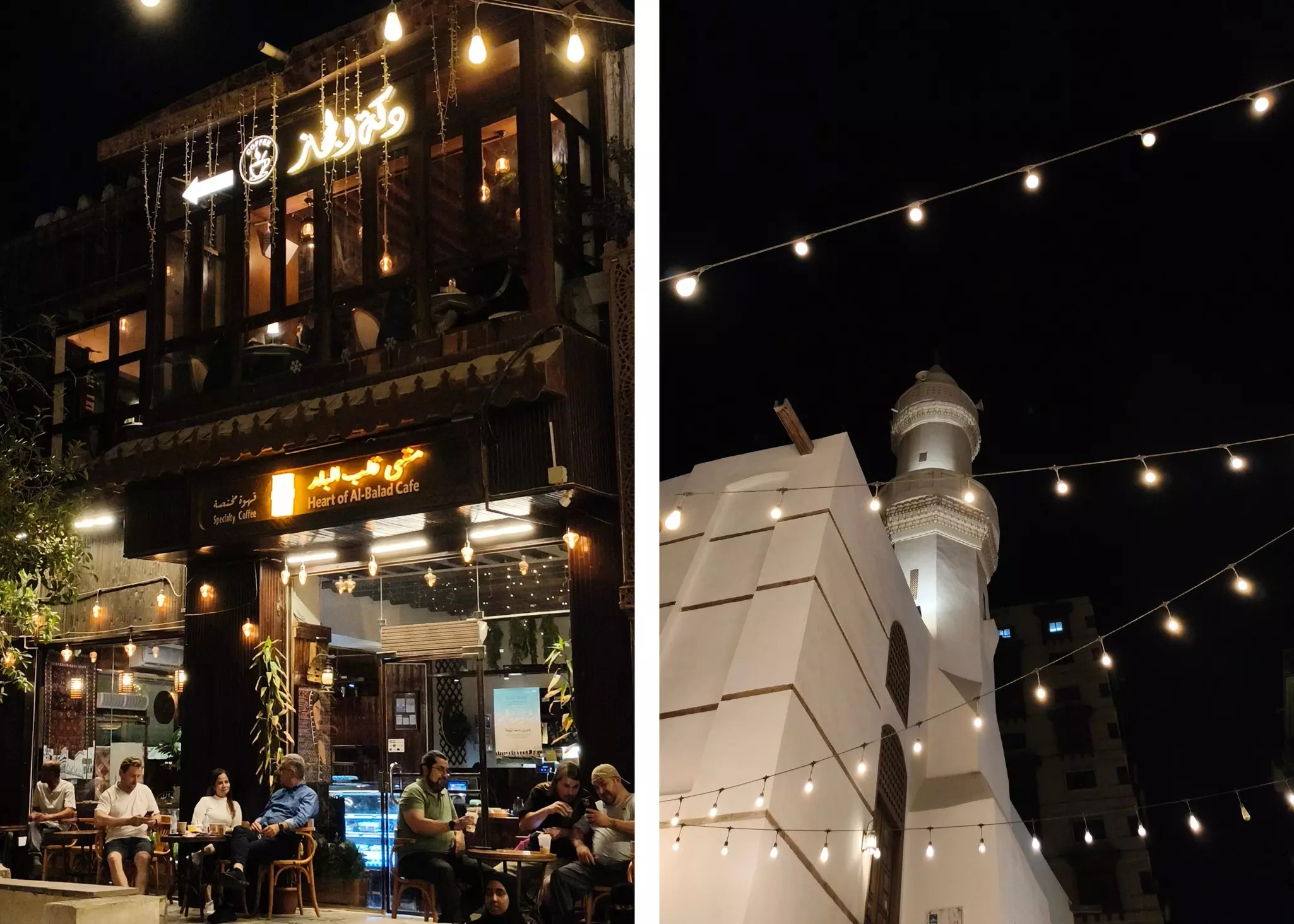
Jeddah in summer heat is close to a ghost town by day — but after the Maghrib call to prayer, streets fill, shops open, families gather for dinner or coffee, and string lights glow between the historic buildings. Hoffman shoots golden hour (5:30pm to 7pm) for the light, and for the moment the city itself wakes up.
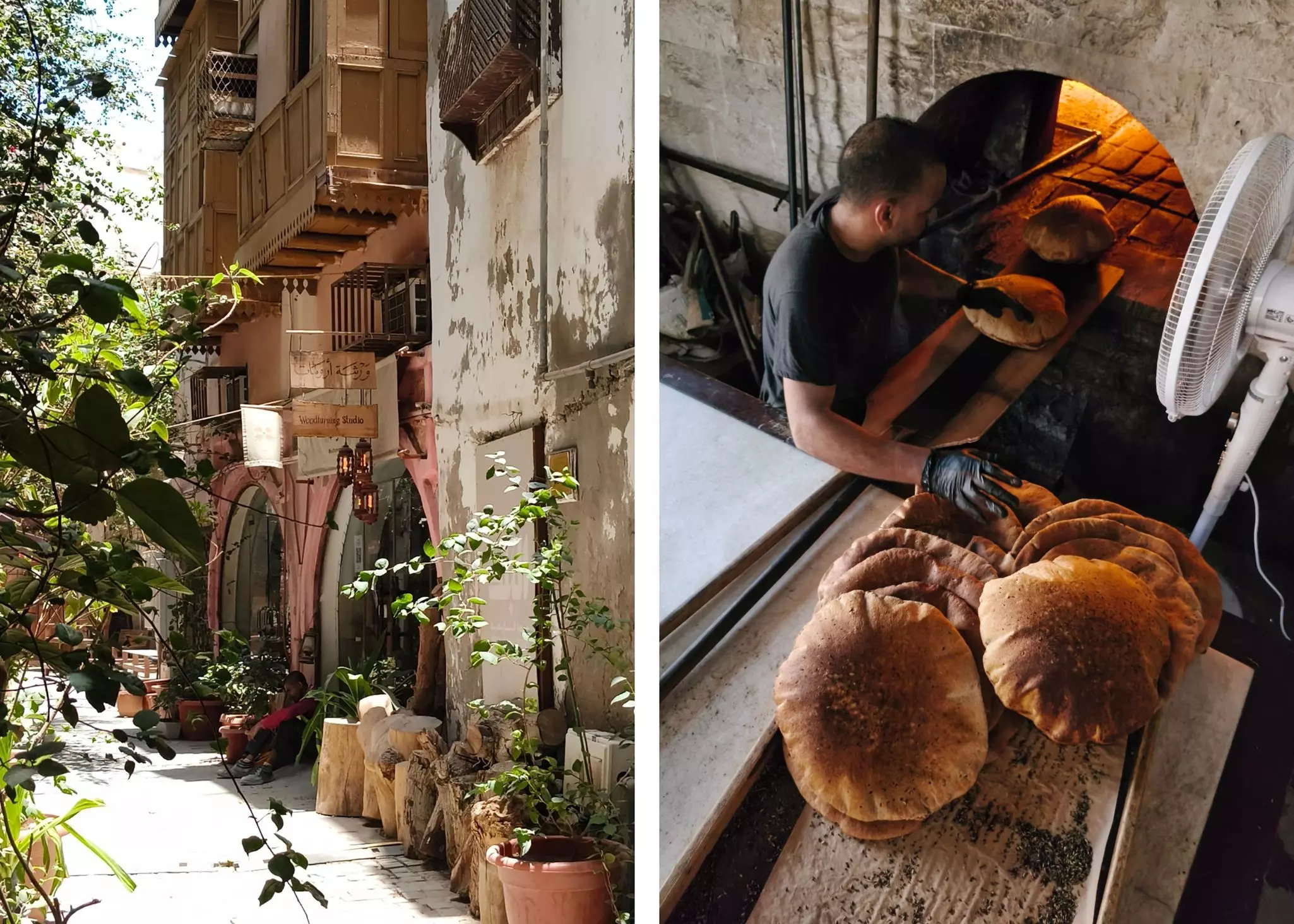
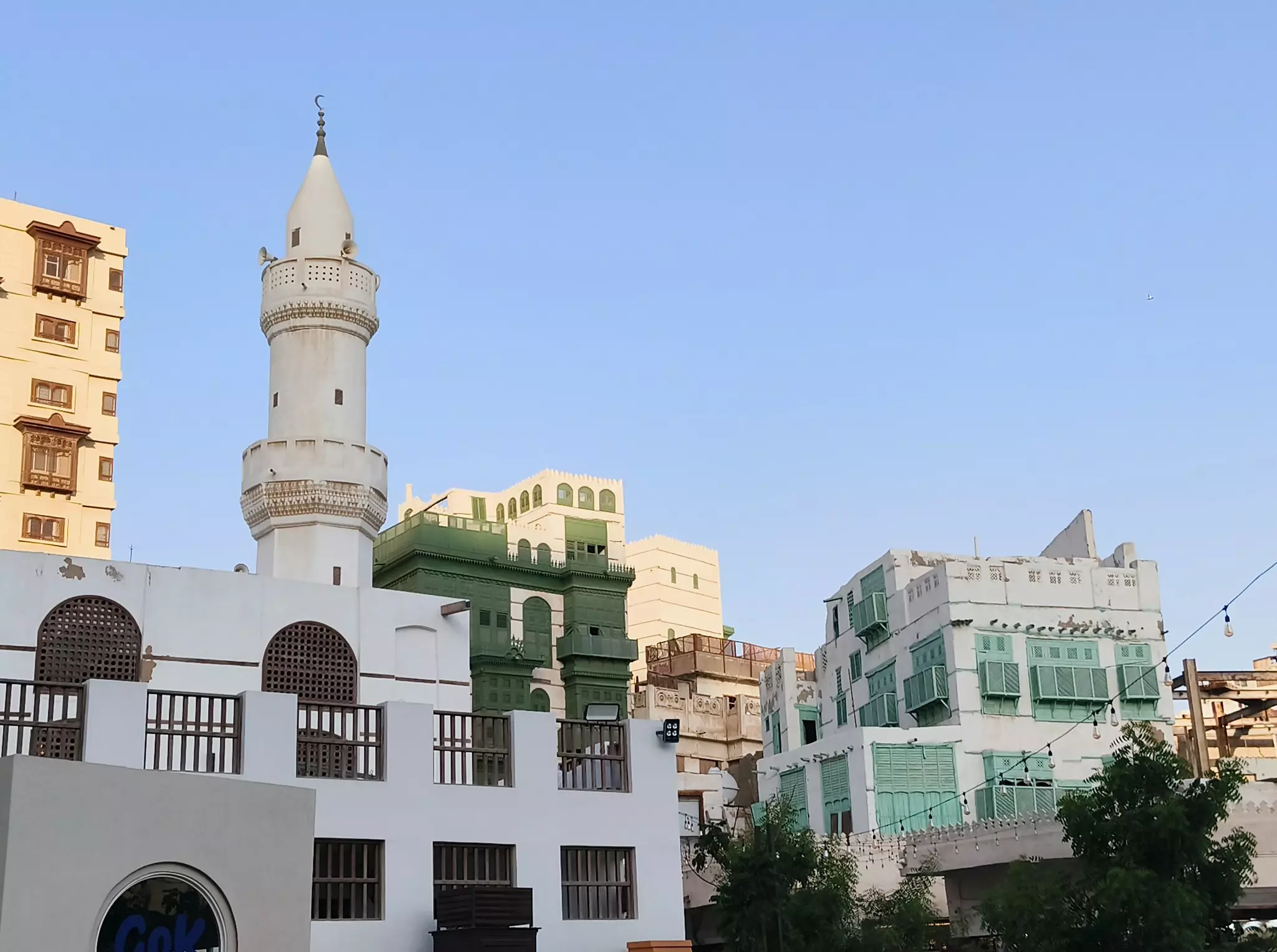
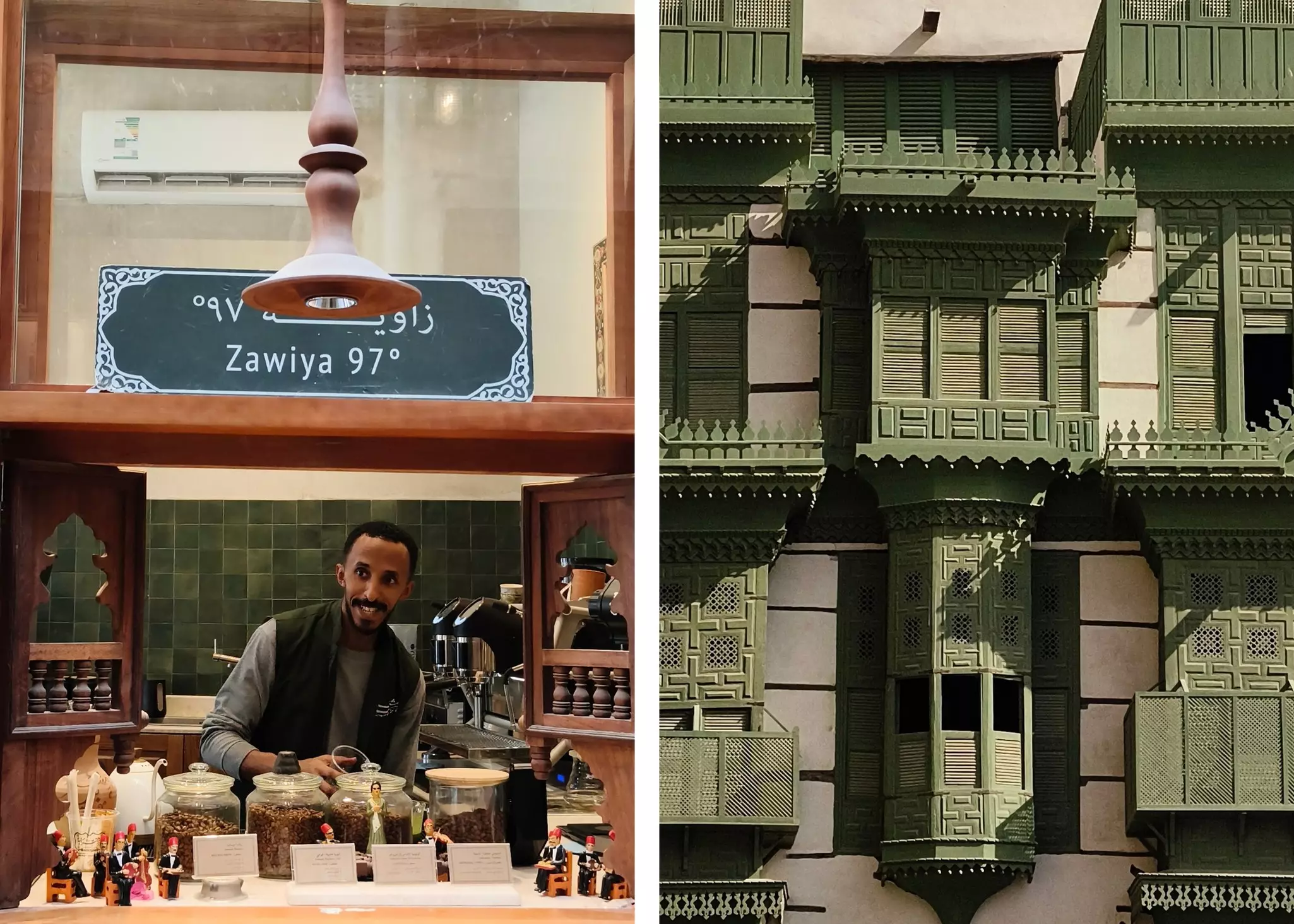
Al Balad, Jeddah's historic heart, is where centuries of trade, craft and faith are still visibly alive: Zawiya 97's alleyway workshops, a bakery run by the same family for more than a hundred years, oud and bakhour shops beside traditional coffee houses. "To me," said Hoffman, "Al Balad is where culture meets its people."
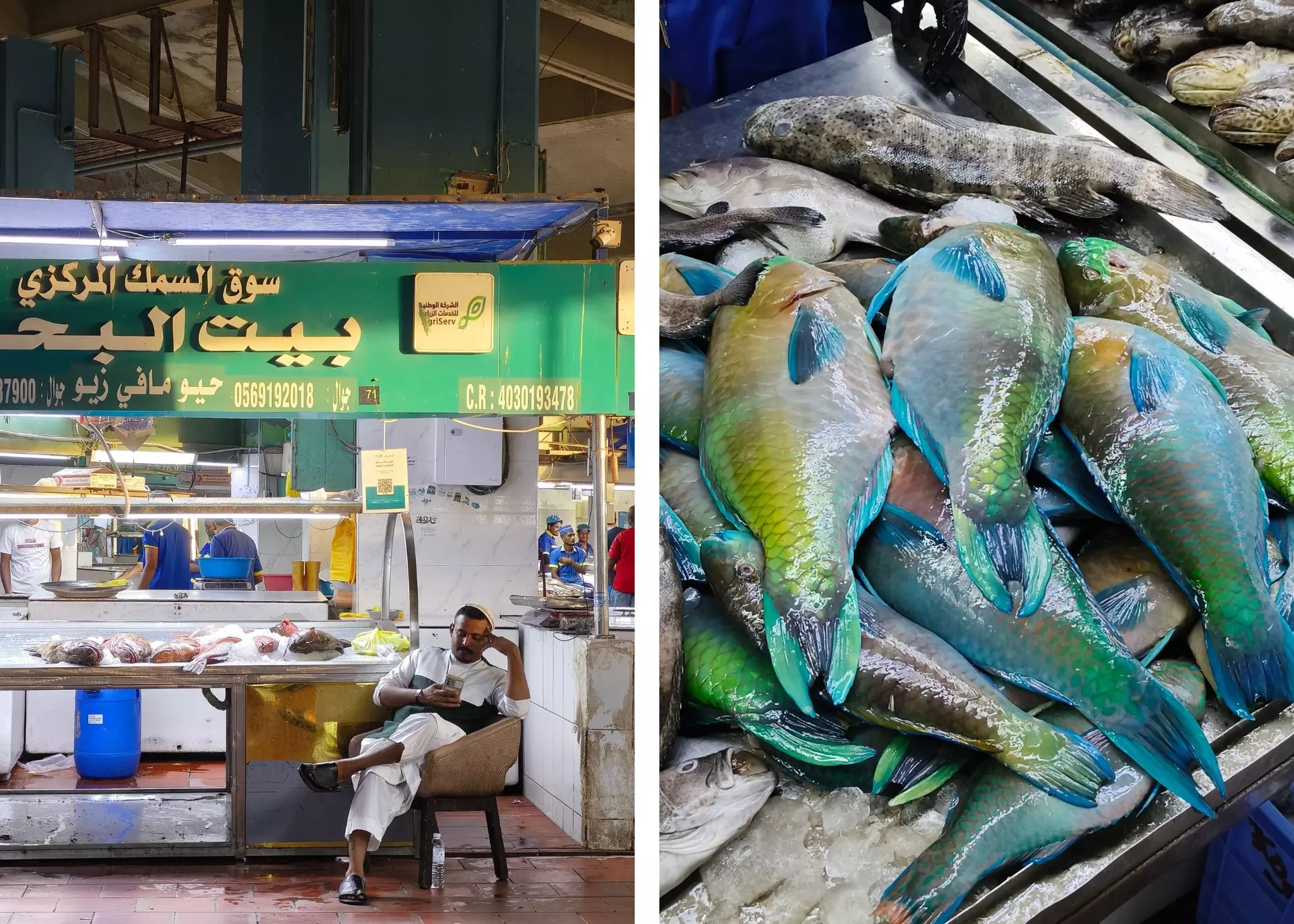
Jeddah's fish market rarely makes a visitor's itinerary — loud bargaining, live auctions, fish still leaping at the sale, a smell nothing like the oud and bakhour found everywhere else in the city. It's Jeddah's fishing-village origins, still running underneath the modern city.
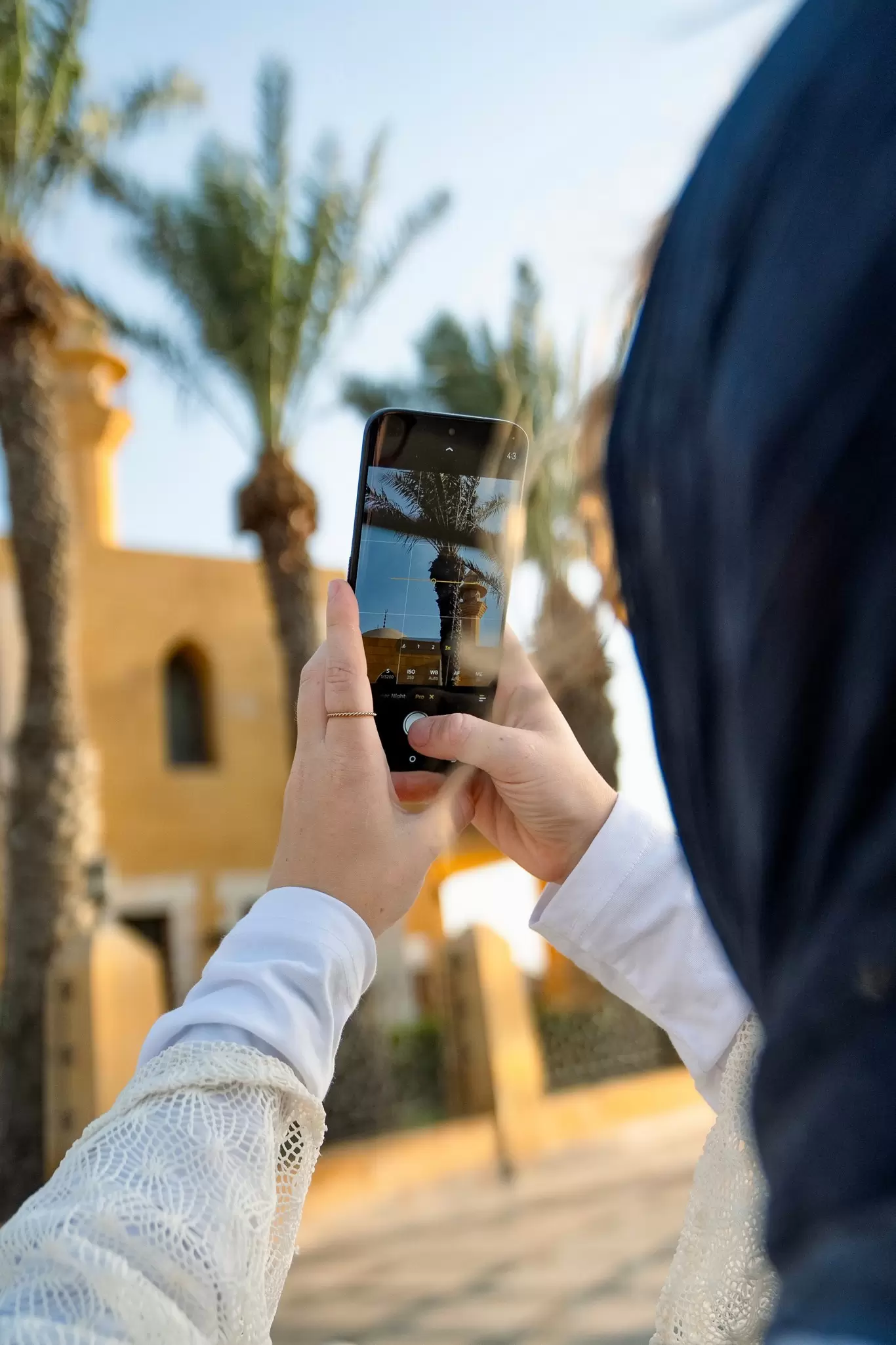
Shot on the CAMON 50 Ultra 5G's Pro Mode, Hoffman manually controlled ISO, shutter speed, white balance, and focus — creative control that, they noted, felt closer to shooting on a professional camera than expected.
Jilson Tiu — Philippines
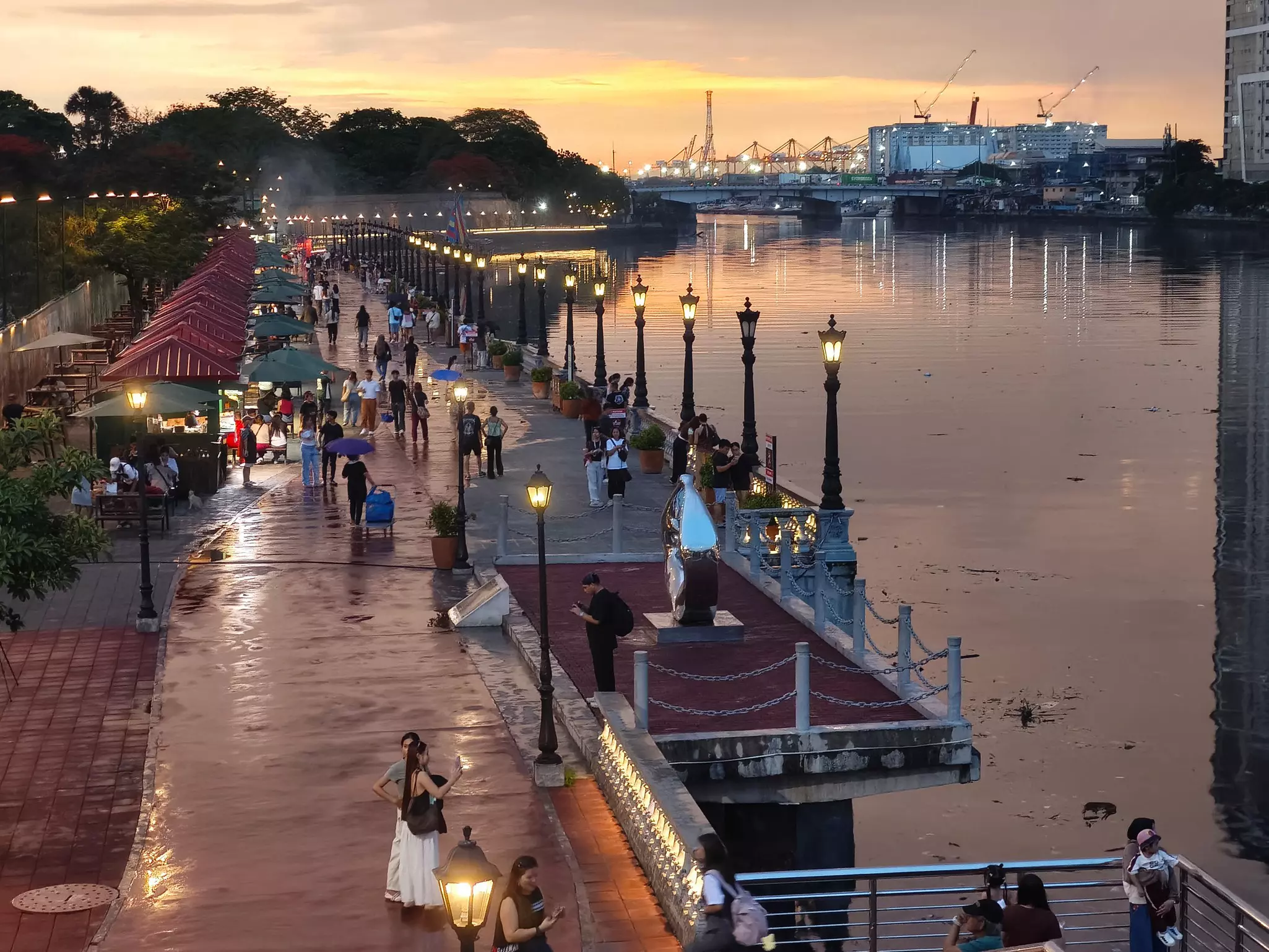
Tiu hated fine arts school. Photography offered a way to stop sitting still — to be in the world while making something of it. Tiu says being a photographer allows him to document real things happening around him, whether it's the lifecycle of plastics or everyday life in Manila. "It helps me solidify what needs to be repeated and eliminated by human action in politics and cultural heritage," said Tiu.
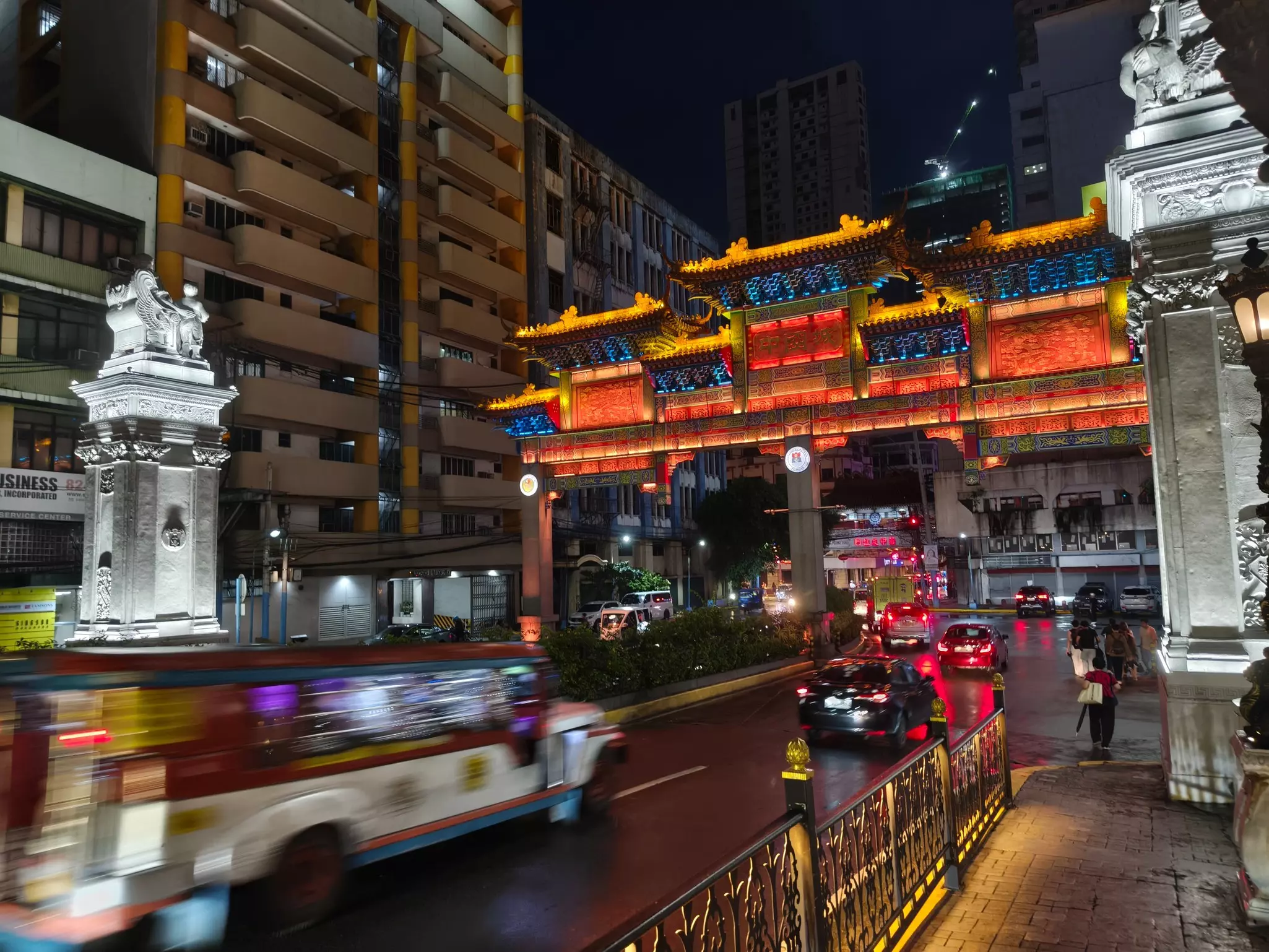
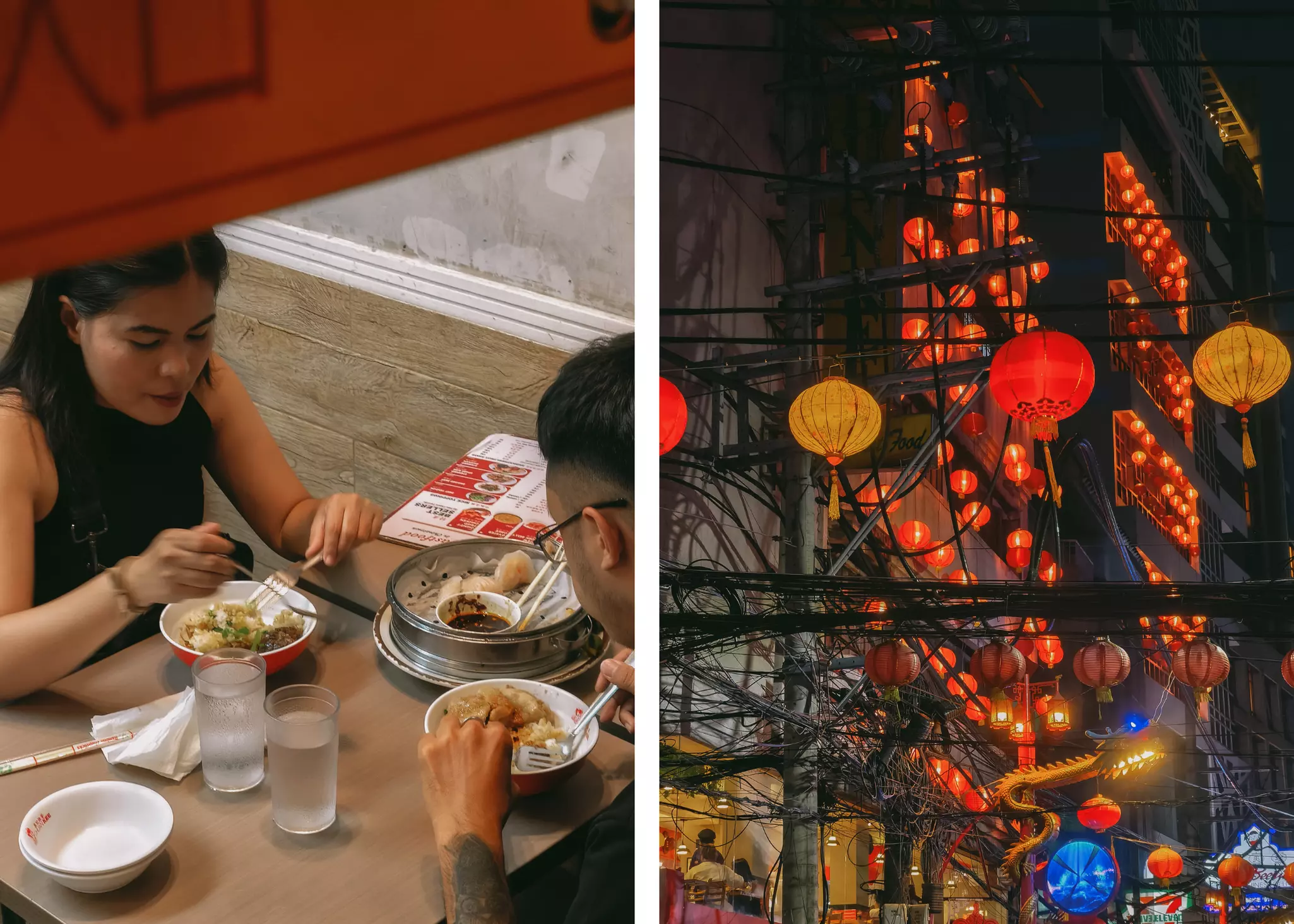
In Manila, light and life inspire Tiu to shoot every day. From the massive social disparity to the dynamic weather system. "It's both a challenge and a reward to document such events and social building in an anthropological way," explained Tiu. In Binondo and Tondo, hard labor and dense living share the same blocks, so Tiu spends a lot of time photographing life there. "There is always a story where people thrive and work," Tiu said.
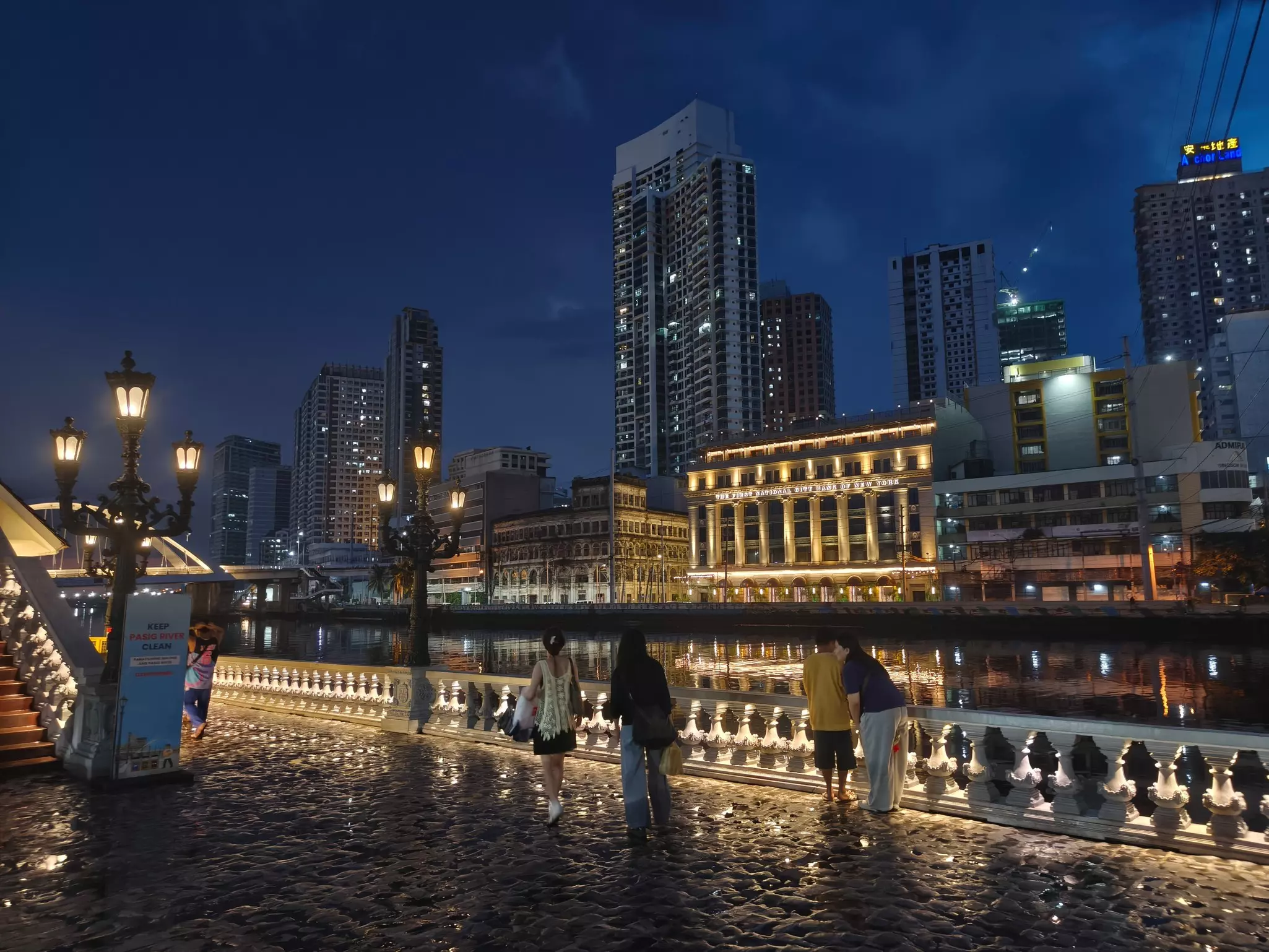
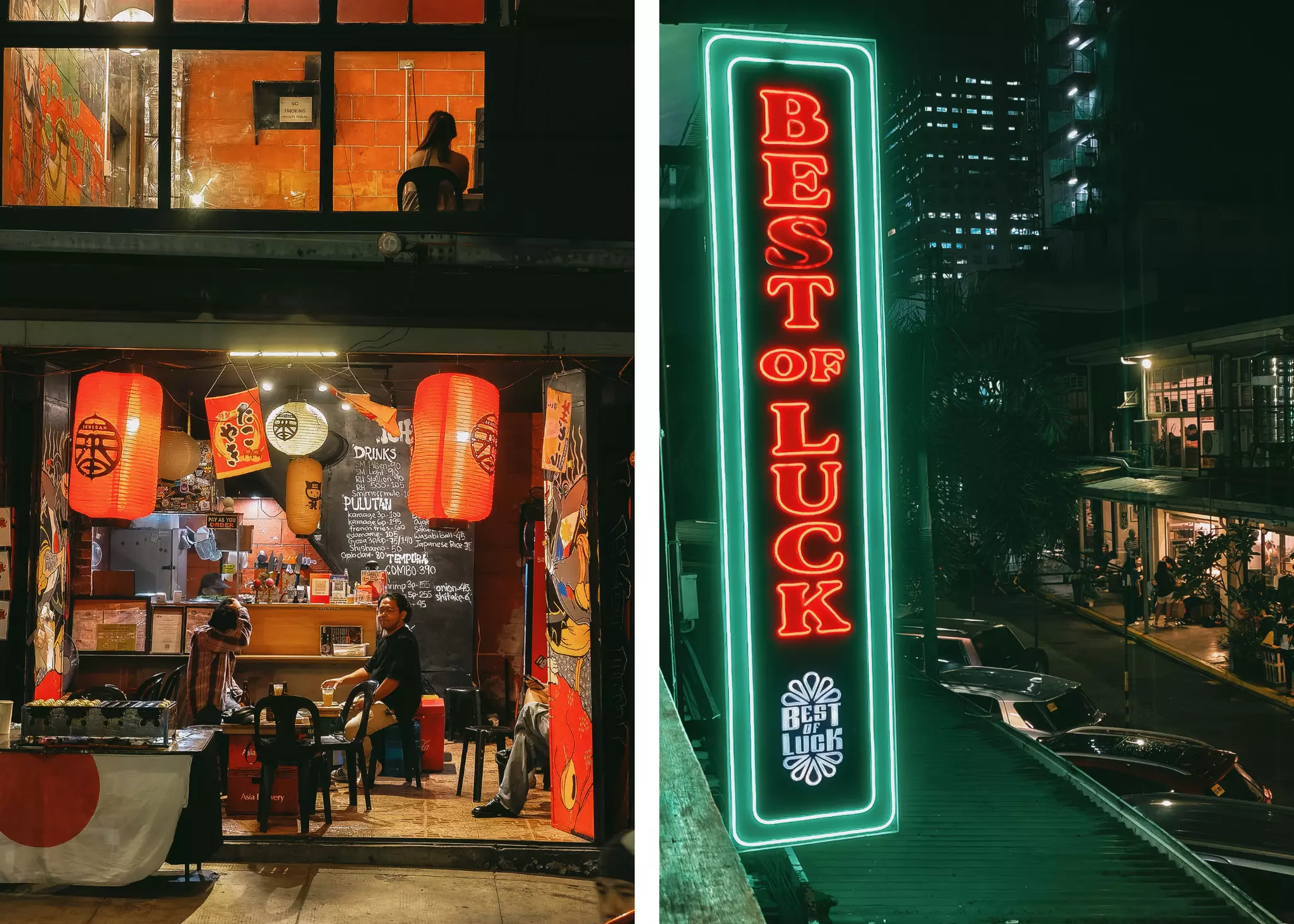
Tiu often shoots from 3pm on, catching the low shadows until the magenta dusk and then the blue hour are engulfed by the city lights. The afternoon commuting peaks. "It's a dramatic light to capture movement in the city at its peak density," Tiu told us.
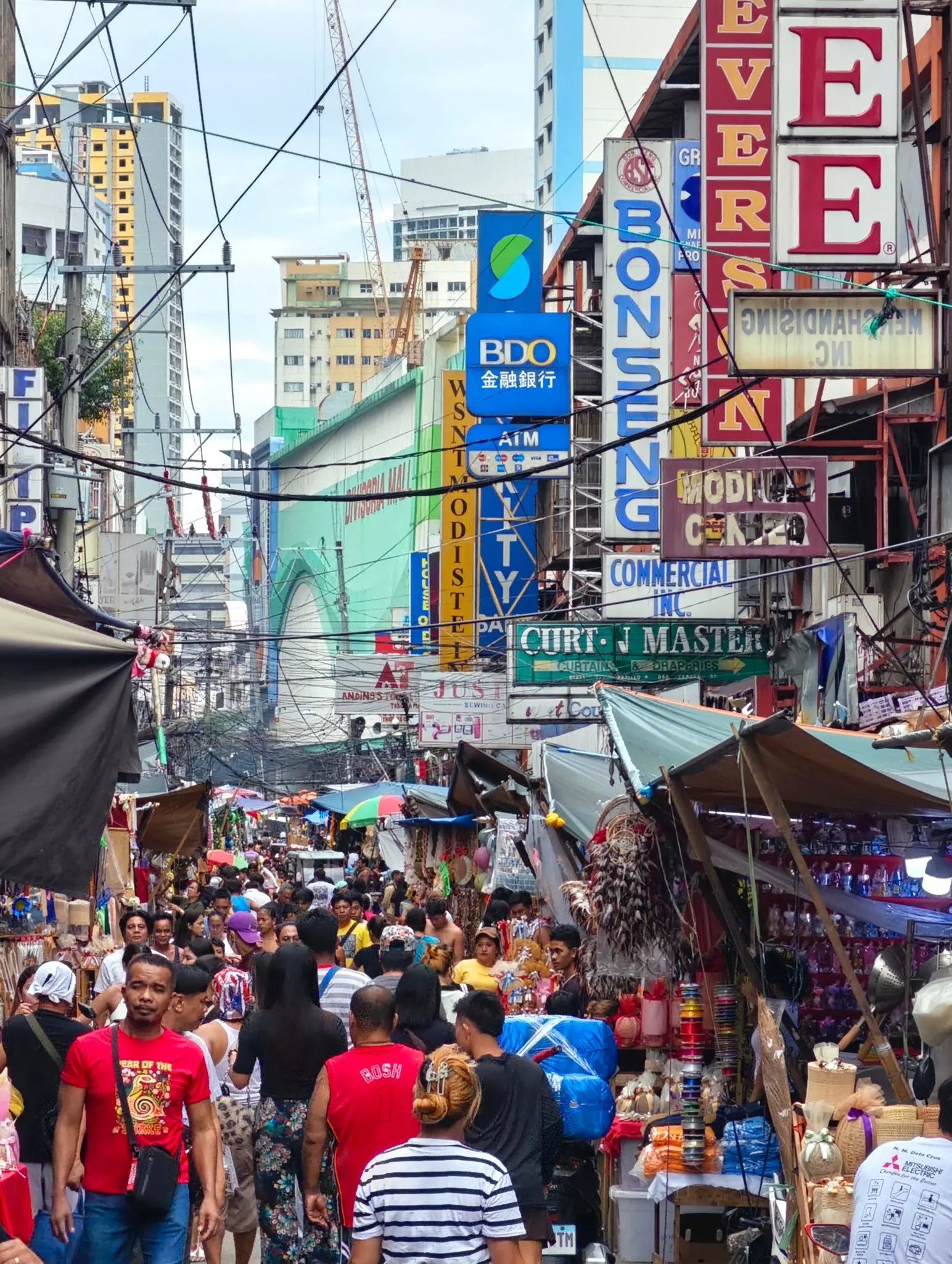
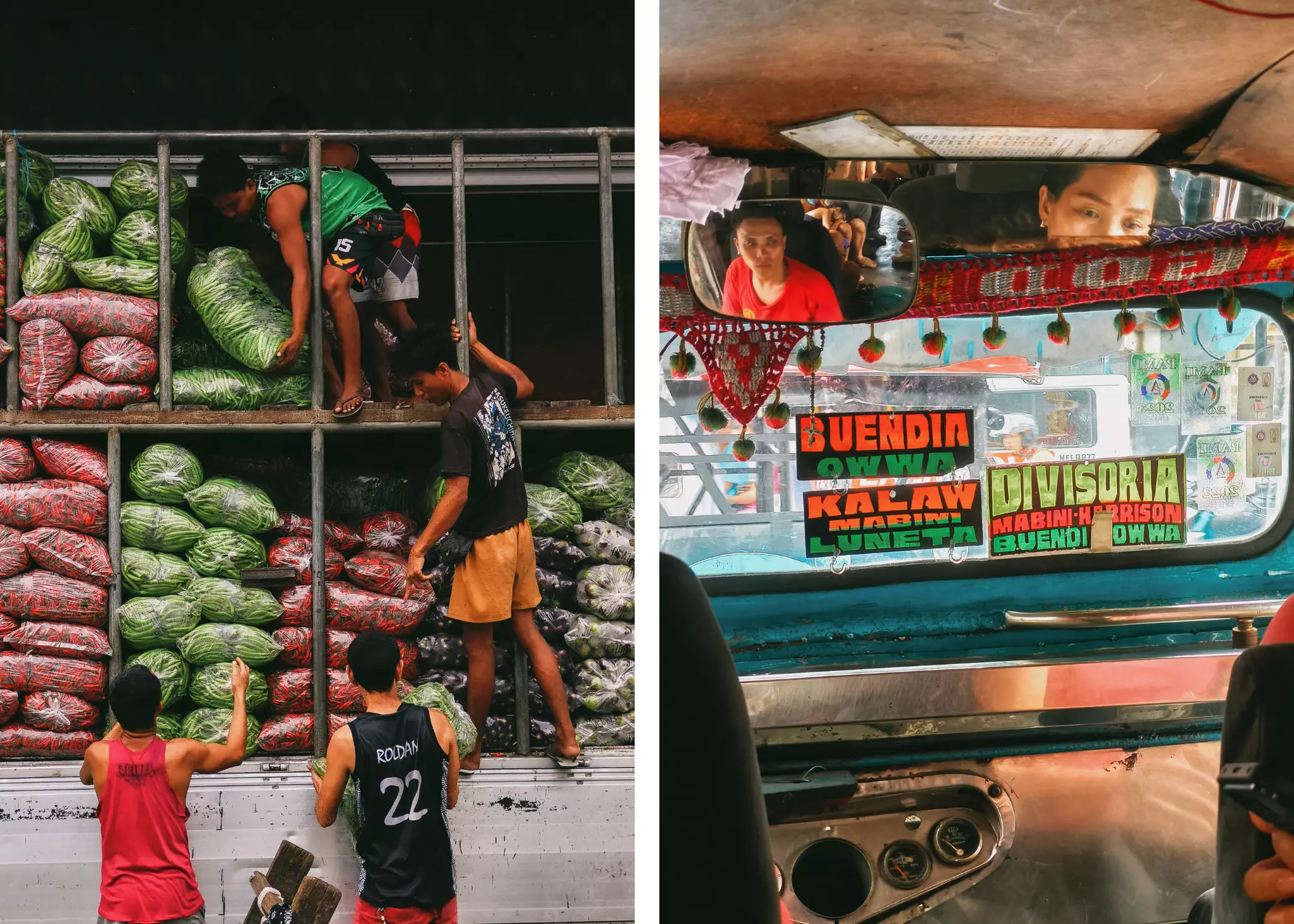
Divisoria is where goods from the mountains converge with the majority of the city's workforce. Tiu cycles the lanes he knew as a kid growing up there. The small spaces are filled with interesting individuals and even more interesting streaks of sunset light in the tight corridors.
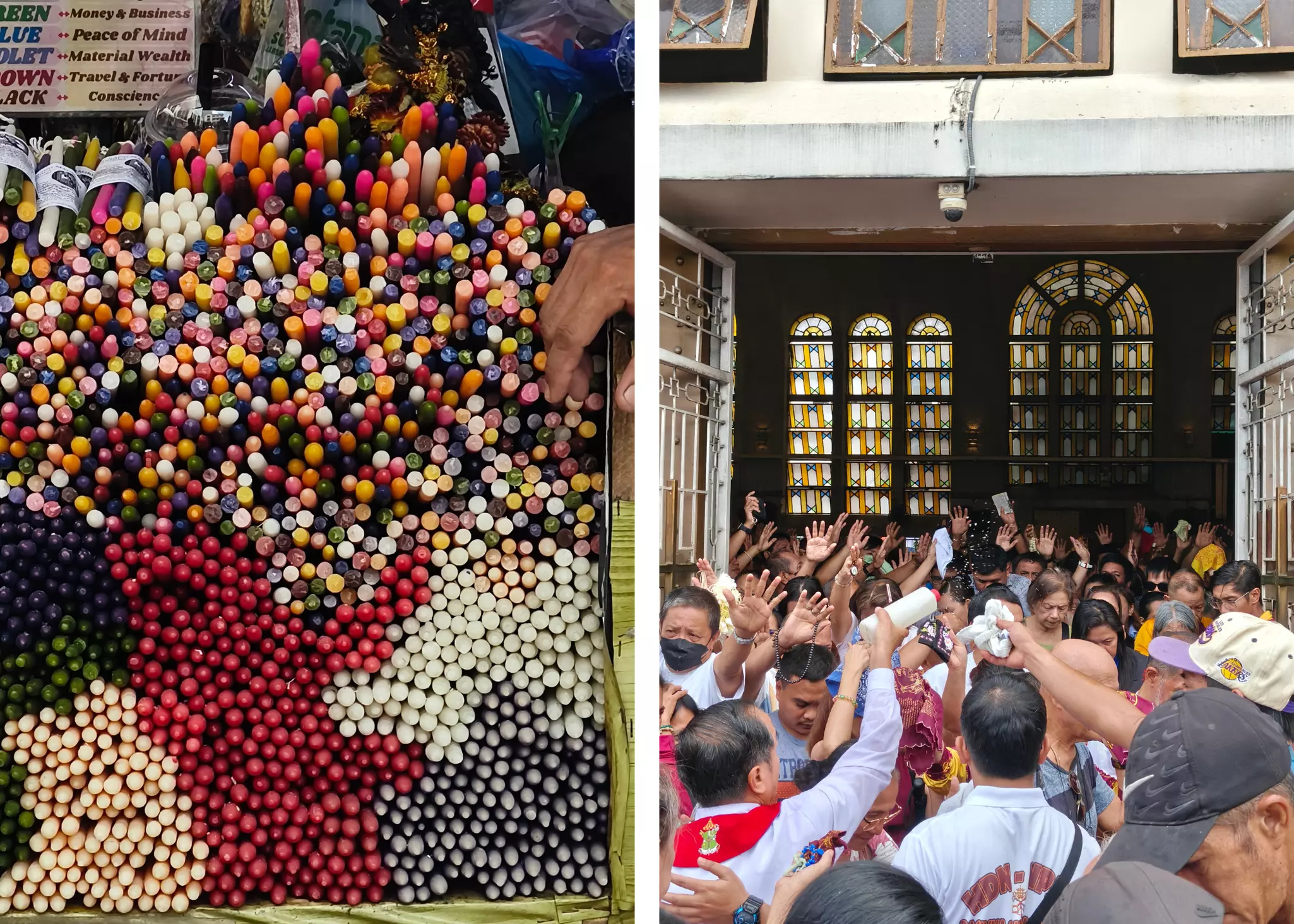
The two major Philippine religions, Islam and Catholicism, share a dynamic, respectful relationship in Quiapo and Carriedo. This is where Tiu goes for the candid moments. Shot on the CAMON 50 Ultra 5G, using its manual controls and subject anticipation to keep pace with the city, and its neutral color rendering to keep Manila looking like Manila — no heavy retouching, no invented drama.
Osse Greca Senare — Tanzania
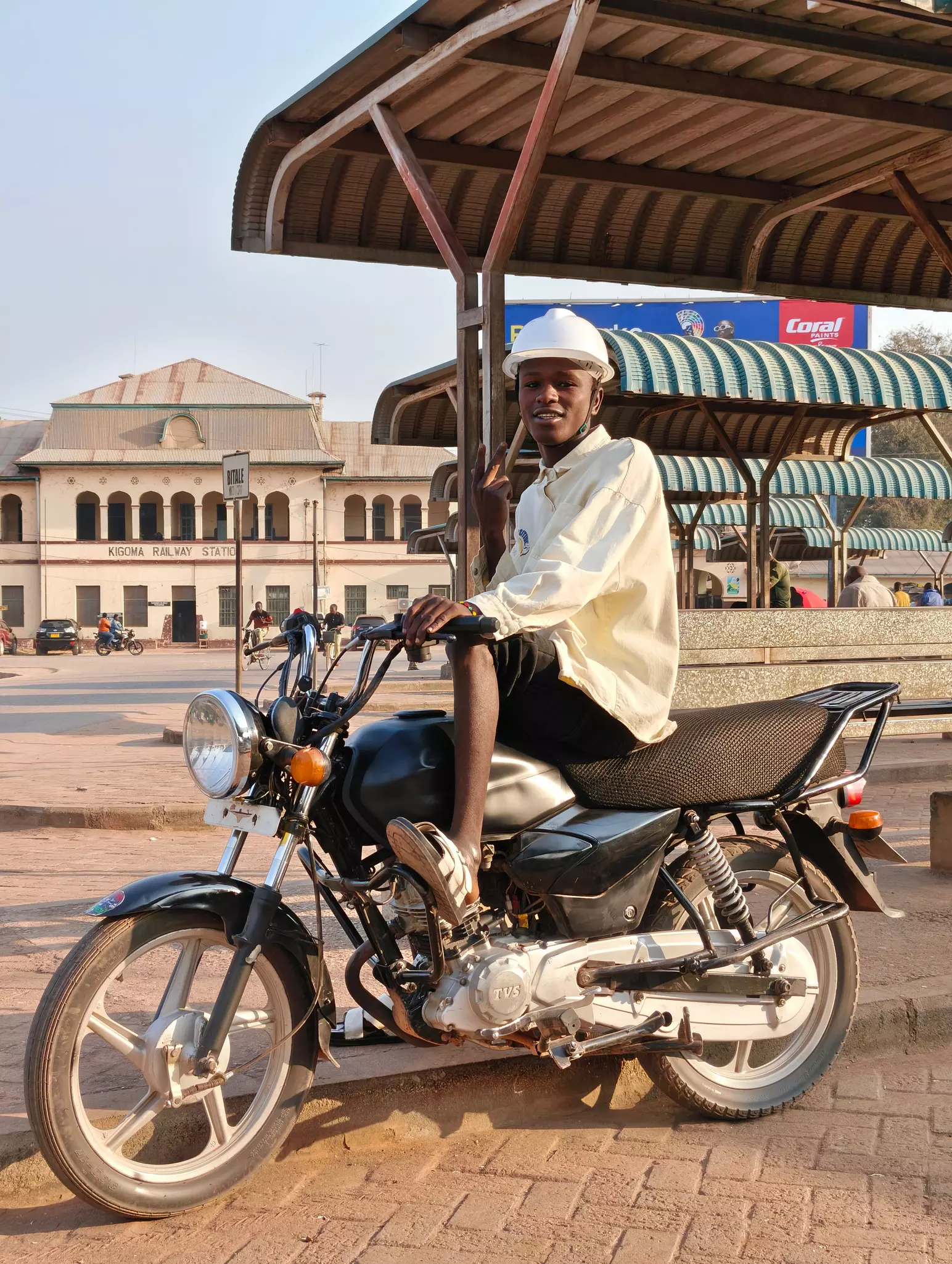
Kigoma sits on the edge of Lake Tanganyika, a short reach from Gombe and Mahale — the only two places in Tanzania where a traveler can trek in for a chimpanzee encounter. Senare loves that the lake makes for stunning scenery and magical sunsets.
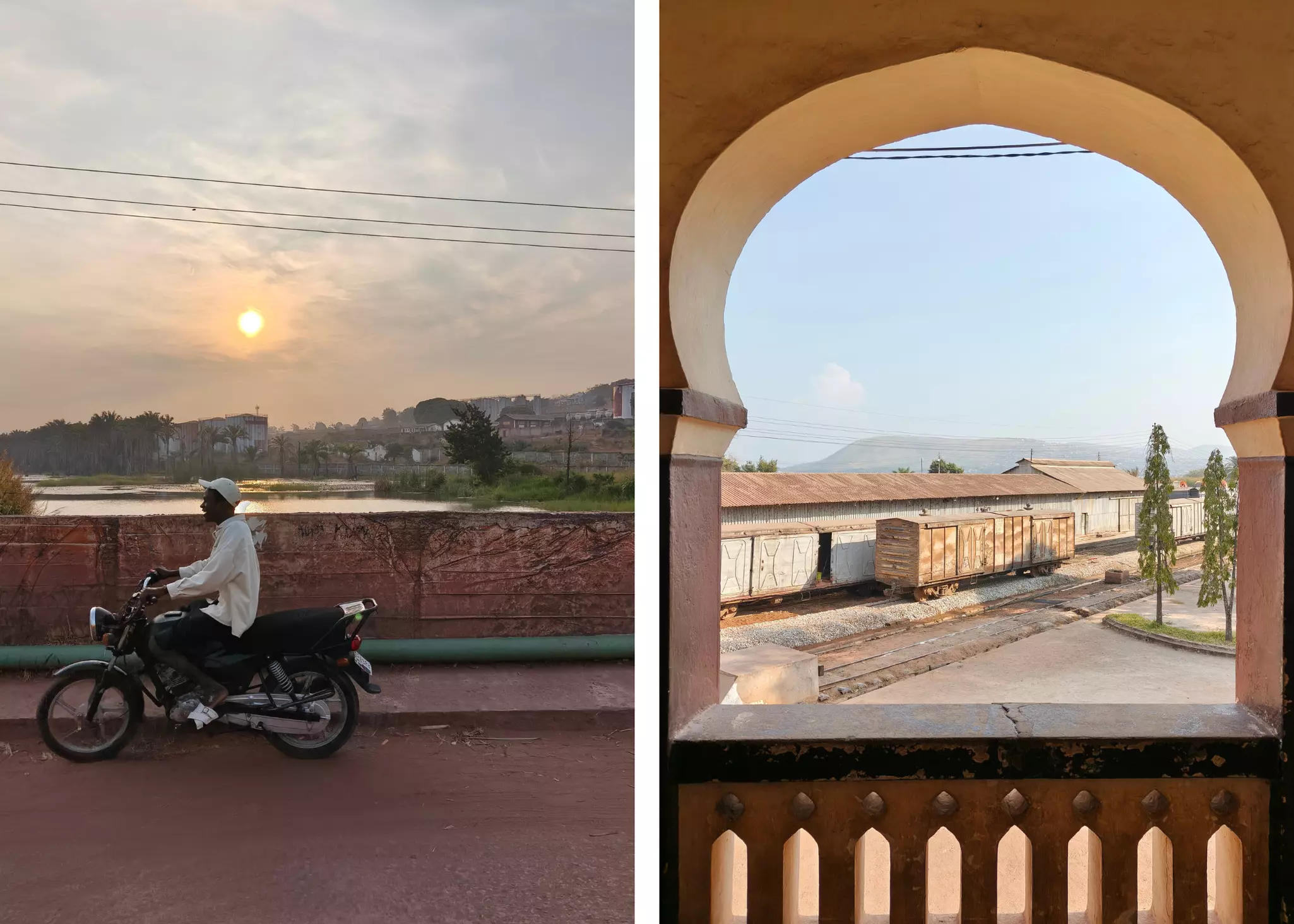
The bus stop by the old German train station is where Kigoma shows itself fastest — the town's heartbeat, unposed, all day long.
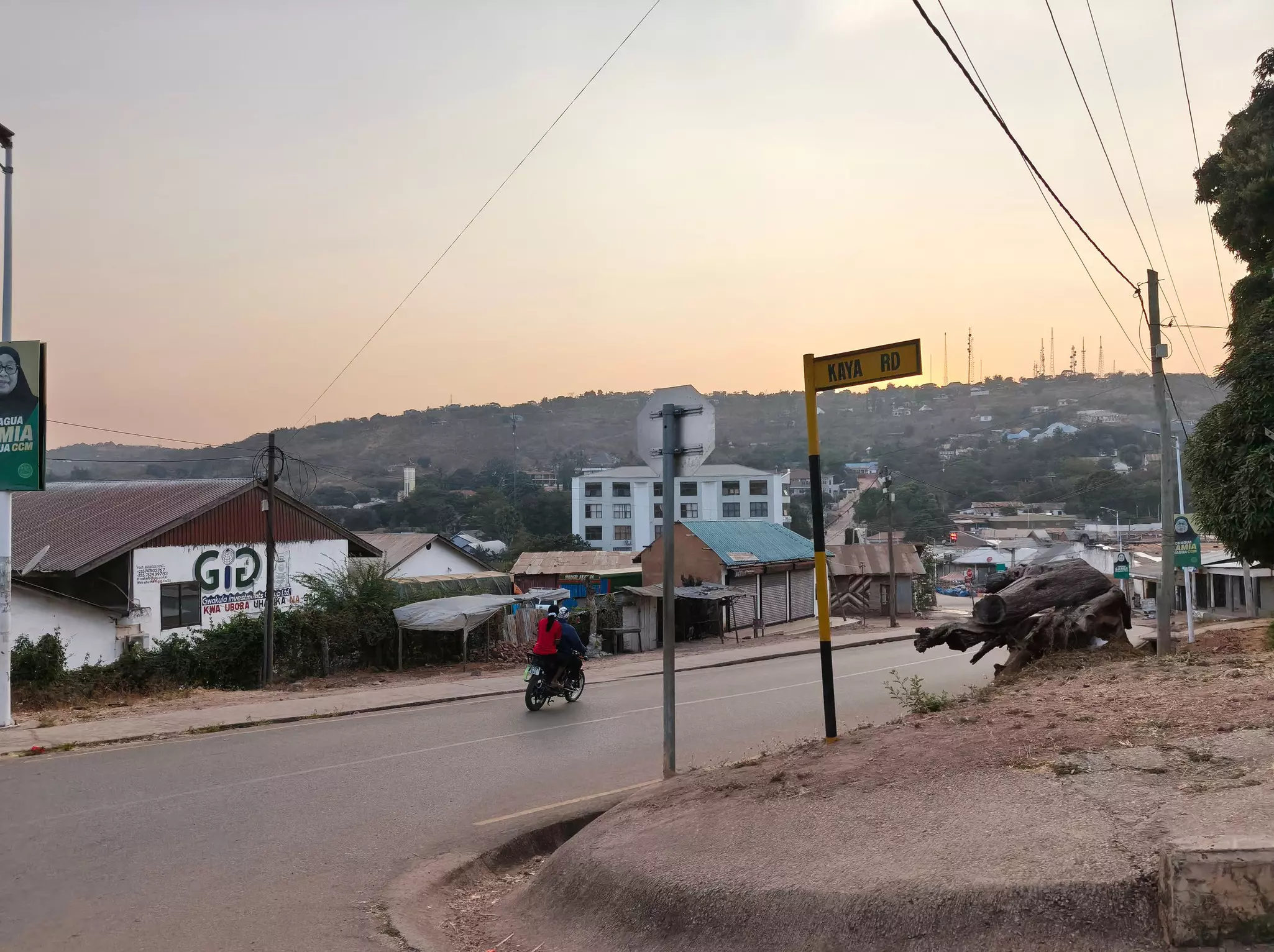
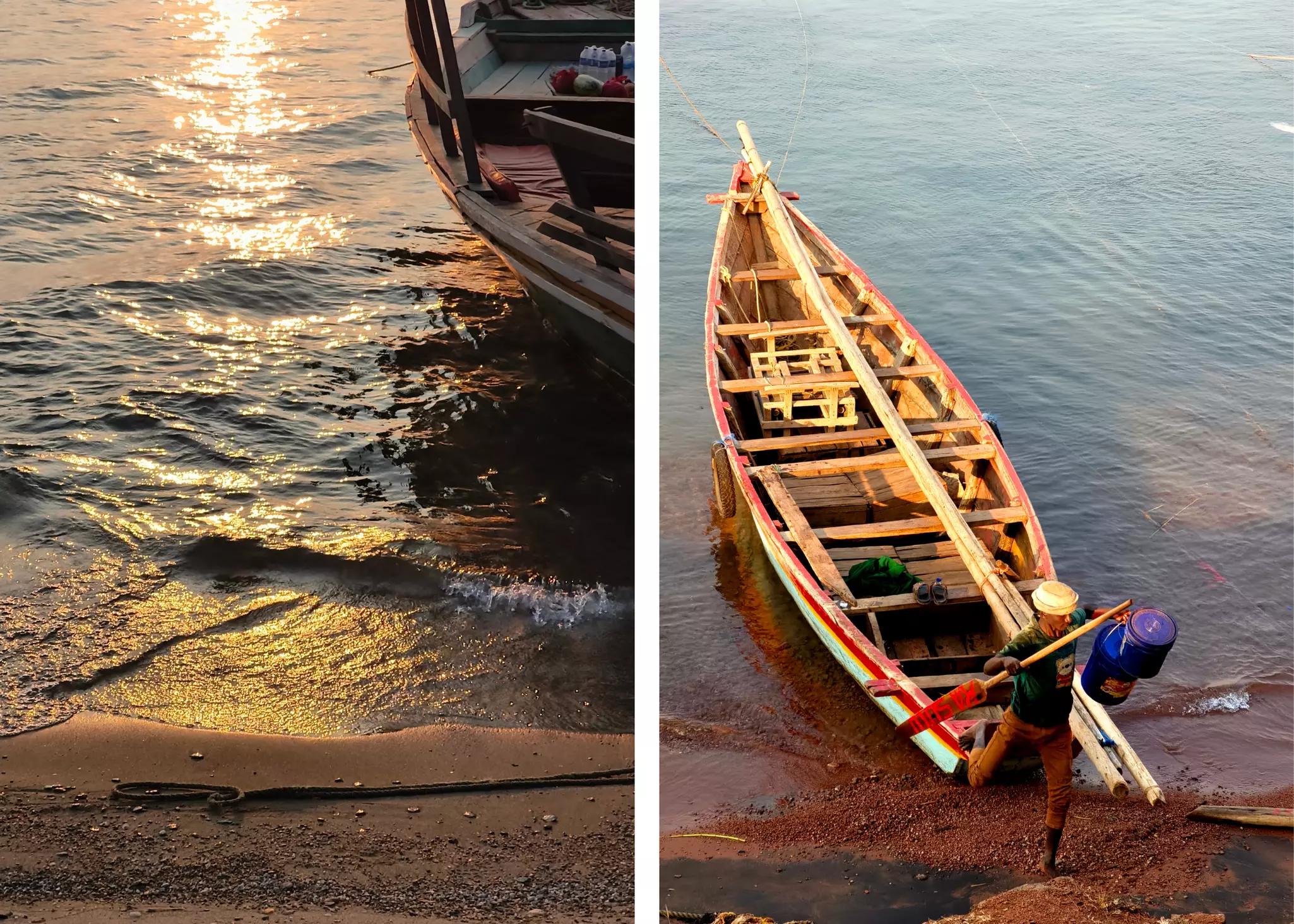
Unlike a city that speeds up after dark, Kigoma slows down. The daytime movement quietens, and the town settles into stillness.
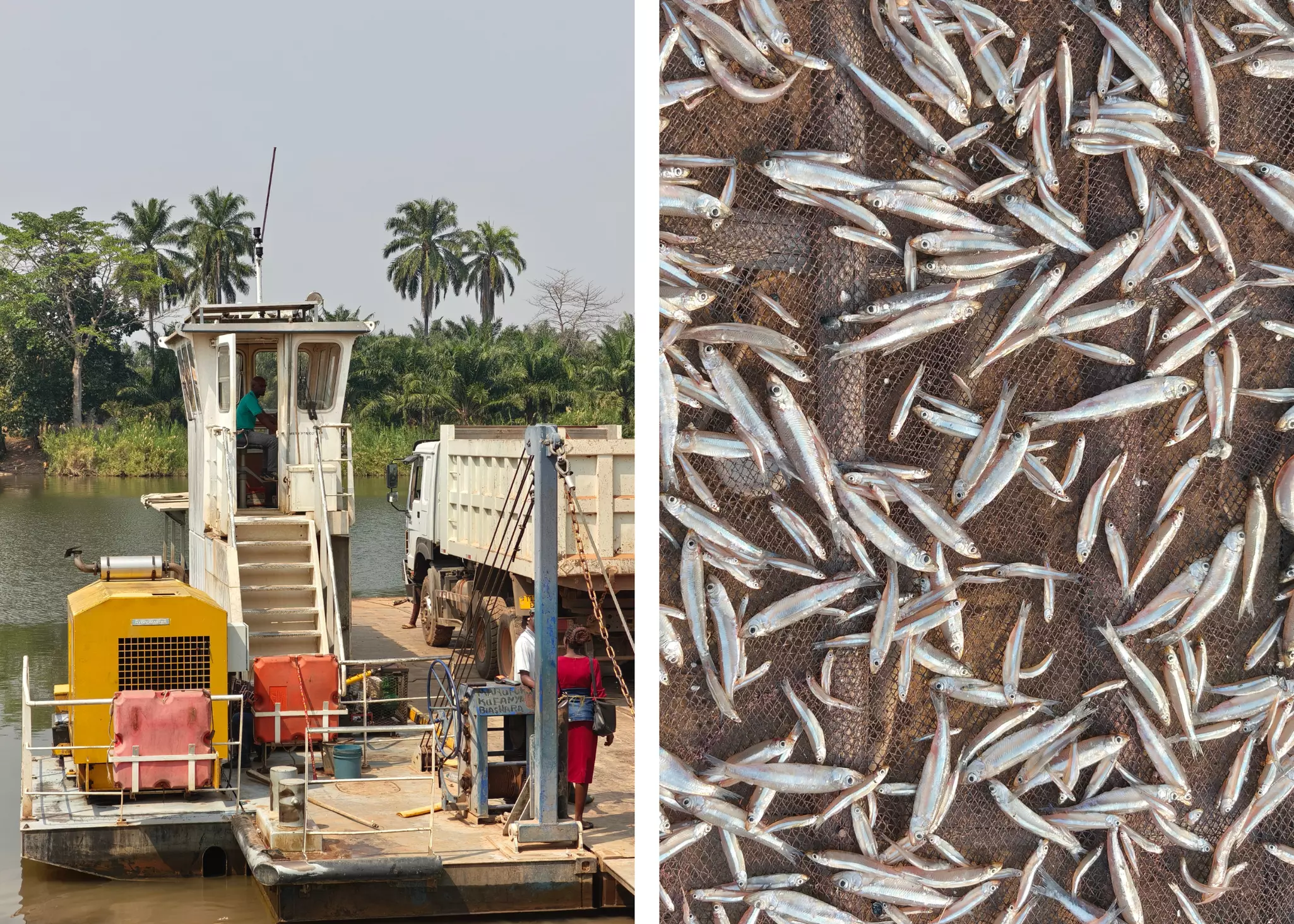
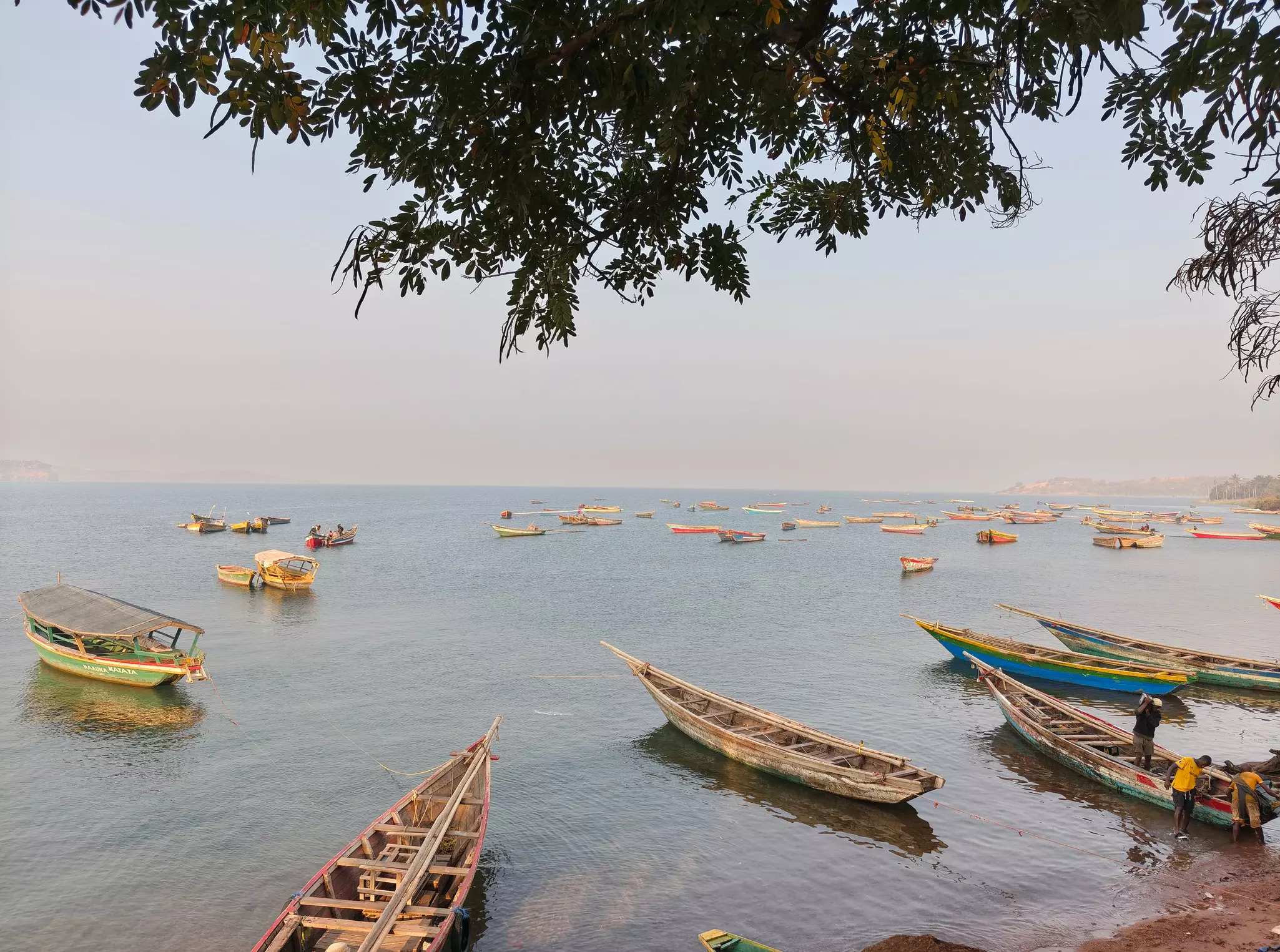
The fish market is where the town comes alive — vibrant and bustling, with fishing boats offering short tours and a different angle on the same waterfront. "The mood there is vibrant and bustling with life," says Senare.
Shot on the CAMON 50 Ultra 5G — a step up from the previous version, Senare noted, especially in how responsive the phone felt and how many camera options were on hand to catch a moment before it passed.
Explore related stories