Sep 2, 202612 min read
A guide to touring Auschwitz-Birkenau in PolandSep 2, 2026
12 MIN READ
Writer
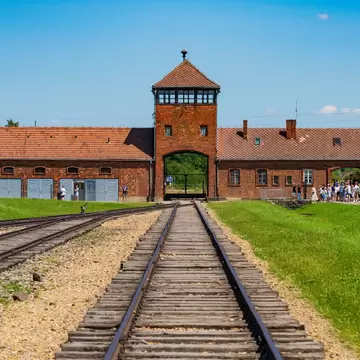
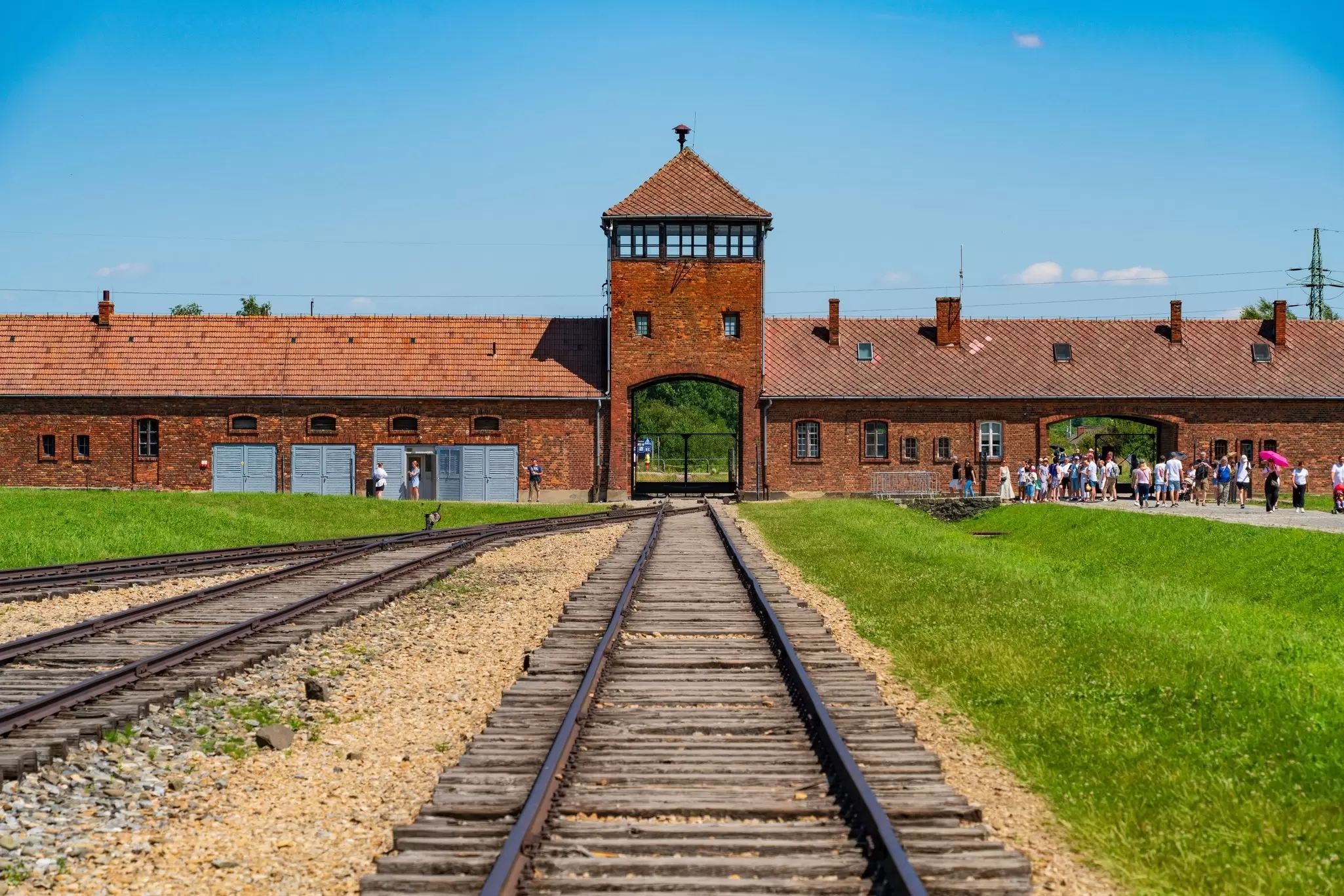
The gate house at Auschwitz II-Birkenau concentration camp in Poland. Mo Wu/Shutterstock
Writer
Lonely Planet may earn a commission from affiliate links on our site. All recommendations and reviews reflect our own independent opinions.
Visiting the museum and memorial on the site of the Nazi concentration camp at Auschwitz-Birkenau near Kraków in Poland is never going to be an easy experience. But it is a necessary one – to help understand Europe’s darkest days, and to pass on the lessons of the Holocaust to future generations to ensure nothing similar ever happens again.
The question for many travelers is how to visit responsibly. Visiting the linked sites of Auschwitz I and Auschwitz II-Birkenau – two camps that played different roles in the mistreatment of detained civilians during WWII – is haunting and challenging, but the museum is focused on education and respect for victims, which marks Auschwitz-Birkenau out from conflict-tourism sites in many other parts of the world.
Moments from the experience will stay with you, as Ryan ver Berkmoes, who writes for Lonely Planet's Poland guide, explains. "I was struck by Block 27 in Auschwitz I and the bathhouse in the far corner of Auschwitz II-Birkenau. The doomed child’s drawing of a bunny in the first and the photos of people held dear by the condemned in the second hit my soul with the humanity of this place."
When deciding whether or not to visit, keep in mind that there are other sites in Poland that recall the earth-shattering events of WWII in a less emotionally charged setting, such as the Museum of the Second World War in Gdańsk and Oskar Schindler’s Enamel Factory in Kraków.
However long you stay, you’ll need to balance the huge educational benefits of visiting with the physical and emotional impact of exploring this huge site. Expect to be moved to tears at times, and to leave feeling emotionally drained at the end of your tour.
Why put yourself through this experience? Well, visiting offers an invaluable lesson in humanity’s tendency for inhumanity that feels doubly relevant at a time of rising intolerance and conflict on Europe’s fringes. Here’s everything you need to know when planning a tour of Auschwitz-Birkenau.
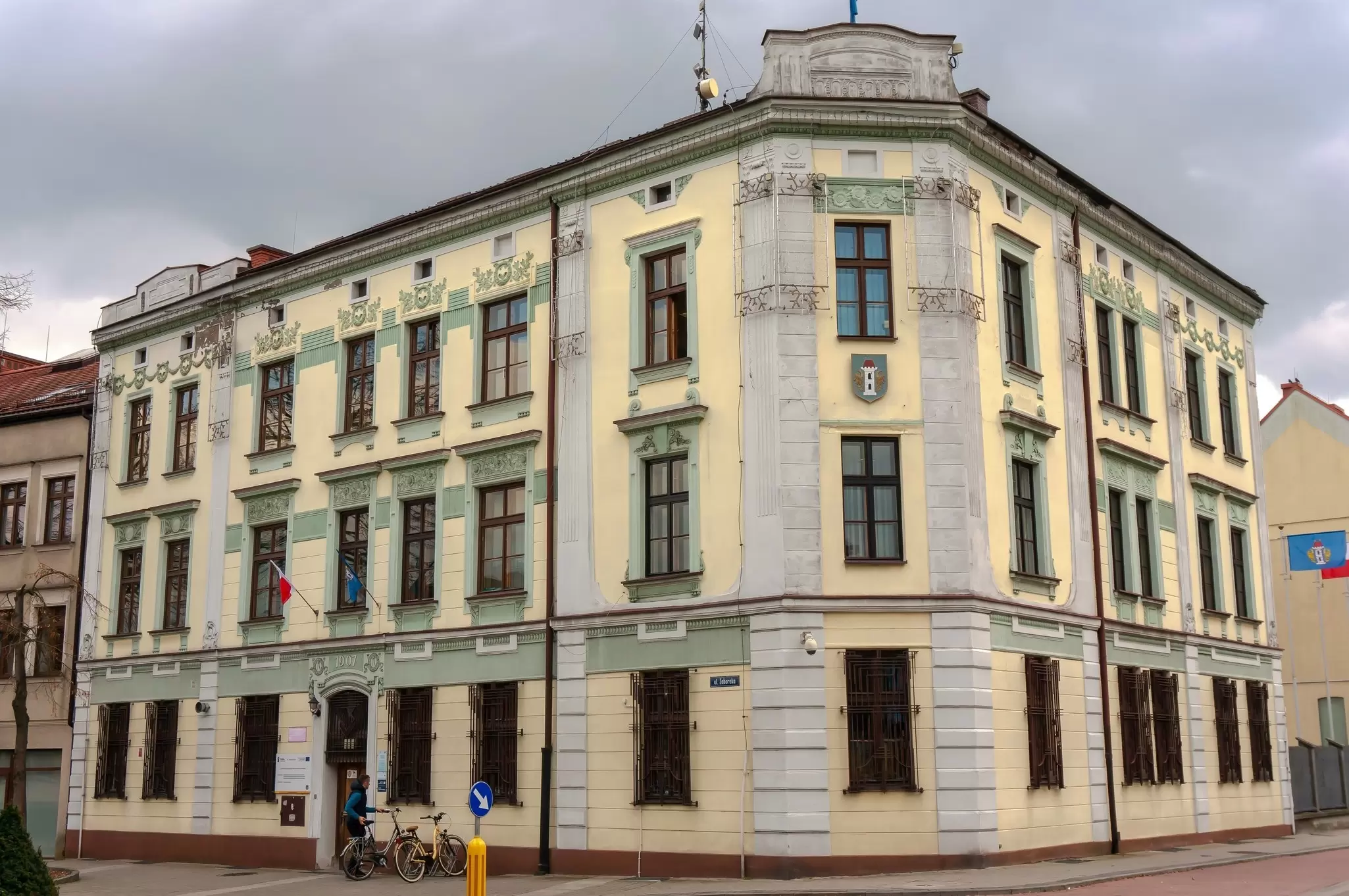
The main gateway to Auschwitz-Birkenau is the town of Oświęcim in Upper Silesia. Frequent trains run here from Kraków, taking 40 to 90 minutes, or you can travel directly from Warsaw. On arrival in Oświęcim, local buses run constantly between the train station and the Auschwitz I entrance, with onward shuttle services to Auschwitz II-Birkenau.
You can also walk or cycle to and between the camps. It takes about 20 minutes to walk the 1.5km from Oświęcim station to Auschwitz I, and about 40 minutes to walk the 3km from Auschwitz I to Auschwitz II-Birkenau. Contact E-Bike Oświęcim to arrange an e-bike rental.
If you come with your own vehicle, Auschwitz I has visitor parking, luggage lockers, free-to-use toilets and a decent cafeteria. Auschwitz II-Birkenau has a more expensive private parking lot, but many visitors prefer to park at Auschwitz I and take the shuttle bus.
The camps are busy daily from April through October, but quieter from November to March. At any time of year, you’ll need to book ahead via the official website, both for guided tours and for free admission without a guide, which is only available at the end of the day’s opening hours.
While the site opens at 7:30am year-round, during the colder months of fall and winter, the camps close earlier in the afternoon. In December, both camps are closed by 2pm, compared to 7pm from June to August; see the website for month-by-month opening hours.
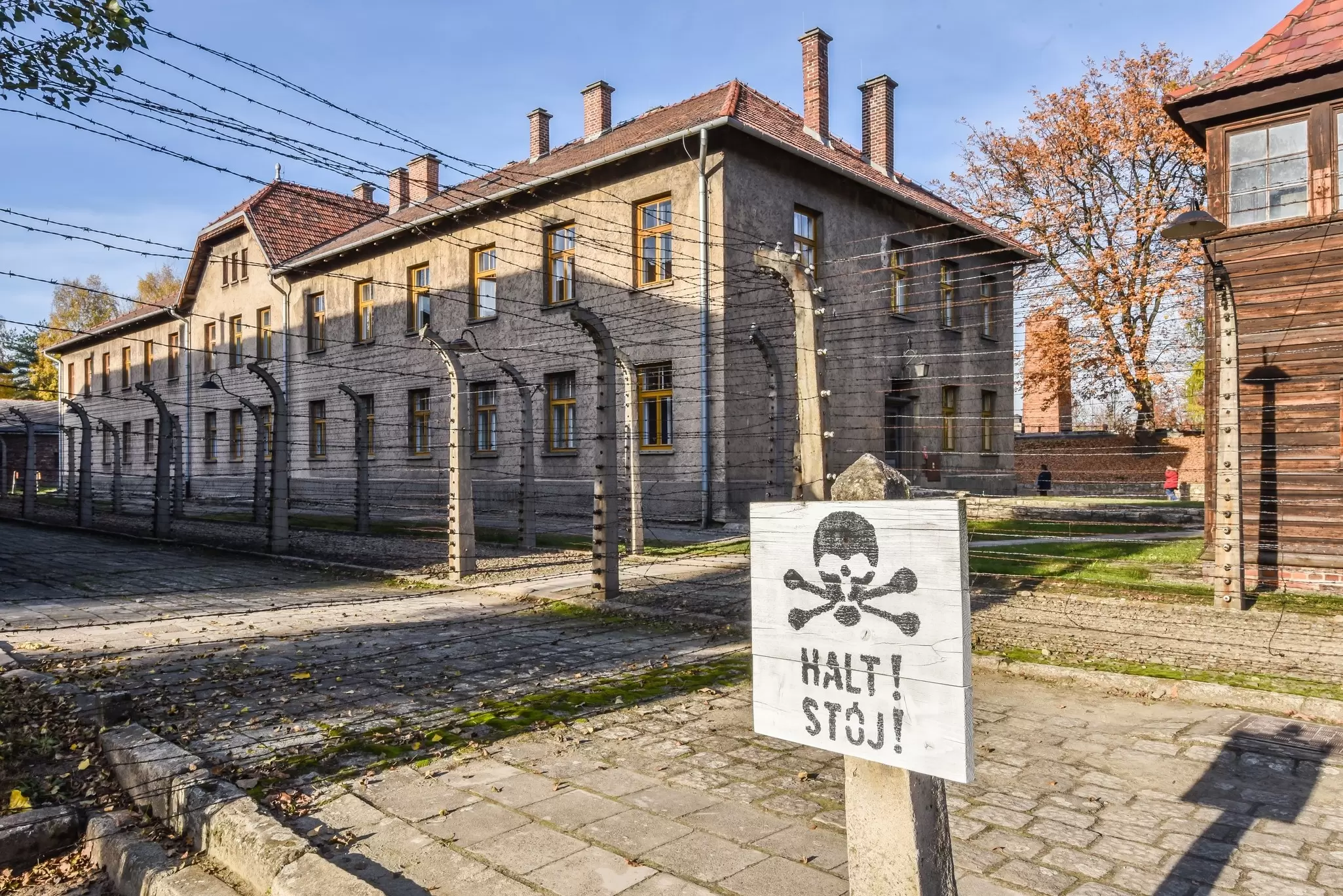
By far the most informative way to see the camps is on an official guided tour, available in English, French, German, Hebrew, Italian, Polish and Spanish. Tours depart at fixed times throughout the day during opening hours, which vary throughout the year.
The most popular tours for individual visitors last 3 hours and 45 minutes. All tours are led by expert guides (known here as educators) and visit both Auschwitz I and Auschwitz II-Birkenau, including the train arrival point, camp accommodation blocks, and the ruins of gas chambers and crematoria. Guided tours for groups last from 2.5 hours to 8 hours.
It is also possible to visit the camps for free without a guide at the end of each day, though you’ll miss out on a lot of information about what you are seeing. If you plan to explore on your own, it’s worth buying the official site guidebook, sold in the bookstores at the camp entrances, for deeper context.
Even if you don't join a tour, all visitors are required to book a timed entry slot, which is easiest via the official website. Tour bookings are accepted up to 90 days in advance, and you must show a valid photo ID when you arrive at the camps. If you want to visit without a guide, you can book a timed slot up to a week in advance.
It is also possible to arrange tours through private tour agencies, but some visitors have warned of operators neglecting to book their timed entry pass in advance, meaning a frustrating wait to arrange entry on the day. Booking an official tour is usually the best option.
The site administrators have the following advice for visitors:
Arrive at least 30 minutes before the start of your tour or timed entry to pass through security checks.
Any bags larger than 35cm by 25cm by 15cm must be left in the lockers at the site entrance.
Because of the traumatic nature of the displays, the site is not recommended for visitors aged under 14.
Prices for tours vary depending on the size of your group and the duration of the tour. Tours for individual visitors lasting 3 hours and 45 minutes cost 150 Polish złoty (zł) – on arrival, you'll be assigned to a group for the language you have booked. For individuals joining a 6-hour study tour, prices start at 190 zł.
Tour prices for groups start from 970 zł for a 2.5-hour or 3.5-hour tour, covering up to 10 visitors. If you plan to visit without a guide, you can enter the site for free, but you'll still need to book a timed entry pass via the official site. Prices are reduced for visitors aged under 26 or over 75, and for tours in Polish.
Most people visit on a day trip from Kraków, or stay close by in the town of Oświęcim, but touring the camps will take at least half a day, and the only eating options are vending machines, the cafeteria at Auschwitz I, and a small cafe in the car park at Auschwitz II-Birkenau.
The most popular tours for individual visitors last 3 hours and 45 minutes, but longer study tours lasting 6 hours are also available. If you are traveling in a group, you can arrange tours lasting from 2.5 hours to 8 hours. You can see the most important sites in a morning or afternoon if you are starting in Oświęcim, but if you are coming from Kraków, or are interested in the deeper history, plan on a full day for your visit.
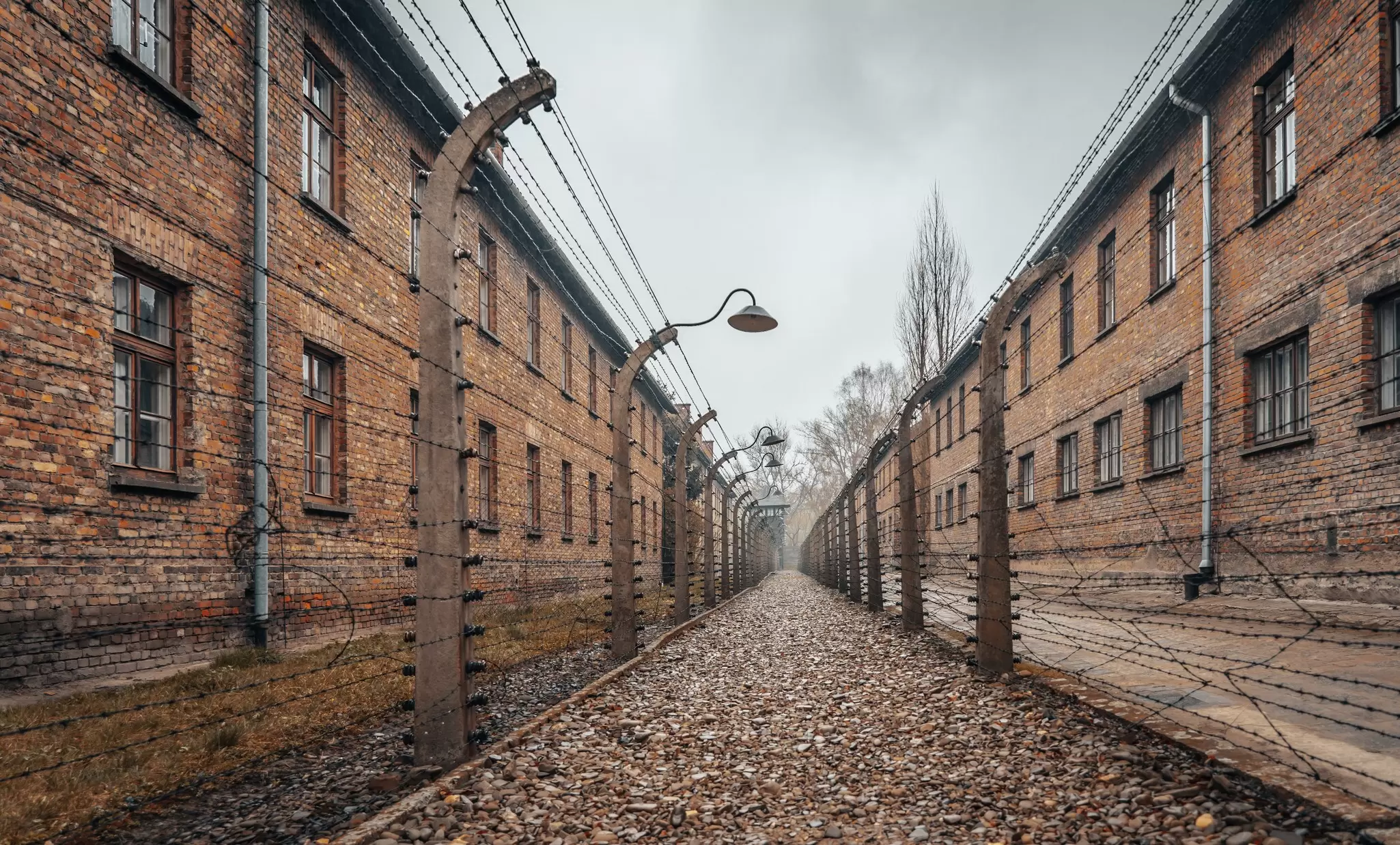
While most visitors focus on the camps at Auschwitz I and Auschwitz II-Birkenau, there are several other sites around Oświęcim that can be visited independently or with a guide. Wear comfortable shoes – there's a lot of ground to cover!
This compact camp, formerly a Polish barracks, was the nerve center of the operation at Auschwitz. Entering through a stark concrete tunnel, you’ll emerge into a green, calm space that initially gives no hint of the horrors that took place. Passing under a sinister sign saying “Arbeit Mach Frei” (“Work Will Set You Free”), you’ll enter the camp itself, where exhibitions inside the restored brick buildings detail the tragedies that occurred here.
Different blocks feature displays on different aspects of the tragedy. Block 4 provides a haunting overview of the Holocaust, while Block 6 chronicles the abuses faced by prisoners during their detention. Serving as a reminder that the Holocaust was an international operation, Block 18 details the extermination of Hungarian Jews, while Block 21 explores the Dutch role in the Holocaust, and Block 20 covers French involvement.
Block 27 is perhaps the most haunting space. Exhibits created by the Yad Vashem Institute in Jerusalem include a stark white room with reproductions of the tiny drawings made by children on their way to be executed. A teddy bear sits with abandoned toys, people hang from gallows, a bunny rabbit is caught in barbed wire – it’s a heart-rending space.
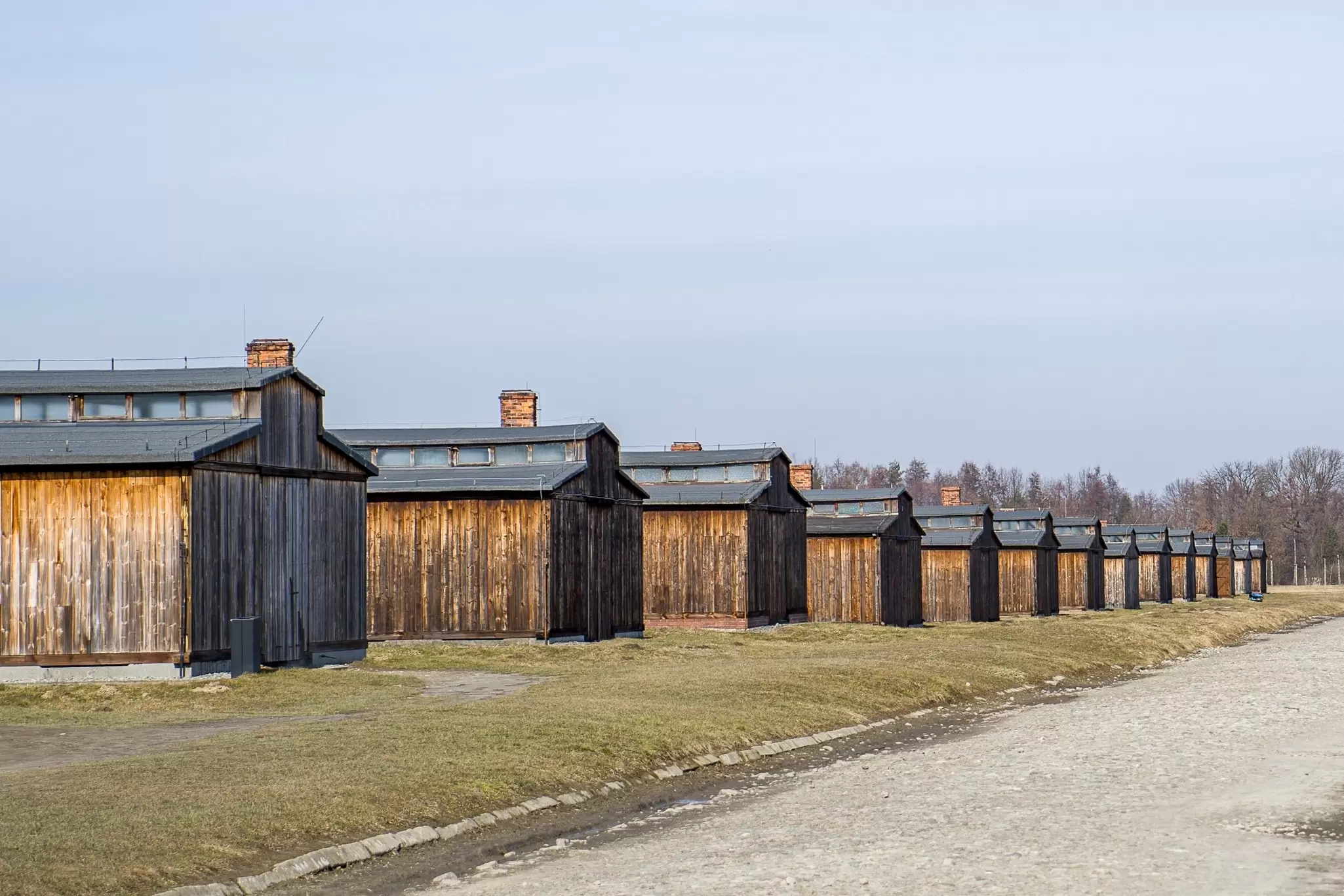
Auschwitz II-Birkenau is the vast camp seen so often in photos and films. It sits 3km northwest of Auschwitz I, and was originally constructed as a prison camp for Soviet POWs. The first gas chambers were put into operation for civilian detainees in 1942, and by 1943, the camp had expanded to operate on an industrial scale, with vast barracks holding prisoners and facilities allowing hundreds of people to be executed daily.
You’ll enter through the chilling railroad entrance, where trains loaded with prisoners from across Europe arrived, off-loading their human cargo onto the infamous Selektion ramp. Here, those deemed unsuitable for forced labor – mothers, children, the old, the infirm – were pulled aside for a quick death in the gas chambers.
Only those whose labor could profit the Nazi regime were allowed to live – about a quarter of arrivals at the camp. Among the sites you can visit here are brick and wood accommodation blocks and the remains of gas chambers and multiple crematoria, where the bodies of victims were burned.
While it’s important to visit the key sites of the atrocities to gain an understanding of what happened here, also take time to explore the less-visited corners of the camps. A 1.5km walk from the entrance is the Main Camp Bathhouse, displaying family photos found among the immense quantity of belongings left behind by the 1.1 million people murdered here.
To the east of the main camps and the town of Oświęcim, outside of the area visited by most tours, is Auschwitz III-Monowitz – a huge industrial complex constructed and operated using slave labor from the camps. At the heart of the operation was German industrial giant IG Farben, manufacturer of the Zyklon B gas used in the gas chambers.
Subsidiaries of IG Farben, including Bayer and BASF, are still in operation today – a reminder of how recently these dreadful events occurred. Alongside other sub-camps, Auschwitz III-Monowitz can be visited on private tours that stop at the memorial on the site.
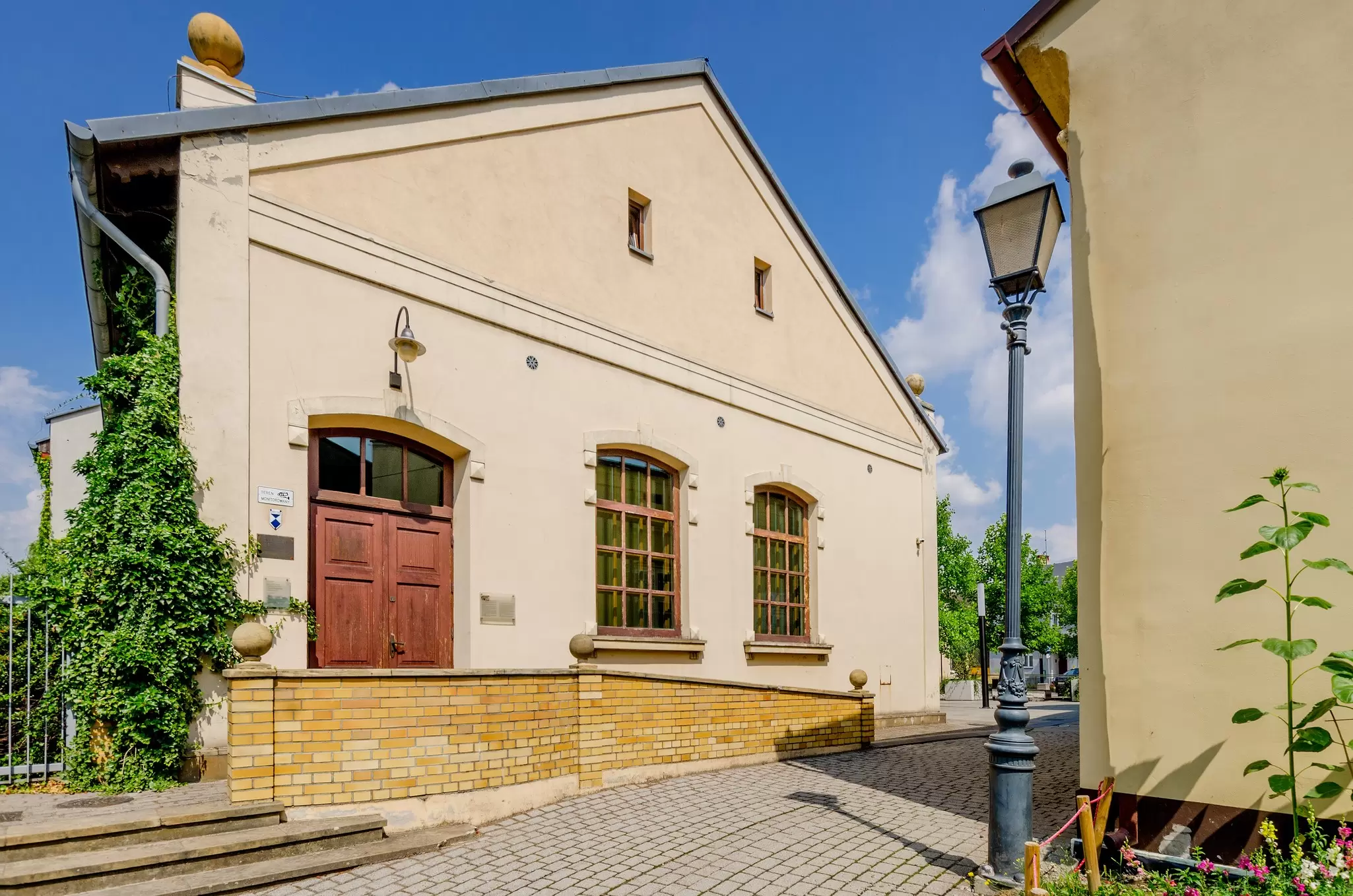
Before WWII, 60% of residents of Oświęcim were Jewish, and the tragic fate of the community is told at the museum run by the Auschwitz Jewish Center. Exhibits bring to life the stories of the Jewish people of Oświęcim and their suffering in the Holocaust.
The adjoining Chevra Lomdei Mishnayot Synagogue dates to 1913, and it's the only one of the town's original 20 synagogues to survive WWII. Drop into the center's Café Bergson for coffee and to browse the book collection and participate in ongoing conversations about combating hatred.
Elsewhere, the contemplative Great Synagogue Memorial Park recalls the place of worship destroyed here by German soldiers on November 29, 1939, while the town’s Jewish Cemetery, founded in 1784, is being restored after being ransacked by German forces during the war.
The Auschwitz Jewish Center can arrange tours of all these sites as well as private tours of Auschwitz-Birkenau. Also worth investigating is the nearby Center for Roma History and Culture, dedicated to the 20,000 Roma people who were killed in the camps.
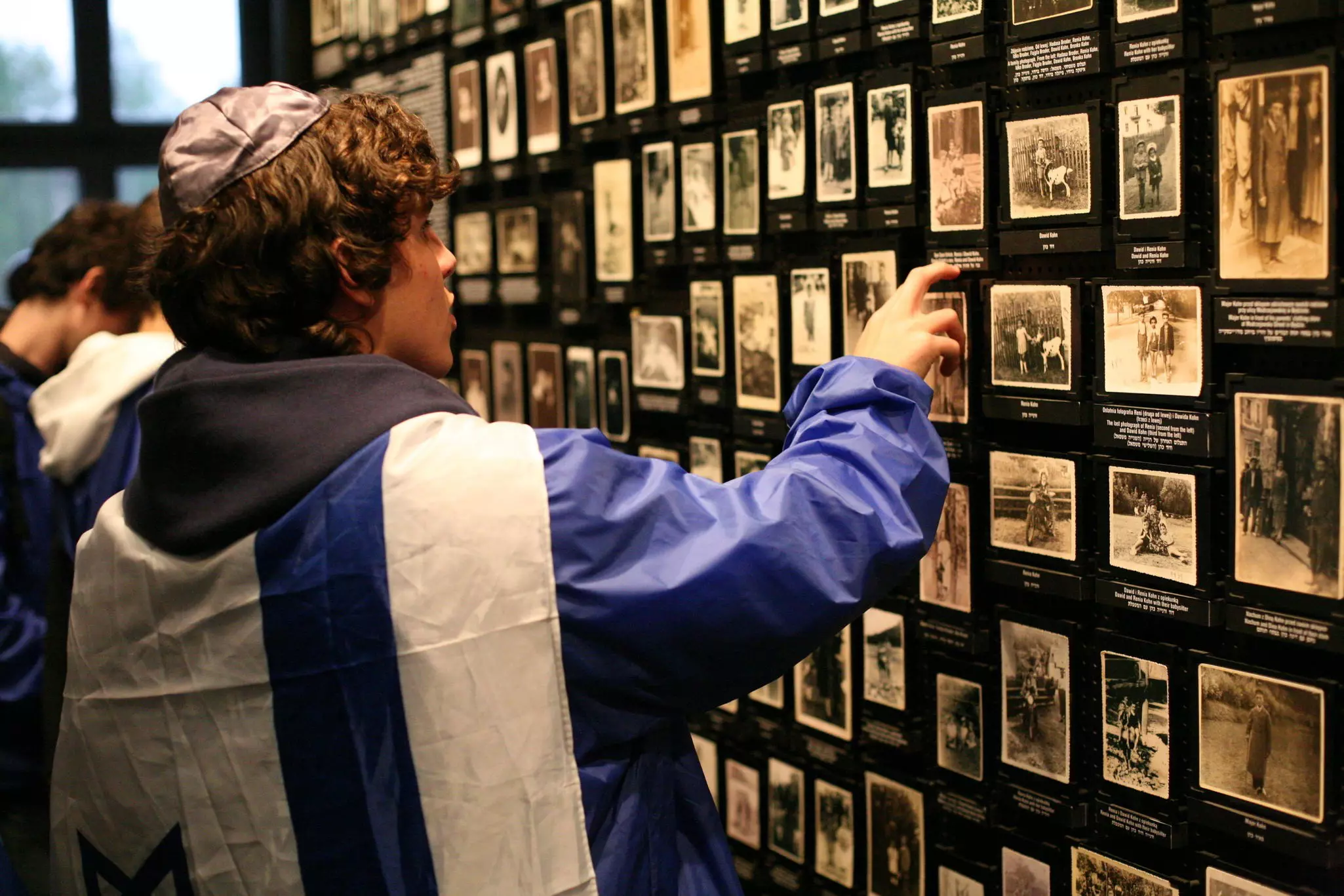
While it might be hard to imagine, there have been incidents of people taking offensive selfies and even mocking victims at this somber site. Remember that Auschwitz is a gravesite and memorial, as well as a museum. Avoid taking inappropriate photographs, and maintain a respectful demeanor at all times.
While many visitors (including visiting world leaders) pose for photos on the train tracks leading to the so-called “Gate of Death” at Auschwitz II-Birkenau, this is discouraged. Drones are not permitted without prior approval, and the use of a camera flash is banned in certain areas. In addition, photography is prohibited at Auschwitz I in Block 4, and in the basement of Block 11, containing the camp’s cruel isolation cells.
Talking loudly, making mobile phone calls and fooling around can also intrude on the experience of other visitors. Turn off your phone and avoid walking along rail tracks, crossing barriers or climbing on structures at the site. Visitors are also asked to dress respectfully and to avoid wearing clothing with offensive messages or imagery.
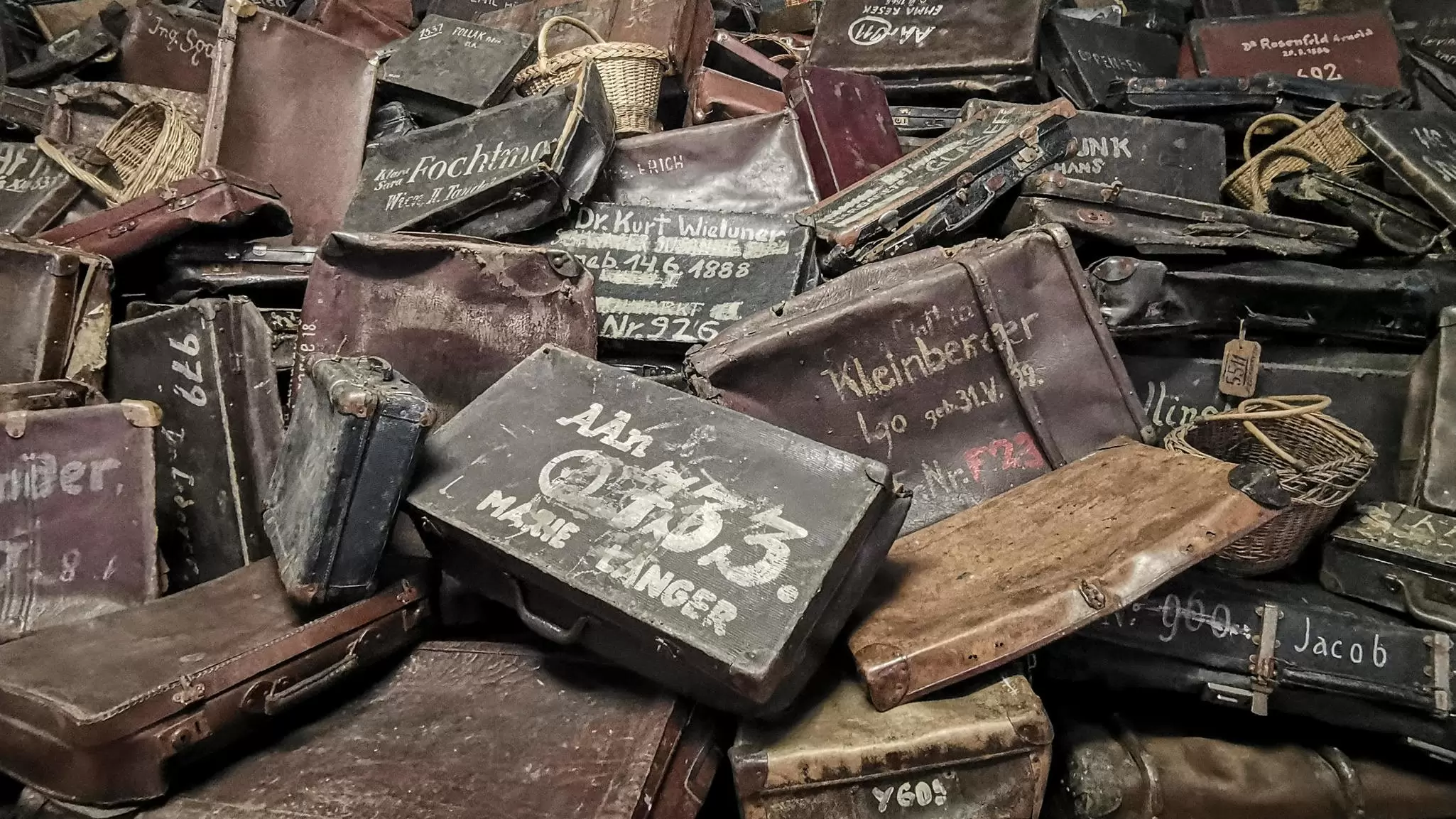
During the Holocaust, between 1941 and 1945, some 1.1 million people – mostly Jews, alongside Sinti and Roma people, political prisoners, Polish and Russian POWs, and disabled and gay people – were killed by Nazi forces at Auschwitz-Birkenau. Many were executed using poison gas and lethal injections or by firing squad; others were worked to death, or allowed to die from illnesses or the side effects of medical experiments.
Auschwitz I served as the administrative center for the complex, as well as being a hub for medical experimentation, gas chamber testing, and the sorting and processing of victims’ belongings. Auschwitz II-Birkenau was the primary extermination camp, where arriving prisoners were sorted into groups for forced labor, experimentation or execution.
While Poland is dotted with the sites of Nazi atrocities, the horrors of Auschwitz have come to be the measure against which other crimes against humanity are rated. However, what happened here is only known because the Soviet Red Army liberated the camp on January 27, 1945, before the evidence could be destroyed. The commander of the camp, Rudolf Höss, was later captured by the British and executed in 1947.
Read more about travel to the area around Auschwitz-Birkenau in Lonely Planet's Poland guidebook.
Explore related stories