Jun 24, 20267 min read
How to Get Around in PeruSponsored by
May 29, 2026
9 MIN READ

Writer
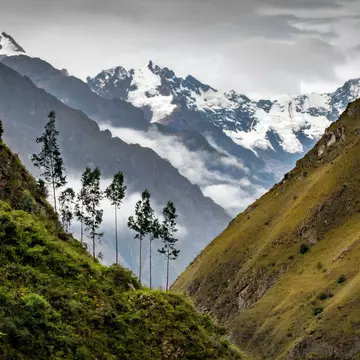
The Chachapoyas region of Peru. Framalicious/Shutterstock

Writer
Start your week in the northern Amazon of Peru perched high in the clouds and end it at sea level, riding the waves lapping against the shores of the capital city, Lima.
In Chachapoyas, the capital of the Amazonas region, lesser-known archaeological wonders and sky-high waterfalls are jungle sights far off the typical tourist route. A bus ride away is Tarapoto, where the flavors will stick in your palate’s memory like the humid climate will to your skin. Finally, in Lima, gastronomy, art and culture collide in a beautiful chaos that will leave you wanting to extend your stay.
Set off on a 7-day trip in Peru with an itinerary that travels from the mountains to the coast.
When to arrive: To avoid muddy trails yet still enjoy full waterfalls, aim for the transitional months (April and May) between the Amazon’s rainy season (November to April) and dry season (May to October). This will also be at the tail end of Lima’s summer best.
How to get from the airport: Mototaxis (three-wheeled motorcycle taxis) are available outside the Amazonian airports. Use rideshare apps or book a shuttle to travel from the capital’s airport.
Getting around town: Activities in Chachapoyas and Tarapoto require some logistics for transportation. After checking into your hotel in Lima, you can get around on foot.
What to pack: Pack breathable long-sleeve shirts and pants for the jungle, along with hiking shoes and swimsuit. Purchase insect repellant upon arrival. Thin layers are key in Lima, as the months following summer remain humid.
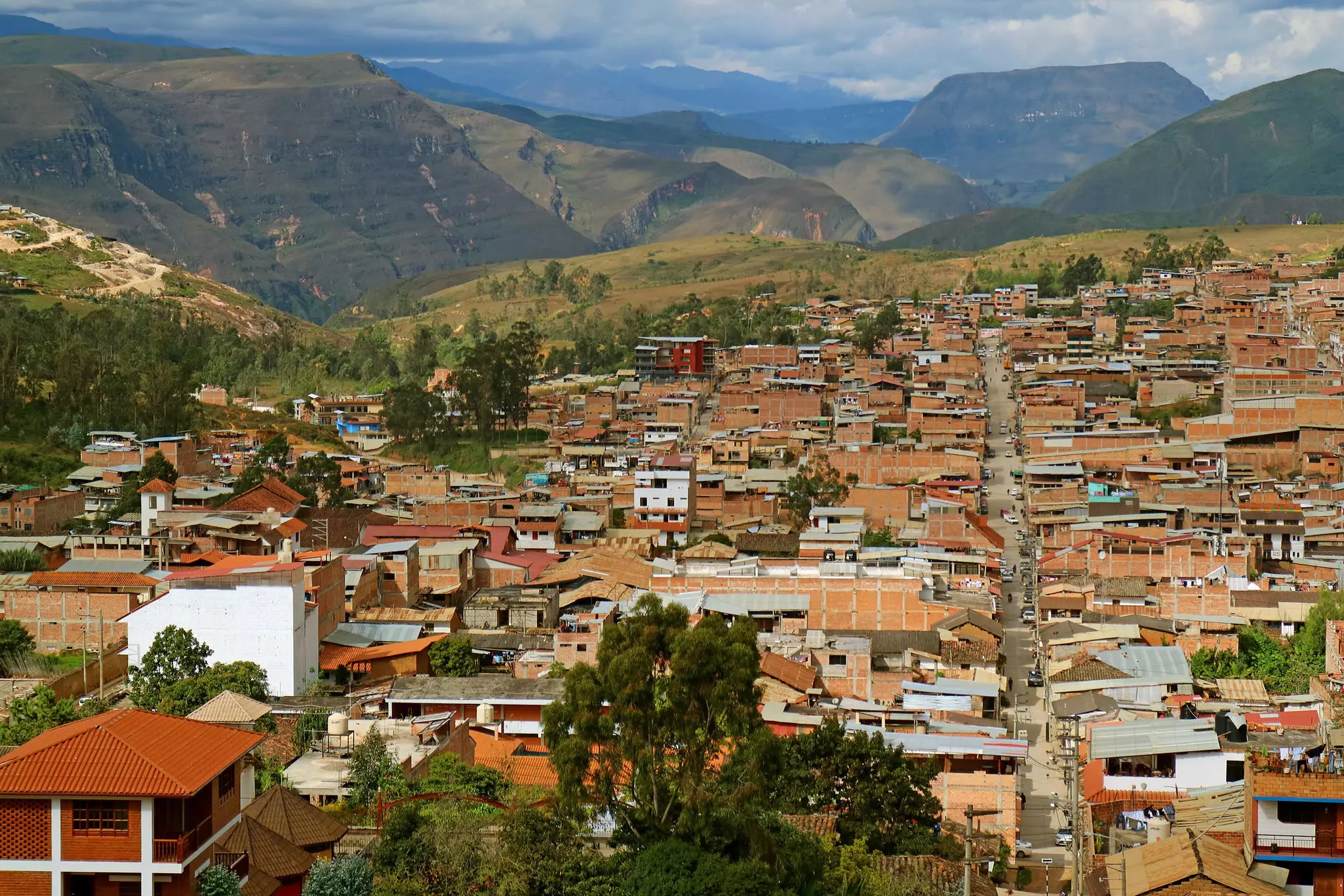
Limited to one daily direct flight on ATSA Airlines from Lima to Chachapoyas, you have no choice but to seize the day as you land in the capital of the Amazonas region shortly after 10am. The eponymous city of the pre-Inca culture, Chachapoyas was founded in 1538. Settle into the altitude at 2482m.
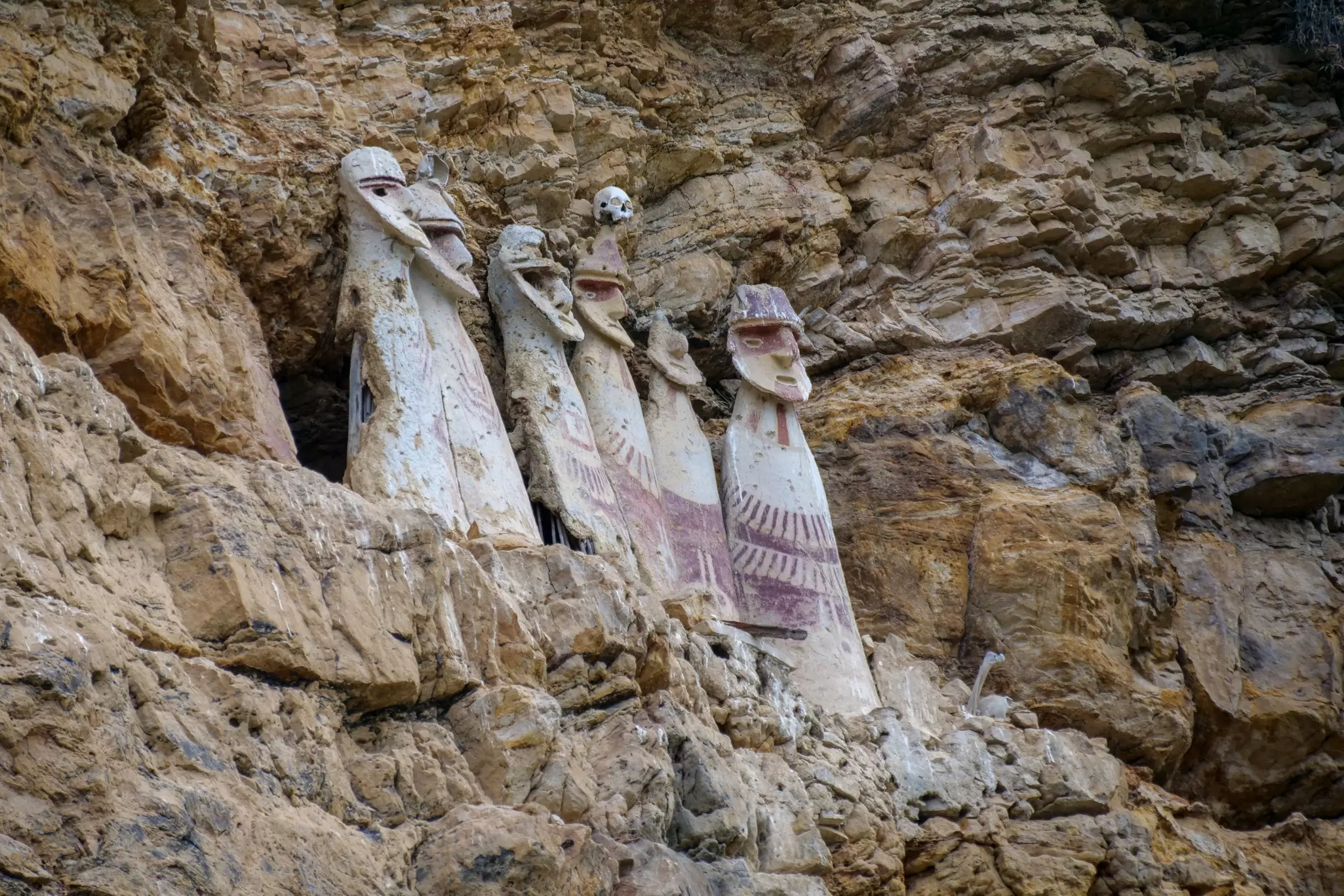
Before exploring the wooden balconies and wide paved streets surrounding the main plaza, take a peek at artifacts from the Chachapoyas culture, once rulers of the northern Amazonas region, in a small exhibition room of the Dirección Regional de Cultura office. (The Leymebamba Museum houses the most extensive collection yet requires a 2.5-hour drive from Chachapoyas.)
A 15-minute walk northwest from the main square is Mirador de Luya Urco, overlooking the red-roofed city. Carved into a massive rock nearby is Pozo de Yanayaku, an 18th-century well brimming with local lore.
If you are feeling up to it, take a 20-minute ride in a colectivo (small bus) to Huancas, a town known for its traditional pottery and the Mirador de Huancas, which has a stunning view down the nearly 1000m depth of the Sonche Canyon.
Chachapoyas is the culinary hub of the Amazonas. Look for places with regional dishes such as juane de yuca and caspiroleta de hormigas, a creamy rum-based drink decorated with (no longer crawling) giant ants.
Find a vacant spot on a bench in the main plaza and join the locals to wrap up your first night in the Amazon.
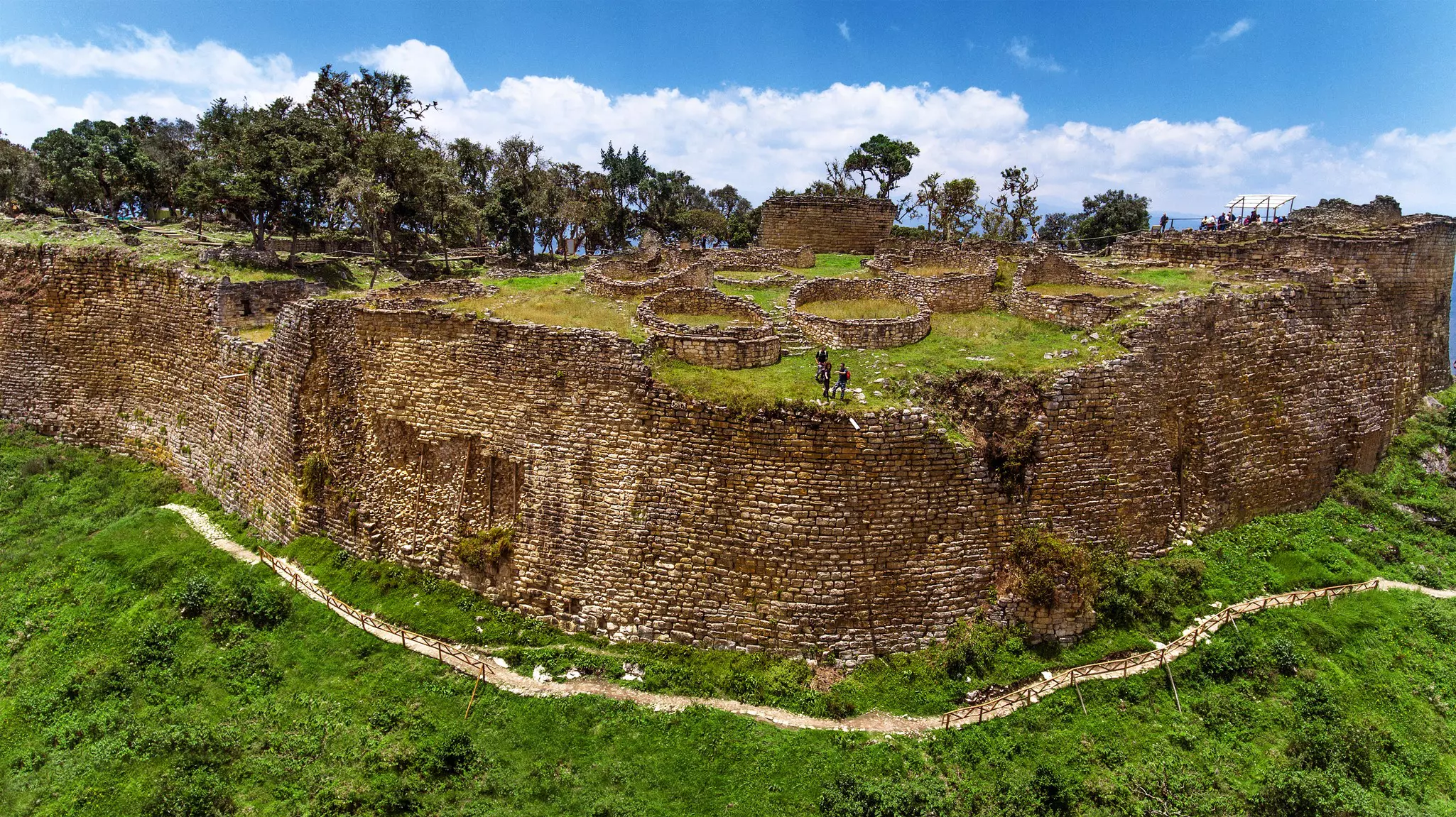
Rise early to beat the cloud cover that often hovers above the Kuélap archaeological site, the main attraction in the Chachapoyas region. It is easy to find a tour from 100–150 Peruvian nuevo soles (S), including transportation and a guide, around the main square in Chachapoyas. To visit independently, catch a bus from the Chachapoyas Terminal to the town of Tingo (S10, 1 hour). There isn't a lot of signage at the site, so a guide will make your Kuélap visit more meaningful.
Shuttle buses in Tingo will bring you to Peru’s first cable car platform (S26.50 round trip; closed Mondays and select dates in May for maintenance). Purchase your Kuélap entrance (S30) on the government website.
Perched at nearly 3000m, Kuélap is not only at a higher altitude than Machu Picchu (at 2430m) but is nearly 1000 years older. Built by the Chachapoyas (meaning "Cloud People" in Quechua) culture as early as the 6th century CE, the pre-Inca site includes hundreds of circular stone structures fortified by soaring rock walls, remnants of which measure up to 20m high. Expect to spend 2–3 hours exploring the site by foot.
Before returning to Chachapoyas, replenish with an early dinner of trout ceviche in near the site.
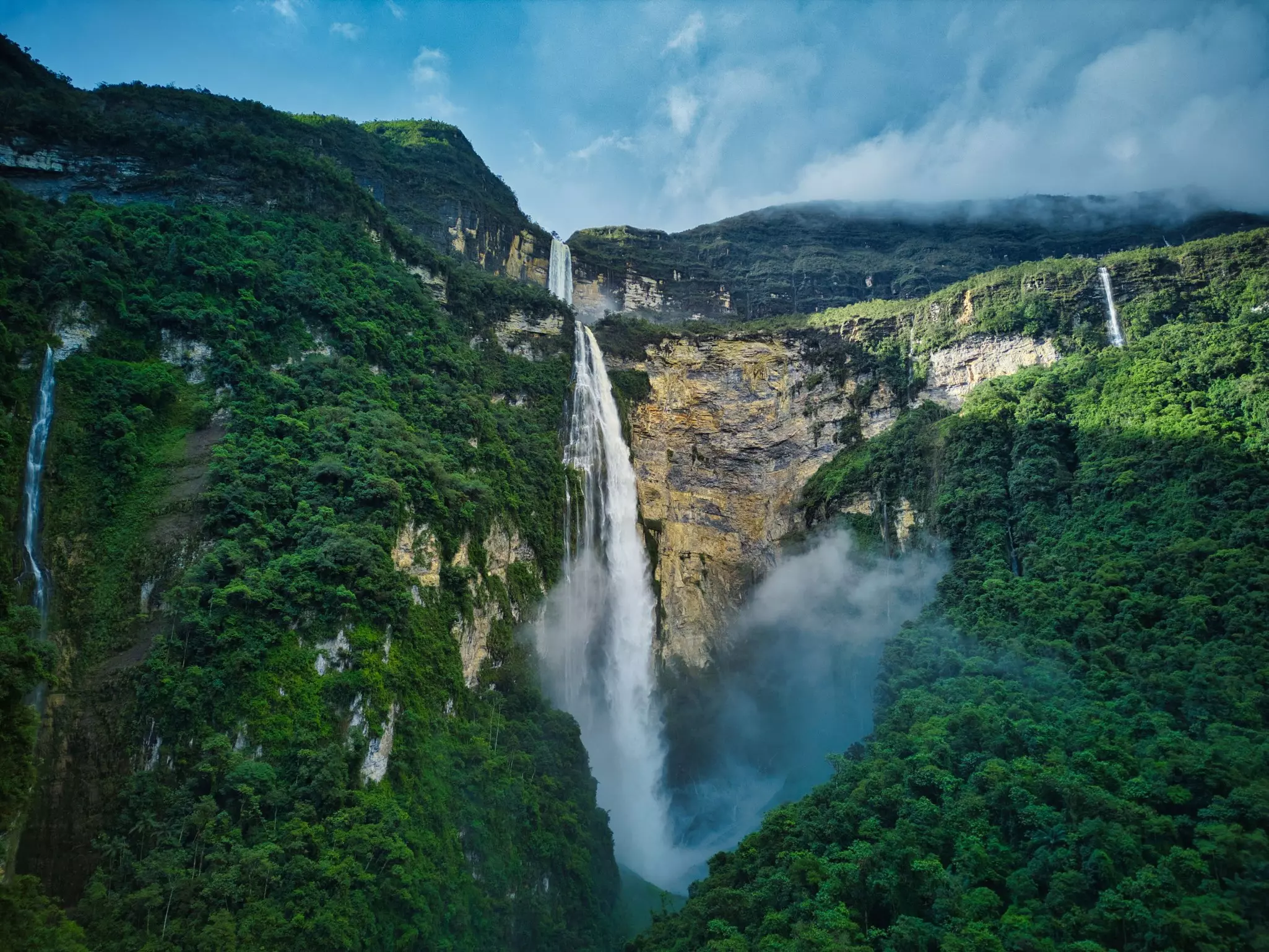
Make your way to Cocachimba, a village near one of the tallest waterfalls in the world. If your hotel is not able to book private transportation, take a 45-minute colectivo to Cocahuayco, followed by a 20-minute mototaxi ride into Cocachimba.
A two-drop waterfall measuring 771m high, Gocta is Peru’s third-tallest waterfall and was only brought to global attention as recently as 2005. The 10km out-and-back trail rewards hikers with a chance to plunge into the natural pool at the base of the waterfall. As you follow the undulating yet well-maintained dirt and paved paths, tune in to the diverse orchestra of birds inhabiting the lush rainforest. Expect to spend 5–6 hours on this journey.
Find a place that serves tacacho (mashed and fried green plantains) and cecina. The traditional technique of preserving meat is emblematic of the jungle – the humidity would otherwise cause fresh meat to spoil quickly. Wash it down with a macerated cañazo (a distilled sugar cane spirit). Siete raices is an energizing tonic derived from potent roots and tree barks such as chuchuhuasi; it goes down easily in chilcano form, when it’s mixed with ginger ale and lime juice.
Back at your hotel, dip in the pool or laze in a hammock as you listen to the evening soundtrack of the Amazon cloud forest: cicadas, tree frogs, owls and rustling bats.
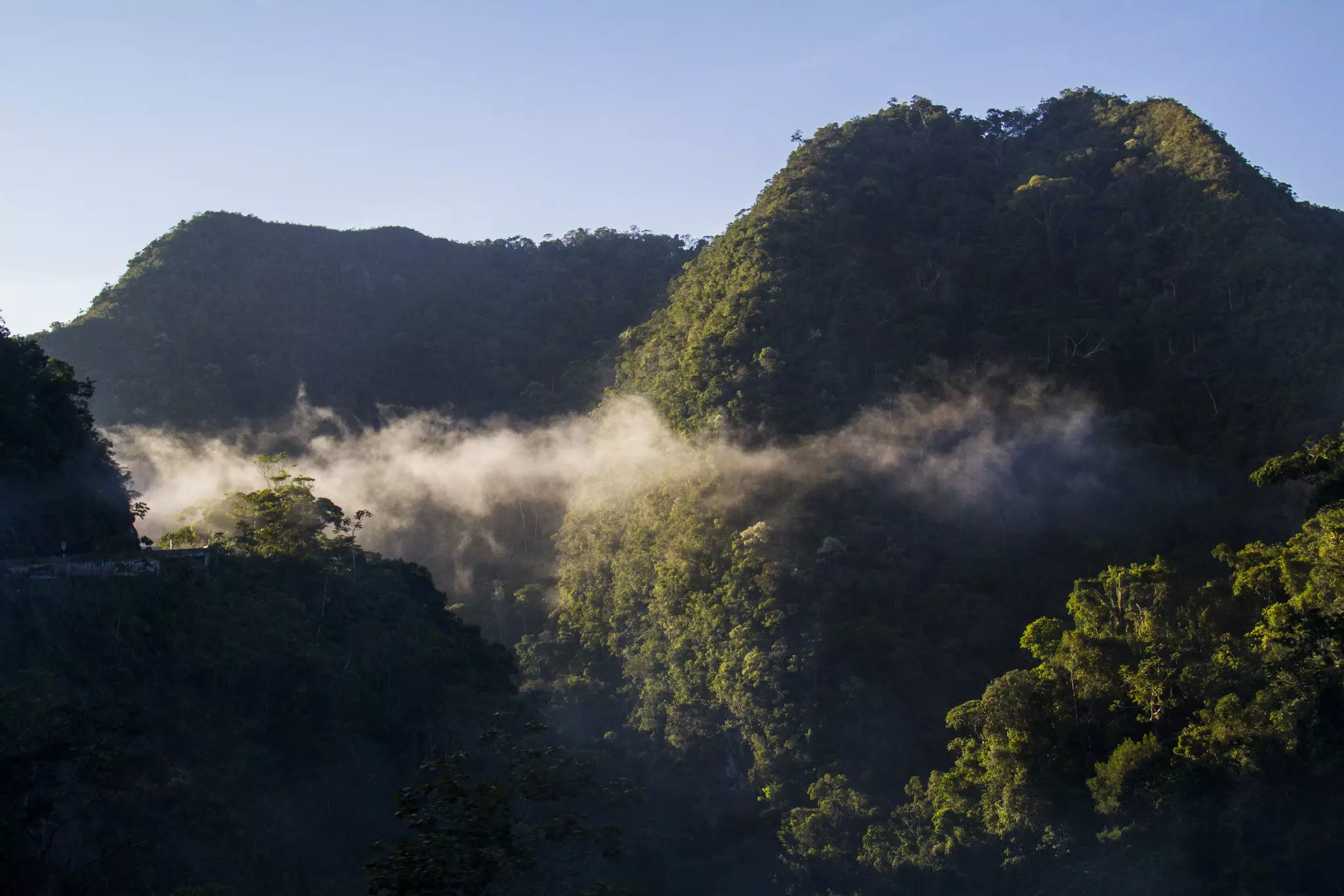
Before the sun rises, head to the Pedro Ruiz bus terminal to catch an early ride to Tarapoto (ask your hotel to coordinate a private ride to the station). After a 6-hour ride southeast to the San Martín region, you'll be welcomed by a colorful swarm of mototaxis.
Known as the City of Palms, Tarapoto is surrounded by lush rainforest and waterfalls. But first, coffee. Sip on a cappuccino with cacao and its close cousin, macambo, on a tree-filled patio at one of the coffee shops.
Browse unique mementos and jungle produce like aguaje, cocona and sachapapa (an Amazonian tuber) at Mercado 2.
Afterwards meander through town where a number of boutiques sell handicrafts from Indigenous Amazonian artisans. Some of the most fascinating are the human-like dolls attired with animal masks made from the fiber of the yanchama tree, which represent the Ticuna people.
Tarapoto is home to iconic Amazonian restaurants offering delicious cuisine from the region. Try the chaufa amazonico (stir-fried rice with smoked pork and sweet plantains) and ceviche made with paiche, one of the largest freshwater fish in the world.
Centro Urku is a rehabilitation center for fauna local to the biodiverse mountain range Cordillera Escalera. See nocturnal birds, insects and reptiles on a guided night tour (S110, 7–9pm).
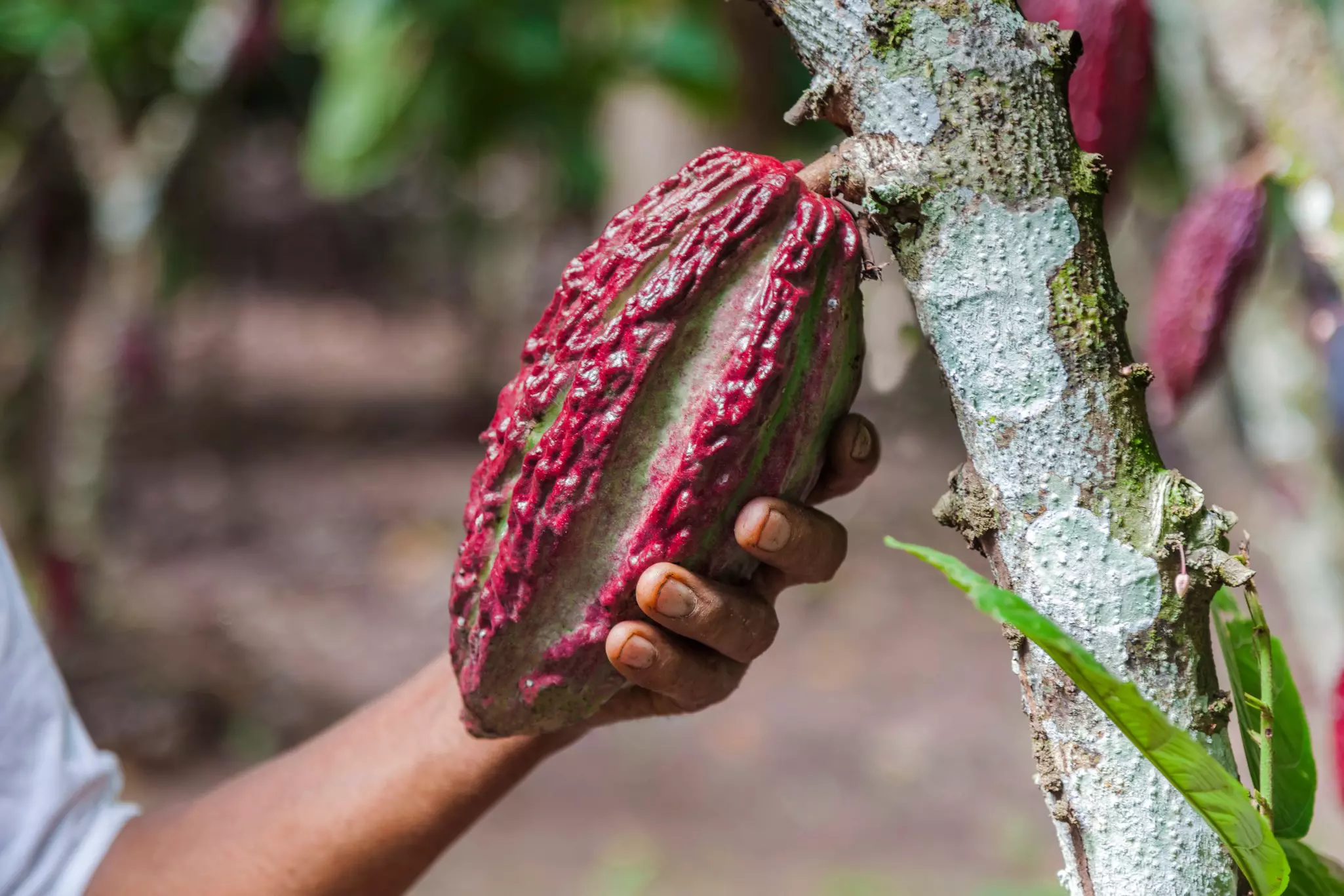
Today is about the abundant flavors and aromas of the fertile Amazonian cloud forest. Start a balmy morning with a refreshing orange coffee.
Head 1 hour south to Chakra Pasikiwi in Chazuta for an immersive experience into the world of cacao and honeybees. The eco-farm offers guided walks through the cacao farm, followed by the chance to craft your own chocolate bar. Afterward you can visit the hives of stingless Melipona bees.
Find a light preflight meal like a quinoa burger and the Rugoso, a gin-based cocktail with Amazonian citrus.
An evening flight will bring you to Peru’s capital city in less than 2 hours, check in to your hotel in the Barranco or Miraflores neighborhoods.
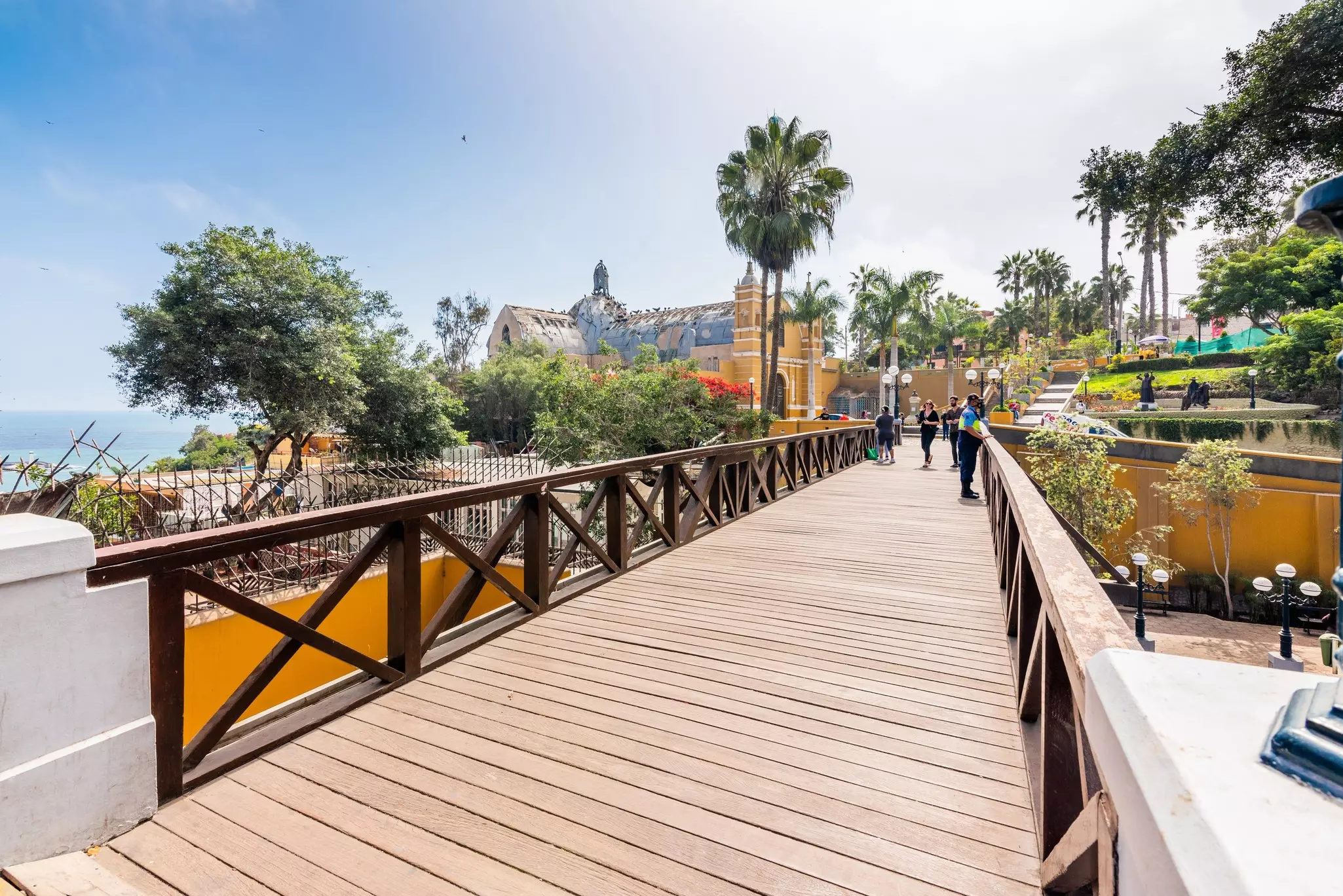
Once considered the bohemian district and quickly becoming the trendiest hub for culinary creatives, Barranco has some great spots for brunch.
Visit the fish market in the neighboring district Chorrillos to witness the bounty the Humboldt Current brings to Peru. Near the pier you will be offered a 1-hour boat ride across the choppy waters (S35).
Walk along the Costa Verde coastal strip to the burgundy pedestrian bridge that connects to Bajada de Baños, a steep paved path into Barranco. Surrounded by bright murals, begin a self-guided art walk at Espacio UNNO and the Jade Rivera Museum, just beneath Puente de los Suspiros. Cross busy Avenida Miguel Grau to reach Calle Cajamarca; admire artisan shops and contemporary designer goods at the boutiques along the way.
Having tried the Amazonian take on chaufa, you can sample the capital’s version. Look for a place that servs generous portions of the stir-fried rice dish and its wonton soup which are ideal for sharing.
Settle in for a cocktail and see who is spinning at one of the local bars, then check the local listings for live performances from local rock and jazz bands.
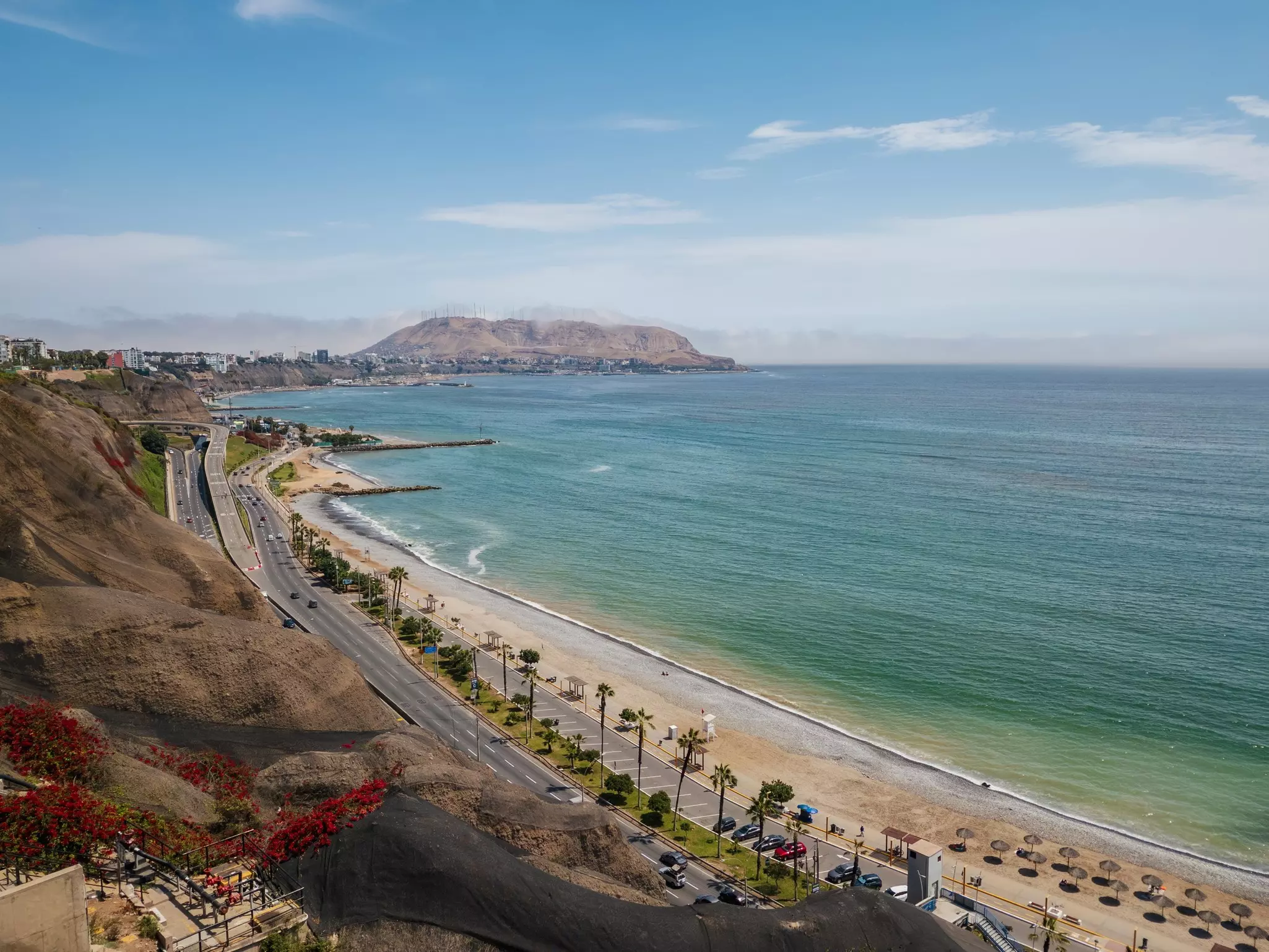
Head down to the beach for a morning surf lesson, when the Pacific waves are at their smallest. Miraflores’ Playa Makaha is ideal for beginners, while La Pampilla beach is best suited for experienced surfers.
Stroll along the scenic malecón, a coastal boardwalk that connects Miraflores to multiple districts. Pit stops include the cliff-hanging Larcomar mall, the parapuente (launching area for paragliders), a skateboard park and serene Parque Chino.
A 20-minute walk from Parque María Reiche, a zoomorphic green space inspired by the Nazca Lines, is Fundación Museo Amano. This top-notch museum covers Peru’s rich textile history (guided tour, for S60, is recommended).
Linger over a last meal in Lima at one of the restaurants in the Huaca Pucllana complex. There’s no better way to say goodbye to Lima than to look back at its past and dream of a return visit.
Book your Peru trip with Lonely Planet Journeys
See Peru how it's meant to be seen
Planned by local experts and tailored to you, Lonely Planet Journeys handles the logistics so you can just enjoy the trip. Tell us what you want and we'll build your Peru itinerary from scratch, or browse our bookable trips to get inspired.

Explore related stories