Oct 11, 202616 min read
3 Days in Rome: the Ultimate ItineraryJul 7, 2023
2 MIN READ

Writer
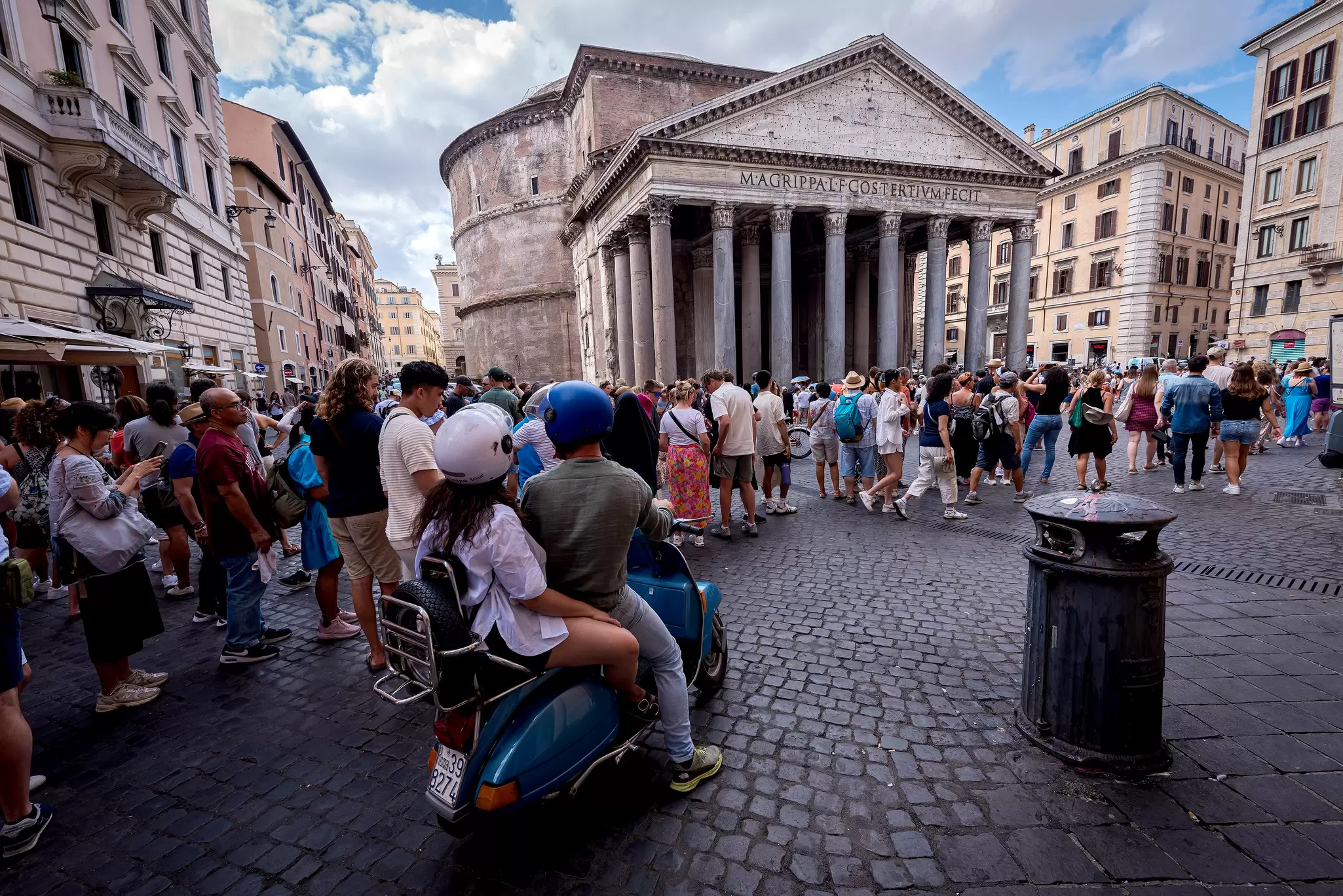
Tourists lined up to enter Pantheon - Basilica of Santa Maria ad Martyres on the first day of general admission on July 3 © Stefano Montesi / Corbis / Getty Images
Writer
Lonely Planet may earn a commission from affiliate links on our site. All recommendations and reviews reflect our own independent opinions.
Rome's Pantheon attracts millions of visitors each year. Dating back to the first century BCE, it's the only major work of Roman Imperial architecture still standing - a revelation of human construction that has remained remarkably preserved throughout the ages.
For years visitors had the privilege of exploring the iconic temple for free. But on July 3, Italian culture and church officials decided to introduce a nominal entry fee - charging visitors €5 ($5. 28) to enter.
However, those under 25 will only have to pay €2 and entry remains free to children (under 18), residents of Rome, people attending mass and those working at the Pantheon.
Visitors can purchase tickets online or pay at the door, but reservations are required on weekends and public holidays.
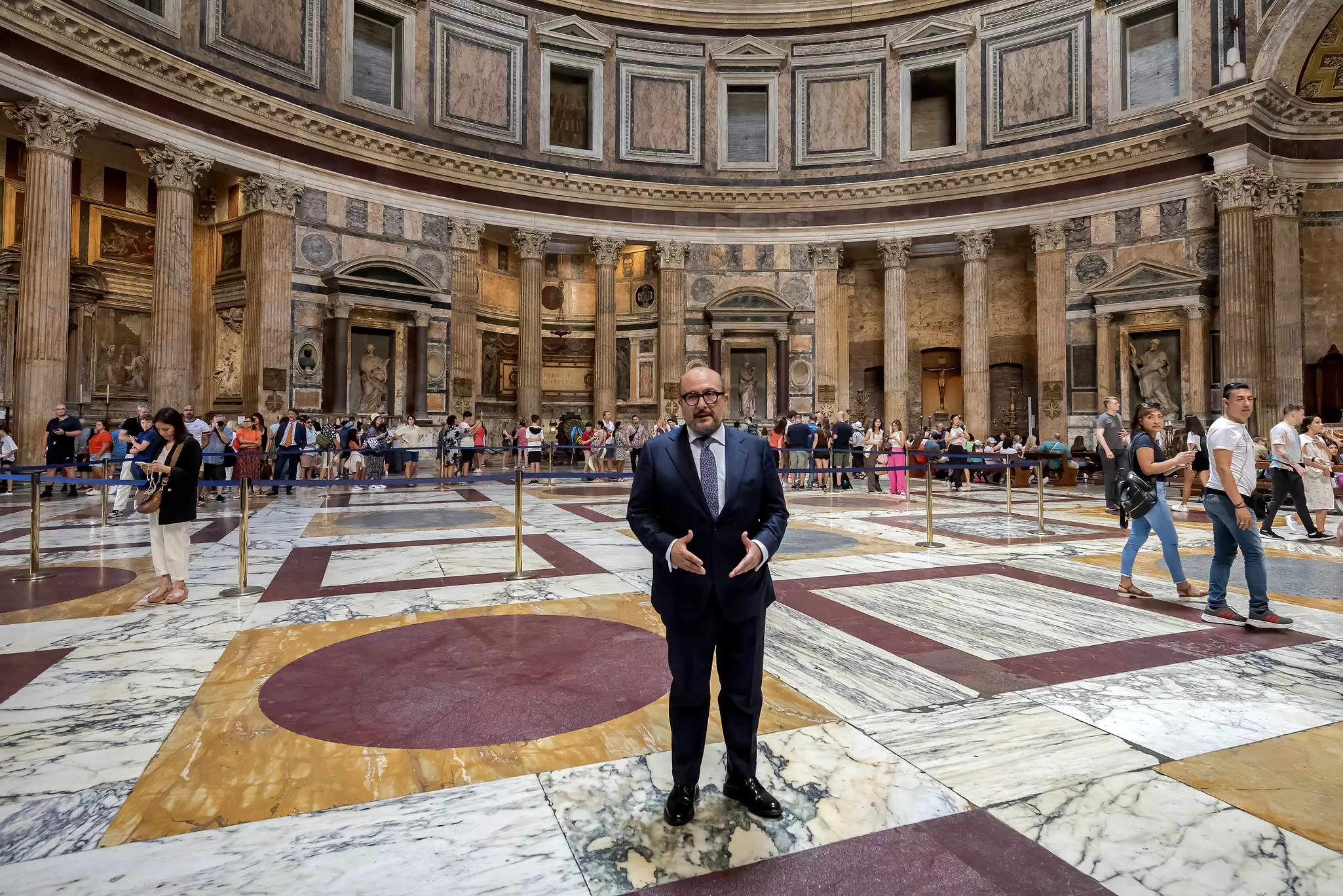
Culture Minister Gennaro Sangiuliano justified the move as a matter of "good sense" and explained the revenue generated will be divided accordingly, with the culture ministry receiving 70% (to help cover cleaning and maintenance) and the Rome diocese receiving 30%, according to the Associated Press.
https://twitter.com/g_sangiuliano/status/1675808994089226241
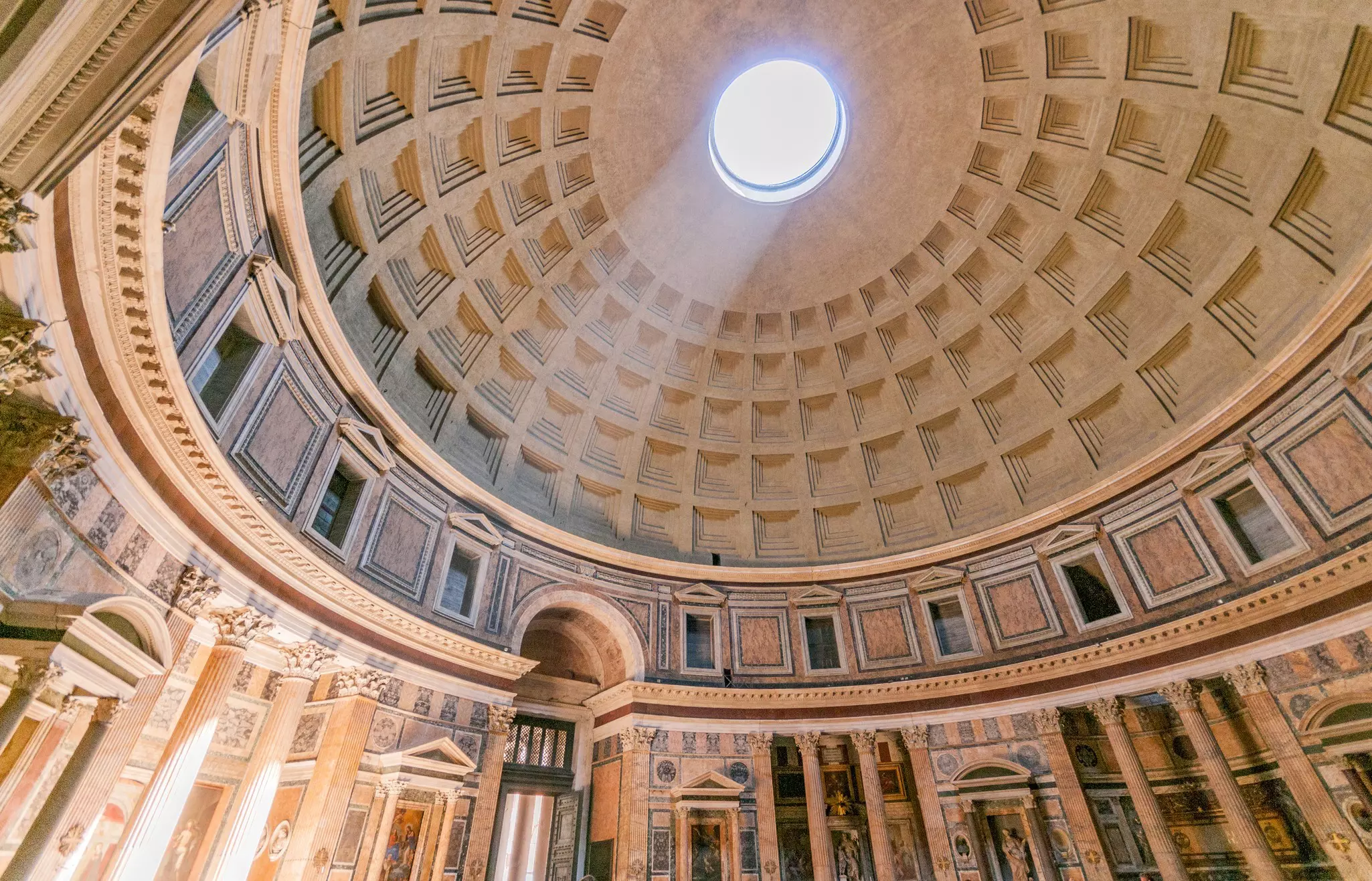
Initially constructed by Emperor Hadrian as a temple honoring the Roman gods (Pantheon means "all Gods" in Greek), the Pantheon was eventually transformed into a Catholic church in 609 AD, known as Basilica of Santa Maria ad Martyres, where regular masses are conducted.
Notably, it boasts the title of having the largest unreinforced concrete dome ever built and is the most-visited site in Italy, attracting over nine million tourists annually.
While entry to most of Italy's churches remains free, Italy is implementing entrance fees for popular tourist attractions elsewhere. One of the most significant is in Venice where day-trippers are set to be charged an entrance fee soon, a move that officials hope will help them order to manage the crowds of day visitors and cruise ship passengers that can sometimes overwhelm the city, particularly during high season and public holidays.
Italy has also been busy opening some new sites to visitors in recent years. In June, the Largo di Torre Argentina (the site where Julius Ceasar is said to have been assassinated) was opened to the public (entry is free), while more sites at Pompeii continue to open to visitors amid ongoing archaeological work.
Book your Italy trip with Lonely Planet Journeys
See Italy how it's meant to be seen
Accommodations, activities and ground transportation all taken care of, so you can focus on the fun part. Tell us what your dream trip to Italy looks like, and our local experts will build it from scratch. Or start with one of our itineraries and make it your own.

Explore related stories