Jun 18, 202610 min read
The 7 Best Things to Do in Hoi an, VietnamJun 18, 2026
10 MIN READ
Writer
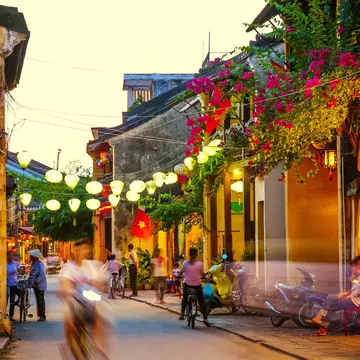
A dusk street scene in Hoi An, Vietnam. Nikada/Getty Images

Writer
Lonely Planet may earn a commission from affiliate links on our site. All recommendations and reviews reflect our own independent opinions.
It’s not hard to fall in love with postcard-pretty Hoi An, on Vietnam’s south central coast. An exceptionally well-preserved trading port developed between the 15th and 19th centuries, the town has a compact center filled with centuries-old shophouses, atmospheric temples and cute boutiques.
It’s a place equally blessed with lovely beaches, picturesque rivers and pastoral countryside, all just minutes from the Ancient Town. Within the town limits and beyond them, these are a few of our favorite things to do in Hoi An.
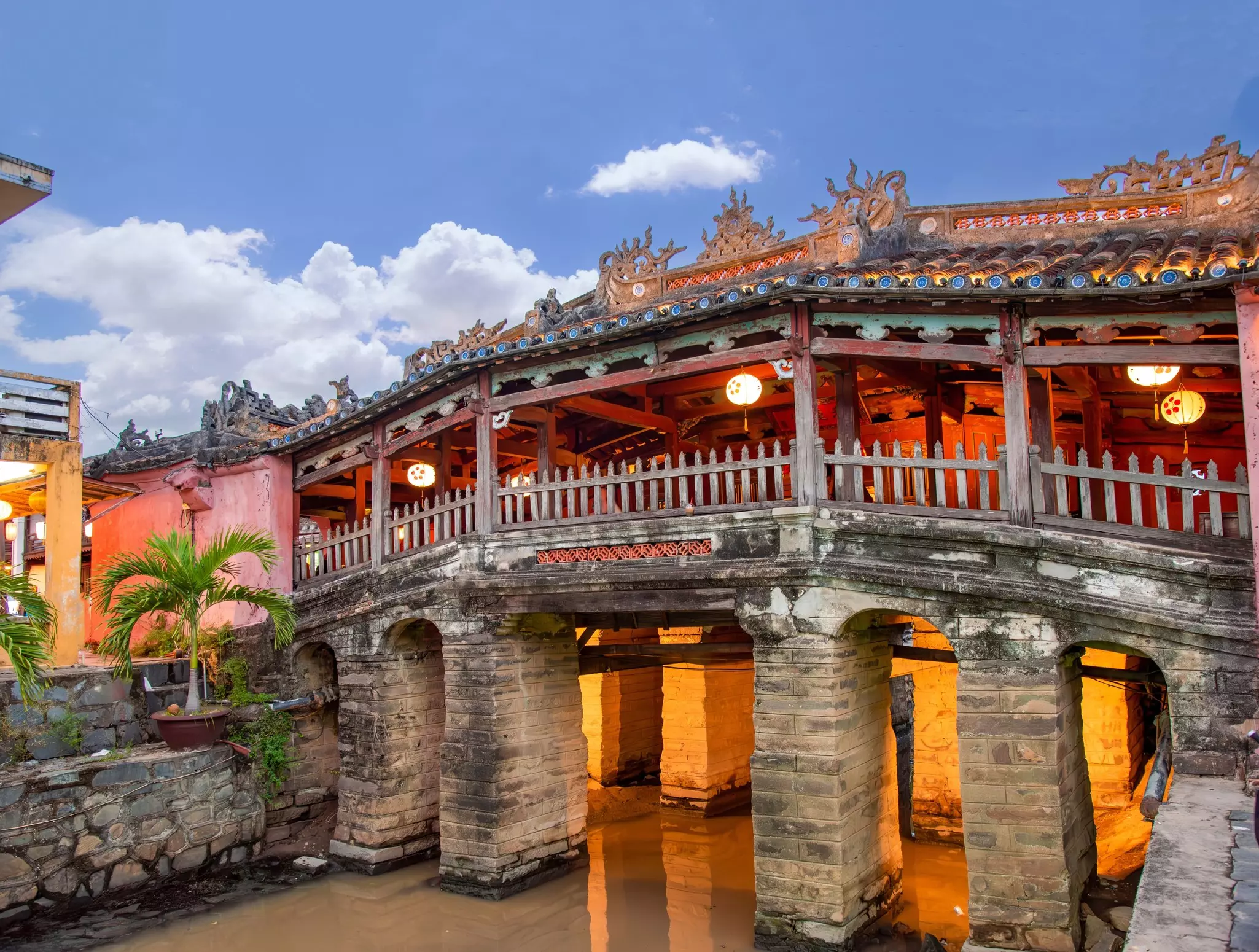
Any first-timer should start by taking in the heritage buildings, museums and assembly halls of Hoi An’s Ancient Town. Visitors need to buy a ticket (120,000 Vietnamese dong), which allows entry to any five of 22 total historic attractions. No one site stands out over any other. Rather, it’s the collective effect of the Ancient City that makes an impression, bearing witness to the different cultures that have influenced Hoi An. Say, the gorgeous covered Japanese Bridge built to connect the Japanese and Chinese merchant quarters. Or the various assembly halls constructed by Chinese immigrant communities to socialize and worship together.
Planning tip: Officially, you need a ticket just to enter the Ancient Town; you certainly need one to gain entrance to the sites listed on the ticket. While staff at the ticket booths have the authority to ask foreign visitors to show their tickets, in reality, this only happens with large groups being led by a tour guide. Nonetheless, purchasing tickets helps support the ongoing preservation of the town.
Detour: A superb half-day trip from Hoi An, My Son Sanctuary served as the religious center of the Champa Kingdom for nearly 1000 years (4th to 13th centuries CE), when the seafaring Cham dominated the region before Hoi An’s rise as a port town. My Son’s complex of red-brick towers embellished with intricate sandstone carvings is reminiscent of Cambodia’s Angkor Wat, only on a much more intimate and less-touristed scale.
The area around Hoi An has long been known for its skilled artisans, from the weavers and stone masons of the Champa Kingdom to the craftsmen who traded in silk, woodwork and ceramics with foreign merchants on the Maritime Silk Road. Today, surviving craft villages around Hoi An include Kim Bong (carpentry) and Thanh Ha (pottery). You can still find artisans plying their trade there and elsewhere.
That creative spirit finds new form in modern workshops on everything from coffee-, lantern- and tofu-making to fish sauce tasting and woodworking. Driftwood Village (“Lang Cui Lu” in Vietnamese) puts on 3-hour woodcarving classes after which you’ll take home a colorful ornamental fish sculpture you make yourself. Set in a large garden space, Botanica Garden Workshop Hub offers regular sessions for making Vietnamese coffee and lip balm; its team can even arrange a range of workshops for kids. Check their Facebook page for pop-up events.
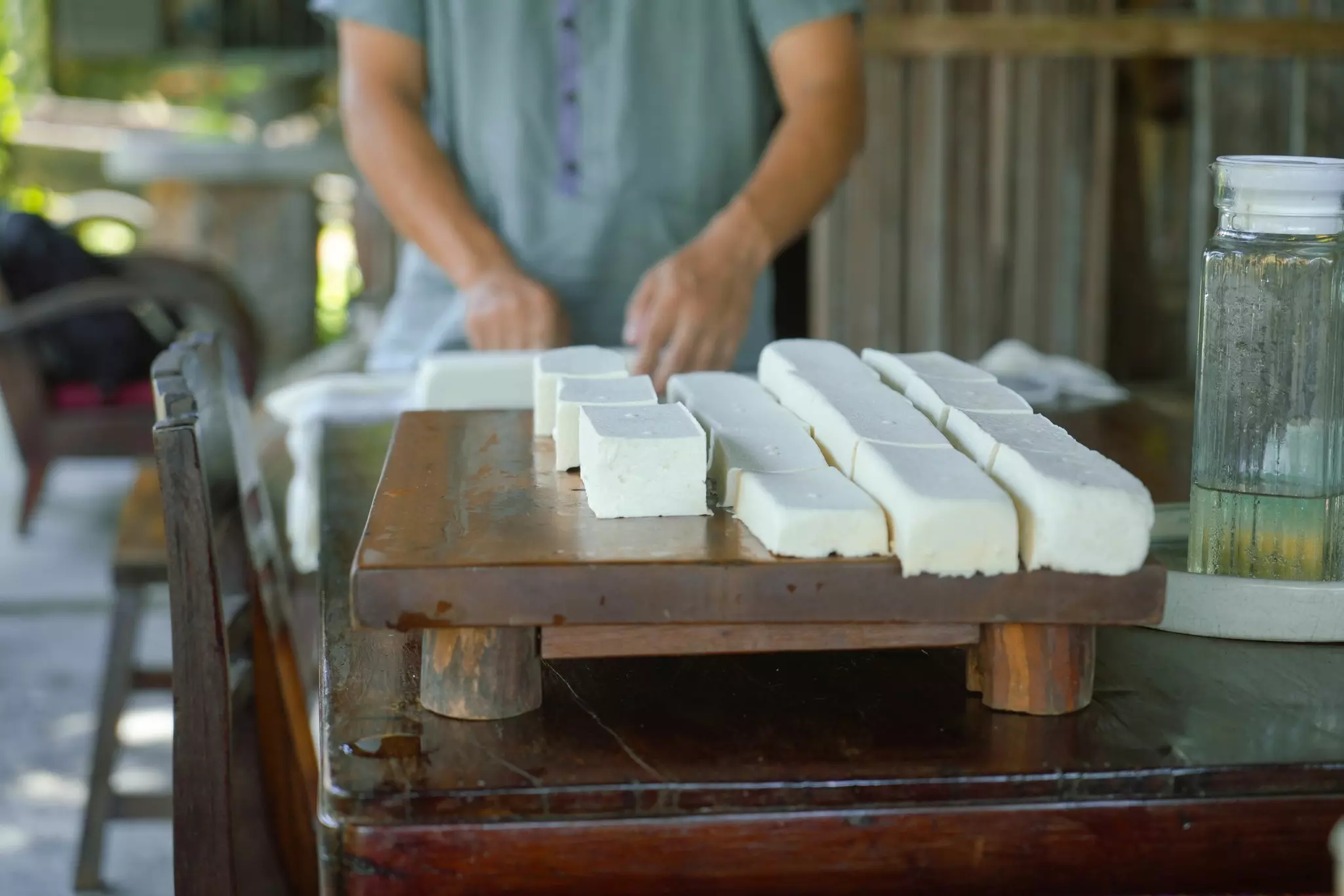
To make something you can eat, Long Gia Kitchen teaches guests how to make soy milk and tofu from scratch (the owner also makes a tofu-based smoked vegan cheese, which you can sample). Former food critic and founder of Chuben fish sauce, Benoît Chaigneau leads one of the more unique workshops. At Mam House, he passionately instructs on the history of fish sauce, offers tastings during various stages of fermentation, pairs variations with light bites and invites guests to infuse their own fish sauce to take home.
Planning tip: Some workshops need to be booked in advance or require minimum participation numbers. Reach out ahead of time to avoid disappointment.
Hoi An is surrounded by water, with the Thu Bon River to the south and the East Sea just 15 minutes to the north. Some travelers may enjoy the rowdy rides in bamboo basket boats at Cam Thanh Coconut Village, about 5km southeast of town. For a more serene outing, check out Hoi An Kayak Tours, which rents out kayaks and stand-up paddleboards with or without a guide. There’s even an option to join in a river clean-up initiative after kayaking.
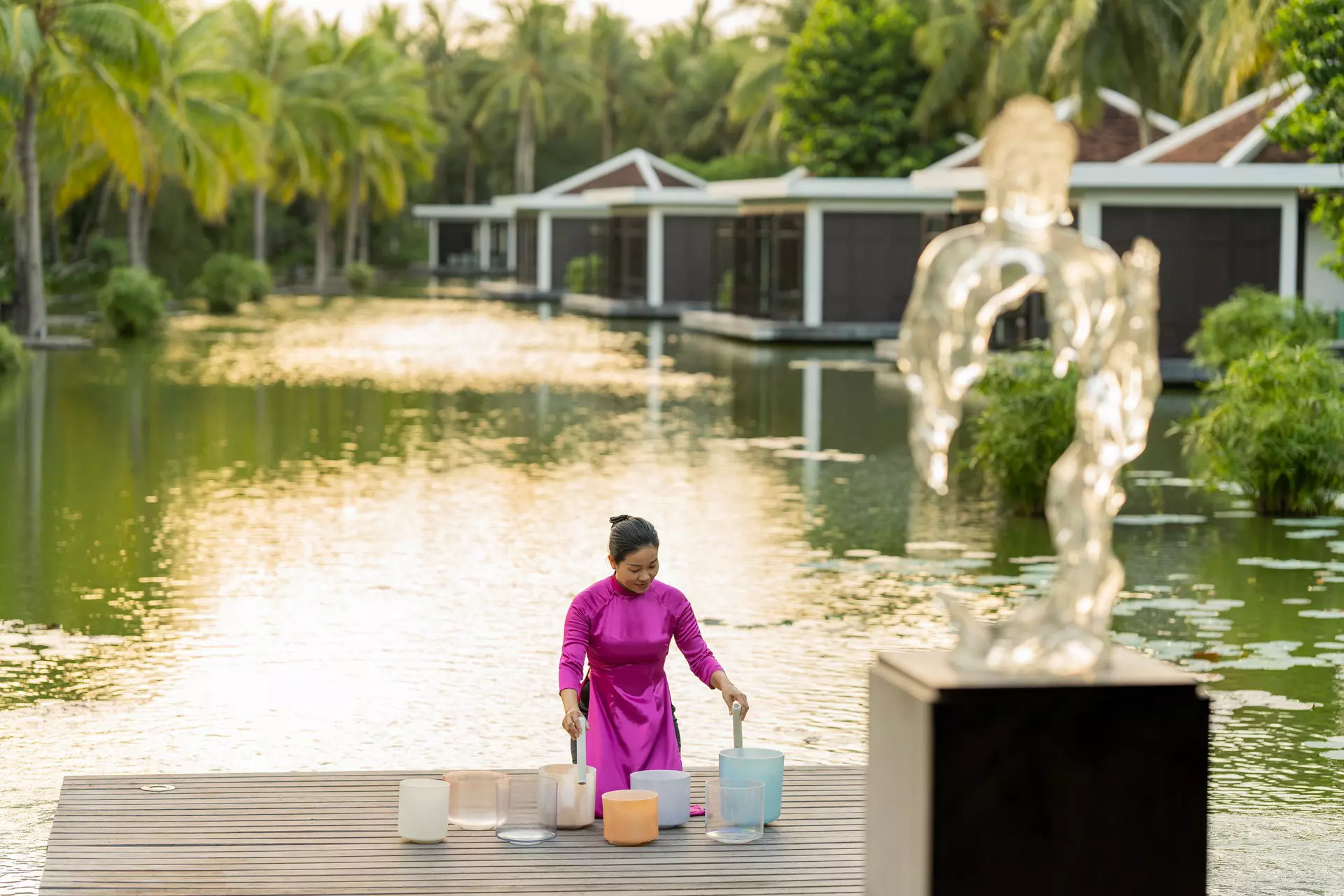
If you want something less active, Cua Dai and An Bang are Hoi An’s best-known beaches, with An Bang boasting wide stretches of golden sand. Locals also head to lesser-known Hidden Beach or Ha My Beach. To make a day of it, Halcyon Beach Club on An Bang has a chill, rustic vibe during the day, with upbeat evenings fueled by live or DJed music. For a luxe beach day, splash out for a day pass at the Four Seasons Resort The Nam Hai or a rejuvenating spa treatment in one of its several wellness pavilions, which seem to float above a lotus pond.
Detour: The Cham Islands just off the coast make for a great day trip, especially for divers and snorkelers. “The waters around the islands are marine protected and there’s great coral diversity,” says Holly Hokenson, resident marine biologist at Four Seasons Resort The Nam Hai. “There’s genetic resiliency here so the water seems unaffected by factors that are decimating corals elsewhere. The best months to visit are June and July when there’s really clear, Thailand-esque waters.” If you overnight on the island, you’ll have the beaches all to yourself once the day-trippers head back mid-afternoon.
Hoi An’s Ancient Town is filled with boutiques and souvenir shops – with much of their offering, sadly, mass produced in China. For something truly unique, join one of the many jewelry- or lantern-making workshops around town and take home what you make.
For distinctive, ready-made souvenirs, Hart Upcycle uses ethnic textiles to fashion beautiful garments and home decor items, while An Nhàn Gallery & Coffee sells handicrafts – some exceedingly rare – made by ethnic groups all around Vietnam. The owner, Kiet, has personally sourced many of these on his own travels, and can regale visitors with their exact provenance.
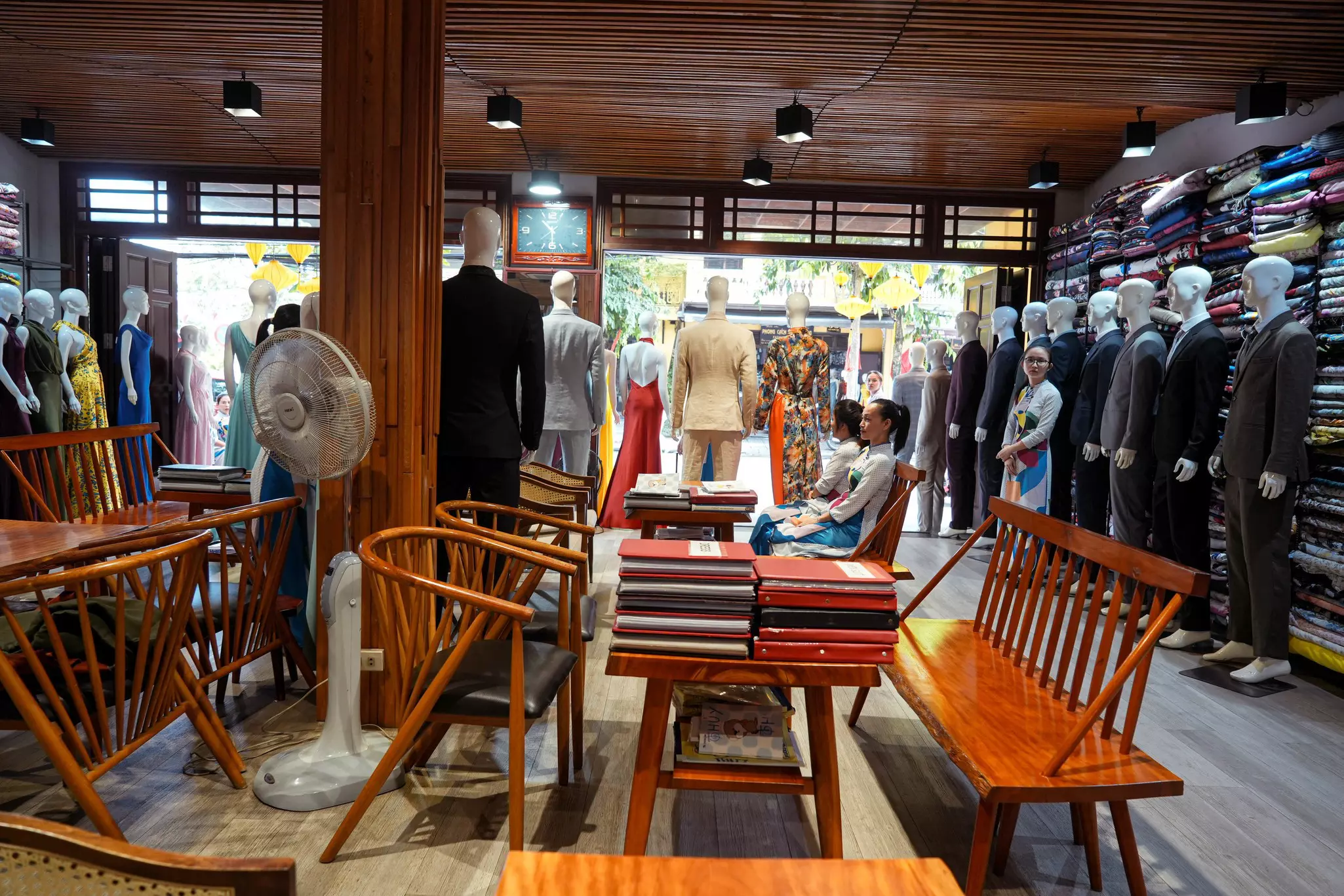
Hoi An is also known for its hundreds of tailor and leather shops, which can turn around a full men’s suit, a woman’s dress or a pair of leather shoes unbelievably quickly, often in just 24 to 48 hours. Choose a style from the many on-site catalogs or bring a photo or a favorite item of clothing to replicate, then select your fabric or leather – and let the magic happen.
Planning tip: While Hoi An’s tailors are fast and talented, sometimes offering a fitting later the same day, it’s always a good idea to allow a few days for multiple fittings, as needed. Shops range from humble mom-and-pop establishments to glitzy showrooms. Tuong Tailor and the next-door Hoi An Shoe Shop 09 (65 Tran Hung Dao) are good midrange options.
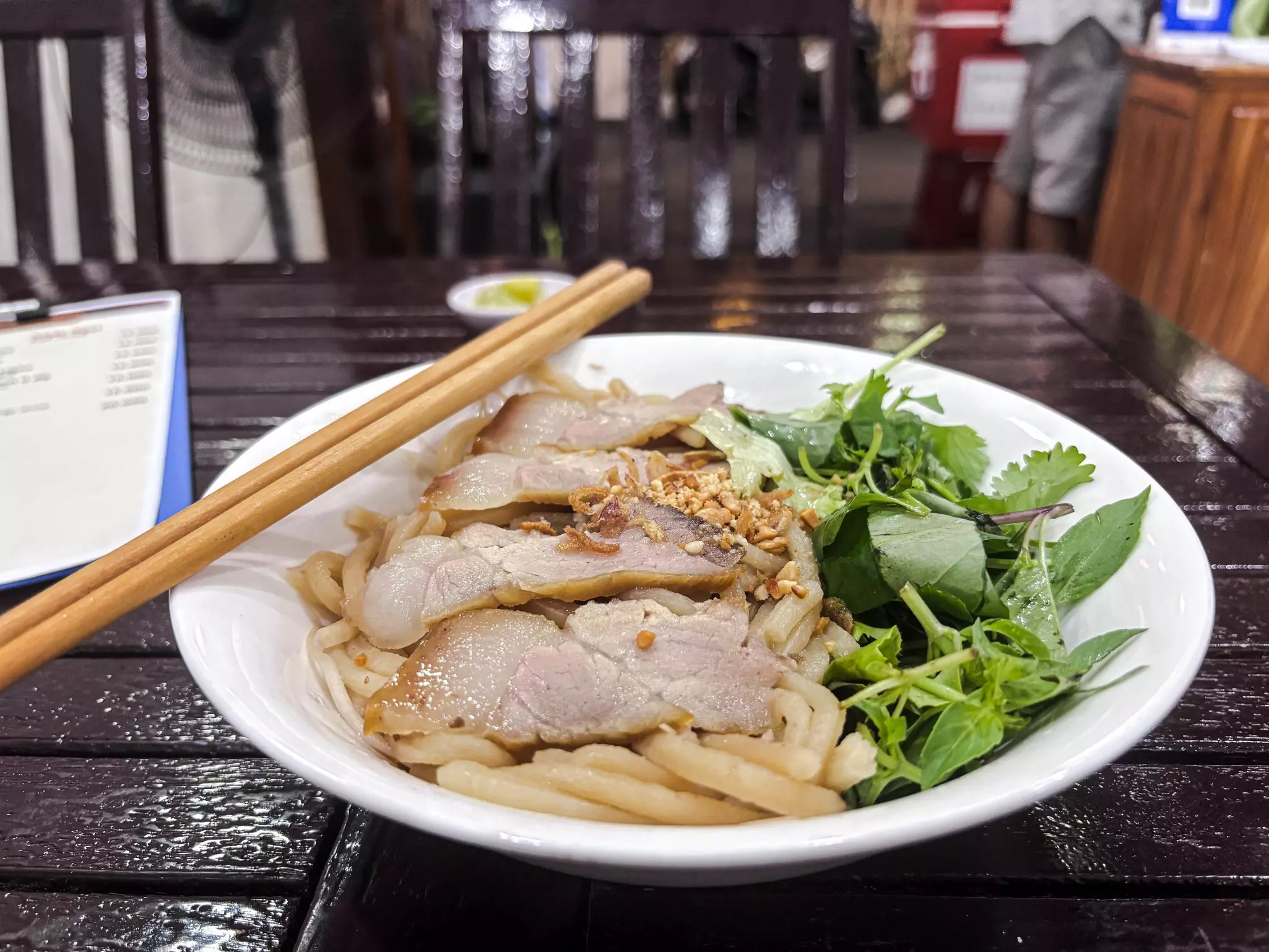
For such a small town, Hoi An has a surprising number of signature dishes. White rose dumplings (banh bao banh vac) are stuffed with shrimp and/or pork then steamed; food lore has it that the Chinese introduced dumpling-making techniques to the Vietnamese, who then substituted rice flour for wheat flour. Hoi An is also known for its chicken rice, a one-plate meal that starts with boiling free-range chicken, then using the broth to cook the rice, which has been dry-fried with garlic for extra depth. The fragrant yellow rice is then topped with shredded chicken and served with pickled papaya and carrot and a small bowl of broth.
Hoi An’s signature dish is cao lau, chewy noodles topped with roast pork, fresh herbs and gravy. Some say the Chinese inspired the char siu pork, while the Japanese were behind the udon-like noodles, traditionally made using water from the historic Ba Le Well in town and lye water derived from ash from the nearby Cham Islands.
For a more fully Japanese meal, NAYUU at Four Seasons The Nam Hai presents a stellar seasonal omakase menu made with premium ingredients flown in from Japan. Each seating (two per evening) is limited to just 16 guests, meaning you’ll likely hear about each dish personally from Spanish-born, Tokyo-trained Chef Alex Moranda.
Planning tip: You’ll find Hoi An’s specialty dishes sold in restaurants throughout the Ancient Town – though we recommend following the locals to Quan Cao Lau Thanh (26 Thai Phien) and Com Ga Ba Buoi (22 Phan Chu Trinh), Hoi An’s oldest chicken rice joint. If it’s packed (and it usually is), instead walk to Com Ga Long (53/16 Phan Chu Trinh) tucked down a nearby alleyway. The family at the historic Quan Thang Ancient House (77 Tran Phu) makes tasty white rose dumplings in the back. If you’re not using your ticket to tour the 18th-century wooden house, you can access the small eatery down the narrow alleyway one house over to the right.
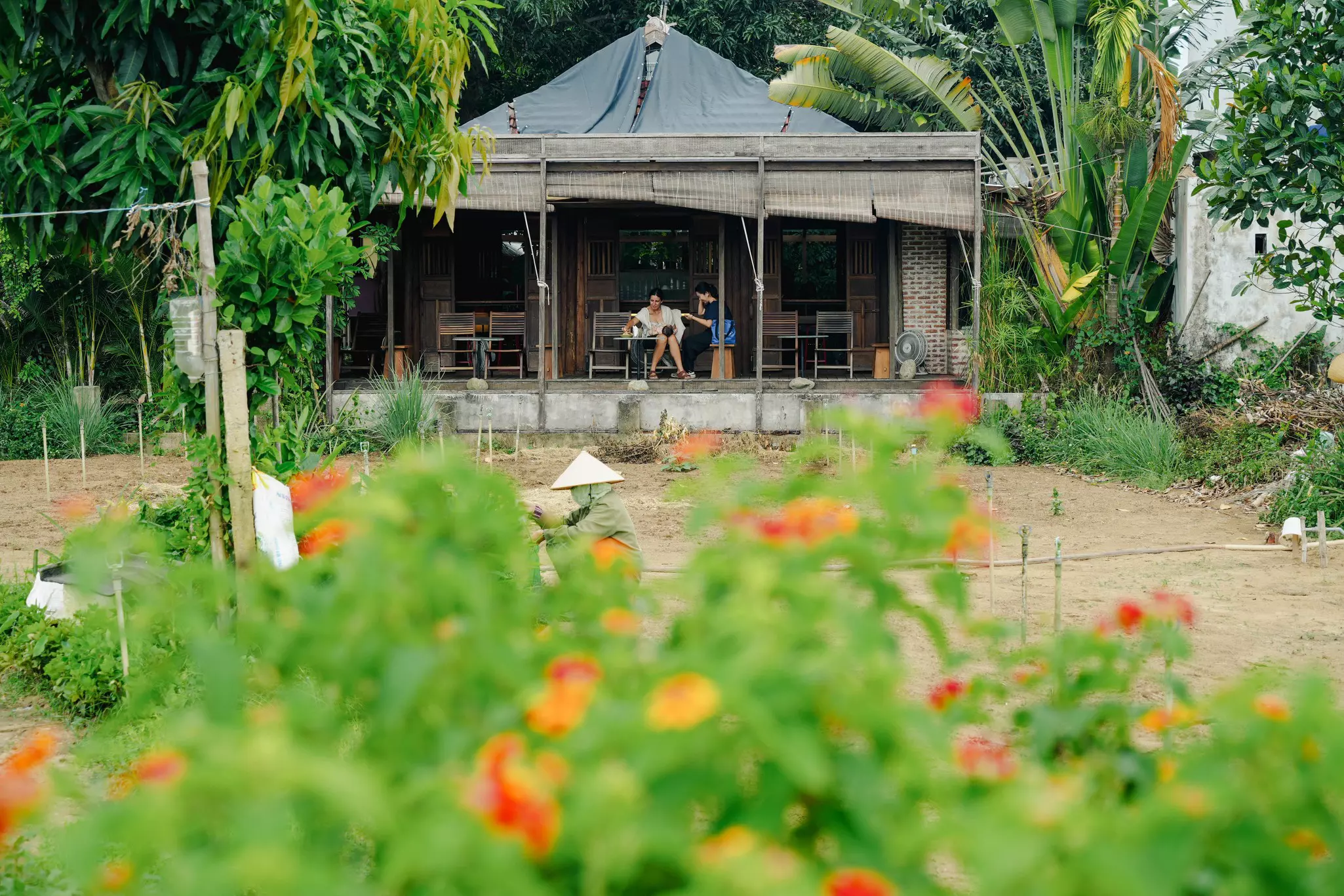
Hoi An’s tourist-filled Ancient Town is just 10 minutes away from blessedly quiet countryside filled with emerald rice fields, fish ponds and farmers with their buffaloes. Flat roads make cycling a breeze, and most hotels have complimentary bicycles for guests. Alternatively, visitors can get a motorbike from Hoi An Bike Rental dropped off at and picked up from their hotel. A popular cycling destination is the 400-year-old Tra Que Vegetable Village. While river weed no longer fertilizes the organic fields, Tra Que remains a quaint destination, now packed with cooking classes, homestays and cafes like Café Slow set right in front of the gardens. South of town, Lo Gach Cu serves up coffee and meals smack in the middle of a rice paddy.
Planning tip: The twice-yearly rice harvest takes place toward late April and late September. Just before, the fields are at their most beautiful – but for a few weeks after, you’ll find bare, brown patches of land.
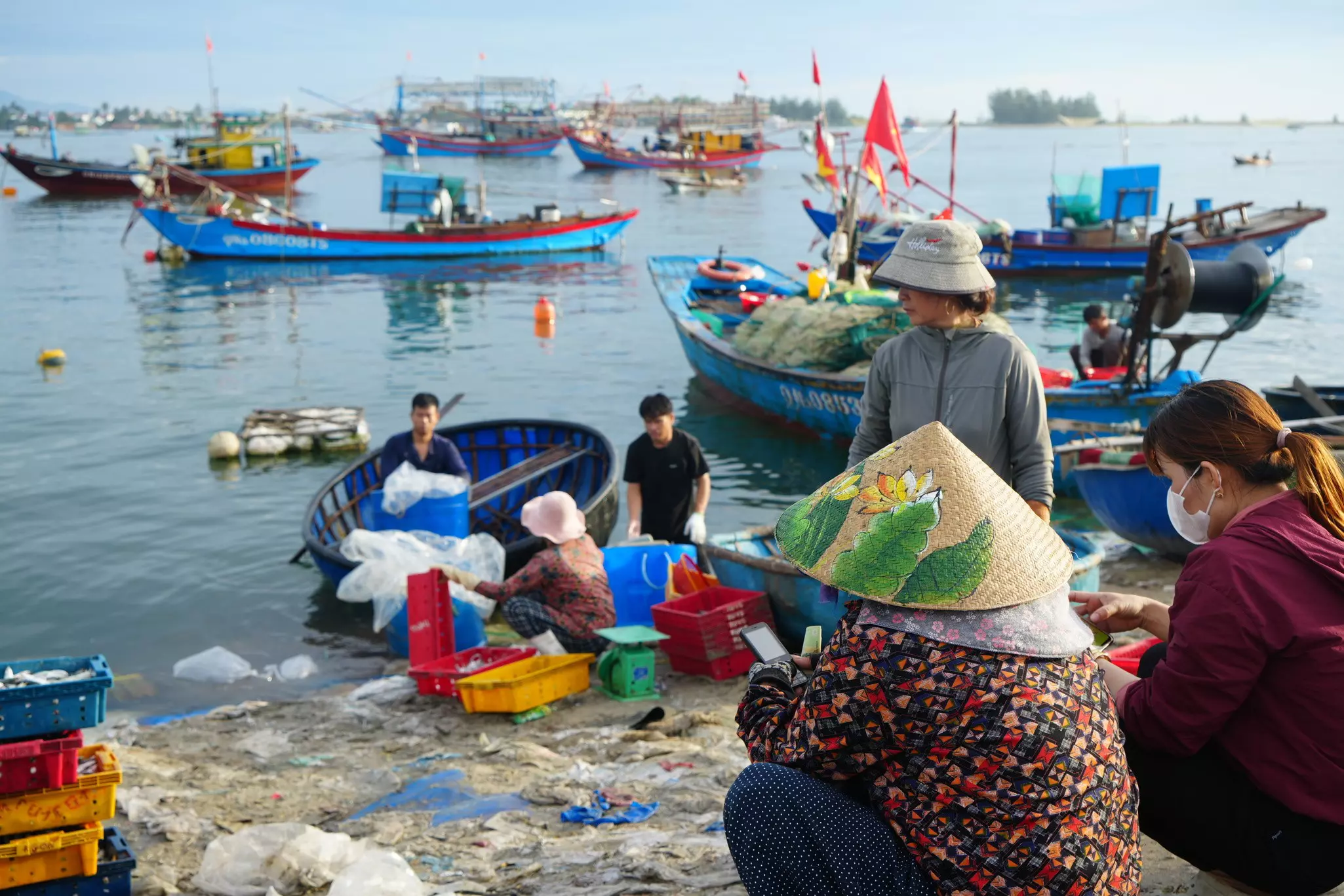
With its artfully faded walls, strands of lanterns and colorful pagodas, Hoi An looks like a movie set. Yet it’s not always easy to capture the town’s allure. “From 7–10am, it’s wedding shoots and then Vietnamese taking selfies,” says Hoi An–based photographer Réhahn. “After 7pm, you have the lanterns and crowds. Hoi An is different at all times of day.” Stop by Réhahn’s gallery for inspiration on capturing iconic Hoi An scenes. For a more hands-on approach, set out on a photography tour with photographer Etienne Bossot, who runs user-friendly, in-the-field instructional tours for shutterbugs of all levels, even those with just phone cameras. The countryside, fish market or Ancient Town will serve as the classroom.
To add a sense of whimsy to your photography, rent costumes inspired by the Nguyen dynasty at Viet Phuc Hoi An, conveniently located just steps from the Japanese Bridge. You can also book hair and makeup, as well as a tour guide/photographer who knows all the best backdrops in town. You may stand out a bit as you bop around town in a traditional ao dai, photographer in tow – but the photos after will make it all worth it.
Local tip: Bossot recommends getting up early and going out to the countryside for best photos. “Show interest in people and what they do. Don’t just say ‘I want to take your photo,’” he adds. “Follow the light. If light is shining on just one part of the wall, let the light tell you what to do as it’s always unpredictable and you’ll get a unique shot.”
Where to stay: All-villa Four Seasons The Nam Hai is all about balance – exploration and relaxation, beach and town. Located along a pristine 1km-long stretch of An Bang Beach, just a 15-minute complimentary shuttle ride from the Ancient Town, Four Seasons brings Hoi An touches into the property, like the daily lantern release ritual, ombré curtains in the villas that recall the lantern-lit town at dusk, and an on-site cooking academy that makes use of herbs and vegetables grown on the premises.
James Pham traveled to Hoi An on the invitation of Four Seasons The Nam Hai. Lonely Planet does not accept freebies in exchange for positive coverage.
Explore related stories