Sep 29, 20268 min read
Rio de Janeiro vs São PauloSep 29, 2026
8 MIN READ
Contributors
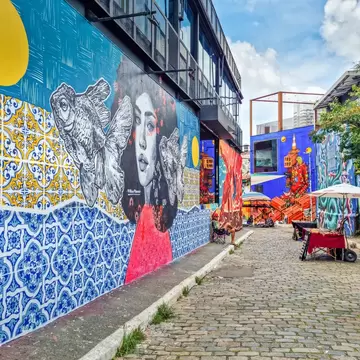
Artwork on Beco do Batman in São Paulo, Brazil. Travel-Fr/Shutterstock

Contributors


Joel Balsam, Jamie Ditaranto
Lonely Planet may earn a commission from affiliate links on our site. All recommendations and reviews reflect our own independent opinions.
From powdery white-sand beaches and wildlife-filled rainforests to pumping surf and frozen-in-time towns, Brazil offers travelers an endless mix of adventure and beauty. The country’s two main cities, Rio de Janeiro and São Paulo, are perfect jumping-off points that are full of life, history and celebration.
São Paulo is home to 20 million fiercely proud paulistanos (as residents are known), all of whom will happily tell you at length that they’d never live elsewhere. Spend time with them and the reasons will soon unfold. Maybe they will introduce you to the city’s innumerable art house cinemas and experimental theaters. If they’re gourmands, they’ll focus on the bistros that make the city a foodie haven. If they’re scenesters, follow them on a raucous tour of underground bars and the 24/7 clubbing scene. Whatever pleasures you might covet, Sampa (the city’s affectionate nickname) probably has them.
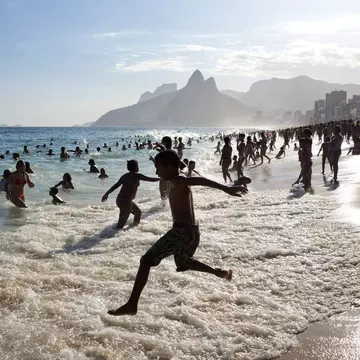
Meanwhile, Rio de Janeiro is always a dynamic place to visit, no matter how you like to spend your time. While large-scale festivities such as Carnaval have made Rio famous, occasions for revelry happen every day: Saturday sun sessions at Ipanema Beach; festas (parties) in Lapa; soccer matches at the Maracanã; and impromptu rodas de samba (samba circles) on the sidewalks of Leblon, Copacabana and just about any other corner in the city.
Not sure where to start planning your Brazil trip? Two of our experts are here to help you choose between Rio de Janeiro and São Paulo.
Freelance journalist Joel Balsam moved from Canada to Rio two and a half years ago, and cowrote the latest Lonely Planet Rio de Janeiro guidebook. Find him riding on the back of a rideshare motorcycle to samba circles and parading through the streets at Carnaval, which he’s been to five times.
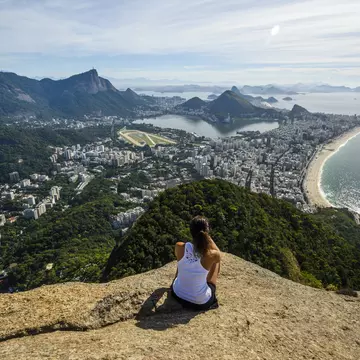
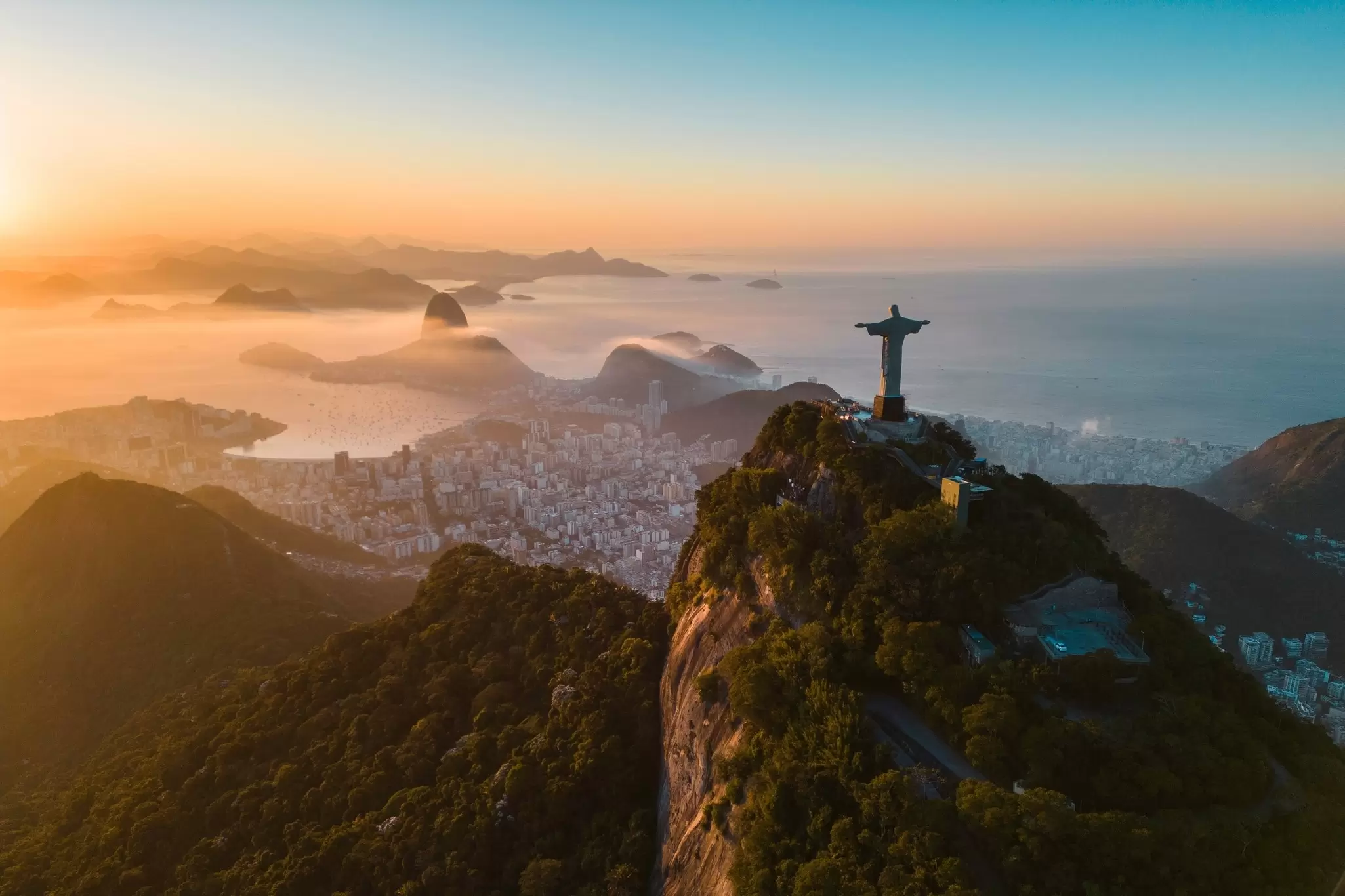
No city in the world is more beautiful than Rio de Janeiro – and I’ve checked. I’ve been to more than 60 countries, and Rio has the most marvelous urban landscape I’ve ever seen. No wonder they call it a Cidade Maravilhosa (the Marvelous City).
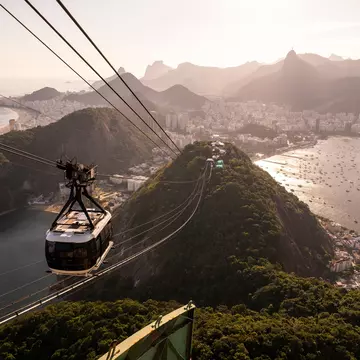
There are beaches to sing songs about, lush forests with trails that lead up to waterfalls, and viewpoints where the city is painted in red and gold for sunrise and sunset. Take it all in on one of the cycling paths on the waterfront.
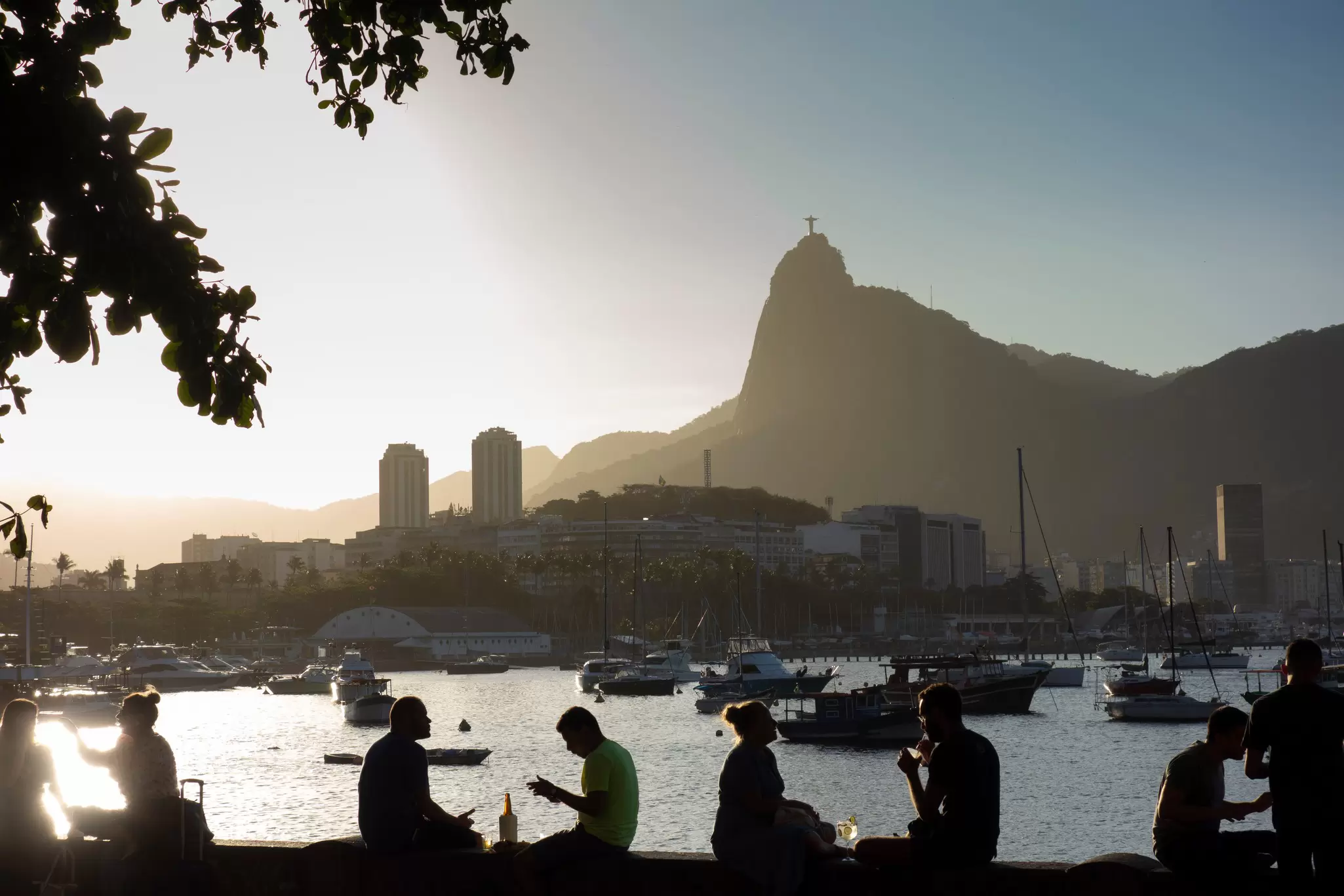
The weather in Rio ranges from blissfully warm to really hot year-round. From June through August, winter – if you can call it that – rarely sees anything lower than 15°C (59°F). It’s a beach day every day, except when it rains, which is more frequent from November to March. Even then, the rain can be a refreshing respite from the heat.
Despite elevated crime rates, especially for phone theft, life goes on in Rio. You just have to be more careful in deserted or crowded places, just as you should in São Paulo, where theft is nearly as common. If it’s any conciliation, in the four years I’ve lived in and visited Rio, I’ve never been robbed.
While São Paulo might have more flights from its four airports, Rio has direct flights to key hubs like New York City, Miami, Toronto, London, Paris, Frankfurt and Panama City. And more have been added recently, including a new direct route to New York City with domestic carrier Gol.
A huge benefit to flying into Rio is that the roads to the airports don’t typically face the same level of gridlock as in São Paulo. And the descent into domestic Santos Dumont Airport between Praia do Flamengo and Sugarloaf Mountain might just be the prettiest landing anywhere in the world.
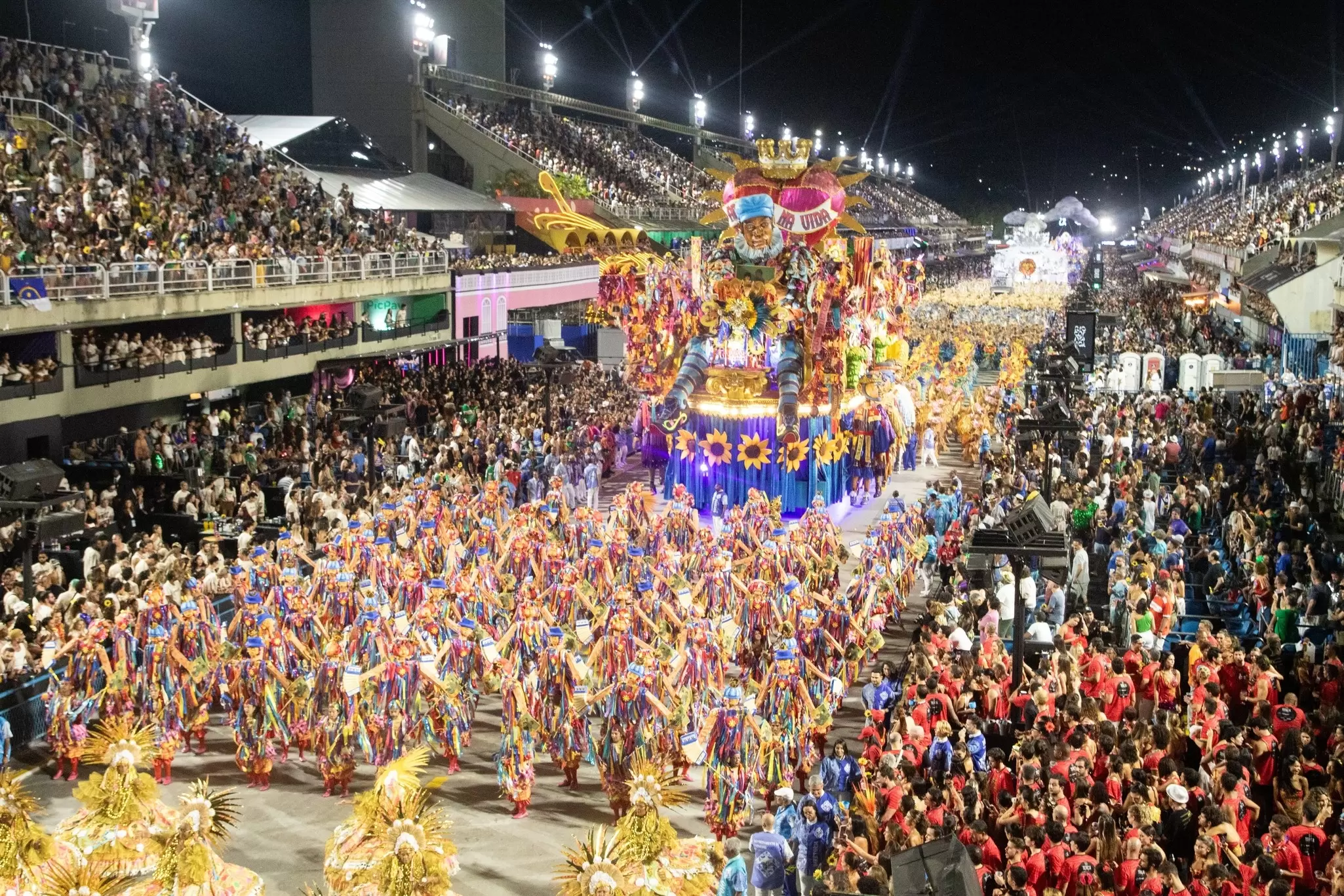
Experiencing the samba schools parading in front of 90,000 people at Sambódromo Marquês de Sapucaí is out of this world. São Paulo’s Carnaval is up and coming, but it isn’t in the same galaxy. Plus, during Rio’s Carnaval in February or March, as well as the months leading up to it, streets fill with blocos (parades), where musicians and revelers adorn their tightest and brightest to sing along to Brazilian and international hits. It’s so fun that I’ve been five times and will never get sick of it.
Sip caipirinhas at the beach, or drink the coldest, smoothest beer while sitting on plastic chairs at a boteco (bar) during a samba performance, then get home before midnight. That’s much more ideal than staying up until 3am and missing out on the next morning’s sightseeing.
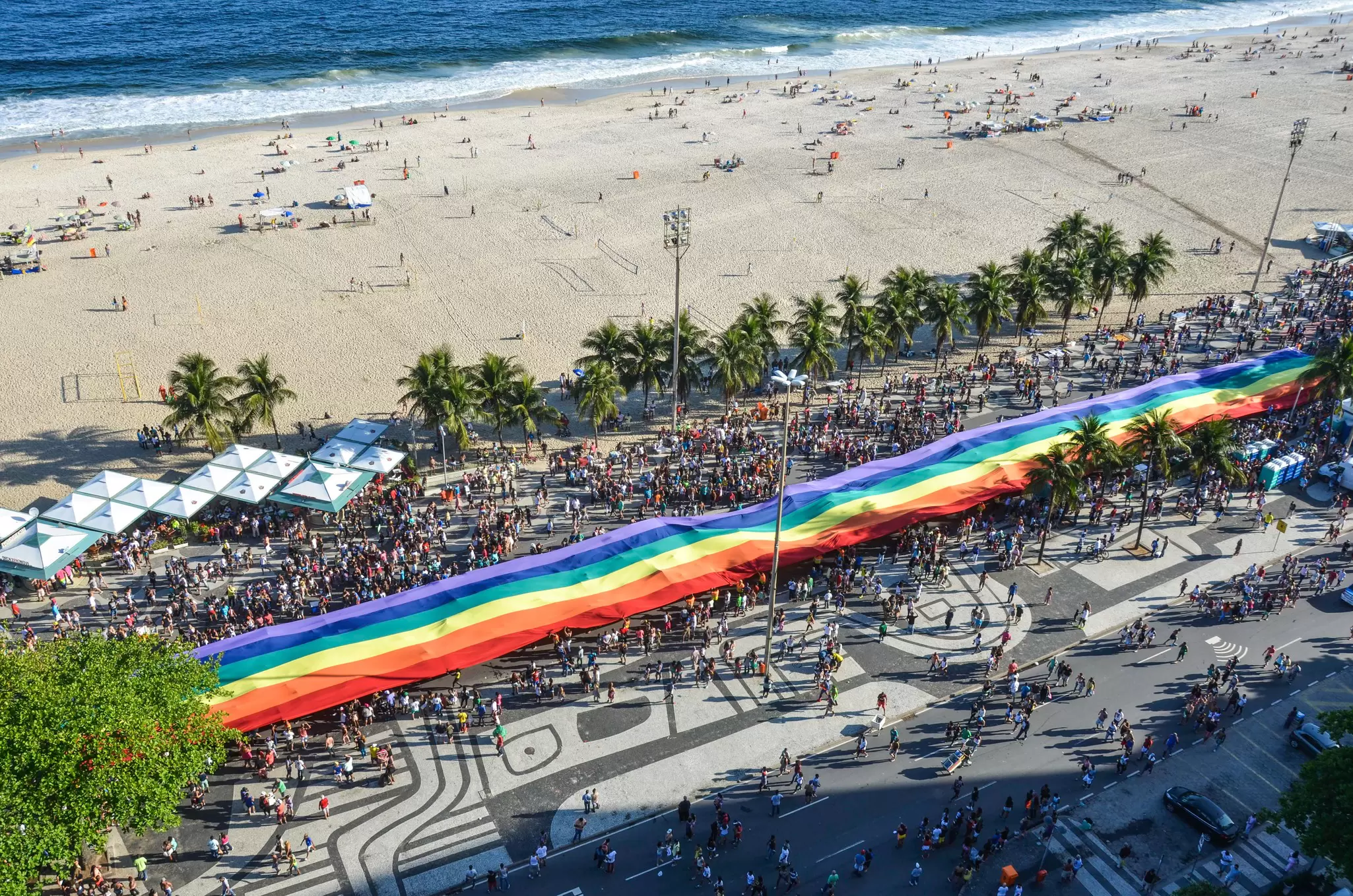
Pride might be larger in São Paulo, but Rio is LGBTQ-friendly year-round. Hang out on the beach at a LGBTQ-friendly tent before going to an all-night club. There’s even a new 18-story hotel catering to LGBTQ+ travelers called The Tryst opening on Ipanema Beach in 2027.
Everything a visitor needs, including Sugarloaf Mountain, Cristo Redentor and Ipanema Beach, is located in Rio’s South Zone – all easily accessible by bike, rideshare or public transportation, or on foot. The biggest challenge is deciding which South Zone neighborhood to stay in, as they all have their advantages.
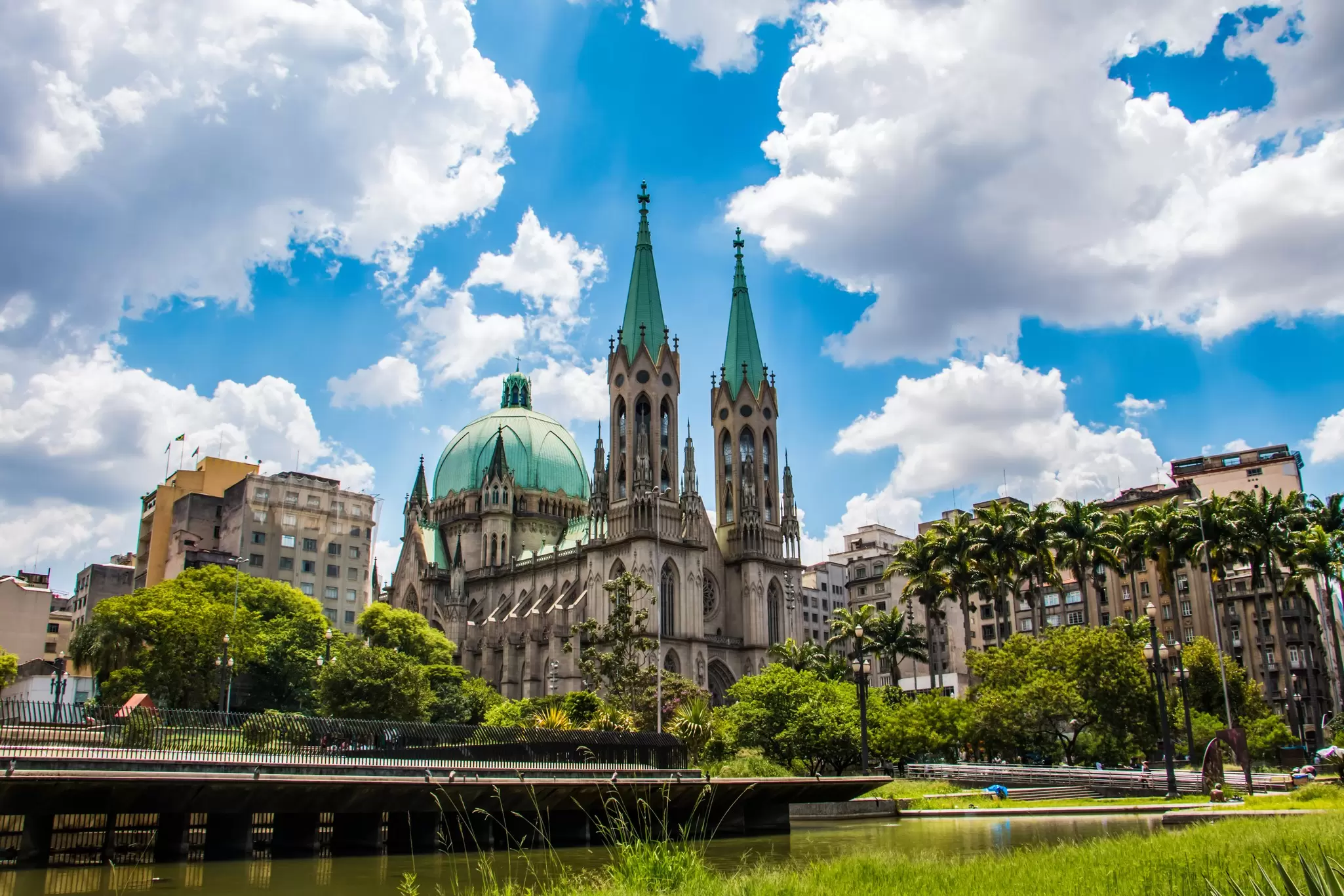
Jamie Ditaranto is a Brazilian American travel writer who has been going to São Paulo and around Brazil since childhood. She is a coauthor of Lonely Planet’s Brazil guidebook and covered the Liberdade neighborhood for the best places to go in 2026.
São Paulo may not have the beach or mountains of Rio, but what it lacks in natural beauty, it makes up for in art galleries and hip neighborhoods, and as the country’s culinary epicenter. But a trip to the largest city in the western hemisphere is not something the average traveler can wing.
In a landscape dominated by high-rise condos, it takes some planning to pick out the best neighborhoods and restaurants, and figure out how you’re going to navigate the sprawl. No tourist route rolls out the red carpet to visitors, but those who succeed in cracking the tough nut of the cosmopolis that is São Paulo will be rewarded with some of the best museums, live music and shopping that Brazil has to offer.
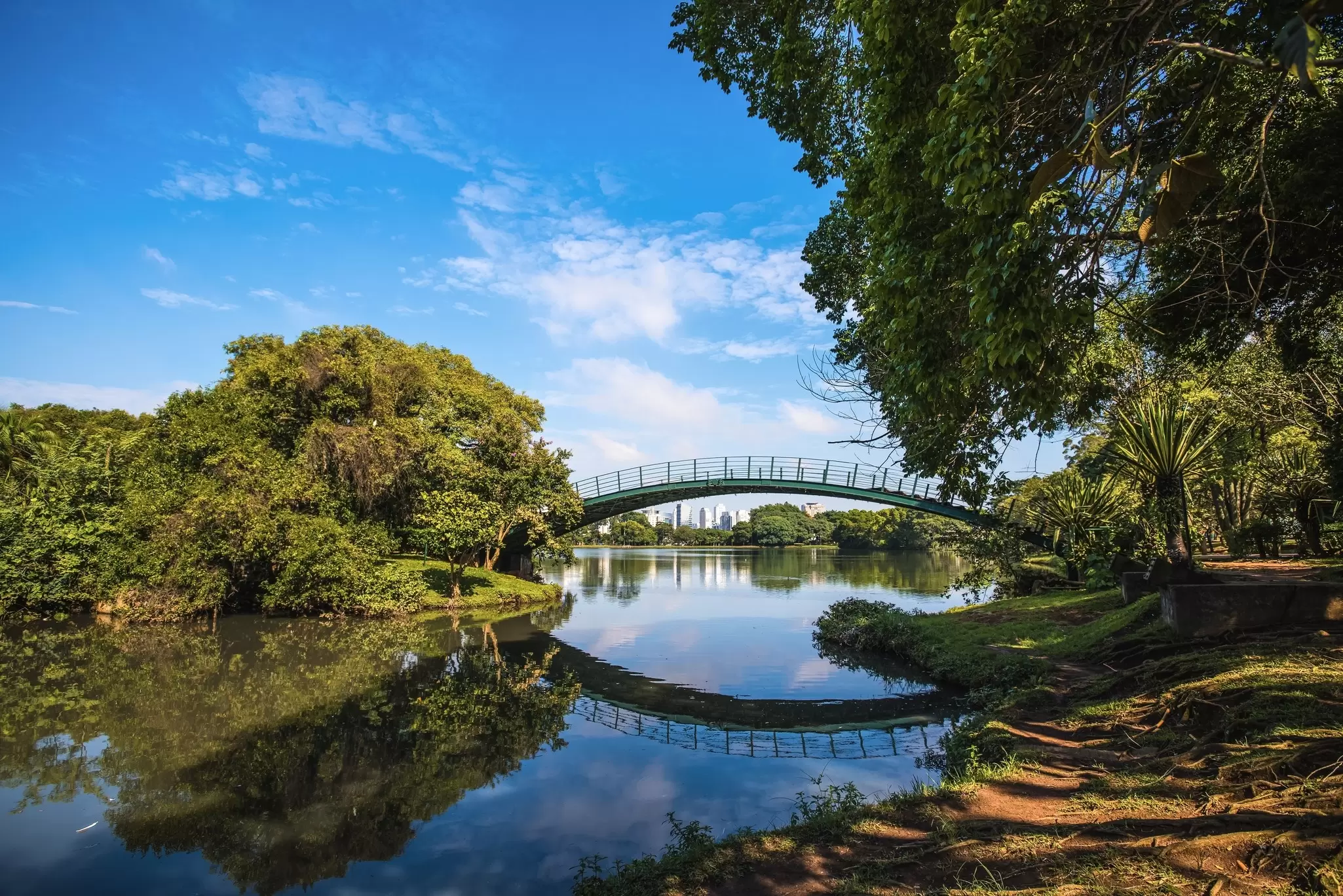
Located atop a plateau 80km from the ocean, São Paulo experiences a decent range of tropical and temperate weather. Summer temperatures peak in February with highs of 27℃ (80℉), and winters are more mild with highs of 22℃ (72℉) in July. Overcast days are the norm, but the rainy season typically goes from mid-October to mid-March.
São Paulo has a better safety reputation than Rio de Janeiro. Because there is no direct counterpart to Copacabana, a beach that attracts tourists and pickpockets in equal measure, visitors are more dispersed. If you want the safest places to stay, find accommodation in high-security and more upscale neighborhoods like Jardins and Itaim Bibi, which are centrally located to major attractions like Parque Ibirapuera and Avenida Paulista.
Processing nearly 50 million passengers annually, the busiest airport in Latin America is Guarulho, which is less than an hour’s drive from the city center, give or take traffic. This makes it a convenient city for a one-day or weekend stopover.
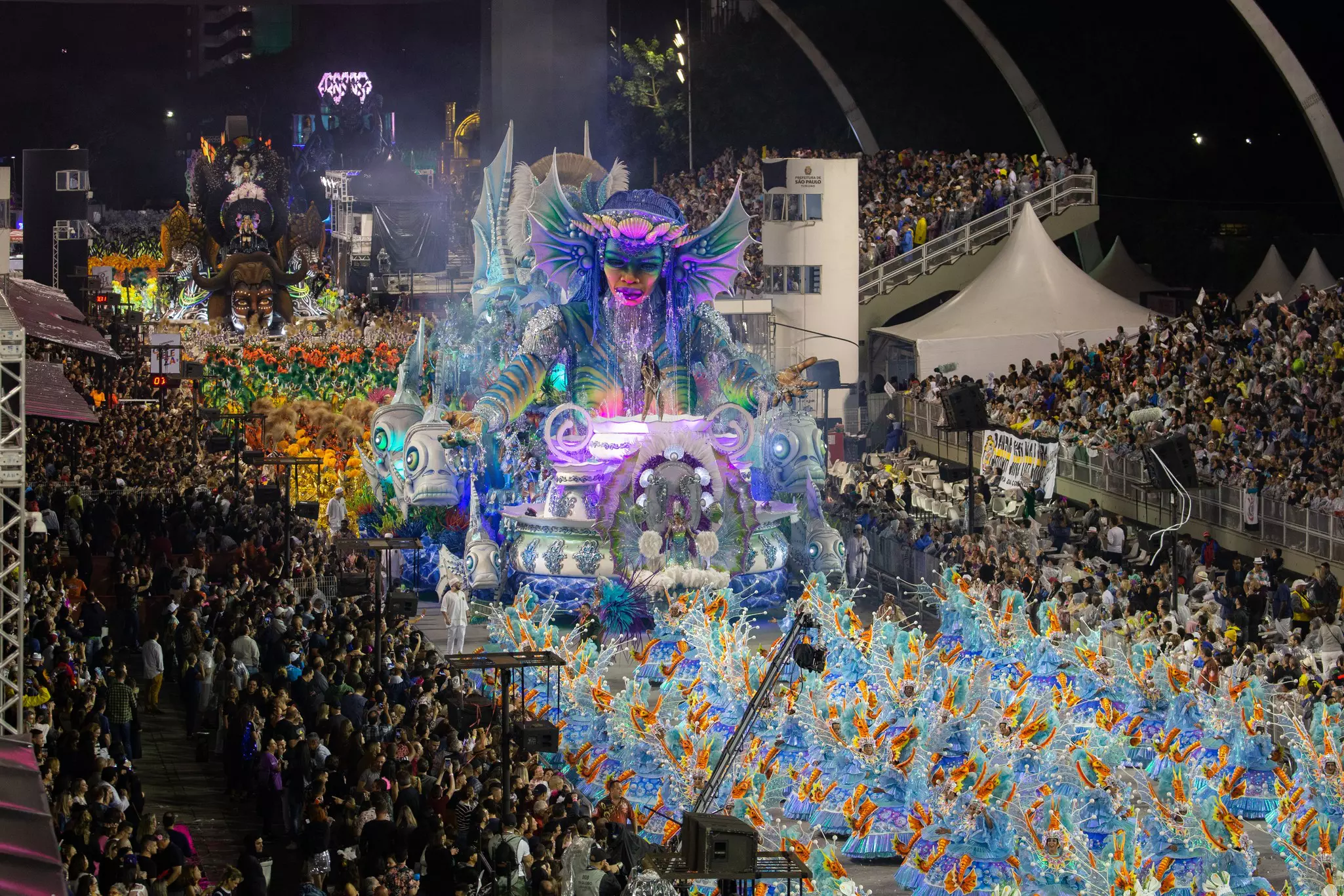
When it comes to Carnaval, even paulistanos have to give it to the cariocas (Rio residents). But you can still enjoy the festivities at the Anhembi Sambadrome, where the parades are free to attend. Throughout the city, you will find a wide variety of blocos, from the classic samba bands in Vila Madalena (Bloco os Madalena) to Beatles-themed parties (Bloco do Sargento Pimenta) that put a Brazilian twist on the band’s catalog. There might not be a beach, but that doesn’t mean paulistanos don’t know how to throw a party.
Look for botecos when you want to enjoy a laid-back atmosphere with beer or caipirinha, or seek out live music at some of the top venues, like Casa de Francisca in Centro or the city center. Tokyo is a particularly big draw, with multiple floors for dancing, karaoke and a restaurant when you need to replenish your energy. Fancy a cocktail? Try Tan Tan, one of the world’s top bars and a Japanese restaurant
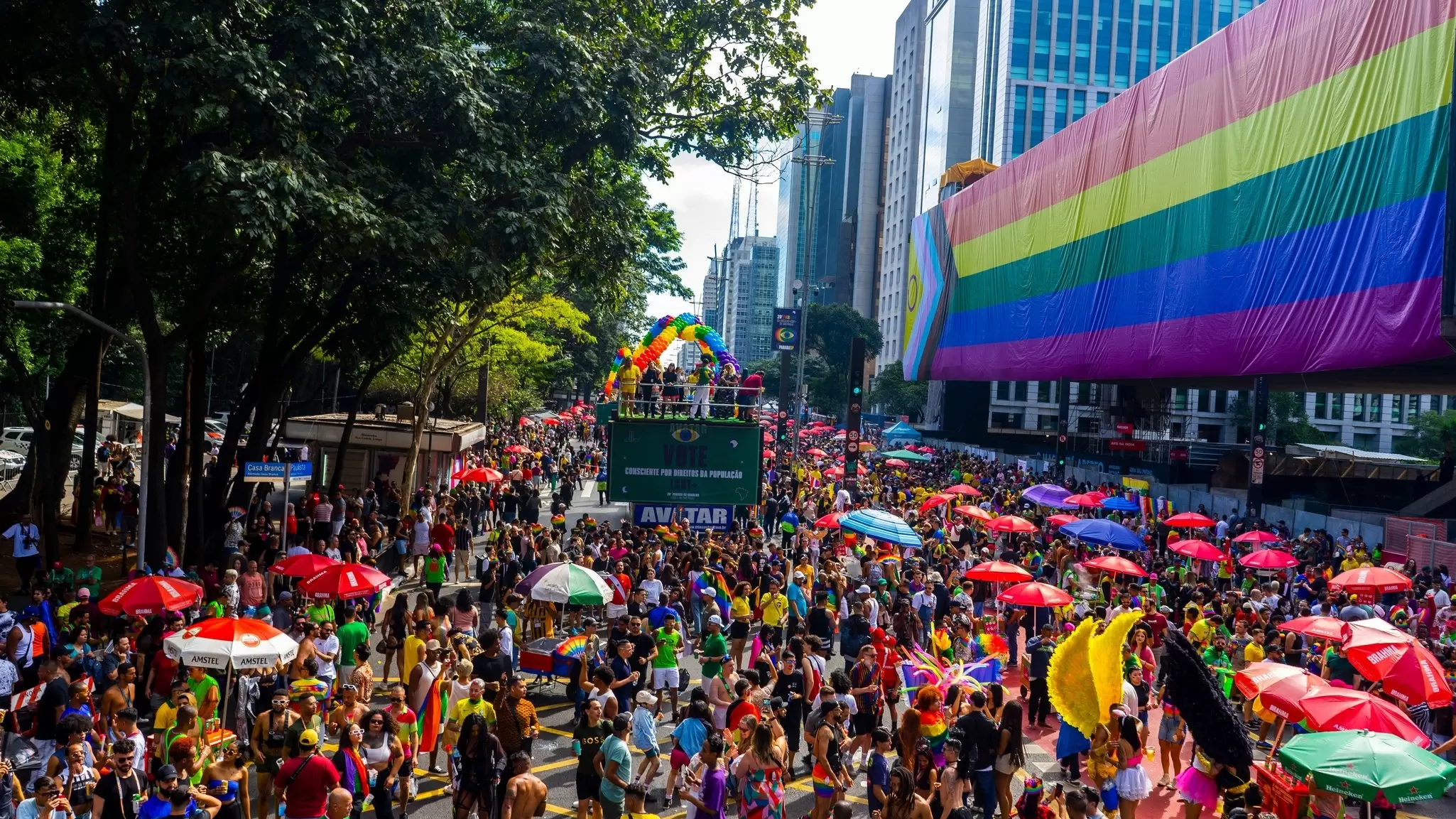
A city of 12 million people, São Paulo hosts one of the largest Pride celebrations in the world. Every June, the parade begins at the Museu de Arte de São Paulo on Avenida Paulista, transforming the city into a multiblock all-day party with fabulous floats and live music. This is the biggest Pride celebration you will find in all of Brazil – and there are legendary after-parties.
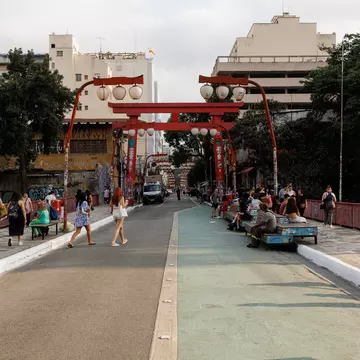
A successful trip to São Paulo hinges on the neighborhoods you spend your time in. Vila Madalena is the artsy enclave that surrounds the famous street art alley Beco do Batman, and Liberdade is a good go-to for bargain hunting in the shopping arcades and finding all kinds of Asian restaurants.
Explore related stories