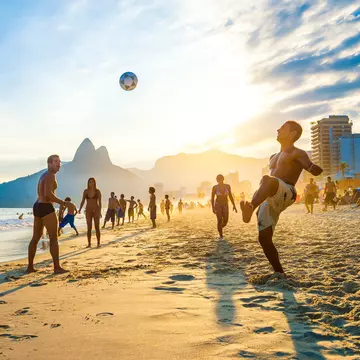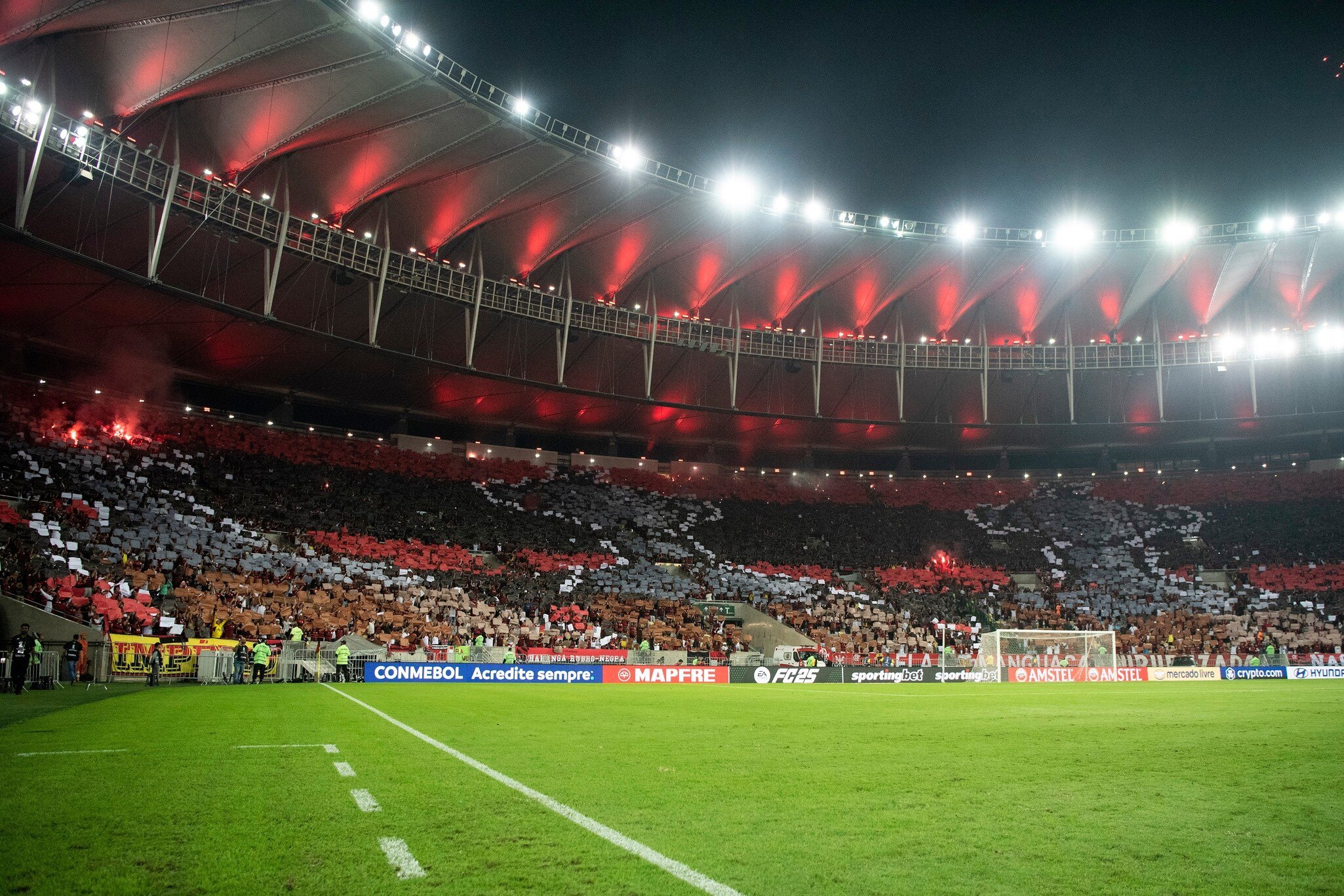
The Maracanã was inaugurated June 16, 1950, and has been the heart and soul of carioca football ever since. Football is more than a religion in Brazil – it's a way of life. The country virtually stands still when the national team plays in the World Cup, and similarly, the city stops when its top clubs go head to head, when all eyes turn to the Maracanã.
The Church of Football
When it was built, the Maracanã was the largest stadium in the world, capable of holding nearly 200,000 spectators. Its first World Cup match was played a week after its inauguration, with Brazil beating Mexico 4 to 0. The stadium has gone on to host the Final of the Confederations Cup in 2013, the 2014 World Cup and the opening and closing ceremonies of the 2016 Olympics, as well as concerts by the Rolling Stones, Tina Turner, Coldplay and Madonna, plus two outdoor masses led by Pope John Paul II in 1980 and 1997. The stadium is also set to host the opening and closing games of the 2027 Women's World Cup.
Modernization
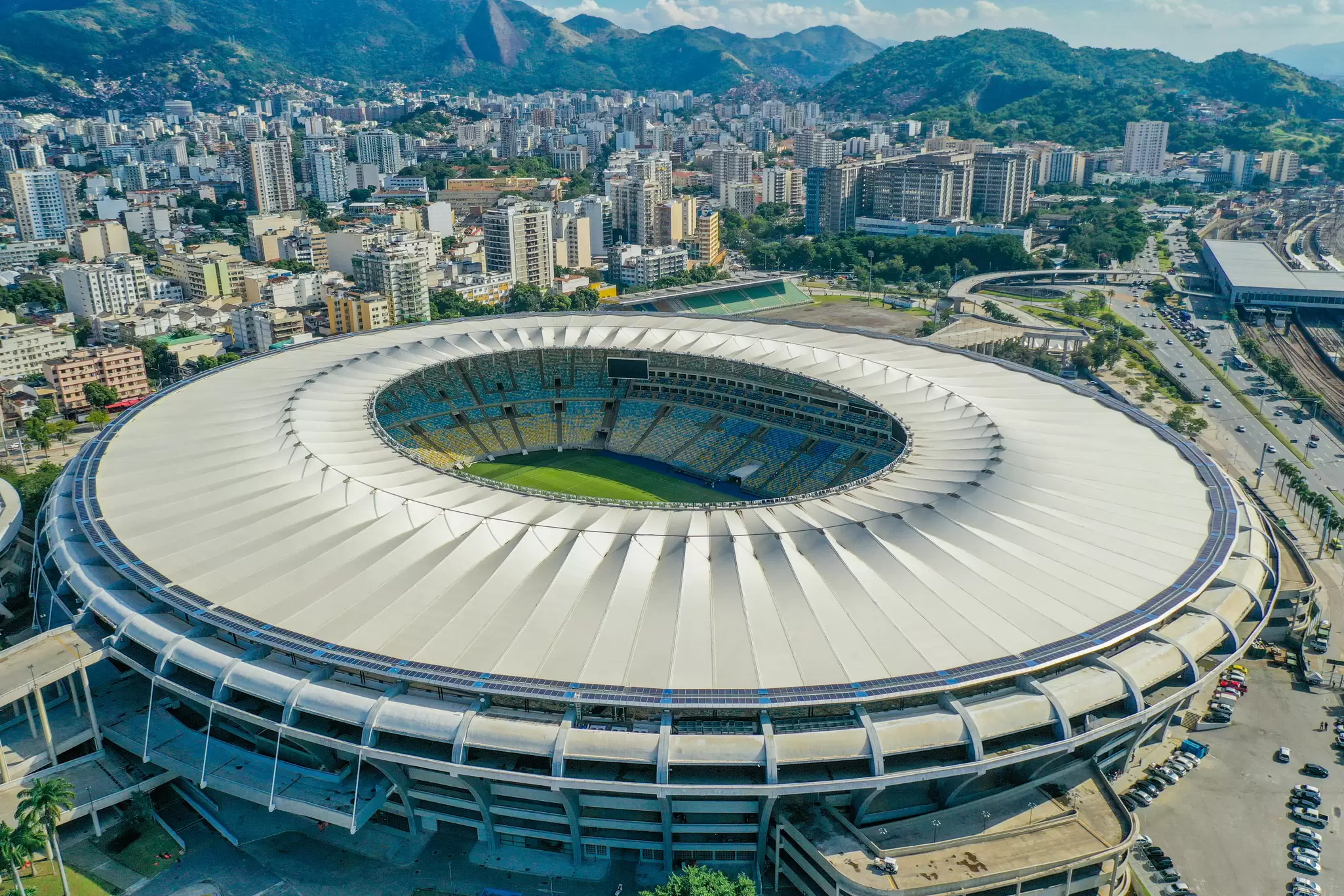
Prior to the 2014 World Cup, the Maracanã was modernized to fit FIFA's standards, substituting the standing-room style seating for stadium chairs and reducing spectator capacity to just under 80,000 people. Although it remains the largest stadium in Brazil, the move created plenty of controversy, as it eliminated the cheapest spectator sector – making it more difficult for the lowest income fans to afford tickets – and decreased capacity for important games. However, the modernization also improved the safety of the stadium, making games a more attractive outing for local families.
Management
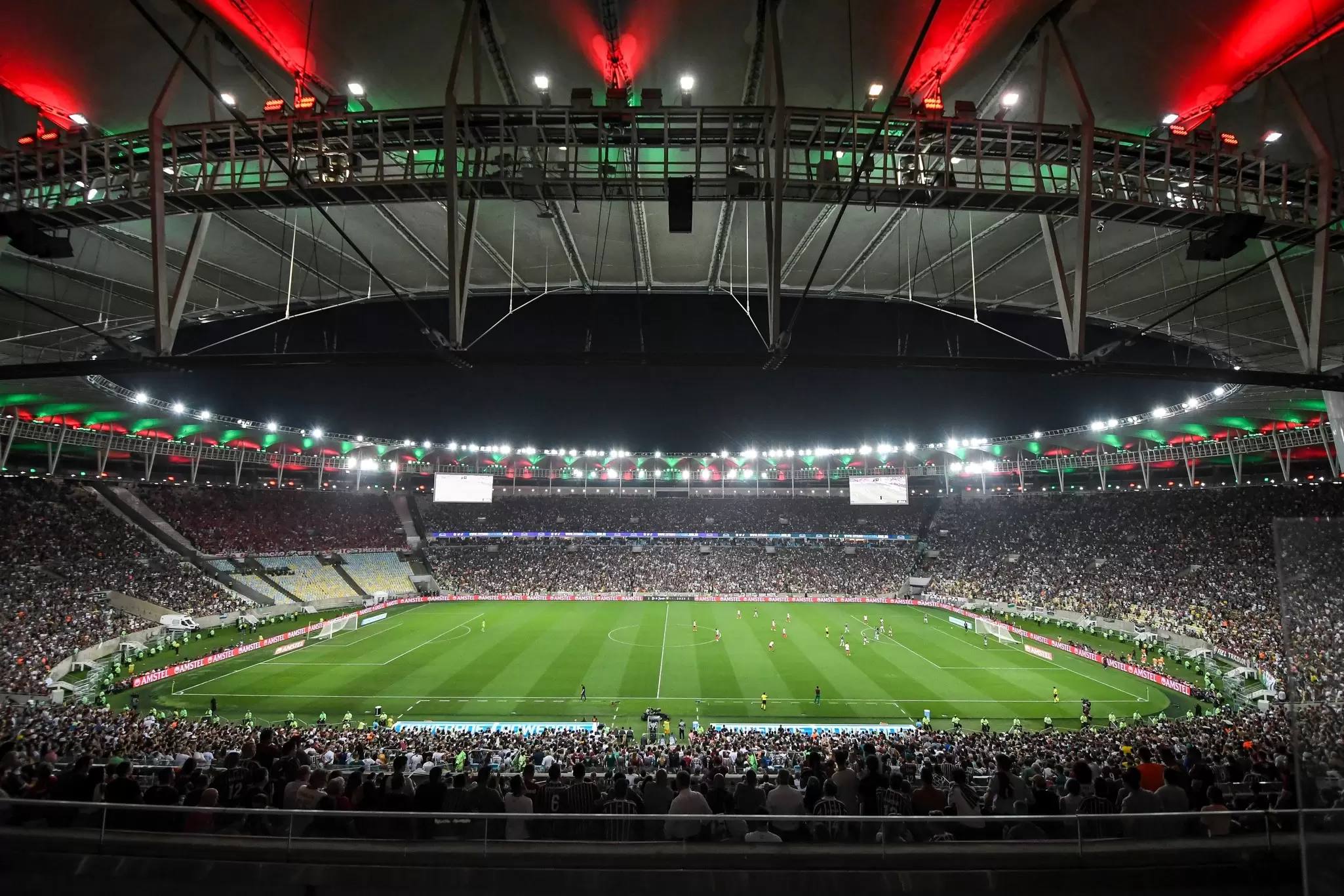
In 2019, the city's government canceled the Maracanã's management contracts, and the administration was turned over to the city's two largest football clubs – Flamengo and Fluminense. The pair created a management society, Fla–Flu SA, which is now responsible for managing the stadium and its complex.
Game Day
There are matches year-round, generally on weekend afternoons or on Wednesday or Thursday evenings. Tickets for matches are available online or at the door, although prepurchase gives you more seating options, and is basically a requirement if you're going to a much-awaited game.
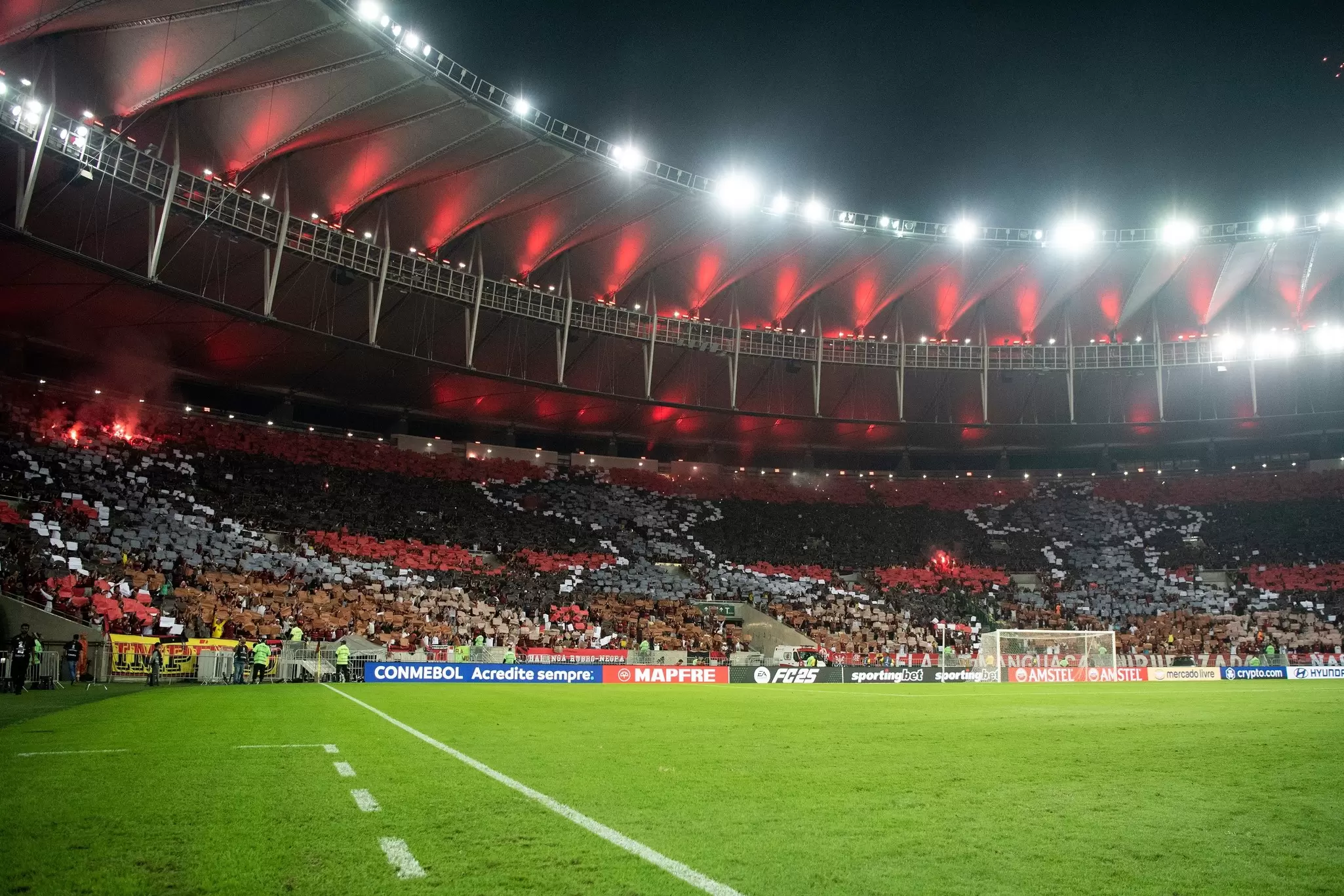
The torcidos (fan clubs) congregate behind their respective goals for nonstop singing, drumming and heckling (sectors E&F or C&B – the cheapest seats), while the East (Section D) and West sections (A) offer a relatively calmer experience and have better views of the field. Maracanã Mais tickets are box sectors on the West side of the stadium that include a buffet meal and start around R$150. Bring beer money and plenty of sunscreen, as not all sections are in the shade.
Stadium Tour
You can visit the stadium outside of game days on a Maracanã Tour (tourmaracana.com.br; $R75/37.50 adults/students & seniors), which is a great way to get to know this piece of history without having to go head on with the crowds. Daily, 45-minute long tours are offered by bilingual guides, taking you through the locker rooms, warm-up rooms and the press room before heading out onto the field itself to see how the players feel on the pitch. There is also a small on-site museum where you can see the number 7 jersey worn by Garrincha in the 1962 World Cup; the ball that scored Pelé's thousandth goal; and the story of Zico, still the Maracanã's top scorer to this day.
Maracã-What?
The stadium's official name is the Estádio Jornalista Mário Filho, in honor of the late Pernambucanos journalist, who was jokingly called the "stadium's boyfriend" during the era of its construction for all the help he gave the project. However, it's always been known as the Maracanã, a Tupi-Guarani word that means "rattle-like," in reference to the sound made by the birds who lived in the area.