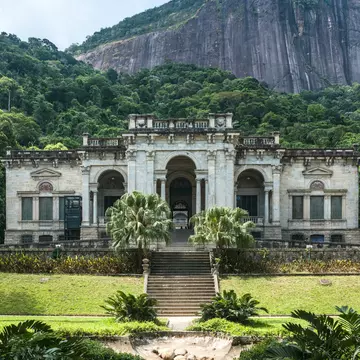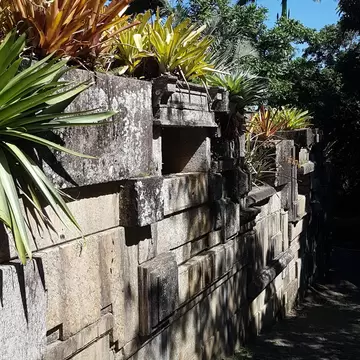
Officially known as the Instituto de Pesquisas Jardim Botânico do Rio de Janeiro (Institute of Studies of the Botanical Garden of Rio de Janeiro), the Botanical Garden is one of the most important research centers for botany and botanical conservation in the world – and this peaceful 54-hectare space is a must-visit during your stay in Rio.
History
The Botanical Gardens were founded by Dom João VI in 1808 as a place to acclimatize plants collected from around the world. After Brazil proclaimed its independence from Portugal in 1882, the garden opened to the public. In 1937, Rio's Botanical Gardens were declared Brazilian historic and artistic patrimony, and in 1991 became a UNESCO biosphere reserve.
Arboreto
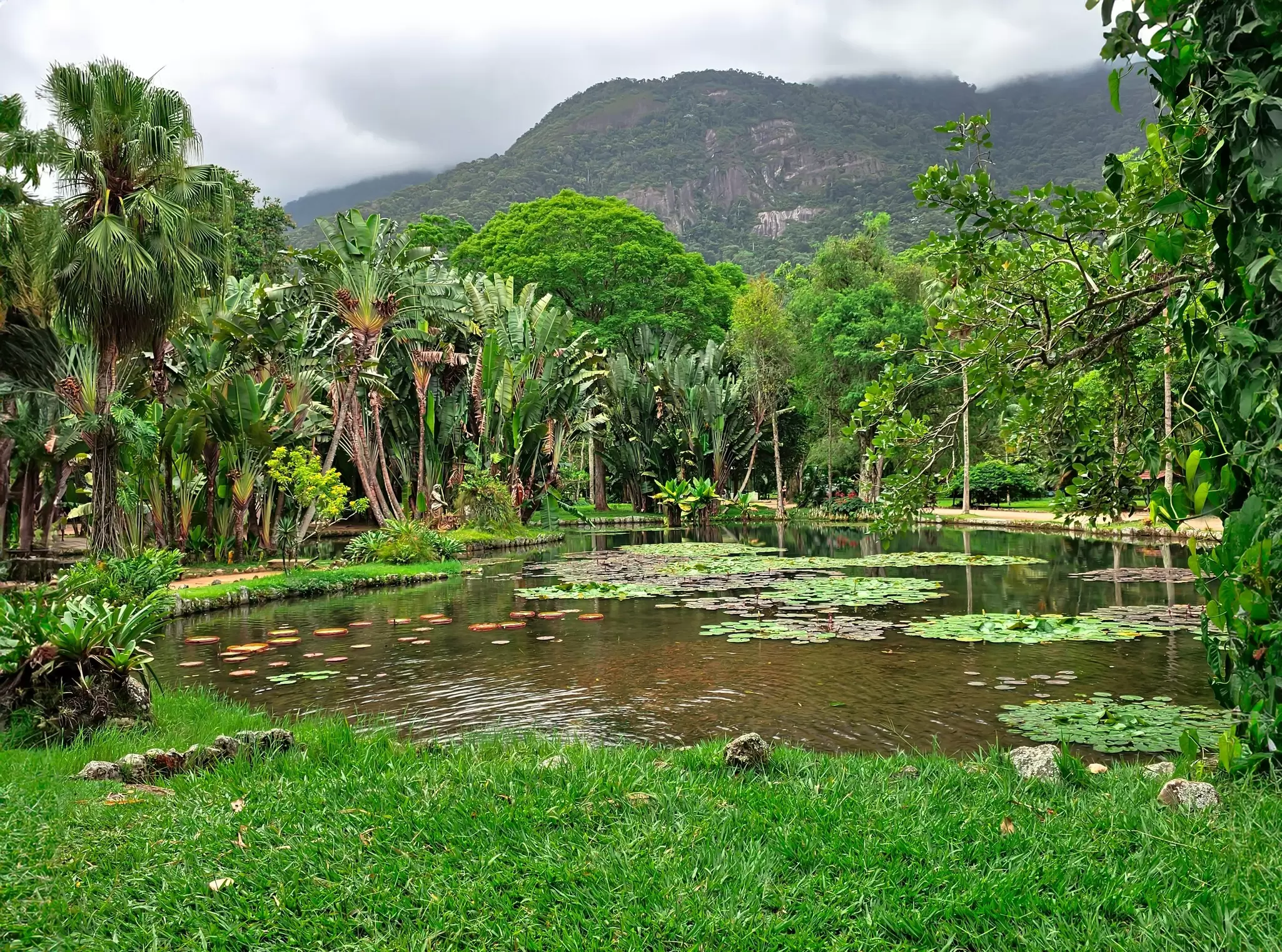
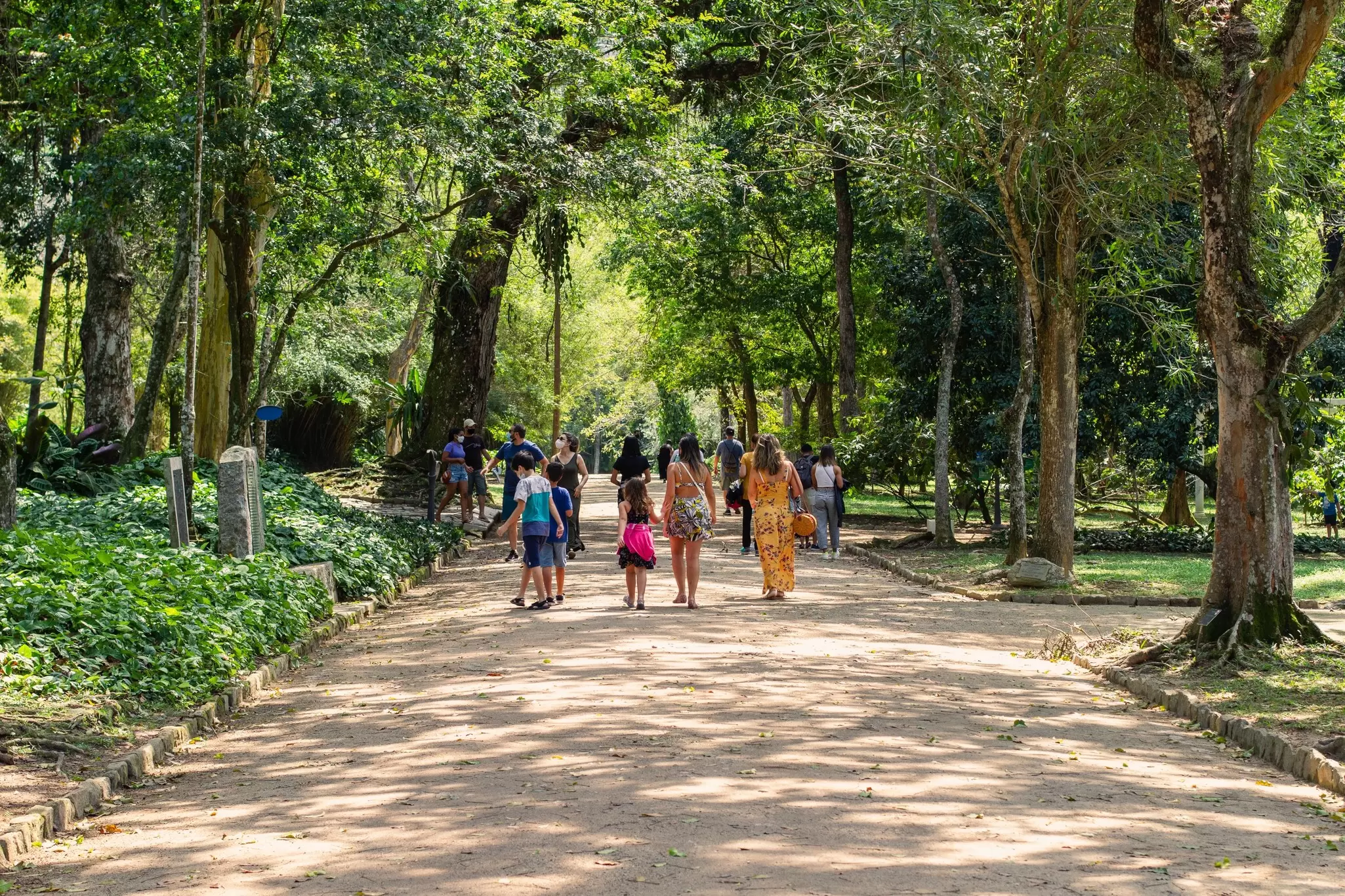
The arboretum, which begins at the park's entrance and encompasses the majority of the grounds, is composed of nearly 9000 different plant species from ecosystems across Brazil and around the world. Hidden among the trees are four lakes, six thematic gardens and four greenhouses, each dedicated to a different type of plant. There is even a stretch of the garden designed to evoke the dense vegetation of the Amazon region, complete with cacao, rubber and pau-mul trees. Keep an eye out for the friendly monkeys found around the park – they're up for photo ops, but please don't feed or approach them.
Imperial Palm Walk
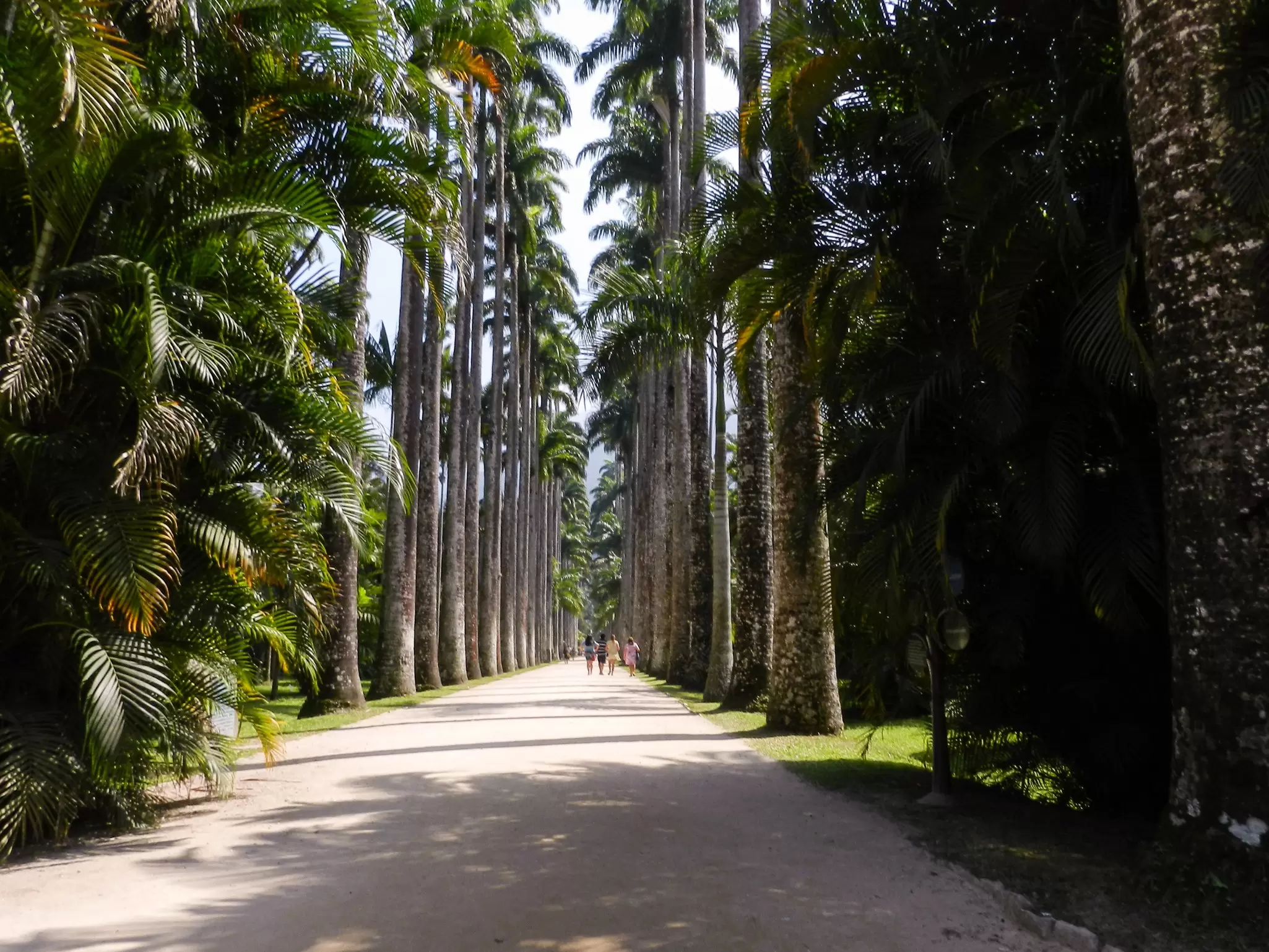
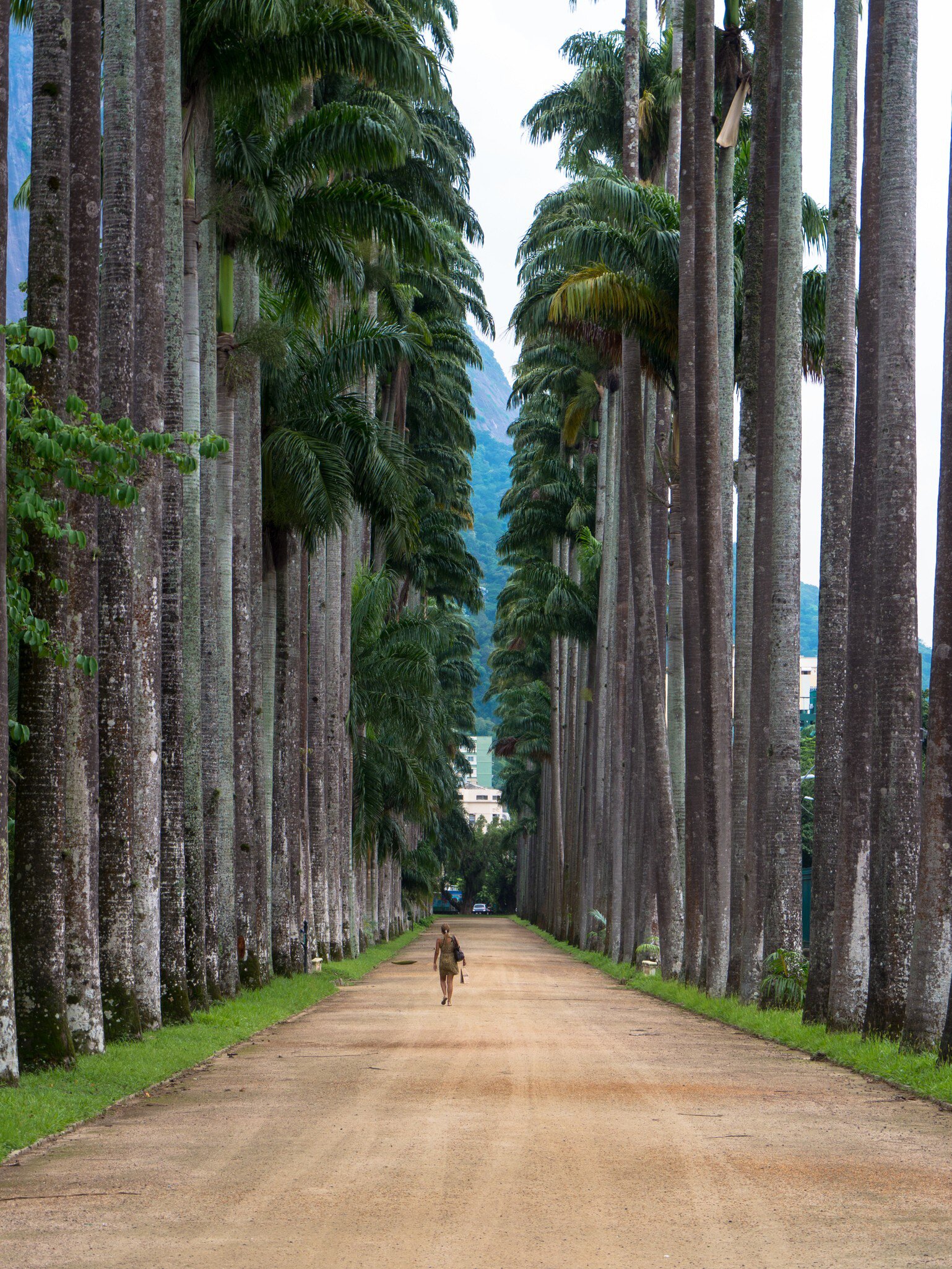
Many visitors beeline for the Aleia Barbosa Rodrigues – a walking path named in homage to Brazilian naturalist João Barbosa Rodrigues, director of the Jardim Botânico Institute from 1890 to 1909. This charming dirt lane is symmetrically lined with towering Imperial Palm trees, and it's easily one of the garden's most picture-perfect sites.
Greenhouses
Orchid House
One of the most popular places on the grounds is the Orchid House, as much for its collection as for its construction. This greenhouse, which has more than 700 species of orchids as residents, sits inside a beautiful octagonal structure that was first built in wood in the 1800s, then remodeled in 1930 in iron and glass in the style of the European greenhouses of the era.
Bromeliad House
Another one of the garden's amazing greenhouses brings together nearly 1600 species of bromeliads from Central and South America, including those from the Amazon and the local Atlantic rainforest. These ornamental, adaptable plants are located inside the Roberto Burle Marx Greenhouse, named in honor of Brazil's famous landscape artist and botanist.
Carnivorous Plants
For those coming with kids, the carnivorous plant house is a must. The small but centrally located greenhouse is home to a horde of carnivorous plants – the type that feed on unsuspecting insects – and although they're mostly quite small-scale specimens, it's still a very cool visit.
Jardim Sensorial
The Botanical Gardens has a special greenhouse designed specifically for visitors with sensory deficiencies. The Jardim Sensorial, or Sensory Garden, houses a collection of particularly aromatic plants, as well as fauna with unique and diverse textures to allow for a different sort of botanic experience. Information and labeling is provided in braille for those with visual impairments.
Gardens
Cacti & Succulents
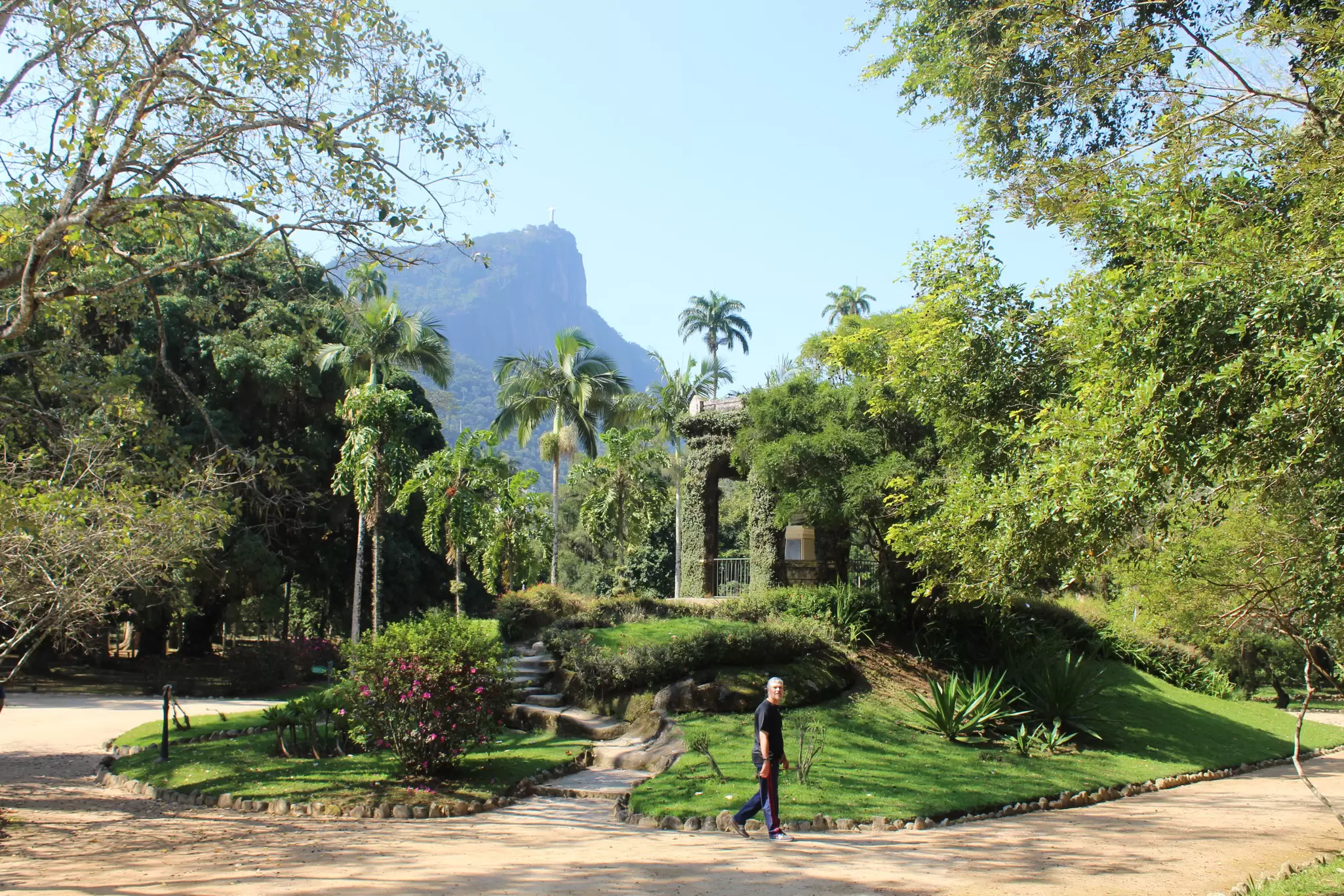
Just to the left of the main entrance is one of the largest collections of cacti and succulents in Brazil. The 2023-revamped cactus collection includes nearly 150 different species of cacti and succulents located in a mostly outdoor area with observation and lookout points, as well as "micro-world" collections, which give visitors a look at different micro-landscapes where cacti and succulents might live in the wild.
Japanese Garden
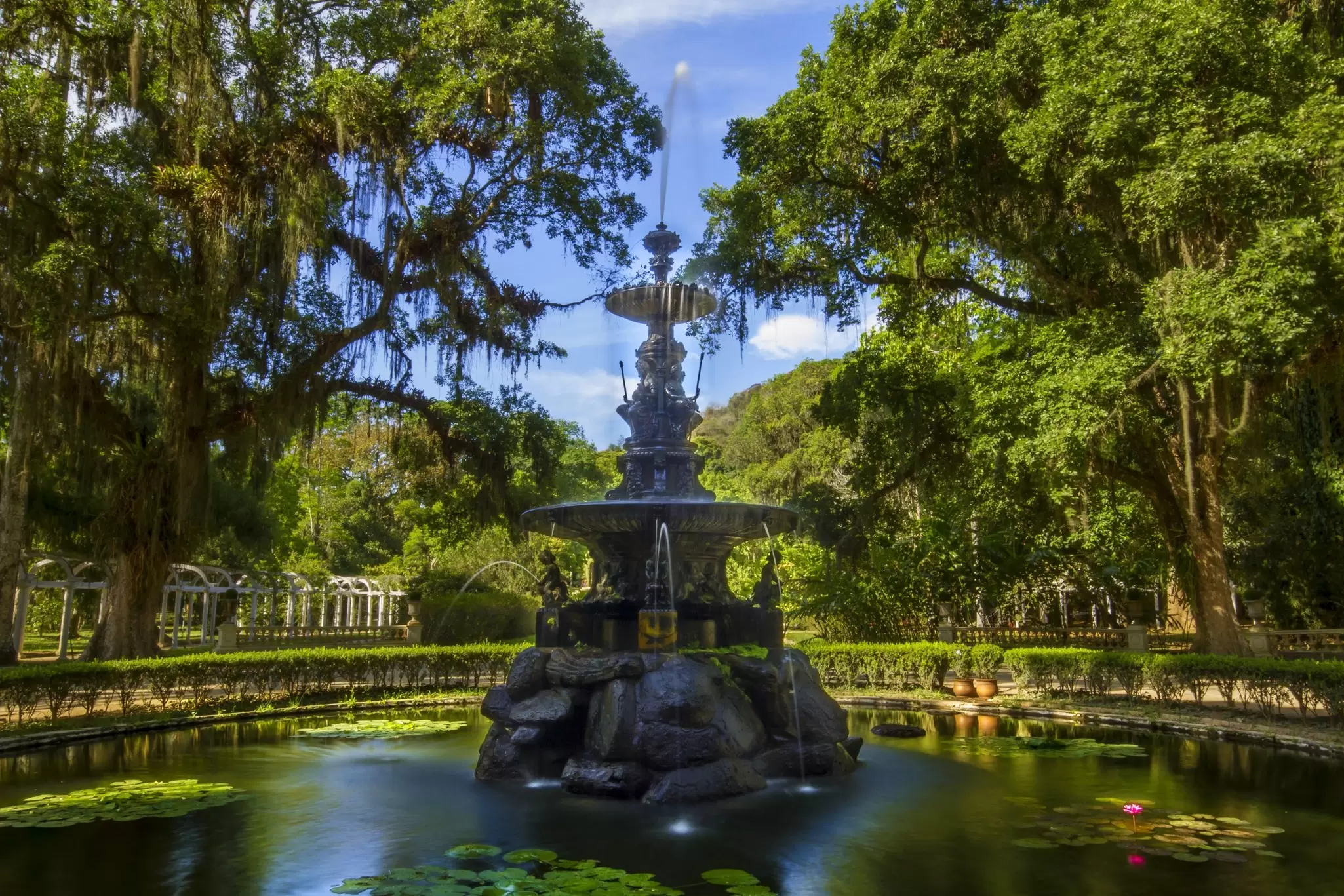
In 1935, the Japanese economic mission donated 65 typical Japanese plant species to the Botanical Gardens, the catalyst for the creation of a unique Japanese Garden inside of the institute's grounds. The space was inaugurated in 1995, and includes a traditional stone garden, bonsais, bamboos, cherry trees, weeping willows and two ponds with lotus flowers and Koi Carp.
Medicinal Plant Garden
The Botanic Garden's collection of medicinal plants began in 1976 and currently counts more than 185 species of both native and exotic plants used in healing and rituals by cultures across the world.
Rose Garden
Roses – a non-native plant – were introduced to Brazil by the Jesuits during the colonial period, with records of them at the Botanical Gardens since 1873. The institute's Rose Garden was built in 1914, and its collection has changed over time to favor varieties that best adapt to the city's hot and humid climate.
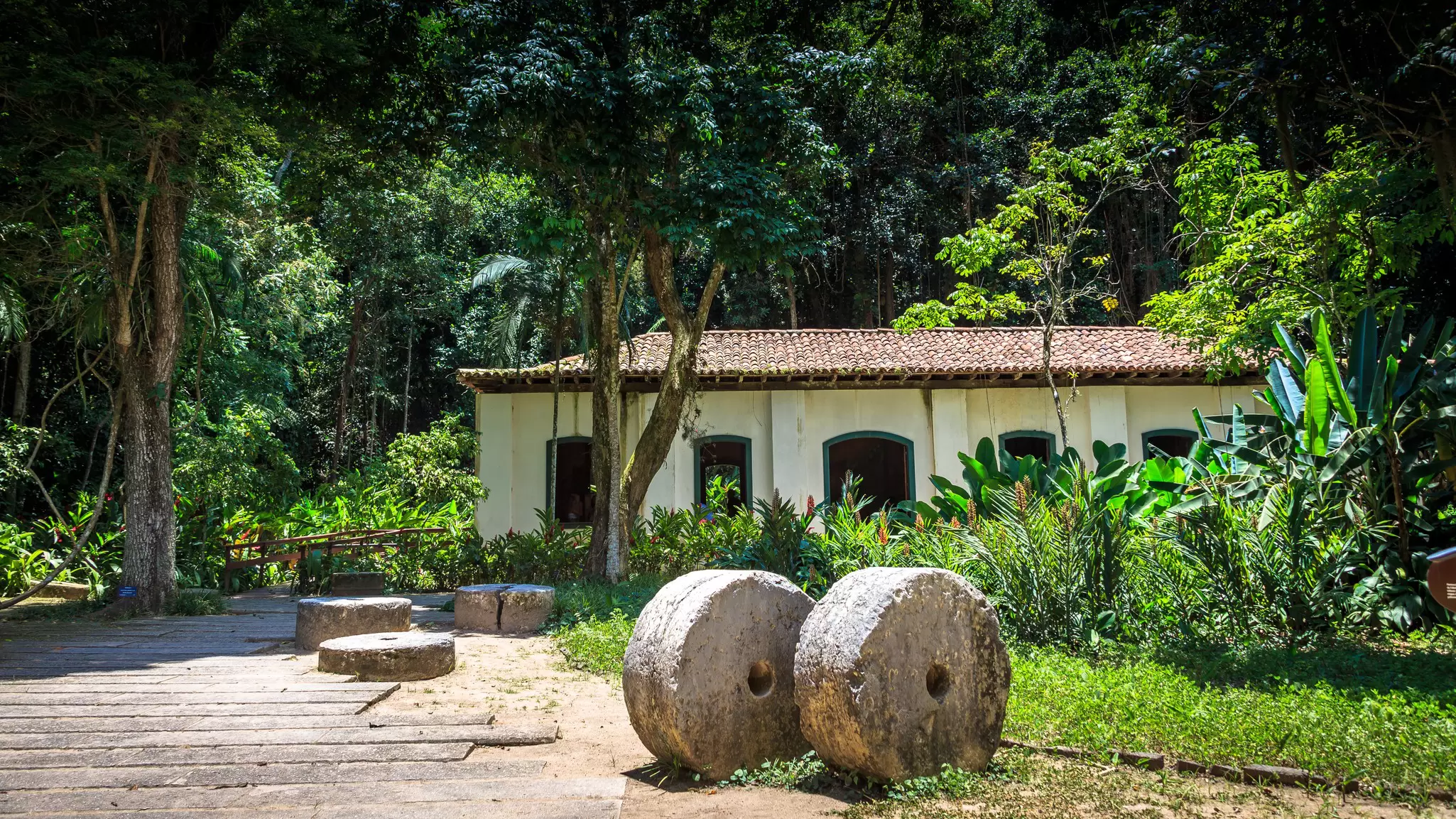
Casa dos Pilões
Between the main entrance and the orchid house is an adorable colonial structure that used to be a part of the area's old gunpowder factory. The Casa dos Pilões has since been turned into a very small archaeological museum where you can see remnants of life on the site and learn a bit about the water mill that once ran the factory.
Museum
The Jardim Botânico Museum, inaugurated in March 2024, is a beautifully renovated exposition space with immersive installations, cultural exhibitions and educational offerings for all ages. While art and fauna facts are on display, the main themes are the environment and sustainability. The museum sits on the Garden's grounds but outside the official entrance, so you don't need to pay to visit; however, you will need to book a free ticket online prior to arrival.
A Research Institute
Beyond being a pretty oasis in the center of the city, the gardens are a research institute, responsible for keeping records of all of the species of flora in the country and evaluating their risks of extinction. There are nearly 6500 live specimens on site along with more than 600,000 dried samples, with nearly 20,000 new samples added annually.