Oct 30, 20266 min read
Japan in Winter: Snowy Mountains, Steaming Baths and Seasonal DishesOct 30, 2026
6 MIN READ

Writer
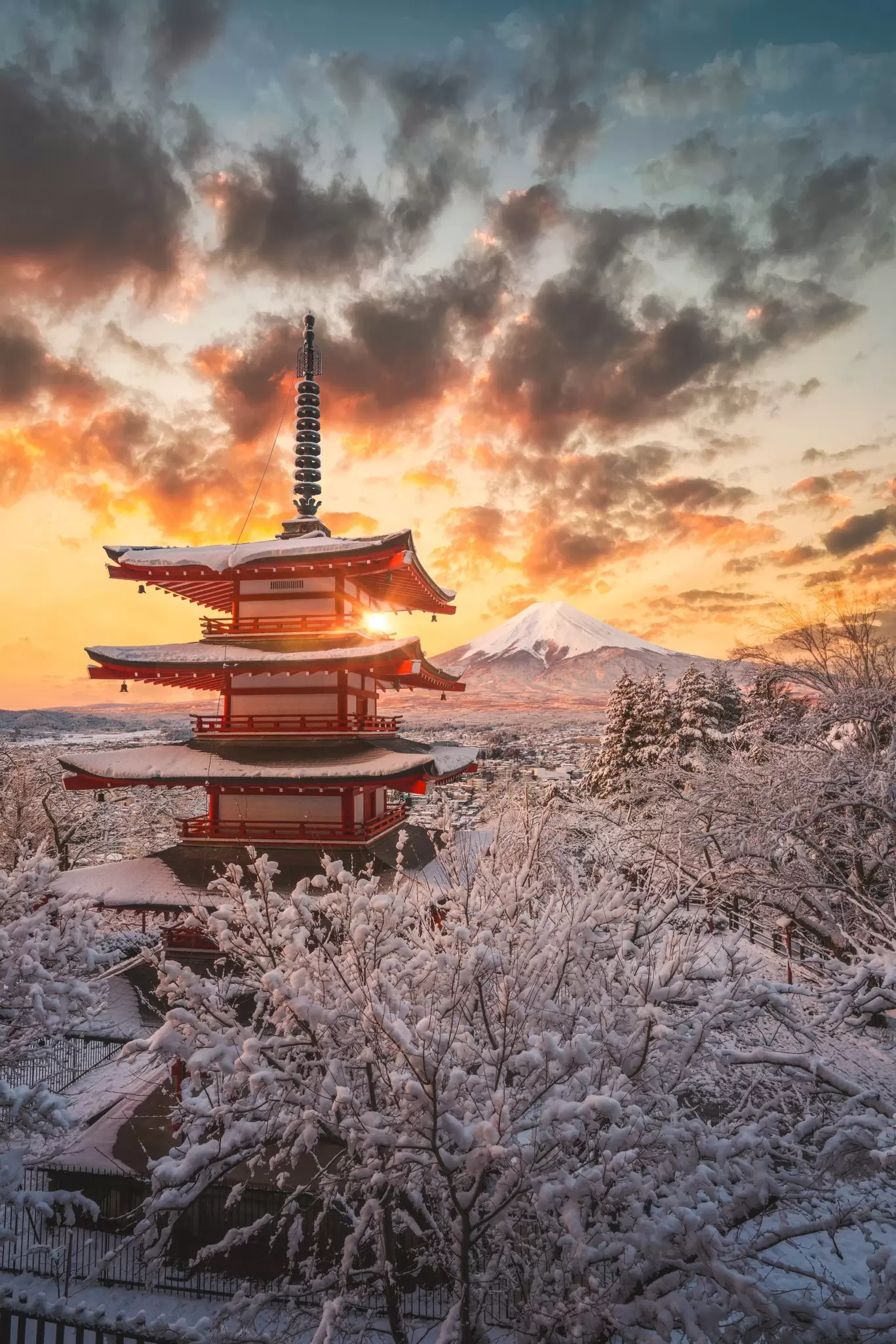
The Churei-tō pagoda in Fuji-Yoshida, Japan. Travel mania/Shutterstock
Writer
Lonely Planet may earn a commission from affiliate links on our site. All recommendations and reviews reflect our own independent opinions.
Japan gives travelers plenty of reasons to embrace the cold. Powder-covered mountains, warming nabe (hotpot stews) and hot spring villages where you can have a liberating soak surrounded by snowdrifts share top billing with a quieter, less-crowded vibe (at least when you are away from the ski resorts), less-expensive accommodations than during the peak tourism season and celebrations aplenty.
Come see how Japan packs so much into the shorter days on the calendar.
To continue planning your trip, check out the Lonely Planet app or our Japan guidebook.
December brings blue skies and cold temperatures across most of Japan. Bōnenkai (year-end parties) fill city bars and restaurants, commercial strips are decorated with seasonal lights, and Christmas markets sell mulled wine and festive trinkets.
Stick to the cities for New Year’s – many Japanese businesses shut down from the end of December to early January, though temples get busy. By the second week of January, snow blankets the mountains of Hokkaidō and the country’s northern reaches.
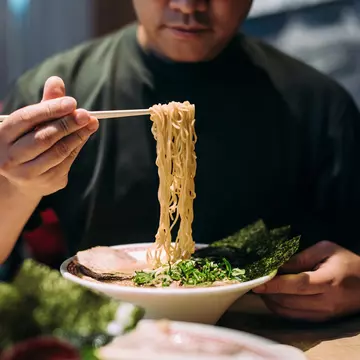
February is the coldest month of the year – time to warm your insides with hot sake and steaming bowls of ramen. It’s still high season on the ski slopes, but in the central and southern parts of Japan, ume (plum trees) start to blossom in February.
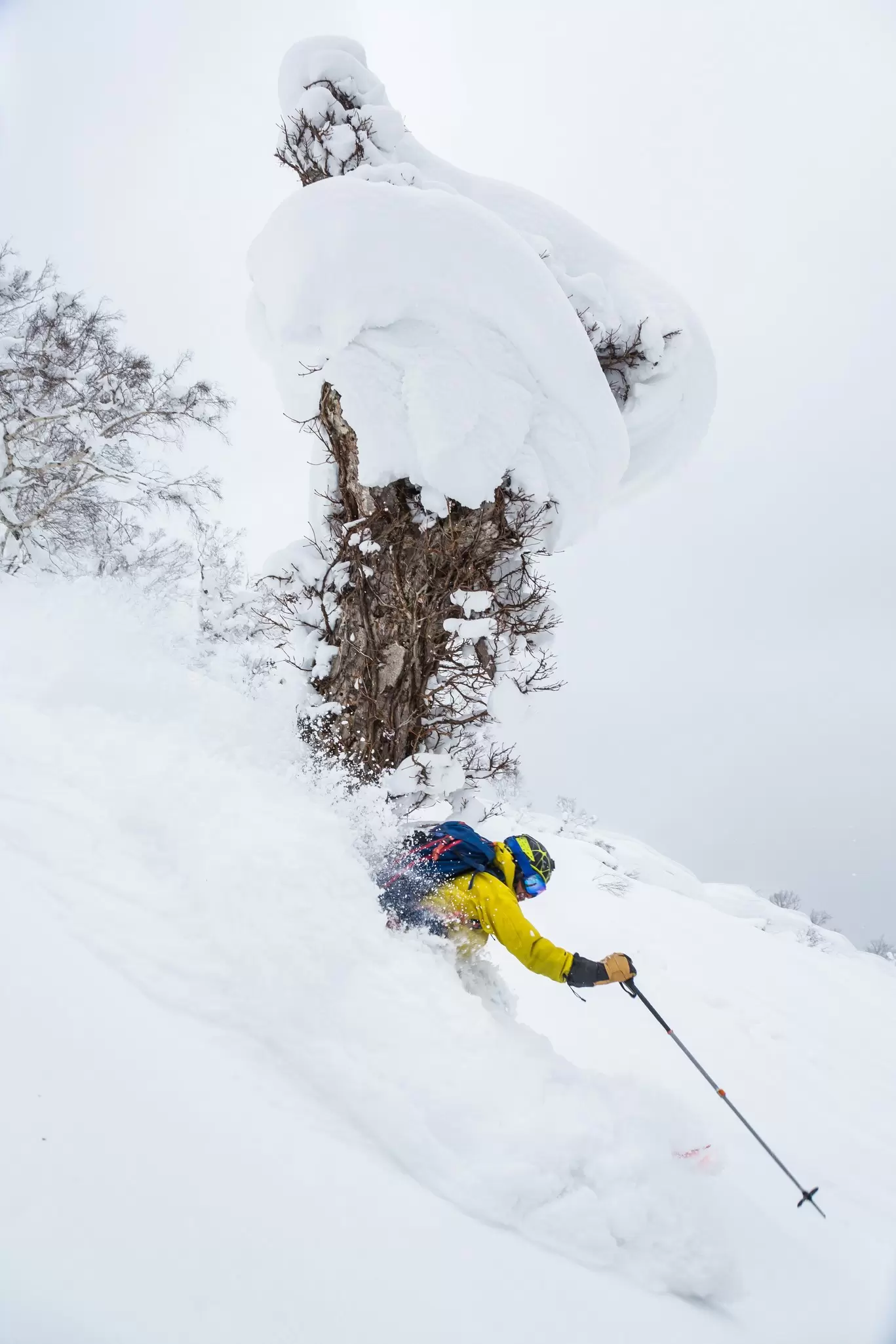
With more than 450 active ski areas, Japan has forged a huge reputation in the winter-sports world. Hokkaidō, especially Niseko, is Asia’s top ski and snowboarding destination, with incredible powder snow and views of Yōtei-zan.
In Nagano, Hakuba is the most popular with international travelers, though Nozawa Onsen has more small-town charm. Home to some of the world’s highest snowfalls and a long history of skiing, Nozawa Onsen Snow Resort is one of the best ski destinations in Honshū, catering to all skill levels with a variety of terrain. There’s also good skiing in Niigata and Northern Honshū (Tōhoku), on the Sea of Japan.
The season usually kicks off in December, though conditions are highly variable until the peak months of January and February. Things begin to warm up in March, heralding the close of the season in April.

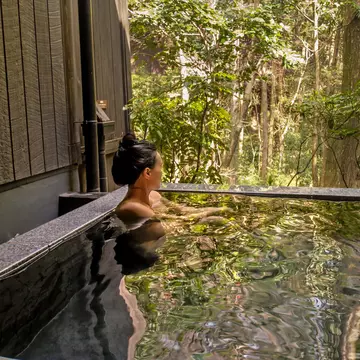
Winter is a dramatic time to visit an onsen, especially when there is heavy snowfall – the natural hot springs create a stark contrast against a white wonderland. Bathing in an onsen gives you a glimpse into a millennium-old Japanese ritual. Locals of all ages go to these springs to relax the mind and body, either with friends and family or for peaceful solitude.
Before entering the bath, you should be clean and suds-free – and yes, naked. Go slowly getting into the bath, and try not to splash. You can soak for as long as you like, but it’s best to take a break after 15–20 minutes. If you feel dizzy, get out sooner. Keep your head above the water, and tie up your hair if it is long.
Ranked as one of the best onsen villages in Japan, Shirahone Onsen, which means “White Bone,” is simply stunning when blanketed in snow in winter. Located west of Matsumoto, the milky-blue hydrogen-sulphide waters may be a bit hard on the nose but are reputed to have health benefits for bathers – as well as providing spectacular views from the open-air baths. Nestled high in the mountains, the village straddles a deep, dramatic gorge.

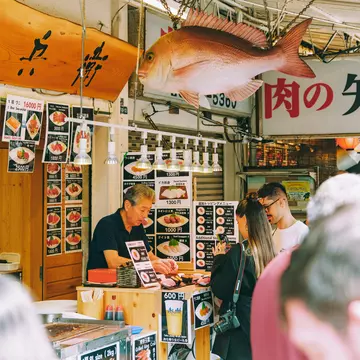
One of the joys of visiting Japan is sampling the breadth of the country’s food scene. Everywhere you go there’s a meibutsu (local specialty) to try. That tradition doesn’t slow in winter; steamed dumplings, hearty bowls of noodles and simmered oden (root vegetables and other savories in a flavorsome broth) warm you from the inside out. Winter is also the best time for fugu (pufferfish) and other delicacies from the sea.
The classic dish of winter is nabe, which is any possible combination of meat, seafood, vegetables and tofu simmered in broth in a big earthen pot set on the table. It’s invariably a social dish, as one pot serves several. Lots of izakaya (Japanese-style pubs) have it on the menu in winter.
Of course, after a good skiing session on Zaō-san, one way to unwind is to sample the local sake. After all, in 2016, Yamagata became the first prefecture in Japan to receive a geographical indication – like Champagne, Darjeeling tea and Kalamata olives – for its nihonshū (sake).
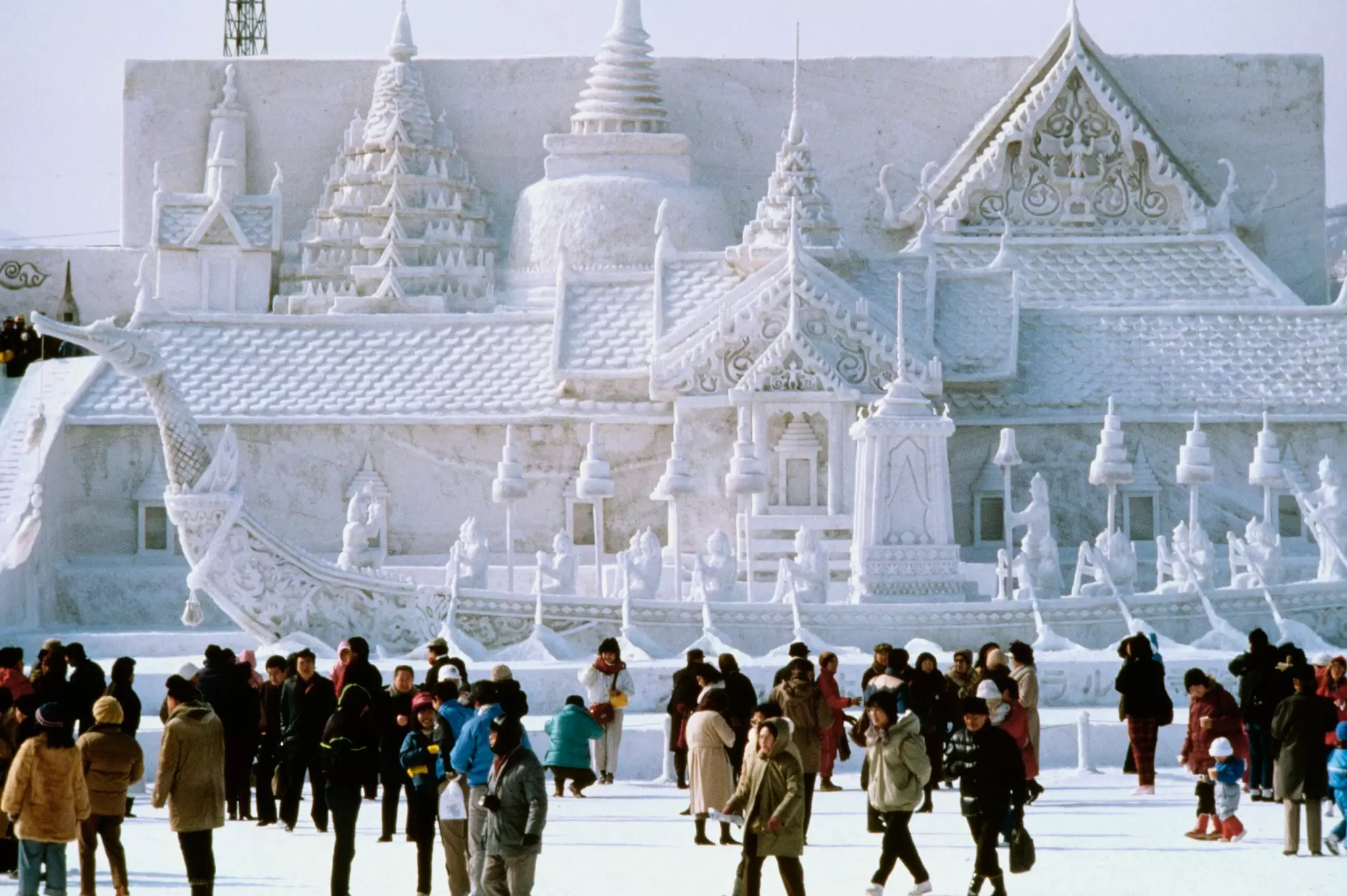
If you’re visiting Japan in February, make room for Sapporo’s Snow Festival (Yuki Matsuri), during which enormous, intricately crafted snow and ice sculptures are showcased throughout Sapporo City.
Start at Ōdōri-kōen, where you’ll see the biggest snow and ice statues, some up to 15m high and 25m wide, plus an ice-skating rink, a jump rail for snowboarders, light-and-sound shows and a full array of street stalls offering the best in food and drink from across Hokkaidō. Susukino also offers ice statues in the entertainment district, while Tsudome welcomes families to play in the snow. On the menu outdoors are ice slides, rafting on snow, luge slopes and a white maze.
For food lovers, about 50 ramen shops from across Japan gather at Osaka’s Banpaku-kōen (Expo Commemoration Park) for the Ramen Expo every weekend in December. January brings Tokyo Furusato Matsuri, where you can sample famous dishes from around the country at this culinary and cultural event held at Tokyo Dome.
Finally, the first grand sumo tournament of the year kicks off at Tokyo’s Ryōgoku Kokugikan in January. Across Japan, New Year celebrations include Toshikoshi Soba, where locals eat soba noodles to usher in the New Year, and Joya-no-kane, the ringing of New Year bells.
For a quieter visit away from the snow bunnies in Hokkaidō, winter offers laid-back options in the cities and boundless opportunities to get out in nature. Fairy lights and more transform shopping districts and popular attractions into magical winter scenes, peaking in December. Tokyo, Osaka, Kōbe and Sapporo have some of the best displays.
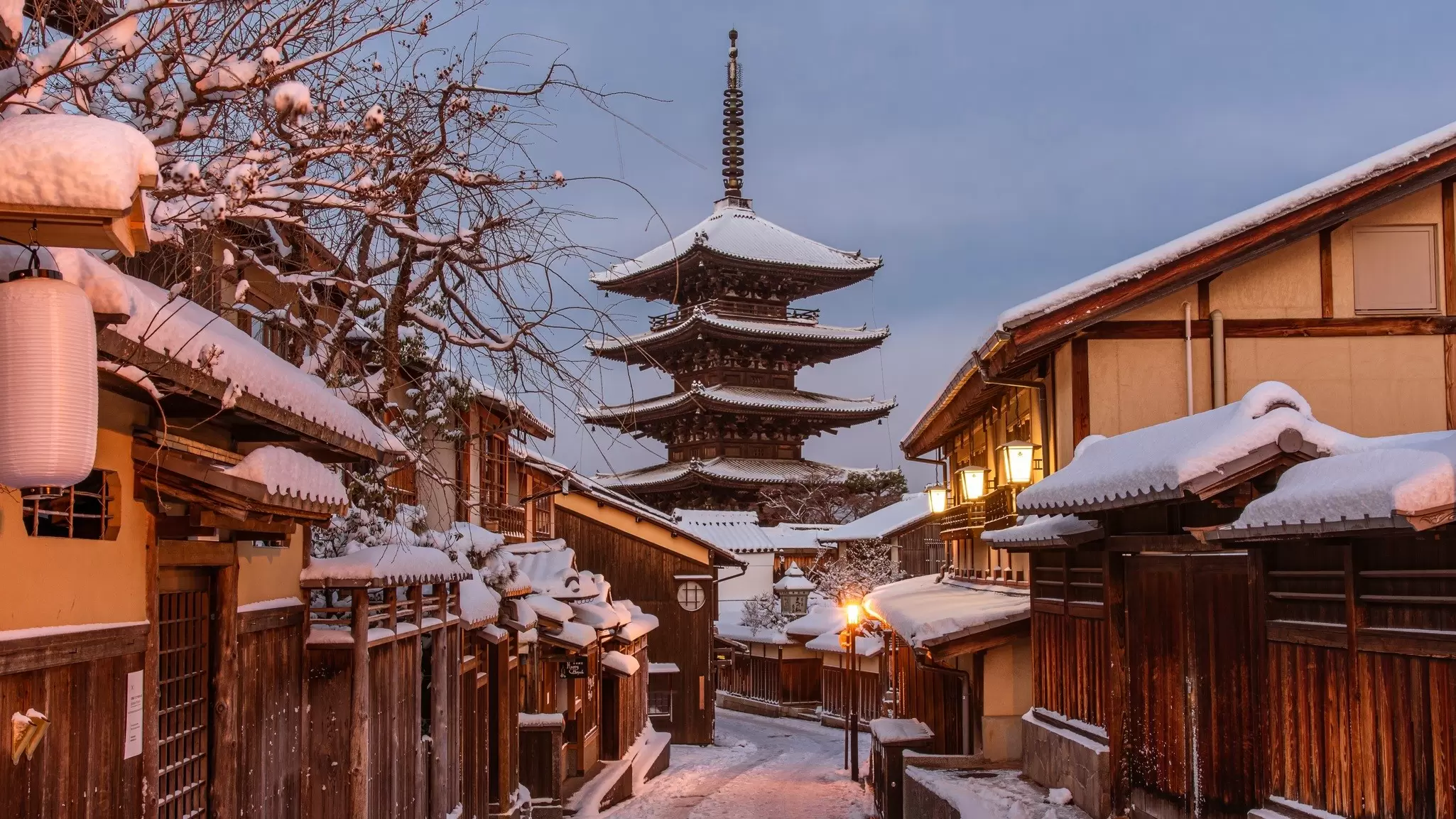
Visiting Kyoto in January or February, after the New Year holiday and before sakura (cherry blossom) season, is one of the best times to experience a quieter, less-crowded version of the city – perhaps blanketed in snow.
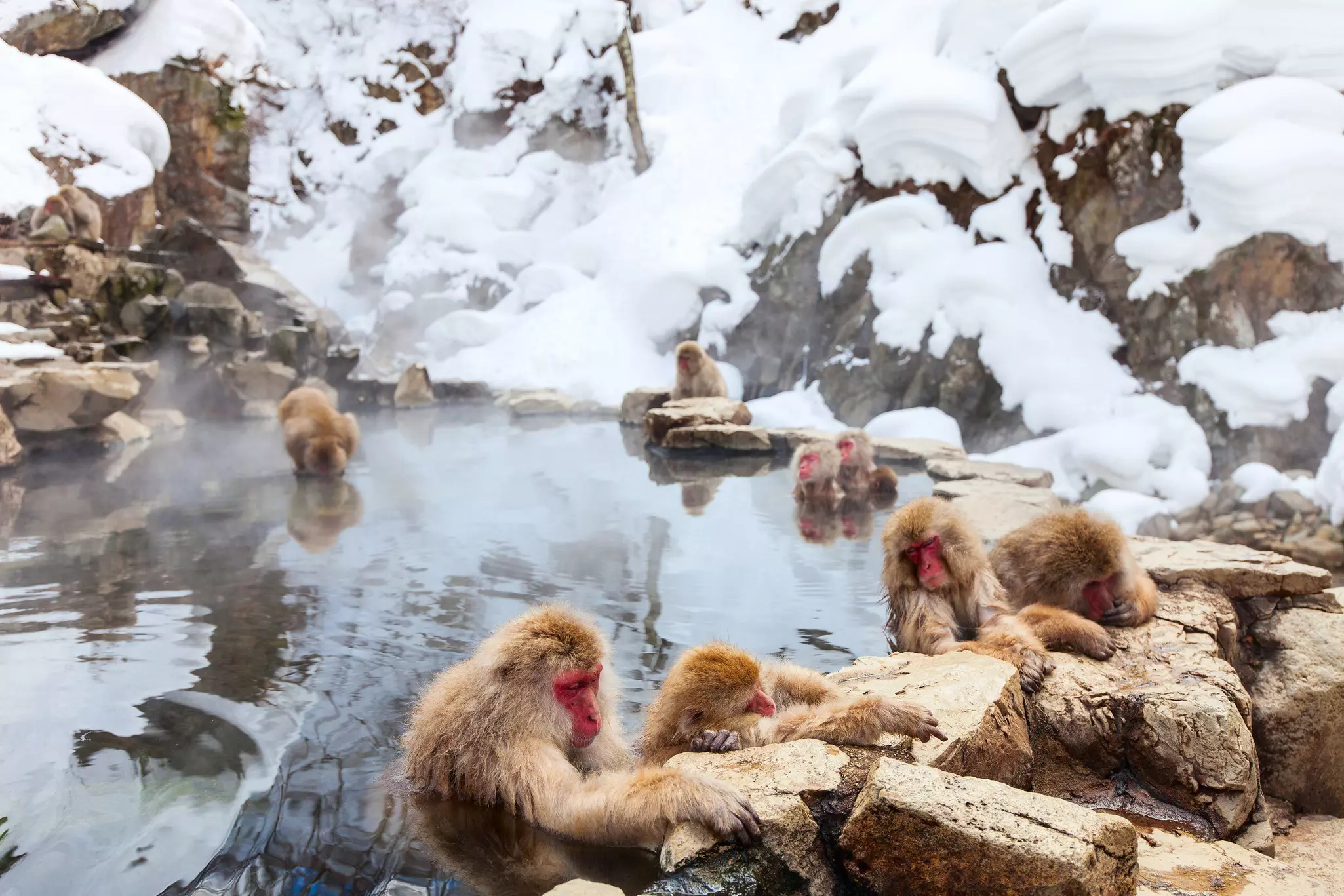
For a natural visit, bask in the beauty of the Japan Alps at Kamikōchi, a pristine valley nestled high in the mountains of Nagano. Nearby, one of Japan’s most iconic highlights for many is the opportunity to see wild macaques lounging in a steaming-hot rotemburo and covered in snow at the incredibly popular Jigokudani Monkey Park in Yamanochi, 38km northeast of Nagano. Though they visit year-round (less so in summer), if you want to see the monkeys actually bathing in the snow-immersed onsen, you have to come during the winter.
Given its latitude and mountainous interior, Japan gets cold in the winter months. Tokyo sees average daily highs around 11°C (52°F), while the mountains receive ample snow and below-freezing temperatures. Pack thermals and snow gear for a Hokkaidō ski trip, and warm clothes, a hat and a scarf for city sightseeing.
Most outdoor attractions, which include temples, shrines and gardens, keep seasonal hours, closing earlier during the winter months (when the sun sets around 4:30pm). Last entry to most attractions is 30 minutes before closing.
Book your Japan trip with Lonely Planet Journeys
See Japan how it's meant to be seen
Accommodations, activities and ground transportation all taken care of, so you can focus on the fun part. Tell us what your dream trip to Japan looks like, and our local experts will build it from scratch. Or start with one of our itineraries and make it your own.
Explore related stories