Sep 14, 202610 min read
A Guide to New Zealand’s Aoraki/Mount Cook National ParkSep 14, 2026
10 MIN READ

Writer
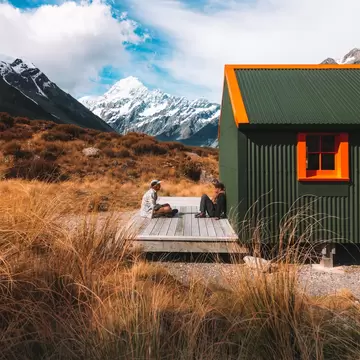
Two hikers sit in front of Hooker Hut in Aoraki/Mount Cook National Park. Mathias Berlin/Shutterstock

Writer
Lonely Planet may earn a commission from affiliate links on our site. All recommendations and reviews reflect our own independent opinions.
Nestled in the heart of the South Island – within easy reach of Christchurch and Queenstown – Aoraki/Mount Cook National Park is one of the most spectacular corners of New Zealand. Home to the eponymous Mount Cook/Aoraki – New Zealand’s highest peak at 3724m – the park showcases the Southern Alps, with 19 peaks rising above 3000m and 178 glaciers covering more than a third of its landscape. It’s a vast alpine wilderness where towering peaks, ancient ice and a rich mountaineering legacy come together.
You don’t need to be an experienced climber or even a hardcore hiker to enjoy a weekend here. Its accessibility is one of the things I love most about the park: some of its most spectacular landscapes are reached by relatively short, well-formed walking tracks.
There is a catch, though; everyone else knows about it. As one of the South Island’s most visited national parks, it can get very busy, especially during peak tourism season. Knowing when to visit, where to stay, and how to avoid the crowds can make a big difference to your experience.
Here’s my guide to exploring Aoraki/Mount Cook National Park.
Both spring (September to November) and summer (December to February) are ideal for hiking in the park, when the weather is warmer, but be prepared for high visitor numbers. Between December and March, you can also see wildflowers such as the Mt Cook lily (the world’s largest buttercup species), alpine daisies, and trumpet-shaped gentians.
Autumn (March to May) is perhaps my favorite time to visit, when the crowds are thin, temperatures remain comfortable, and the mountains take on a beautiful golden glow, particularly around sunrise and sunset.
Winter (June to August) transforms the landscape into a dramatic alpine wonderland, with a few visitors, snow-covered peaks, crisp mornings, and spectacular glacier views from the air. However, you’ll need to be prepared. Campsite facilities during the winter are reduced, and tracks may be covered in snow and ice, which can make even short walks difficult without the right footwear and gear.
Regardless of the time of year you visit, the park’s weather can change quickly. Always check forecasts; NIWA and MetService are both reliable.
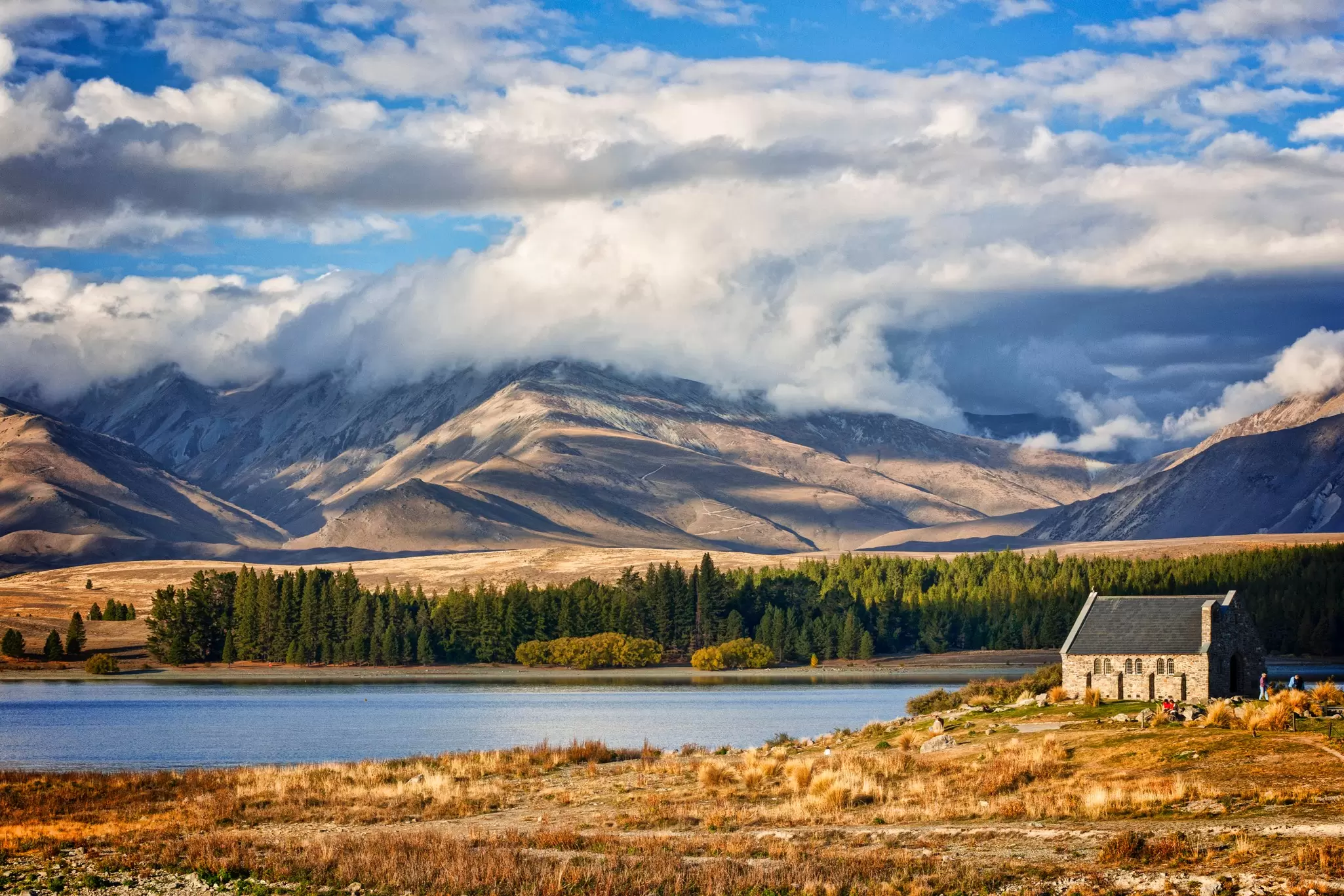
Christchurch (330km) and Queenstown (262km) are the main international gateways, while Twizel (67km) and Lake Tekapo (103km) are useful stops for food, fuel and supplies. In winter, carry snow chains and check road conditions before traveling.
Coming from the West Coast? There’s no road across the Southern Alps – you’ll need to drive longer, around 6-7 hours, so plan accordingly. GreatSights, InterCity and Cheeky Kiwi also offer bus transfers between Christchurch and Queenstown.
State Highway 80 is the only road into Aoraki/Mount Cook National Park, with the turn-off from State Highway 8 well signposted following the western shore of Lake Pukaki. My favorite moment comes when the road curves left and Aoraki/Mount Cook suddenly appears, perfectly framed ahead. Stop at Peter’s Lookout, about 12km from the turn-off, for sweeping lake views. Use designated pull-offs only.
Sitting at around 760m, Aoraki/Mount Cook Village is a tiny alpine settlement of roughly 200 residents and the main base for exploring the national park. It has a handful of hotels and motels, some cafes, and a small fuel station, but no supermarket.
Accommodation ranges from budget options such as Haka House Hostel to the higher-end Hermitage Hotel. Families can consider Aoraki Alpine Lodge or Aoraki Court Motel, while White Horse Hill Campground caters to tent and campervan travelers. Glentanner Park Centre, 22km away, is another option.
Food choices are limited to The Old Mountaineers Café and the Hermitage cafe and restaurant, and prices are often higher than outside the park.
Unless you’re planning on doing a lengthier hike or multiple activities within the park, you might be better placed to make a day trip. Nearby Twizel and Tekapo both offer more amenities, including accommodation, restaurants and grocery stores. They’re also the places to stock up and fuel up before heading into the park. (Fuel prices are typically higher within the national park.)
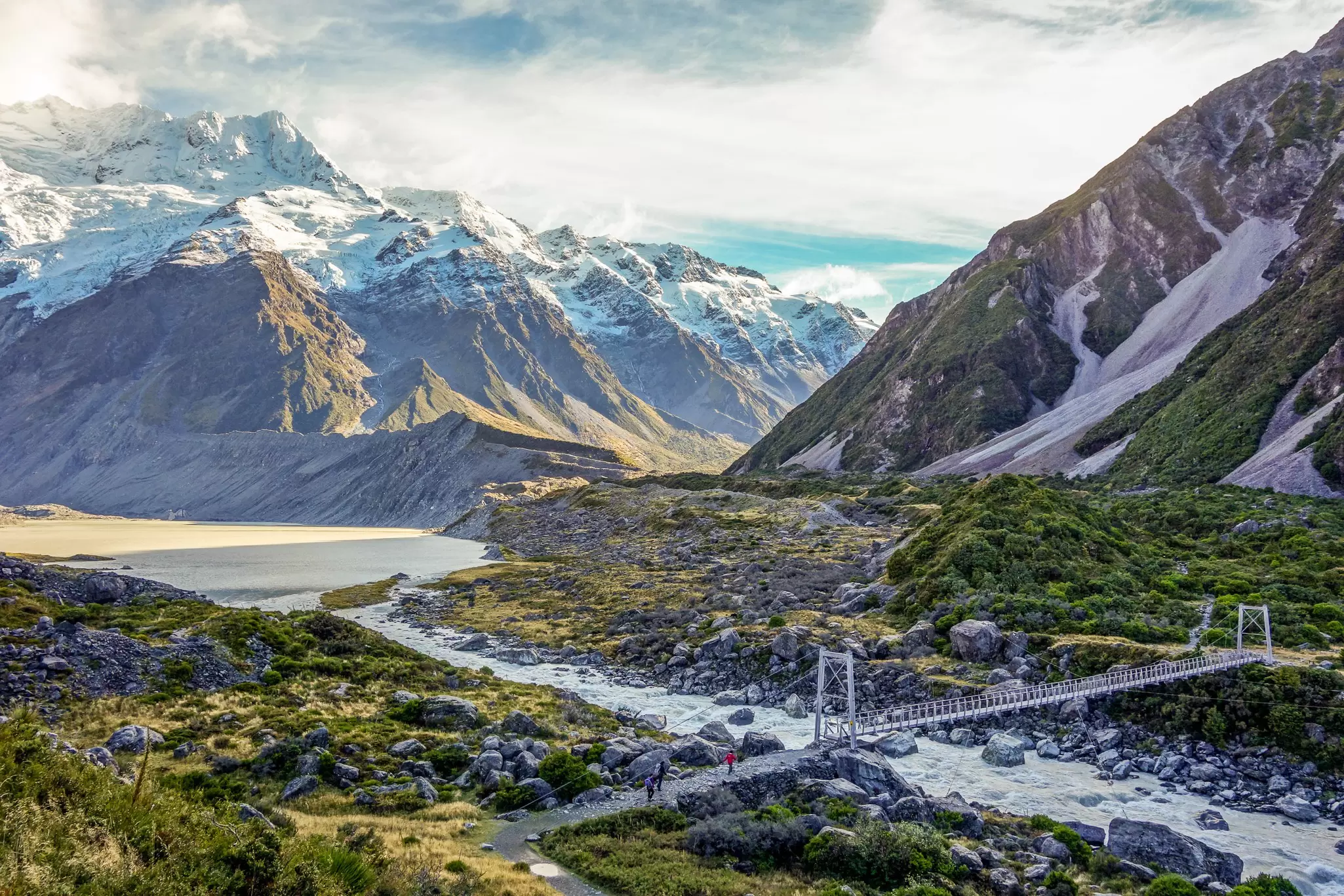
The 10km out-and-back Hooker Valley Track, which reopened in August 2026, starts at White Horse Hill Campground and winds through the Hooker Valley. While it takes about 3 hours to complete, it’s relatively flat, while still offering incredible views of Mueller Glacier and Aoraki/Mount Cook. You’ll cross three swing bridges over the Hooker River, including New Zealand’s longest suspension bridge at 189m, before arriving at the iceberg-studded Hooker Lake, with Aoraki/Mount Cook towering above the Southern Alps.
Owing to the popularity of this track, the White Horse Hill car park fills quickly and costs 5 New Zealand dollars (NZ$) per hour or NZ$25 per day. Arrive at the trailhead early (before 7:30am) or park near the DOC Visitor Centre and walk the 1.2km to the trailhead. It adds 30–40 minutes, but avoids the parking hassle.
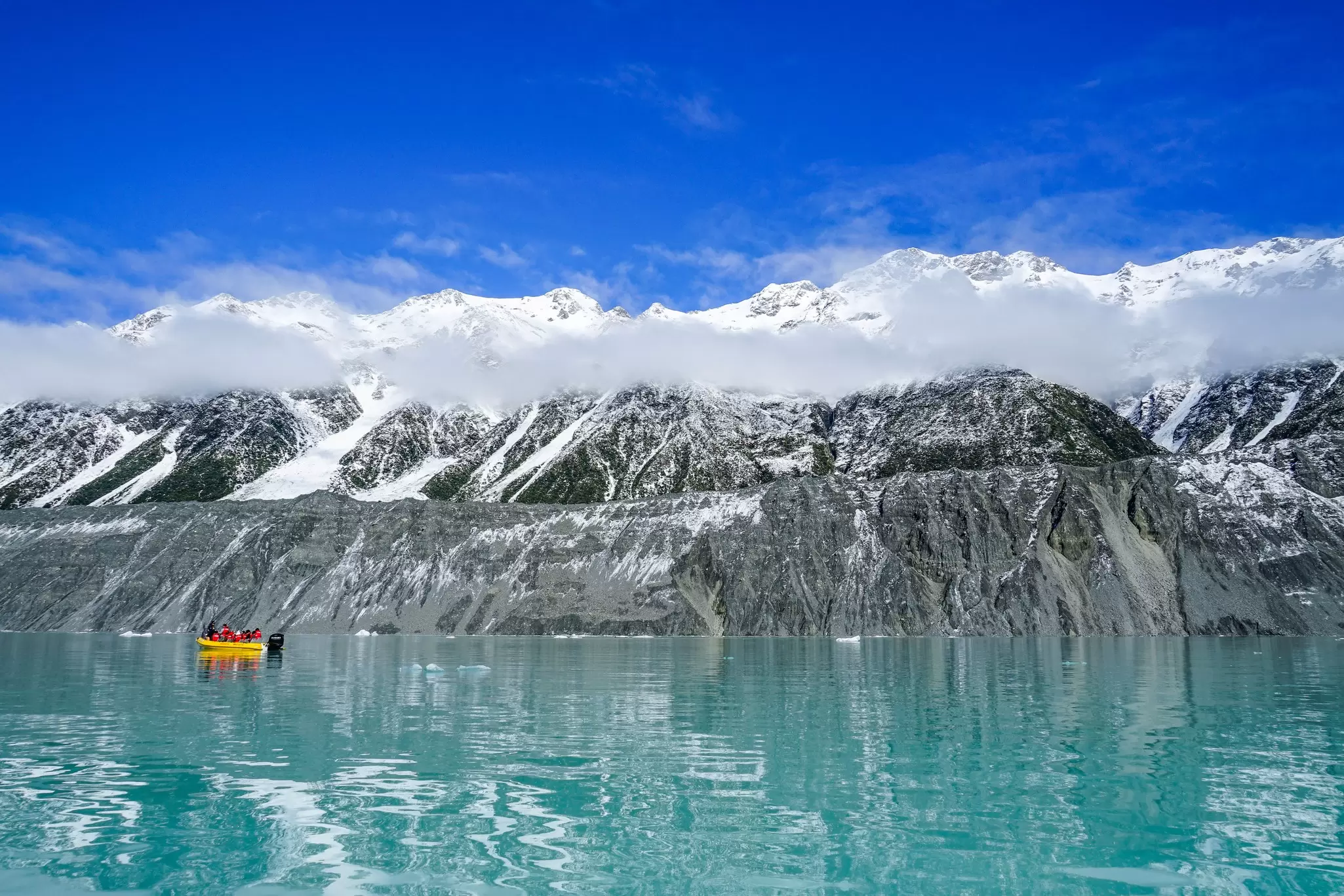
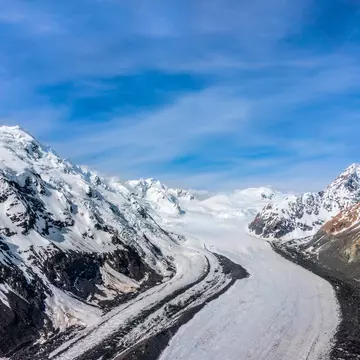
At 23km long, Haupapa/Tasman Glacier is New Zealand’s longest glacier, with its retreating ice feeding Tasman Lake, where icebergs calve from the glacier’s terminal face and drift across the turquoise water.
Climb aboard Glacier Explorers on the only glacial boat tour in New Zealand for an hour-long guided adventure on the lake. Cruise right among the floating ice, get a close-up look at the glacier’s rugged terminal face, and see firsthand the dramatic landscape carved by centuries of moving ice.
Want to get even closer? You can grab a paddle and kayak beneath the glacier-clad Southern Alps on the nation's only Glacier Kayaking Tour.
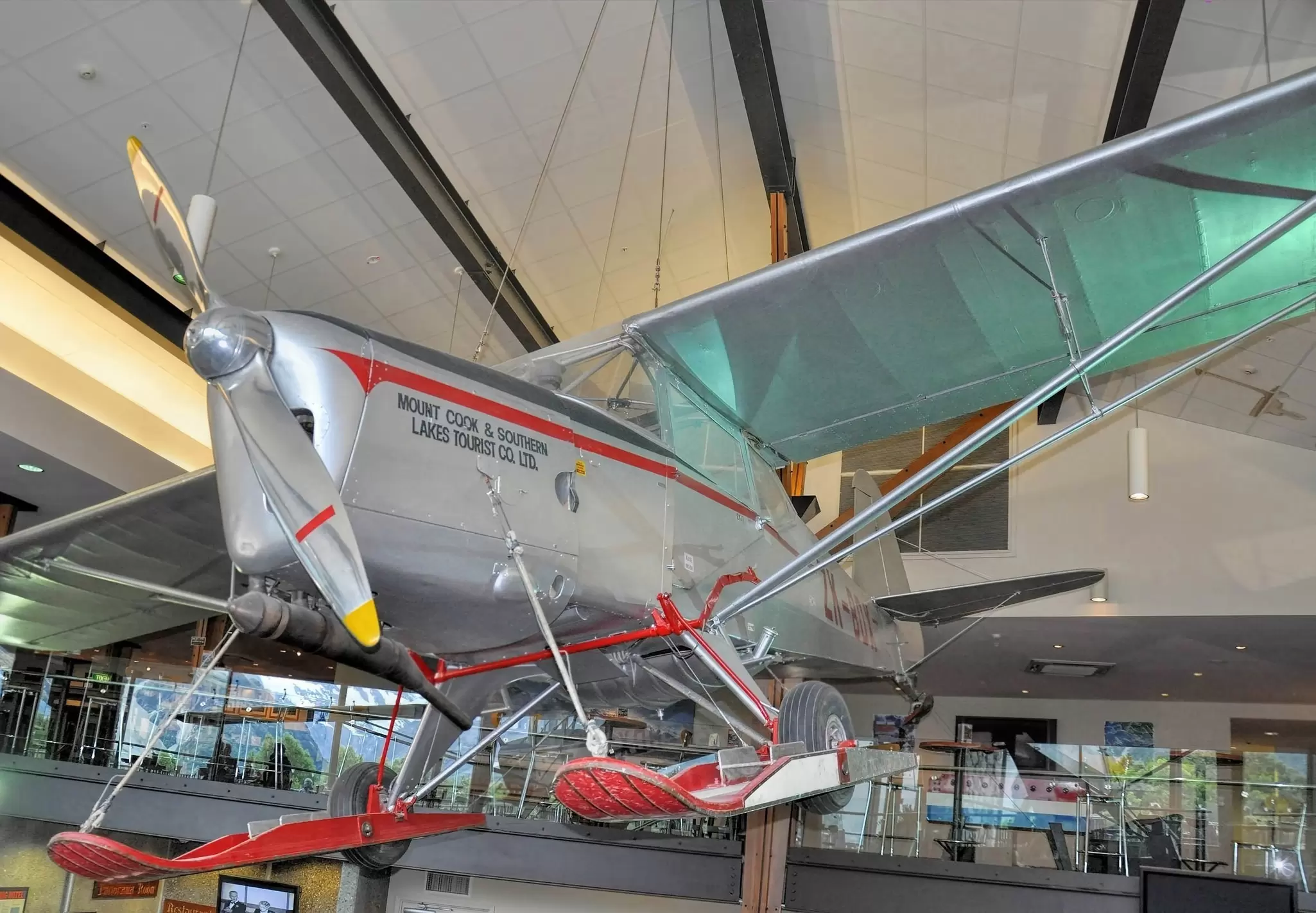
Take a break from the trails and step into the Sir Edmund Hillary Alpine Centre to discover stories about the rich mountaineering legacy of the Te Wāhipounamu World Heritage Area.
Explore the region’s climbing history, early mountain transport and the adventures of Sir Edmund Hillary, who trained in these mountains before his historic ascent of Everest.
Then journey deeper into the mountains through immersive 2D and 3D documentaries in the 126-seat theatre. Afterward, head upstairs to the Sir Edmund Hillary Gallery Cafe, grab a coffee, and take in the spectacular alpine views through its floor-to-ceiling windows.
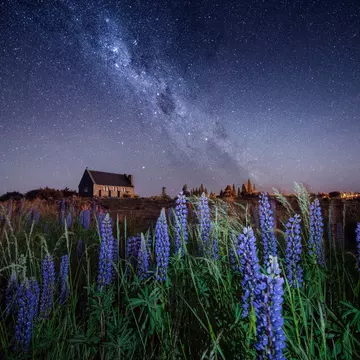
Join a 90-minute guided stargazing tour with local astronomy guides and peer through telescopes at the Southern Cross, Milky Way and planets, while uncovering the stories and science behind the night sky. If clouds or rain roll in, head to the Alpine Centre’s planetarium, where an immersive 8.5m dome transports you through the cosmos with advanced projections and imagery from NASA’s James Webb Space Telescope.
Stargazing is also an ideal winter activity, as the shorter days give way to longer, darker nights, providing the perfect setting to marvel at the stars. Or simply step away from the village lights, find a quiet spot, and let the stars take over.
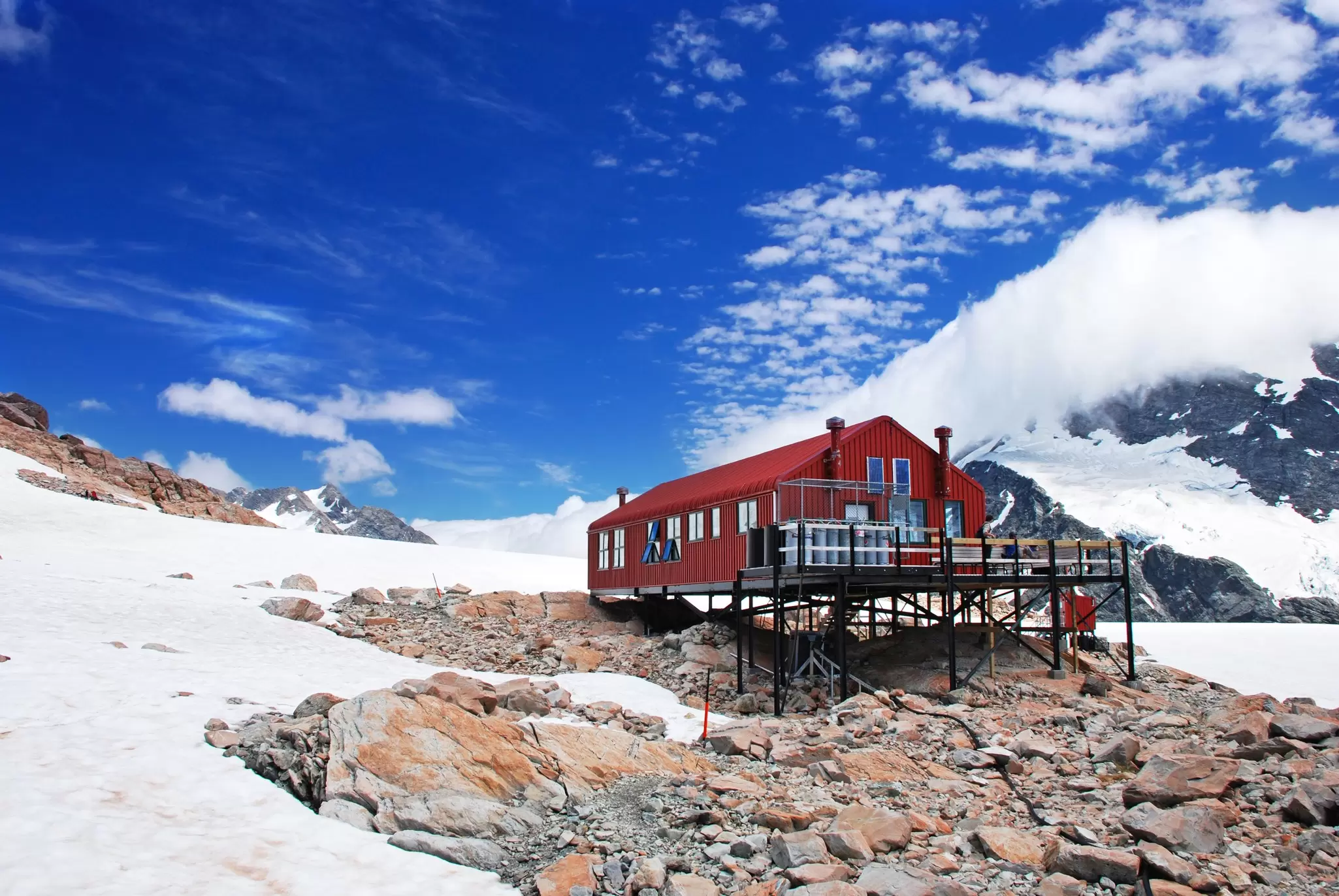
Mueller Hut hike is the experience I keep coming back to in Aoraki. I first hiked it in 2020 and have done it 12 times since.
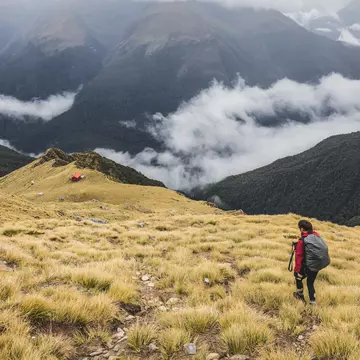
The 10.4km return hike starts at White Horse Hill Campground and wastes no time gaining altitude. The first half follows the Sealy Tarns Track, where you’ll grind your way up around 2200 steps. With every step, the Hooker and Mueller valleys open behind you. It’s a lung-busting climb, but the views make it worthwhile. Above Sealy Tarns, the stairs disappear, and the trail gets a bit rougher. You scramble over rocks, following the trusty orange trail markers, and then it comes into view – the unmistakable red 28-bunk Mueller Hut, perched at 1800m.
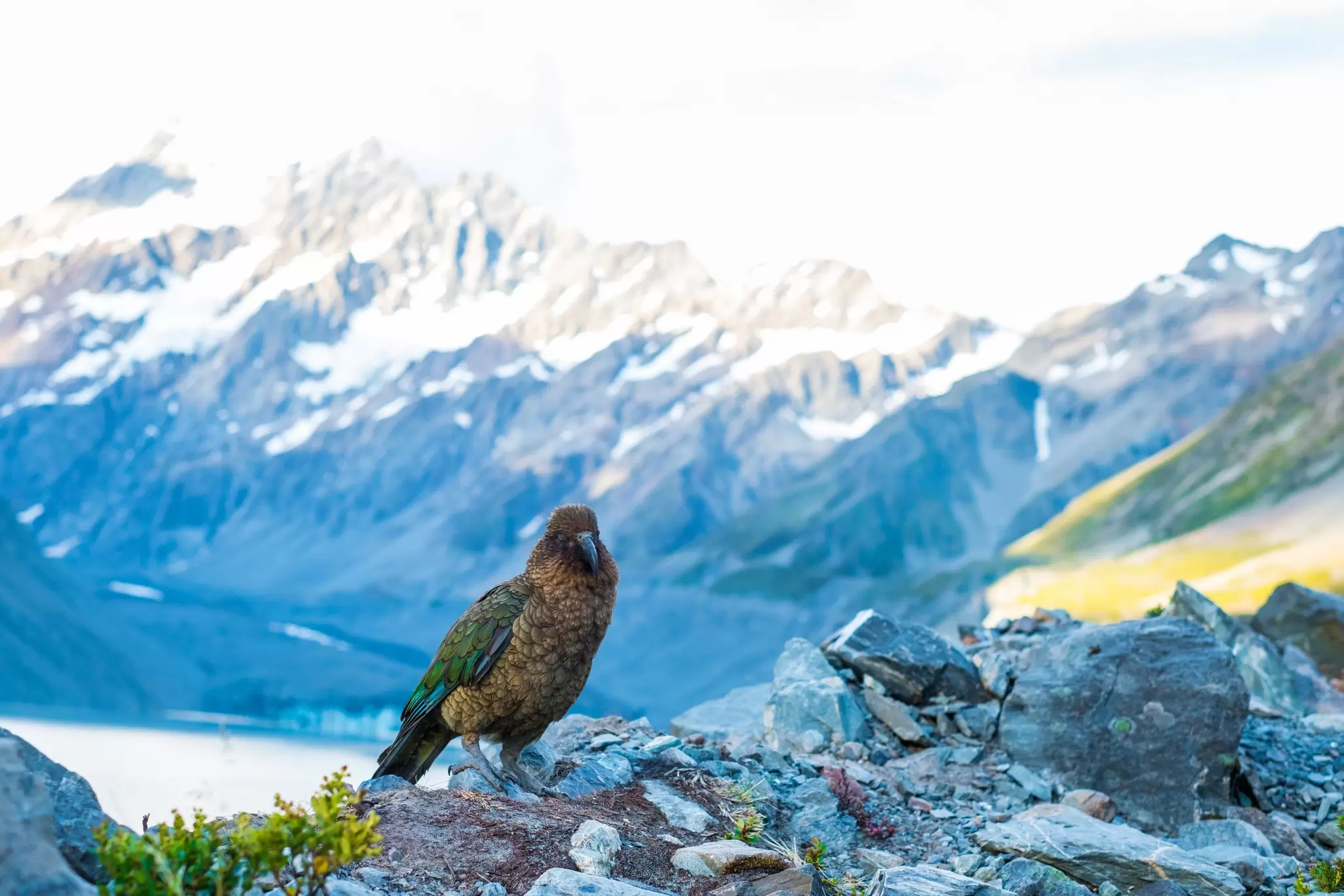
There’s something special about seeing that little red hut surrounded by an enormous 360° alpine amphitheater. Keep an eye out for kea, New Zealand’s alpine parrots, soaring overhead
You can hike it as a day trip, but for me, the real magic is in an overnight stay. As afternoon fades, the mountains transform: shadows creep across the valleys, glaciers deepen in color, and the peaks catch the last light. Then everything falls quiet beneath the stars.
My favorite part is waking up before dawn and hiking to Mount Ollivier (1933m) for sunrise, about 30–45 minutes from the hut. Watching the first light turn the surrounding peaks gold and pink makes you forget, at least for a moment, how hard the climb was.
This hugely popular hut needs to be booked well in advance during the summer months, and in the winter, snow, ice, and avalanche risk can make the route more challenging. Year-round, always check with the DOC Visitor Centre for conditions and weather before heading out.
Absolutely. Winter transforms Aoraki/Mount Cook into a quieter, snow-covered alpine wonderland, with crisp mountain air, fewer visitors and the Southern Alps at their most dramatic.
Based in the village, Alpine Guides offers heli-skiing for experienced skiers and snowboarders. After a scenic helicopter flight deep into the Southern Alps, you can trade the ski field crowds for vast powder bowls, open glacier faces and more challenging alpine terrain – all under the guidance of experienced professional guides.
Prefer to see the mountains from above? Fly over the breathtaking blue glacier lake in the Tasman Valley on a 30-minute ski plane flight. See the Hochstetter Icefall and the cloud-piercing Aoraki/Mount Cook before landing on the upper snowfields of the Tasman Glacier or fly by helicopter around Aoraki/Mount Cook.
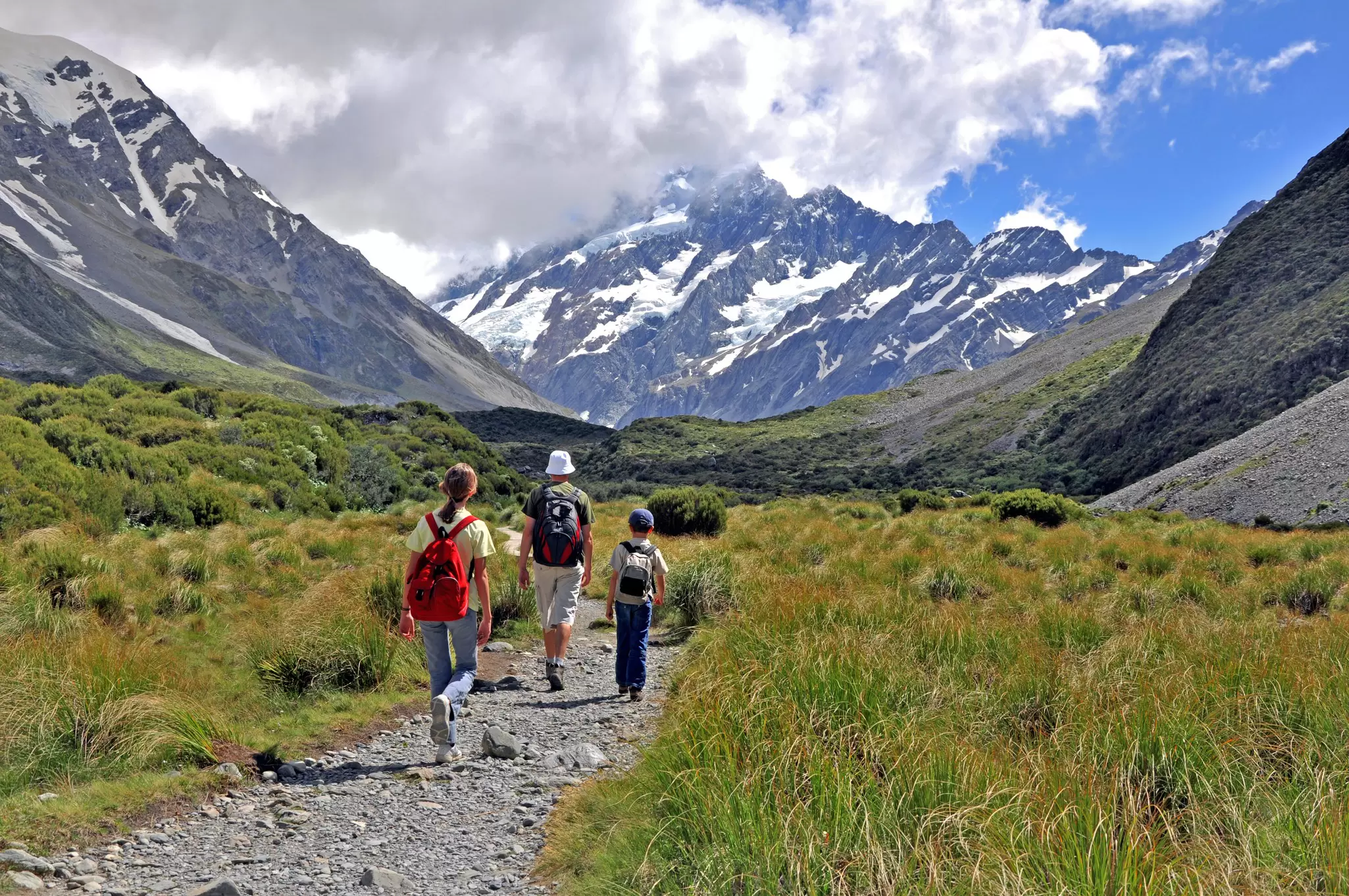
I keep my daypack relatively simple. My essentials are good hiking shoes, a waterproof shell, a down jacket, warm layers, food, sunglasses, sunscreen, and a hat.
For longer or higher hikes such as Mueller Hut, I add extra layers, gloves, a beanie, more base layers – even when the weather looks perfect at the trailhead. For overnight trips, I add a sleeping bag, extra food and microspikes. In winter, I’ll take crampons and an ice axe, depending on the route and conditions.
I always carry my Garmin inReach, a power bank, offline maps, a small first-aid kit and a headlamp. And my camera. With landscapes like these, how can you not?
Pro tip: You can rent a PLB distress beacon from the DOC Visitor Centre in the village.
Start with the DOC Visitor Centre to explore exhibits, local artwork and films on the park’s natural and mountaineering history. Then head to the Sir Edmund Hillary Alpine Centre to enjoy one of their educational and inspiring films about the region in the bespoke 126-seat theater.
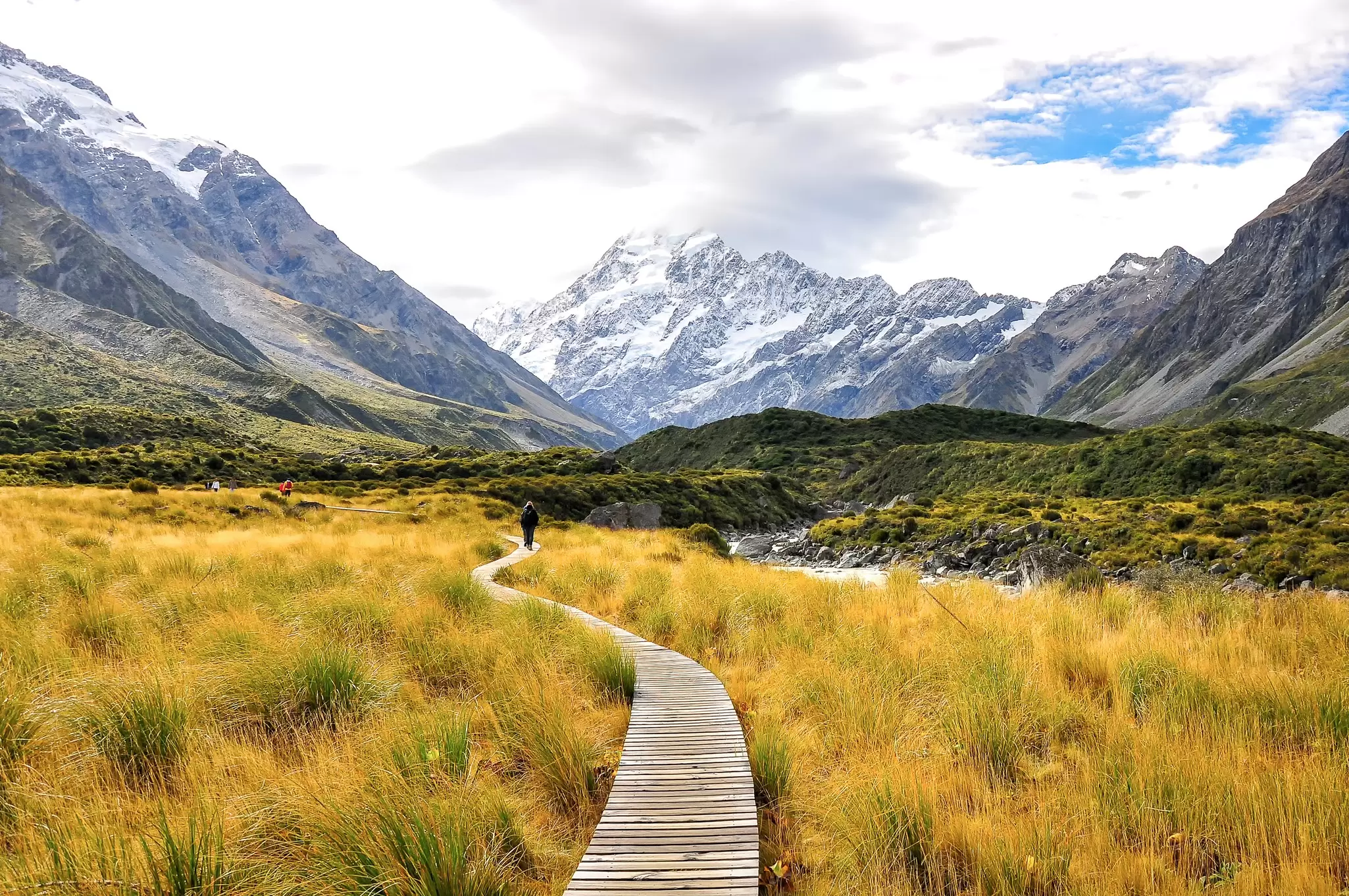
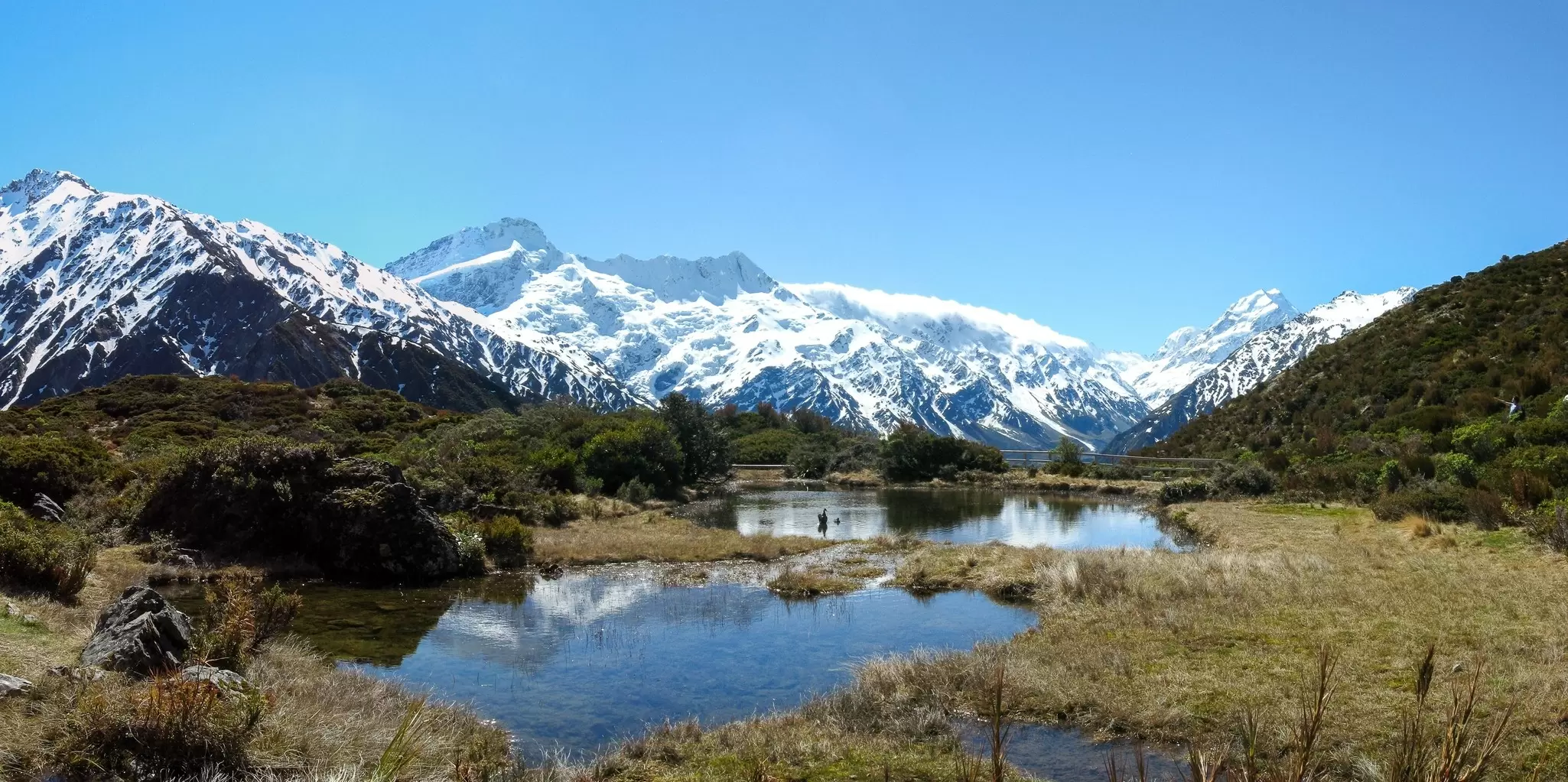
The 4km return Red Tarns Track, a steep little climb from Aoraki/Mount Cook Village, rewards you with sweeping views across the valley to Aoraki/Mount Cook. The track climbs about 300 meters through native vegetation, and with every step, the backdrop of the village gets smaller, and the mountains feel bigger. On calm days, the tarns, named for the red pond weed, can mirror snowy peaks. It takes about 2 hours, fitting easily into a day trip.
Book your New Zealand trip with Lonely Planet Journeys
See New Zealand how it's meant to be seen
Planned by local experts and tailored to you, Lonely Planet Journeys handles the logistics so you can just enjoy the trip. Tell us what you want and we'll build your New Zealand itinerary from scratch, or browse our bookable trips to get inspired.


Explore related stories