A Guide to León, Spain
Sep 20, 2026
9 MIN READ

Writer
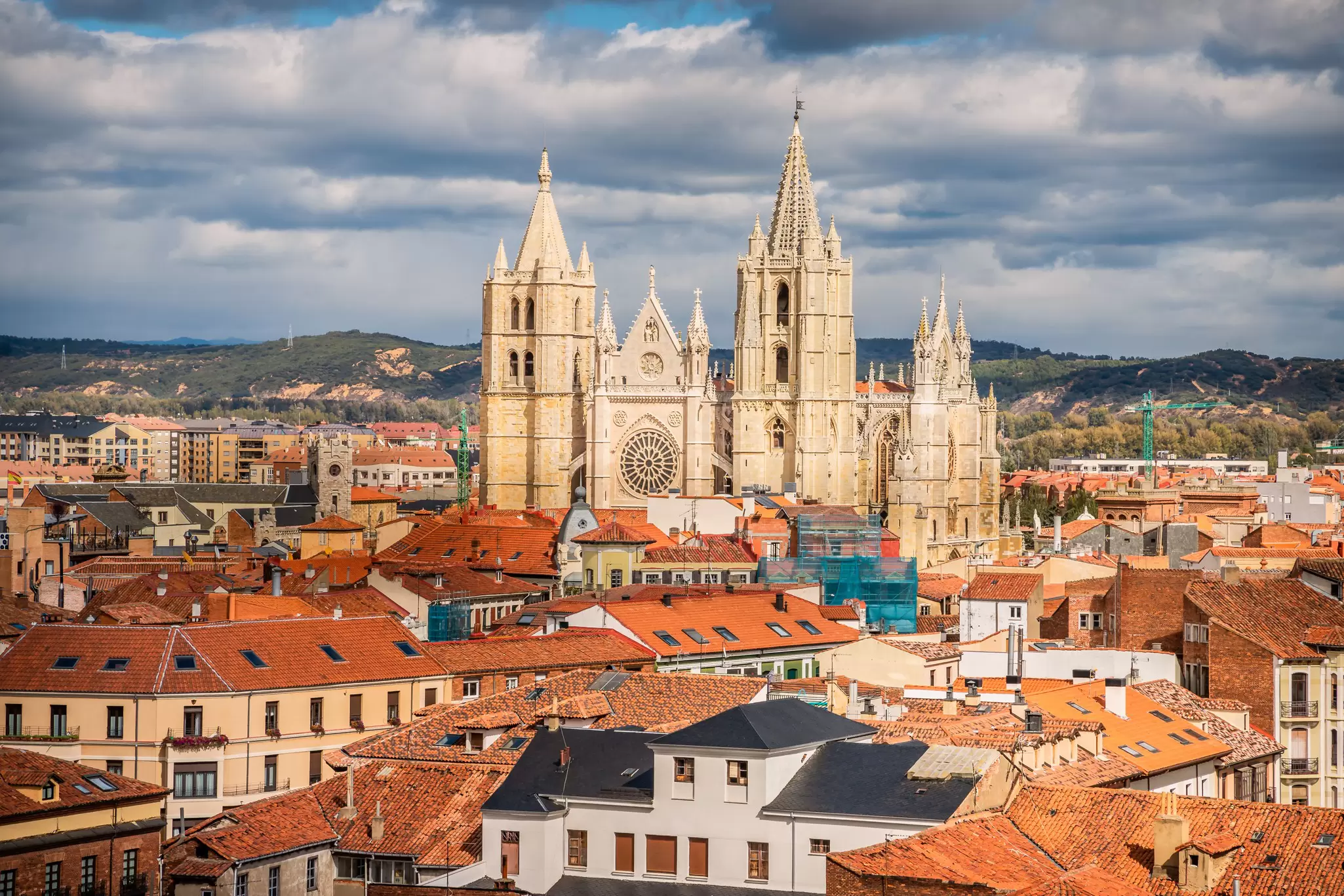
Catedral de León in León, Spain. MaxMaximovPhotography/Shutterstock
Writer
Lonely Planet may earn a commission from affiliate links on our site. All recommendations and reviews reflect our own independent opinions.
Spain’s largest region, Castilla y León, deserves all of the time you can devote to exploring it, while its namesake city of León combines historic streetscapes with an irresistible contemporary energy.
By day, encounter a city with ancient roots firmly planted in the soil of northern Castilla, with grand monuments and a staunchly loyal Catholic heritage. By night, a soundtrack of revelry floods the narrow streets of the old town and plazas of the picturesque Barrio Húmedo (known as the “Damp Quarter” for its wealth of bars). This is also pilgrimage country: don’t be surprised if you’re tempted to hit the Camino, at least for a day or two, yourself.
From tantalizing tapas to architectural treasures, here’s our guide to this underrated city in northwestern Spain.
When Should I Go to León?
León has a year-round calendar of events, with the Semana Santa (Holy Week) processions the highlight. The new year kicks off with Three Kings Day (January 6) when you can try traditional Roscón de Reyes (cakes shaped like a crown with a figurine hidden inside). Spring brings an explosion of birdsong and wildflowers to the surrounding countryside, and then in March or April, depending on the year, Semana Santa (Holy Week) takes over the city.
If you love a festival, time your visit for the Fiestas de San Juan y San Pedro, a week of festivities that takes place in León in late June. Concerts are complemented by more local traditional activities for all ages, including children, plus there’s outdoor dining, parades and performances throughout the city.
When summer fully arrives, unshaded streets can be baking under the fearsome daytime heat, but evenings are perfect for enjoying a glass of wine and tapas. Then autumn (late September onwards) brings cooler temperatures and winters can get down to freezing overnight, but sunny days and festive lights more than make up for the cold.
Is It Easy to Get in and Around León?
León is well-connected by trains and buses to cities across Spain. You'll often get from A to B far quicker by rail than by plane. Fast trains connect León, Burgos, Valladolid and Segovia, while slower – and often very scenic – routes connect to cities such as Ávila and Astorga.
Once you’re here, the historic center is a relaxing, charming and hassle-free place to explore on foot (and, of course, a lot of visitors arrive that way!). Underground car parks are privately owned and expensive, so if you’re arriving by car, consider staying at a hotel where parking is included.
Top Things to Do in León
The Camino de Santiago passes through León; pilgrims have been crossing it since the Middle Ages, walking its streets and visiting its main monuments.
Learn About the Grand Catedral de León
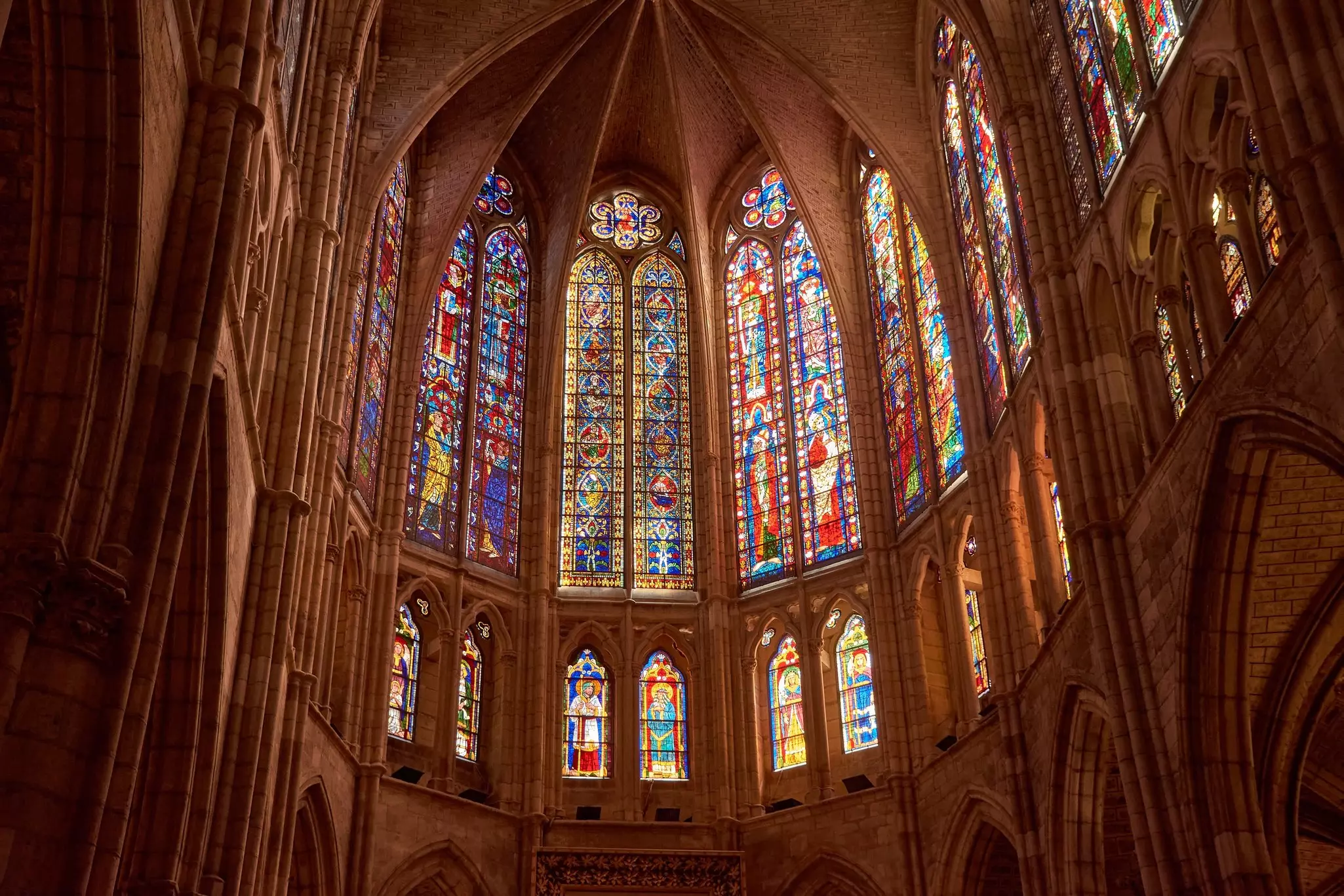
Don’t miss León’s cathedral with its range of architectural styles; the North Tower embodies the more restrained 14th-century Gothic style, while the South Tower is in the more elaborate 15th-century late Gothic, for example. Arrive early to enjoy the full drama of the natural light show as the rising sun illuminates the 130 stained glass windows inside.
Visit the fascinating museum to explore the labyrinth of rooms where some of the cathedral’s finest treasures are exhibited. Climb the ornate Plateresque staircase, which was sculpted about 500 years ago by Juan Badajoz el Mozo, to visit several rooms, including the Romanic Salon with more than 50 effigies of the Virgin Mary that date back to the 12th century.
Planning tip: Entry tickets outside religious services are printed with a QR code. Children younger than 12 enter for free. Kids (of all ages) will be charmed by the entertaining information in the audio guide for children – told, unexpectedly, from the viewpoint of a resident mole!
Discover More about the City at the Museo de León
The oldest and most extensive museum in the region, the Museum of León opened in 1869 in the Convent of San Marcos. It offers an overview of the region's history and culture through archaeology and art, and walks you through the birth of human history in the area, through the Roman era, the Middle Ages, and the golden age of León as a focal point for art and religion.
Planning tip: There are two facilities in the city, plus an archaeological annex, the Roman villa of Navatejera, a few kilometers from the center of León.
Admire the Museo de Arte Contemporáneo de Castilla y León
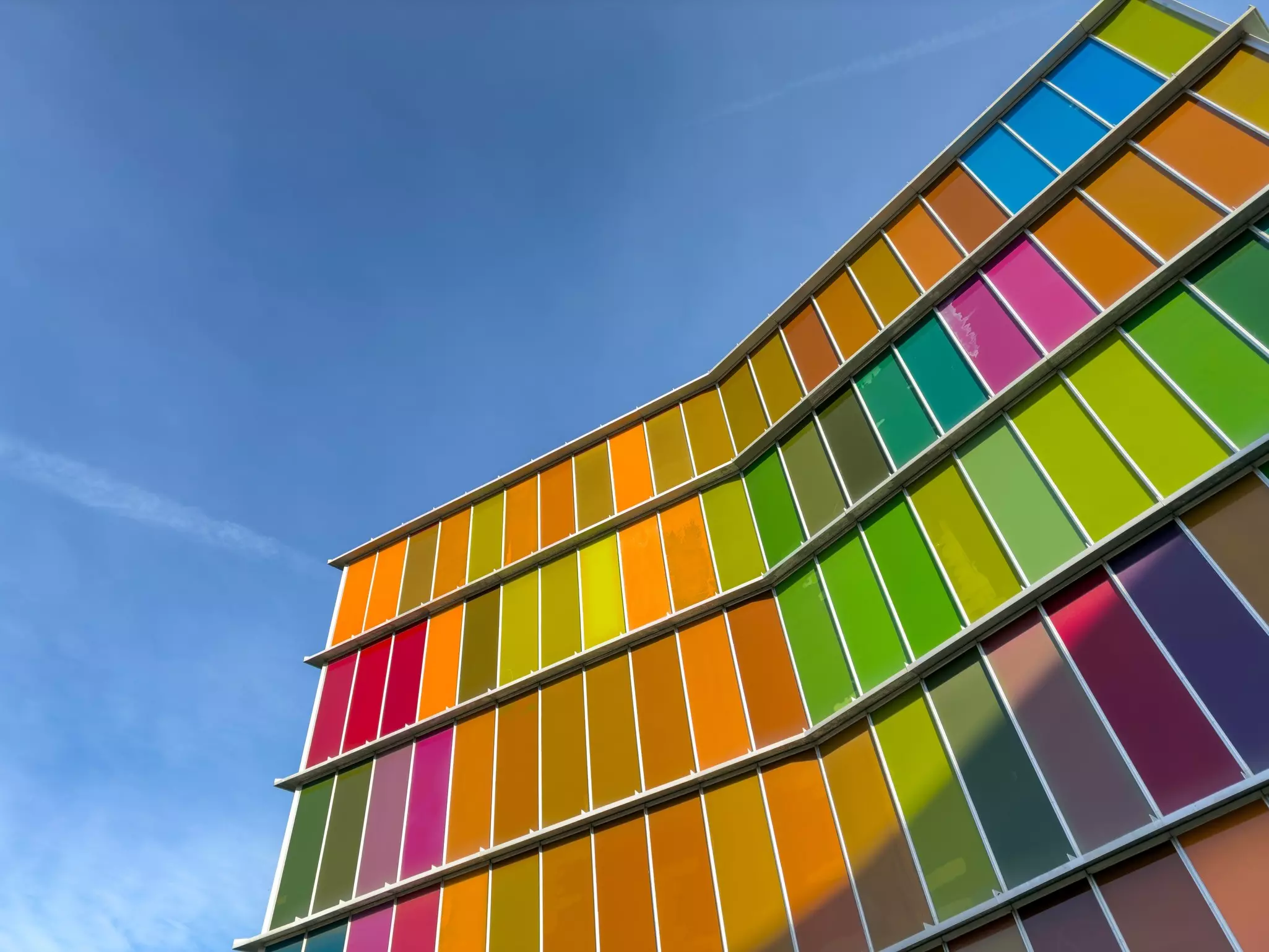
Museo de Arte Contemporáneo de Castilla y León (MUSAC in short) is León’s showpiece gallery and an unmissable architectural landmark in this historic city. The 37 shades of colored glass that adorn the facade were gleaned from the pixelization of a fragment of one of the stained-glass windows in León’s cathedral. Inside, the museum is one of Spain’s most dynamic artistic spaces, displaying mostly temporary exhibitions of cutting-edge Spanish and international photography, video installations and other similar forms. There’s also a growing permanent collection. Contemporary art lovers will want to spend the day in its airy galleries.
Planning tip: It’s closed on Mondays.
Take a Self-Guided Plaza Walk
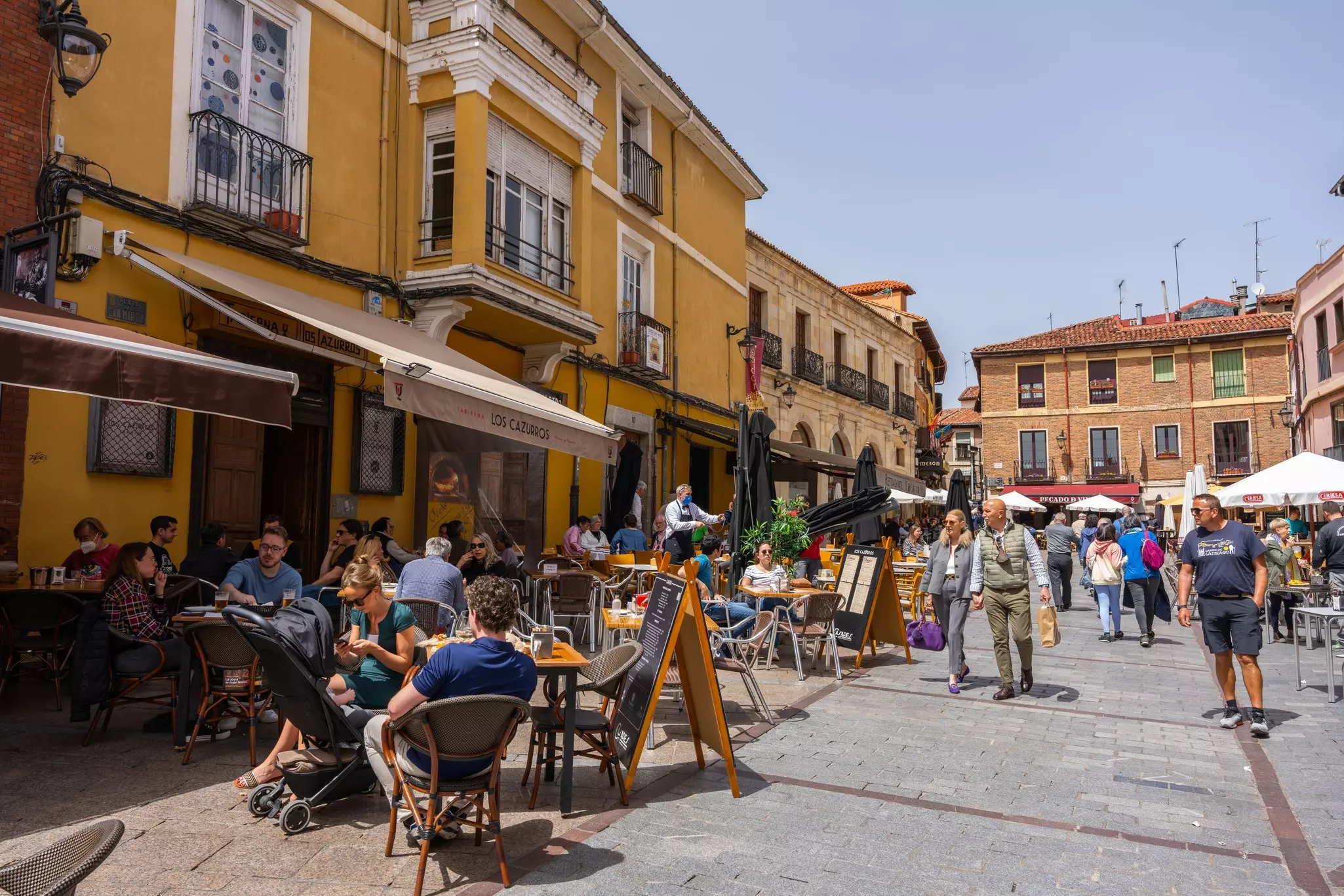
León has made an art form out of its plazas, and there’s no better way of getting to know the city than strolling from one of these treasures to another. Morning is best for the commercial hub of Plaza de Santo Domingo, the boundary between new and old towns, since you can watch the city coming to life. A few paces east is Plaza de San Marcelo, the ideal spot from which to get your bearings: on one side of the plaza, in front of the 16th-century ayuntamiento (town hall), you’ll notice that the old quarter is mapped out in model form.
Next, pay respects at the Panteón Real in Plaza de San Isidoro. Follow the elaborately cobbled path of pilgrims along Calle de Ancha to the historic pharmacy here, before arriving at Plaza de la Regla, where the cathedral dazzles in Gothic splendor. Afternoon is best for 17th-century Plaza Mayor when shadows lengthen, and the plaza is flooded with golden light. More rectangular than square, Plaza de San Martín bursts into action at night, among the clustered bars of the quarter that is – with good reason – known as Barrio Humido. Save the best for last with a restful pause in the elder-shaded Plaza de Santa María del Camino (also known as Plaza del Grano), with its cobbles and the pillared houses that were once part of the grain market.
Relax in the Shade in the Parque del Cid
Parque del Cid (like nearby Plaza Cid and Calle Cid) was named for Castile’s most famous medieval knight. A green, shady haven of peace, it’s also packed with more than the usual share of intriguing sights for such a small area. There are the remains of a Roman aqueduct, and stairways lead up onto a section of the old city walls. You’re also sure to notice a truly monumental cast bronze hand – a sculptural homage to the world’s veterinarians.
Explore the Parador de León
Conceived in the 12th century as a hospital for pilgrims run by the Order of Santiago, this historic building is now providing (substantially upgraded) rest and recuperation for well-heeled visitors. It’s a 1km walk from most of the sights in the old town, but the location (right on the Camino de Santiago) has historic allure of its own. Although the rooms are actually out the back in a later building, they have full old-world charm, and it's worth exploring the public areas.
Walk the Cloisters of the Real Basílica de San Isidoro
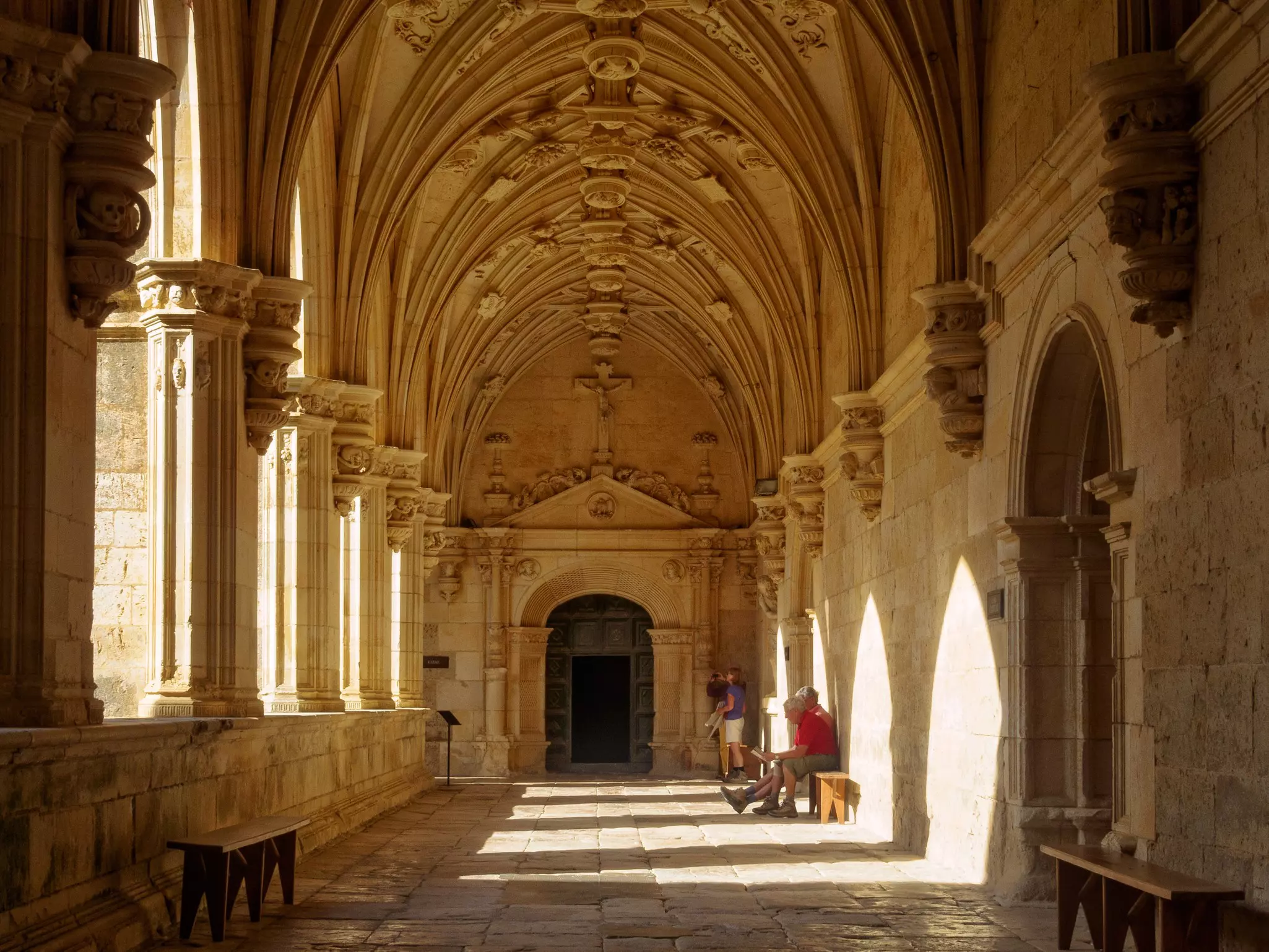
Even older than León's cathedral, the Real Basílica de San Isidoro provides a stunning Romanesque counterpoint to the former's Gothic strains. Inside the Museo de San Isidoro, the stunning Panteón Real houses royal sarcophagi, which rest beneath a canopy of some of the finest Romanesque frescoes in Spain. Colorful Biblical scenes drench the vaults and arches of this extraordinary hall, held aloft by marble columns. The museum houses a shrine of San Isidoro and a mummified finger of the saint. At the building’s southwestern corner, you can see a section of the former muralla (old city wall).
Planning tip: Arrayed around a medieval courtyard and an annex to the Real Colegiata de San Isidoro, the Hotel Real Colegiata San Isidoro has contemporary rooms to book, some with windows overlooking the cloister.
See the Museo Casa Botines Gaudí
Casa Botines (1893) is one of only three buildings that Antoni Gaudí undertook outside his native Catalonia. The out-there zaniness of his Barcelona projects seems to have been quelled a little by Leonese tastes, but the building – with its resemblance to a dragon – is still spectacular. Museum information boards explain that the great architect had an epiphany in León and “abandoned his life of sin” (he used to be a dandy in his youth) to fully embrace virtue.
Planning tip: Guided tours are in Spanish. Email ahead if you’d like an English-speaking guide via entradas@casabotines.es.
Shop in the Ornate Farmacia Dra. Alonso Núñez
Even if you don’t need anything in particular, find an excuse to step into this gorgeous pharmacy on Calle de Ancha. It’s easy to imagine that little has changed since the doors first opened almost 200 years ago in 1827. It does a brisk trade in blister remedies for passing pilgrims, but it’s the sumptuous interior with shelves full of porcelain jars and ornate wooden coffered ceilings that lure most customers.
Planning tip: It’s closed on Sundays.
Pick Up Picnic Provisions at La Despensa De Lorenzo
If you’re looking for top-notch picnic provisions, La Despensa de Lorenzo is the best place in León to stock up on local produce, from cold-cut meats to celebrated local wines. Everything is beautifully presented; you'll find conserves and delicious locally produced cheeses that make ideal souvenirs and gifts to take home.
Stuff Yourself with Tempting Tapas
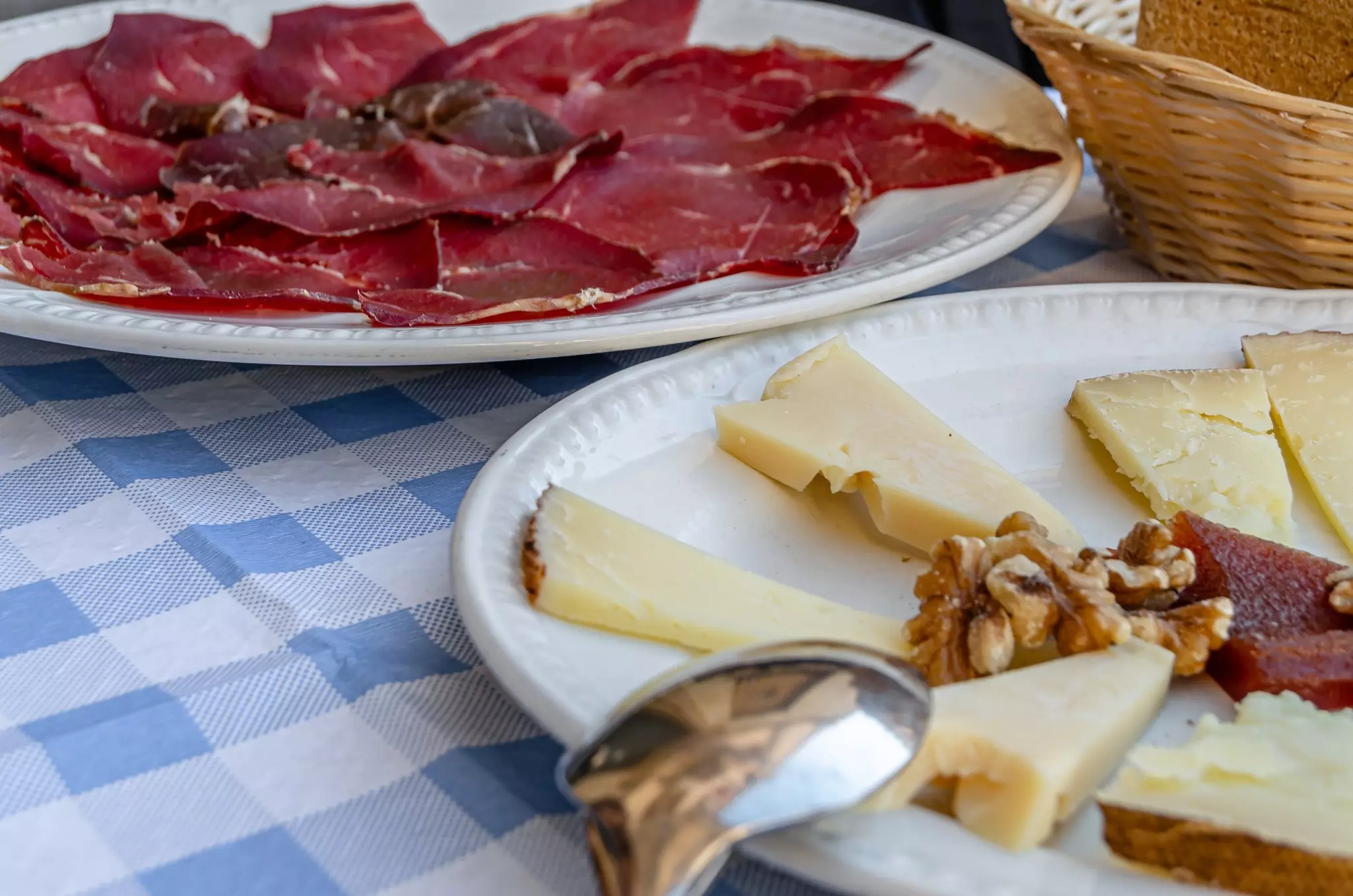
León is one of Castilla y León's culinary stars, and its tapas scene is outstanding. And as is the Spanish way, many of these tapas bars are also great spots to grab a drink. A good place to start is Plaza de San Martín, where the pick of a mixed bunch is easily Racimo de Oro. Its lovely brick-lined interior is an appealing backdrop for raciones (full-plate servings) predominantly from Castilla y León's north, such as cured meats, strong cheeses and roasted red peppers. Keep going and eat your way around the city with croquetas (croquettes), albóndigas (meatballs), calamares (calamari), morcilla (blood sausage), mejillones (mussels) and more.
How much money do I need for León?
Bed in a hostel: from around 20 euros (€20)
Room in a boutique hotel: from around €110
Café con leche: €2–4
Ración of jamón: €10
Dinner at a Michelin-star restaurant: from €150
Menú del día (set menu) at a local restaurant: from €12
Crafted cocktail: €12
Ticket to a museum or art gallery: €10–15 on average
Book your Spain trip with Lonely Planet Journeys
See Spain how it's meant to be seen
Accommodations, activities and ground transportation all taken care of, so you can focus on the fun part. Tell us what your dream trip to Spain looks like, and our local experts will build it from scratch. Or start with one of our itineraries and make it your own.