Aug 26, 20268 min read
15 Things to Know Before Visiting Hawaiʻi Jul 28, 2026
10 MIN READ

Writer
The Nāpali Coast, Kauaʻi. Matt Munro for Lonely Planet

Writer
Highlights
Writer Sarah Etinas matches all six Hawaiian Islands to the right traveler.
The Big Island rewards volcano-chasers; lush Kaua'i suits hikers and waterfall seekers.
O'ahu blends Pearl Harbor, Honolulu nightlife and North Shore surf; Maui suits couples.
Lana'i's two Four Seasons make it Hawai'i's luxury hideout; Moloka'i stays gloriously untouched.
Lonely Planet may earn a commission from affiliate links on our site. All recommendations and reviews reflect our own independent opinions.
Picking your perfect piece of paradise is never easy. Which means it can be especially hard to choose where to alight in dreamy Hawai‘i, especially if you’ve never visited the US state before.
Each of its six major islands is a compelling destination in itself, whether you're looking for a retreat, hiking trails, fascinating culture or nightlife. Since inter-island transportation is limited, most visitors stick to just one island when planning a trip.
And that’s almost always far more than enough: for it’s hard to go wrong when visiting any corner of Hawai‘i. You’ll find local food and sunny beaches anywhere you go in the state, so no worries there.
This guide can help you find which island is the right fit for your particular interests, pace of travel, budget and schedule. Here’s how to pick the best Hawaiian Island for your dream trip.
Best for volcanic activity and diverse natural landscapes
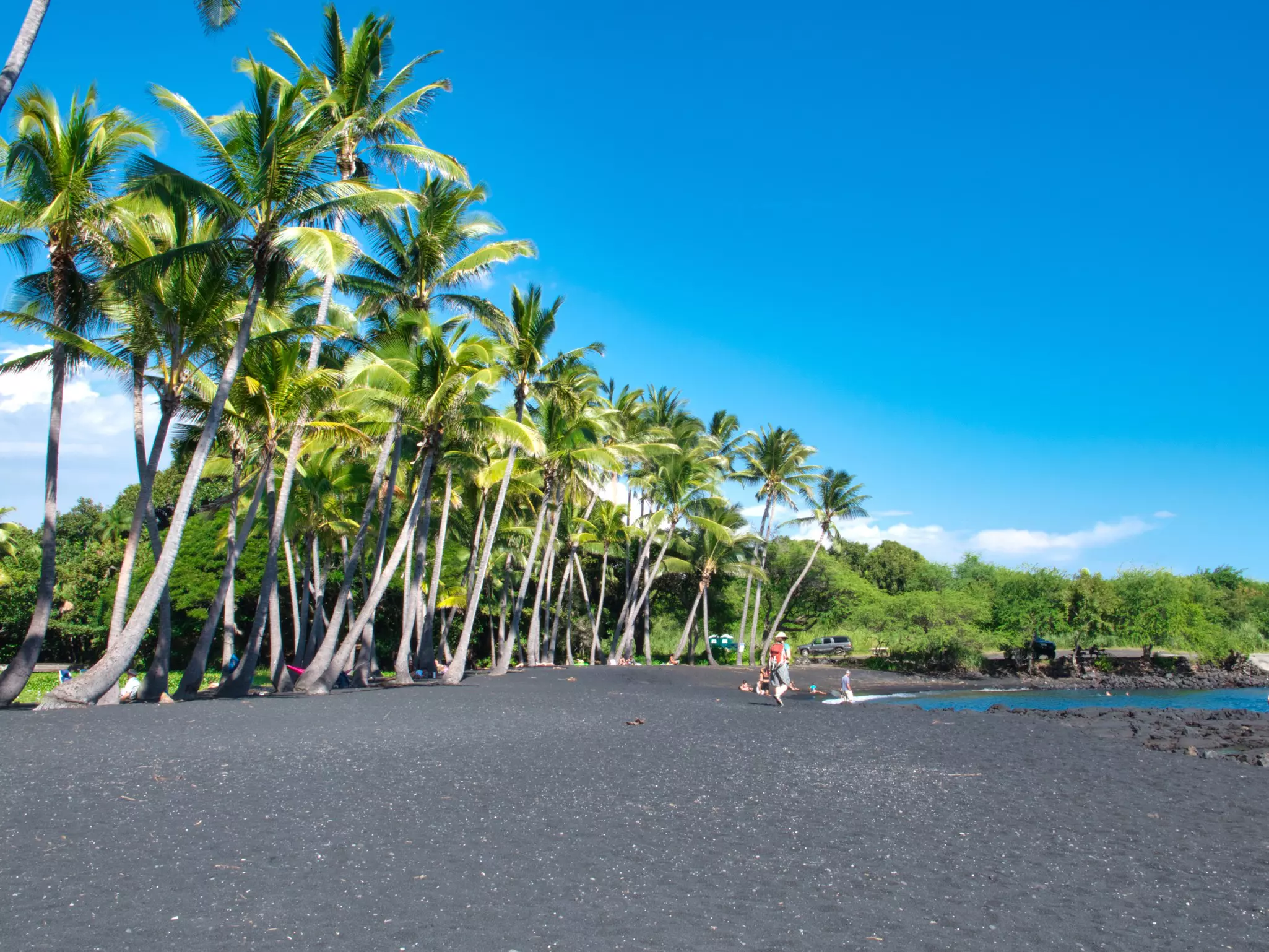
Larger than all of the other state’s islands combined, Hawai‘i Island packs a lot of natural diversity into its 4000 sq miles – from golden sand beaches and flourishing rainforests to ash-based deserts and even snow-capped mountains.
You can enjoy the long-lasting results of the Island of Hawai‘i’s volcanic activity at Punaluʻu Black Sand Beach, where honu (turtles) lounge on sand that comes from pulverized lava rock.
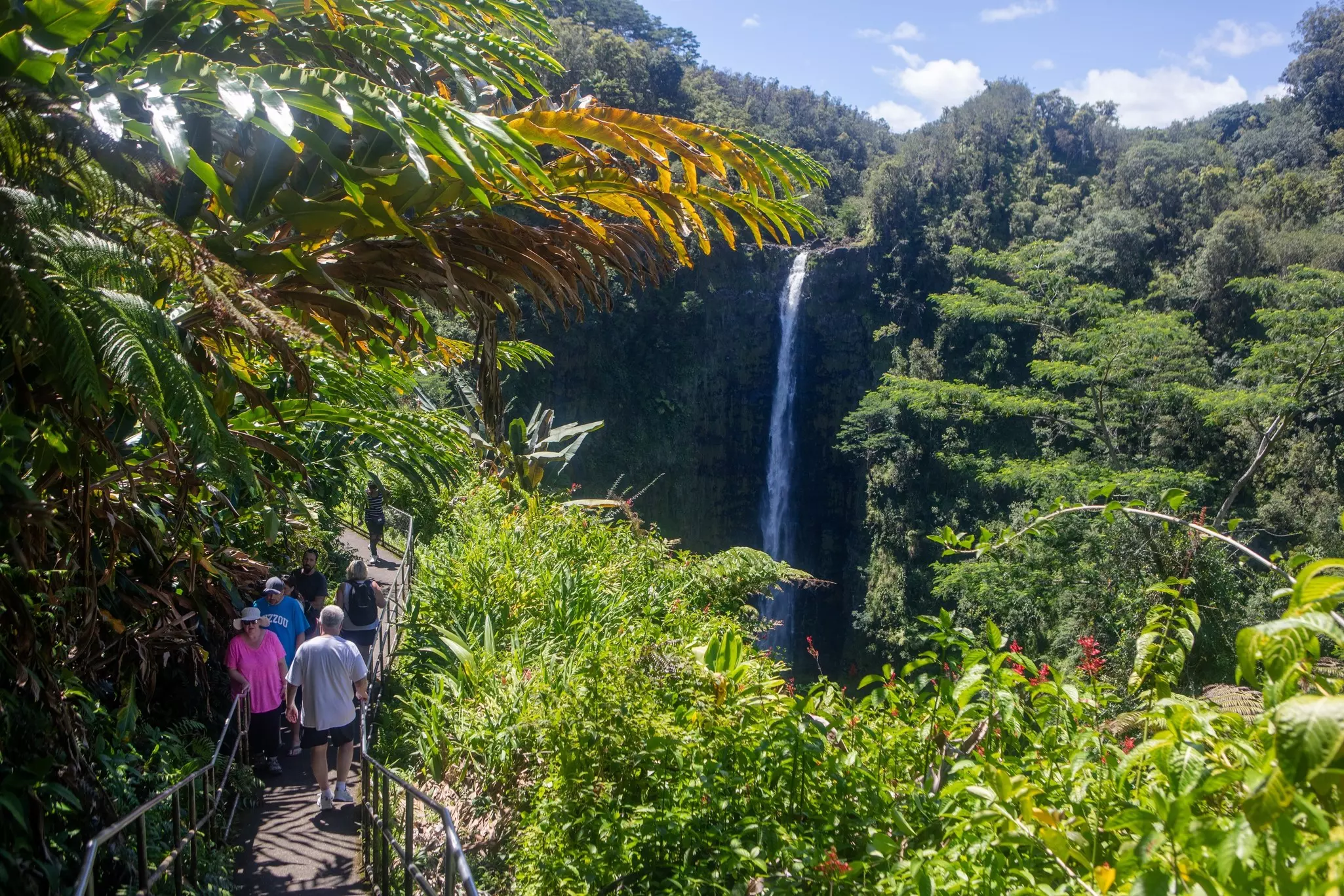
At 442ft tall and surrounded by thriving plant life, ʻAkaka Falls is one of the most eye-catching natural features on the Big Island.
With two active volcanoes, Mauna Loa and Kilauea, Hawai‘i Volcanoes National Park is filled with unique natural features like sulfur-smelling steam vents, lengthy lava tubes and the occasional flowing lava stream. First-time visitors should follow experts’ guidance on safety and getting around the park – and prepare to be astonished.
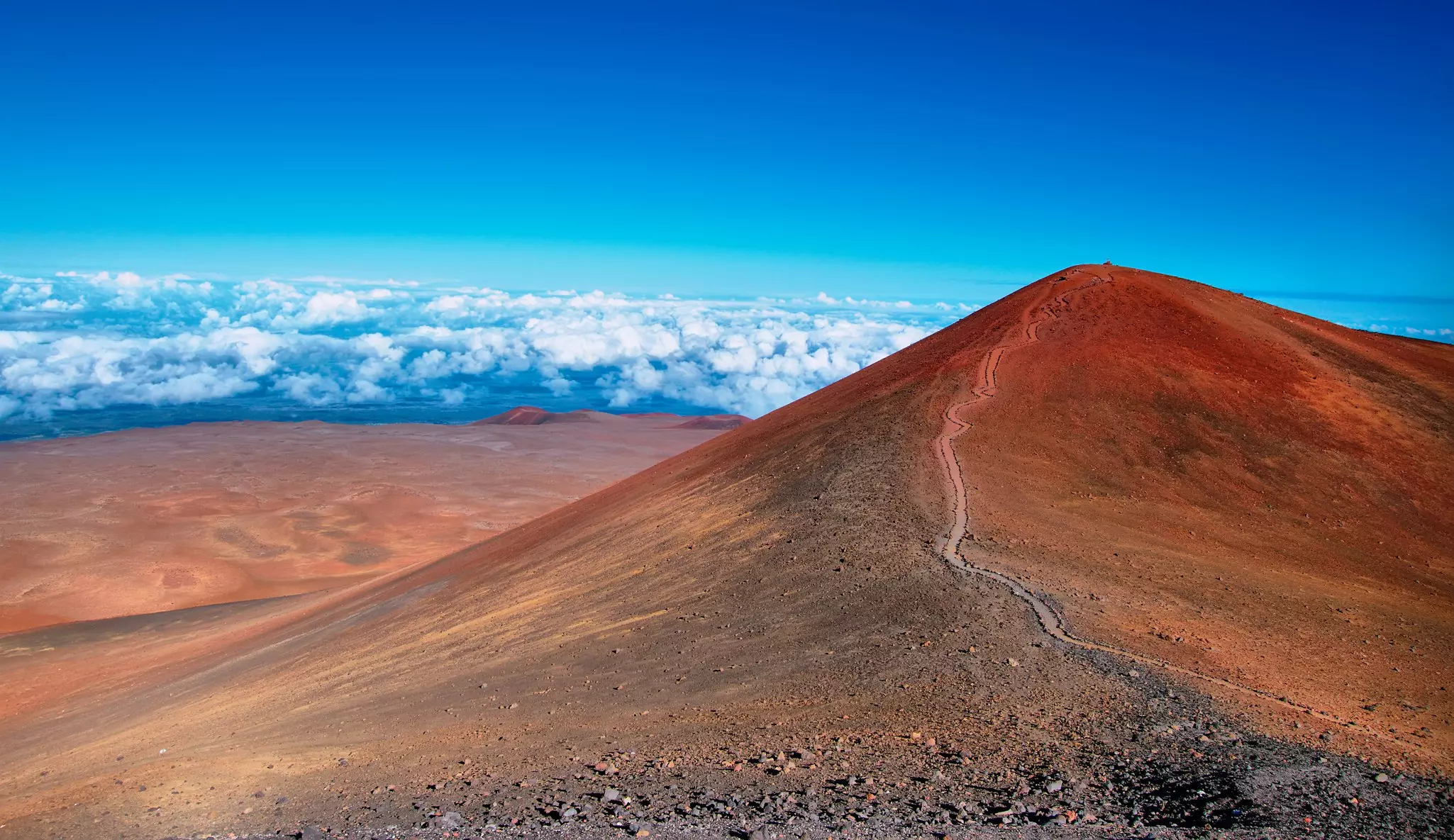
As the tallest mountain in the world when measured from seafloor to peak, Mauna Kea is a special spot indeed. Head to the summit for stargazing at night or snow (yes, even in Hawai‘i) in the winter.
At Kaloko-Honokōhau National Historical Park, you can learn about ancient Hawai‘ians’ way of life through centuries-old ruins of heiau (ancient stone temples), kiʻi pohaku (petroglyphs) and fishponds.
Hundreds of manta rays patrol the Kona Coast. Get an up-close look with an after-dark snorkel with Manta Ray Dives of Hawaii or Kona Snorkel Trips.
Best for city life, surf competitions and historic landmarks
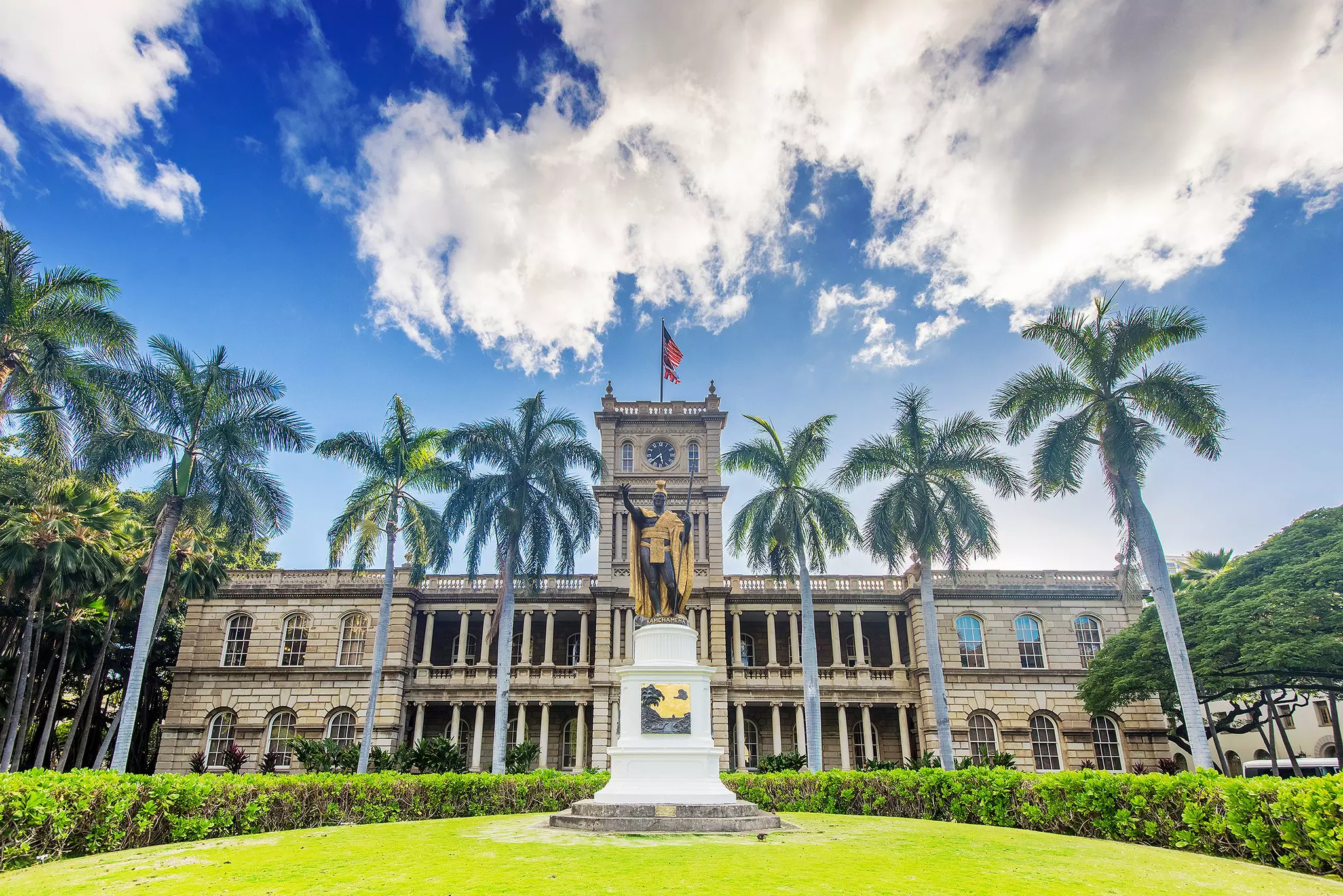
The most popular island in Hawai'i to visit as well as the most populous, Oʻahu gives big-city vibes if you want them. First-timers might venture to Honolulu and Waikīkī to find skyscrapers and luxury hotels, traffic and nightlife – all of the hallmarks of a big city. Yet beyond Honolulu’s action, Oʻahu has verdant hikes in the east, sunny beaches in the west and world-renowned surf competitions on the North Shore. You can come for an ultimate long weekend, use Oʻahu as a jumping-off point to other islands – or enjoy your whole vacation here.
Once home to Hawaiian royalty, ‘Iolani Palace later became the location for the overthrow of the Kingdom of Hawai‘i and the imprisonment of Hawaiian Queen Lili‘uokalani.
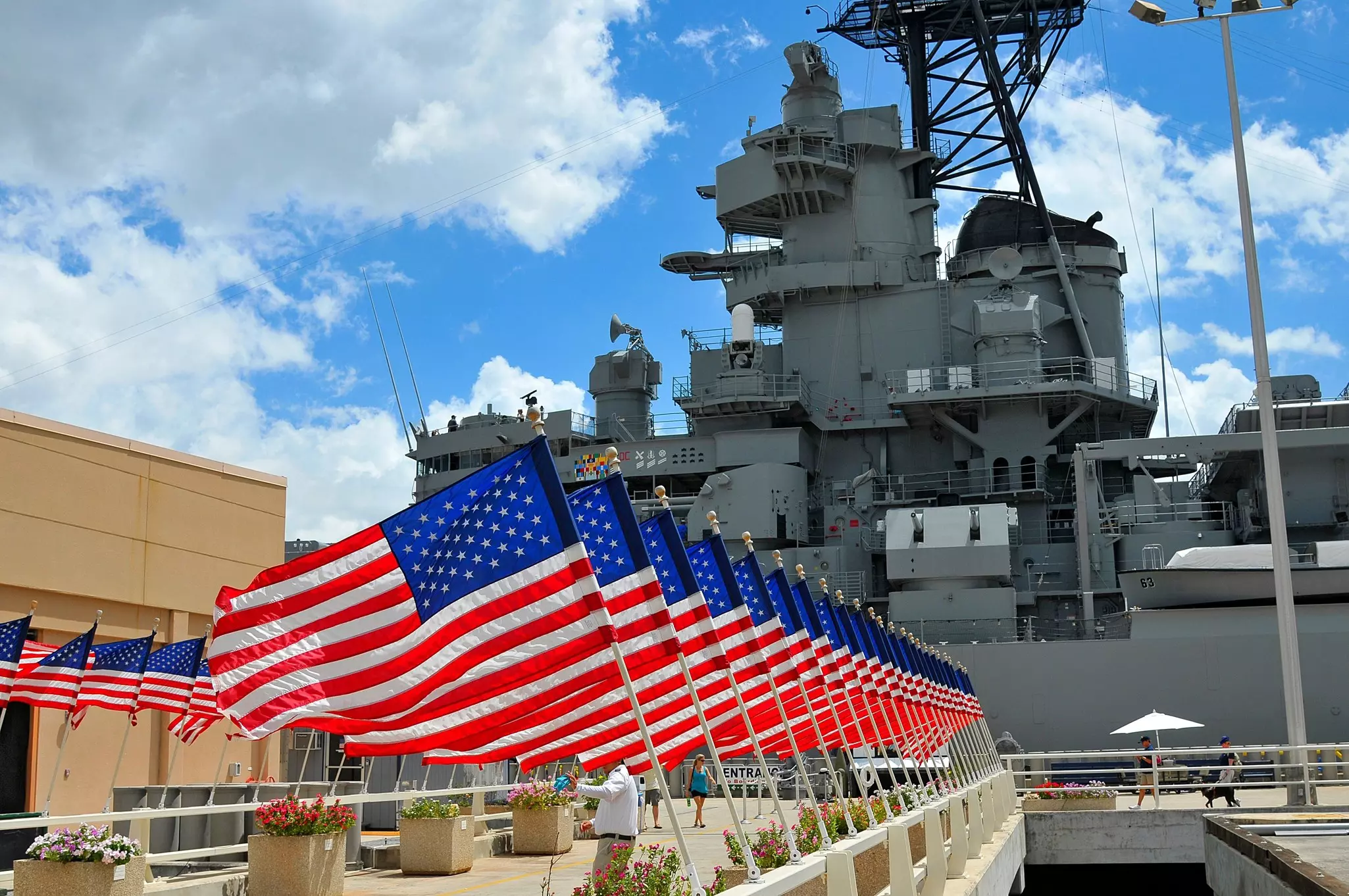
On December 7, 1941, the Japanese Navy Air Service bombed Pearl Harbor, prompting the US to declare war and enter WWII. Visit this landmark to see both the USS Arizona Memorial and the USS Missouri Memorial.
Hanauma Bay State Park’s protected bay has some of the best and safest snorkeling on the island. Keep an eye out for honu (turtles), dolphins, he‘e (octopus) and the famed state fish: the humuhumunukunukuapua‘a (reef triggerfish).
From laulau and kālua pig to poi and ho‘io salad, traditional Hawaiian food is one of the best ways to experience Hawaiian culture. Oʻahu’s Waiahole Poi Factory and Helena’s Hawaiian Food serve some of the most tastiest Hawaiian food on any of the islands.
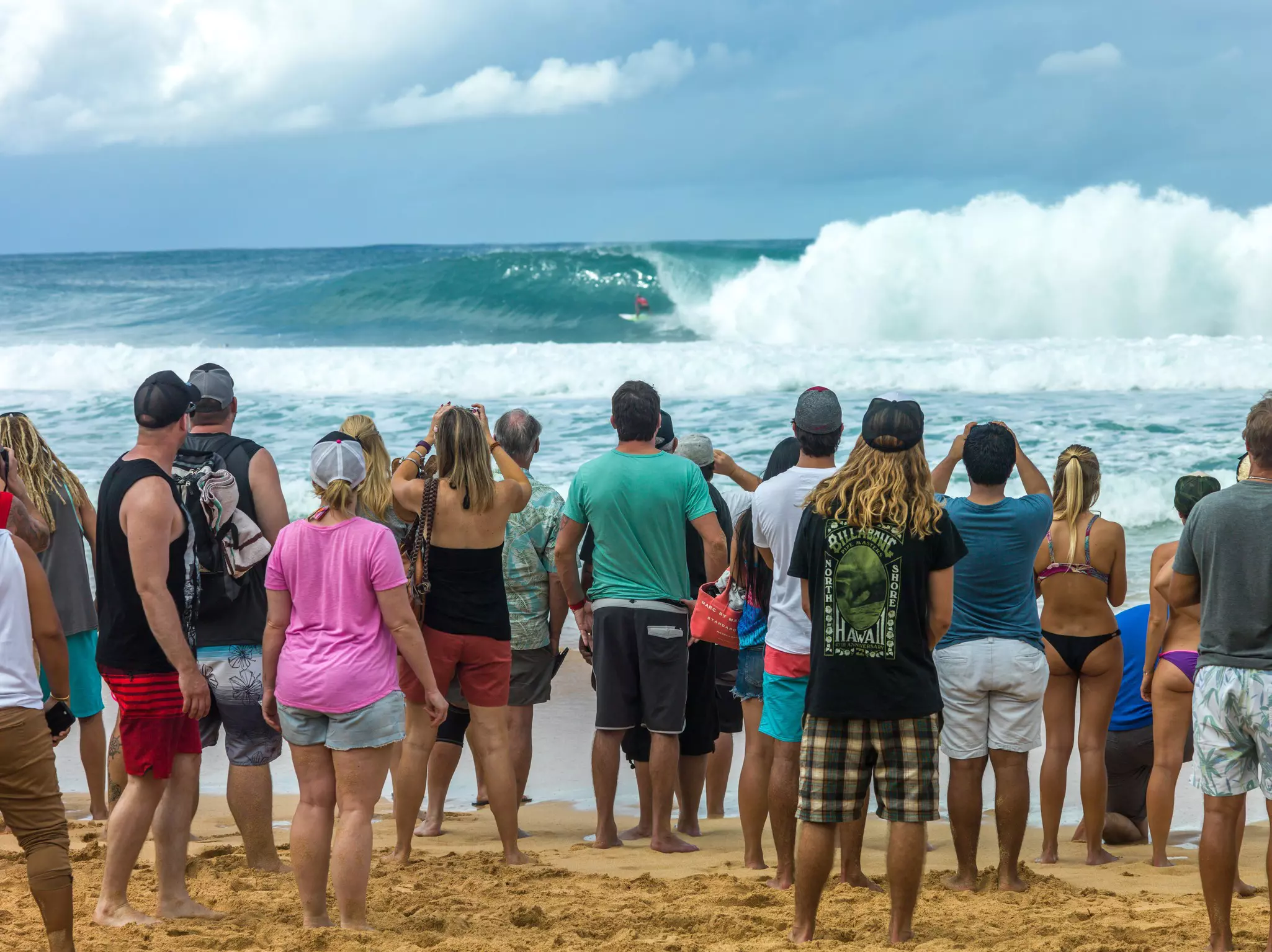
Oʻahu’s North Shore hosts some of the most famous surf competitions in the world. Watch talented surfers do what they do best during winter events like the Triple Crown of Surfing and Eddie Aikau Big Wave Invitational.
Make the short but steep hike to the first Lanikai Pillbox (an abandoned military overlook) for amazing views of Kailua, the Mokulua Islands and the Pacific Ocean.
Best for hiking and spectacular waterfalls
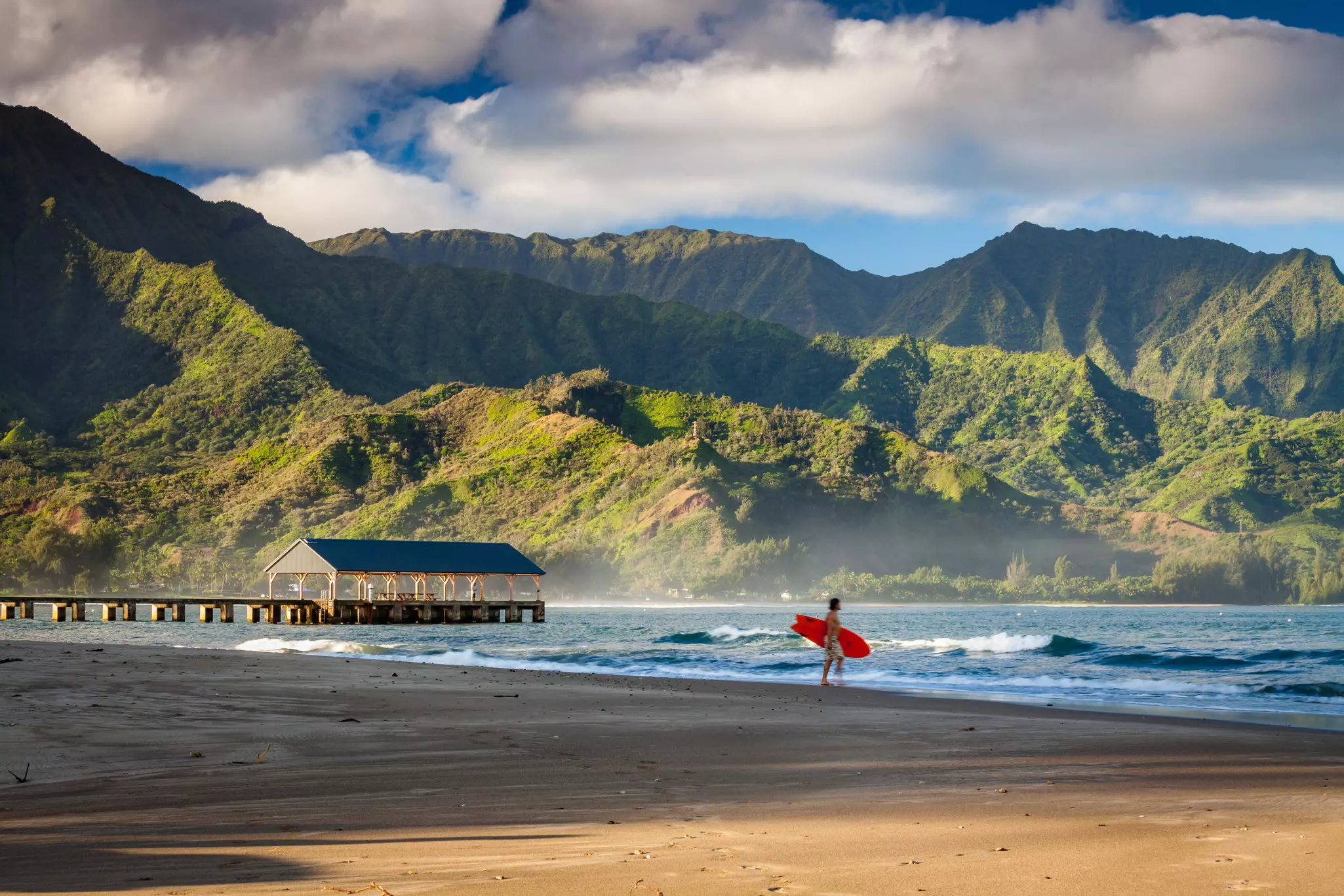
Kaua‘i certainly lives up to nickname of “the Garden Isle.” If you're planning your first trip here, you'll find lush greenery around every mountainous nook and cranny. This sleepy island gets more rain than any of the other Hawaiian Islands – which can make for some wet trekking, as well as stupendously lush and flora-filled hikes, parks and botanical gardens.
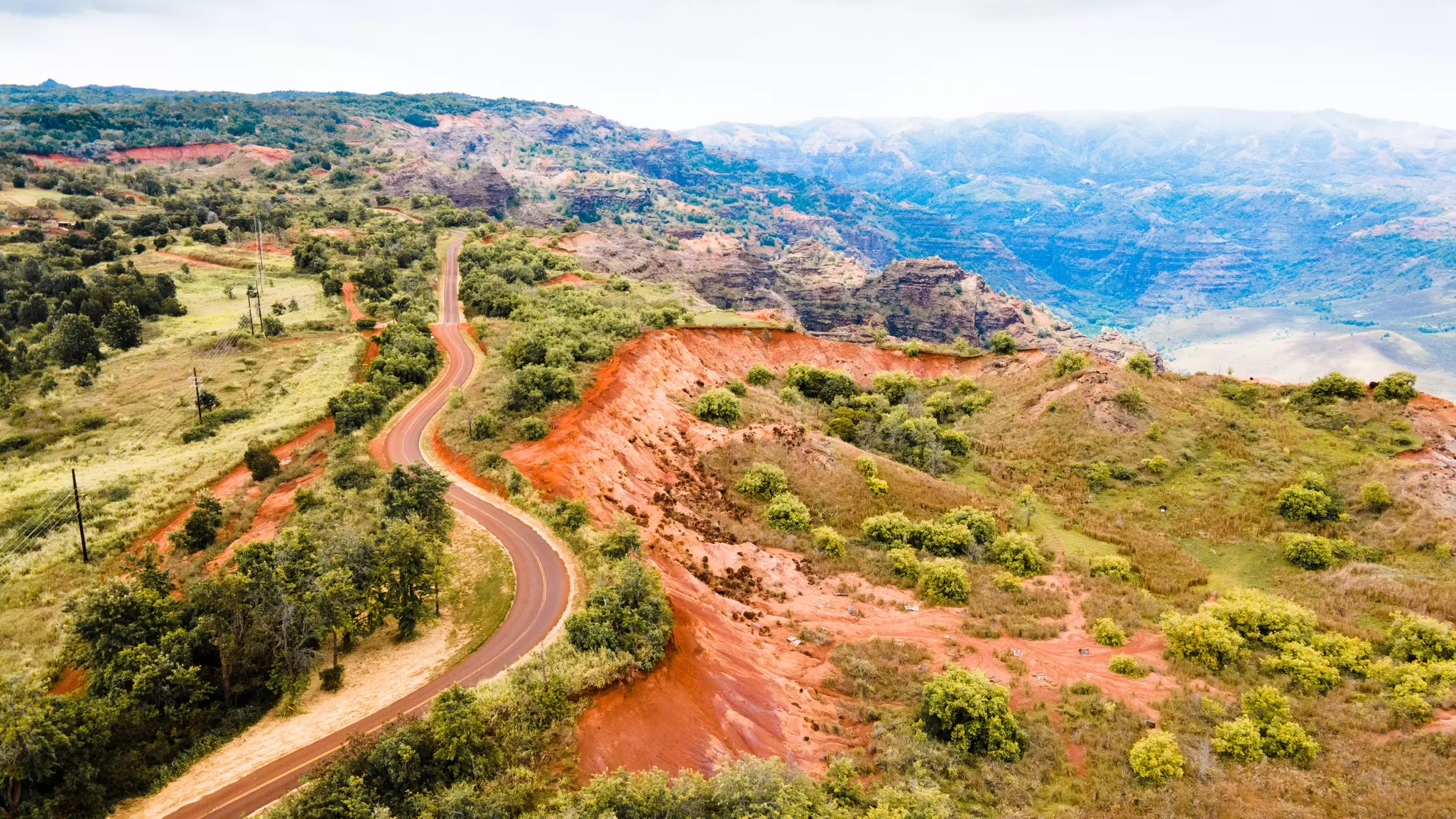
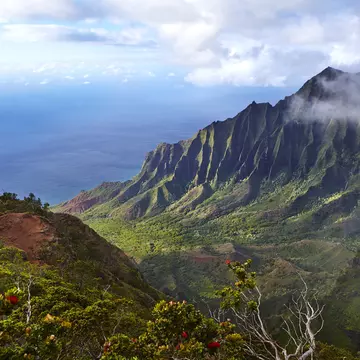
Nicknamed the Grand Canyon of the Pacific, this stratified natural landmark pairs challenging hikes with breathtaking viewpoints.
This mountain range’s deep, lush ridges and cascading waterfalls are only accessible on foot (via the 22-mile round-trip Kalalau Trail), by boat or by air. And the extraordinary emerald landscapes are worth the effort.
This North Shore bay is ideal for a beach day, thanks to its calm waters, lengthy shoreline and sunset views.
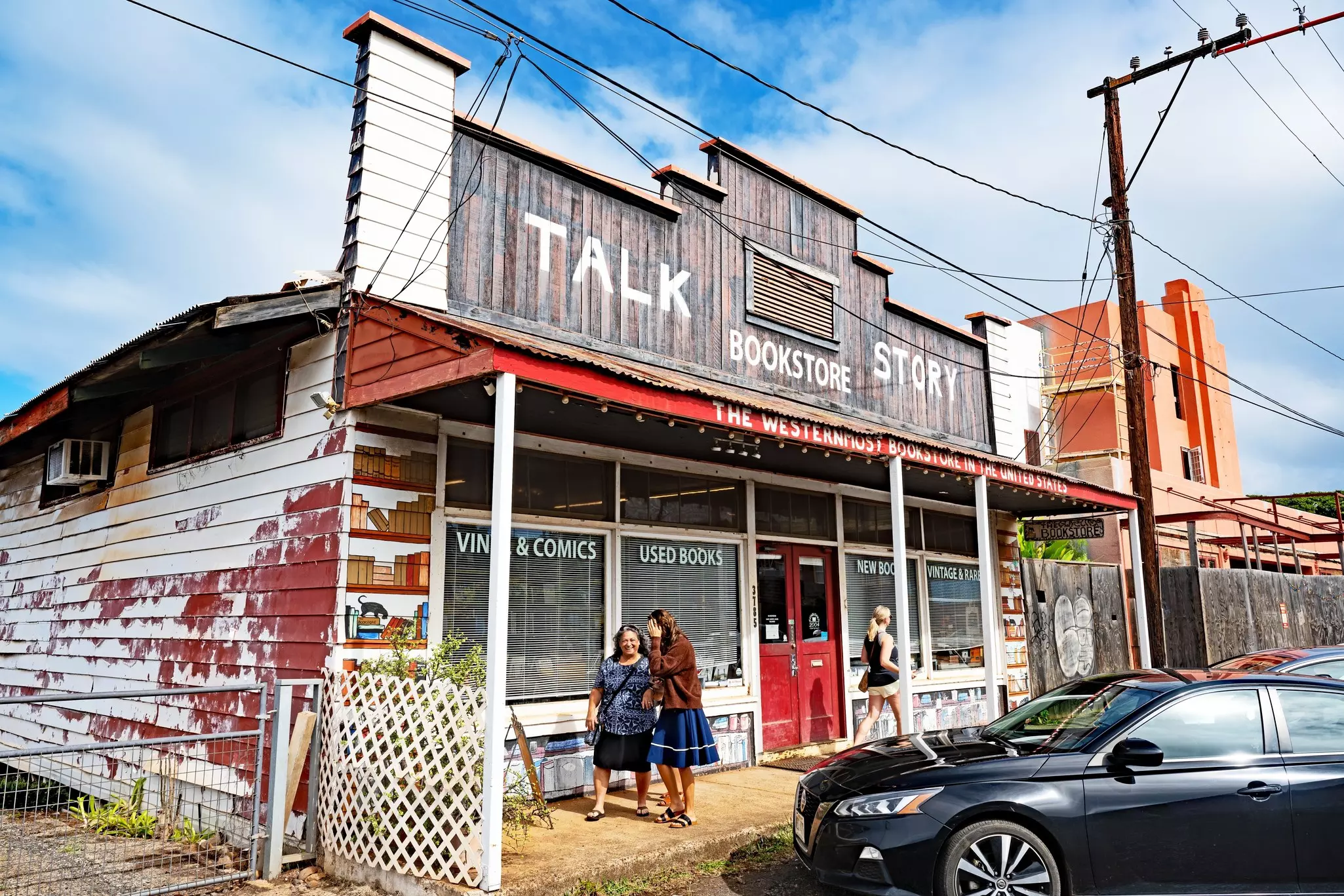
Beloved as Hawai‘i’s “biggest little town,” historic Hanapēpē is bursting with cafes, shops, landmarks and festivals. Don’t miss out on Talk Story Bookstore, Taro Ko Chips Company and Swinging Bridge.
This bike path runs along Kaua'i’s eastern side, passing beautiful beaches, adorable eateries and the occasional historic landmark.
Kaua‘i has dozens of waterfalls to explore. Drive up to Wailua Falls and ‘Opaeka‘a Falls or hike to Waipoʻo Falls and Hanakapiʻai Falls.
Best for a romantic atmosphere and scenic drives
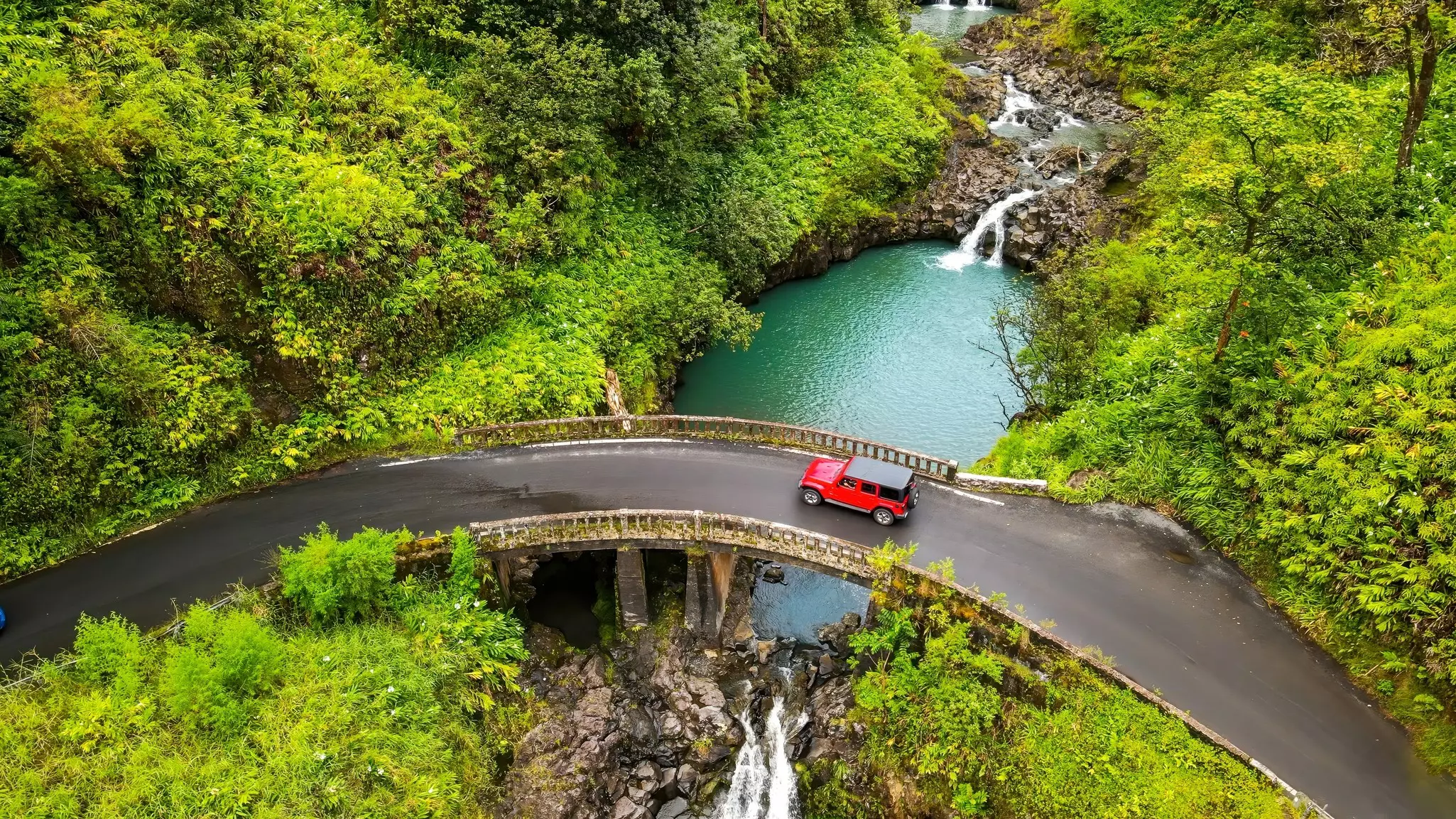
When people picture a trip to the sandy side of Hawaii (as opposed to the volcanic side), they often dream up beach chairs and resort luxury. Of all the islands, Maui best fits this bill, which makes the place particularly alluring to couples on a honeymoon or a pre-baby or anniversary trip. Maui isn’t just for couples, though: families, groups of friends and solo travelers will find their bliss as well.
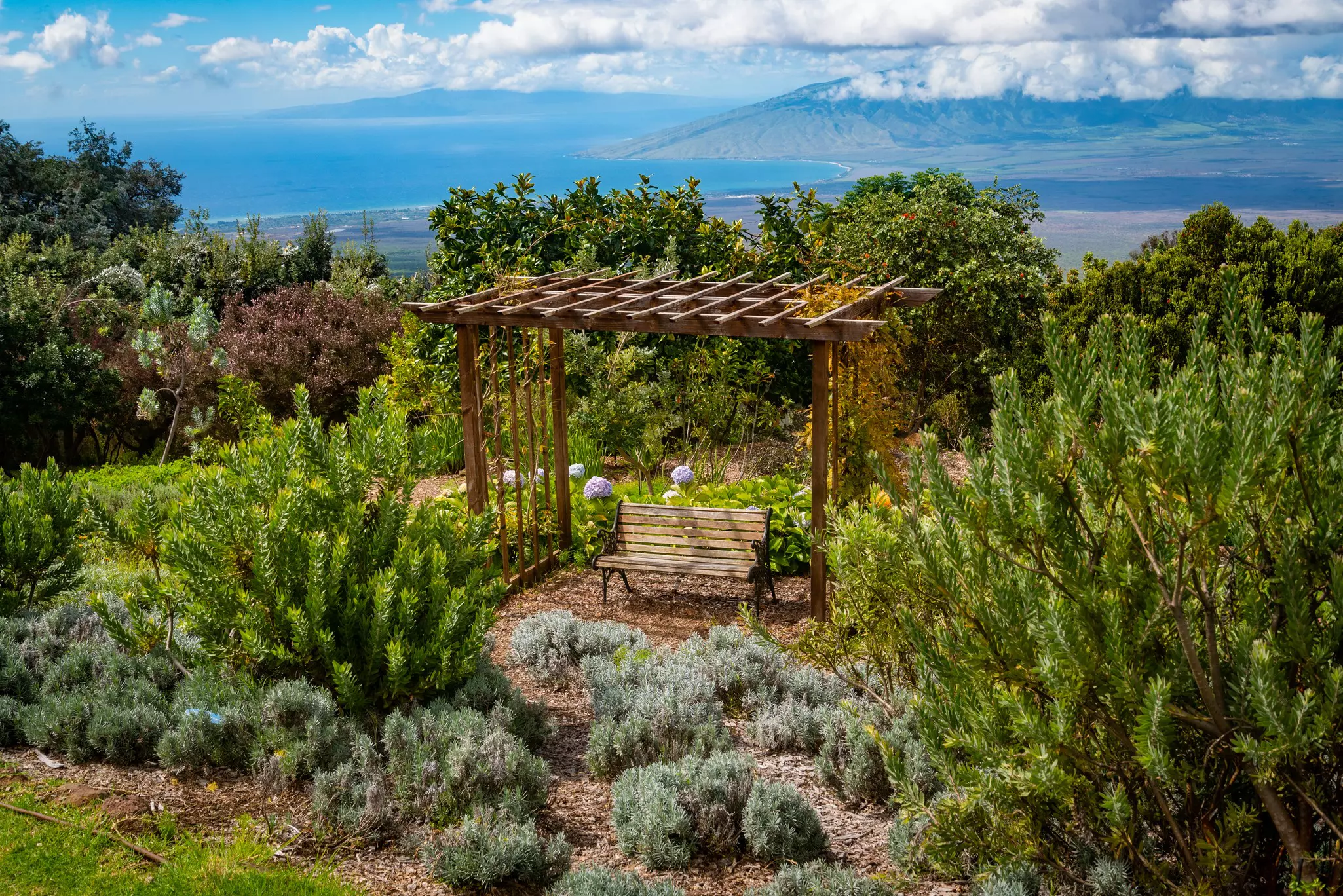
Stroll through rows of blooming lavender plants at the base of Haleakalā before popping into the gift shop to snag locally made lavender tea and scones.
Both a historic and natural landmark, lush ʻIao Valley State Monument and the aptly named ʻIao Needle rock formation are must-visit stops in West Maui.
Located on the iconic Road to Hana, this state park has historic heiau(ancient stone temple), sea arches and the island’s only black-sand beach. Reservations are required.
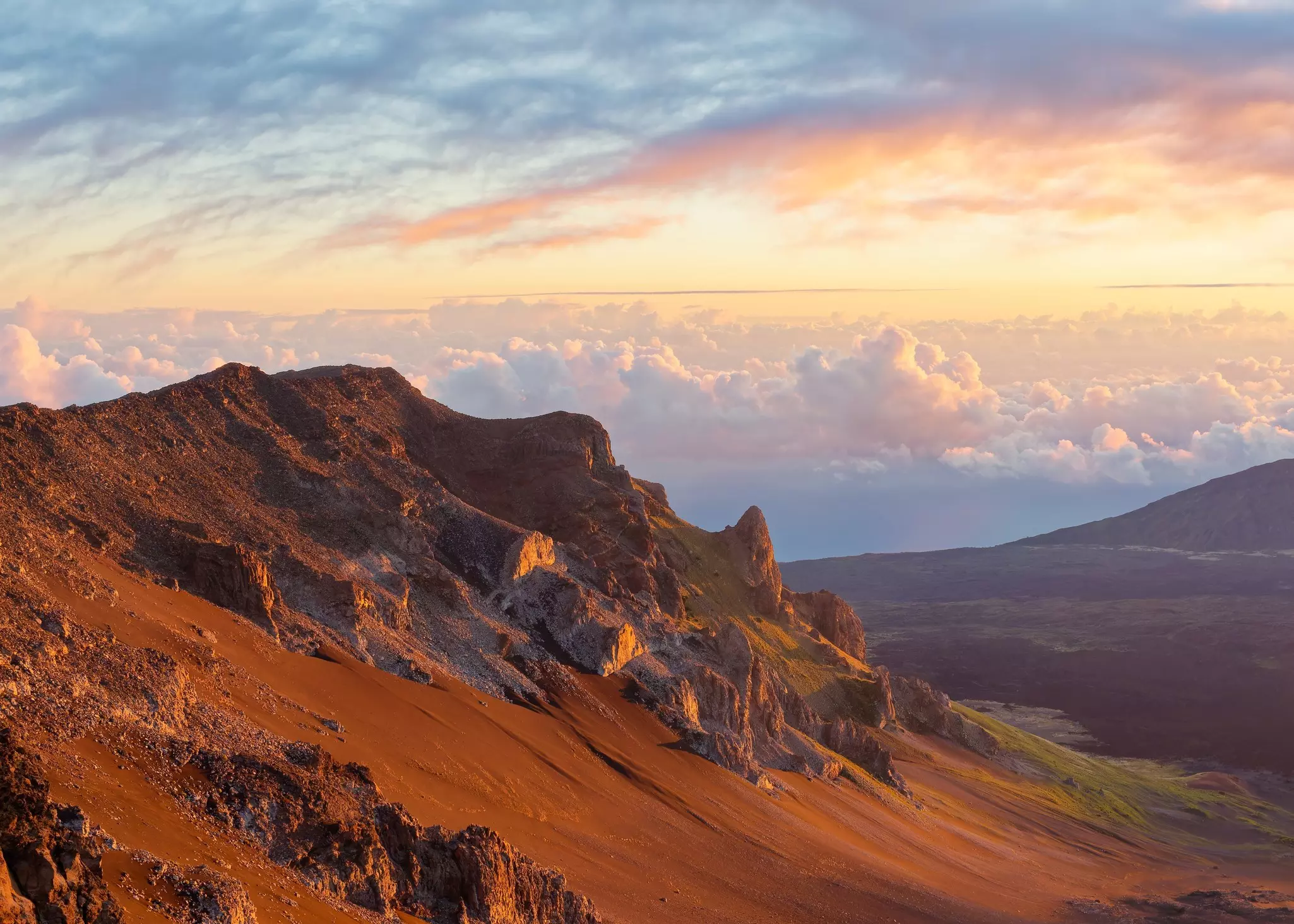
The tallest peak on Maui at 10,023ft, Haleakalā – which means “the house of the rising sun” – delivers unobstructed views of the pastel-painted sky each morning.
The epitome of the phrase “it’s about the journey, not the destination, ” the Road to Hana passes cascading waterfalls, oceanfront state parks and blood-pumping hikes.
Plunge under the water’s surface for a peek at Maui’s marine life. Many tour companies, including Four Winds and Maui Snorkeling, have incredible snorkeling tours to Molokini Crater, a thriving islet 2.5 miles off the Maui coast.
Best for luxurious relaxation
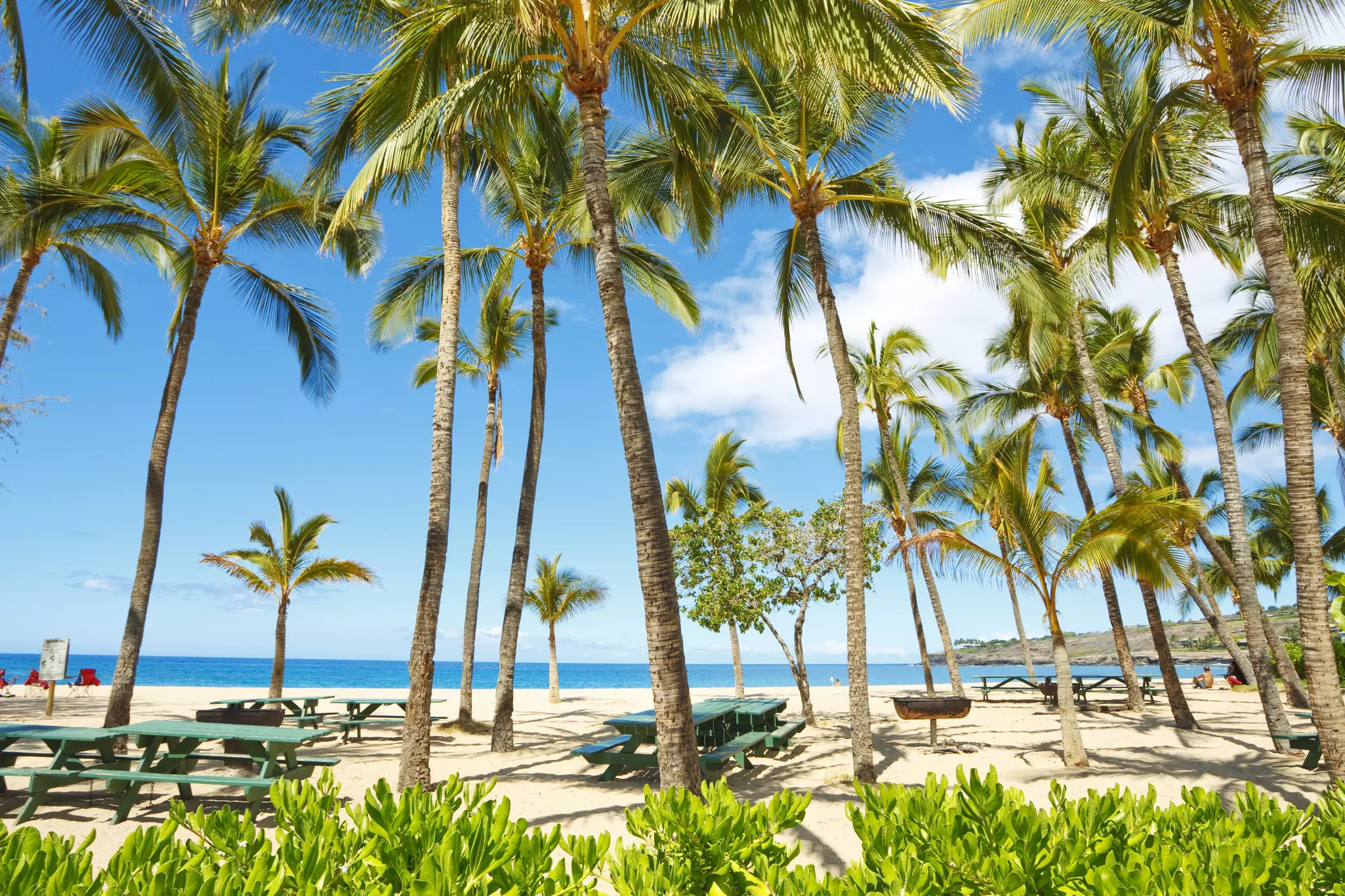
At 140 sq miles, Lana‘i is the smallest of the six main Hawaiian Islands. Even though it has no roads and a population of just 3000, it’s still home to two luxurious Four Seasons resorts, making it ideal for off-the-grid, laid-back luxury.
Once upon a time, nonnative goats, sheep and deer ate all of the vegetation in this area. Today, Keahiakawelo’s foggy, boulder-dotted landscape is all that remains. The otherworldly landscape is only accessible by 4WD.
Admire two big rusty WWII shipwrecks from the shore – but don’t get in the violent water. This beach is also only accessible by 4WD.
Nestled in the center of the island, downtown is a cluster of restaurants, shops and art galleries.
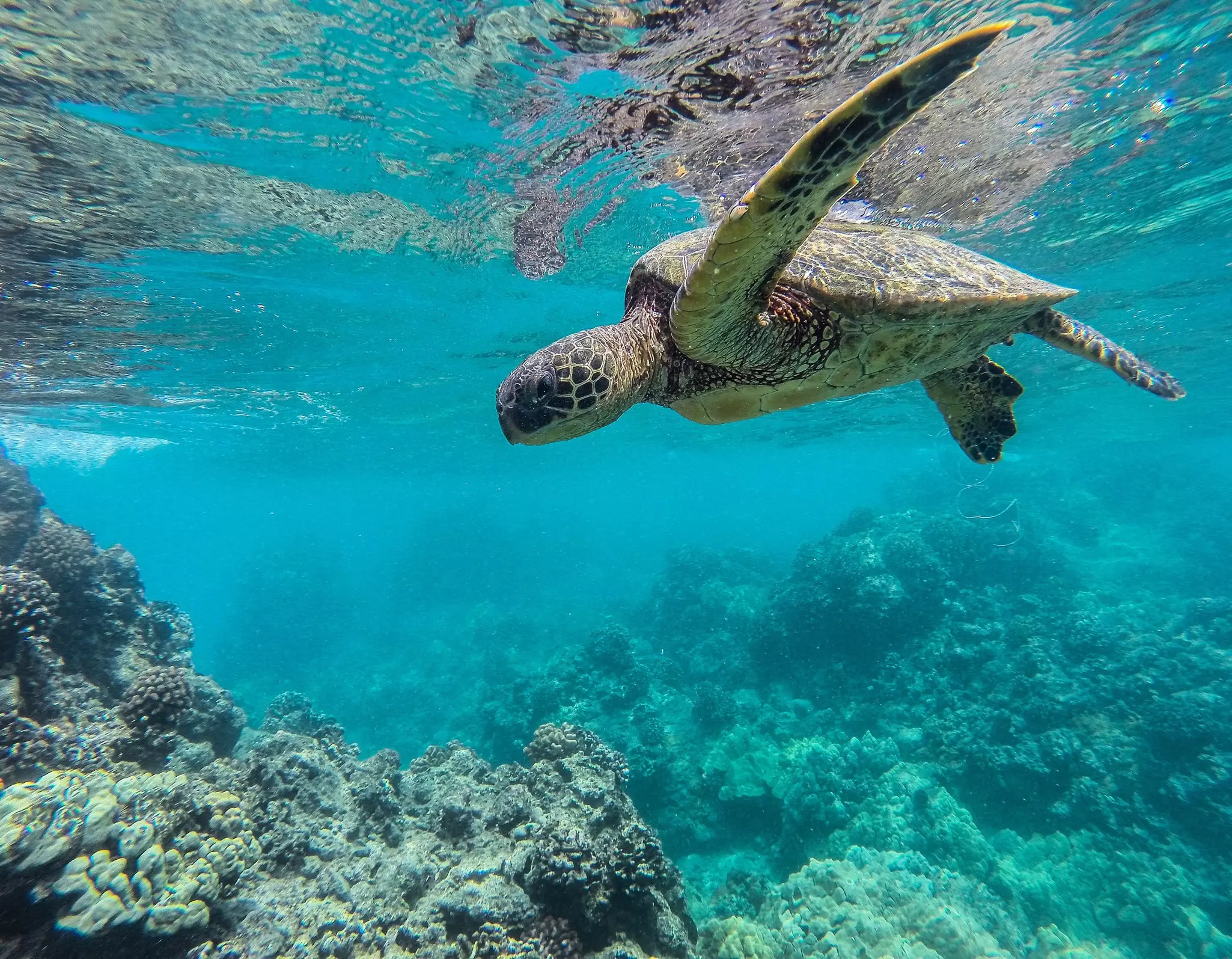
Strap on your snorkel gear and dive into this calm bay to see tropical fish and the occasional spinner dolphin.
Part of the Four Seasons, this challenging golf course is known for its sweeping cliff and ocean views.
This 12-mile path has breathtaking views of Lana‘i and the Pacific Ocean. It’s only accessible by 4WD.
Best for accessing traditional Hawai‘i
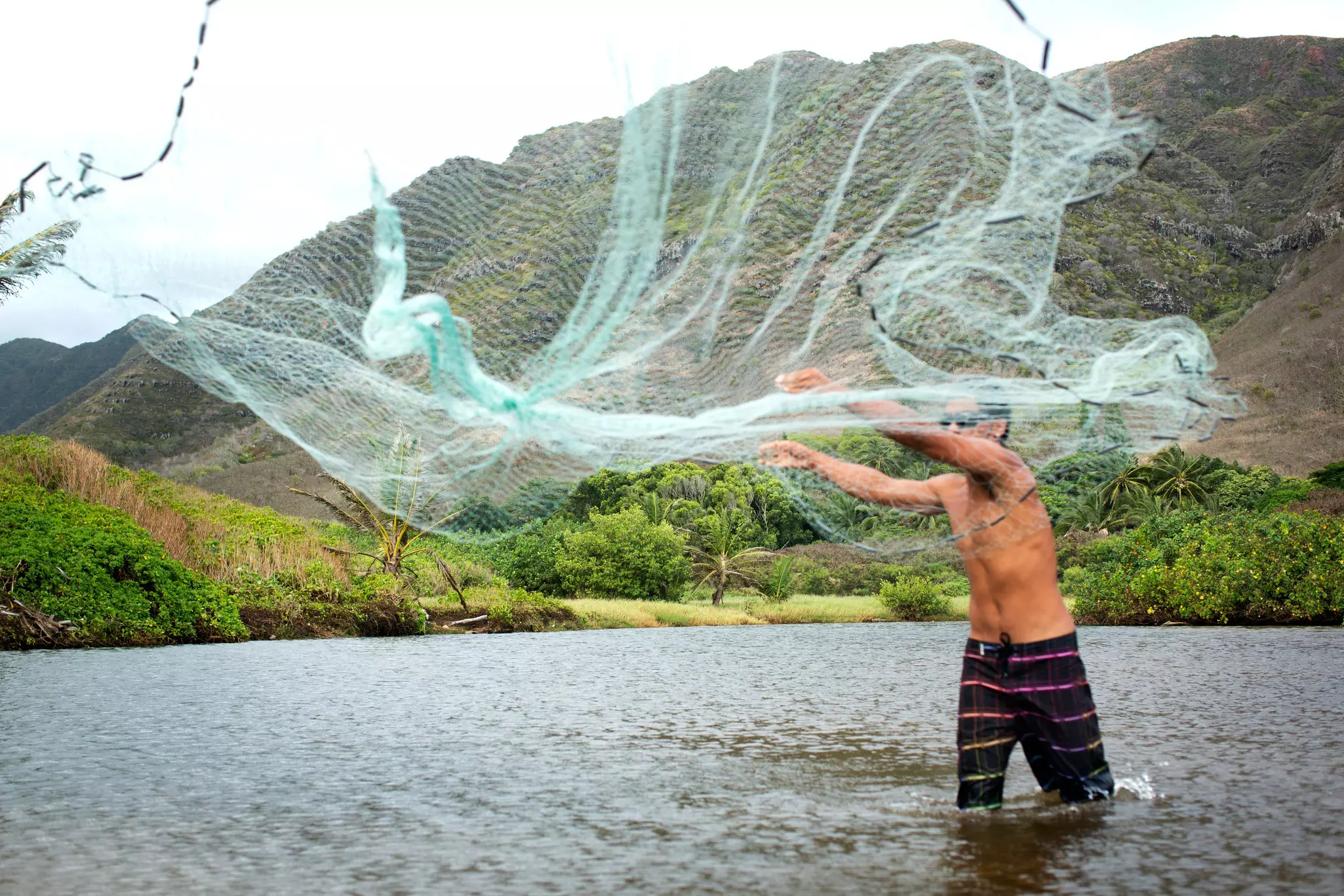
The little island of Moloka‘i offers an untouched taste of the Hawaiian Islands. Of the six main islands, this is the one with the largest percentage of Native Hawaiians, at about 62% of residents. While larger than Lana‘i, Moloka‘i doesn’t really cater to visitors. There are a couple of small local hotels; beyond that, there aren’t many guided tours, souvenir stores or grand restaurants. Plan to be on your own on Moloka‘i for the most part. And to savor it.
Located in Halawa Valley, this 250ft waterfall is the most easily accessible cascade in Moloka‘i. The trail goes through private property, so you’ll have to take a guided tour (or get permission from the owners) to access it.
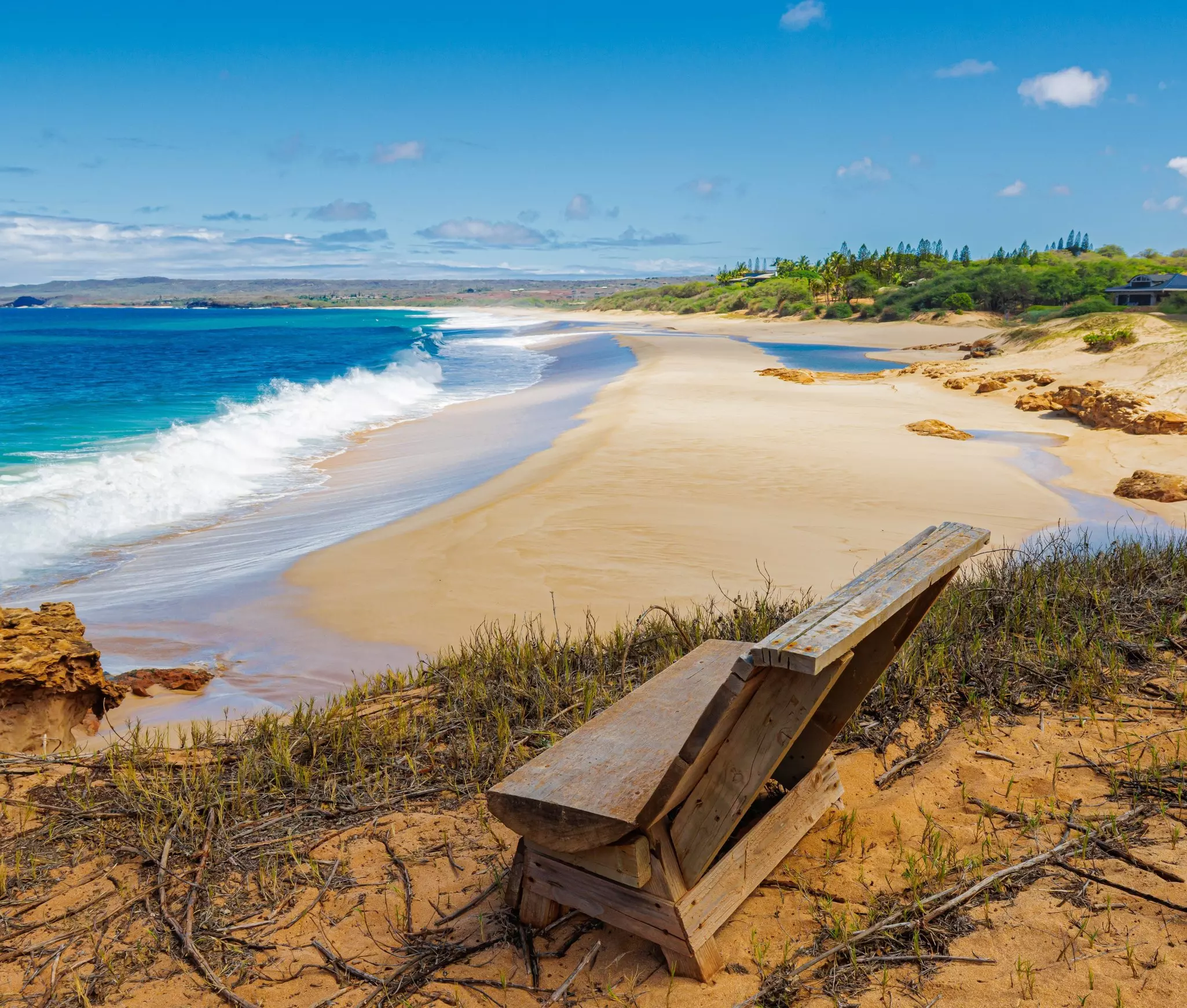
Given that this West Side beach is 2 miles long, every beachgoer is practically guaranteed to have a slice of sunny shoreline all to themselves.
Once an isolated community for people with leprosy (Hansen's disease), this remote part of Moloka‘i, today only accessible by air, serves as a historic park that tells the story of this lore-rich region.
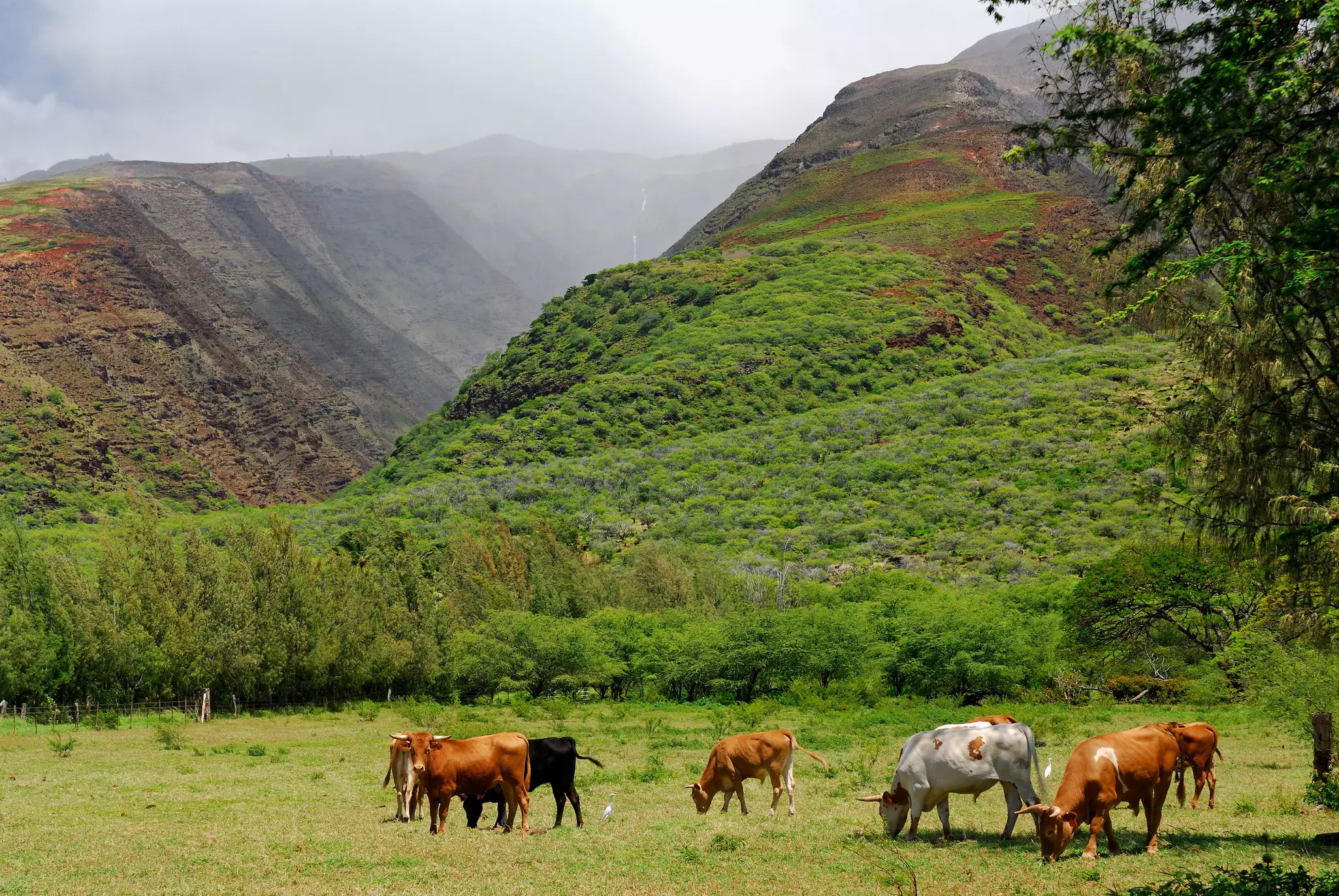
The site of the 2-mile Pēpē‘ōpae Bog Trail, this preserve – complete with thriving native plant life and gorgeous viewpoints – is an all-day adventure. It’s only accessible by 4WD.
Since Moloka‘i is mostly undisturbed by tourism, its waters teem with fish. Book a charter with Hallelujah Hou Fishing and reel in a few ʻoʻio (bonefish) and ʻomilu (bluefin trevally).
Much of Moloka‘i is agricultural land, and a few local farms are open for tours. You can learn more about Moloka‘i’s agricultural practices at Molokai Plumerias, Molokai Flowers and Purdy’s Natural Macadamia Nuts.
Explore related stories