
Sep 24, 202610 min read
A Book Lover’s Guide to IndiaLonely Planet may earn a commission from affiliate links on our site. All recommendations and reviews reflect our own independent opinions.
India has 22 constitutionally recognized languages, plus more than 1500 other languages and varieties. Each one has its own literary traditions and bands of writers who describe the cities, mountains, coastlines and people in their own communities. When you read a novel set in Kolkata, follow Arundhati Roy through the Kerala of The God of Small Things and explore Delhi with William Dalrymple and Anita Desai, you open up to the histories and landscapes behind the breadth of these places.
For travelers who always have a book tucked away, seek out these destinations where India’s literature comes alive.
To continue planning your trip, download the Lonely Planet app, or check out our India guidebook.
Best for stories of ambition, reinvention and resilience
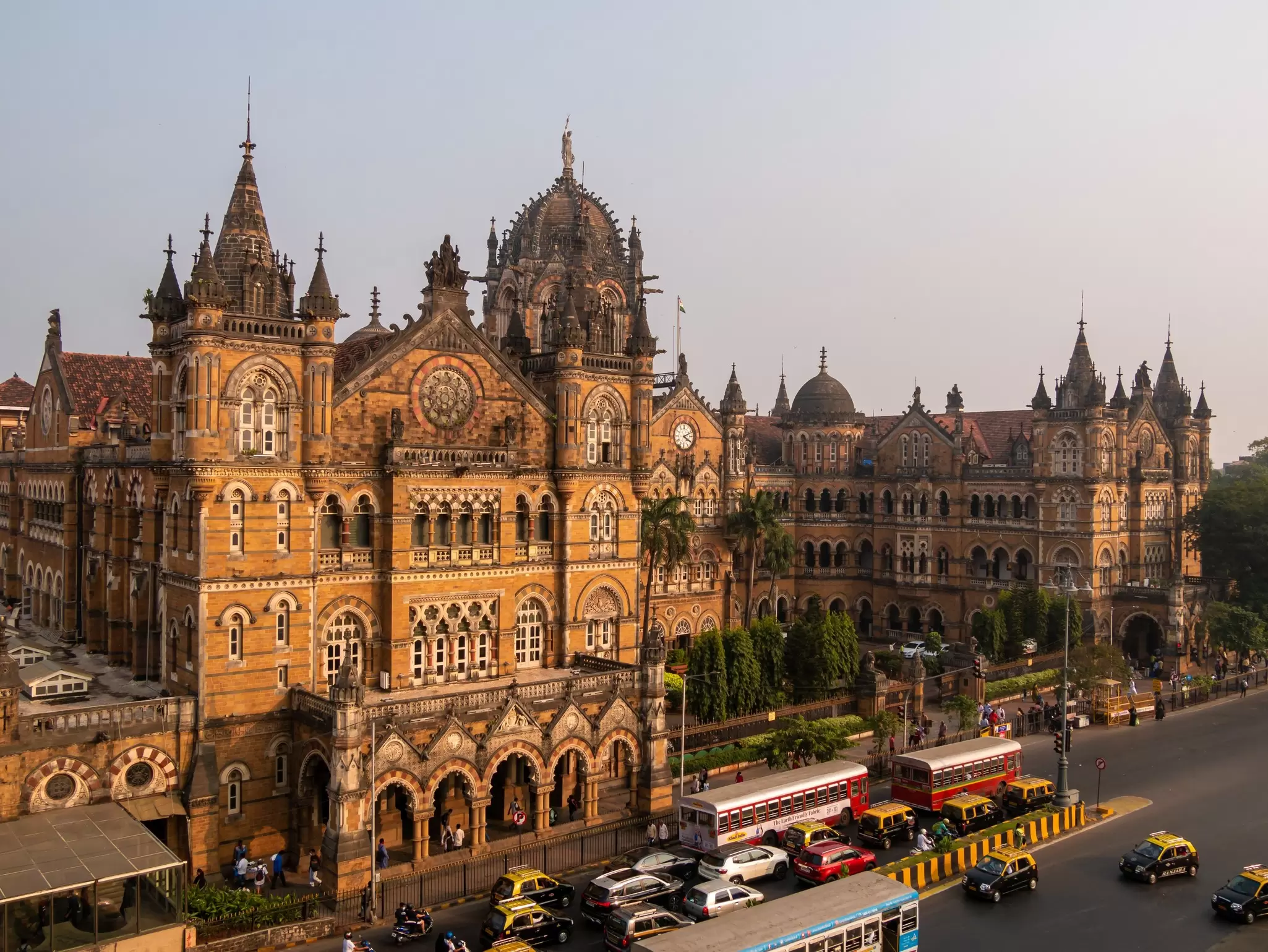
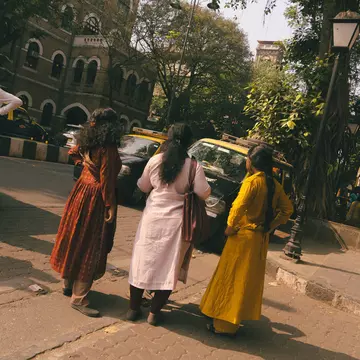
Generations of writers have captured Mumbai’s many lives: the crowded streets and local trains of Suketu Mehta’s Maximum City, the histories of Salman Rushdie’s Midnight’s Children and the underworld of Vikram Chandra’s Sacred Games. After reading these works, you’ll see how these stories are embedded in Mumbai’s neighborhoods, from Colaba and Marine Drive to Byculla, Dharavi and Bandra.
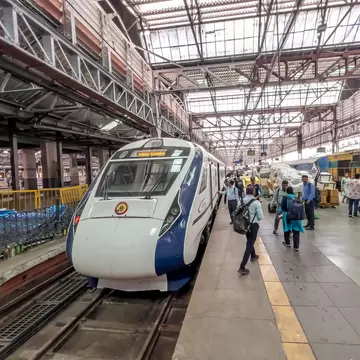
A walking tour provides a deep dive into the heritage, art, architecture and bazaars that inspired these authors. Then ride a local train to experience the rhythms of a city shaped by migration, ambition and reinvention.
Planning tip: Step into the Venetian Gothic David Sassoon Library and the Asiatic Society of Mumbai’s library. Browse the stacks at Fictionary or White Crow Books & Coffee.
Best for backwaters, book culture and The God of Small Things
Kottayam has long been called Akshara Nagari (the Land of Letters). Outside town lies Aymanam, the village that inspired Ayemenem in The God of Small Things. Kottayam has also produced writers beyond English fiction, from Kottayam Pushpanath, who translated the stories of Sherlock Holmes, to social realist Ponkunnam Varkey.
The birthplace of Malayalam publishing, Kottayam is home to Kerala’s first printing press and college. Start your study of the city at the 200-year-old CMS College, one of India’s earliest Western-style universities, or the CMS Press, where Kerala’s printing revolution began.
Best for history, memory and layered storytelling
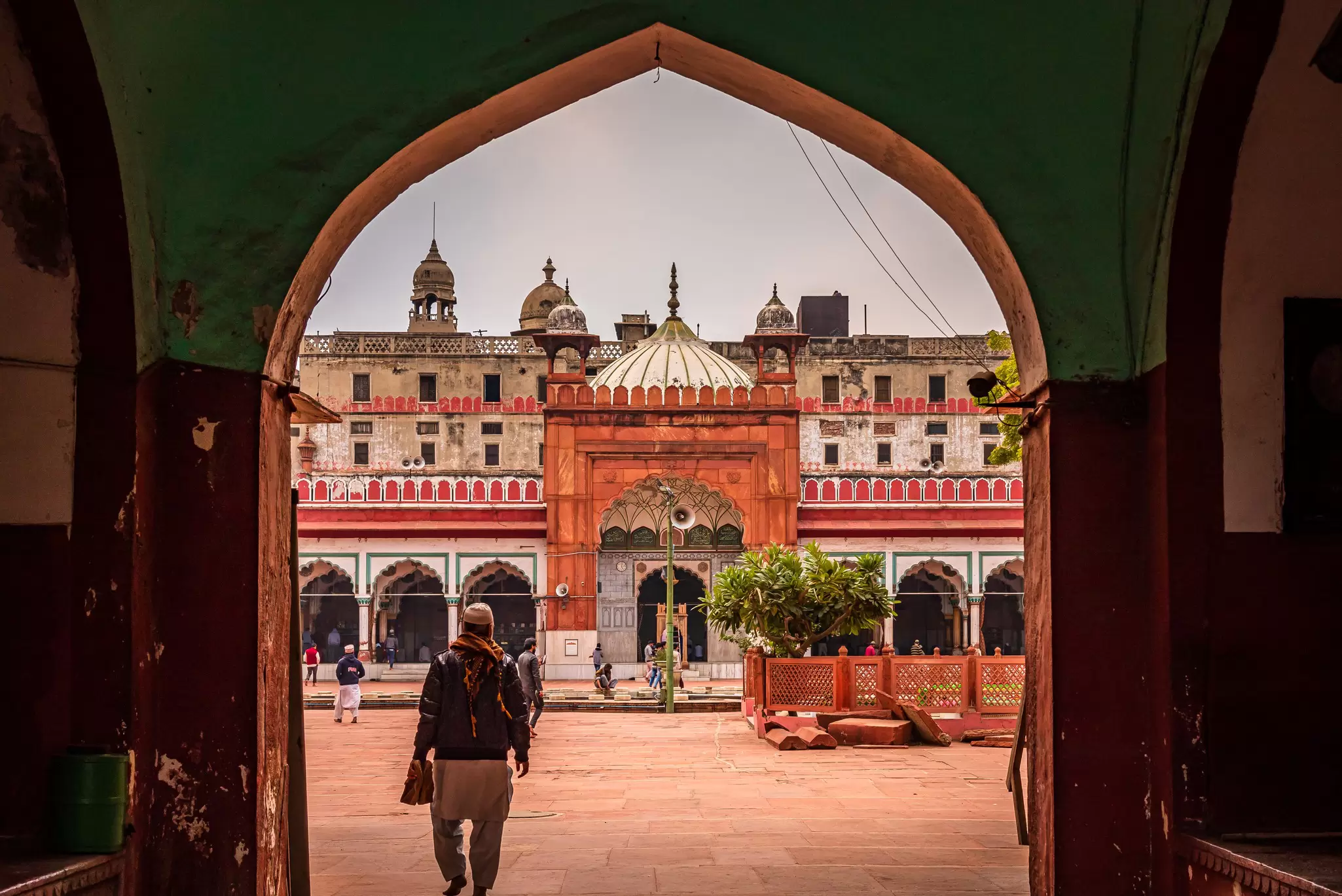
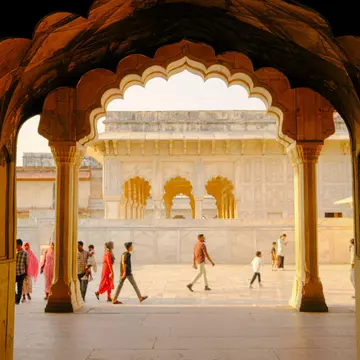
Delhi’s literature is as layered as the city itself. Khushwant Singh’s Delhi: A Novel moves through the city’s many eras, while William Dalrymple’s City of Djinns digs into its ruins and history. Ahmed Ali’s Twilight in Delhi focuses on the fading world of Old Delhi at the end of the Mughal era. In Anita Desai’s Clear Light of Day, the metropolis becomes a landscape of family, memory and Partition. These works prepare travelers to wander through Shahjahanabad’s lanes and the gardens at Humayun’s Tomb, watching the streets and monuments release their memories.
Sign up for a heritage walk, or join DelhiByFoot, including an evening with Dalrymple’s Djinns. File through the stacks at Delhi Public Library, and take time out for the street-side Dariyaganj Sunday Book Market.
Planning tip: Browse Bahrisons Booksellers, which dates to 1953, and Faqir Chand, which moved from Peshawar in 1951. Take a break at Oxford Book Store’s Cha Bar or Full Circle.
Best for bookshops, adda and literary legends
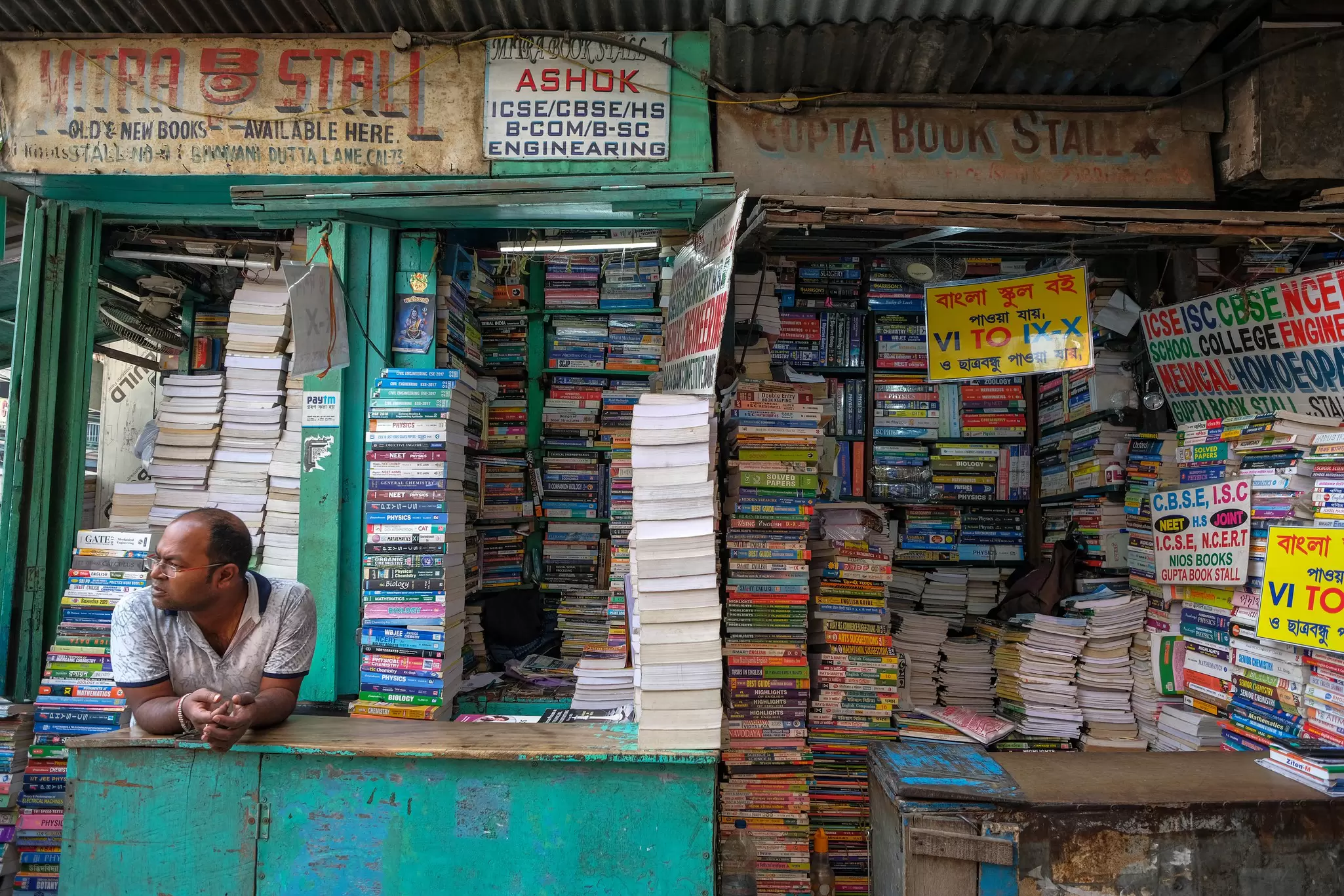
Few cities wear their literary heritage as proudly as Kolkata. Writers such as Rabindranath Tagore (the first non-European to win the Nobel Prize in literature), Mahasweta Devi, Satyajit Ray and Sunil Gangopadhyay describe a city shaped by family, politics, memory and change. In Boi Para, India’s largest street book market, volumes spill onto the pavement, while the Indian Coffee House across the road keeps alive adda, Bengal’s tradition of unhurried conversation.
Join a walking tour to wander the old neighborhoods that gave birth to Kolkata’s literary and intellectual life, and stop in the Indian Museum, Writers’ Building and National Library. Tagore fans can visit Jorasanko Thakurbari, his ancestral home, or take a day trip to Santiniketan, his creative retreat and the site of his experimental university, Visva-Bharati.
Planning tip: Take back books from Oxford Bookstore, Seagull Books, and Bing Shatabdi.
Best for libraries, Tamil literature and literary heritage
Chennai has been a center of Tamil literary life since the classical poetry of the Sangam tradition. Chronicling the modern city, Ashokamitran offers very different views of Chennai in Water and My Years with Boss, from everyday struggles to his years at Gemini Studios.
For perspectives on contemporary Tamil life, turn to Meena Kandasamy and Perumal Murugan – who are producing work that takes on caste, gender and the changes reshaping society – and visit the Madras Literary Society, the Connemara Public Library and Adyar Library.
Don’t miss: Higginbothams is South India's oldest bookstore.
Best for mountain walks and literary escapes
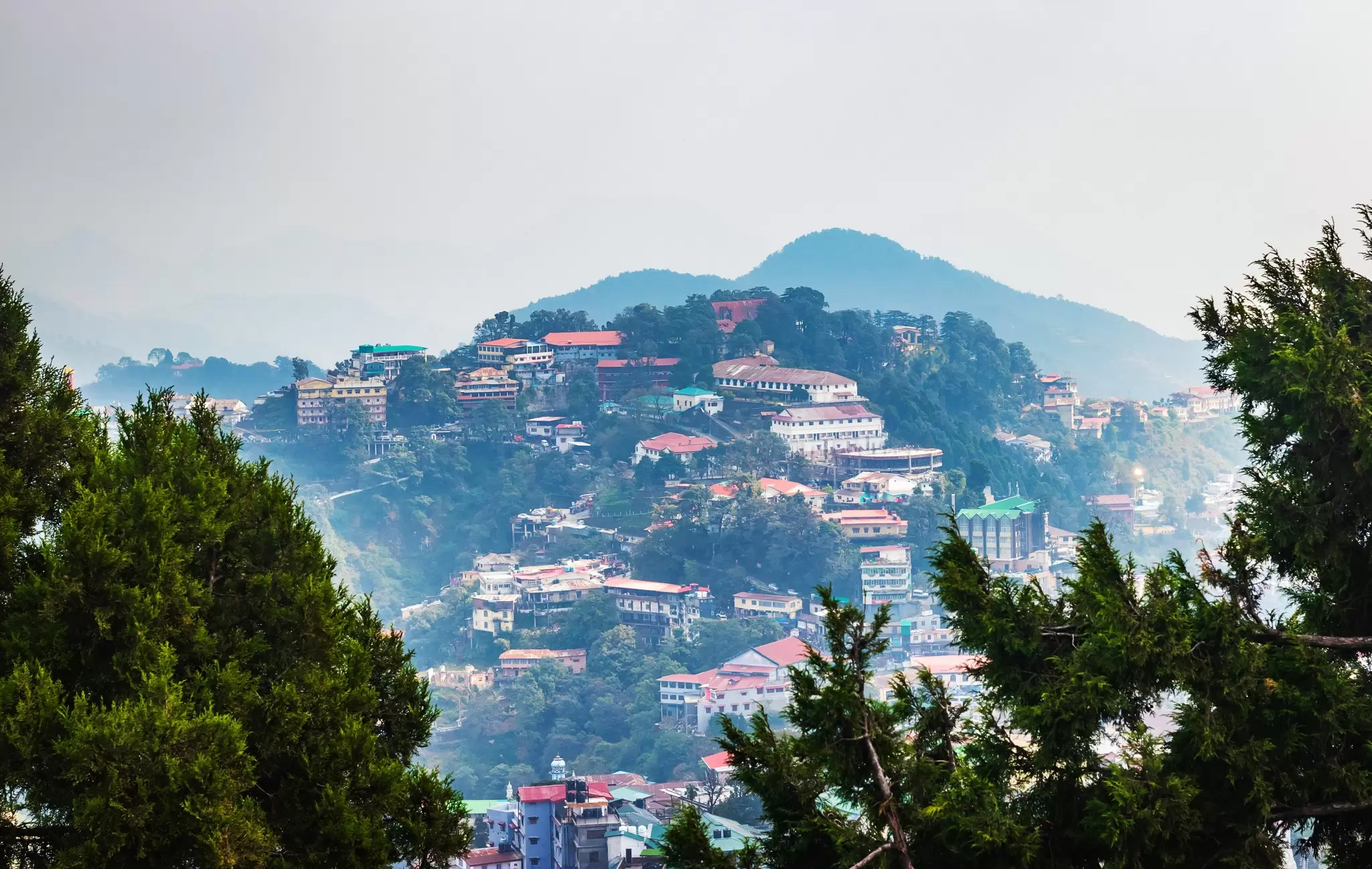
If you’ve read Ruskin Bond’s The Room on the Roof or Vagrants in the Valley, the hills and cottages of Mussoorie and Landour will feel strangely familiar. Bond’s writing is so closely tied to the landscape that places such as Char Dukan, St Paul’s Church, Lal Tibba and the deodar-lined lanes will be almost recognizable from the page. Bond has spent much of his life in the area (his home, Ivy Cottage, is in Landour), making the people, seasons and small dramas of this hill station part of his literary world. Stephen Alter and Bill Aitken add to a literary tradition rooted in the hills.
Dip into the Himalayan landscape with a hike on the Landour Loop, and take a break at Landour Bookstore & Cafe.
Don’t miss: Drop by Cambridge Book Depot, where Bond meets readers, then sidle up to Writers Bar at The Savoy.
Best for regional literary traditions
Mysuru, a center of Kannada literature, is said to have inspired the fictional town of Malgudi in RK Narayan’s novels and stories. Read Narayan alongside writers such as Kuvempu (a recipient of the Jnanpith Award, India’s highest literary honor) and Anasuya Shankar to unravel the city’s literary character.
The rhythms of everyday life, the old neighborhoods and the landscape of Mysuru find their way into Kannada writing. Beyond marquee sights like the Mysuru Palace, Jagmohan Palace and Lalitha Mahal Palace, literature lives in the city’s universities and publishing houses. Peruse the collections at the Oriental Research Institute, or explore the streets and places associated with Narayan and the wider literary culture of Mysuru.
Planning tip: Browse at Sapna Book House, Silverfish Books and City Central Library. End the day with a coffee at Books & Brews.
Best for poetry, history and pilgrimage
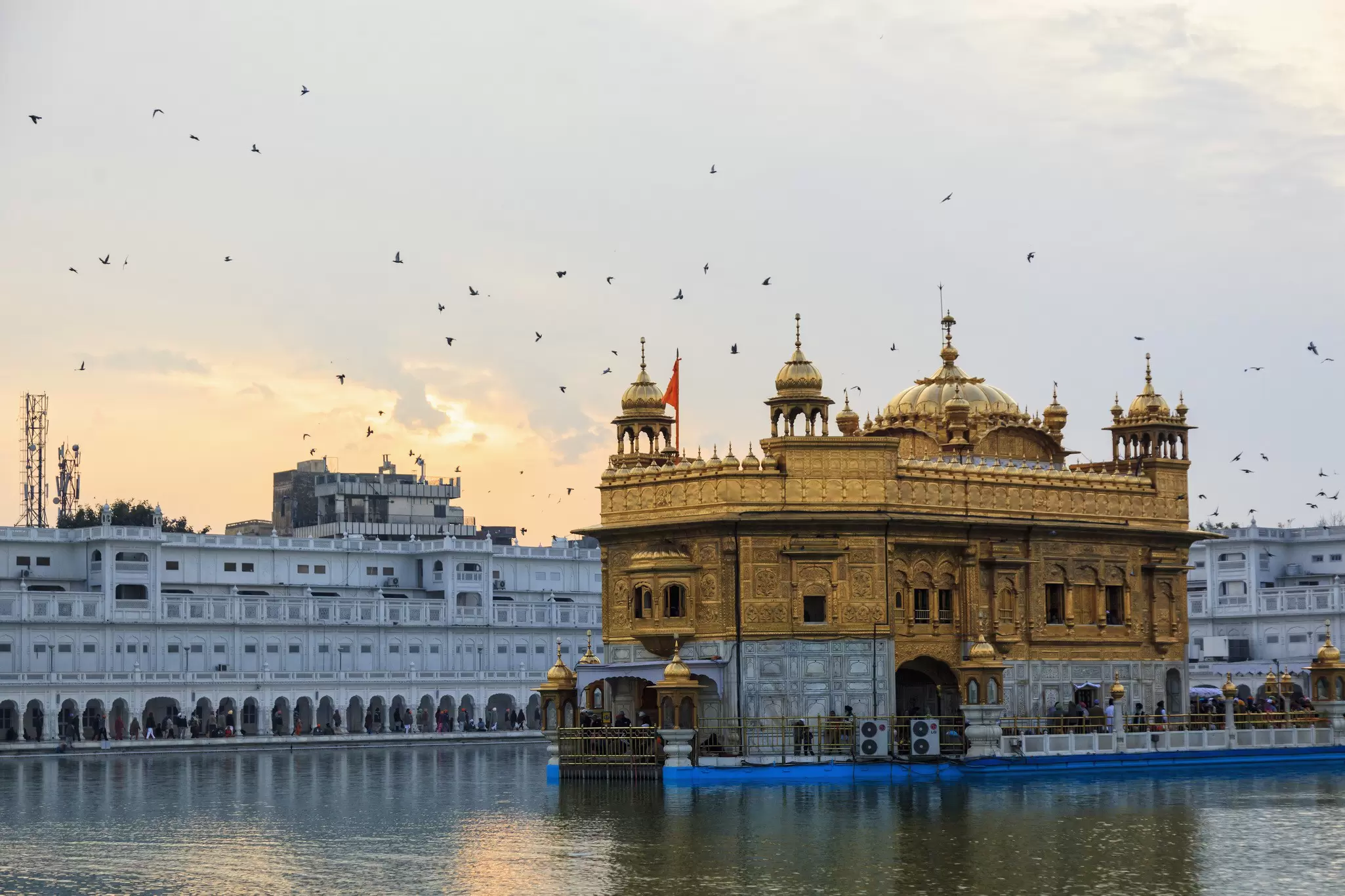
Amritsar sits close to the India-Pakistan border, and its literature carries the memory of Partition, the 1947 division of British India into the independent nations of India and Pakistan, which displaced 15 million people and left thousands dead. Amrita Pritam’s Pinjar examines the trauma of Partition via the story of a young woman caught in its violence, while Khushwant Singh’s Train to Pakistan looks at the human cost of the new border. The poetry of Shiv Kumar Batalvi and the writing of Nanak Singh offer other entries into Punjab’s stories of love, loss and belonging.
Go to the Golden Temple, wander the old lanes, and visit the Bhai Gurdas Library to see the city’s literary and cultural traditions.
Planning tip: Make time for the Partition Museum after Jallianwala Bagh, the site of one of the bloodiest massacres under British rule.
Best for Marathi literature and a thriving reading culture
Pune has been one of western India’s intellectual centers for well over a century. Its universities, publishers, theaters and writers like humorist PL “Pu La” Deshpande, Jnanpith laureate VS Khandekar, poet Shanta Shelke and playwright Vijay Tendulkar – whose Ghashiram Kotwal turns 18th-century Pune into a setting for political satire – shape modern Marathi literature.
The old peths (neighborhoods), wadas (mansions) and leafy campuses provide a backdrop to this tradition, while the city’s theater scene brings Marathi writing to the stage. Follow a literary walk through the old city, catch a Marathi play to experience the language and stories in performance, and appreciate the rare manuscript collection at Bhandarkar Oriental Research Institute.
Planning tip: Browse Marathi and English titles at International Book Service or Book World.
Best for temple towns and Odia literary heritage
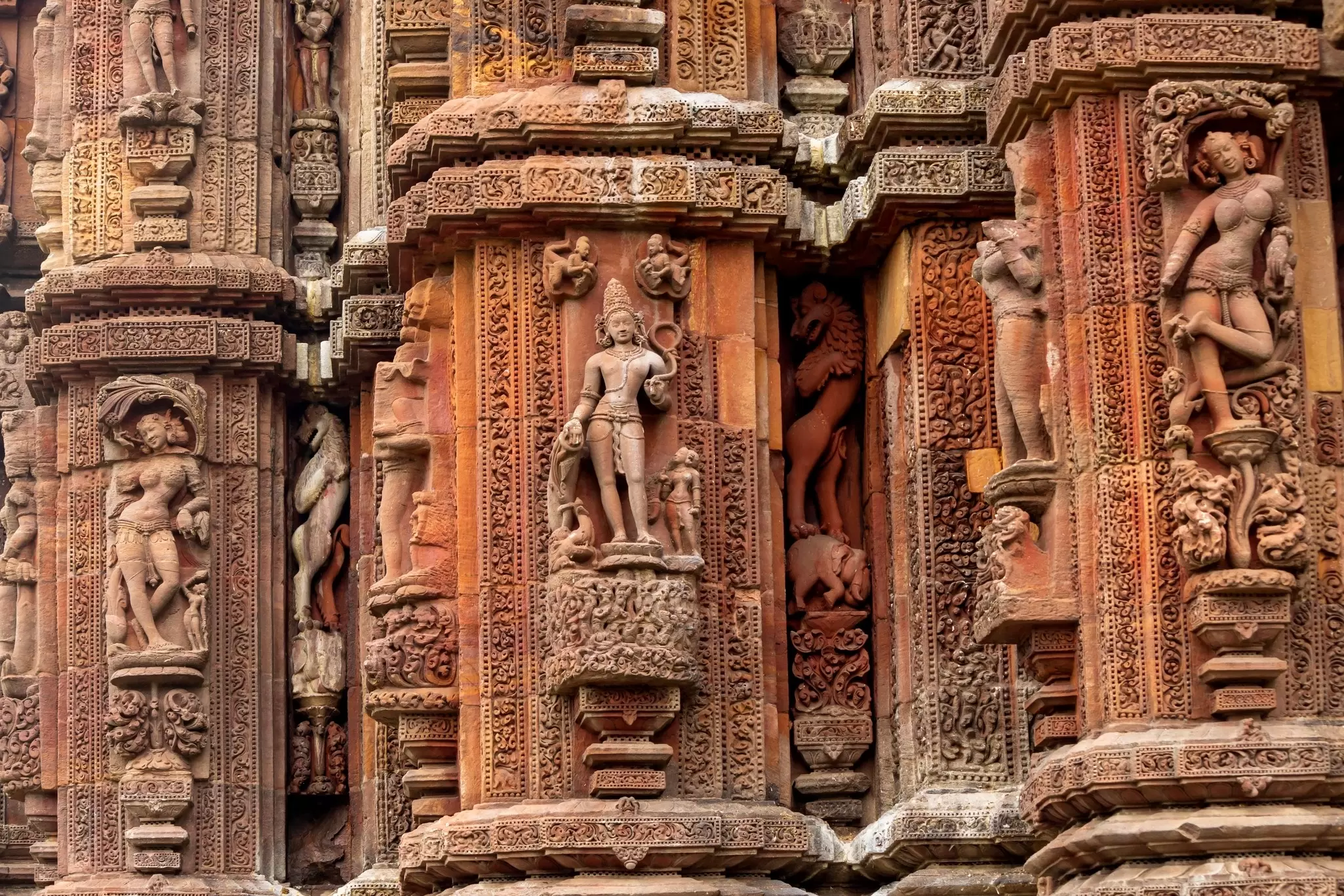
The City of Temples, Bhubaneswar is a gateway into one of India’s oldest literary traditions. Fakir Mohan Senapati, the father of modern Odia fiction, wrote here, as did Gopinath Mohanty, Manoj Das and Sitakant Mahapatra. Explore the temple quarter and the manuscript galleries at Odisha State Museum.
Detour: Nearby Cuttack (30km away) has long been a publishing hub, while the Jagannath traditions in Puri (65km away) have inspired numerous poets.
Best for discovering Naga literature and oral traditions
Well before anything was written down, Nagaland’s communities passed on their stories orally. Easterine Kire, Temsüla Ao and Mmhonlümo Kikon have carried these histories into contemporary fiction, working through identity, memory and a changing Naga society. Literature here often draws from the geography: forested hills, Shilloi Lake and Intanki Wildlife Sanctuary. Visit Kisama Heritage Village to learn about Naga traditions and Kohima War Cemetery for more about the state.
Planning tip: Look for regional books at The Story Keeper and The Feather Bookmark.
Best for river islands and living storytelling traditions
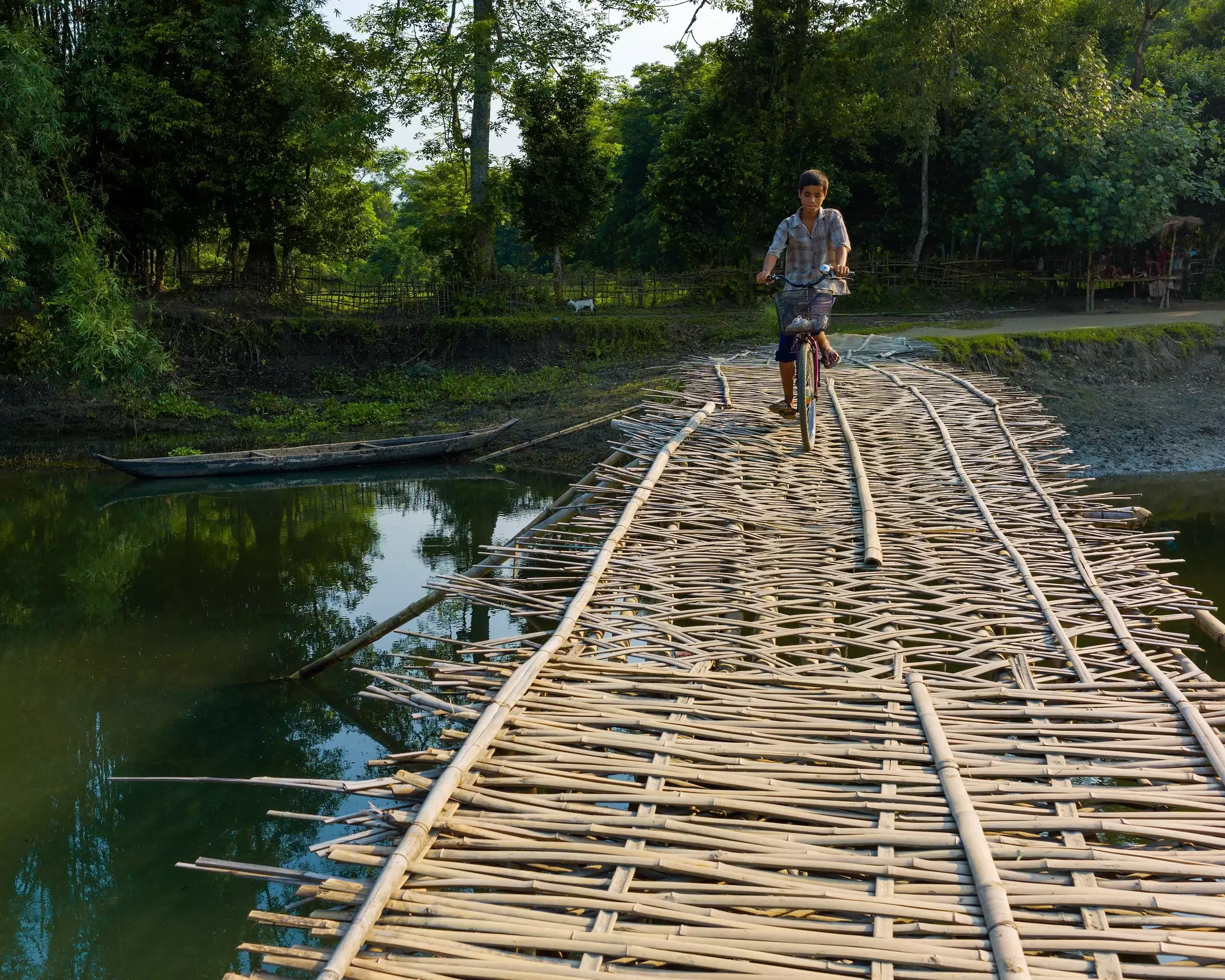
Majuli, one of the world’s largest inhabited river islands, has been at the heart of Assamese culture and storytelling for centuries. Its satras (monasteries founded in the 15th century as centers of the Vaishnavite movement, a Hindu tradition that emphasizes devotion to Vishnu and his incarnations) helped preserve music, theater, dance and oral narratives. Writers, including Indira Goswami, Birendra Kumar Bhattacharyya and Mitra Phukan, have drawn on Assam’s landscapes, communities and traditions, capturing a region shaped by the Brahmaputra River and its shifting islands.
Planning tip: Arrive by ferry to see firsthand how the mighty 2900km trans-boundary Brahmaputra shapes life and imagination in Assam.
Best for Indigenous storytelling and contemporary voices
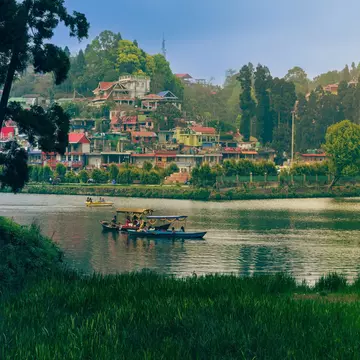
With a thriving arts and music scene, Shillong has quietly become one of India’s most exciting literary destinations, showcasing Khasi oral tradition alongside contemporary fiction. Janice Pariat’s novels capture Meghalaya’s landscapes and layered histories, and poet Kynpham Sing Nongkynrih draws on folklore and everyday life. Browse for these and other authors at indie bookshops around Laitumkhrah and Police Bazaar, then end your day with coffee at Books and Brews.
Planning tip: Time your trip to coincide with the Shillong Literary Festival, which melds literature and music from across Northeast India.
Mark Twain once called India “the mother of history,” and the country’s literary map, which stretches well past the destinations on this list, is still unfolding – increasingly in languages beyond English. Writers such as Bama, Manoranjan Byapari, Temsula Ao and Meena Kandasamy have already brought Dalit, Indigenous and feminist voices to wider audiences.
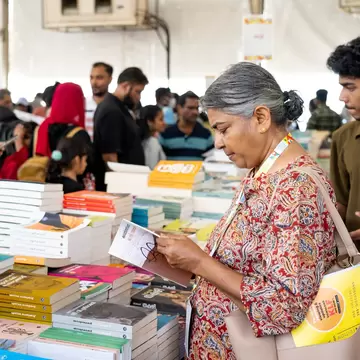
Find titles by up-and-coming writers at the popular Jaipur Literature Festival or the expansive International Kolkata Book Fair, or travel to India’s first book village at Bhilar in Maharashtra (250km from Mumbai), which has more than 25 reading spaces, each devoted to a different genre. To start your writing journey, book a workshop at Himalayan Writing Retreat near Mussoorie.
Book your India trip with Lonely Planet Journeys
See India how it's meant to be seen
Planned by local experts and tailored to you, Lonely Planet Journeys handles the logistics so you can just enjoy the trip. Tell us what you want and we'll build your India itinerary from scratch, or browse our bookable trips to get inspired.

Explore related stories