Sep 17, 20266 min read
What to Eat and Drink in MelbourneSep 8, 2026
8 MIN READ

Writer
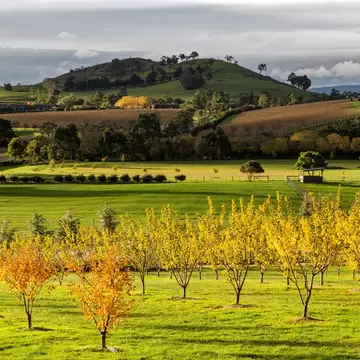
The Yarra Valley, Australia. Moartar/Shutterstock

Writer
Highlights
Writer Tim Richards picks seven day trips from Melbourne by train or bus.
Wine lovers should head to the Yarra Valley; history buffs will love Sovereign Hill in Ballarat.
Soak in mineral waters in Daylesford and Hepburn Springs, or cycle the Warburton Rail Trail.
Ride a steam train through the Dandenongs, picnic at Hanging Rock, or head to French Island.
Lonely Planet may earn a commission from affiliate links on our site. All recommendations and reviews reflect our own independent opinions.
Victoria may be perfectly suited to a good old-fashioned road trip, but visitors to Melbourne without their own set of wheels don't have to miss out on seeing the best of what this great Australian state has to offer. Melbourne's excellent public transportation connections mean that travelers based in the city can hop on a train or bus to swap the buzz of busy streets for trails, spa towns and stream train rides – all without worrying about finding a parking space. Here's our guide to the best day trips from Melbourne.
To continue planning your trip to Melbourne, download the Lonely Planet app or check out our Melbourne pocket guidebook.
Why go: Go for a picnic
Travel time: 1 hour
How to travel: by train
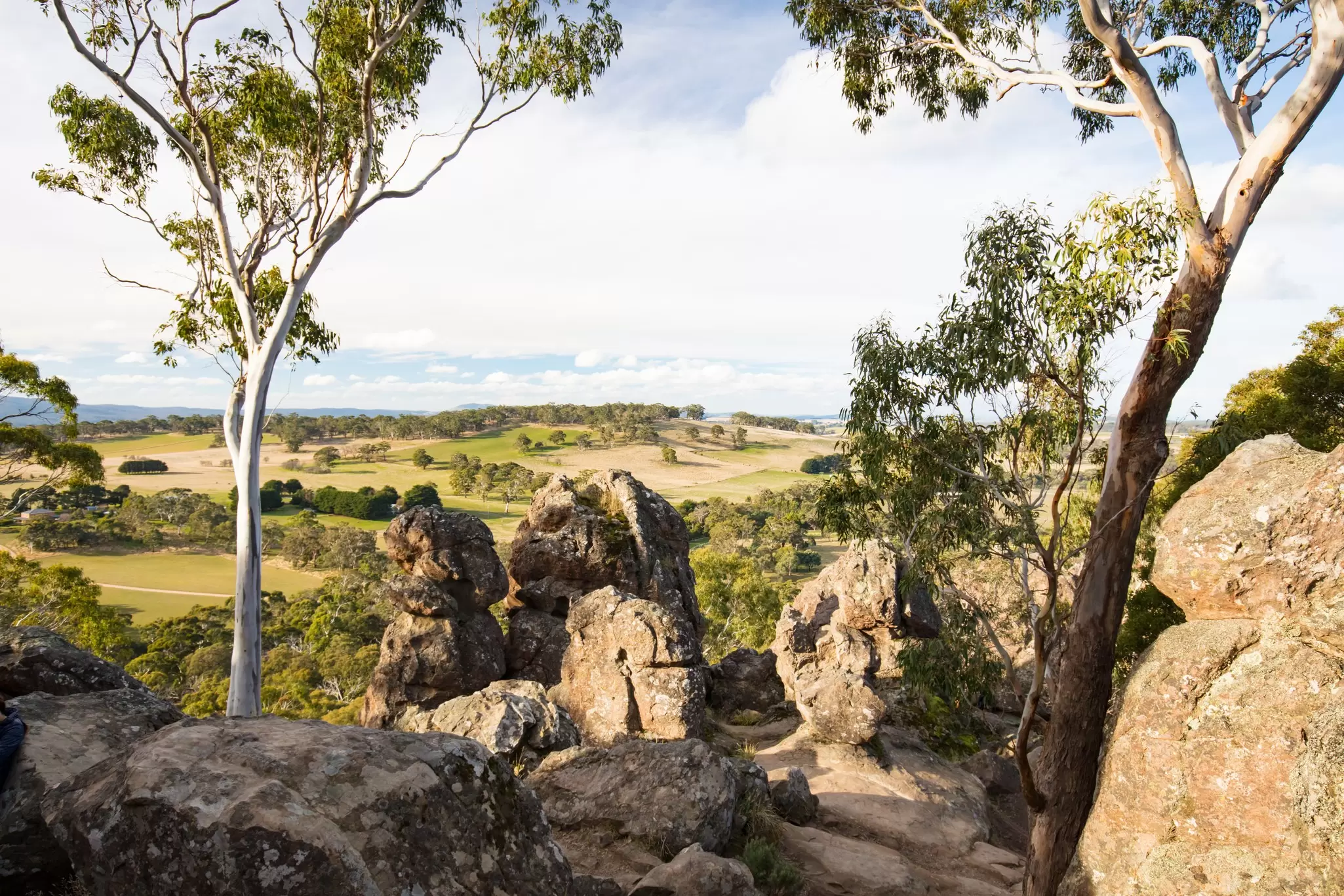
North of the city and a sacred site for the Wurundjeri people (the traditional custodians of the land here), enigmatic Hanging Rock rises dramatically from the plains around it – the result of a volcanic eruption that created a multiheaded mound of lava.
Hanging Rock was made famous by Joan Lindsay’s novel describing the mysterious disappearances of Victorian-era schoolgirls on Valentine’s Day 1900. Picnic at Hanging Rock was later turned into the 1975 film by Australian director Peter Weir and the 2018 TV series starring Natalie Dormer and Yael Stone.
The Discovery Centre will fill you in on the area’s history and geology. After browsing its displays, climb the path to the top of the rock. For refreshments afterward, grab a snack or a beer at the popular Holgate Brewhouse in Woodend on the journey back.
How to get to Hanging Rock from Melbourne:
Hanging Rock is located to the northwest of Melbourne, and trains run to Woodend from Southern Cross Station in central Melbourne. From Woodend, it’s an 8km walk or cycle (BYO bike), or a 10-minute cab ride to Hanging Rock Reserve.
Why go: Visit wineries
Travel time: 1 hour
How to travel: by bus
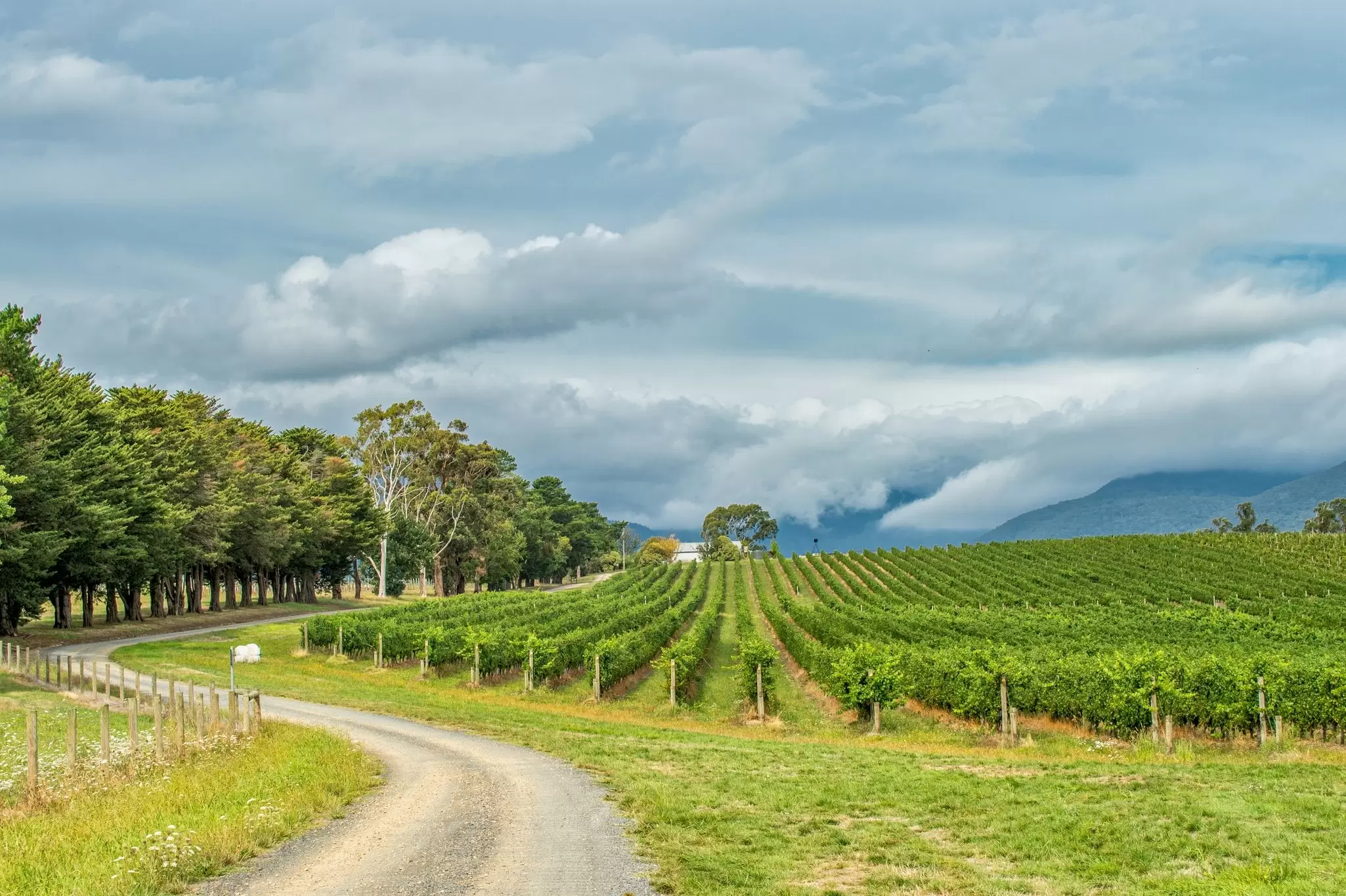
The Yarra Valley is home to more than 80 wineries, many of which offer expert-led tasting experiences at their cellar doors. A growing number also have top-notch restaurants, making a day here as satisfying for the stomach as it is for the palate. The area is recognized as Victoria’s oldest wine region – the first vines were planted in 1838 – and today, it is known worldwide for its cool-climate wines, especially chardonnay and pinot noir.
For wine with a view, visit Yering Station; the oldest vineyard in the valley, it does tastings in its 1859 winery building and meals in a purpose-built glass pavilion overlooking the surrounding countryside. Helen's Hill is a lesser-known, family-run winery in Lilydale that produces excellent chardonnay and pinot noir made from grapes grown at its Coldstream vineyard; bookings for tastings and meals are essential.
How to get to the Yarra Valley from Melbourne:
Guided tours start at around 175 Australian dollars per day, and visit three or four of the less high-profile wineries. A better option is to sign up for the daily hop-on, hop-off bus tour by Hop It, which departs from central Melbourne, stops to take on additional passengers at Lilydale railway station and then heads into the valley to visit many of the best cellar doors.
Why go: Join the gold rush at Sovereign Hill
Travel time: 1 hour and 25 minutes
How to travel: by train
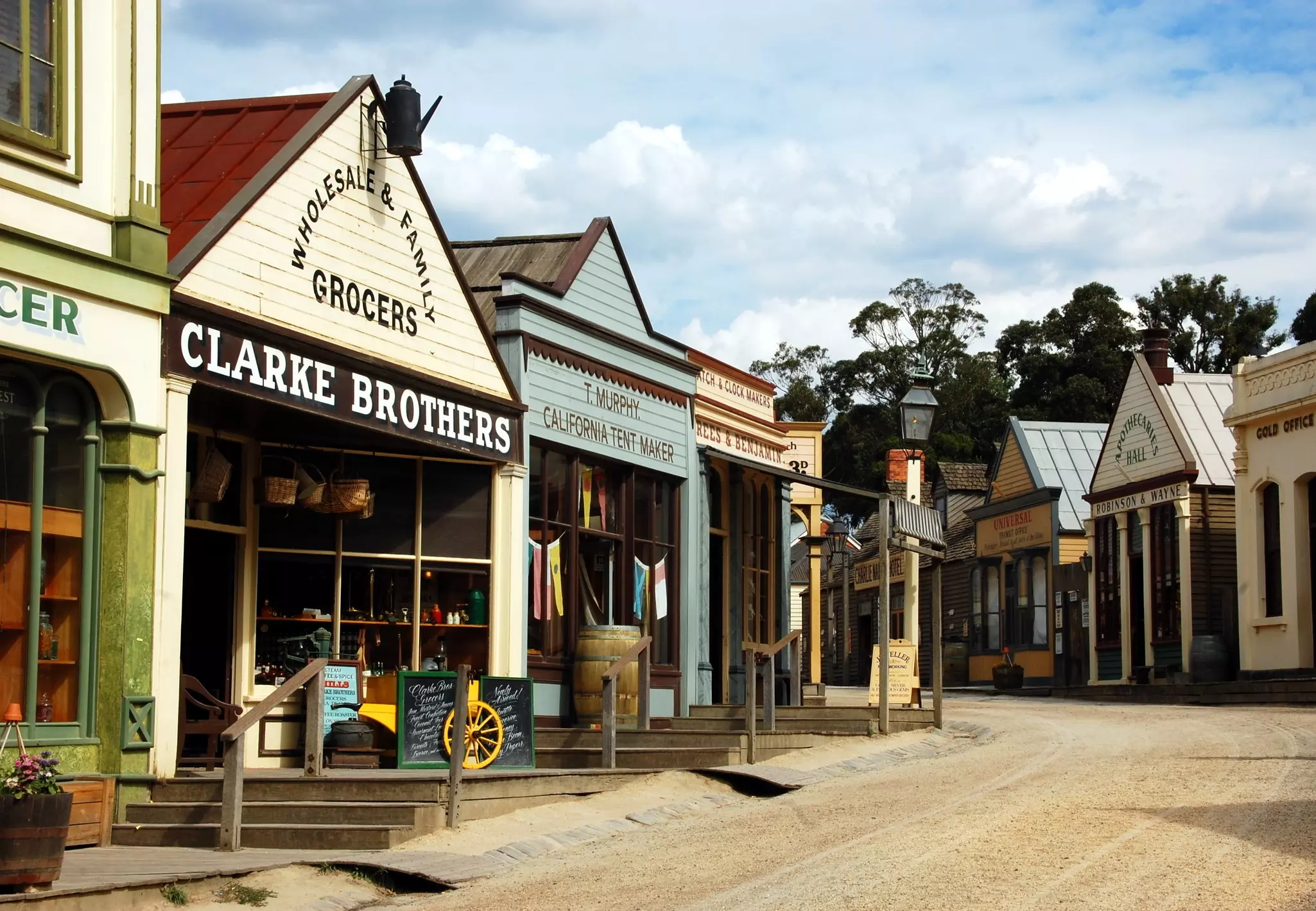
The regional city of Ballarat was the epicenter of the gold rush of the 1850s – one of the greatest the world has ever seen. Over the following decades, the rough-and-tumble miners’ town grew into a graceful city, with plenty of frontier excitement along the way.
Those heady days are relived at Sovereign Hill, a historical village constructed around a former gold mine in the city’s suburbs. It’s an impressive place, with the streets lined by painstakingly researched replicas of buildings from the gold rush era, from pubs to Chinese temples. Many of these demonstrate crafts and trades of that period. There are several places to eat, from the Hope Bakery to the dining room of the United States Hotel.
Family-friendly activities include gold panning, horse-and-carriage rides and a tour of an old mine shaft. To add to the fun, costumed actors regularly stage entertaining (and historically correct) performances throughout the site. If you have time, other local attractions worth a visit in the region are the Ballarat Wildlife Park and the acclaimed Art Gallery of Ballarat.
How to get to Ballarat from Melbourne:
Ballarat is situated to the west of Melbourne. Trains run direct from Southern Cross Station in central Melbourne to Ballarat Station.
Why go: Cycle or walk the Warburton Rail Trail
Travel time: 1 hour
How to travel: by train
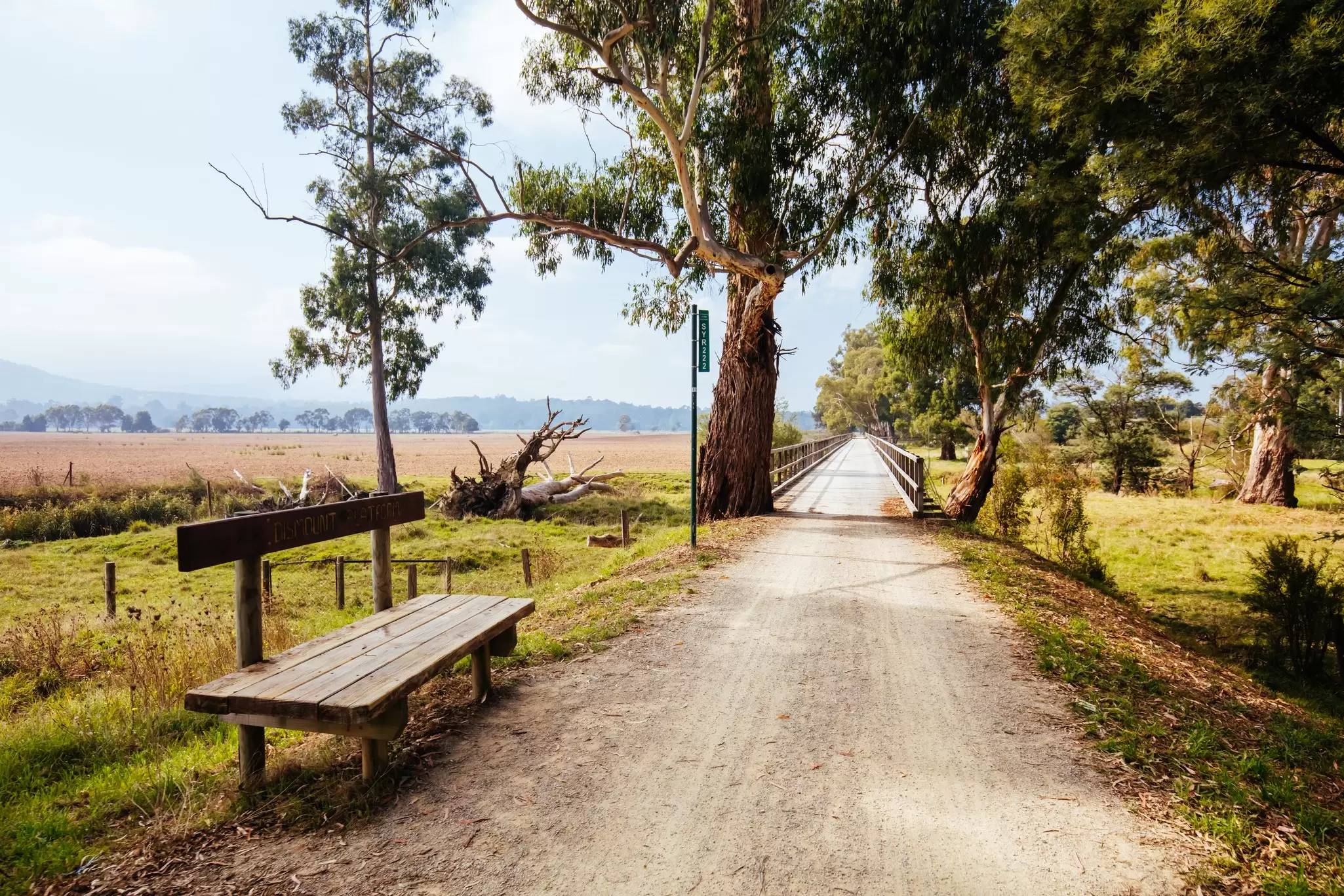
At its height, Victoria’s passenger train network stretched into every nook and cranny of the state. Sadly, that reach has long since gone, but over the past decade or so, many of the former rail corridors have been transformed into rail trails – walking and cycling paths that cut through beautiful scenery and join up towns. The resulting trails are easy to walk or cycle making them an accessible, family-friendly day out.
The easiest rail trail to access from Melbourne is the Lilydale to Warburton Rail Trail. Stretching from Melbourne’s eastern edge into the Upper Yarra Valley, it’s a delightful 38km route that winds past farmland, native forests, the Yarra River and several small towns, with plenty of food options and charming old-fashioned pubs. Bring your own snacks and water for the main trail walk.
How to get to Lilydale from Melbourne:
The trail starts in Lilydale on the eastern edge of Melbourne. Trains run to Lilydale from the center of the city. Bus 683 from Lilydale to Warburton mostly follows the trail, meaning you can hike a smaller section of the route and hop on the bus back to the start if you get tired.
Why go: Go off-road
Travel time: 2 hours
How to travel: by train
French Island lies just beyond Melbourne’s southeastern suburbs, in the center of Western Port Bay. Named by a French exploring expedition in 1802, it has maintained an air of mystery to mainlanders.
The local population and farming activities have waxed and waned over the centuries, and nowadays the islanders live largely off the grid. Considering that 70% of the island is a national park, and there’s no bridge from the mainland and no local transit services, it’s been difficult for visitors to get to grips with its history and landscapes.
Today, however, Naturaliste Tours does a regular tour of the island, with guests riding aboard a chunky ex-mining vehicle that can handle the rough tracks that cross its interior. Highlights include a visit to the Pobblebonk Swamp, with its resident frogs; a drive through an abandoned chicory farm, with its eerie deserted buildings; and koala spotting among the trees on the island. The tour culminates in a visit to the French Island General Store, the island’s only shop. Lunches, bike rental and accommodations are also available.
How to get to French Island from Melbourne:
French Island is located southeast of Melbourne. To reach it, catch a suburban train to Frankston, then change to a V/Line train to Stony Point. From here, the French Island ferry sails at approximately 2-hour intervals.
Why go: Soak in mineral springs
Travel time: 2 hours
How to travel: by train
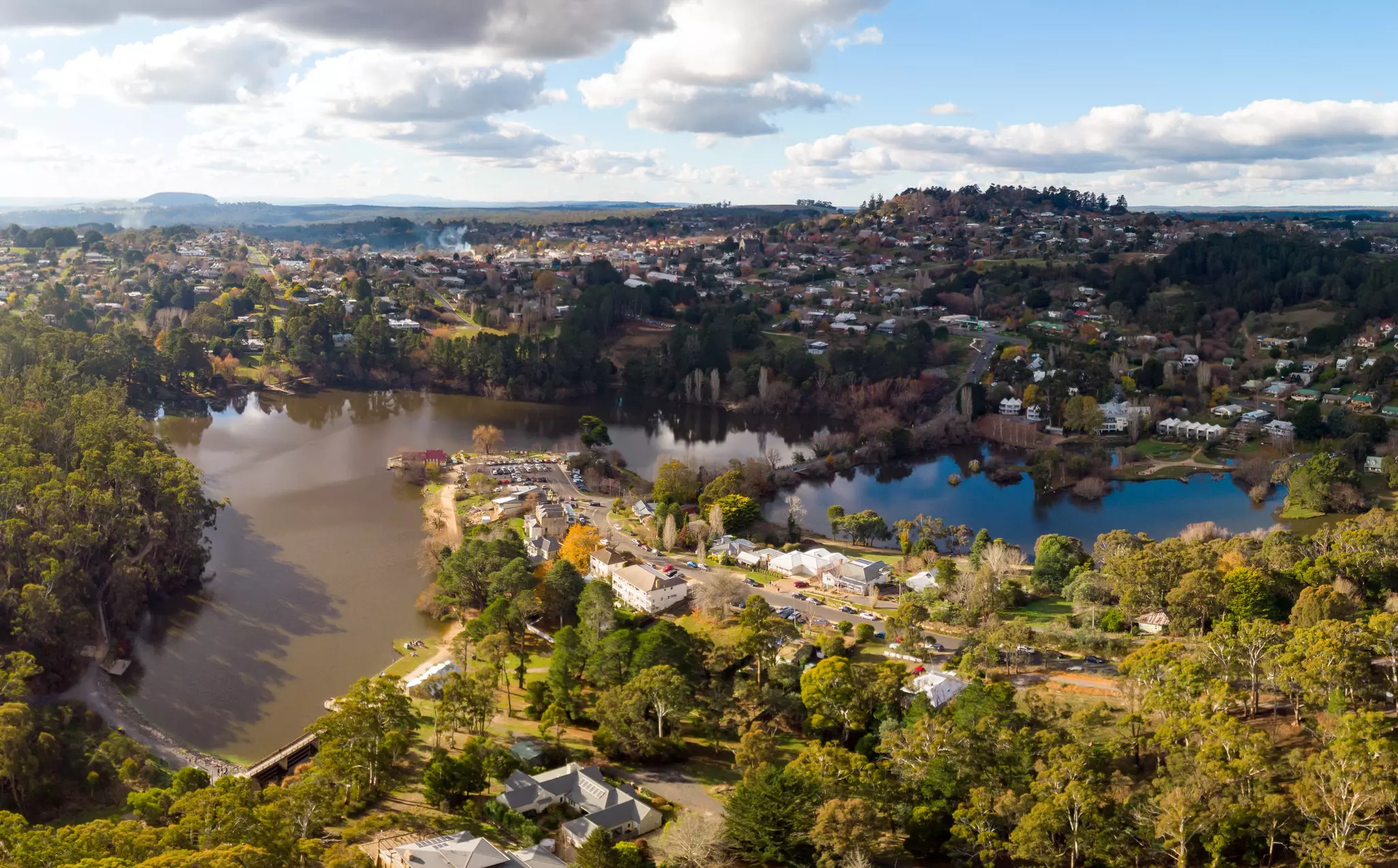
The spa center of Victoria, these conjoined towns are hugely popular as a weekend getaway for Melburnians. Set among the scenic hills, lakes and forests of Central Highlands, it's a fabulous year-round destination where you can soak away your troubles in warm, mineral-rich waters and dine in some of regional Victoria's best restaurants. The local population is an interesting blend of New Agers, urbanites and down-to-earth farmers, and it's incredibly LGBTQ+ friendly.
The health-giving properties of the area’s mineral springs were first claimed in the 1870s, attracting droves of fashionable Melburnians. The well-preserved and restored buildings show the prosperity of these towns, as well as the lasting influence of the many Swiss-Italian miners who came to work the tunnel mines in the surrounding hills. Aside from the various springs and bathhouses, there are also picnic spots, BBQ areas, children's playgrounds and walking trails.
How to get to Daylesford from Melbourne:
The quickest way to get to Daylesford is to catch a train from Southern Cross Station in central Melbourne to Woodend, then hop on a bus to Daylesford.
Why go: Ride a steam train
Travel time: 1 hour
How to travel: by train
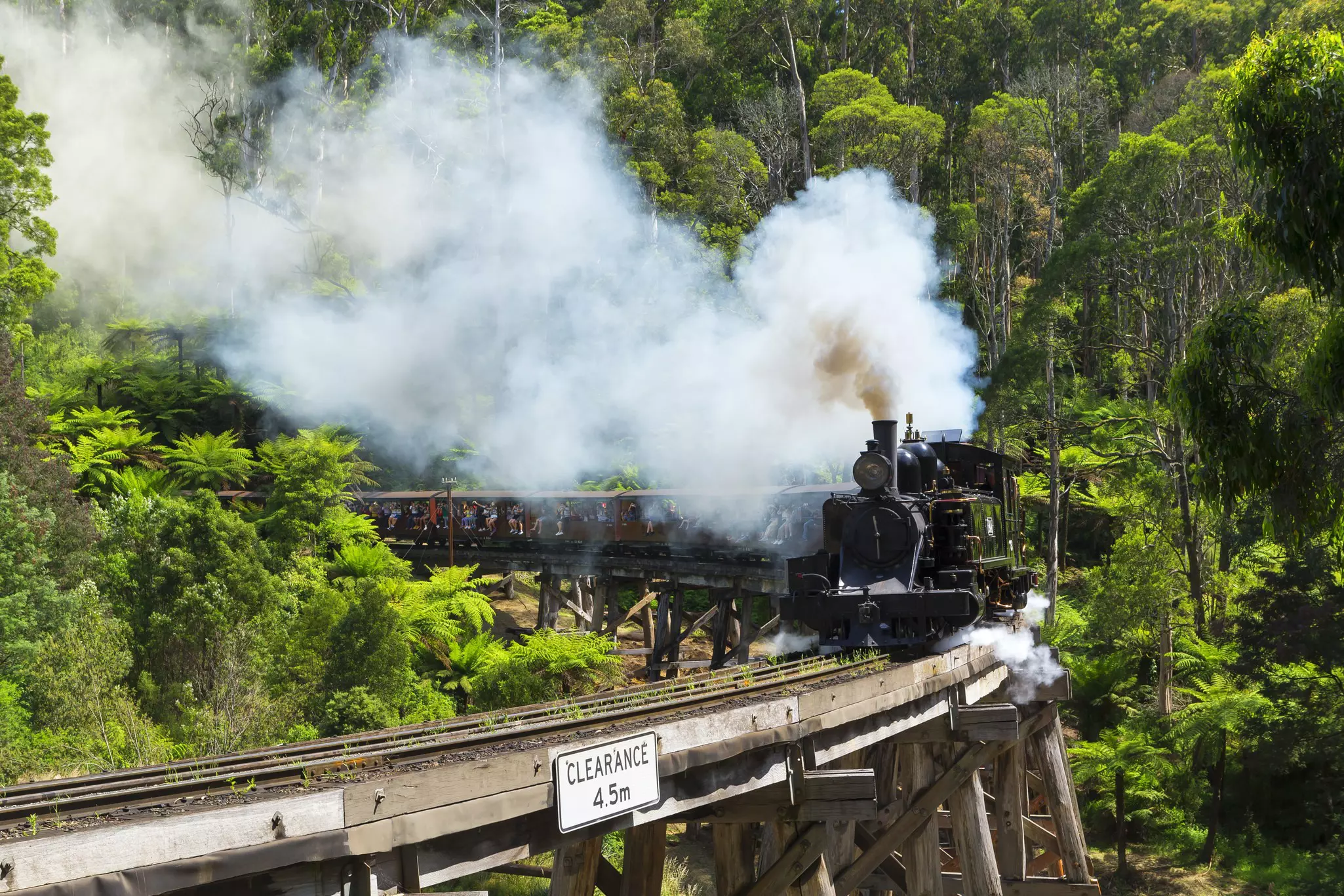
Taking a train to take a train ride sounds like a strange way to spend a day, but then Puffing Billy is no ordinary train. Holding fond memories for many Melburnians, the Puffing Billy is an iconic restored steam train that toots its way through the Dandenong mountain range from Belgrave to Emerald Lake Park and Gembrook on a 5-hour return trip.
It's possible to hop on and hop off en route to enjoy a picnic or walk, and it's a great day out for younger travelers and train enthusiasts especially. A diesel locomotive replaces the steam engine on total fire ban days (when the heat is extreme, and fires are not allowed to be lit anywhere).
How to get to the Dandenongs from Melbourne:
The Puffing Billy Railway is located to the east of the city. The easiest way to reach it is by train from Parliament Station in central Melbourne to Belgrave Station.
Explore related stories