Sep 17, 20266 min read
What to Eat and Drink in MelbourneSep 3, 2026
8 MIN READ

Writer
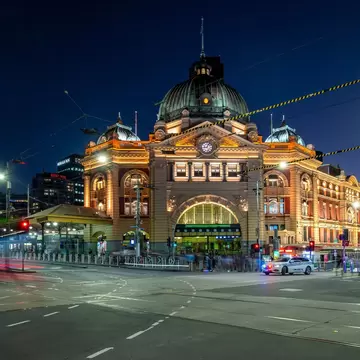
Melbourne's Flinders Street Station by night. Paul Harding 00/Shutterstock

Writer
Highlights
Writer Tim Richards shares tips on transit, coffee, neighborhoods and safety in Melbourne.
Melbourne's trams and trains now use contactless cards; hail buses to make them stop.
Melbourne's third-wave cafes are preferred by locals; order a "magic" off the menu.
Head to Fitzroy, Richmond or Carlton for walkable neighborhoods of local dining and quirky shops.
Lonely Planet may earn a commission from affiliate links on our site. All recommendations and reviews reflect our own independent opinions.
I’ve lived in Melbourne for over 25 years, so I can confirm the first thing everyone will tell you about Australia’s second-largest city: the weather is variable.
It’s not quite the “four seasons in one day” that inspired the 1992 Crowded House song of that title, but the weather gods certainly spring surprises over the average Melbourne week. That unreliable weather is partly why the city is so good at indoor pursuits, including some of Australia’s best cafes, bars, restaurants, live music, theater, art galleries, and shopping.
That’s not to say that the outdoors are neglected here. In addition to being the nation’s sporting capital, Melbourne has plenty of parks and gardens, as well as beaches around the shores of Port Phillip Bay.
From packing to health and safety, here are some tips to get the most out of this multicultural metropolis.
OK, you could squeeze a visit to this complex city into 4 days – with, say, 3 days exploring its lively central business district (the city center which Australians call the "CBD") and suburbs such as bayside St Kilda, with a day left over for an excursion to somewhere more distant, such as the winery-packed Yarra Valley or the historic gold rush city of Ballarat. But with such a diverse set of offerings – encompassing food, drink, culture, sport and intriguing neighborhoods – a week is far better. This is not a city of attractions to be checked off a list. It's more of a place of layered, hidden charms worth taking the time to discover.
For some reason, it has long been the habit of Melburnians to don somber hues, with perhaps a dash of color via jewelry or other accessories. Layers, however, are a necessity, particularly in the cool winter months of May to November. Melbourne is not big on enforcing dress codes, so casual clothing should suit most occasions a traveler is likely to encounter. Having said that, if you want to dress up, this is a city where fashion rules supreme.
For tens of thousands of years before white settlers arrived in 1835, the area now known as Melbourne was occupied by the Wurundjeri and Boonwurrung people of the Kulin nation. Their language supplies the Indigenous name for the city: Naarm. Learn about their history and living culture with visits to the Koorie Heritage Trust and the Bunjilaka section of Melbourne Museum. There’s also a regular tour of the Royal Botanic Gardens with a First Nations guide.
Melbourne Airport is a fair distance from the city center, so a taxi ride can cost as much as $75. A cheaper option is to catch the Skybus, which operates at 15-minute intervals during the day, for a one-way fare of around $25 one-way. If you’re keen to really save more, you can catch a 901 bus from the transport interchange next to Terminal 4. Alight at Broadmeadows train station, where you can catch a train to the city center.
Lonely planet’s trusted travel insurance provider
Travel with confidence. Protect your trip and your wallet.
We don’t represent World Nomads, we receive a fee from quotes using this link. This is not a recommendation to buy travel insurance.
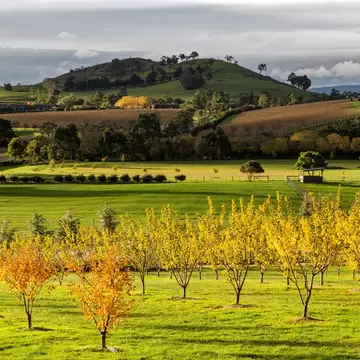
It’s easy to get out of the city for a day trip, particularly as statewide public transportation fares are capped. This means you can travel anywhere in Victoria on a budget, even if you're going to a destination that's hundreds of kilometers away. As a guideline, it takes about 90 minutes to reach the Dandenong Ranges, 60 minutes to Geelong, 90 minutes to Ballarat and two hours to Bendigo by train.
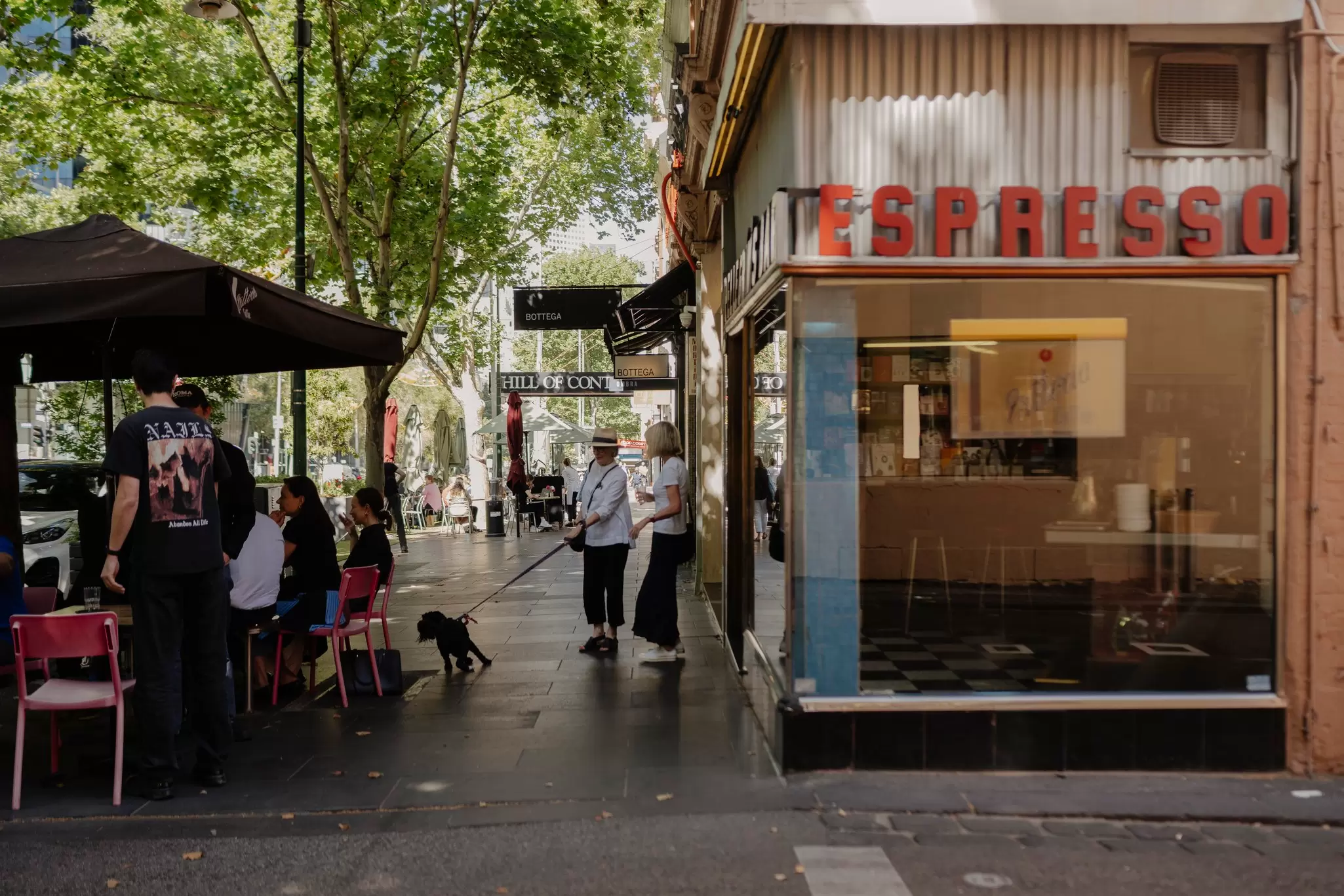
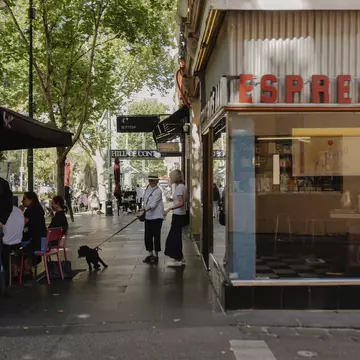
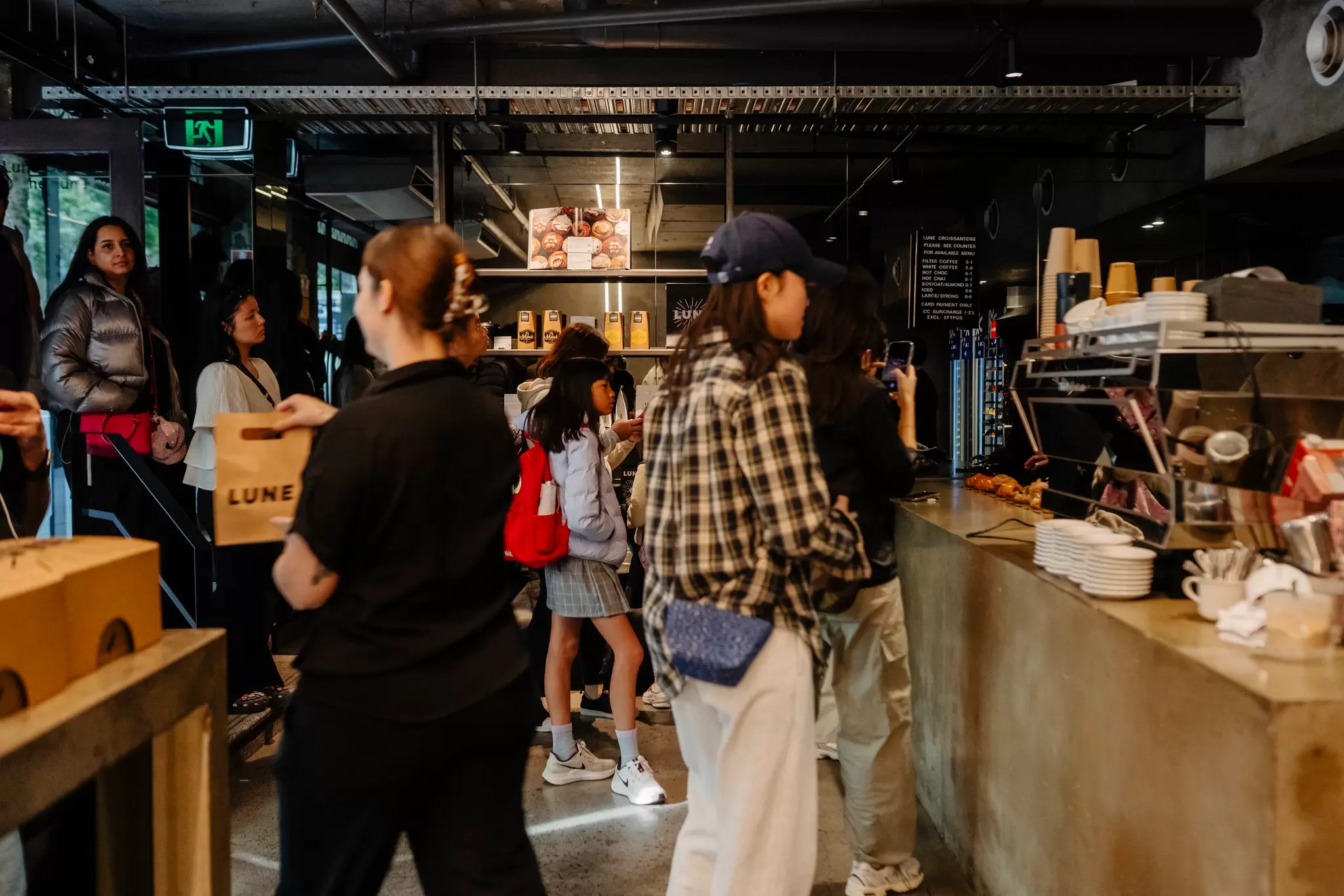
Melbourne is rightly famous for the quality of its coffee, and it could fairly be said that locals are fanatical about their favorite baristas and the best brews. This dates back to the 1950s when Italian migrants brought the espresso machine to the city after WWII. By the 1980s, espresso-style coffee had exploded into the mainstream and developed its own local character. As a result, coffee chains are less evident here than in other international cities. Instead, you’ll find plenty of top-notch "third-wave" coffee outlets. (I recommend Aunty Peg’s in Collingwood for this angle.) Step into a cool, hipster Melbourne cafe and order a “magic.” I won't spoil it for you, but I guarantee you'll be happy you’ve asked for this in-the-know, off-the-menu caffeinated creation.
In Melbourne, as in wider Australia, there is no firm tradition of tipping in restaurants, cafes, bars and similar establishments. Instead, Aussies tend to tip only when receiving unusually impressive service – so feel free to follow suit. You may notice small surcharges when paying by credit card (usually around 1.5%), or an additional 10–15% is added to your bill on weekends and public holidays, to cover higher staff wages at these times.
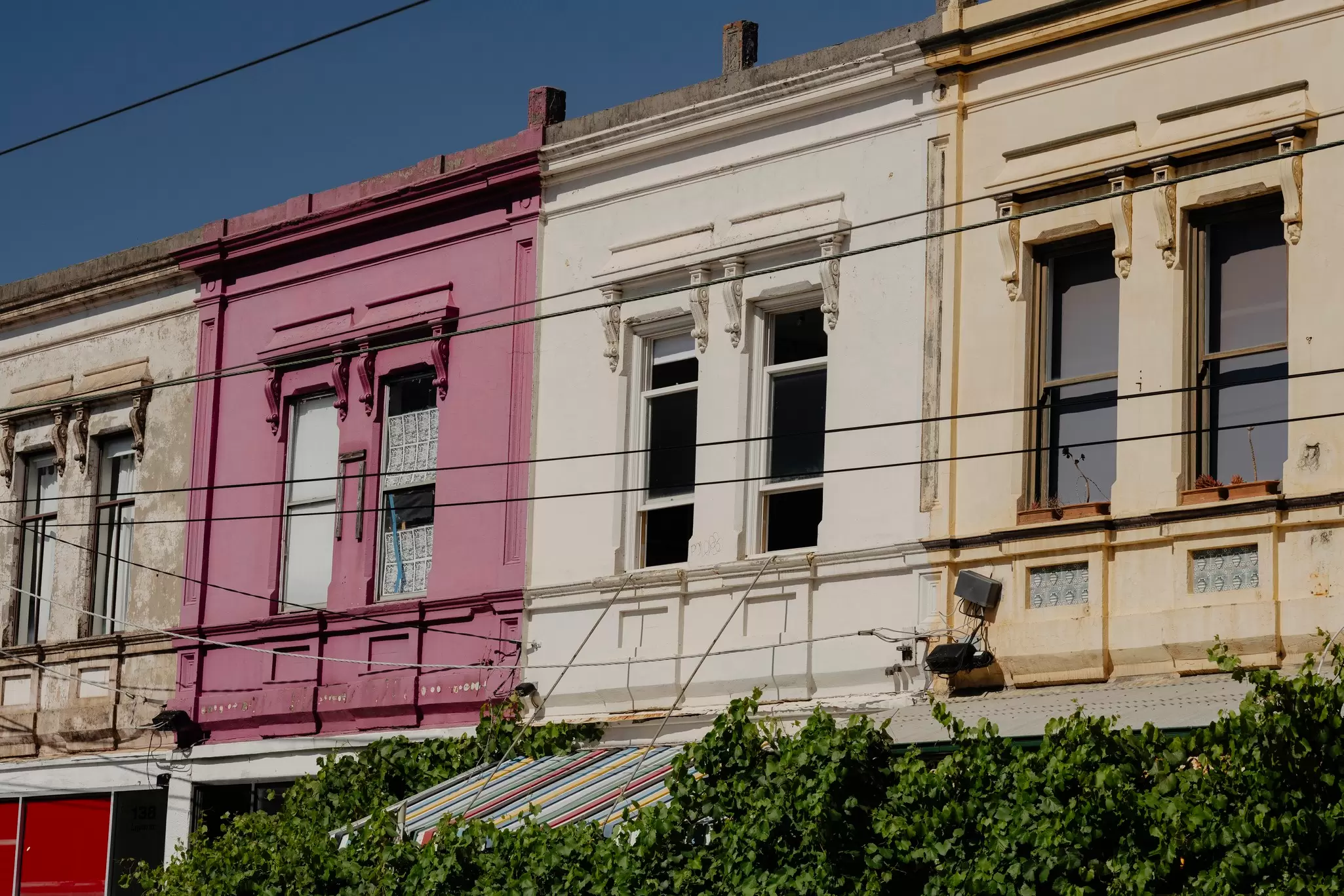
If there’s one thing that really stands out about Melbourne, it’s the fact that its various neighborhoods have an identity all their own. Laid out in the 19th century, these neighborhoods are highly walkable, each centered along a main strip. Check out Swan Street in Richmond, Brunswick Street in Fitzroy or Smith Street in Collingwood. All have quirky, distinctive dining and shopping options, which could keep you occupied for hours. Chapel Street's retail zone, for example, stretches 4km (2.5 miles) from South Yarra to Windsor, with hundreds of stores along the way.
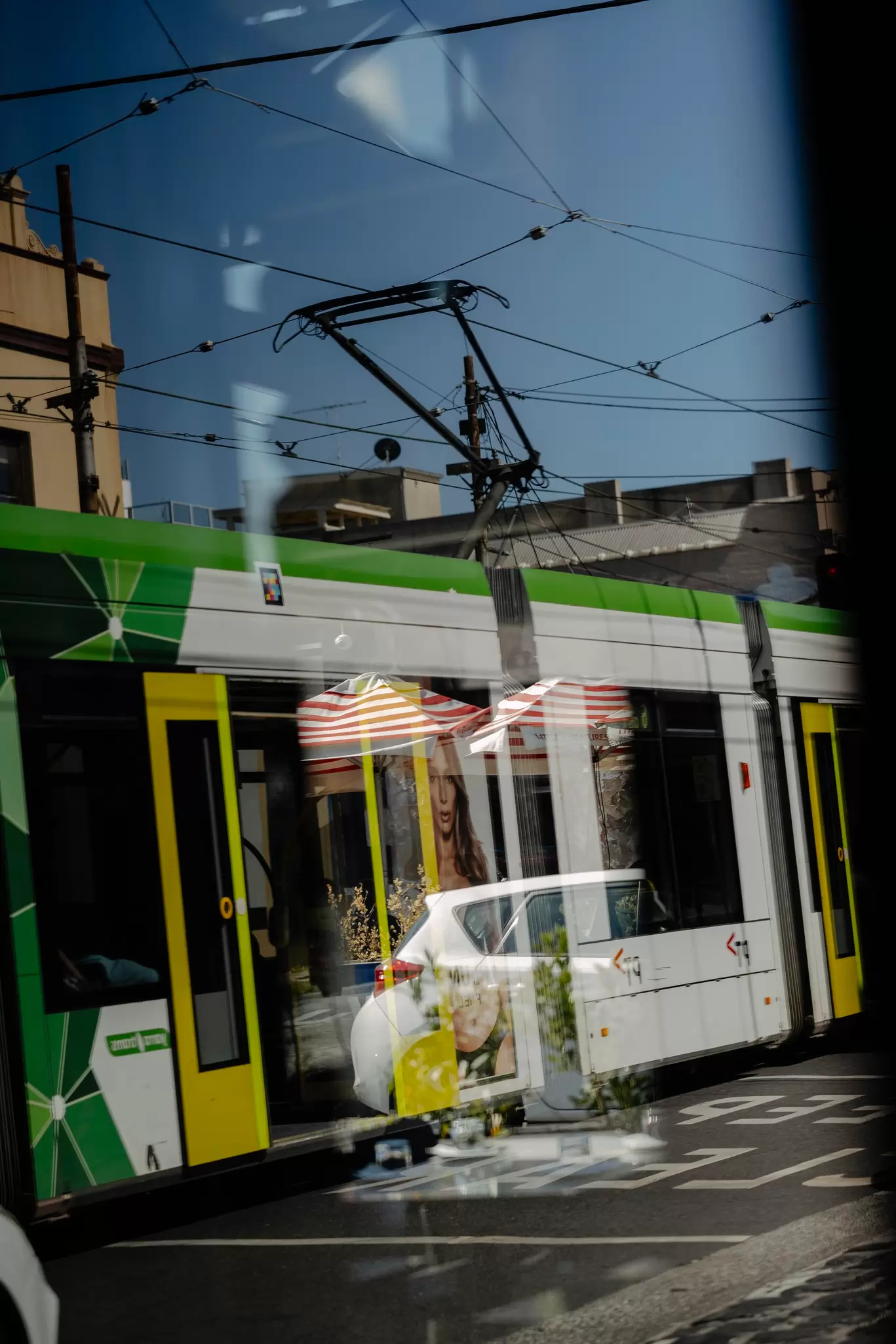
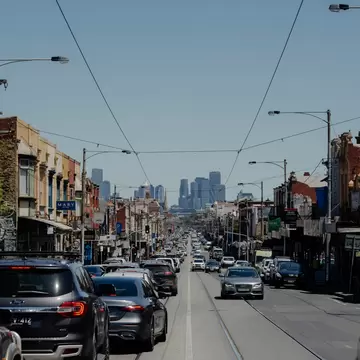
By Australian standards, Melbourne has good public transportation, especially in the city center and inner neighborhoods. The world’s largest tram (streetcar) system snakes out in all directions, supplemented by suburban trains and buses. There are some unwritten nuances to using public transit in Melbourne. You’ll need to hail buses to get them to stop for you. On crowded trams, be prepared to step outside the vehicle to let people off, before jumping back on to continue your journey. And don't forget to tap your Myki or contactless card at the train platform validators before you board your train.
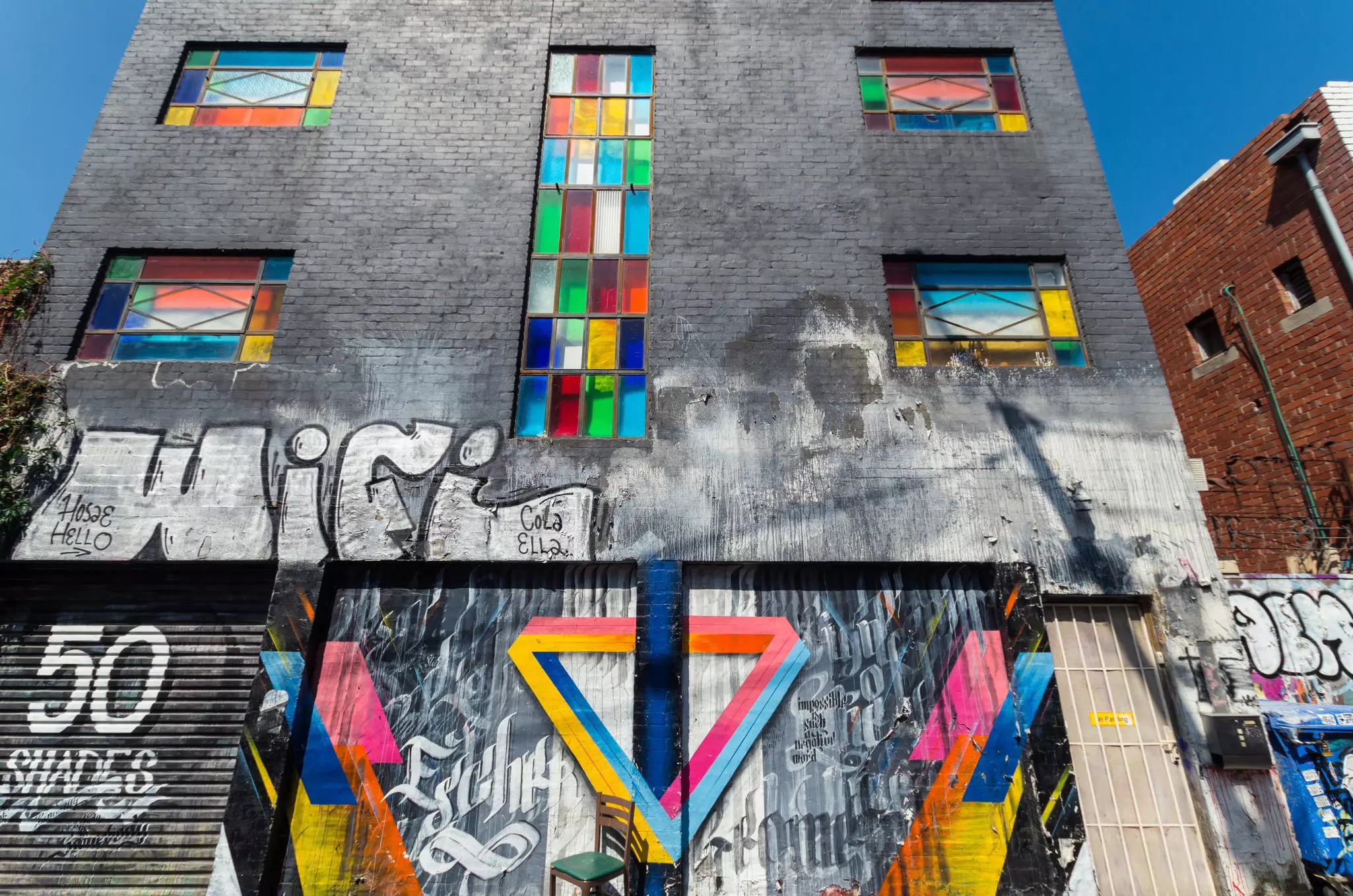
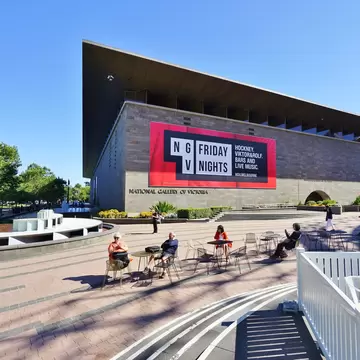
Melbourne’s jewel in the crown is its central business district, or "CBD". Aside from office buildings, the CBD is home to a broad array of dining options at all budgets, along with boutiques and entertainment venues. Many bars, cafes and shops are located down alleyways – known locally as laneways – giving them an intimate, secret vibe. These laneways are full of street art, from huge, commissioned murals to tiny unauthorized gems. Start at the graffiti-covered Hosier Lane, then duck into almost any other laneway to find more. Local artist heroes whose work you may spot include Adnate, Meggs and Rone. To see the art from a creator’s perspective, join one of the walks staged by Melbourne Street Art Tours, which are led by local artists.
Melbourne is often referred to as Australia's sporting capital. The winter game of choice is Australian Rules football (also known as AFL), which was invented in Melbourne in the mid-19th century when the turbulent gold rush era threw together migrants with knowledge of different ball games. The result was a fast-moving, high-leaping, long-kicking game that’s followed like a religion in Melbourne, eclipsing other football codes such as rugby or soccer.
If you’re visiting from March to September, you can take in a game at the vast Melbourne Cricket Ground. Supporters of both sides sit together. The atmosphere involves tens of thousands of fans typically suppressing their excitement as the play ripples up and down the ground, punctuated by the occasional lusty shout of “ball!” when spectators believe an opposition player has been holding the ball too long.
Other key sporting events include the Australian Open tennis tournament in January, the motorsports Grand Prix in March and the Melbourne Cup in November. The last of those, a 3,200m (10,500ft) horse race, is such a hallowed event that it has its own public holiday in Melbourne. In recent years, however, the deaths of several horses have cast a shadow over the race, leading many to reassess its appeal.
Melbourne is a very safe place for solo visitors, with a relatively low level of violent crime for its population of five million. As always in any big city, keep an eye on your belongings and be alert when walking in quiet or dimly lit places after dark. Note that the emergency number in Australia is 000.
When traveling by train, look for safety zones at suburban railway stations. With distinct yellow ground markings, these are well-lit areas near emergency assistance buttons and help phones, and monitored by CCTV cameras. There are also emergency assist buttons inside train carriages and aboard trams.
Visitors from around the world live in fear of Australia’s allegedly plentiful deadly wildlife. Take a deep breath and relax; you're incredibly unlikely to encounter any of these critters in a built-up urban area such as Melbourne.
To start planning your trip, download the Lonely Planet app or check out our Melbourne guidebook for local tips, maps and more.
Explore related stories