Sep 29, 20268 min read
Palawan Paradise: Top Things to See and DoSep 4, 2026
8 MIN READ

Writer
Arial view of Cathedral Cove in the Coromandel Peninsula, New Zealand. RLS Photo/Shutterstock

Writer
Lonely Planet may earn a commission from affiliate links on our site. All recommendations and reviews reflect our own independent opinions.
October is all about the escape – getting away from the crowds, putting your feet up and sinking into a blissful state of relaxation. In these destinations, you'll completely unplug on a beach, in a hammock or along some far-flung coastline. Choose from one of Fiji’s 333 islands to swim, surf or snorkel off palm-fringed shores; explore Italy's rugged coastline in Liguria; enjoy natural spas and lush landscapes in New Zealand’s Coromandel Peninsula; and discover picturesque colonial towns and paradisiacal rainforests in Costa Verde, Brazil.
Best for a Pacific paradise
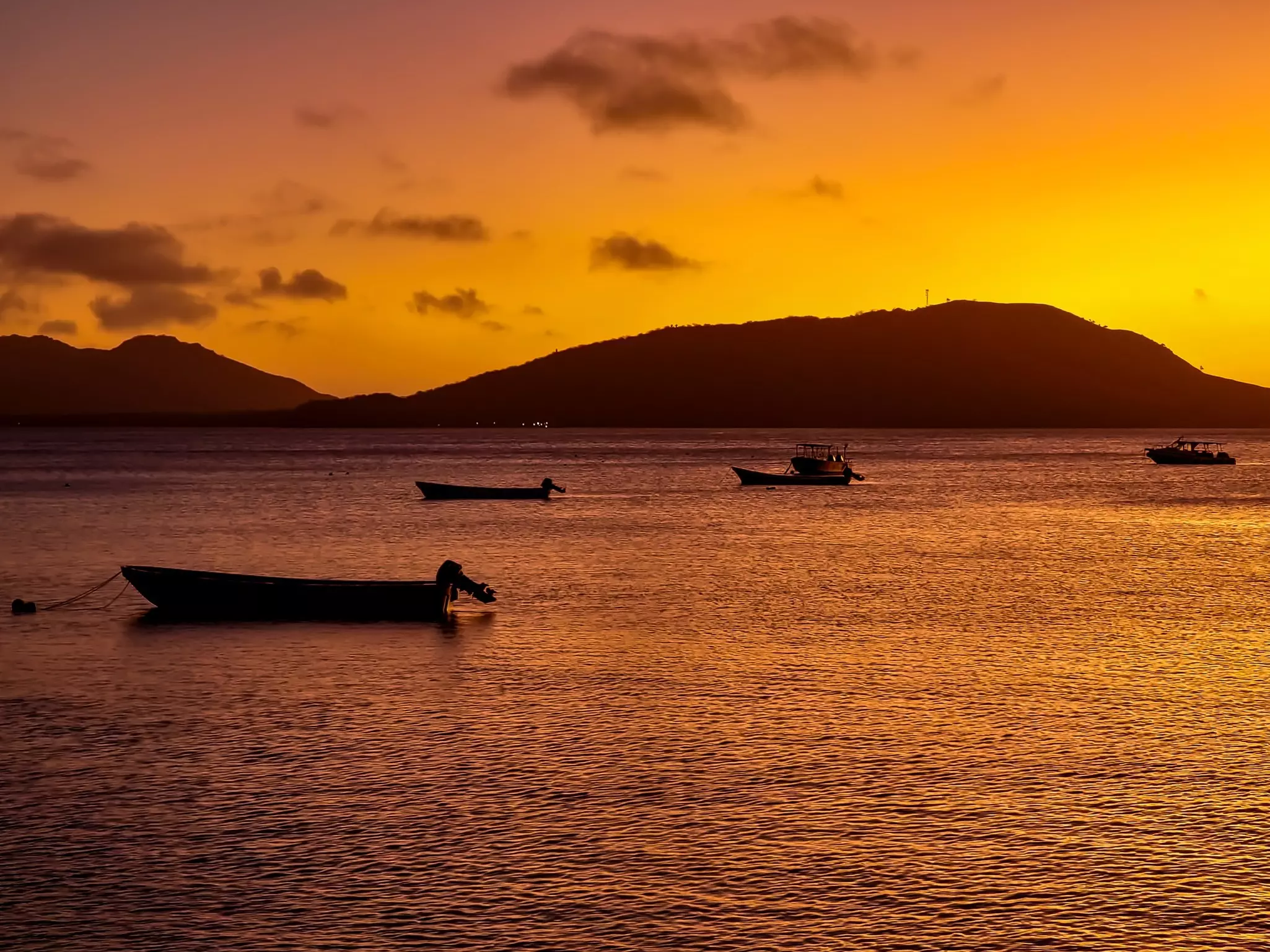
Fiji is paradise made easy. The most accessible and tourism-attuned outpost of the South Pacific, Fiji has an idyll to suit everyone across its 333 islands. That makes it popular, which is why October is perfect: it’s after peak season but still pleasantly cool and dry; you may find cheaper deals, and you will find fewer people. To fly among the islands, the Yasawa Flyer ferry service offers a multi-stop pass that's less expensive than buying one-way tickets.
There’s white-sand-blue-sea magnificence across the archipelago – the dreamy Yasawa and Mamanuca groups are the most "developed," but even here, no buildings are taller than a coconut palm. You could happily swim, surf, snorkel and loll about at a lively or low-key resort here for weeks. Viti Levu, Fiji’s largest island, offers the greatest variety. Make a circuit: drive the coastal Queens Rd and highlands Kings Rd, hike at Sigatoka sand dunes, see colonial architecture and enjoy Fijian-Indian cuisine in the capital Suva.
From Mamanuca, there are a few great day-trip or side-trip options, including Port Denarau. Sip a cocktail from the edge of an infinity pool at Malamala Beach Club, bring the family for ocean adventures at South Sea Island or sail to a charming little sandbank aboard Sabre, a sailing catamaran. Spend the night on a resort island like Malolo, Castaway Island Resort or Serenity Island Resort. The next day, wake up early to surf a mellow wave at Swimming Pools or get barreled at Cloudbreak. Alternatively, hire a private boat to take you to local snorkeling spots that have yet to make it onto the mainstream tourist radar. Grab a well-deserved pizza at Cloud 9, the mid-sea bar and club that promises a party surrounded by sparkling blue waters.
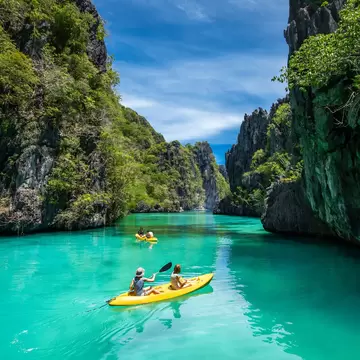
If you're starting in Yasawa, hit the island of Drawaqa, adjacent to a narrow ocean channel that promises a snorkeling date with manta rays during the winter months from May to October. There are plenty of aquatic creatures to meet at other times of the year, too. Venturing further north, the Yasawa Flyer will drop you at Nacula, from where you can embark on snorkeling trips to see pipefish hidden in reef crevices off Nanuya Levu. Then, head to the Blue Lagoon, where you’ll ponder whether this is the bluest water in the South Pacific while paddling a SUP or kayak. Finally, head to the limestone caves of Sawa-i-Lau for a swim in its secret pools.
Planning tip: Fly to Nadi (Viti Levu). Boats run from here to various ports on the Yasawas and Mamanucas – pick a base or hop between spots. Allow a week to explore Viti Levu. Divers should head for Astrolabe Reef or Taveuni’s waters. And while English is the official language, it's nice to learn a few Fijian sayings; "Bula!" means "Hello!"
Best for brilliant green landscapes
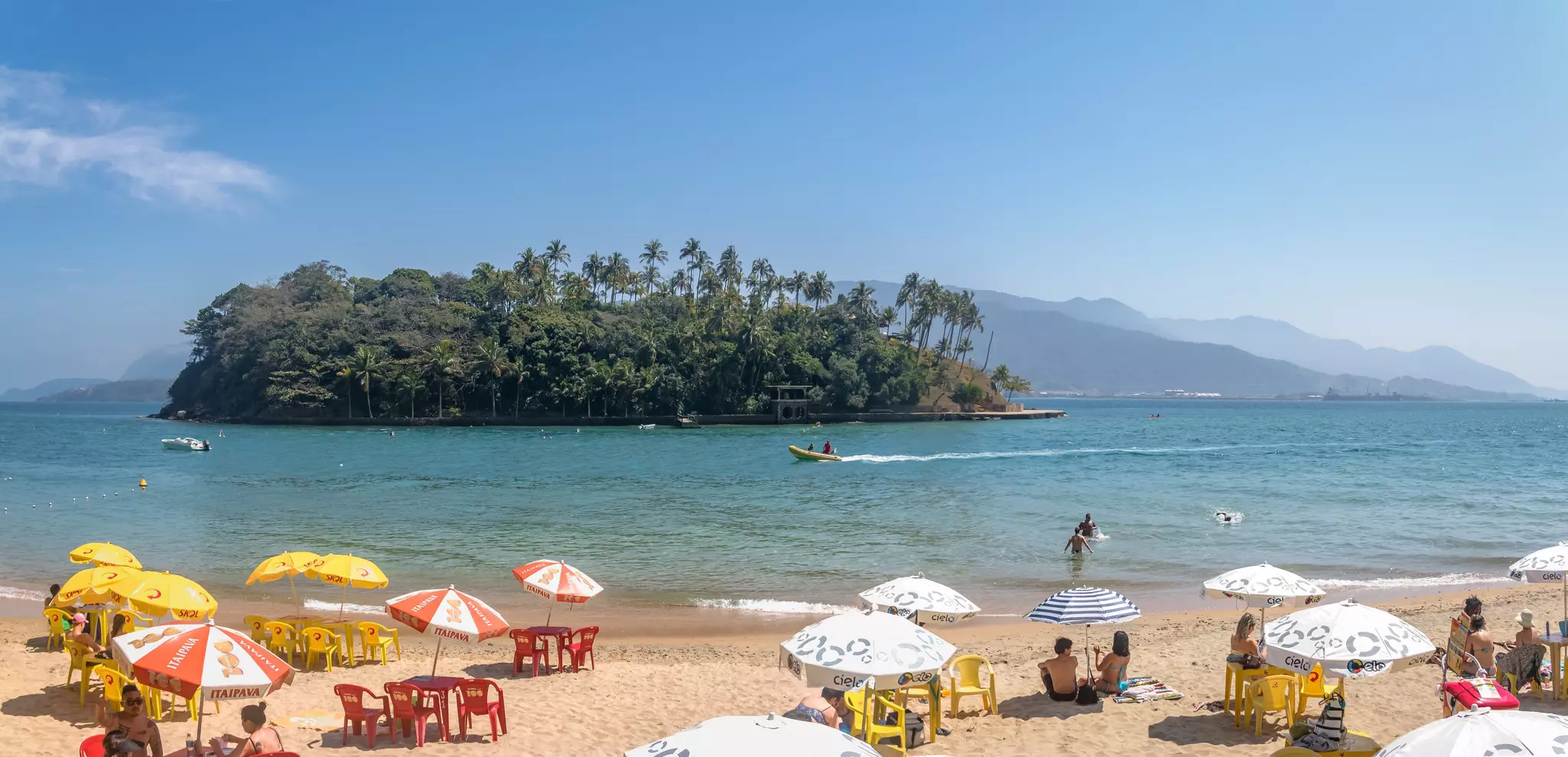
Rio de Janeiro gets called the Cidade Maravilhosa (Marvelous City), but really, it’s the Marvelous State – the namesake province around the metropolis is equally beautiful. Indeed, just west lies the Costa Verde, where jungly hills and waterfalls tumble to a sparkling blue-green sea. Make a beeline for Paraty (186 miles, or 300km, from Rio), an elegant 18th-century colonial port set against mountains, where the cobbled streets are traffic-free, bright-painted boats zip about the bay, and cafés serve up succulent seafood.
Then make a break for Ilha Grande – formerly a leper colony and prison, now a chill-out retreat ruled by Mother Nature. There are no cars, and just a few settlements. Book into a pousada (traditional style of accommodation) and spend days hiking trails into the island’s Atlantic rainforest and hopping between its 102 beaches. In October, spring temperatures rise (27°C; 81°F), but peak season has yet to start.
On Ilha Grande, there's plenty of outdoor adventure. Around town are 16 sign-posted trails leading to many of the island's 102 beaches. Before you go, let the people at your pousada know you're going and pack bug repellent, snacks and water. Just inland from the port of Paratay, check out Parque Nacional da Serra da Bocaina. There you'll find countless acres of protected rainforest and the Caminho do Ouro, which was once used to move gold from Brazil's interior out to the coast.
Most visitors opt to stay in Abraão, but if you're up for a quieter, less touristed option, try family-friendly Pousada Lagamar, low-key beachfront Cabana Paraíso or eco-lodge digs of Atlântica Jungle Lodge. These are all located a bit further afield from the usual spots, and they promise a deeply relaxing time with the opportunity to delve into some local culture and personal guidance on what more to see and do, from water sports to hiking.
Planning tip: Buses depart Rio for Angra dos Reis (for Ilha Grande ferries) and Paraty, making it relatively easy to reach. Spend a few days in Rio, then head along the Emerald Coast. Combine time on Paraty’s beaches with forays into Serra da Bocaina National Park before taking the ferry to Ilha Grande.
Best for rugged coastal paths
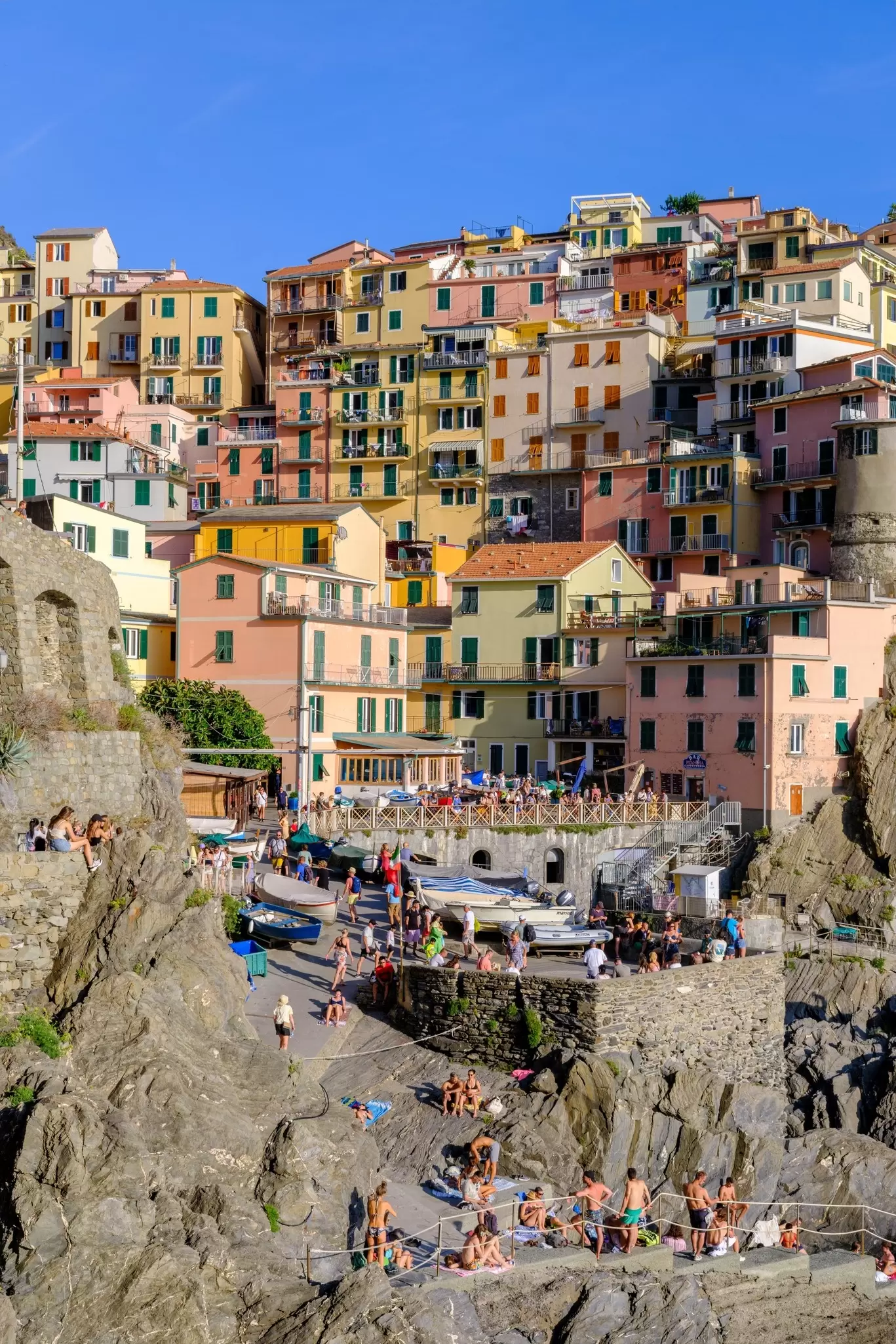
You’ve admired the photos of pastel-hued fishing villages tumbling down a precipitous hillside to the Ligurian Sea. So, too, have hundreds of thousands of day-trippers and cruise-ship passengers who throng the Cinque Terre, along the coast east of Genoa, each summer. The five villages of Monterosso, Vernazza, Corniglia, Manarola and Riomaggiore attract hordes of visitors in high season, and even the spectacular walking trails linking the ports can get busy.
Come in October, though, and the pressure eases, along with prices; you can explore these gorgeous villages, nearby beaches and the dramatic coastline in peace, and even nearby jet set hangouts like Portofino become almost accessible to mere mortals. Beyond those honeypots, less-busy spots such as Porto Venere, Sestri Levante and Tellaro are similarly charming.
The region has many wonderful shops and markets full of fresh cheese, bread and so much more where you can stock up to pack a picnic or snacks to enjoy mid-hike (we love Pippo a Vernazza). If you're looking to park it for a while, you'll find great food and excellent views in Riomaggiore at A Pié de Ma, a superb wine bar and restaurant on the cliffs that has an unbeatable selection of local wines by the glass. Nessun Dorma in Manarola offers lovely views during golden hour. To sleep beside equally stunning views, Hotel Porto Roca in Monterroso is both chic and comfortable, while La Torretta Lodge is a beautifully designed boutique property.
Planning tip: To access footpaths around Cinque Terre you’ll need to buy a trekking card. Paths are susceptible to landslides and floods, and can be closed at short notice. The less-touristed towns of Lévanto and La Spezia offer down-to-earth stopovers; just along the coast, Genoa is a historic port with train links to the Cinque Terre.
Best for sun-filled beaches
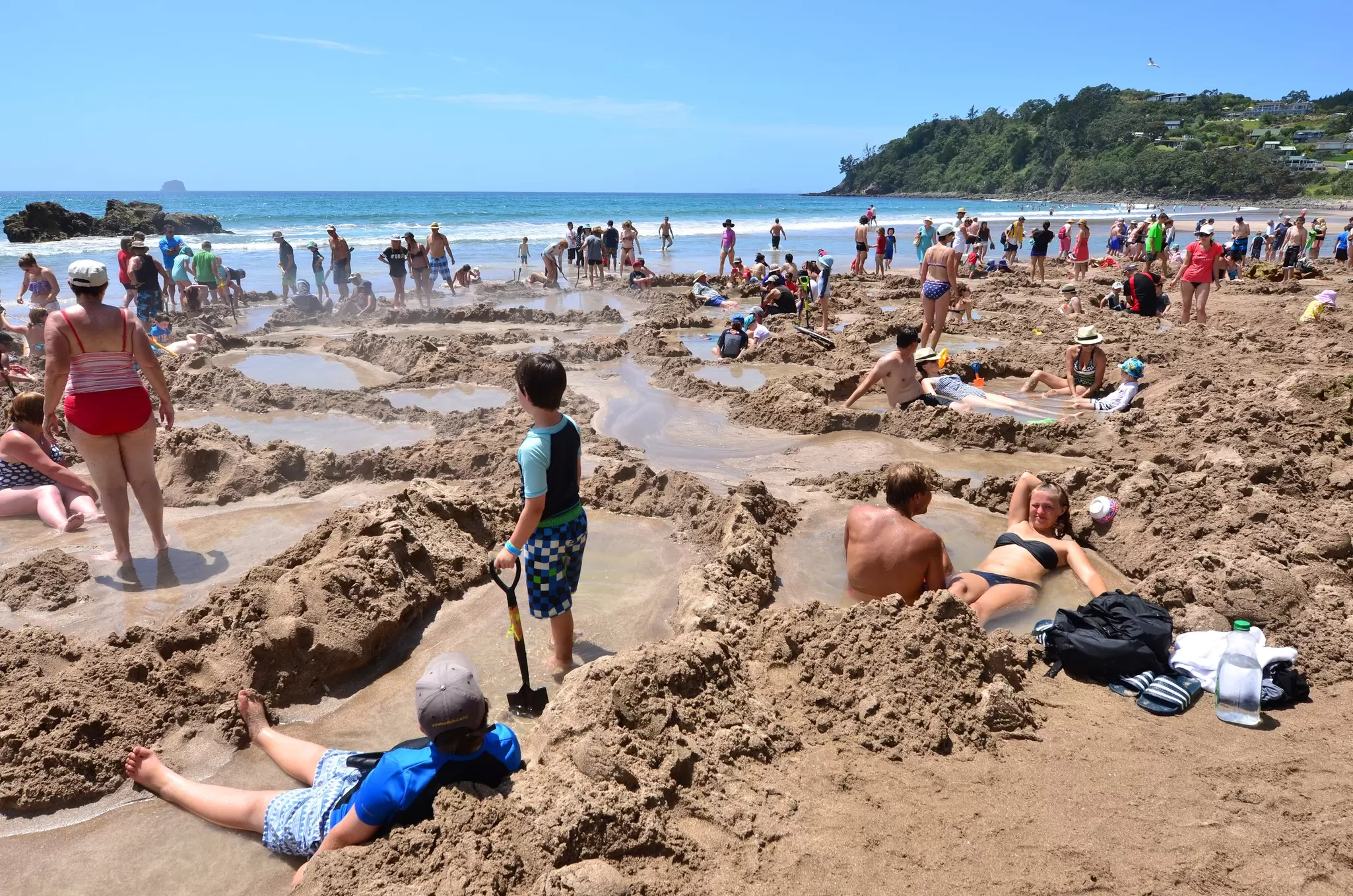
Kiwis love the Coromandel. This peninsula jutting into the Pacific has some of New Zealand’s best weather and is only a 90-minute drive from Auckland. In October, you’ll find warm temperatures but fewer people. (If it does turn chilly, warm up at the Lost Spring natural spa or by digging your own thermal bath at Hot Water Beach).
The lack of crowds and general vibe make the Coromandel perfect for an unhurried spring break. It has lots of browsable, gallery-filled towns (the legacy of an influx of arty types in the 1960s). And the glorious topography – a lush, mountainous spine, fringed by cliffs and golden shores – lends itself to leisurely scenic drives. Active pursuits are readily available – the Hauraki Rail Trail cycleway, hikes up the Pinnacles and kayaking into Cathedral Cove. But you could just hole up in a coastal café and watch the world go by.
When the kids tire of Whitianga’s Buffalo Beach, head for the town’s epic waterfront playground with climbing frames, a scooter track and a pirate ship. Grab a coffee from the cafés just across the road. From Whitianga, a 20-minute drive along SH25 brings you to Kūaotunu, a small holiday village with a white-sand beach. The town bats well above its league in the dining stakes, with pizza at Luke’s Kitchen, coffee at Kua Kawhe and a general store selling essentials, takeaway food and ice cream. If you're looking to stay near Cooks Beach, try 970 Lonely Bay Lodge, tucked into the trees and not far from the Shakespeare Scenic Reserve or the Whitianga Ferry Landing.
In beachy Mt Maunganui, famous for its cafés and surf breaks, take a surf lesson, enjoy the many ice cream parlors, then stay the night and go for a morning hike up Mauao for sunrise views. That evening, head to McClaren Falls Park for an evening kayak to a secret glowworm canyon, followed by dinner at Māori/Japanese restaurant Izakai.
Planning tip: Allow three or four days to amble around the peninsula. Thames (west coast) and Whitianga (east) are the main hubs. Additionally, September/October is the start of scallop season; try them at the restaurants along Whitianga’s Esplanade. Head to Tio Ohiwa Oysters to take a tour and learn how to shuck your own, then wash them down with champagne, served right on the boat.
Explore related stories