Sep 13, 202613 min read
15 Best Things to Do in IbizaJul 24, 2026
11 MIN READ

Writer
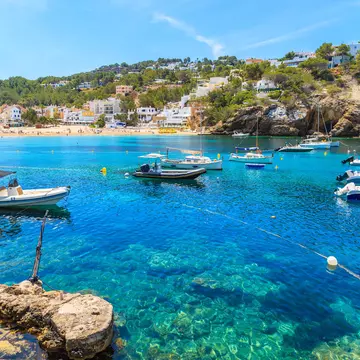
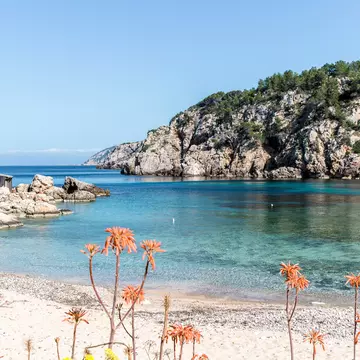
Cala d’Hort Beach, Ibiza. Alex Tihonovs/Shutterstock
Writer
Highlights
Lonely Planet writer Alexis Averbuck covers Ibiza's timing, booking, safety and transport.
Head to Ibiza in late May–June or September–October for open clubs without peak-season crowds.
Reserve accommodation six months ahead and club tickets two to three months before you go.
Ibiza's tourist areas attract pickpockets; drink spiking occurs too, so guard your glass.
Lonely Planet may earn a commission from affiliate links on our site. All recommendations and reviews reflect our own independent opinions.
Ibiza’s white-sand beaches, its rural villages and the dance floors of its legendary clubs offer visitors many ways to unwind…or let loose. I’m a true island aficionado: I’ve lived on islands and researched countless islands for Lonely Planet – so I know Ibiza is as laissez-faire as islands get.
Still, a little advance planning before and thoughtfulness during your trip will ensure you get into the clubs and spots you’re dying to visit, have a comfortable and safe time, and avoid unnecessarily irritating the island’s residents along the way. Here’s what you need to know before your next trip to Ibiza.
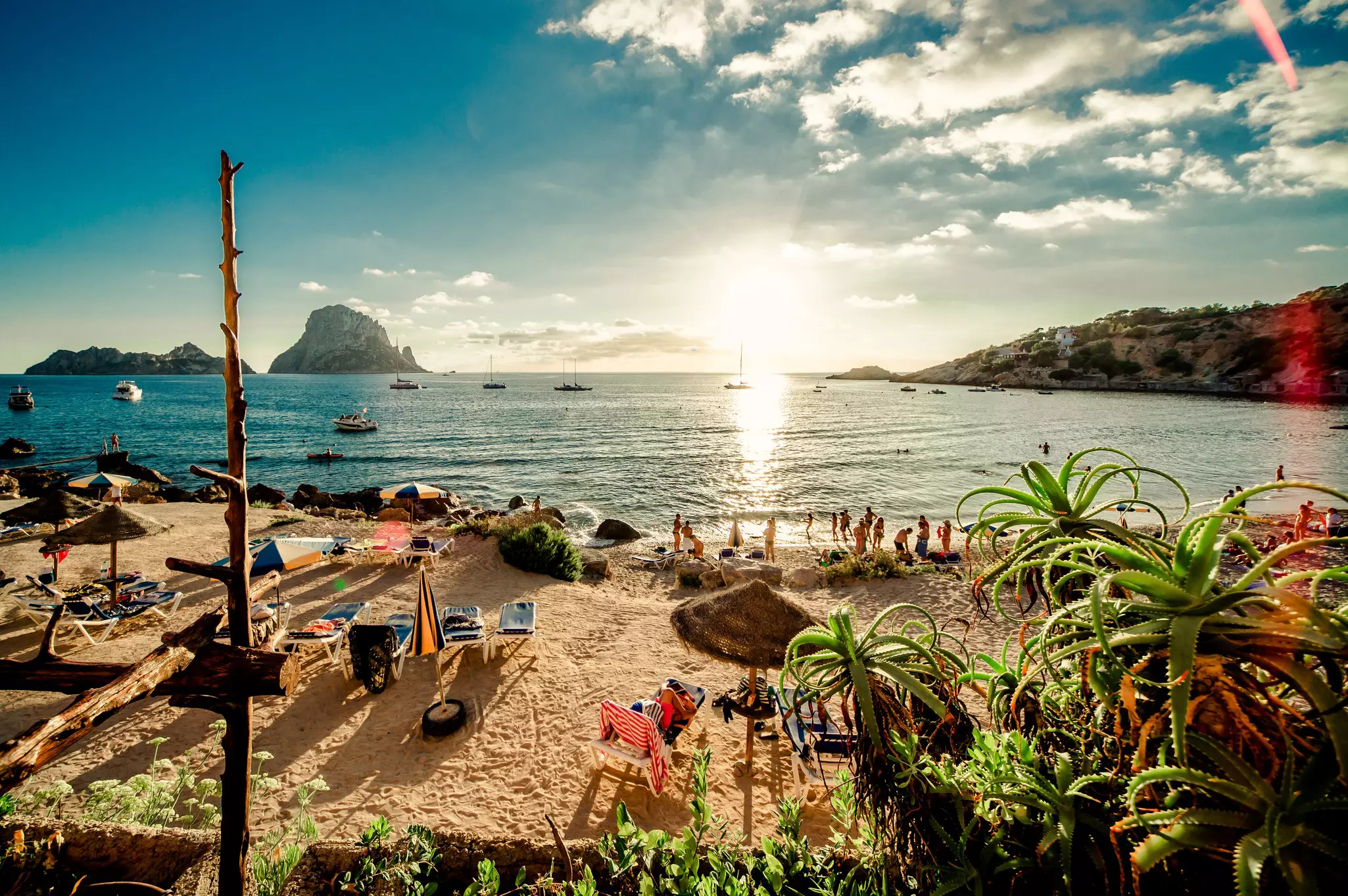
The best time to visit Ibiza is during the shoulder seasons of late May to June, and late September to October, when the clubs are open but the summer throngs have yet to arrive or have moved on. If a mob scene of partygoers is your thing, July and August are for you.
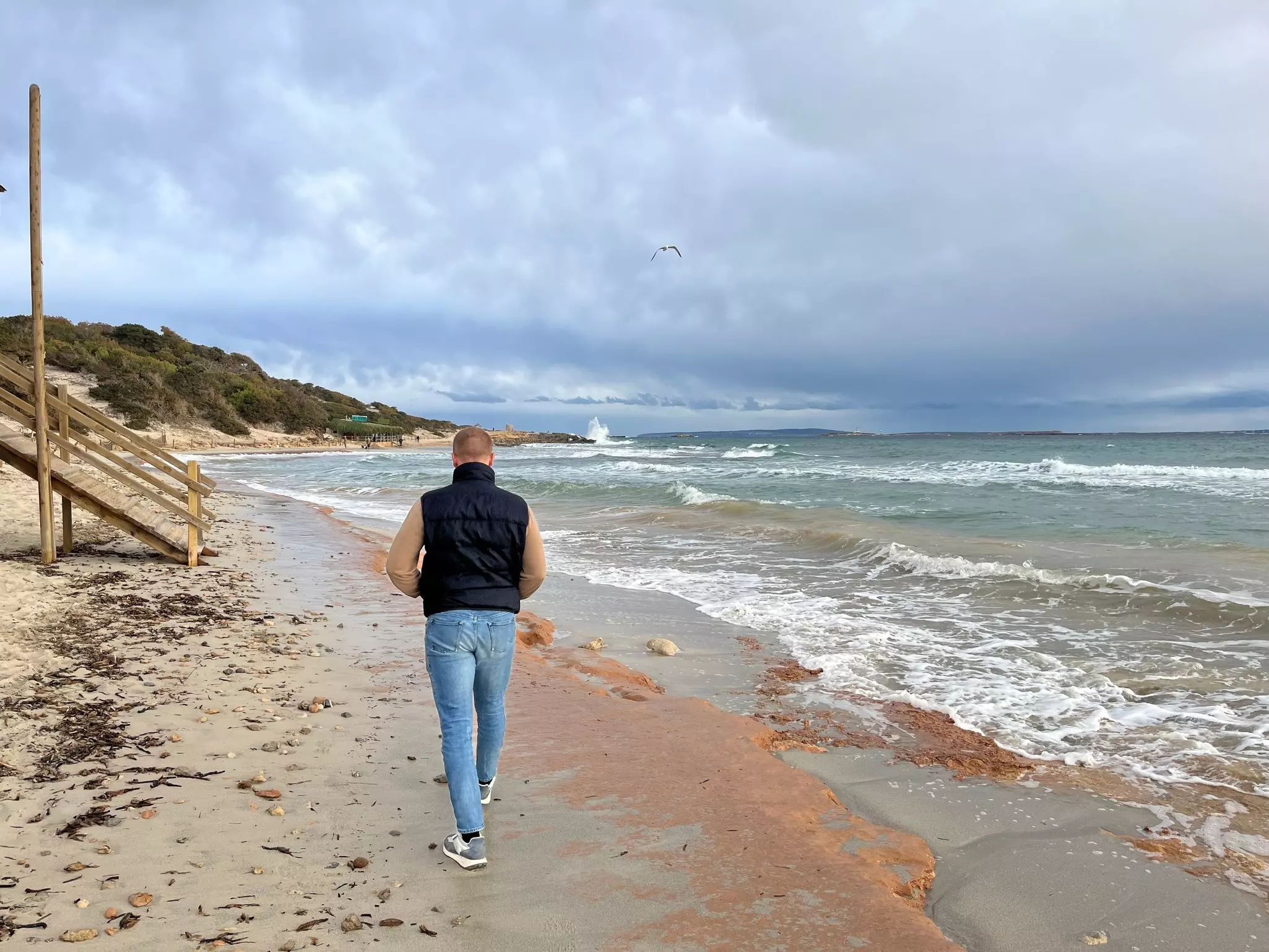
In winter, the island calms as the clubs close. This season can appeal to low-key travelers – though Ibiza’s famous nightlife is basically in hibernation, and the seas are too cold to swim comfortably without a dry suit. Many shops, hotels and restaurants close from November to around Easter; other services decrease dramatically. If you want to come in these offseason months, be sure to plan ahead and know what to expect.
Prices skyrocket from June to mid-September, so you can get more on the island by avoiding that peak period. Whenever you come, economize further by buying picnic supplies for beach lunches, skipping pricey beachfront restaurants. Sun loungers and umbrellas cost 8 euros to €15 to rent on most beaches, and more at beach clubs – so purchase your own umbrella when you arrive to save this daily cost.
A trip of 4 days is the ideal length of time for first-time visitors coming to hit the clubs. A long weekend like this will let you pair some lazy beach time with a couple of big nights out.
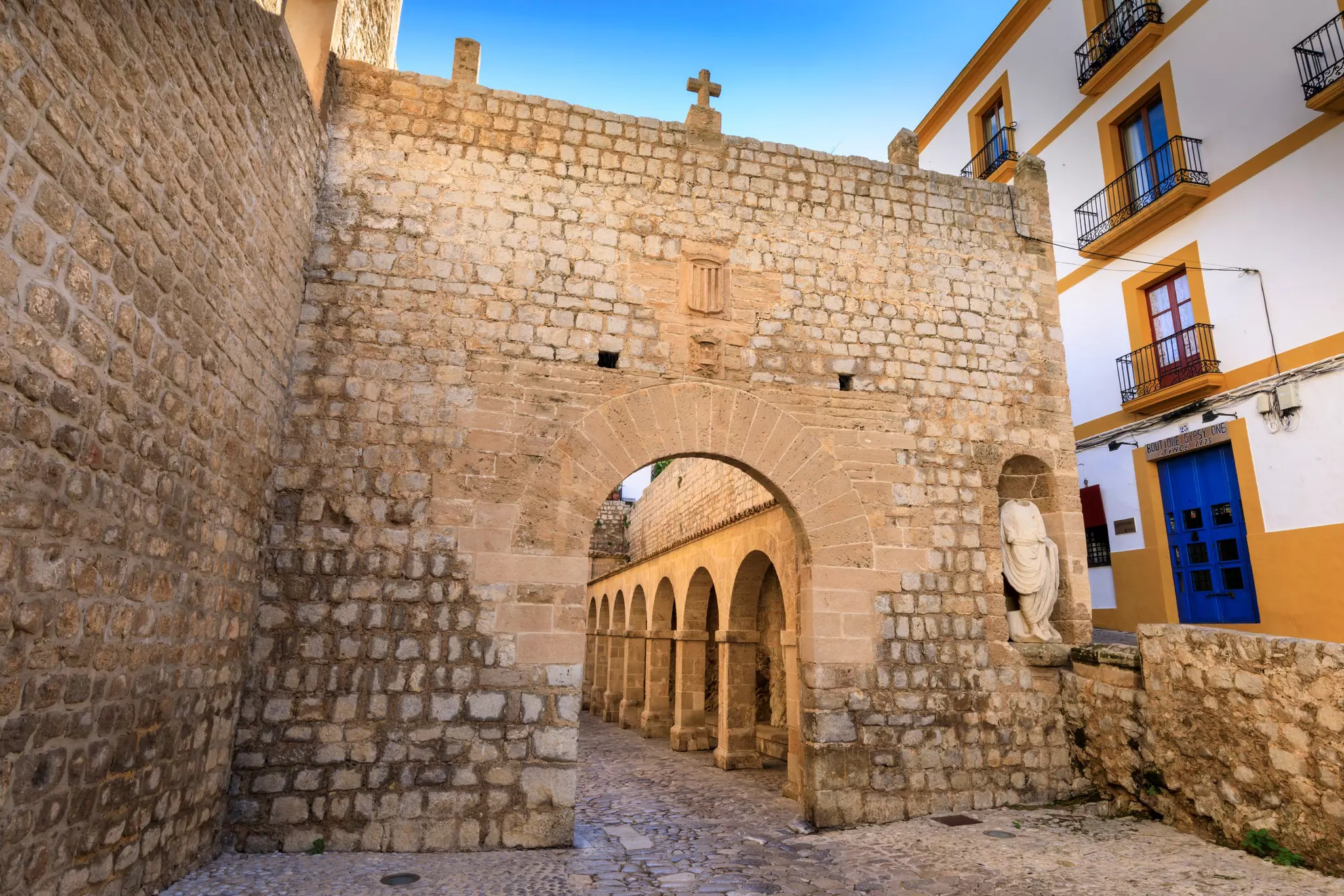
To really get close to Ibiza’s charms, plan for a week to 10 days. This will let you kick back on the beautiful sands at of Parc Natural de Ses Salines, and also explore the historic streets of Dalt Vila in Ibiza Town. You can hit the shops in villages like Santa Gertrudis de Fruitera and the new-age market Las Dalias in Sant Carles de Peralta, and still have time to take hiking, cycling or diving excursions. A longer trip will leave you plenty of time for exploring the lesser-known coves of northern Ibiza, or even popping over to stunning Formentera, a quick half-hour ferry away.
Pick your base in Ibiza carefully, for you’ll have very different experiences depending on where you stay. In general, you’ll find the best lodging prices during shoulder and low season (and you’ll help combat summer overtourism). In winter, you can score superb lodging (at hotels that stay open year round, that is) for reasonable rates.
Ibiza Town: Ibiza Town is interesting year-round. The historic center and its cafes, restaurants and bars (including legendary club Pacha) mean you’ll have plenty to do without ever leaving the area. The town also has numerous bus connections that let you explore the island and hit the south’s megaclubs like Hï and Ushuaïa in Platja d’en Bossa, or UNVRS in San Rafael.
Seaside resorts: If you like built-up, thriving resort towns, try Santa Eulalia del Río and even bigger Sant Antoni de Portmany, both well served by buses that reach the rest of the island. Sant Antoni pops with British-centric bars and clubs, plus its legendary Sunset Strip; nearby beaches offer well-developed recreation. Coves near Santa Eulàlia tend to be family-friendly.
Regional villages: If you stay in one of the smaller villages in the north or interior of the island, such as Santa Gertrudis or Sant Vicent de sa Cala, you’re in for a much quieter experience. Nonetheless, you can count on good dining and shopping options, plus special sights like fortified churches. Transit to the clubs can be tricky.
Agroturisme and countryside vacation rentals: If you love slower, more rural life and your pocketbook can bear the price, stay at a country hotel, called agroturisme in Catalan(agroturismo inSpanish). These are essentially luxury farmhouses, often with pools and loads of high-end amenities. If you’re traveling in a group, rent a villa or country home, and split the costs.

A good way to ensure an easy, stress-free time in Ibiza is booking ahead for the things you know you’ll want to do. You should reserve accommodation, flights and car or scooter rentals for both Ibiza and Formentera at least 6 months in advance.
Then, 2 to 3 months before you go, book any restaurants you have your heart set on, and check the club lineups and buy tickets in advance. (You’ll sometimes get better pricing, too.) Huge opening nights in April and May inaugurate club season; closing-night parties fall in late September or October.
Even once you’re on the island, it helps to call ahead and book tables for regular restaurants and wine tasting at vineyards. It’s a small and popular place.
While Ibiza is undoubtedly one of Europe’s most fashionable destinations, there are no uptight dress codes. Boho-beach-chic reigns here – breezy dresses, sparkly sandals, colorful earrings and bright prints, along with some lace and/or embroidered accents.
For top restaurants, clubs and bars, you’ll want to find that balance between fancy and relaxed island style. There are plenty of (often pricey) shops on the island to help you out if you forget something, or don’t yet have that perfect espadrille.
Ibiza gets very hot and humid in the high season, so light, cotton garments are both comfortable and essential. Pack sunscreen, a sarong and a hat, too, for your beach days.
Though many people speak English in Ibiza, the local languages are Spanish and Eivissenc, the island’s native, widely used Catalan dialect. If you greet and thank people in Spanish, Catalan or Eivissenc, you’ll be rewarded with a smile – especially away from tourist hubs.
Note that locals use shortened versions of village names. So instead of Sant Antoni de Portmany, you can just call it Sant Antoni.
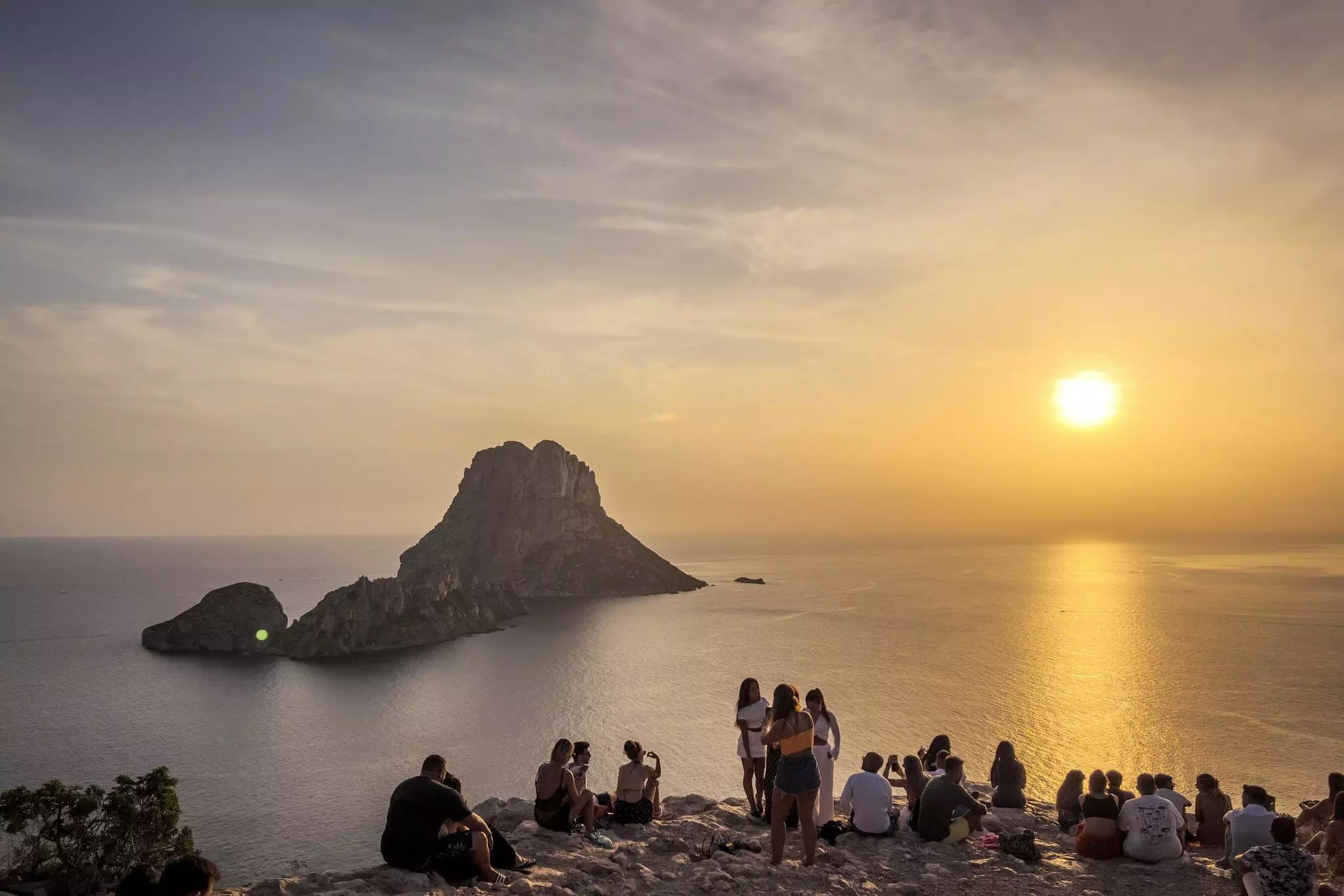
Relaxed, international Ibiza has few hard-and-fast etiquette rules. Still, it’s important to remember that the island’s small population (162,000) is overshadowed – some would say overwhelmed – by the 3.7 million tourists who arrive each year. Avoid loud or drunken behavior in residential areas. And always ask before taking pictures of ibicencos, especially children.
While people typically think of Ibiza as a destination of adult pleasures, it’s packed with great beaches and activities for children, too. Little ones are welcome in most restaurants (less so in formal places); check in advance if they have a high chair (trona or sillita), if you need one. Many restaurants don’t open until 8pm for dinner, so try to adjust your kids to Spanish time (siestas help).
The legal age for nightclubbing is 18, and Ibiza has many adults-only hotels. So be sure to confirm if there’s an age limit when booking your accommodations. Also prebook any cots or cribs you need.
At banks, shops and restaurants, it might not appear that there’s an organized queue – but people are following a system. Ask who is last in line when you join.
Ibiza is a renowned destination for LGBTQ+ visitors, with an everything-goes vibe and an embracing attitude toward play and display. Ibiza Town and its nearby beaches are the epicenter of a proud, prominent gay culture – evident on any bar hop across the Old Port (all the bars are mixed) and packed-out Carrer de la Verge, Ibiza’s LGBTQ+ village. The two traditionally gay beaches are Es Cavallet, on the southeast coast, and Figueretes – but every beach on the island is LGBTQ+ friendly.
Tipping is usually optional in Spain – but it’s a norm in Ibiza, where 10% is standard, especially for swank club service and high-end meals. Also tip housekeeping (€1–5 per night) and bell hops, and round up to the nearest euro in taxis and at bars and pubs.
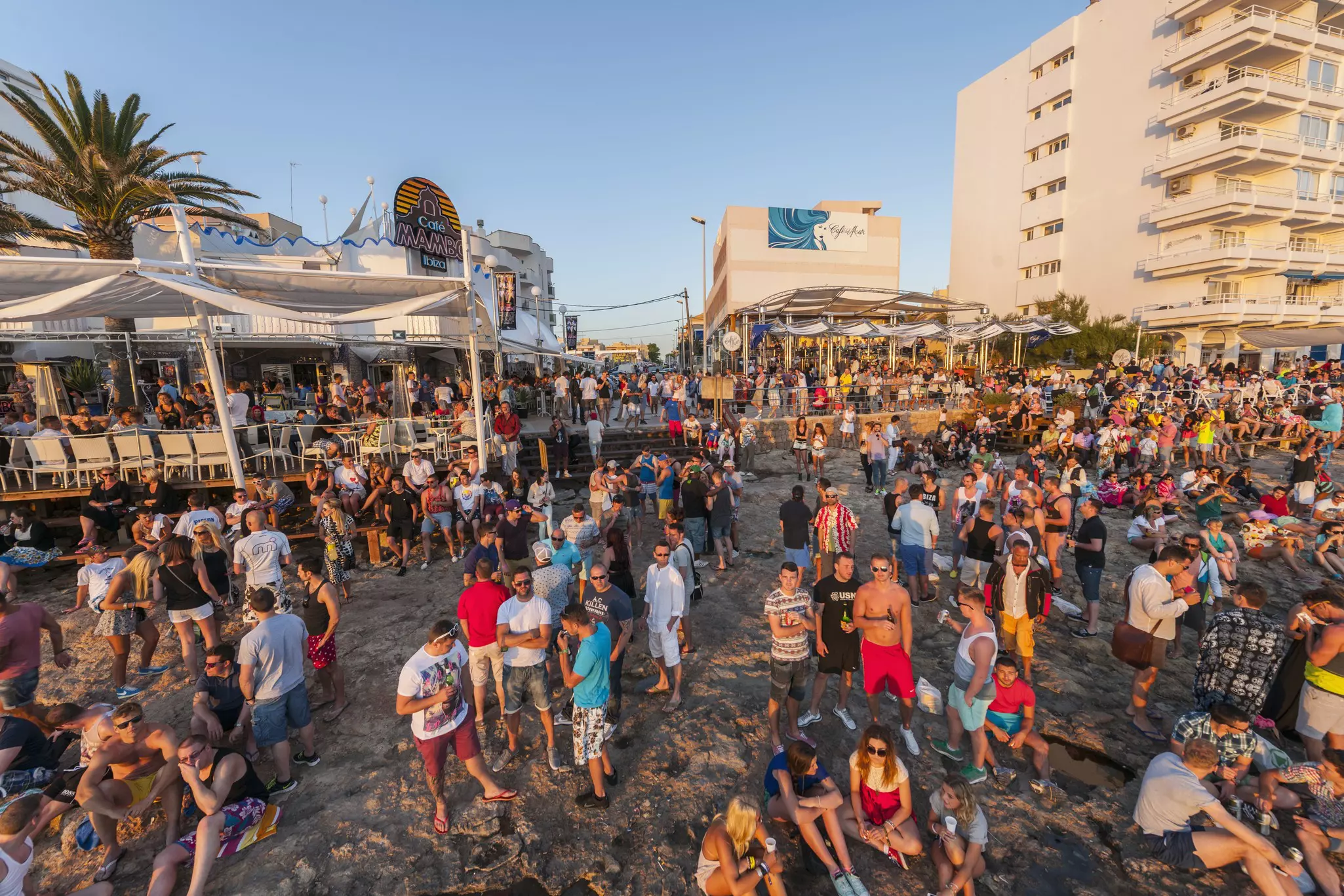
Be wary of pickpockets in touristed areas and keep an eye out for distraction techniques (women offering good-luck flowers, for example, or pointing out dirt on your shirt). Never leave anything important lying unattended at the beach, as things can disappear instantly while your back is turned. Some neighborhoods around Dalt Vila can get sketchy – so keep your wits about you.
Never accept drinks from strangers or leave yours unattended, for drink spiking does unfortunately occur here. And while cannabis is decriminalized in Spain for personal, small-quantity, in-private use, and despite Ibiza’s hippy heritage and party vibe, public consumption of any illicit drug is illegal, including nitrous oxide.
When clubbing and bar-hopping, it’s ideal to go with friends and always stick together until you get back to the hotel.
While Ibiza’s tap water is technically safe to drink (and certainly to cook and brush teeth with), most people avoid drinking it due to its taste and salt and calcium content. To reduce single-use plastic bottles, seek out the island’s three agua potable stations (in Sant Josep, Sant Rafel and Santa Eulària) for drinking-water refills. You can also locate free water fountains in Ibiza Town on the Cleanwave app.
The main health concerns for travelers to Ibiza are drug- and alcohol-related issues (tourists die from overdoses, falling off balconies and drowning while under the influence), and traffic accidents. In a true emergency, call 112, which has operators that speak Spanish, English, French and German. If you need an ambulance, call 061. For emergency treatment, go straight to the urgencias (casualty) at the nearest hospital. There are two hospitals in Ibiza Town.
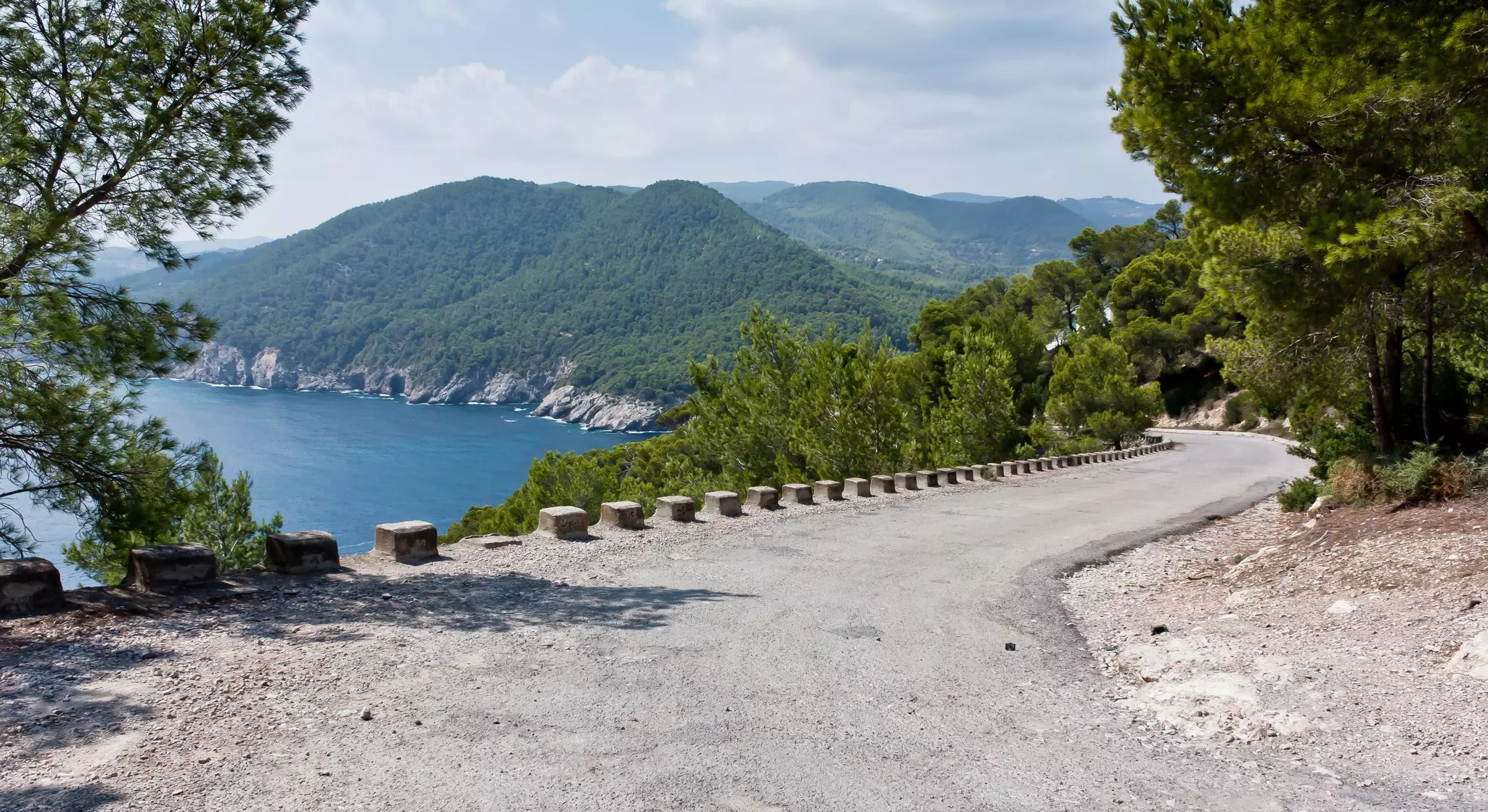
For maximum independence and the chance to reach remote destinations, the best way to get around Ibiza is undoubtedly by car. If you don’t want to get behind the wheel yourself, bus routes serve all major villages, and each of those is walkable once you arrive.
For the best rates (and availability), book car rentals well in advance; in summer last-minute bookings may be impossible. Motorbikes or scooters (helmets are required) are good for easy parking at beaches in high season. Note that many places (including rural hotels) are only accessible via dirt roads.
Drive carefully and be aware that rental companies’ insurance often won’t cover damage to undercarriages.
Parking spots fill up quickly in summer. Arrive early or consider alternative transport. Download the El Parking app to pay for parking and see restricted zones.
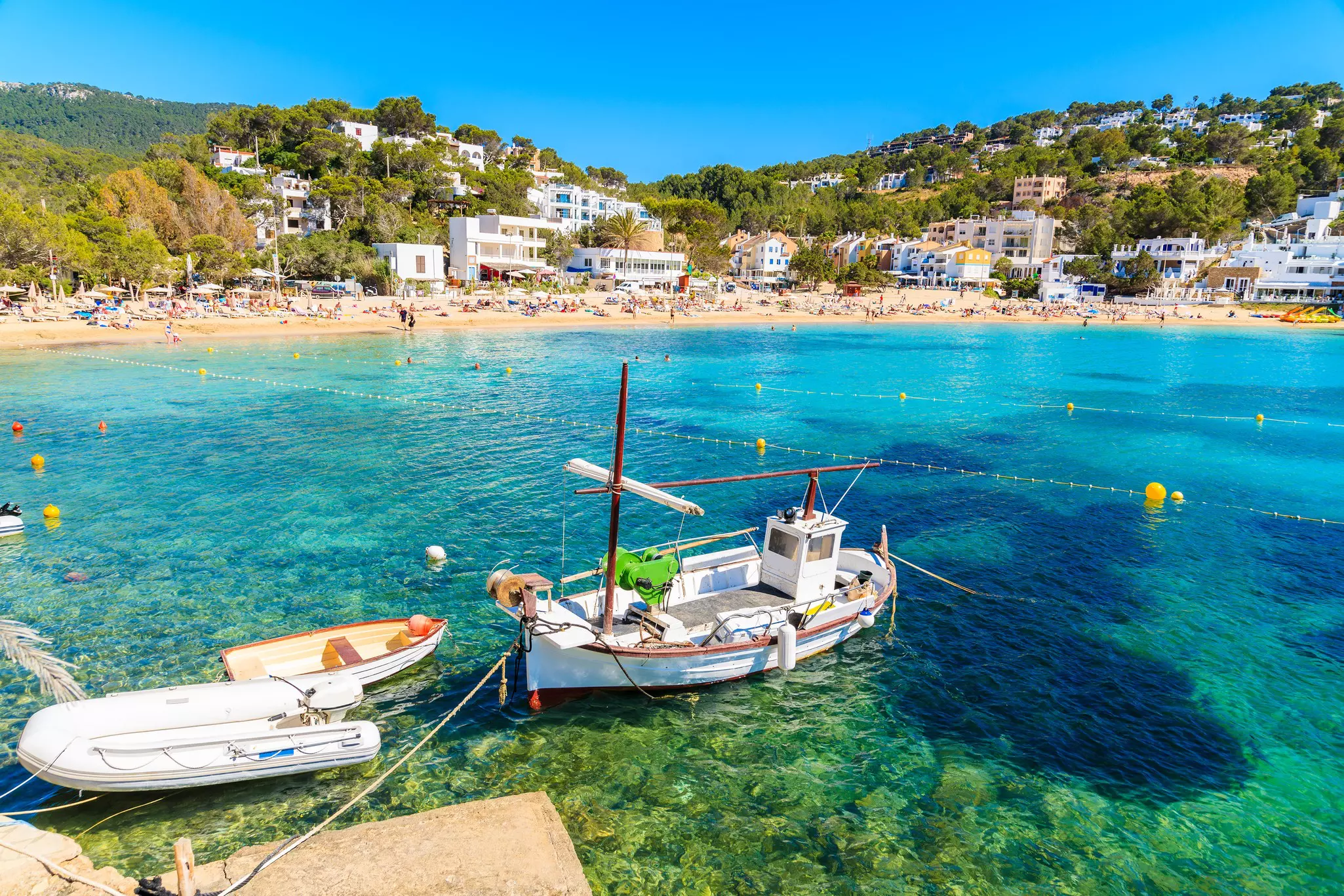
Resorts, beaches and many coastal towns offer water taxis or small-boat ferries from May to October. Routes include Sant Antoni to Cala Bassa, Cala Salada, Platges de Comte, Es Canar and Santa Eulària (via several east-coast beaches); and Ibiza Town to Santa Eulària and Platja d’en Bossa (via Figueretes). Ferries also connect Ibiza and Formentera.
If you’re based in one of the main towns, Ibiza’s and Formentera’s bus networks are both efficient and budget-friendly. Many routes operate only May to October, or reduce frequency out of high season.
If you’re set on clubbing, you won’t (or shouldn’t) want to drive. Much cheaper than a taxi, the DiscoBus serves major clubs in high season all night long.
If you’re staying in the countryside or want to visit remote beaches, bus services are rare or nonexistent.

Vegetarians, vegans and people with food restrictions or allergies will have few difficulties eating out in Ibiza. Still, substances like nuts that could trigger a reaction are not always listed on menus, so communicate your allergy clearly to servers when you sit down.
As in much of Spain, ibicencos savor a leisurely meal – so your bill usually won’t be presented until you ask for it. Catch your server’s attention and say: “Por favor nos trae la cuenta” or “La cuenta, por favor.”
If you want to split the bill, you’ll have to ask. Say “¿Podemos dividir la cuenta, por favor?”
To continue planning your trip to Ibiza, check out our Pocket Ibiza guide.
Book your Spain trip with Lonely Planet Journeys
See Spain how it's meant to be seen
Accommodations, activities and ground transportation all taken care of, so you can focus on the fun part. Tell us what your dream trip to Spain looks like, and our local experts will build it from scratch. Or start with one of our itineraries and make it your own.

Explore related stories