Sep 13, 202613 min read
15 Things to Do in Ibiza and the Best Way to Do ThemSep 13, 2026
13 MIN READ

Writer
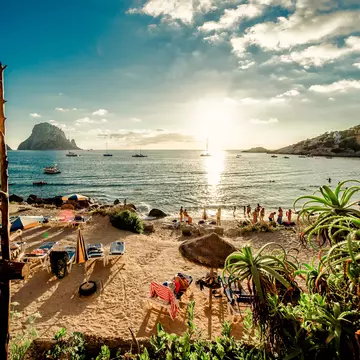
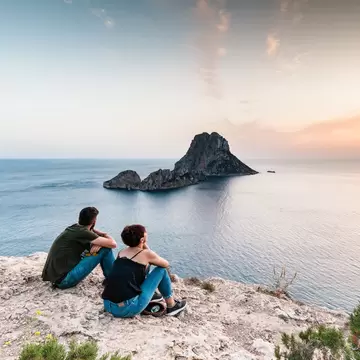
Sunset over Es Vedrà, Ibiza. Annapurna Mellor/Lonely Planet

Writer
Highlights
Writer Isabella Noble rounds up Ibiza's best activities, from Dalt Vila to Pacha.
Sail to blissful Formentera or hike the pine-scented north coast for secluded coves.
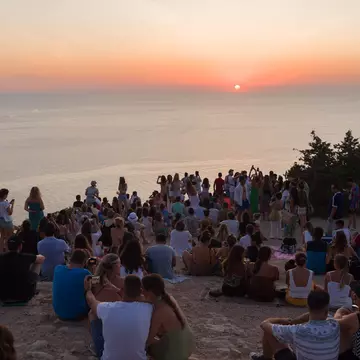
Chase the Ibiza sunset over Es Vedrà from Torre des Savinar or Cala d'Hort.
Browse Las Dalias hippie market and visit organic farms.
Lonely Planet may earn a commission from affiliate links on our site. All recommendations and reviews reflect our own independent opinions.
The powdery Balearic beaches and deservedly hyped megaclubs might steal all the attention, but there are many different, equally tempting sides to Ibiza. I’m a beach lover who grew up in southern Spain and have spent plenty of time exploring Ibiza (and its Balearic siblings) over the years – including a very fun summer stint researching the island’s nightlife and food scene for Lonely Planet.
Having matured beyond its party-island reputation, Ibiza has also quietly grown into a destination for culture-loaded city breaks, fun-filled family holidays, outdoor-adventure activities, slow-going country escapes, and the chance to be immersed in ibicenco culture through food, history and arts. Visiting outside the Mediterranean’s high season (July/August) reveals a slower pace of island life, and each month brings its own beauty, from the winter almond blossom to the September wine harvest.
Best for historical atmosphere
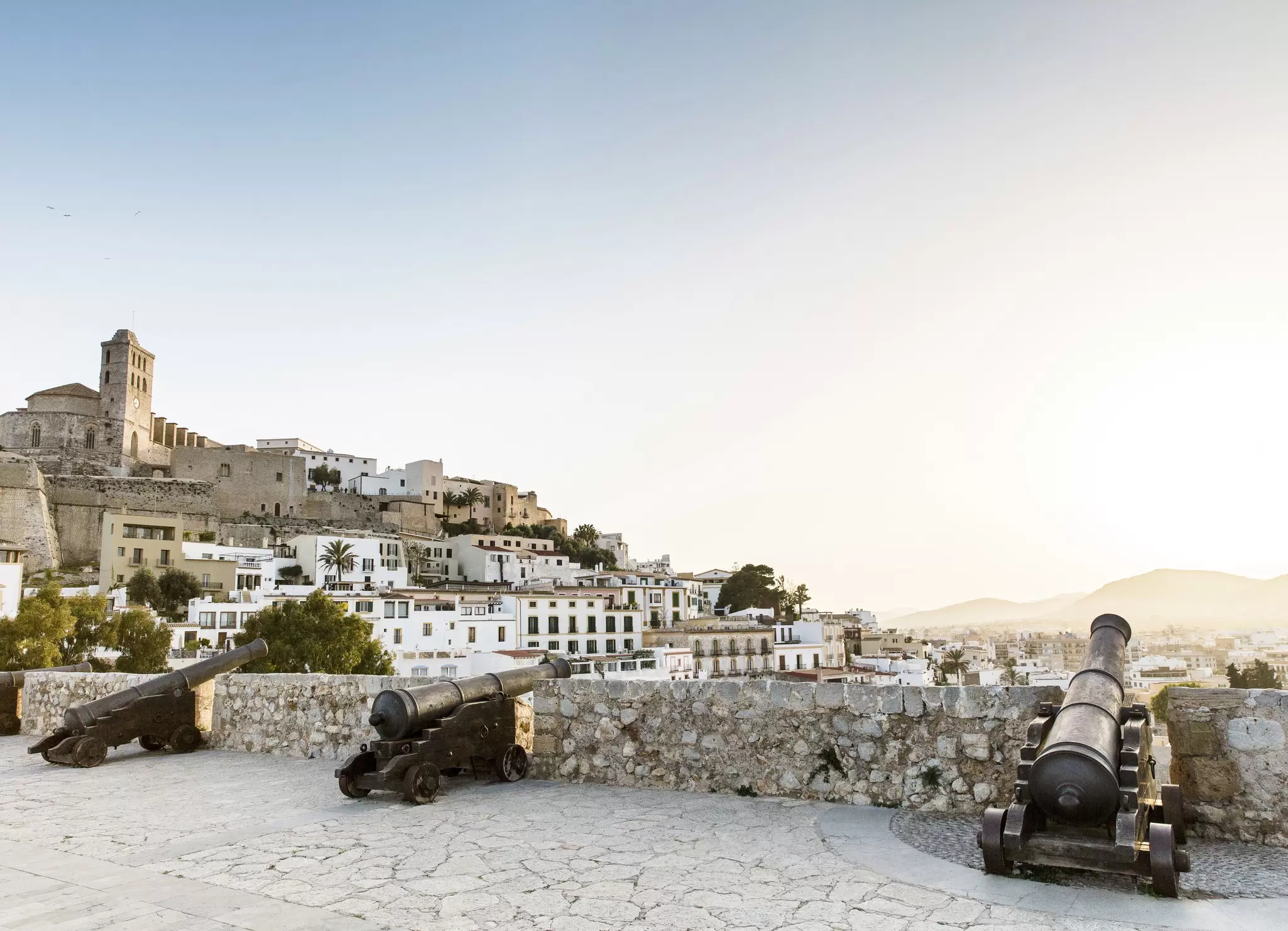
Awash with laundry-strewn balconies, pedestrianized stone streets and 16th-century ramparts, Dalt Vila – the fortified historical quarter of Ibiza Town – was originally settled by the Phoenicians. It was declared a UNESCO World Heritage site back in 1999 and remains the prime example of Ibiza’s layered past.
Dalt Vila has a steep, maze-like layout. Pause at viewpoints like Plaça del Sol as you wander uphill to the Catalan Gothic cathedral and ancient castle (now a smart Parador hotel) on Plaça de la Catedral. Don’t miss the small Centre d’Interpretació Madina Yabisa, which provides context on Dalt Vila’s time under Moorish rule and is built partly into the old Islamic-era walls.
When to go: Sunset is an ideal time to soak up the views, and there are some great restaurants for an evening meal in season. Things are much quieter in winter. Dalt Vila’s museums usually close on Monday.
Getting there: The Portal de Ses Taules gate is the main entrance to Dalt Vila, but the Baluard de Sant Pere on the west side brings you straight to Plaça del Sol.
Pair with: Just outside Dalt Vila, the Necròpolis Puig des Molins is another key historical site with Phoenician tombs and a good museum.
The non-negotiable
The sight of 400m-tall Es Vedrà islet and its smaller sibling Es Vedranell rising out of the turquoise sea off Ibiza’s southwest coast stops everyone in their tracks. It’s the countless myths, though – from stories of ancient Greek sirens to alleged UFO sightings – that make this dramatic, uninhabited duo such a beloved symbol of Ibiza.
Together, they make up a nature reserve and are off-limits to visitors. Instead, gaze out on Es Vedrà’s shape from the small beach of Cala d’Hort, which is backed by sand-colored cliffs and has great swimming.
When to go: Nothing beats a pink-orange sunset, but Es Vedrà looks spectacular even on a rainy day.
Getting there: Park only in officially designated spots to help ease overcrowding, which has become an issue for the Cala d’Hort area. There are also in-season buses to Cala d’Hort from Sant Josep village.
Pair with: A 20-minute drive away, visit the cliff-edge ruins of an 8th-century-BCE Phoenician settlement at Sa Caleta.
For active beach-goers
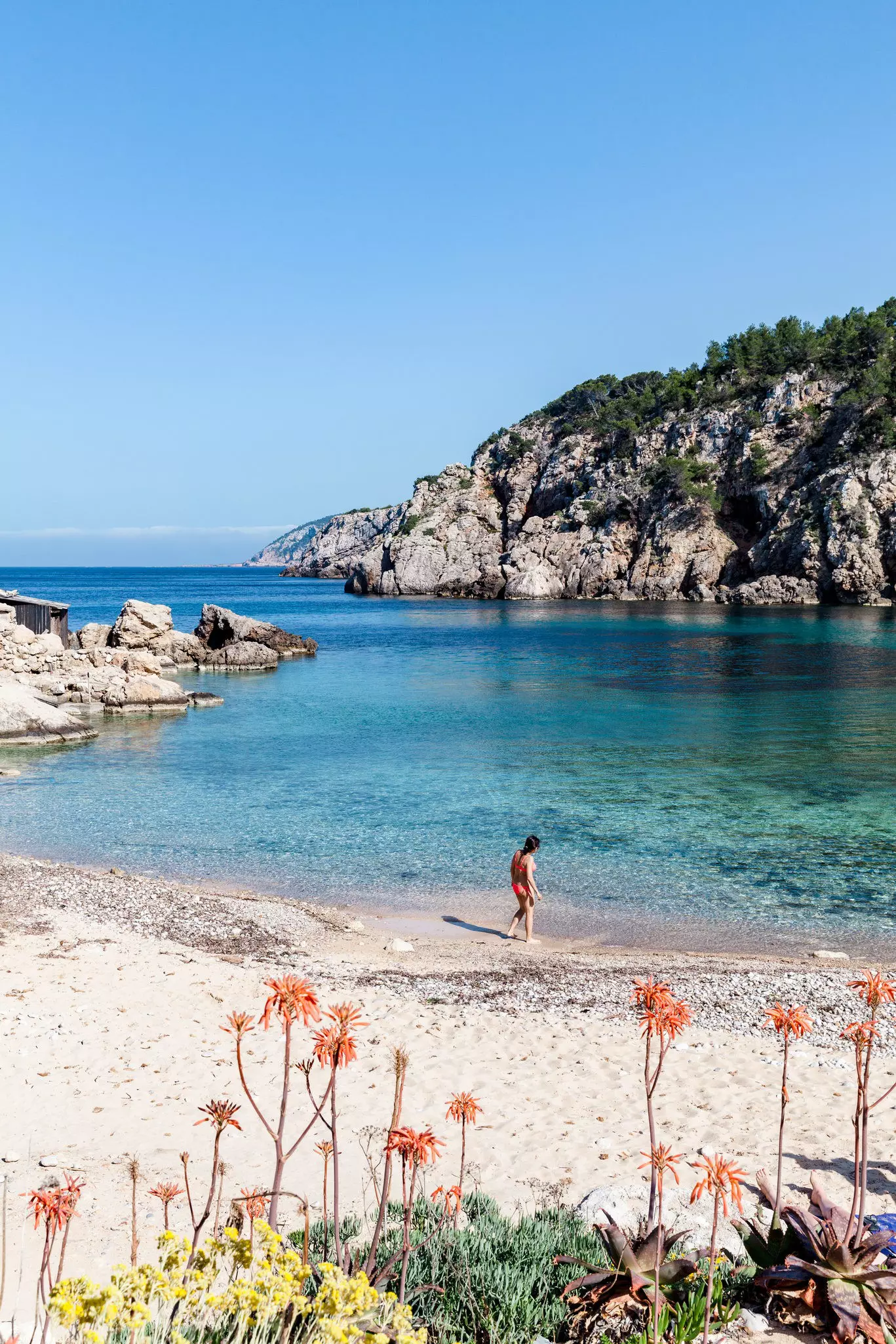
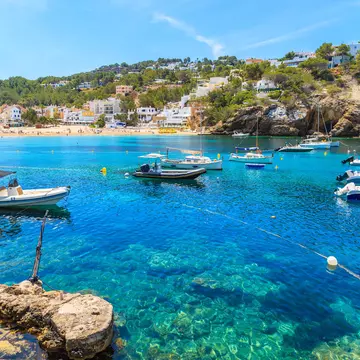
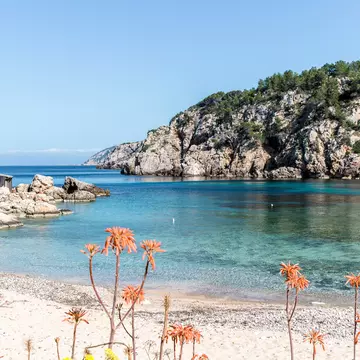
Ibiza has plenty of dreamy beaches, and some of my favorites are along the rugged northern coast. This shoreline has a wilder feel, with pine forests and sea cliffs high above pebbly coves that disappear into the teal Mediterranean, often dotted with a handful of traditional fishing huts.
Several of the north’s top swimming spots involve a short hike to reach, which keeps crowds down, including remote Port de Ses Caletes, Es Portitxol and Cala d’Aubarca and the sheltered half-moon of Cala d’en Serra near Portinatx. A little easier to reach along drivable roads (or by shuttle bus on some restricted days in high season), silver-tinged Benirràs beach is another beauty, best known for its sunsets.
Getting there: Bring snacks and water, decent footwear and (if you like) snorkeling gear.
Pair with: That rocky, sun-blessed coastline looks all the more spectacular from the water. Expert-guided excursions with Kayak Ibiza include a sunset paddle from Portinatx, and it also rents kayaks and paddle boards.
The surprise
It would be easy to imagine that Ibiza’s dusty landscapes aren’t really grape-growing territory, but the island now has a handful of outstanding wineries. Most are part of the Vino de la Tierra Ibiza designation and specialize in hyper-local grape varieties, particularly monastrell, which yields earthy reds and malvasía ibicenca used for whites and rosés.
At family-owned vineyard Can Rich, near Sant Antoni, organic wines are paired with pagès bread, rosemary-rimmed goat’s cheese and the estate’s own olive oil, as part of a fabulous tasting on the sunny terrace. Just outside Santa Eulària, respected Ibizkus focuses on recuperating oldmonastrell vines and using minimum-intervention processes, and also hosts tastings and pairings.
When to go: Most Ibiza wineries require advance bookings for a tour or tasting.
Pair with: Both these vineyards are a short drive from the pretty Santa Gertrudis village.
Best for beach lovers
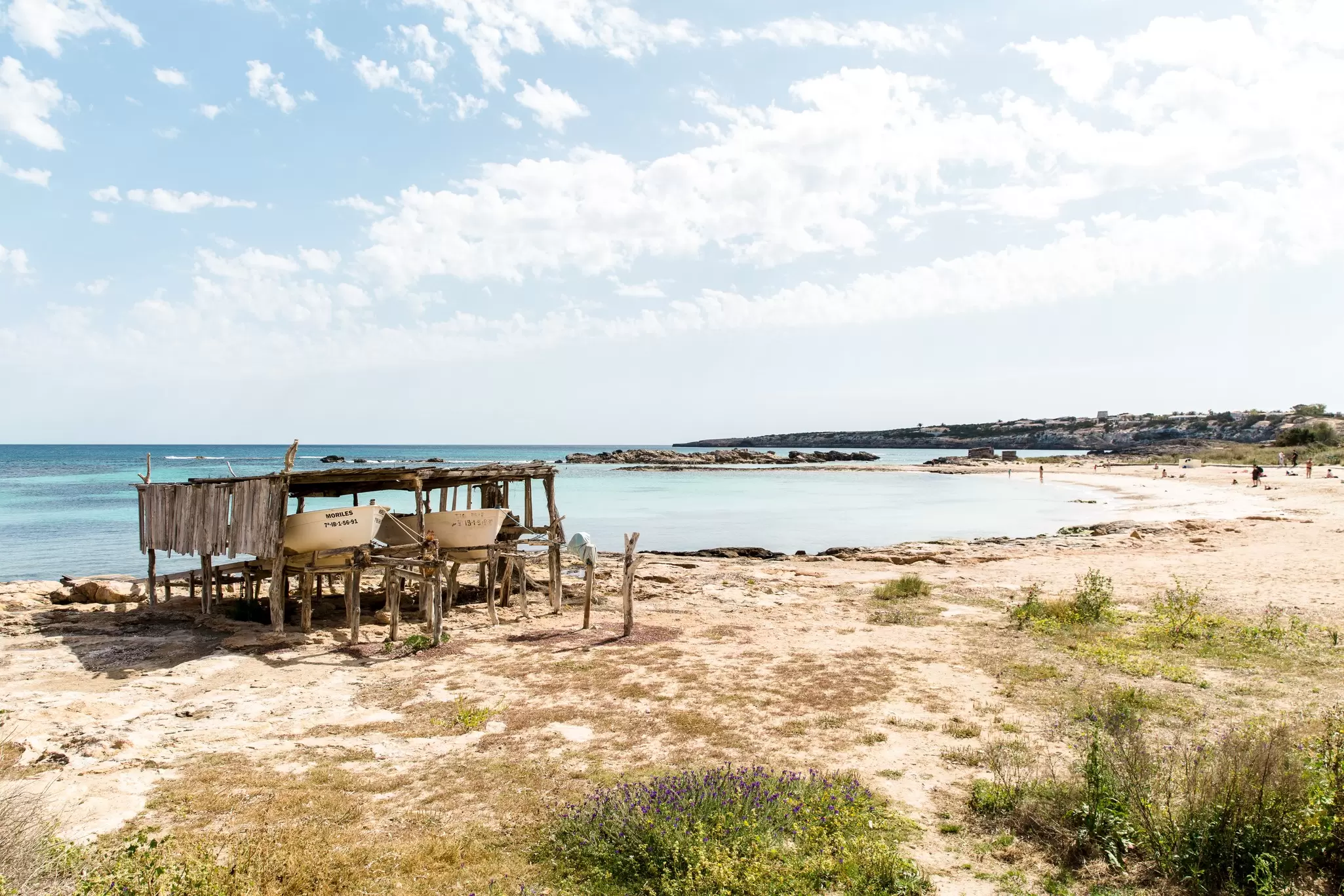
This languorous, salt-washed pearl of an island strewn off Ibiza’s southern shores feels like a blissful, barefoot paradise. Caribbean-blue waves roll onto sparkling-white beaches, lighthouses loom on gold-tinged cliffs, dusty trails weave between rocky coves, and development has been strictly controlled for many years.
The best way to savor Formentera’s go-slow beauty is to stay a few nights, but a day trip still offers a good taster. The two beaches of the wild Trucador Peninsula – part of the protected Parc Natural de Ses Salines – count among Europe’s loveliest, and you’ll pass a network of shimmering, disused salt flats en route to them.
Getting there: Cycling is a great way to explore Formentera’s mostly flat landscapes, with 32 official bike trails. Rent bikes, e-bikes and scooters at La Savina port, where regular 30-minute ferries from Ibiza Town arrive (expect reduced services outside the May-to-October season).
Pair with: Pause in the island’s whitewashed “capital” Sant Francesc Xavier for boutiques, bars and restaurants.
The secret
Heading out on foot quickly reveals secluded corners to this busy island, particularly around the less-populated interior, the sparkling Parc Natural de Ses Salines and the craggy northern coast, where I’ve enjoyed walking along cliffs to the stripe-patterned Portinatx lighthouse.
Well-signposted routes weave through undeveloped valleys, past rural villages and even up 475m-high Sa Talaia, Ibiza’s tallest peak. Make the most of your wanderings with Ibiza Outdoors, run by long-time Ibiza resident Toby Clarke; guided day walks focus mostly on the north, while other options include 2-week around-the-island hikes and kayak or e-bike tours.
When to go: Spring (April to June) and fall (September to November) are the best months for hiking.
Pair with: A stop for coffee or tapas in an inland village, such as Sant Joan.
Nature escape
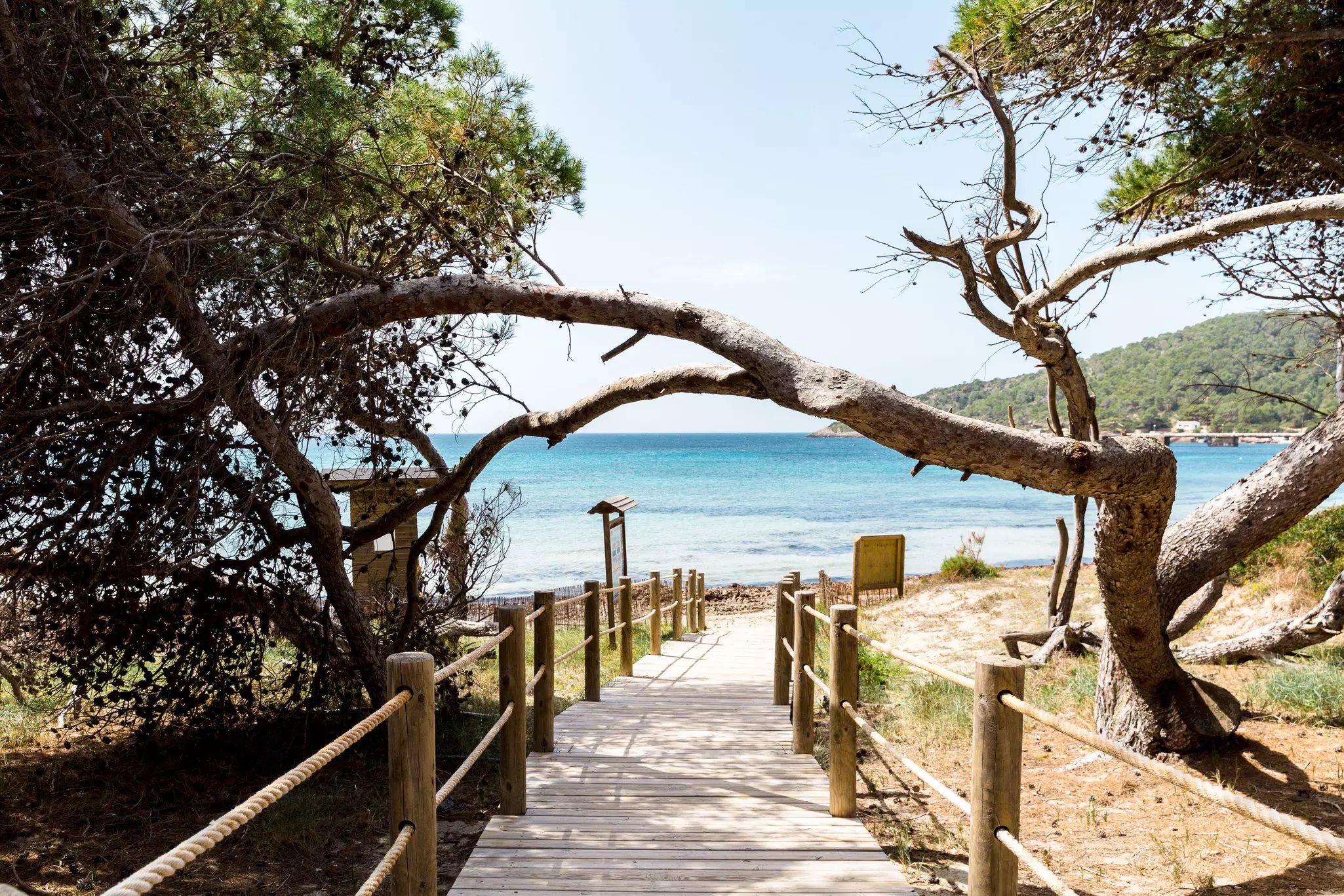
Ibiza’s southeast corner revolves around the 168-sq-km Parc Natural de Ses Salines, a UNESCO-protected expanse of low pine-covered hills, silky blonde beaches, and underwater posidonia meadows stretching across to Formentera. It also takes in vast salt flats believed to date back 2000 years, where flocks of flamingos can be spotted strutting through the water from around August to October.
A pair of gorgeous beaches might not seem like the obvious access point, but this is, of course, Ibiza. Both Platja de Ses Salines and neighboring Es Cavallet (the island’s main LGBTQ+ beach) sit within the nature reserve; each combines a few beach bars with pine trees bordering a long stretch of golden-white sand and glassy turquoise water. Alternatively, hike out to the 18th-century Torre de Ses Portes watchtower on Ibiza’s southern tip; it’s just over 2km one-way (around 30 minutes) from the official parking area at either beach.
When to go: The salt pans glow purple-pink around sunset, a lovely time to see them. Experimental Beach Ibiza serves sundowners with views.
Getting there: The park has a small visitors center in Sant Francesc d’Estany village, overlooking the salt flats.
Pair with: A spin across southern Ibiza to spot mystical Es Vedrà.
Europe’s best nightlife
Few places in the world can rival Ibiza’s dance-until-dawn party scene, whether you’re keen to catch big-name DJs at glamorous Pacha (the original Ibiza megaclub born from a converted farmhouse in the 1970s), go daytime-clubbing at uber-chic Ushuaïa, or check out the LGBTQ+ clubs and bars along Carrer de la Mare de Déu in Ibiza Town.
DJs move around every season, so it pays to check lineups well in advance and, in some cases, book advance tickets, especially for opening (May/June) and closing (September/October) parties.
When to go: Most clubs don’t get going until at least 1am.
Getting there: Sidestep expensive taxis by hopping on Discobus services linking beach towns with the big clubs.
Pair with: Ibiza Town’s plazas are the perfect place to warm up for the clubs; Born is a lively wine-and-tapas spot on Plaça des Parc, or head to The Standard’s rooftop for cocktails with Dalt Vila views.
Best for relaxed wandering
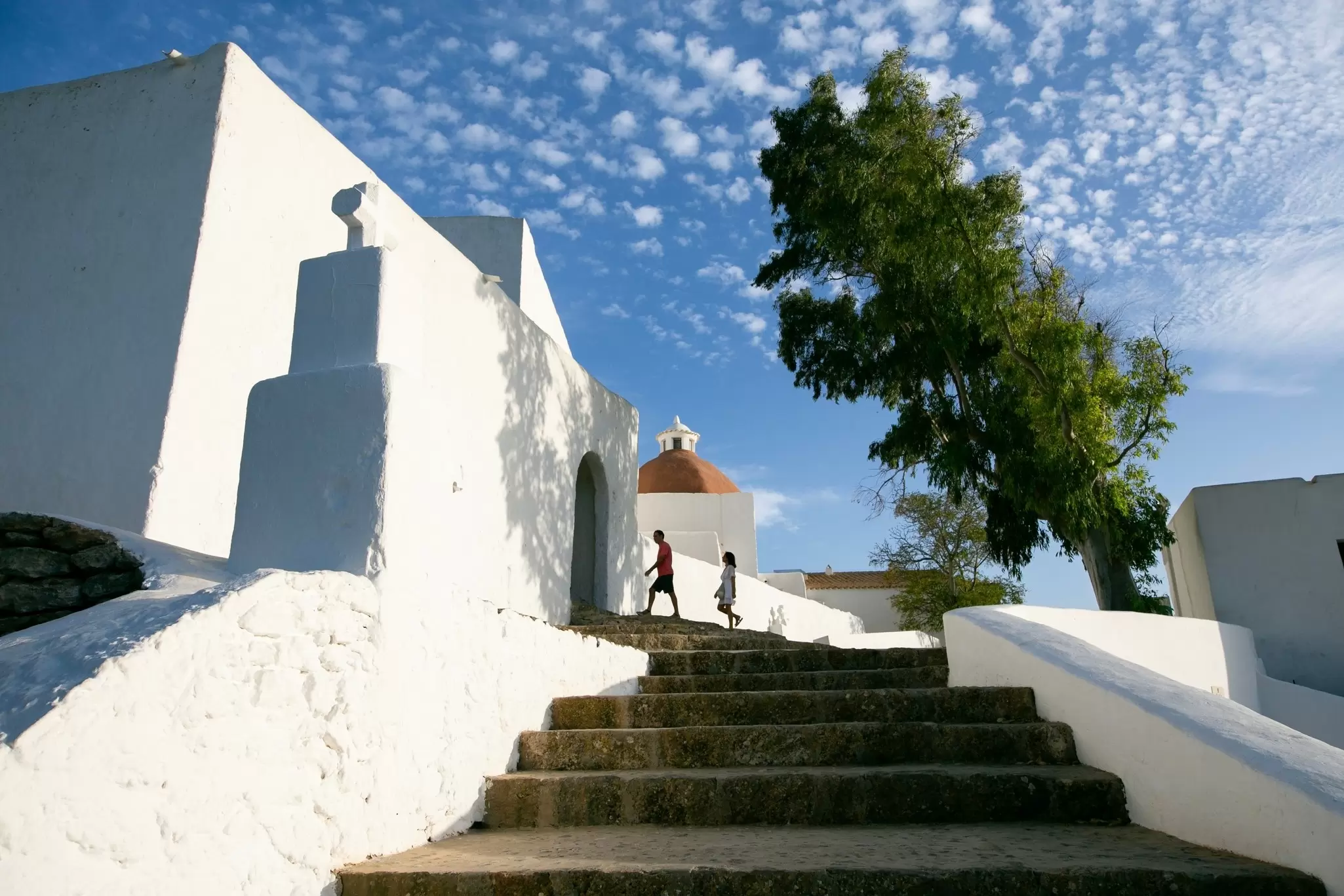
On the east coast, Ibiza’s laid-back third-largest town, Santa Eulària des Riu, is thought to have its roots in Roman times. The morning sun casts a hazy light across Puig de Missa, the small, gleaming-white hillside old town, which is crowned by a 16th-century fortified church where local residents once took refuge from pirate attacks. Make sure you check out the intriguing museums here – the Museu Etnogràfic is set in a typical 300-year-old casa payesa (farmhouse).
When to go: Avoid the middle of the day (2 to 5pm), when the museums take a break, and it can be seriously hot in summer.
Getting there: Follow the steps from Carrer de Sant Jaume for views as you climb up.
Pair with: Pack beach gear and enjoy a dip at pine-fringed Cala Mastella, sapphire Cala Pada or nudist-friendly Aigües Blanques.
One for slowing down
Worlds away from the beaches, inland Ibiza looks more like narrow wandering roads, swirls of pine forests and olive groves, and unhurried villages centered on churches built several centuries ago in a fortified style. Santa Gertrudis de Fruitera, in the heart of the island, is a great place to dive in, with its shaded plaza and chic boutiques and restaurants; take a moment to peek inside the yellow-gabled church, completed in 1797.
In the north, detour to quietly stylish Sant Joan de Labritja; the isolated Santa Agnès de Corona, where almond trees bloom in January/February; and Sant Carles de Peralta, famous for the Las Dalias hippie market but also home to an 18th-century church.
When to go: See if there’s a village festival on, when you might catch traditional ball pagès dancing on plazas.
Pair with: Consider basing yourself near one of these villages – there are many secluded agroturismes (farmhouses converted into rural hotels), including Can Fuster in Sant Joan and Can Pujolet near Santa Agnès.
Best for food culture
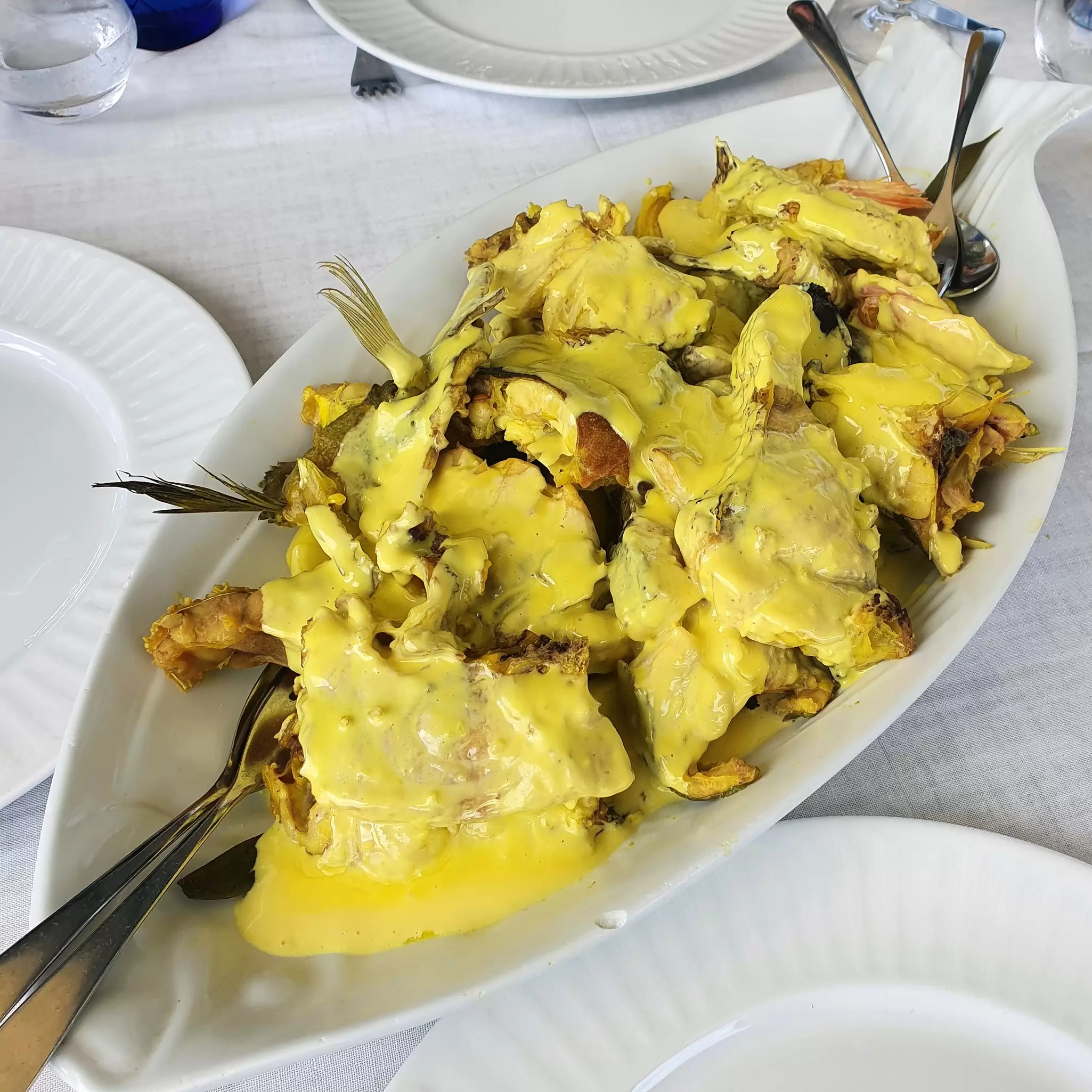
Ibiza has plenty of excellent glossy dining spots, but on a sun-blessed day, nothing beats a long, slow lunch at a more low-key beach restaurant or chiringuito (snack bar) – the kind of place where platters of grilled fish, traditional rice dishes like arròs a banda and the classic bullit de peix (a two-course fish stew) emerge from the kitchen. Cala Mastella’s renowned El Bigotes and rustic Chiringuito Pou de Lleó on the northeast coast are reliable, long-established favorites, as is year-round Restaurante Sa Caleta in southern Ibiza.
When to go: You’ll usually need to book in advance or add your name to a waitlist for lunch. Many beach restaurants open only from May to October.
Pair with: A hike, perhaps through the Parc Natural de Ses Salines.
Best free thing
In lower Dalt Vila, this design-forward gallery within a converted 18th-century military building flies under the radar, but in fact counts among the island’s top cultural centers. It became one of Spain’s earliest contemporary art museums when it launched in the 1960s and today still shines a spotlight on creative minds with strong ties to Ibiza, including the avant-garde Grupo Ibiza 59. Head to the lower level to see archaeological remains dating as far back as the Phoenician era displayed beneath glass flooring, surrounded by pieces by the likes of Picasso and Goya.
When to go: The museum opens Tuesday to Sunday throughout the year; check for up-to-date hours and temporary exhibitions.
Pair with: Also in Ibiza Town, Casa Broner – the home where German architect and painter Erwin Broner once lived – is open for cultural visits through the MACE gallery.
A taste of ibicenco life
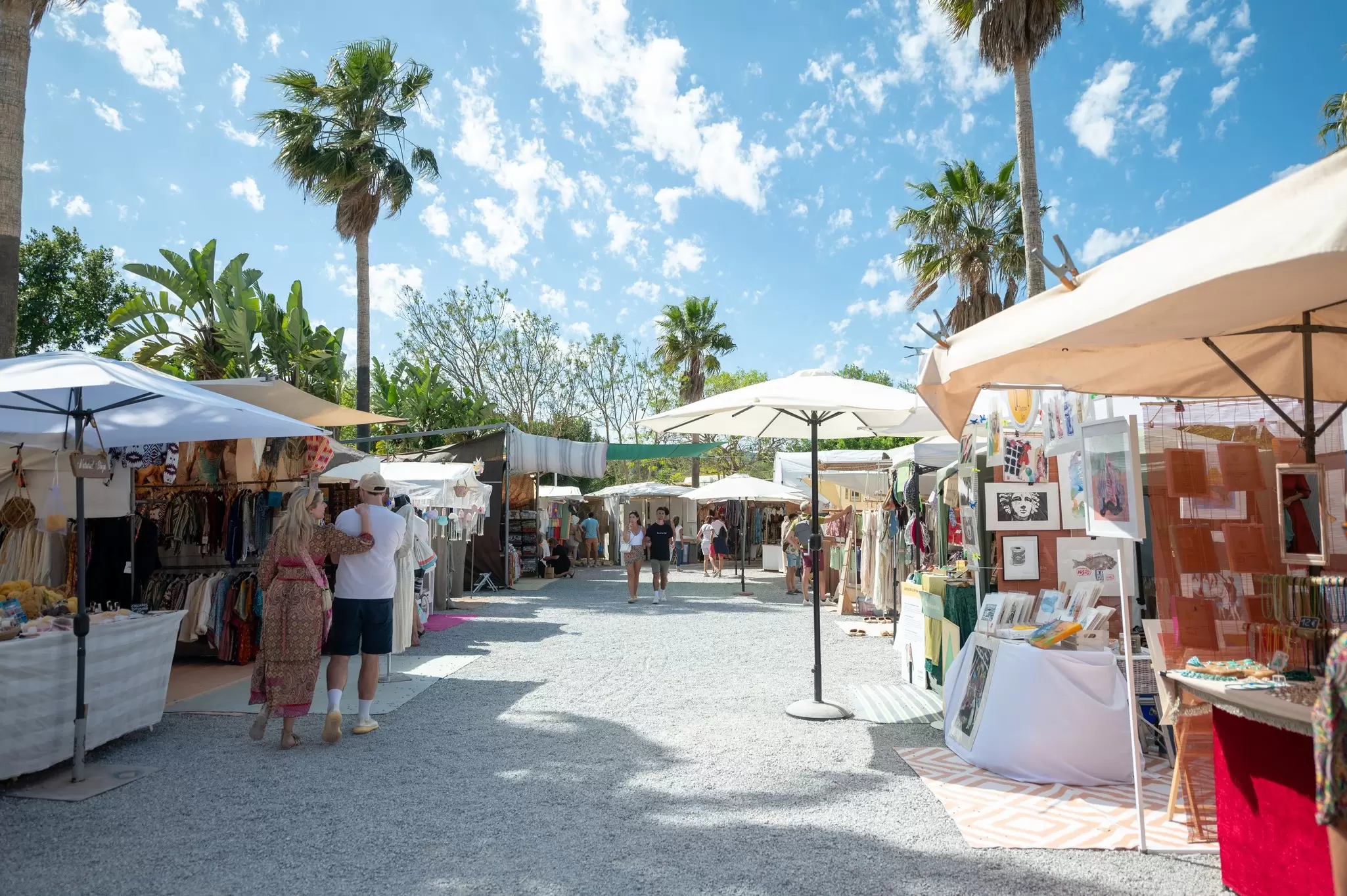
Markets are a big deal in Ibiza, thanks to the island’s strong creative energy. If you can only squeeze in one, make it Las Dalias, the beloved hippie market that takes over Sant Carles de Peralta on Saturdays and has been going since the 1980s. It’s touristy, sure, but still draws a mixed crowd of visitors and islanders with hundreds of stalls, DJ beats and a buzzy, bohemian atmosphere. Ibiza’s original hippie market, founded in the 1970s, is also going strong at Punta Arabí on Wednesday evenings in season.
In Ibiza Town’s Eixample district, join a local crowd at the Mercat Nou, where stalls are stocked with locally made goat cheese, Balearic charcuterie and Ibiza-grown vegetables. The city’s more central 19th-century Mercat Vell was due to relaunch in late 2026 at the time of writing. Most towns also have some kind of weekly farmers market. In northern Ibiza, Sant Joan hosts its own Sunday market year-round, with musicians, produce stalls and craft stands taking over the whitewashed village plaza.
When to go: Las Dalias runs almost year-round. Most farmers markets happen in the morning; check schedules.
Pair with: Lunch and a swim at any of the gorgeous coves on Ibiza’s northeast and north coasts.
Must-do with kids
Despite the party-scene reputation, Ibiza is a rewarding place to visit with kids, not least for the wide choice of easily accessible and well-equipped – yet still dizzyingly beautiful – beaches. Top pick is Platja de Talamanca, a sweeping aquamarine bay just east of Ibiza Town, where the water is gentle, the vibe is laid-back, and a restaurant-lined promenade backs the blond sand.
Getting there: Parking can be tricky in Talamanca, so it’s easier to arrive by taxi or hop on the regular boat from central Ibiza Town (there are great views along the way, too).
Pair with: The historical and culinary wonders of Dalt Vila.
For something different
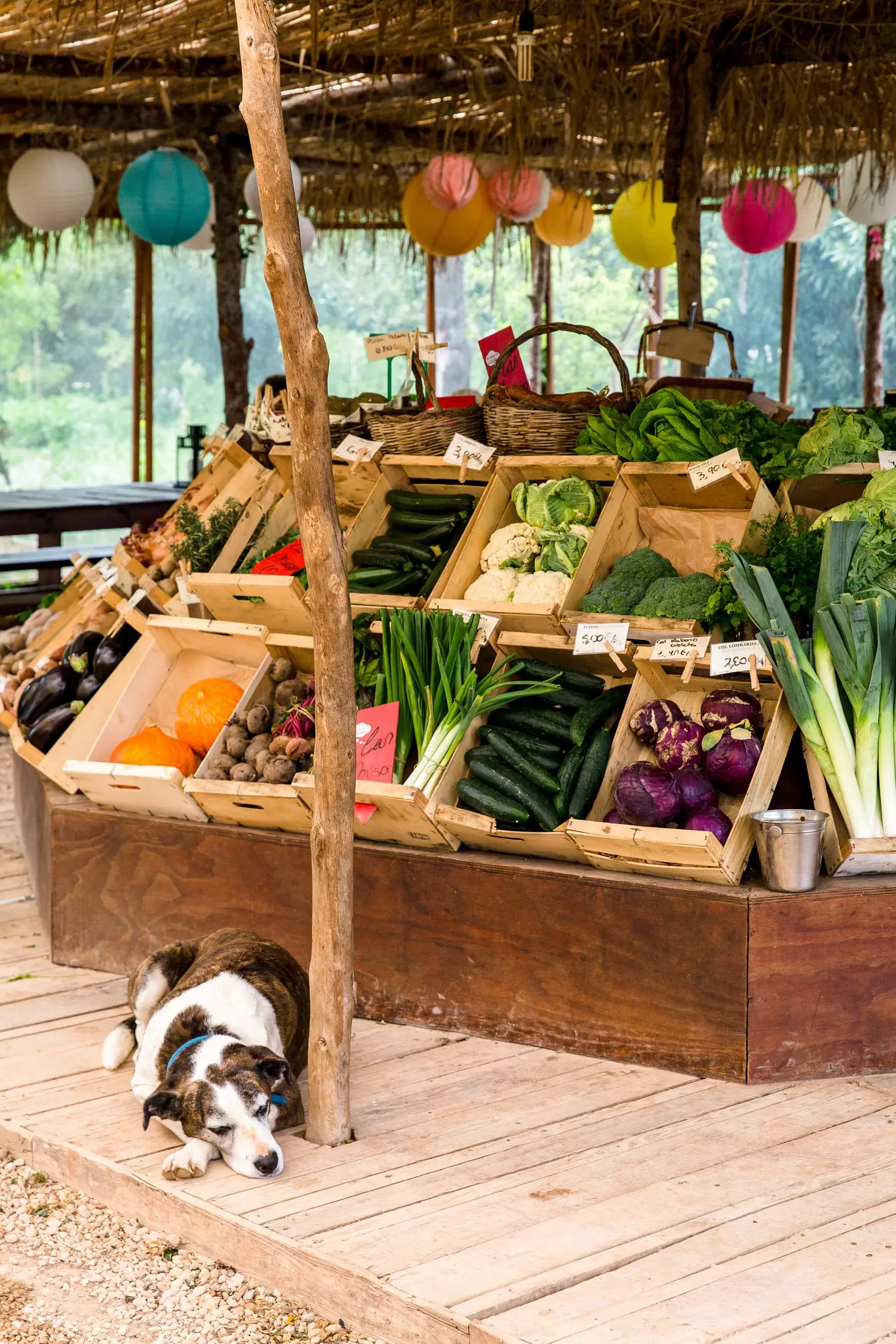
Many of Ibiza’s cultural traditions are rooted in the campo (countryside), and several pioneering rural projects are now paving the way for a more sustainable lifestyle and tourism industry. On the eastern side of the island, Can Musón is a family farm with an organic ethos. Visits to meet resident farm animals and pick up produce at the farm shop can be combined with fresh meals using homemade ingredients, such as pagès bread, Balearic-style sobrassada and tortilla whipped up with free-range eggs.
Pair with: A visit to Santa Eulària’s old quarter.
Need help planning your next trip? Check out Lonely Planet Journeys to get connected to a local expert who can craft a custom itinerary for you.
Explore related stories