Sep 24, 20269 min read
Taking the Train from Rome to Florence (What You Need to Know)Sep 24, 2026
9 MIN READ

Writer
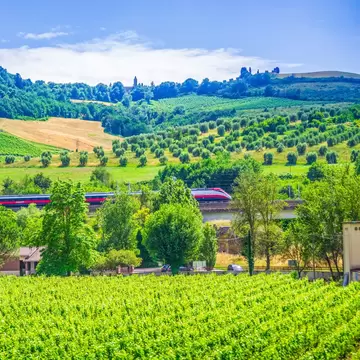
A high-speed train passes through the countryside near Orvieto in Tuscany, Italy. Anna Yordanova/Shutterstock

Writer
Lonely Planet may earn a commission from affiliate links on our site. All recommendations and reviews reflect our own independent opinions.
Why would you fly over wonderful Italy? Sure, you could travel from Rome to Florence in an hour by plane, but you’d miss out on views of rolling Tuscan hills and hilltop towns that didn’t look all that different when Michelangelo’s brushstrokes were still drying inside the Sistine Chapel.
Given the choice, I’d say always take the train. The fastest trains complete the trip in 1 hour and 20 minutes, and you’ll board in the heart of the Eternal City and disembark in the center of Florence, just 500m from the Arno River and right across the square from the Basilica di Santa Maria Novella. For the same journey by road, you can add up to an hour at each end just navigating the traffic and Florence's car-free zones.
As well as saving yourself the stress of navigating the highways, or the hassle and cost of traveling to the airport, you’ll get to enjoy the scenery in almost cinematic widescreen through the train windows. Compare that to the view of hazy clouds through the plane windows or vistas of six lanes of traffic on Autostrada A1.
Note that the train you take can make a big difference to the experience. High-speed services zip between Rome and Florence in less than 1.5 hours, at speeds of up to 300 km/h, but rail enthusiasts may prefer to take the older Linea Lenta (“Slow Line”) for the chance to soak in more of the scenery and make stops at historic country towns along the route.
Whether you feel the need for speed or prefer the slow travel experience, here’s everything you need to know about taking the train from Rome to Florence.
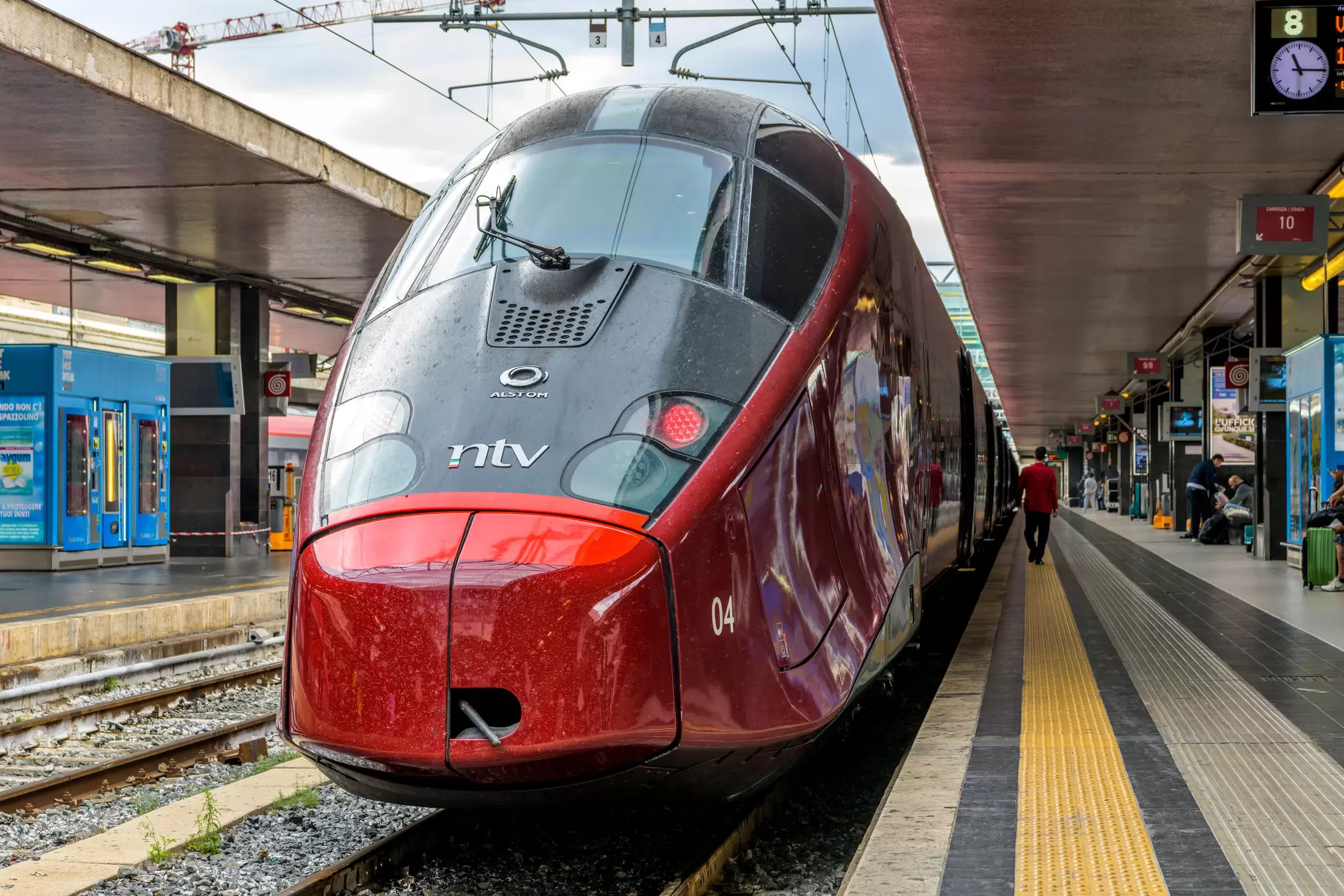
Known as the Direttissima, the high-speed railway line from Rome to Florence covers 261km, while slower regional trains follow the old 315km-long Linea Lenta route. Dozens of trains complete the journey between the two cities daily, with direct high-speed services covering the distance in 1 hour and 20 minutes and regional trains taking as long as 4 hours, with stops in towns and villages along the route.
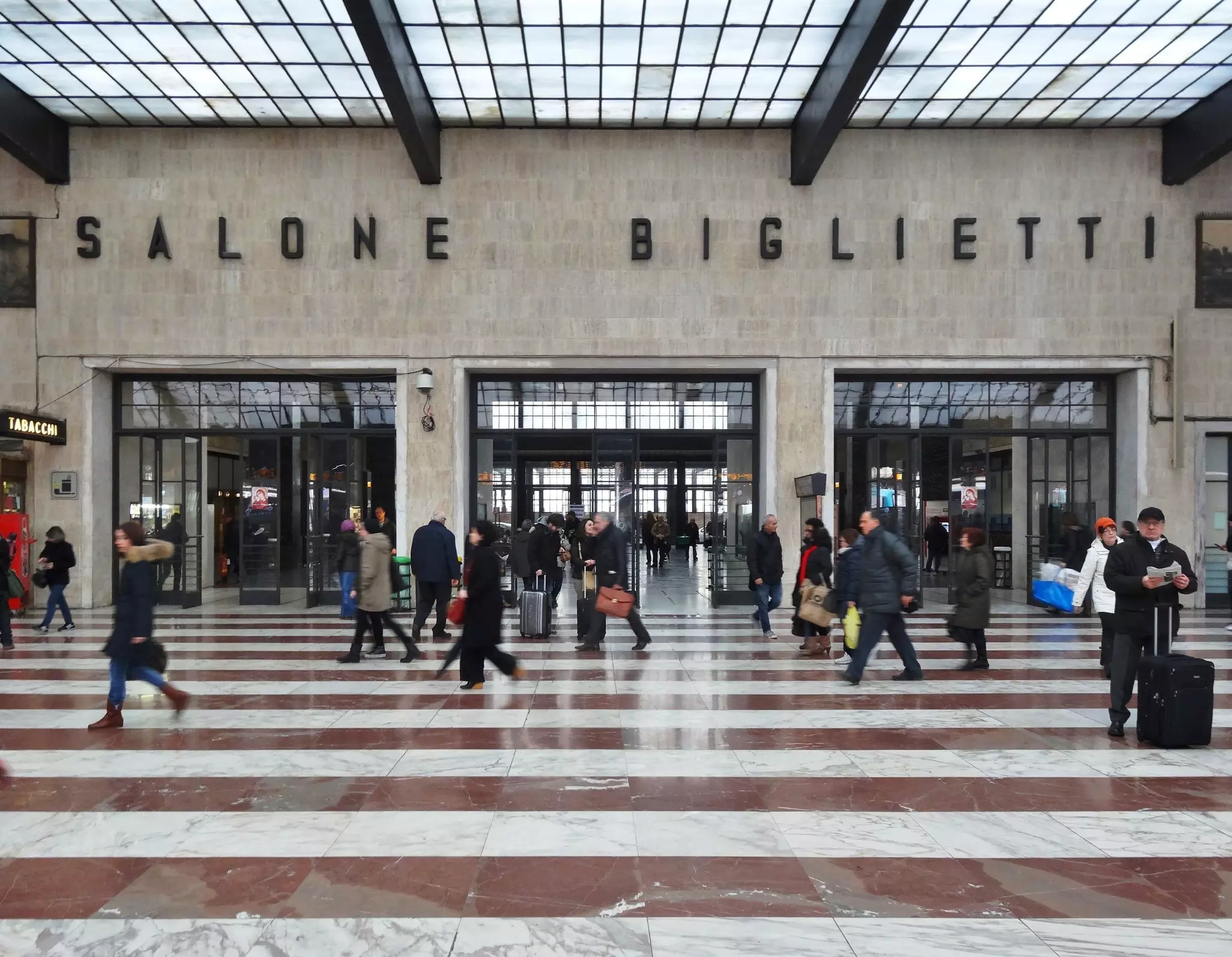
When leaving Rome, you’ll depart from the busy but efficient Rome Termini station, which takes its name from the Baths of Diocletian (Terme di Diocleziano) across the street. The first station here was a grand column-fronted structure from the 1870s, but it was demolished during WWII and replaced with a functional modernist building beneath a cantilevered concrete canopy. You can’t fault the location, just 1km from the Colosseum and 2km from the Pantheon.
At the far end of the journey, you’ll roll into Firenze Santa Maria Novella station in the heart of Florence, around 700m northwest of the Cattedrale di Santa Maria del Fiore, Florence’s landmark duomo (main church). The station is another modernist construction with wartime origins, commissioned in the 1930s by the government of Benito Mussolini.
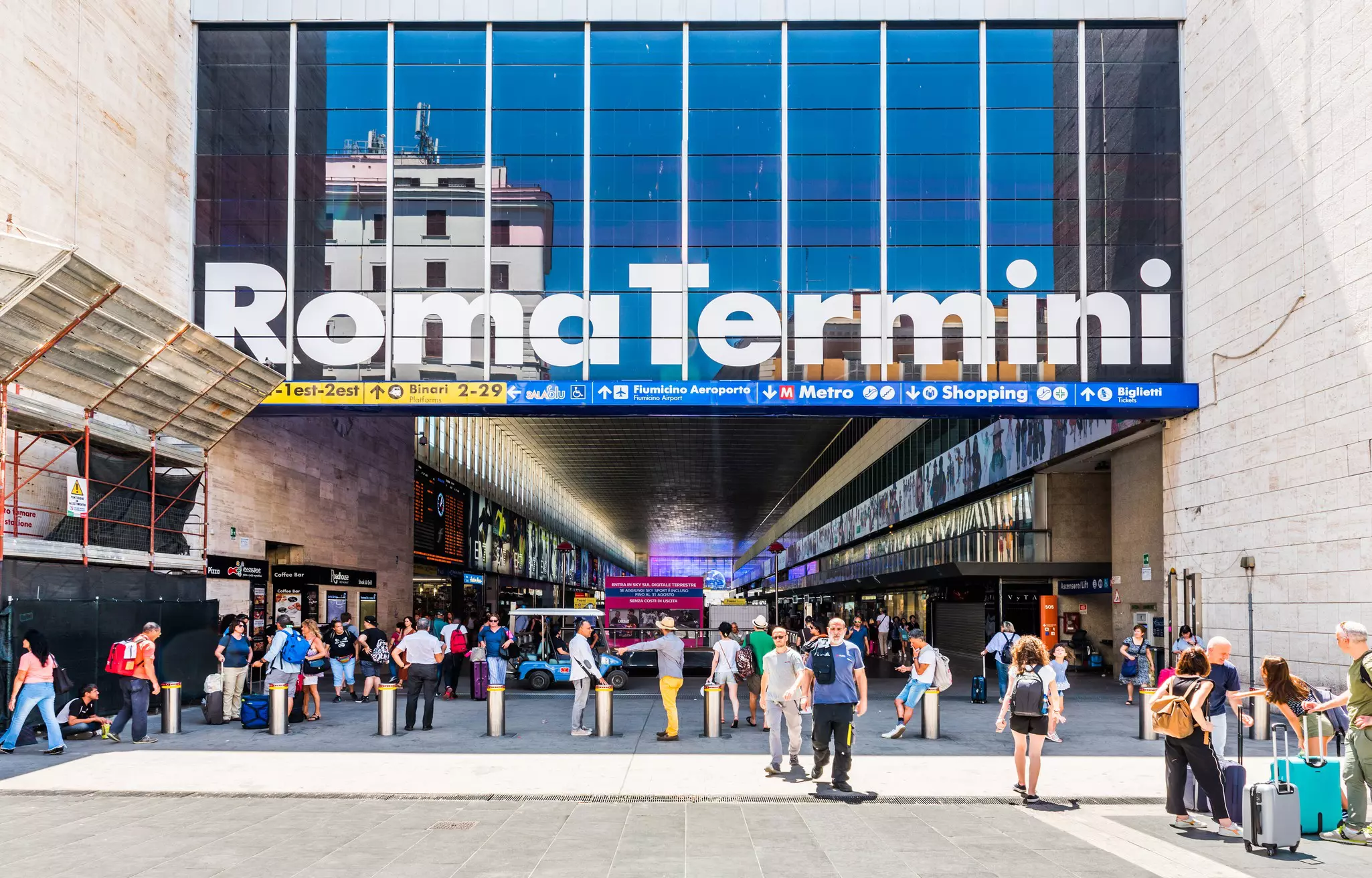
Rome Termini is a handy transfer point for Line A and Line B of the Rome metro, and there’s step-free access between the train station and the metro platforms. You can also get to the station from other parts of Rome by bus, tram or taxi, or using Dott shared e-bikes and e-scooters.
If you’re coming from Rome's Fiumicino Airport, you can jump on the Leonardo Express train straight to Rome Termini; from Ciampino Airport, you can take a shuttle bus to the station. When traveling by road in Rome, allow extra time in case of heavy traffic.
When you reach Florence, getting around is also fairly hassle-free. The station is less than a kilometer from the cathedral – an easy walk through the mostly car-free Centro Storico along Via Panzani and Via de’ Cerretani – and also within walking distance of the Arno and the Santa Croce neighborhood. Alternatively, grab a RideMovi bike if you’re traveling light. To reach Florence Amerigo Vespucci Airport, you can take the tram or a taxi.
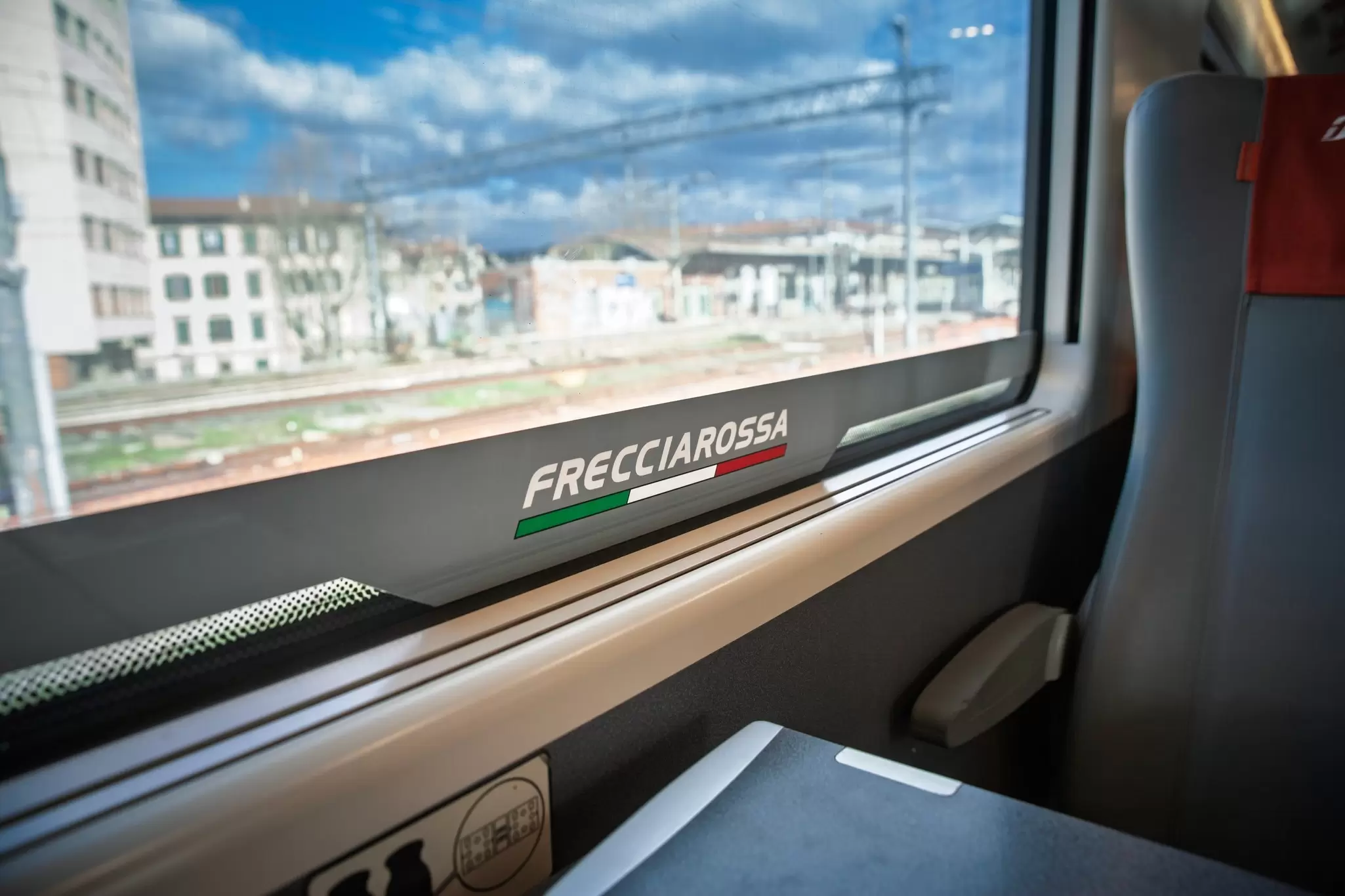
High-speed train services between Rome and Florence are run by Italy’s national rail company Trenitalia and private company Italo Treno, using comfortable ElettroTreno Rapido (ETR) trains – these are described as Frecciarossa, Frecciargento or Frecce on Trenitalia timetables. There are up to 60 departures per day, between around 6am and 10:30pm. Most trains run non-stop between the two cities, and the journey takes between 1 hour and 20 minutes and 1 hour and 40 minutes.
Option B is to take one of the less-frequent slow trains run by Trenitalia. Branded as Intercity, Regionale, or Regionale Veloce, these trains take 3.5 to 4 hours to travel between Rome and Florence, with stops in towns and cities across Lazio, Umbria and Tuscany. Check the stops for the train you plan to take, as some services only stop at larger towns. If you take an evening train, let your hotel know when you’ll be arriving, as some smaller hotels do not have 24-hour check-in.
Trenitalia and Italo Treno use dynamic pricing for their high-speed routes, so fares vary depending on demand, seat availability, and how far ahead you book. Advance fares can be a bargain, with prices starting from as little as 15 euros (€) – much less than the cost of traveling by air.
However, fares rise the closer you get to the date of departure, and buying a ticket for same-day travel can cost €50 or more. Check the fare conditions when you book – the cheapest fares are non-refundable and non-changeable, and a fully flexible ticket can cost almost as much as a ticket to travel the same day.
Going business class is only slightly more expensive, and you'll get more comfortable seating and complimentary hot drinks, soft drinks and snacks. Alternatively, you can pay a higher fare for executive class or Salotto (or Salottino) class, which gets you complimentary alcoholic drinks, superior seating and access to station lounges.
Fares are slightly cheaper on regional trains, particularly if you need to book closer to the departure date (regional fares don't see the same increases as high-speed fares). For all trains, there are discounts for children under 14 and seniors over 60, and younger children who don’t require their own seat travel free.
The simplest way to book a journey is directly through the websites of the train companies, but you can also book via the Rail Europe website and international booking sites such as The Trainline. If you have an Interrail pass, both high-speed and regional trains between Rome and Florence are covered by the pass, but you’ll need to pay for a seat reservation.
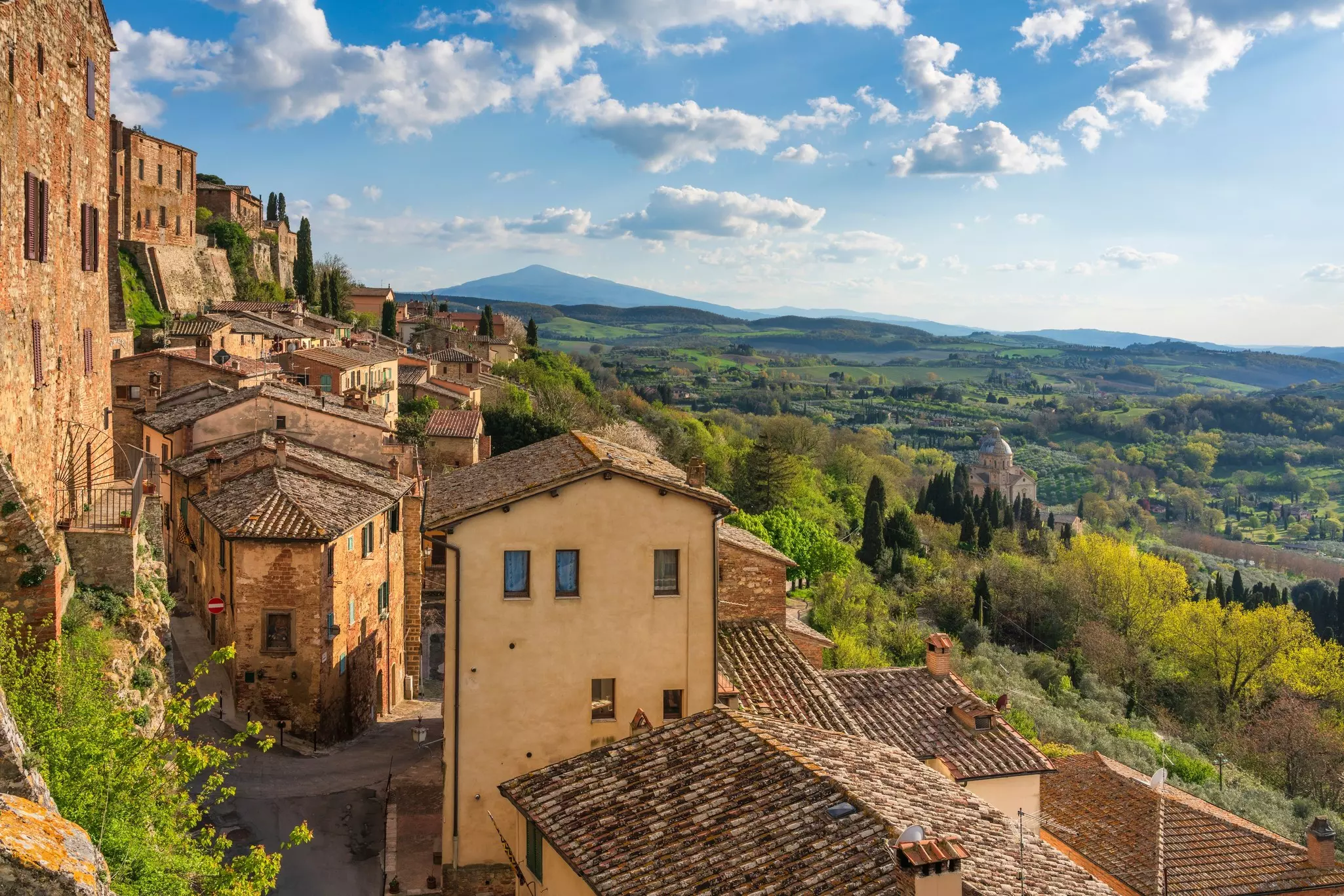
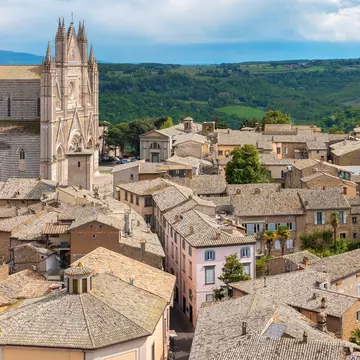
Of course there are – this is Italy! If you feel like breaking the journey, take a slow Intercity or Regionale train along the Linea Lenta. About 100km north of Rome, charming Orvieto is a delightful stop, crowned by an epic duomo and set atop a rocky outcrop wormholed with tunnels and caves dating back to Etruscan times. This is also a great place to try Umbrian cuisine – Trattoria La Palomba is known for its game meats and foraged foods such as truffles.
Further north, the small towns of Chiusi (Chianciano Terme) and Terontola lie off the main tourist trail. Both are convenient gateways for Lago Trasimeno – Italy’s fourth-largest lake – and dainty hilltop towns that swim with Tuscan character, such as picture-perfect Cortona and Castiglione del Lago (another stop on the Rome–Florence regional line). Buses also connect Chiusi to Montepulciano, famed for its fruit-rich Vino Nobile wines.
Closer to Florence, Arezzo is a beguiling blend of Renaissance relics and modern creature comforts. Be sure to admire the frescoes of Piero della Francesca inside the Cappella Bacci and the artworks and architecture of Giorgio Vasari, found dotted around the center. Try to arrive on the first weekend of the month, when the Fier a Antiquaria di Arezzo fills the streets with antique vendors.
If this is your first time on an Italian train, here are some of the key things you need to know.
Trenitalia and Treno Italo trains have overhead racks for smaller bags and space at the ends of the carriages and between back-to-back seats for larger suitcases. Note that the cheapest fare classes may only cover a small suitcase or backpack; check the fare conditions when you book.
Trains are fairly spacious, particularly in business, executive and Salotto/Salottino class, and there are onboard toilets and designated spaces for wheelchair users. Trenitalia offers a special service known as Sala Blu for travelers with disabilities, but you’ll need to contact them in advance to arrange wheelchair spaces and platform assistance (Treno Italo offers a similar service for travelers with reduced mobility).
In business class, a complimentary snack and drinks service is included in the ticket price, including pastries, hot drinks and soft drinks. In executive and Salotto/Salottino class, the menu extends to beer and wine. For economy passengers, trains have a bistro car serving snacks and drinks, or snack vending machines.
Note that regional trains may not offer catering services, so make a stop before you board the train to grab some gourmet food to go. Pizza bianca flatbread, panini, sandwiches, arancini (fried rice balls) and suppli (similar, but stuffed with mozzarella and tomato sauce) are easy to find in and around Rome Termini station. Drinking your own alcohol on board trains is permitted if done responsibly.
If circumstances change and you can’t take the train, you could always jump on a 1-hour ITA Airways flight from Rome to Florence or take the FlixBus service – a journey of around 2 hours 15 minutes. If you need to change or cancel your train ticket, this can be done online or via the train company apps. There are different rules for refunds and changes depending on your ticket class; refunds are not available for some promotional fares, and even if a refund is provided, there may be an admin fee.
Find out more about travel to Rome and Florence with Lonely Planet’s Italy guidebooks.
Book your Italy trip with Lonely Planet Journeys
See Italy how it's meant to be seen
Planned by local experts and tailored to you, Lonely Planet Journeys handles the logistics so you can just enjoy the trip. Tell us what you want and we'll build your Italy itinerary from scratch, or browse our bookable trips to get inspired.


Explore related stories