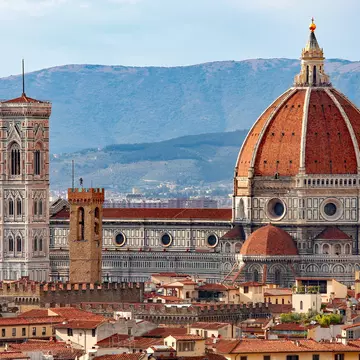
Nearly six centuries have passed since Filippo Brunelleschi completed the cupola topping the Cattedrale di Santa Maria del Fiore, providing Florence with an architectural landmark that would be revered for centuries.
The octagonal dome of the Cattedrale di Santa Maria del Fiore is only the most visible of the many treasures on Piazza del Duomo, where Gothic and Renaissance masters left an indelible mark on the city’s identity.
Cattedrale di Santa Maria del Fiore
To see the city’s most arresting building completed, Florentines waited over 140 years. Construction of the Cattedrale di Santa Maria del Fiore(aka the Duomo) started in September 1296, under the supervision of the most prominent architect of the era, Arnolfo di Cambio, on the site formerly occupied by the Basilica di Santa Reparata, one of the earliest Christian temples in Florence erected to celebrate the victory of Florentine and Roman armies over the Ostrogoths in the 5th century. The convoluted construction process was worth the wait – once finished in 1436, Santa Maria del Fiore would become one of the world’s largest churches, stretching over 150m in Florence’s central square.
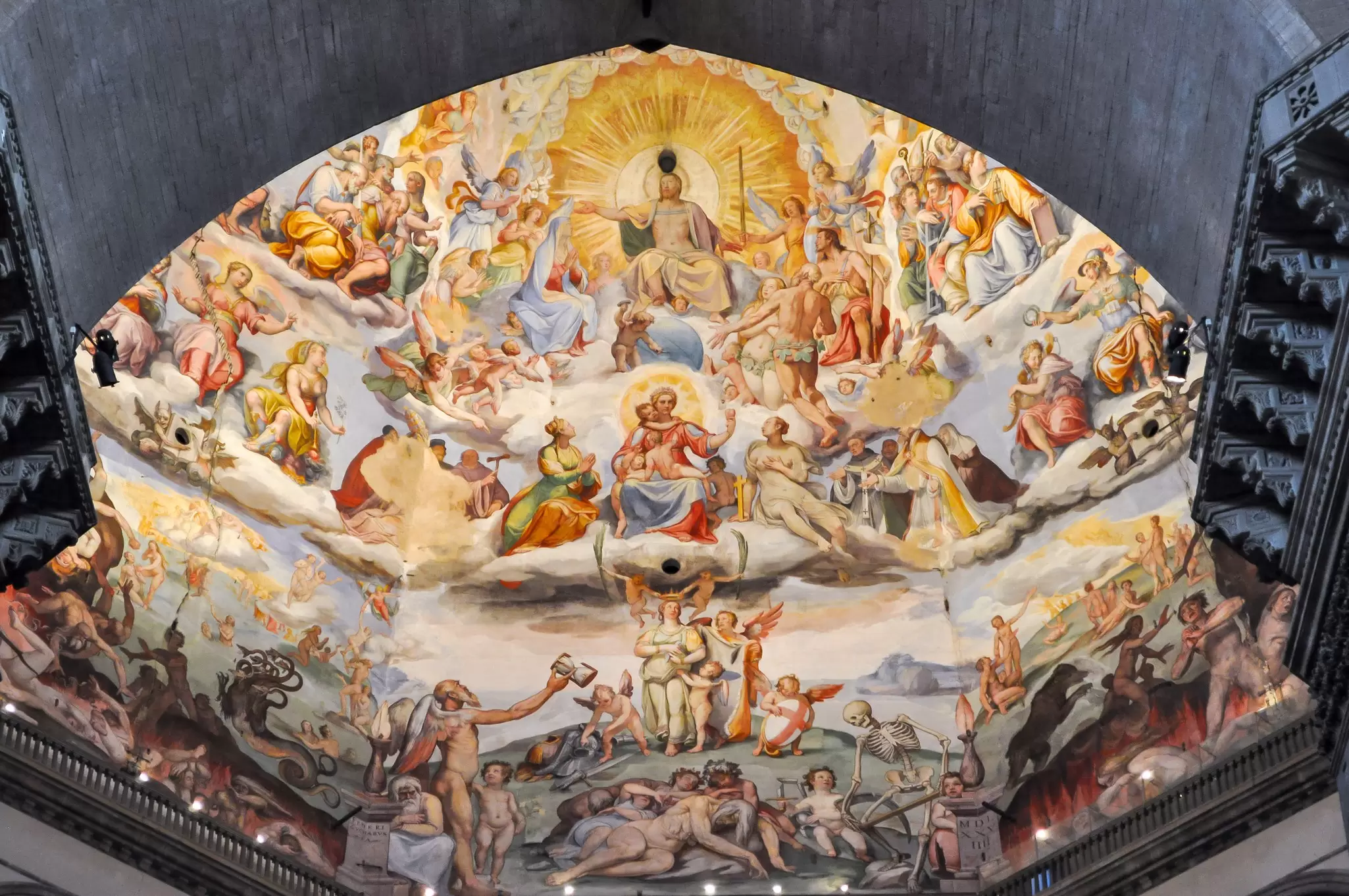
Many important artists contributed to embellishing the church with their artwork. Agnolo Gaddi and Lorenzo Ghiberti created the intricate stained-glass windows, while Simone Il Pollaiolo initiated the geometric floor clad with white, black and red marble. None of them, however, would be revered in the centuries that followed as much as architect Filippo Brunelleschi. Inspired by Rome’s Pantheon, Brunelleschi designed the terracotta-clad octagonal cupola crowning the cathedral, laying four million bricks from nearby Impruneta in a herringbone pattern to surpass 90m in height. The interior of this unprecedented feat of engineering, completed in 1436, would be later adorned by Giorgio Vasari’s and Federico Zuccari’s Giudizio Universale (Last Judgement, 1572–79), the fresco that can be admired by climbing the 463 steps leading to the cupola’s rooftop.
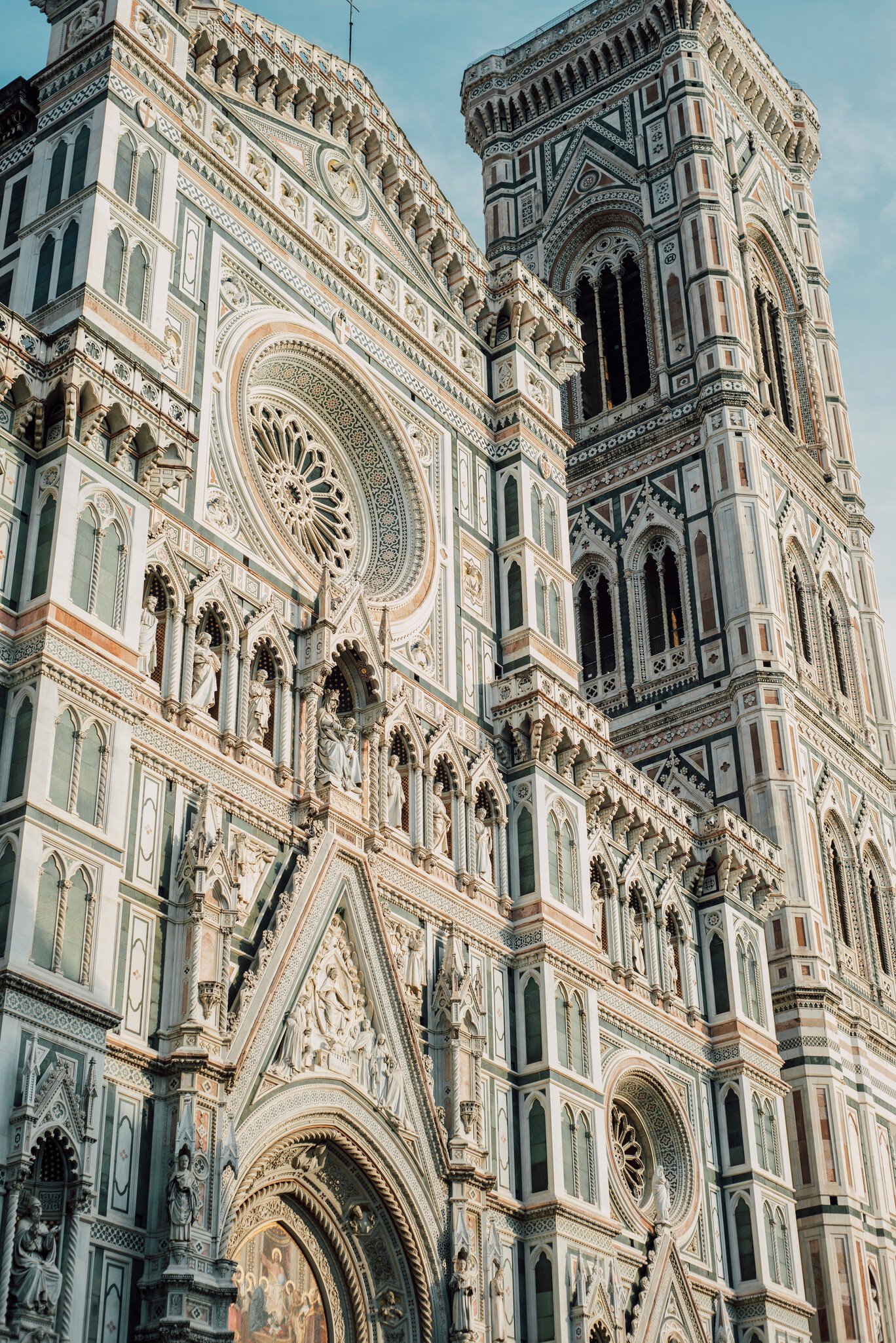
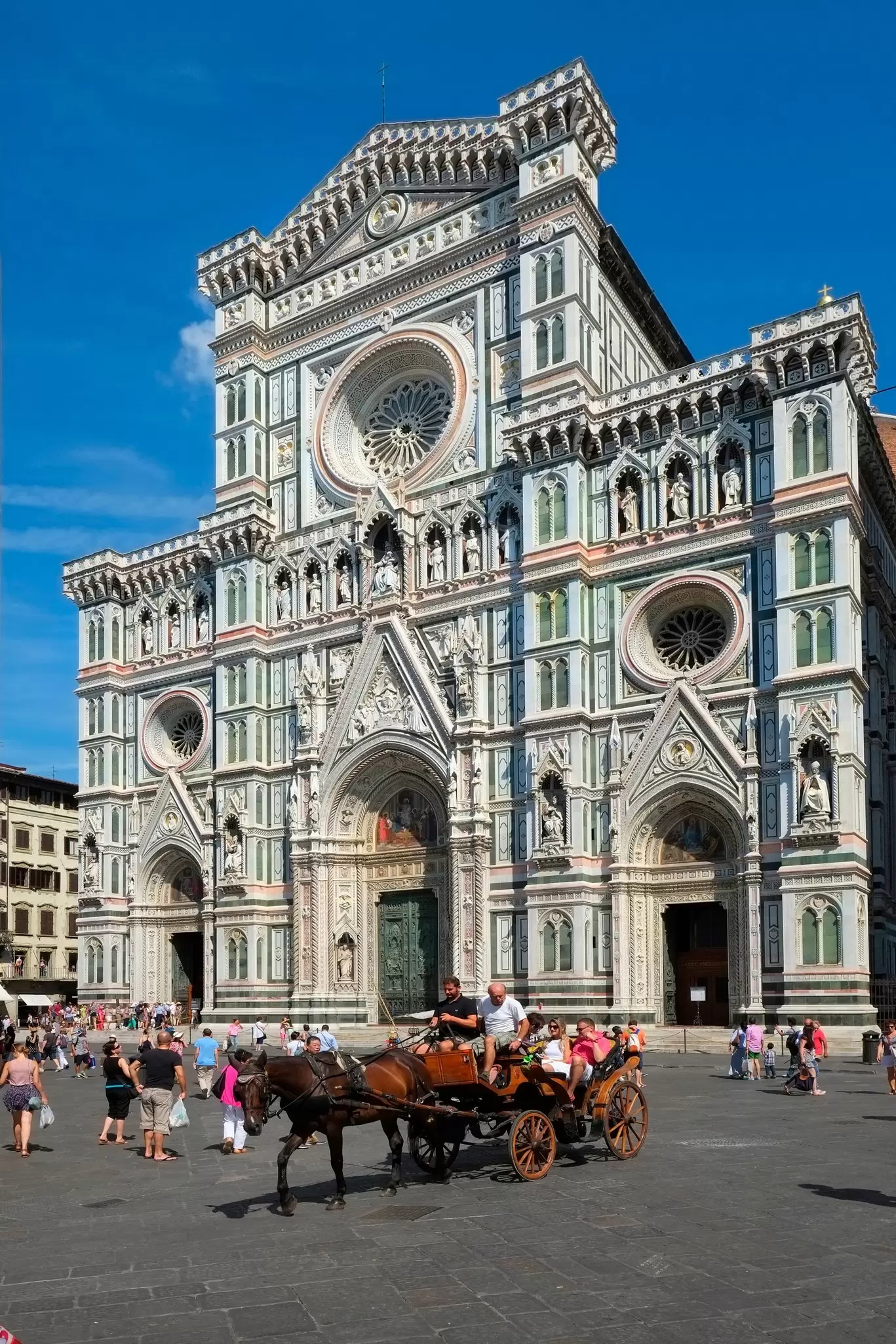
The striking facade appeared much later than the original project. Only in the 19th century, the local authorities decided to cover the bare exterior with the neo-Gothic design conceived by Emilio De Fabris. Surrounding the three portals, a pattern formed by white, green and red marbles echoes the cladding of the nearby campanile, while the collection of statues observing the piazza from above pays tribute to Arnolfo Di Cambio’s original facade, never completed and dismantled in 1587.
Giotto’s Campanile
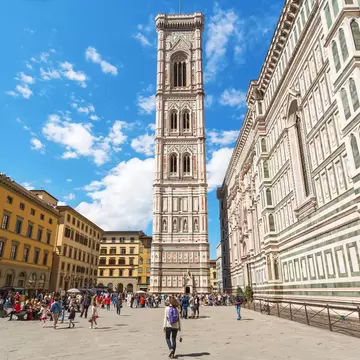
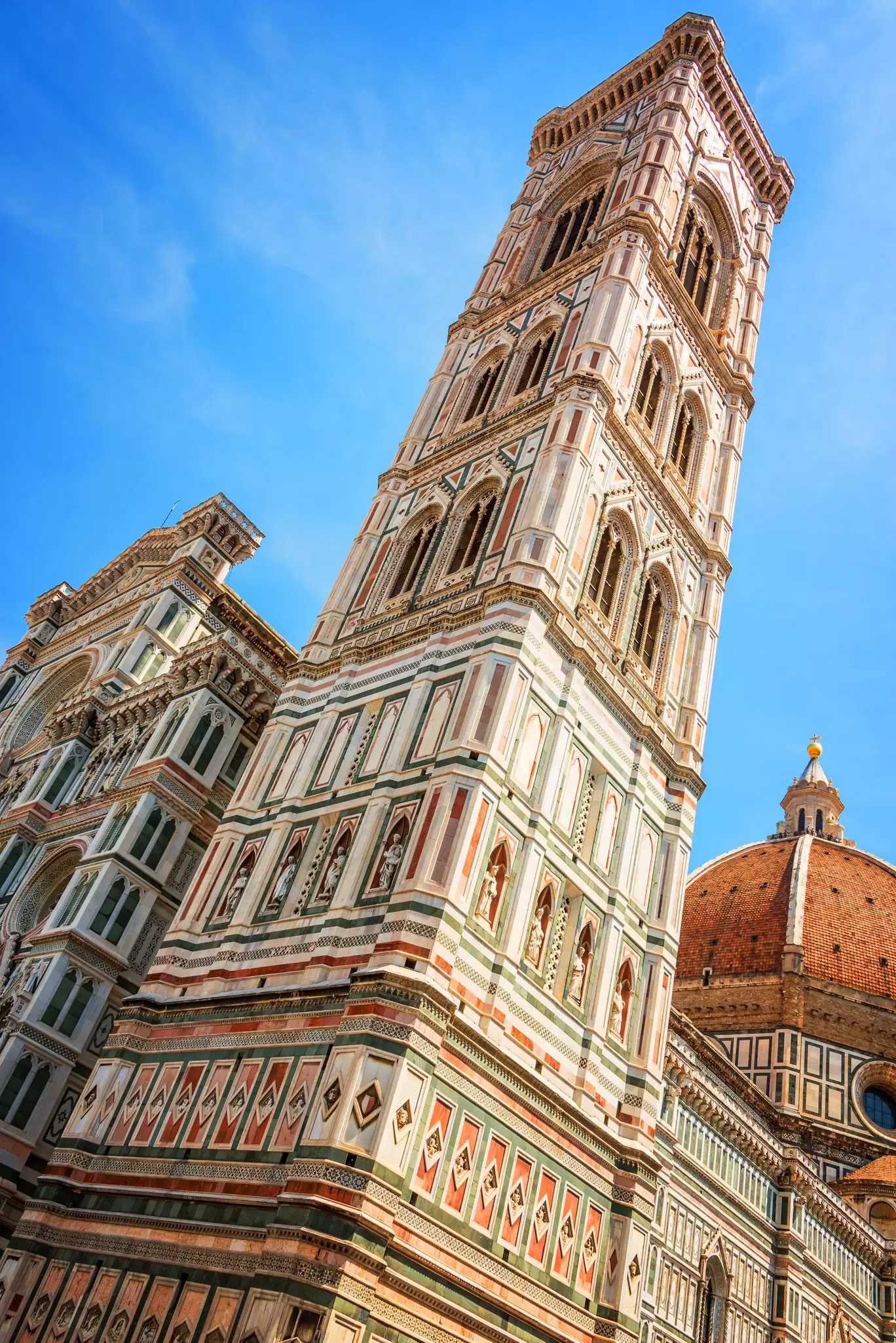
The 85m-tall bell tower of Santa Maria del Fiore was initiated by Giotto in 1334 and completed by Andrea Pisano and Francesco Talenti after he died in 1337. Before entering the square tower, stop to admire the external bas-reliefs around the base – the copies of Pisano’s 26 sculptures positioned inside hexagonal frames tell the story of Genesis; look up to the niches to see the copies of 16 statues of prophets and patriarchs produced by Pisano, Nanni di Bartolo and Donatello. Reflecting the cathedral’s color palette, the Campanile di Giotto encloses a narrow staircase leading to the panoramic platform Talenti added in 1359 to seal off the tower – climb the 414 steps for a close encounter with Brunelleschi’s cupola and unmatched views of the surrounding red rooftops.
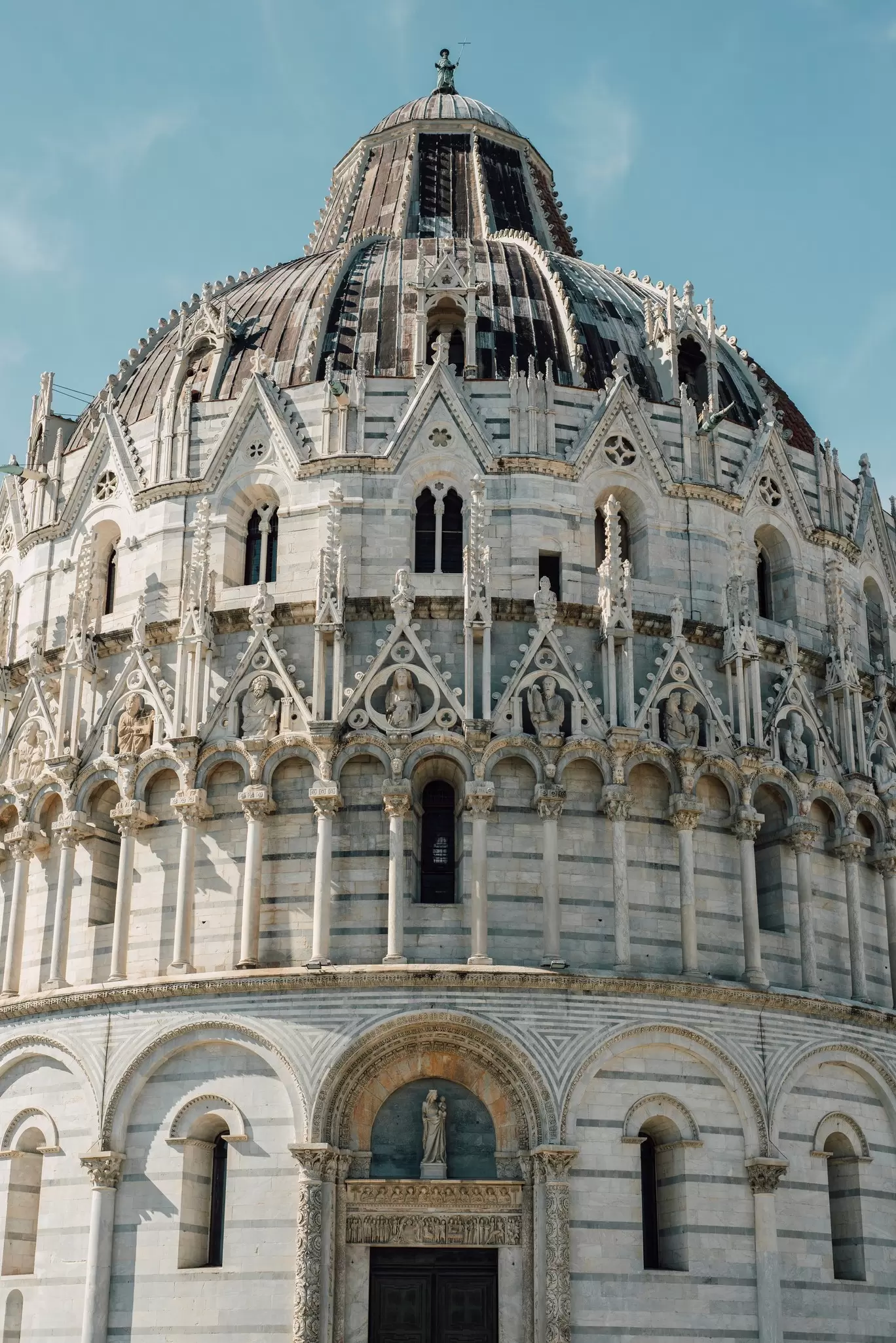
Battistero di San Giovanni
Dante and many other prominent Florentines received their first blessing in this octagonal baptistery dedicated to Saint John the Baptist, the city’s patron saint, right in front of Santa Maria del Fiore. This prime example of Florentine Romanesque architecture was consecrated in 1059, making it one of the oldest churches still standing in Florence.
The 1330s and 1340s were busy years for Andrea Pisano – next to supervising the decoration of the Campanile following Giotto’s death, the artist crafted the first monumental door of the Battistero di San Giovanni. The door is composed of 28 scenes from Saint John’s life sculpted in bronze, meant to be "read" from the top left corner to the bottom right. Two more entrances were added to the baptistery at a later stage, both designed by Lorenzo Ghiberti, Brunelleschi’s rival. The northern door, completed in 1424, reflects Pisano’s template with 28 frames containing stories from the New Testament.
The gilded eastern door, also known as Porta del Paradiso (Gates to Paradise), marked a new phase in Ghiberti’s career. The result of 27 years of work (1425–52), it is considered the artist’s masterpiece and one of the pioneering works of the Renaissance. At first glance, the 10 rectangular panels appear to portray 10 episodes of the Old Testament – but if you look closely, you’ll see that each image contains a collection of biblical stories, 47 in total. All three doors have been substituted with copies.
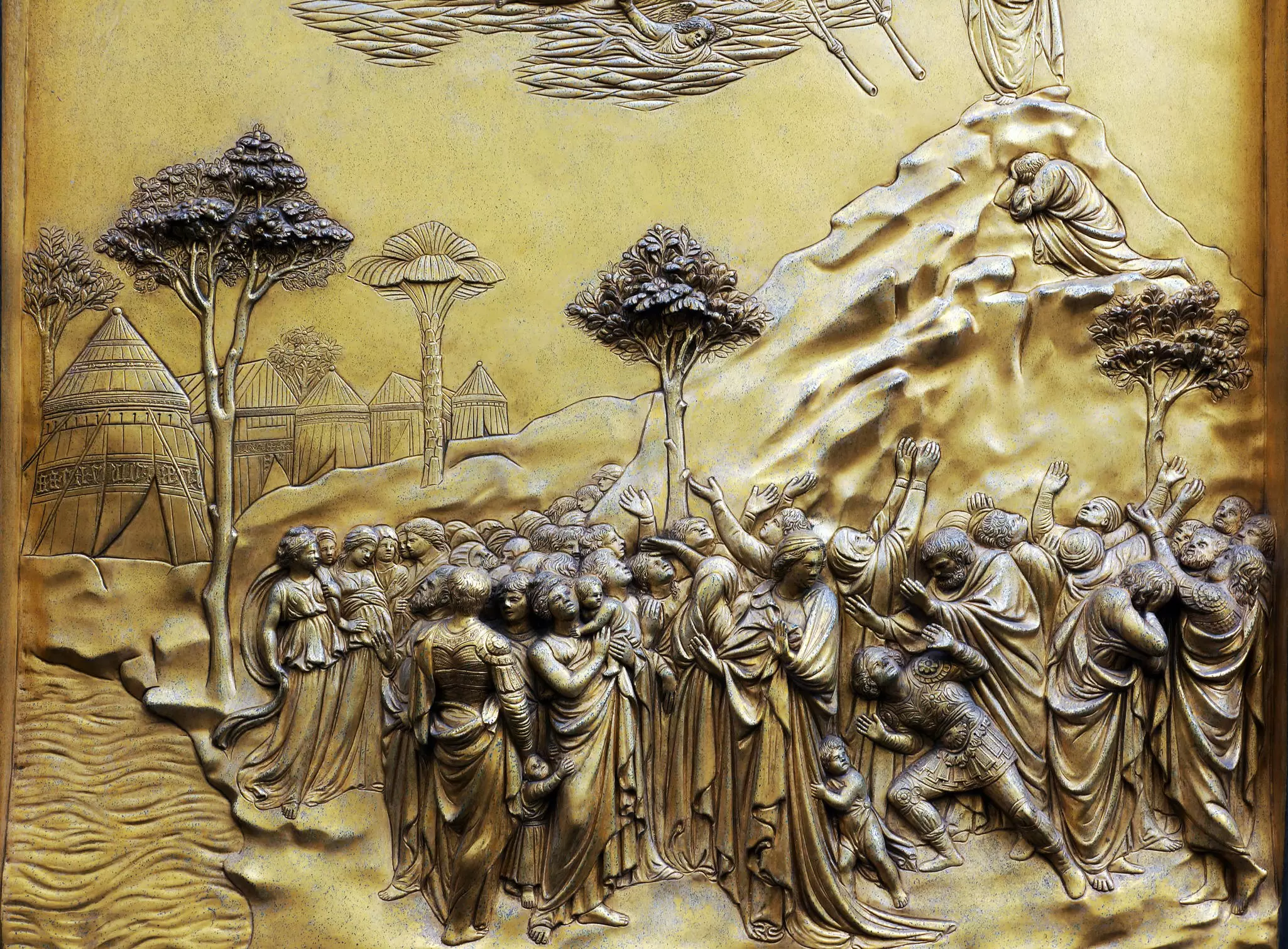
No longer a hub for religious affairs, the Battistero is now a museum housing the fine mosaics inspired by the Byzantine tradition that artists such as Cimabue, Coppo di Marcovaldo and Meliore produced in the 13th century. In 2023, a major renovation project started in the Battistero – the 10 million tiles composing the ceiling mosaics will be restored over six years. During this period, visitors can see the artwork close up by booking a guided tour (duomo.firenze.it; 65€) on the scaffolding.
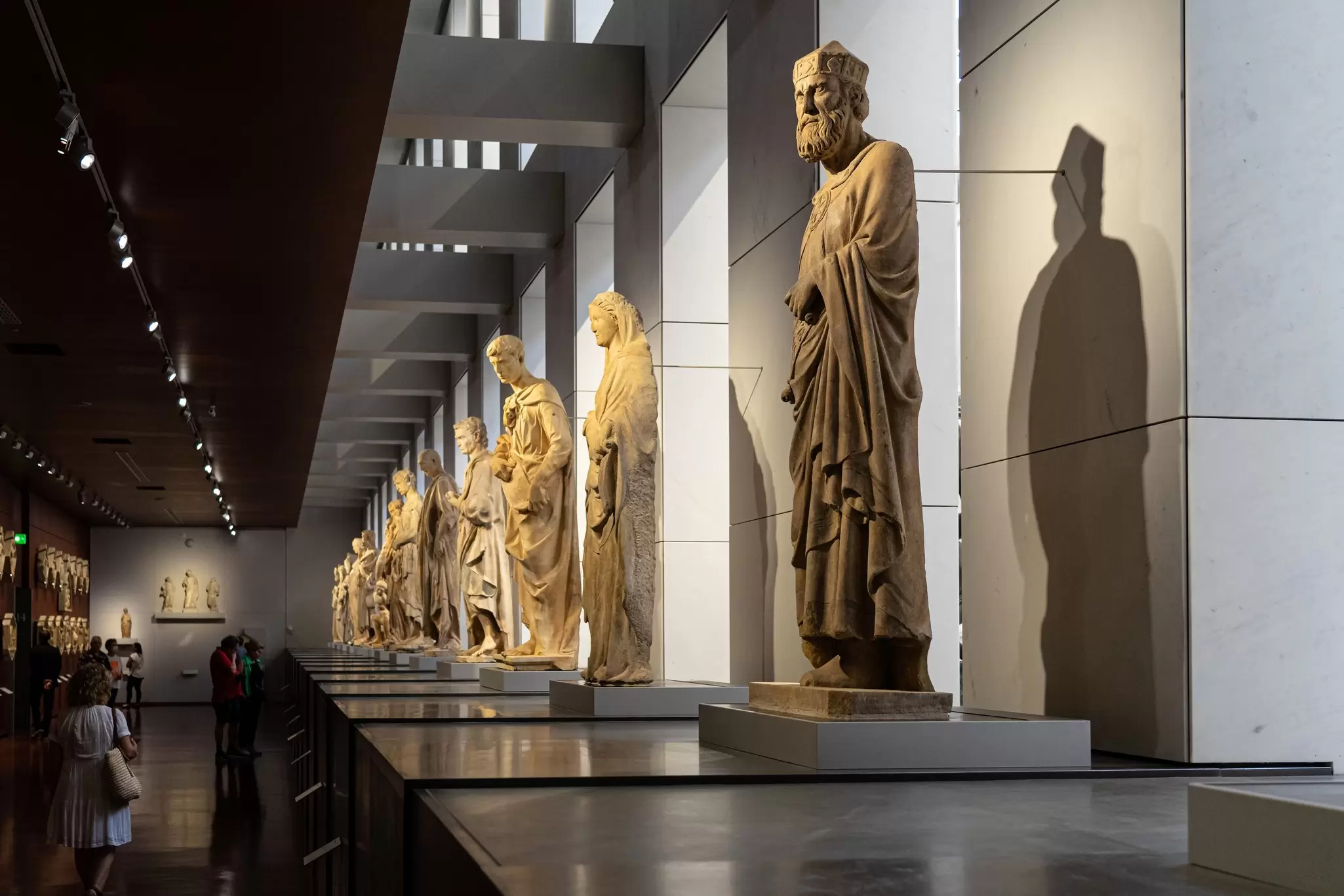
Museo dell’Opera del Duomo
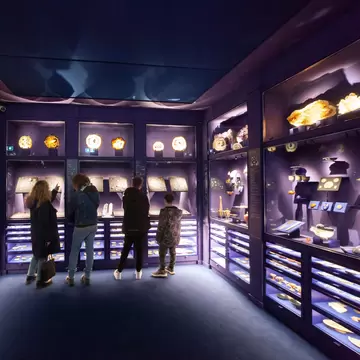
As you’ve likely gathered if you’ve read this far, many of the most precious artworks once adorning Piazza del Duomo have been removed from the square to be protected from the elements and the crowds. Copies offer the chance to experience the work of medieval and Renaissance artists in the setting they were intended to be placed in, but originals can be seen by stepping into the Museo dell’Opera del Duomo, where the largest collection of Florentine monumental sculpture is on display.
Besides the impressive hall showcasing the three solemn doors that once allowed entry into the Baptistery – Andrea Pisano’s Porta Sud (1330–36), Lorenzo Ghiberti’s Porta Nord (1403–24) and Porta del Paradiso (1425–52) – the museum houses a reproduction of Arnolfo di Cambio 1296 facade design and the wonderful collection of 14th-century sculptures meant to adorn the church’s exterior. Of the 750 works gathered here, you’ll find big names such as Donatello’s Maddalena Penitente (1453–55), and Michelangelo’s Pietà Bandini (1547-1555), one of the last works produced by the great Renaissance master.
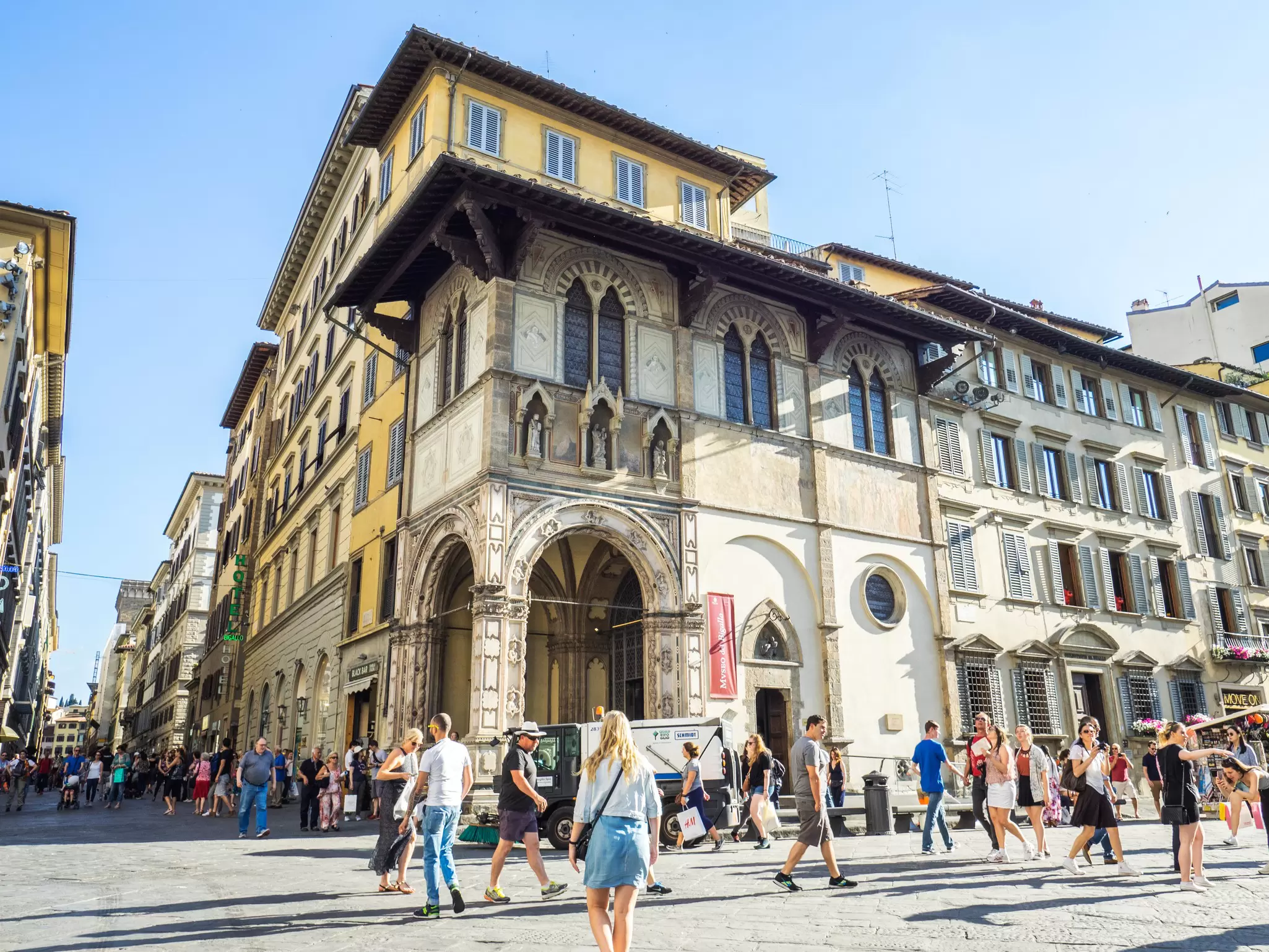
Loggia del Bigallo & Museo della Misericordia
Before leaving Piazza del Duomo through Via dei Calzaiuoli, take a moment to admire the 1358 Gothic Loggia del Bigallo facing the square. This elaborate facade marked the entrance to the headquarters of the Compagnia della Misericordia, the charitable organization responsible for caring for abandoned children in the Middle Ages. A small museum dedicated to the legacy of the Compagnia della Misericordia, founded in 1244 and still active, is located steps away from the loggia, in front of the Campanile.
Inside the Museo della Misericordia, find 80 exhibits ranging from the religious paintings of Santi di Tito and Pietro Annigoni to ancient manuscripts tracing the origins of the charity.