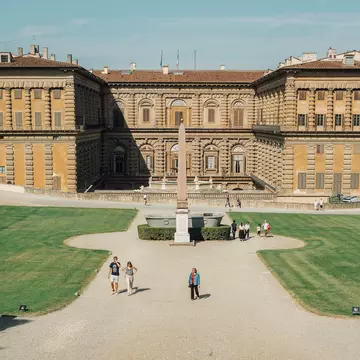
Reopened in 2024 after five years of renovations, La Specola brings the city’s scientific heritage back under the spotlight. Commissioned in 1775 by Grand Duke Peter Leopold of Lorraine, one of Europe’s oldest scientific museums houses thousands of taxidermied animals and rare anatomical waxes inspired by Renaissance art.
The Zoology Halls
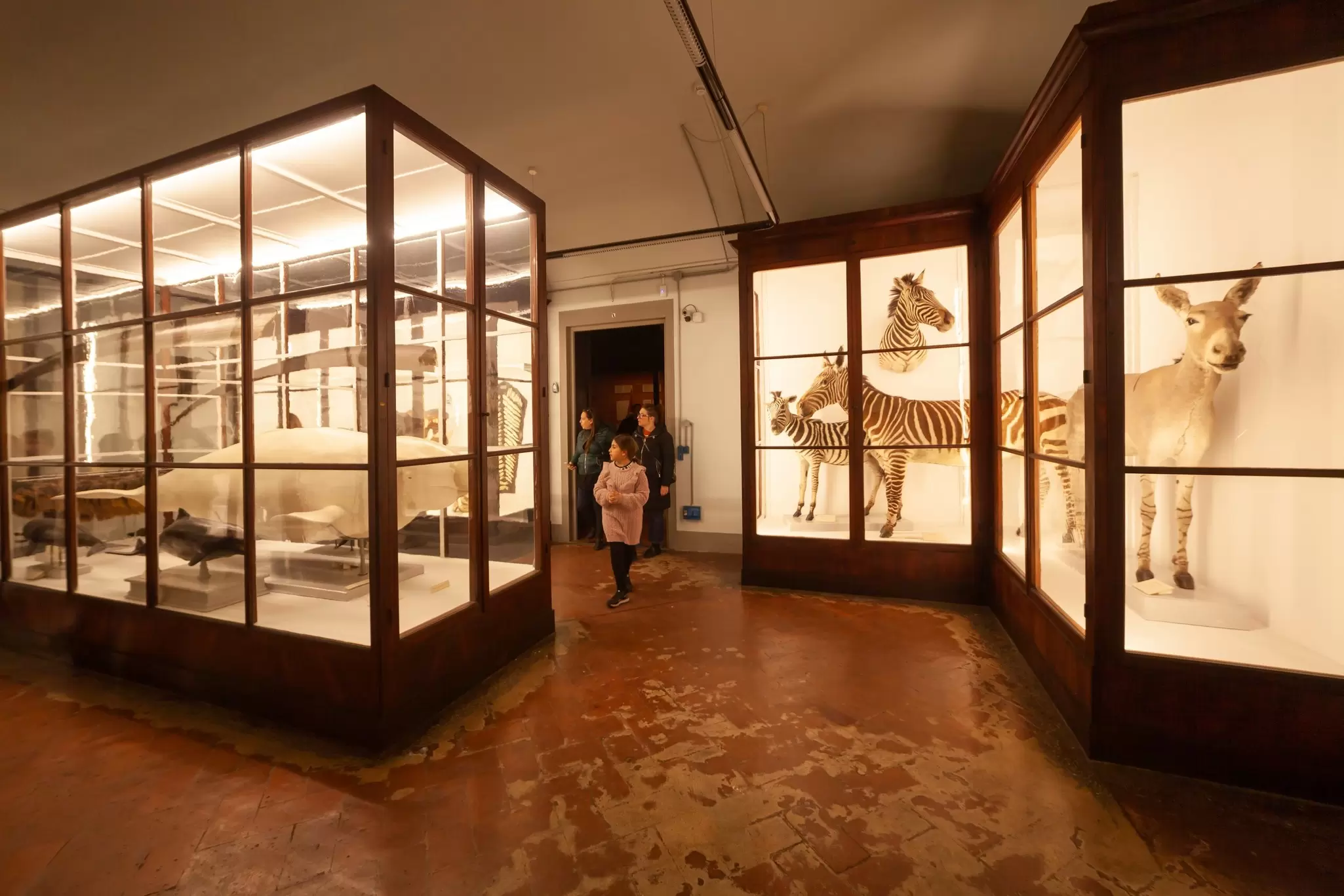
Of the four million taxidermied animals that belong to La Specola’s collection, about 5000 are exhibited in the 23 rooms that occupy the largest part of the historic Palazzo Bini-Torrigiani. From turtles to hippos to tigers, zebras and kangaroos, the seemingly endless showcase of creatures represents a large sample of life on Earth.
The Anatomical Waxes
The centerpieces of La Specola are the hyper-realistic anatomical waxes created by artists such as Clemente Susini and Gaetano Zumbo to allow the study of the human body. Of the 1400 unsettling exhibits of organs, muscles and nerves, you’ll find 26 full bodies, including Susini’s Lo Spellato (Skinned) and the Venere Anatomica (Anatomical Venus), inspired by works of Michelangelo and Donatello.
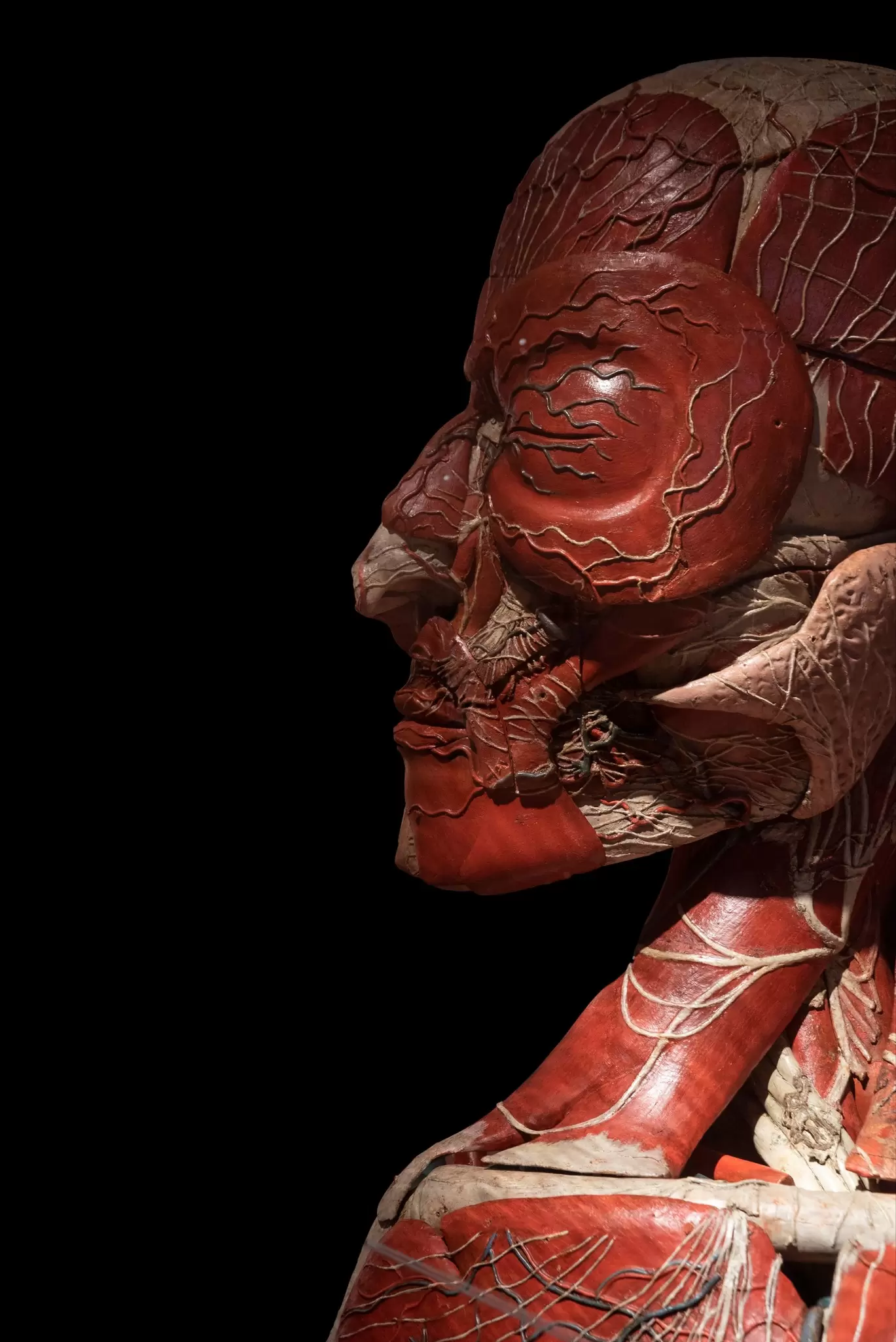
Mineralogy
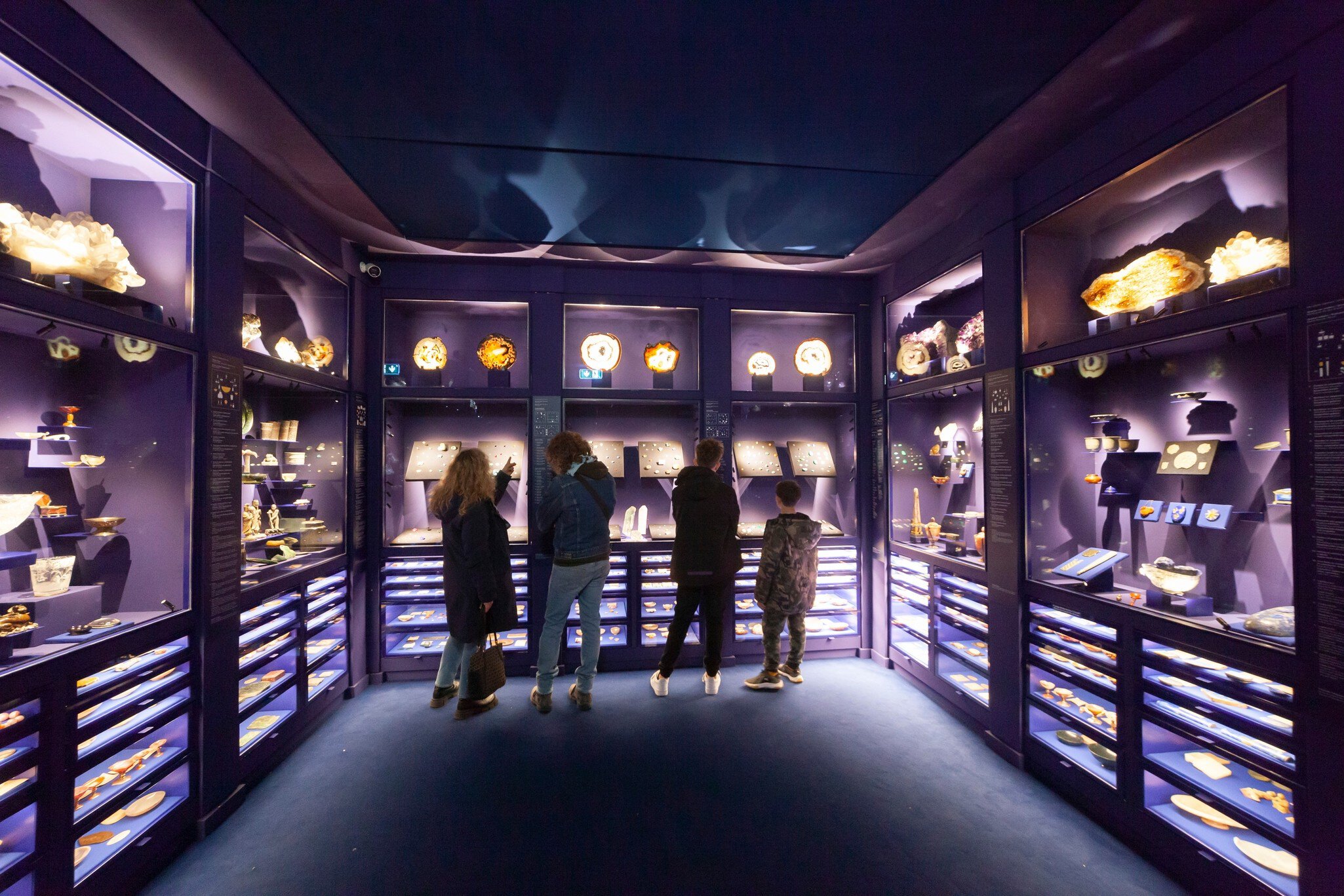
A fascinating addition to La Specola are the six dark rooms dedicated to hundreds of minerals collected over the centuries by the Florentine elite, including stones purchased by Lorenzo the Magnificent in the 15th century. In the 1600s, Duke Ferdinando I called Danish scientist Niels Stensen to the Medici’s court, institutionalizing the study of minerals, which are now showcased under glass like colorful works of art.