Oct 13, 20268 min read
This Hack Is a Lifesaver for US Passport HoldersMay 27, 2026
9 MIN READ

Writer
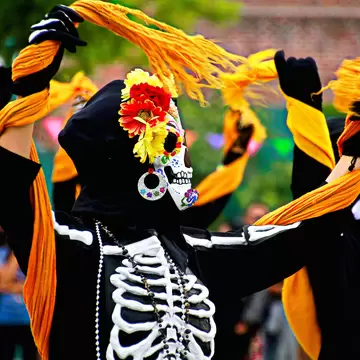
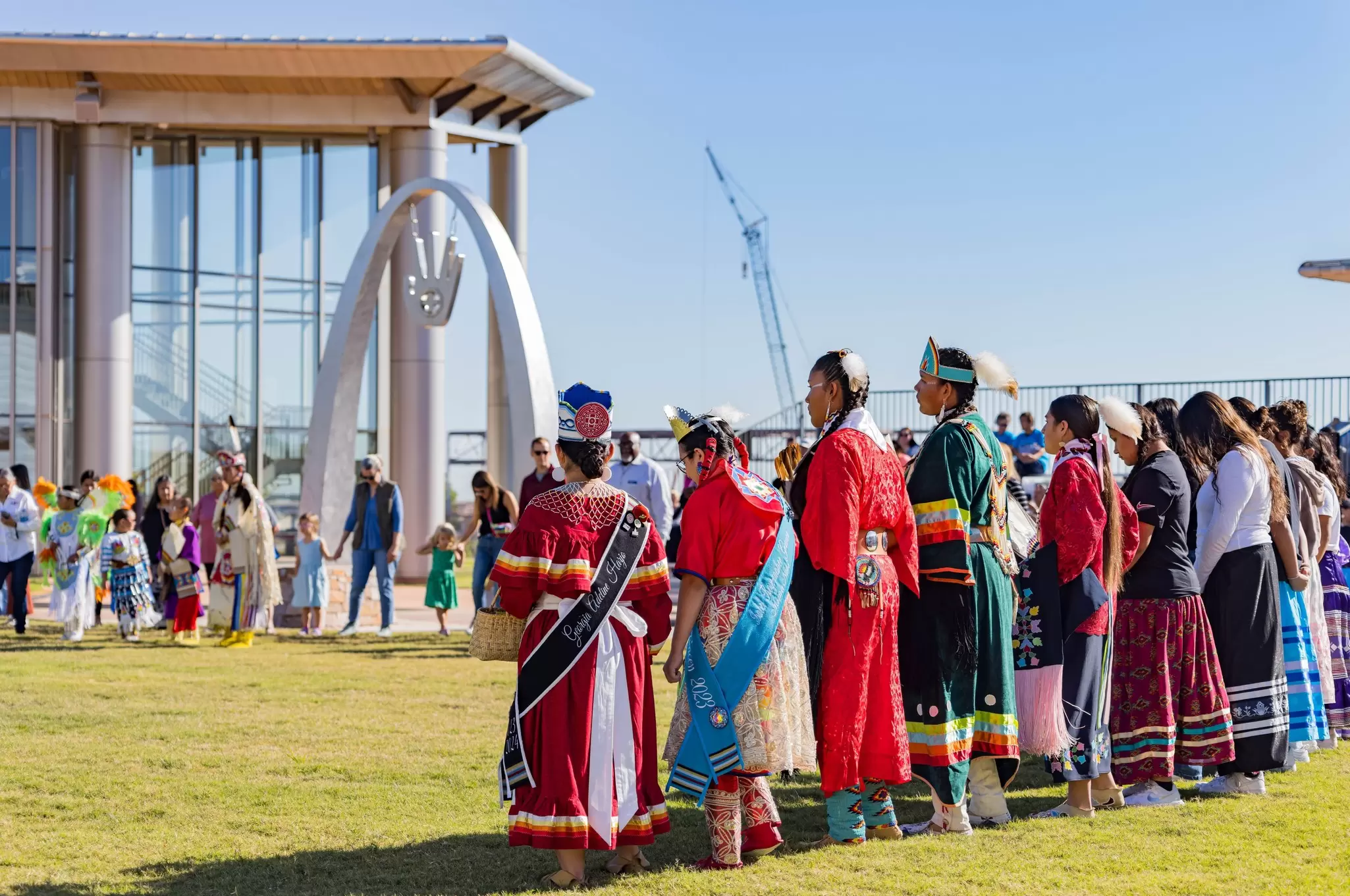
A celebration of Indigenous people at First Americans Museum, Oklahoma. Kit Leong/Shutterstock
Writer
Lonely Planet may earn a commission from affiliate links on our site. All recommendations and reviews reflect our own independent opinions.
The vision of Route 66 that most of us inherit is a glossy one full of kitsch and flash. It’s retro chrome diners and fuzzy dice on rearview mirrors, giving way to the wasp-in-a-jar buzz of neon signs. It’s one of America’s most exported images, and like most snapshots, it’s been filtered and edited.
Established as one of America’s major arteries in 1926, Route 66 stretches from Chicago, Illinois to Santa Monica, California. But it didn’t simply appear out of nowhere – it cut across a sweep of land already invisibly mapped by movement and voice.
Long before asphalt, trade routes connected communities across what is now Illinois, Missouri, Oklahoma, New Mexico, Arizona and California. When the highway came, it laid itself over those paths without really asking permission first. More than half of it passes through Indian Country, a legal term US Federal Law defines as land where tribal jurisdiction still applies. Of Route 66’s 2448 miles, about 1372 miles run through the ancestral homelands of more than 25 Tribal Nations.
With November 2026 marking the centennial of America's most famous road, that story is getting the road trip it deserves. Sure, it's an old road, but you’ll discover that the path it covers is ancient by comparison.
In Oklahoma alone, the road weaves in and out of 39 Indigenous homelands. Further west, it crosses Pueblo lands in New Mexico, skirts the edges of the Navajo Nation and cuts through Hualapai territory in Arizona. Route 66’s relationship with Indigenous communities along its path has always been a give and take. Yes, the “progress” brought commerce and connectivity, but it also brought complication.
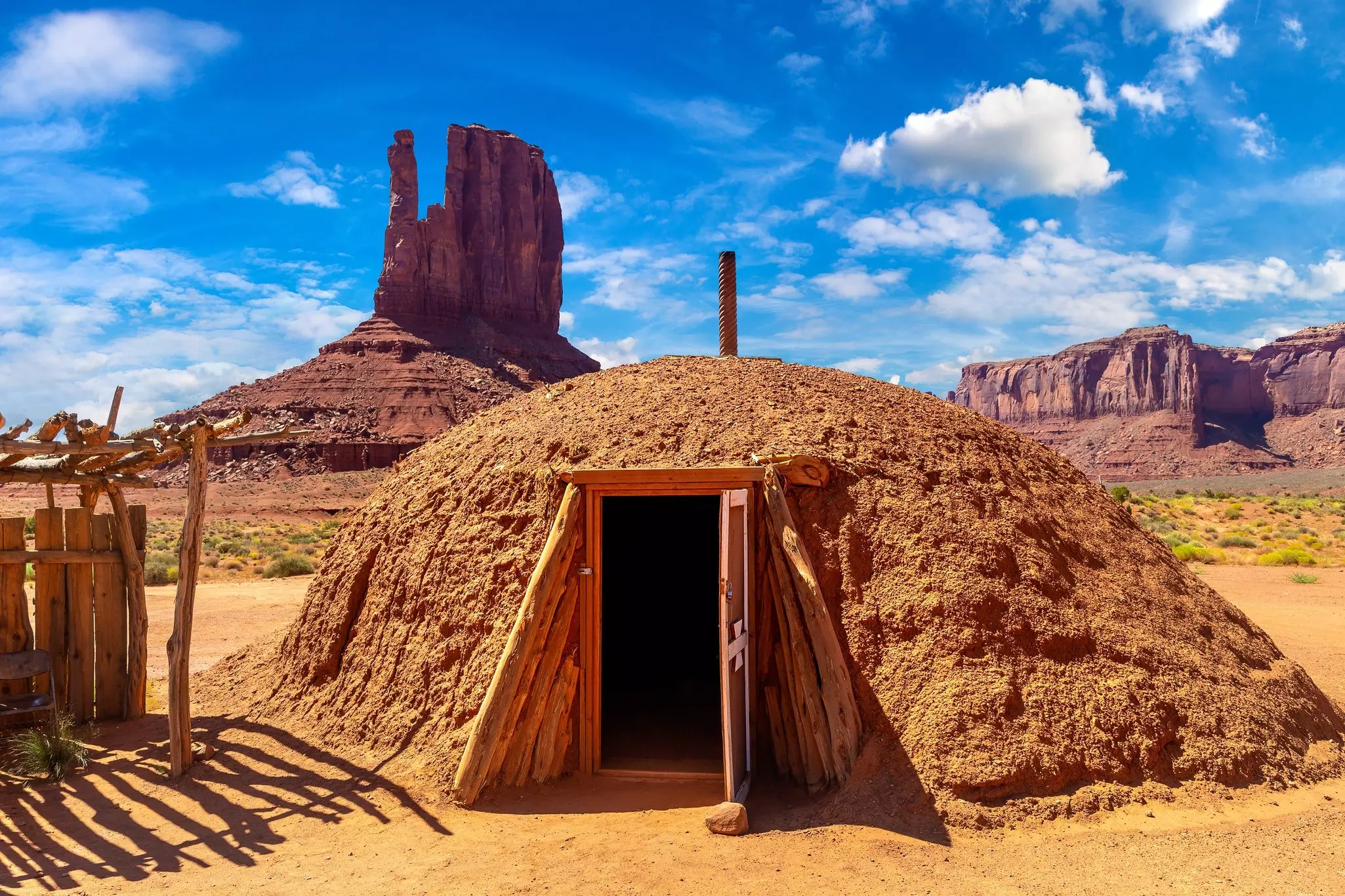
Until recently, tourists traveling along Route 66 encountered a narrow set of tropes. Roadside trading posts sold “Indian” curios to passing travelers with no context. A “Cherokee” trading post in western Oklahoma advertised itself with a Plains Indian war bonnet, a style the Cherokee people have never worn. In Arizona, a “Navajo” rest stop once boasted the world’s largest tipi (tepee) – despite the fact that a traditional Navajo dwelling is a hogan, a hexagonal structure of mud and timber.
Hollywood spent a lot of time and money flattening hundreds of distinct cultures into a single costume, and Route 66 sold the souvenir version.
Now that iteration is being replaced by something that makes pulling over more worthwhile. Indigenous artists and entrepreneurs are reclaiming how their cultures are represented, and raising the bar for what visitors take away.
Think you know Route 66? Look again. Beyond the rockabilly nostalgia and the brazen throwbacks to mid-century Americana, these Indigenous-led and affiliated experiences are ones not to be missed if you’re planning a road trip of your own.
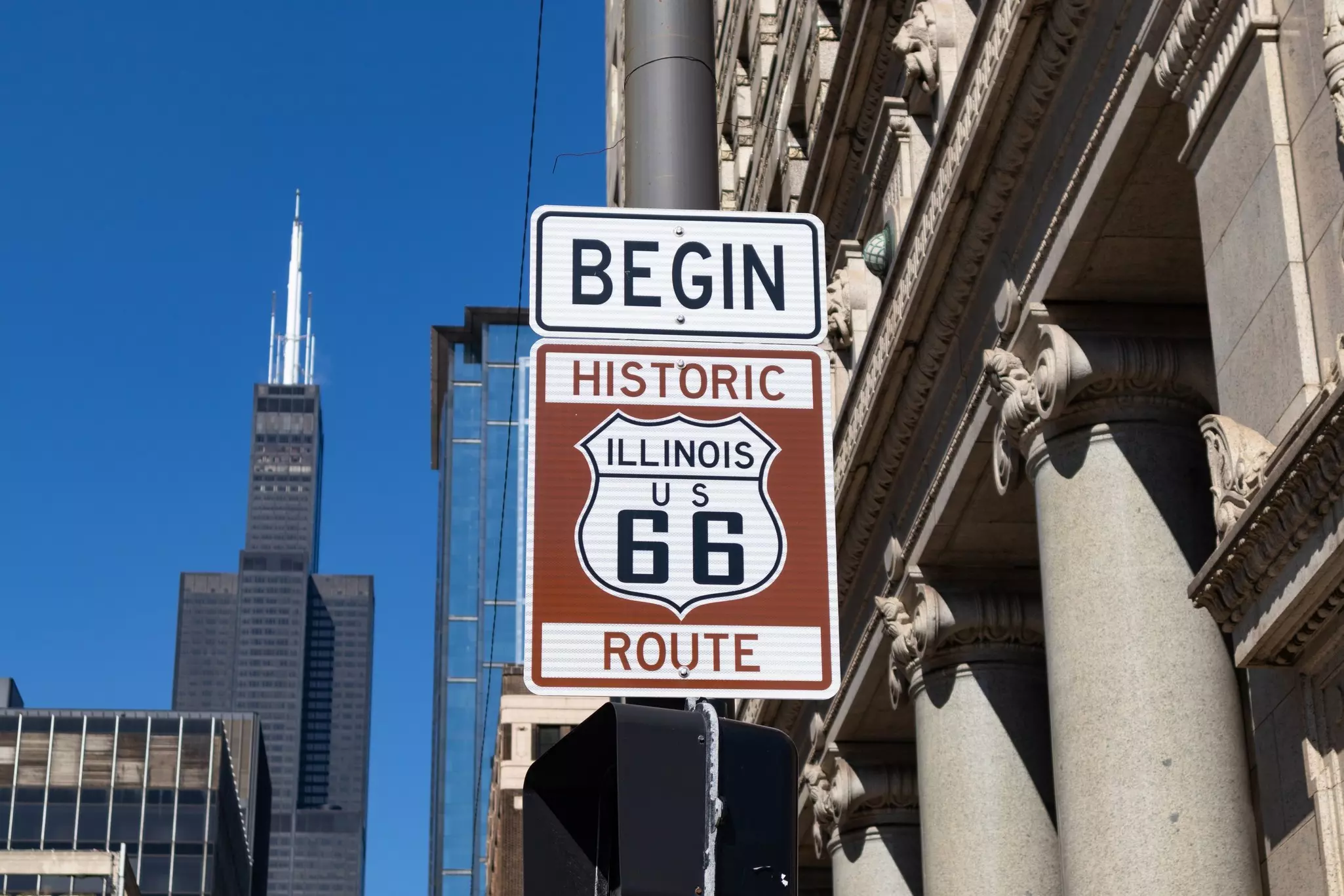
The beginning of the road is more about orientation than spectacle, so don't expect to be ticking off attractions just yet. The urban sprawl of Chicago peters out into farmland and Indigenous presence here is less immediately visible, but it runs through the city’s bones. Chicago was one of the five cities chosen by the government for the Indian Relocation Program of the 1950s, which brought tens of thousands of Native Americans into this urban downtown. Native identity isn’t confined to reservations; many Native people live and work in towns and cities along Route 66, shaping the culture of the road in ways travelers often overlook.
The American Indian Center, founded in 1953 by community members working to make their way in an unfamiliar metropolis, is still thriving and hosts public powwows each September at Busse Woods. The Gichigamiin Indigenous Nations Museum in nearby Evanston is another strong starting point. Pay attention to the names of the rivers and towns as you leave the city; most carry Indigenous names.
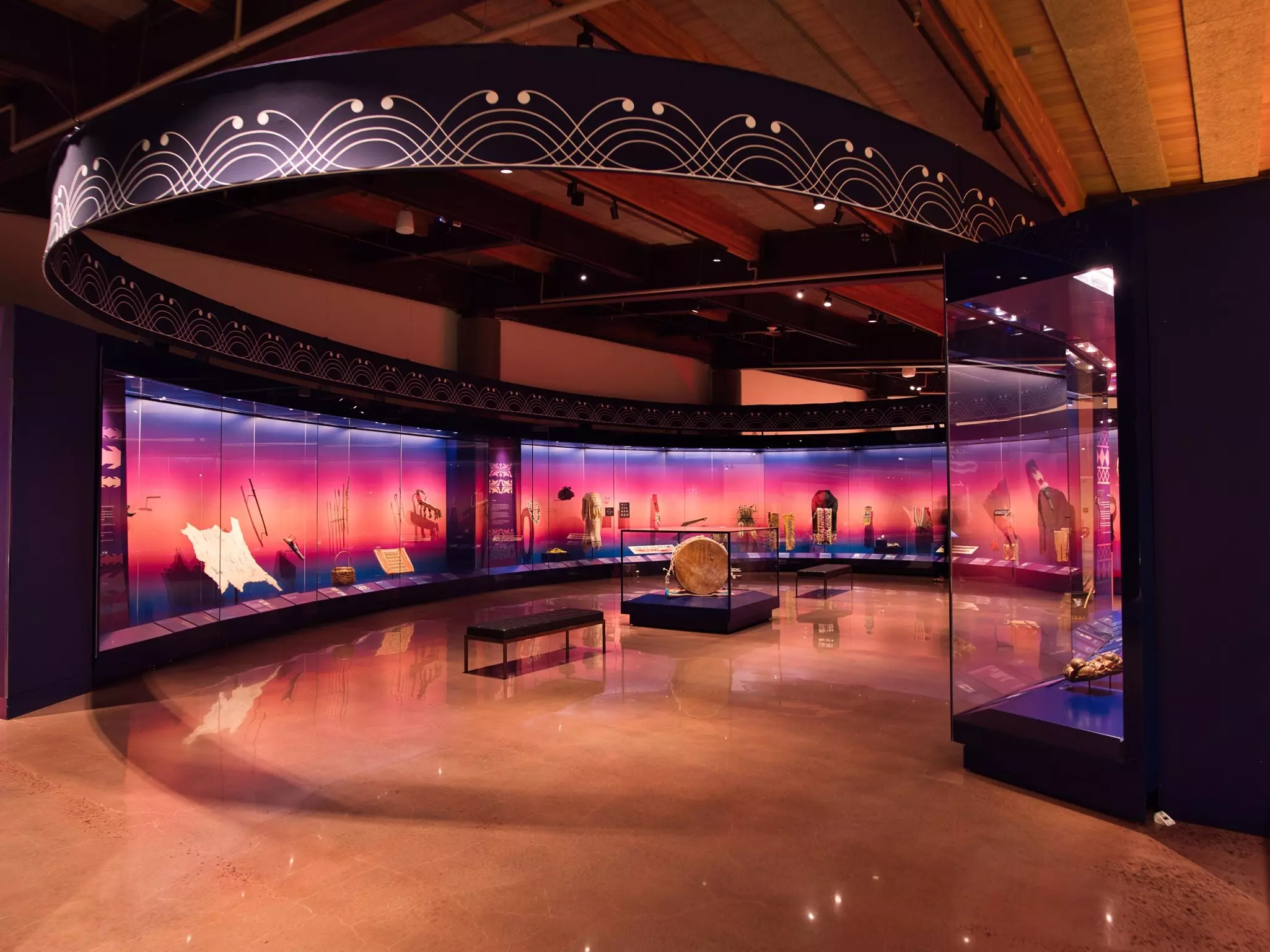
The word Oklahoma comes from two Choctaw words: “ukla” meaning person, “humá” meaning red. The state contains the longest drivable stretch of Route 66 in the country and the highest concentration of Tribal Nations along the way.
Just south of the road (and worth the 10-minute detour), the incredible First Americans Museum sits in the middle of a legal and cultural reset. Allow plenty of time to dig deep. The 2020 McGirt v Oklahoma ruling confirmed that large parts of eastern Oklahoma remain legally Native land, not returned, but never formally taken away. The museum opened the next year, with funding of more than $175 million and led by the state’s 39 Tribal Nations. It’s a far cry from a sheet metal tipi.
Stop into the Thirty Nine Restaurant on-site for food deeply rooted in traditionally regional ingredients. The grilled frybread, topped with house-made bison sausage, is all smoke and crunch, while the hominy – made with butternut squash – isn’t what you’d expect, and that’s the point. The museum shop here sells everything from ribbon skirts and beaded jewelry to turquoise bolos by Navajo/Hopi metalsmith JJ Otero.
"Everything here is about continuity," a staff member told me. "We're not recreating the past. We're living it."
In Tulsa, the Muscogee (Creek) Nation Council Oak Tree marks the spot where the Lochapoka clan rekindled their ceremonial fire after their Trail of Tears march from Alabama and Georgia in 1836. The tree still stands at 18th and Cheyenne Ave. The Gilcrease Museum nearby holds one of the world’s foremost collections of American Western and Indigenous art.
The Cherokee Nation, the largest Tribal Nation in the country, offers some of the most substantive cultural engagement along the route, and travelers could easily spend a week exploring. Each October, the formidable Cherokee Art Market at the Indigenous-owned Hard Rock Hotel and Casino Tulsa brings together artists from more than 50 tribes, a reminder of how broad the story really is.
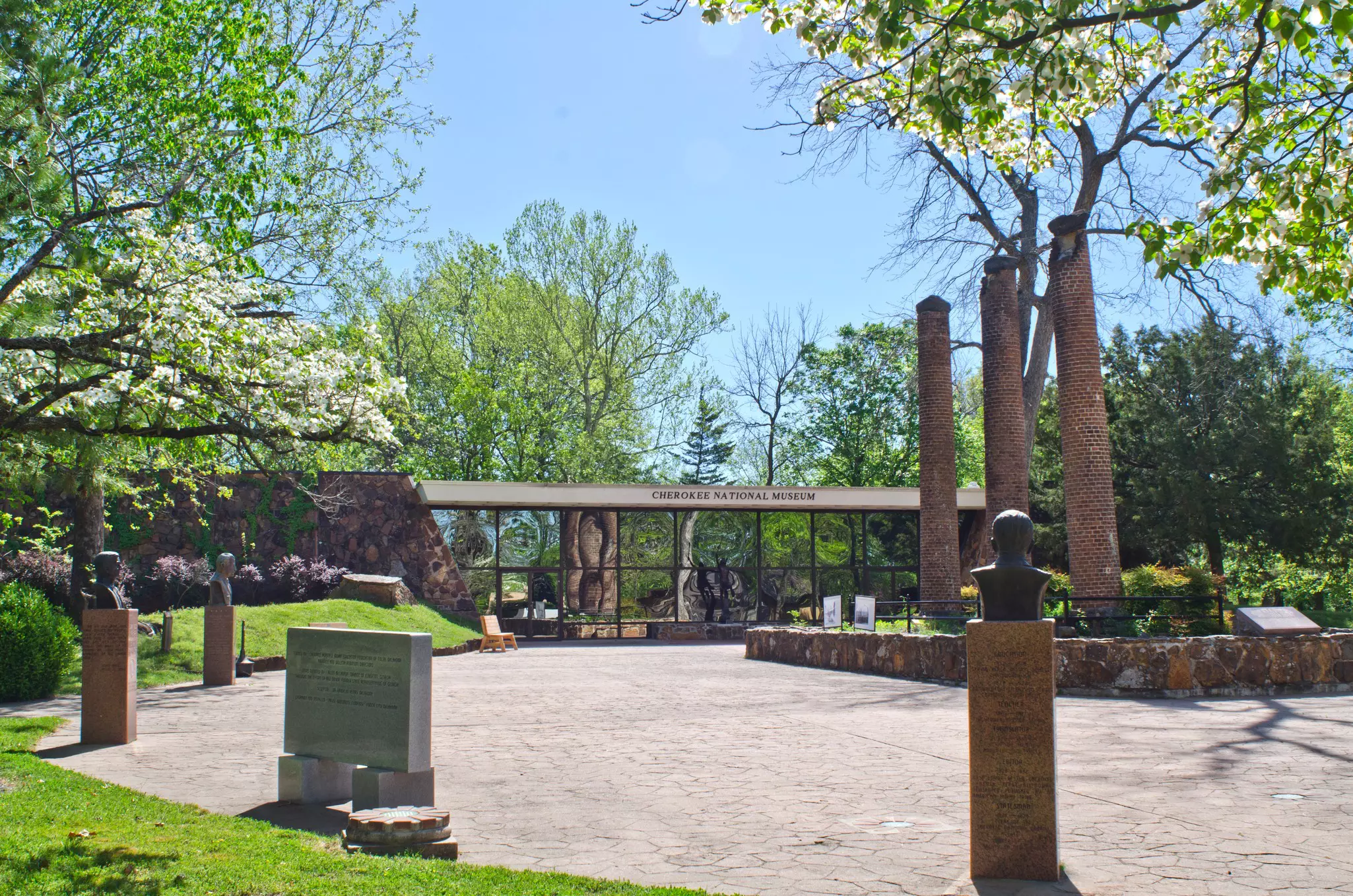
In Tahlequah, the capital of the Cherokee Nation, the Cherokee National History Museum grounds its story in context, and guided experiences led by community members remind you why it’s relevant today.
“We’re telling the story in our own voice now,” one guide told me. “That changes everything – for us, and for you.”
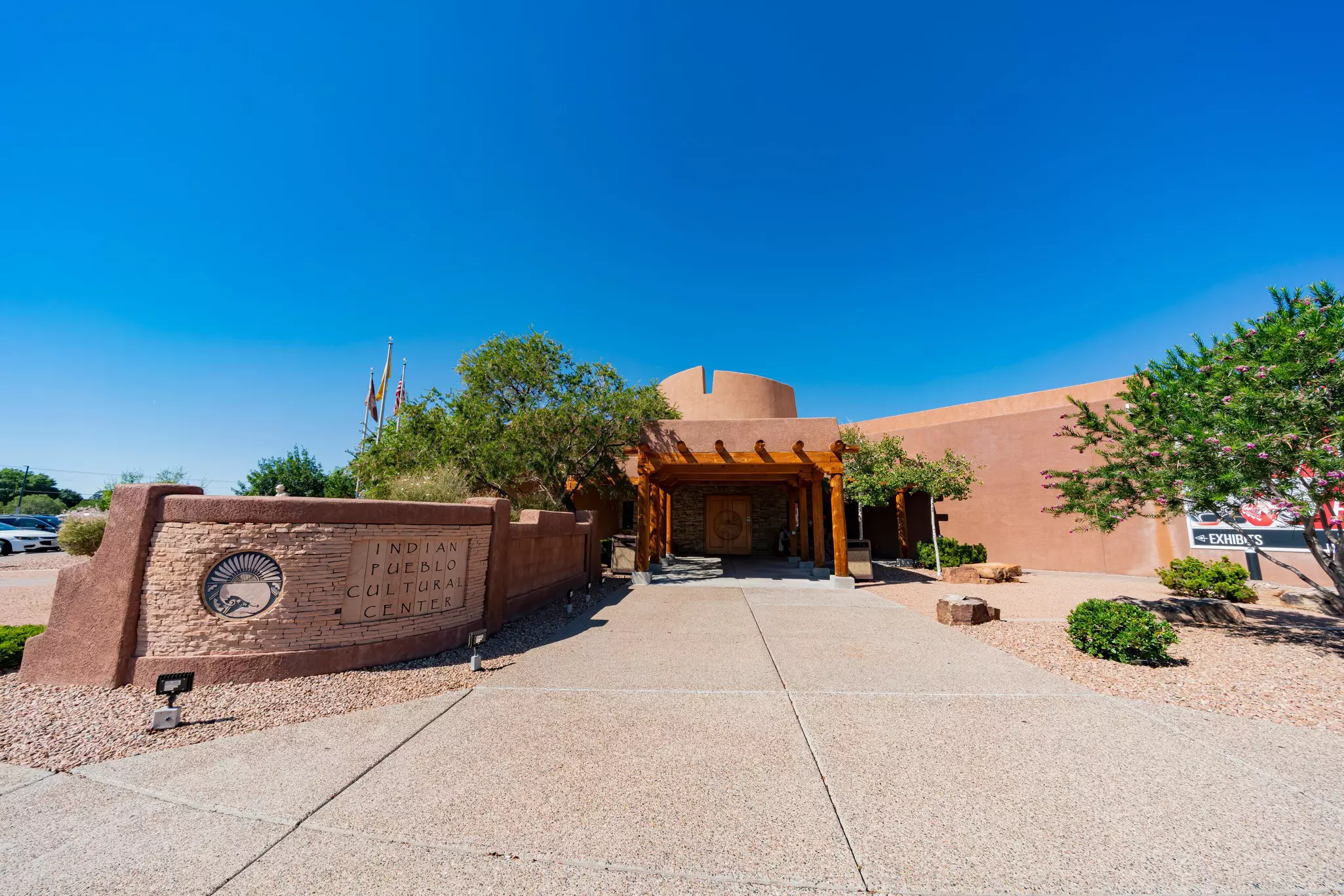
New Mexico shifts the landscape and the tempo. The road threads through Pueblo lands. In Albuquerque, the Indian Pueblo Center offers one of the most accessible entry points on the entire route. Owned by the 19 Pueblos of New Mexico, it combines museum exhibitions with live dance, artists’ demonstrations and a restaurant serving Pueblo-inspired fare. The Bien Mur Indian Market at Sandia Pueblo stocks an extraordinary range of authentic handmade work, Hopi and Zuni jewelry, Navajo rugs and Acoma pottery.
"People want to know where things come from now," a shop owner told me. "That's a good thing." All of the goods come with clear provenance, which is helping to shift the action from transaction to exchange.
Further along, the presence of Pueblo communities becomes more subtle, but no less significant. Many areas aren’t open to casual visitation, and respecting those boundaries is part of the Indigenous experience of Route 66.
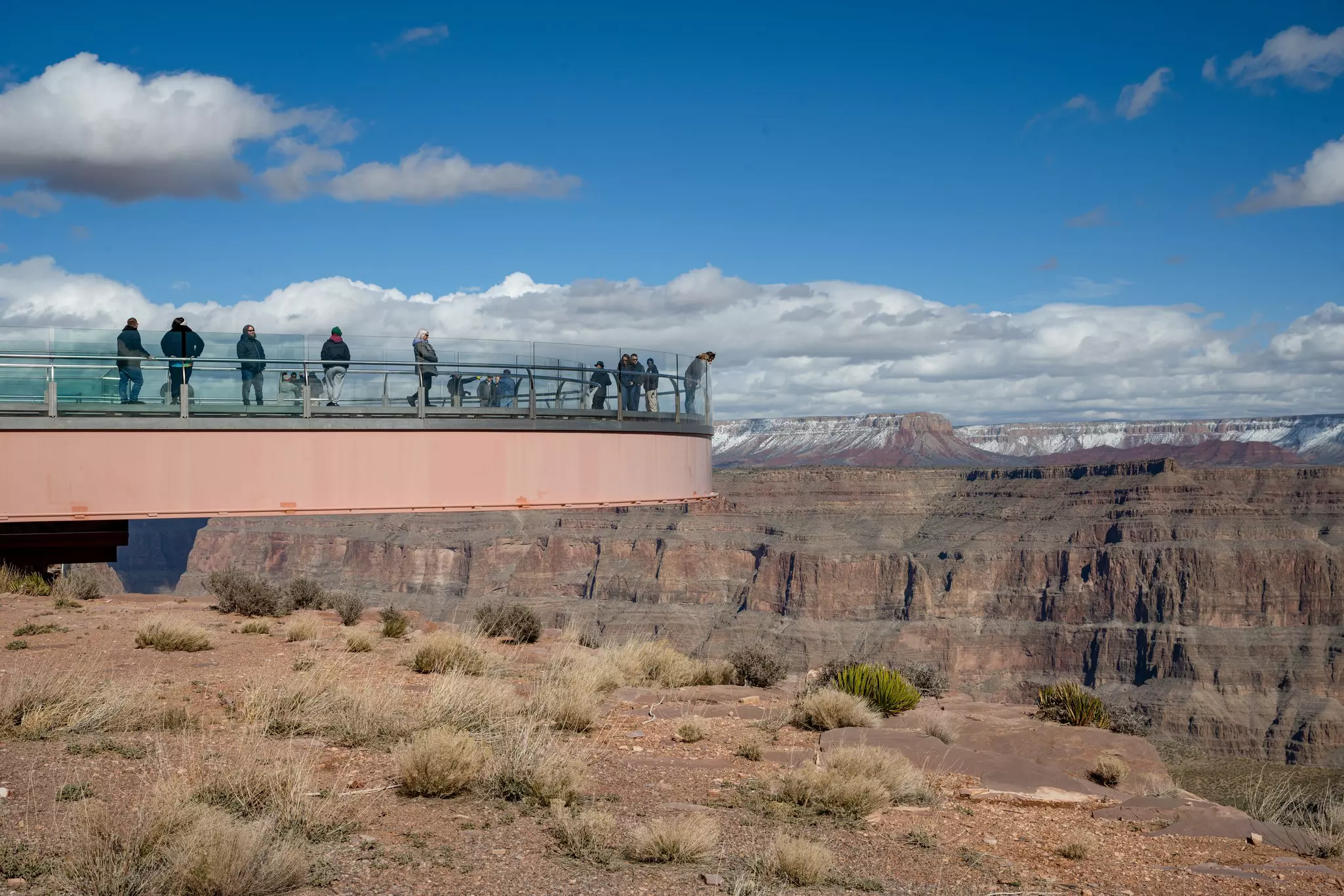
Arizona delivers the kind of scenery that’s fueled the road’s mythology for decades. It passes near the Navajo Nation, a 27,000-sq-mile area that stretches across New Mexico, Utah and Arizona, the largest tribal land area in the country. It also traces through Hualapai territory near the Grand Canyon, where the “People of the Tall Pines” have been building a compelling tourism economy from their base at Peach Springs, the town that reportedly inspired the fictional Radiator Springs in Pixar’s 2006-movie Cars.
Raft tours down the Colorado, helicopter flights through Grand Canyon West and the famous Skywalk (a glass bridge suspended 4000ft above the canyon floor) are all Hualapai-owned and operated. Guided experiences led by tribal members offer a perspective that no standard tour can match. For them, the canyon is tied to identity, not simply geology.
By the time Route 66 reaches California, it follows the old Mojave Trail, a network of Indigenous footpaths that ran westward to the Pacific. The Mojave, Chemehuevi, Serrano and Tongva peoples have been here for thousands of years. The Tongva alone have been indigenous to the Los Angeles basin for at least 7000 years, and Tongva Park in Santa Monica – steps from where Route 66 ends at the pier – carries their name.
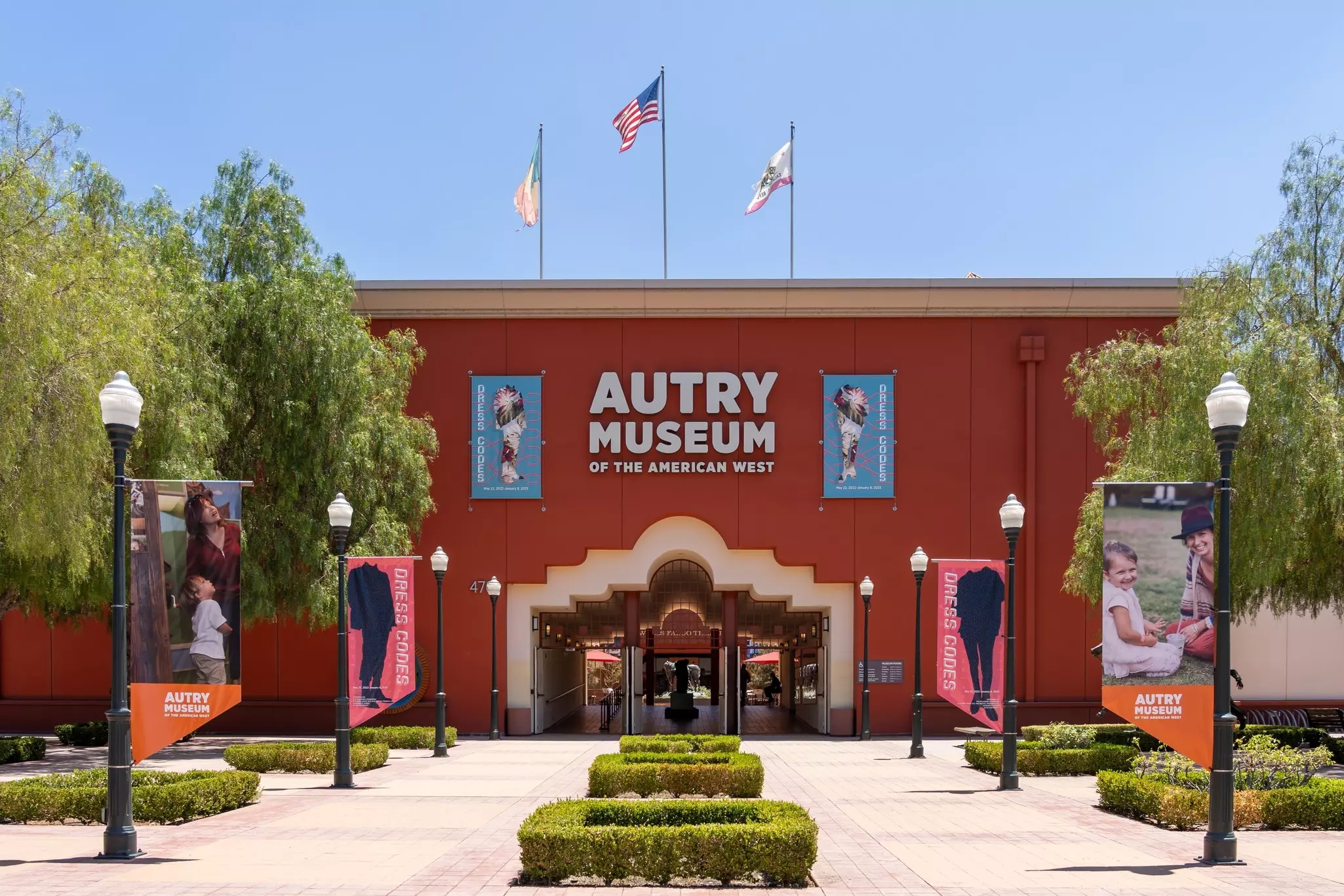
California is home to more people of American Indian descent than any other US state, and the cultural calendar reflects it. Time your visit for October, when the annual San Manuel Powwow – free to the public and held at California State University San Bernardino – brings together singers, dancers and drummers from across North America. In November, the American Indian Arts Marketplace at the Autry Museum draws Native American artists from all over the country.
The American Indigenous Tourism Association's Route 66 portal and the Destination Native America interactive map are the best starting points for building an itinerary around Indigenous-owned experiences, from guided tours and cultural centers to accommodations and dining. The guidebook American Indians and Route 66, produced with the National Park Service, is available to download and worth reading before you go.
Prioritize businesses that are tribally owned and operated. Ask where things come from. The artists at markets and trading posts will almost always tell you, and the conversation is a vital part of the experience. If you're visiting a pueblo or Indigenous community, check protocols in advance. Photography rules vary and some areas require permits, while others are closed to outside visitors. It’s the same courtesy you'd extend to anyone's home.
Powwows along the route are often open to the public and are genuine community celebrations. The emcee will guide you through what's appropriate. Arrive curious and quiet.
The road doesn't end at the ocean. The stories simply keep moving and evolving as Route 66 is repositioned as a living corridor through Indigenous nations.
Book your United States trip with Lonely Planet Journeys
See United States how it's meant to be seen
Accommodations, activities and ground transportation all taken care of, so you can focus on the fun part. Tell us what your dream trip to United States looks like, and our local experts will build it from scratch. Or start with one of our itineraries and make it your own.

Explore related stories