Aug 11, 20267 min read
What to Know Before Visiting BelizeJun 9, 2026
7 MIN READ

Writer
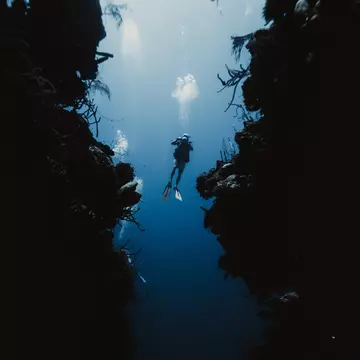
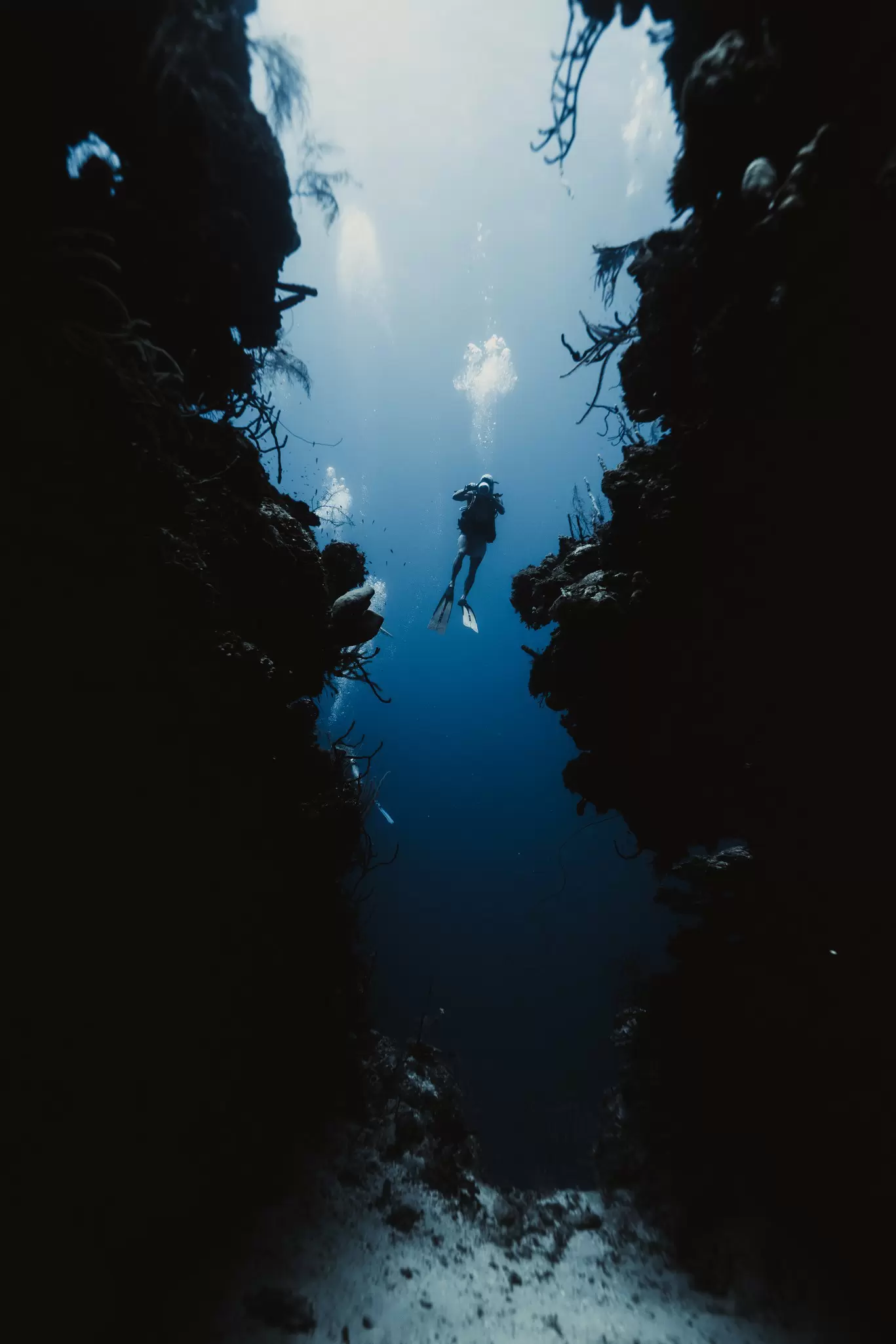
Scuba diving in Belize. Antonio Galvis
Writer
Lonely Planet may earn a commission from affiliate links on our site. All recommendations and reviews reflect our own independent opinions.
Belize is an iconic diving destination, likely near the top of every diver’s list. It’s home to the world’s second-largest barrier reef, and the largest living barrier reef. This remarkable reef makes the coastline a biodiversity hot spot, with all kinds of animals and fish that rely upon it to survive.
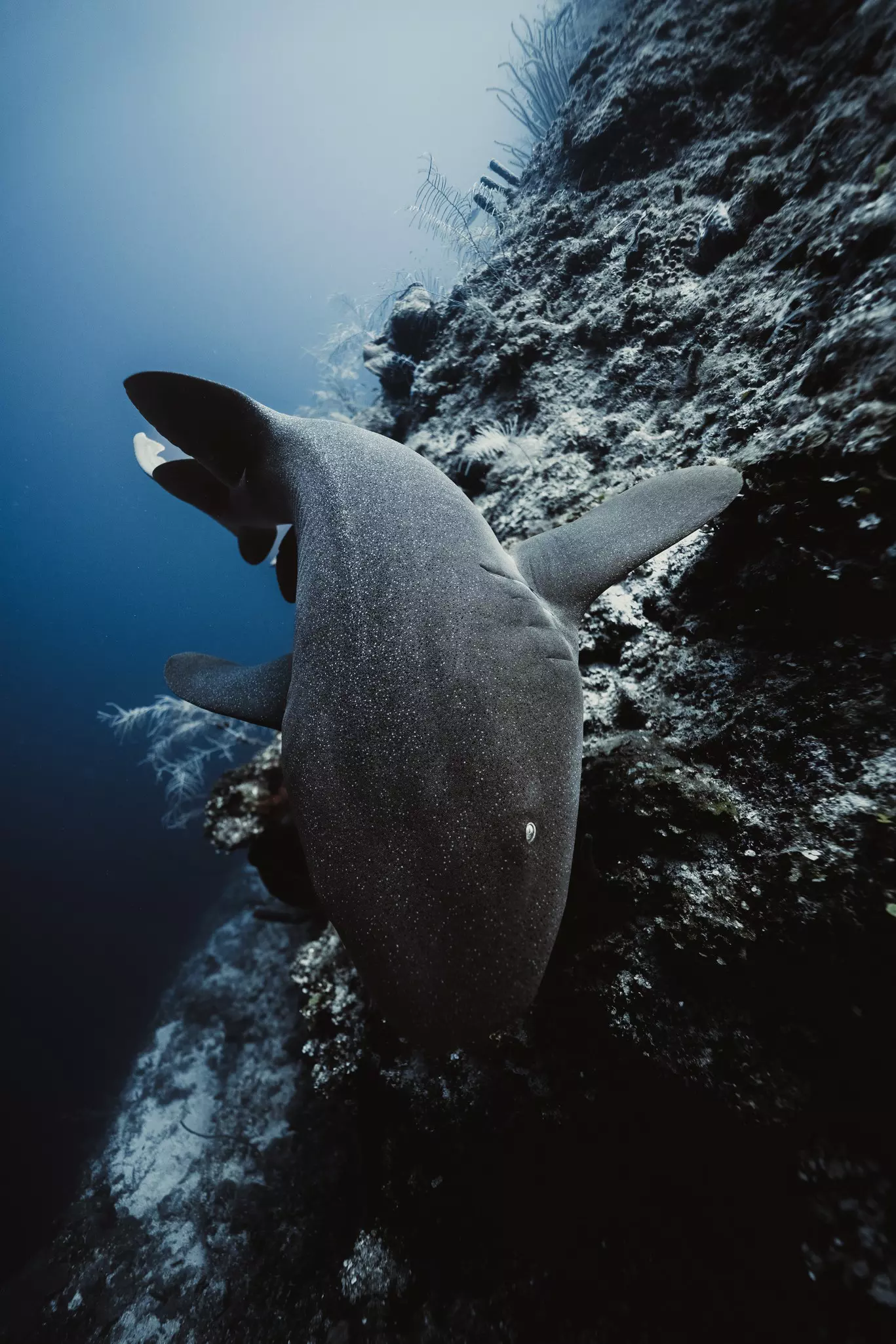
On a dive trip in Belize, you can glide through coral canyons, swim near nurse sharks and spearhunt invasive species. After a few visits underwater, you’ll never want to come up for air. These are the best places to dive in Belize and what you need to know before you go.
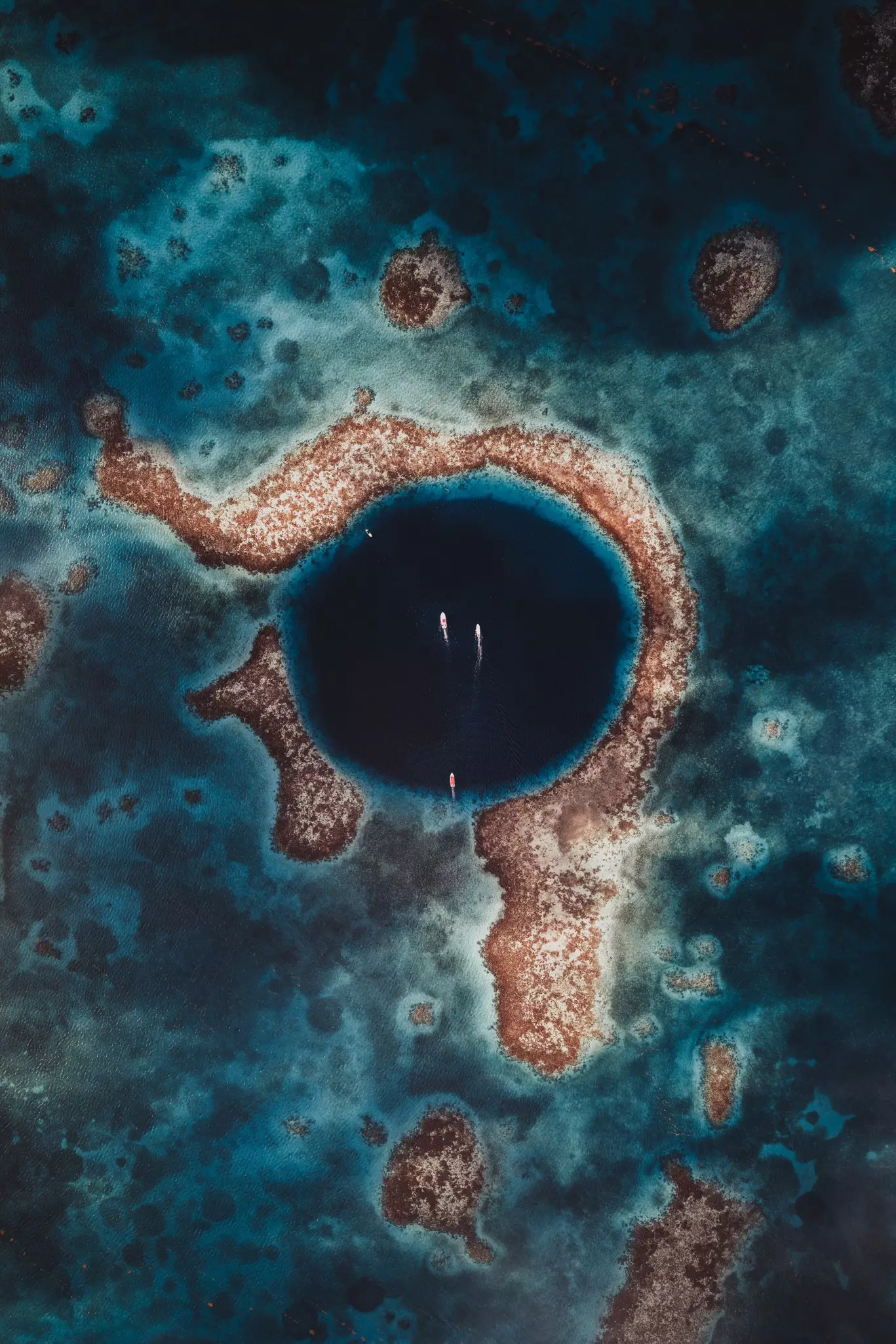
One of Belize’s most iconic sites and dives is the Blue Hole. From above, this looks like a large eye staring out into space, and it’s just as impressive from below. It is the world’s largest natural formation of its kind, and geologists estimate that the Blue Hole formed about 153,000 years ago, at the end of the last Ice Age.
In this dive, you’ll drop alongside the walls and spot nurse sharks, tropical fish and other marine life. Advanced divers can swim between the giant stalactites and stalagmites and into the natural caverns.
Planning tip: The Blue Hole is quite a long day trip from anywhere in Belize, including San Pedro. Be prepared for a long day out on the water.
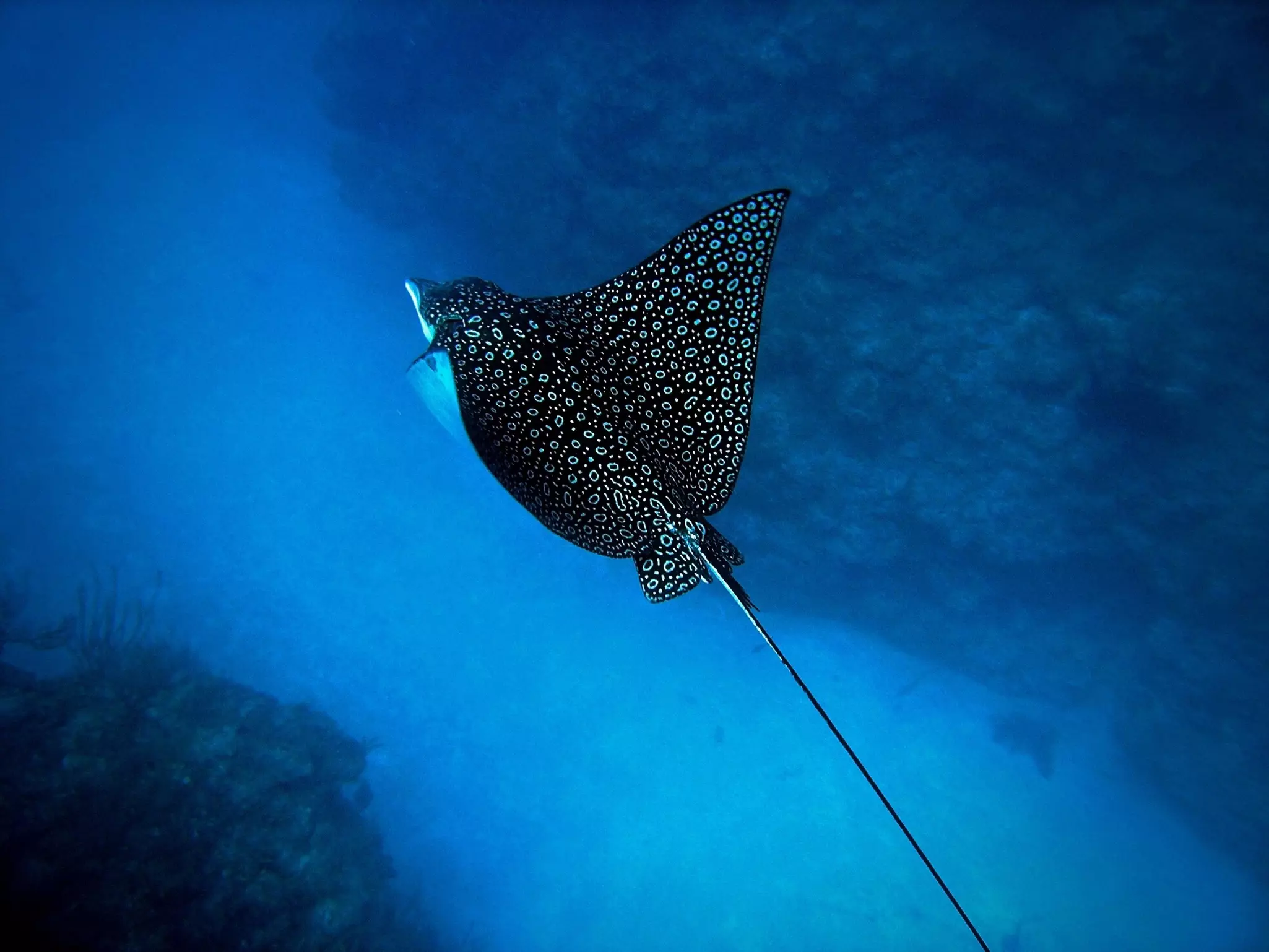
After a relatively short boat ride from the Blue Hole, you can dock at Half Moon Caye Wall. This dive is known for having some of the most diverse wildlife in Belize, including nurse sharks, eagle rays, eels, turtles and plenty of fish. However, the reef itself is remarkably stunning with vibrant corals that form canyon-like structures that you can swim through.
The visibility in Half Moon Caye tends to be insanely clear, allowing you to see all of the incredible sites around you. The reef here is clearly blooming and happy, and the entire dive buzzes as a result. It feels like a reminder of what our reefs and oceans look like when they are protected, and how we all benefit when these ecosystems are given the opportunity to flourish.
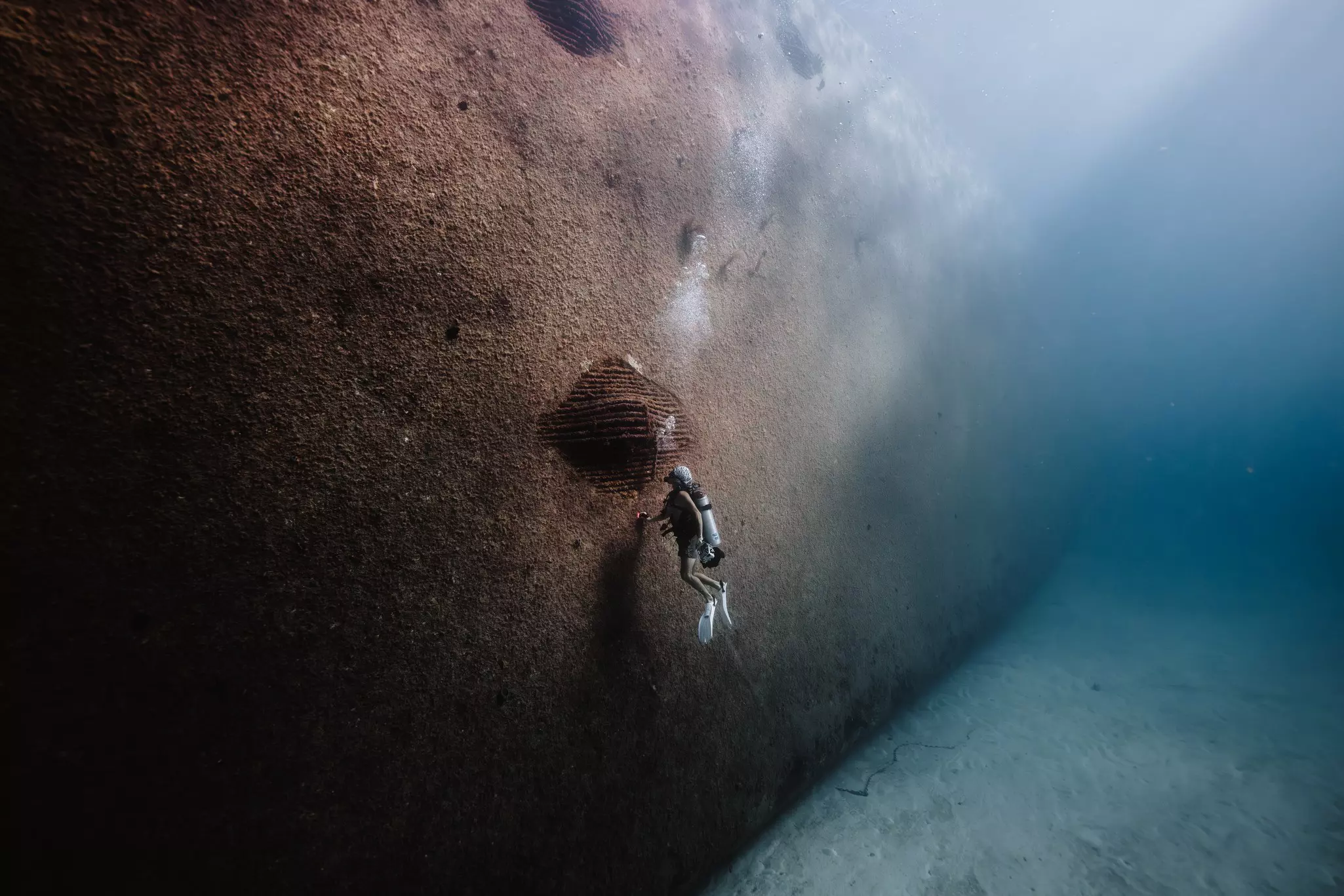
The Witconcrete Wreck dive is the top wreck dive in Belize, plus it is a part of history and an example of Belize’s sustainability efforts. This concrete ship was built during WWII before being moved to Belize to store molasses. In 2021, the Turneffe Atoll Sustainability Association, a non-profit that manages the marine reserve, removed all hazardous materials before loading it up with dynamite to sink it. However, only half of the dynamite actually went off, causing the ship to fall on its side and leading to a large-scale retrieval mission for the remaining dynamite.
The result is a disorienting and fascinating dive where the world feels flipped on its side. Wreck-certified divers can explore through chambers and corridors, and the whole area is teeming with wildlife. In just a few years, the Wit has transformed into an artificial reef that has become a home for snappers, groupers, sharks and rays.
Hol Chan Marine Reserve is the ideal trip for divers and non-divers, with a shallow dive that is full of wildlife. Hol Chan is Mayan and translates to “Little Channel,” which refers to the break in the reef and its walls that are covered with colorful coral.
There is so much to see in this area including vibrant reefs, schools of fish and plenty of marine life such as sharks and turtles.
Planning tip: While in the Hol Chan Marine Reserve, also stop at Shark Ray Alley. This is a snorkeling experience rather than a dive, but it’s great during a surface interval. As the name suggests, there are countless sharks and rays that wander through the seagrass beds. They’re very friendly and often come right up to boats to say hello. As with any marine life, give them space and do not attempt to touch them.
The diving stands out in Belize because it doesn’t take its natural beauty for granted. The nation actively seeks ways to protect its oceans and all the lovely creatures that call it home. Here’s how you can give back to the reefs while also getting the most out of your trip.
You’re 50ft below the surface hearing your breath and feeling the bubbles tickle your face. Nurse sharks swim alongside you, trying to sniff the spear that you’re holding and wondering what you’re up to. But you’re focused on spotting the invasive species that has been destroying the ecosystem.
The species in question is actually a very pretty fish called the lionfish, but it’s a menace to reefs in the Caribbean that can consume up to 30 reef fish in an hour and has no natural predators. They are a threat to Belize’s reef’s biodiversity and coral, and these lionfish removal dives are essential to protecting the ecosystem.
In Placencia, you can dive with the FINS Foundation, an organization that is restoring biodiversity to the reef by tackling the lionfish problem. This was such an incredibly fun and unique way to give back to the community and environment while also learning first-hand about ocean conservation. You can also buy some lionfish jewelry to support the cause and remember your dive.
PADI’s Dive Against Debris certification cares for reefs with both short- and long-term solutions. Throughout this course, divers are taught how to carefully and responsibly clean up plastic and trash in reefs. They also learn to log the garbage that they find into the PADI AWARE global database, which is used by marine researchers and policymakers for conservation efforts.
This is the world’s largest citizen science movement to remove litter from the ocean. According to the database, divers have come together to remove over 2.5 million pieces of debris from our oceans and reefs.
As with any dive, be sure to follow best practices to protect the environment and marine life around you. Practice controlling your buoyancy to avoid trampling reefs, reduce your waste on dive boats by opting for reusables over disposables and don’t take anything that isn’t yours.
Also, we all want photos of the adorable sea turtles, rays and sharks, but give animals a respectable amount of space. You wouldn’t want someone to come to your house and shove a camera in your face while you’re trying to eat.
December through May is the best time to plan a dive trip to Belize, as this is the dry season in Belize. During this time of year, the seas are calmer, the visibility is better and there is a lower chance of rain.
You may be able to find deals during the shoulder seasons of November and May, but you do run the risk of getting rained out.
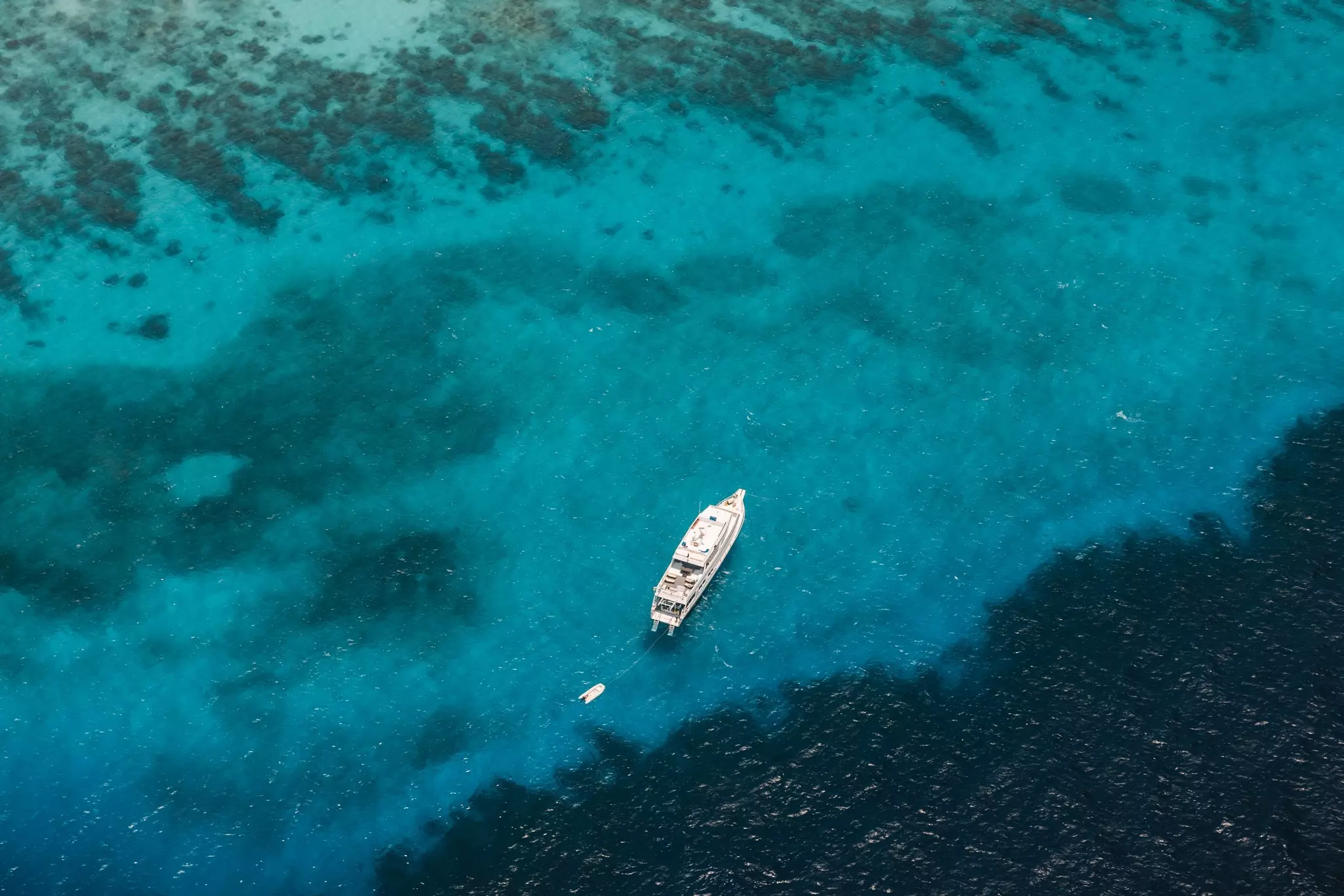
For a dive trip to Belize, you’ll want to come prepared with everything you might need out on the water. For the boat, this includes a hat, sunglasses and some motion sickness medication for the long rides. Also, be sure to bring a reusable water bottle to reduce the amount of plastic that you use. Every dive boat has a water refill station, and you’re definitely going to be thirsty after time in the sun and practically drinking salt water.
As for your dives, you may prefer to bring your own mask and snorkel rather than relying on the equipment at the dive shop. The Caribbean is wonderfully warm, but you may want a rashguard for the deeper dives or for general sun safety. If you do bring sunscreen, look for reef-safe brands to protect the wildlife.
You’ll also want a camera that can film underwater to capture all of the amazing sites. I always use my DJI Osmo Action. It comes with a scuba diving kit and is super intuitive underwater with only two buttons that you need to worry about. If you plan on going to the Blue Hole, you may also want a drone to capture videos of it from above.
Acacia traveled to Belize at the invitation of the Belize Tourism Board. Lonely Planet does not accept freebies in exchange for positive coverage.
Explore related stories