Aug 11, 20267 min read
What to Know Before Visiting BelizeApr 21, 2026
7 MIN READ
Contributors
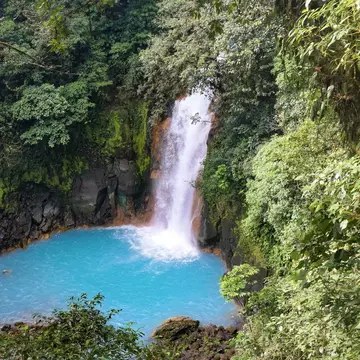
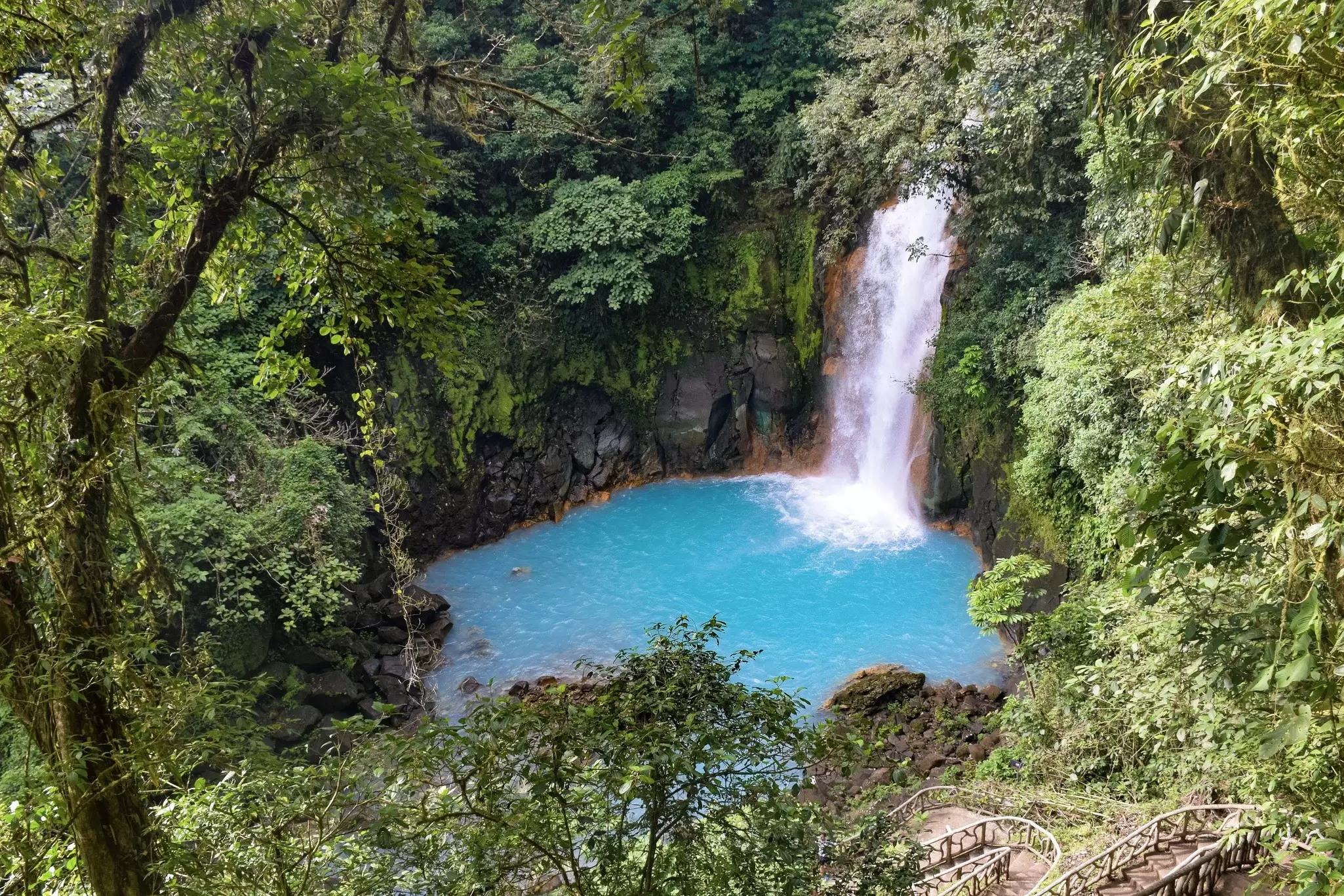
Rio Celeste Waterfall in Costa Rica. Emma Shaw/Lonely Planet
Contributors


Carolee Chanona, Mara Vorhees
Highlights
Writers Carolee Chanona and Mara Vorhees pit Belize against Costa Rica.
Head to Belize for the Great Blue Hole, Cockscomb jaguar preserve and coral atolls.
Costa Rica lures wildlife lovers with four monkey species, sloths and 850 bird species.
Pick Belize for reef diving and Maya caves, or Costa Rica for cloud-forest hikes.
Lonely Planet may earn a commission from affiliate links on our site. All recommendations and reviews reflect our own independent opinions.
Central America astounds travelers with its gorgeous beaches, exciting hikes, ancient ruins and – above all else – extraordinary natural beauty. As you mull a getaway to this region of small countries and huge pleasures, two of its most welcoming destinations will surely rise to the top of your list: Belize and Costa Rica.
Since it's incredibly difficult to choose between this idyllic pairing, two of Lonely Planet's writers have come together to make the case for their favorite. The final decision is up to you.
Carolee Chanona has called Belize home for over 30 years, and she lives in, writes about and explores all over this wonderful nation as a freelance travel writer.
Ask yourself: why are Costa Ricans getting a little salty over tiny Belize, which is more than twice as small? Perhaps because their country, long known as the adventure capital of Central America, has found some healthy competition in its younger, wilder, English-speaking cousin.
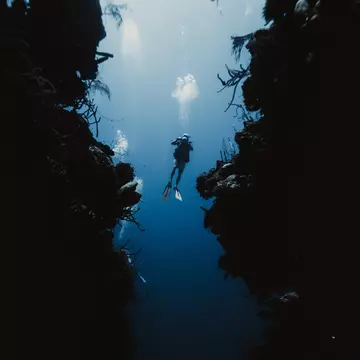
Belize might have played shy in the past. Now? It’s impossible to be low key about the Great Blue Hole – which can be seen from space – or the world’s first and only jaguar preserve, Cockscomb Basin Wildlife Sanctuary. Even the small stuff shines: a wildlife documentary recently called the Belize Zoo “the best little zoo in the world.”
The world’s second-longest barrier reef runs parallel to all 185 miles of Belize’s coastline. In fact, nothing in Belize is far away, with short domestic flights doubling as strikingly scenic aerial tours.
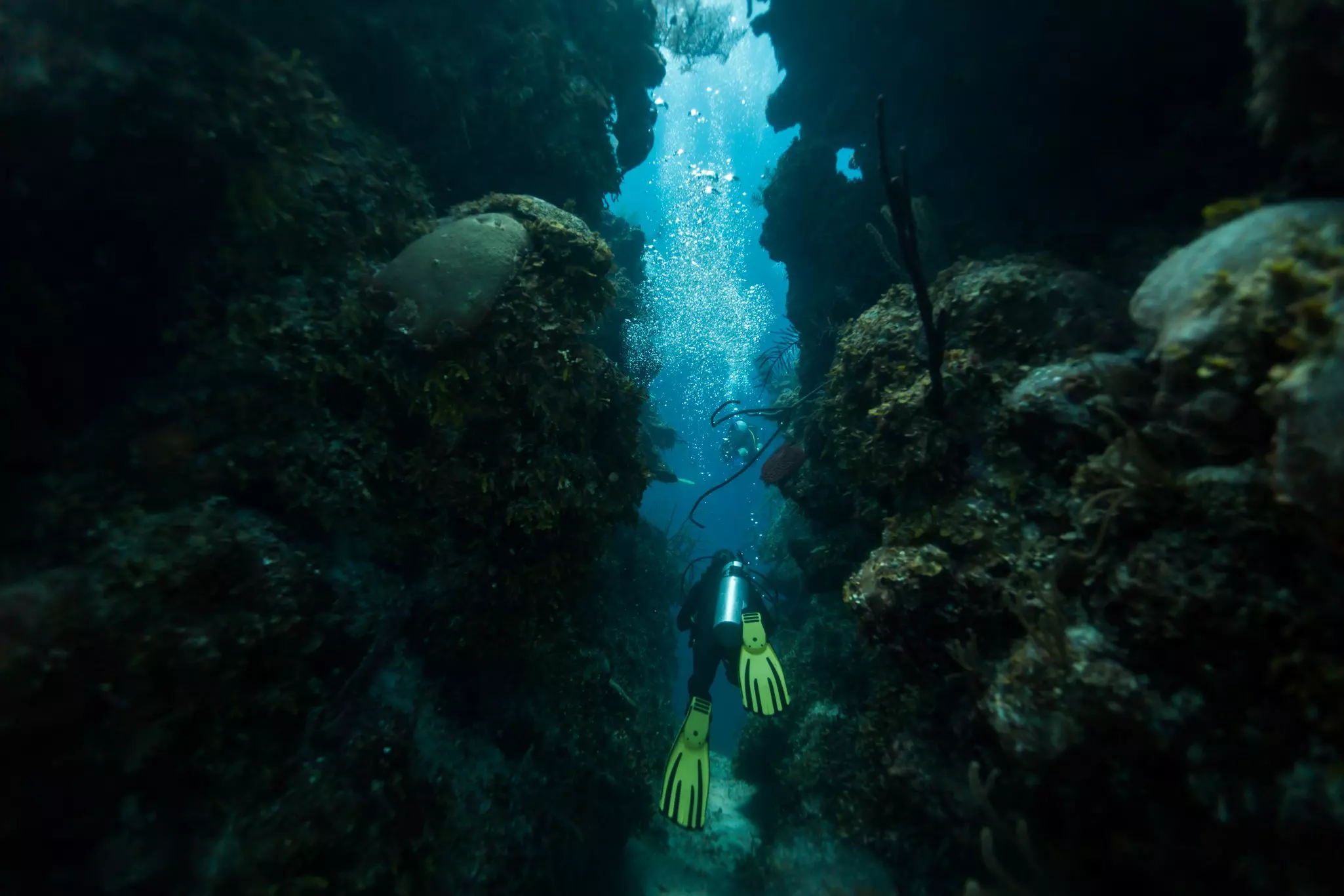
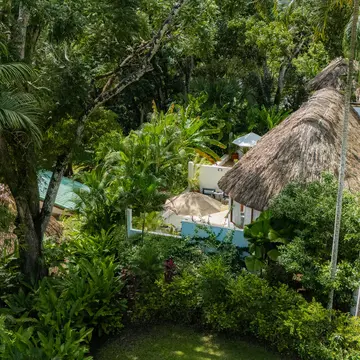
Who needs volcanically formed islands when you have Belize’s coral-reef–formed cayes (pronounced “keys”). Sandy, flat and crystal-clear shallows surround all 400 of them, which range from spits of sand like Sergeant’s Caye to full-fledged municipalities like 25-mile-long Ambergris Caye. Belize’s accommodations are boutique and range from eco-lodgings and rainforest resorts to private islands like Manta Island and Ray Caye.
You can’t blame UNESCO for naming the Belize Barrier Reef an outstanding natural system: there’s simply no rival for exploring marine life by scuba diving and snorkeling. Lighthouse, Glovers and Turneffe are Belize’s three pristine coral-reef atolls and constitute three out of the western hemisphere’s total of four.
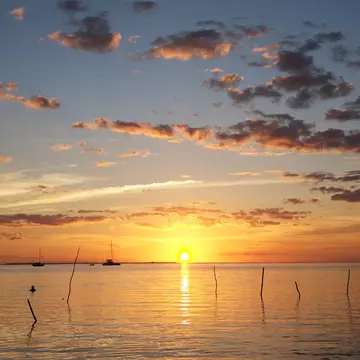
Belize’s glorious, uncrowded beaches wash away any cravings for Pacific waves – with sugary strands of gold stretching the 16 miles of the Placencia Peninsula and floury powder on cayes that’s so soft, you risk sinking in more than your toes. Unlike in Costa Rica, you won’t need to pay a farmer (or anyone, actually) to get access, while gentle waves mean year-round wading. Expect to hear admonitions to “go slow, ” especially in Caye Caulker – as well as plenty of Kriol, the local dialect, always spoken quickly.
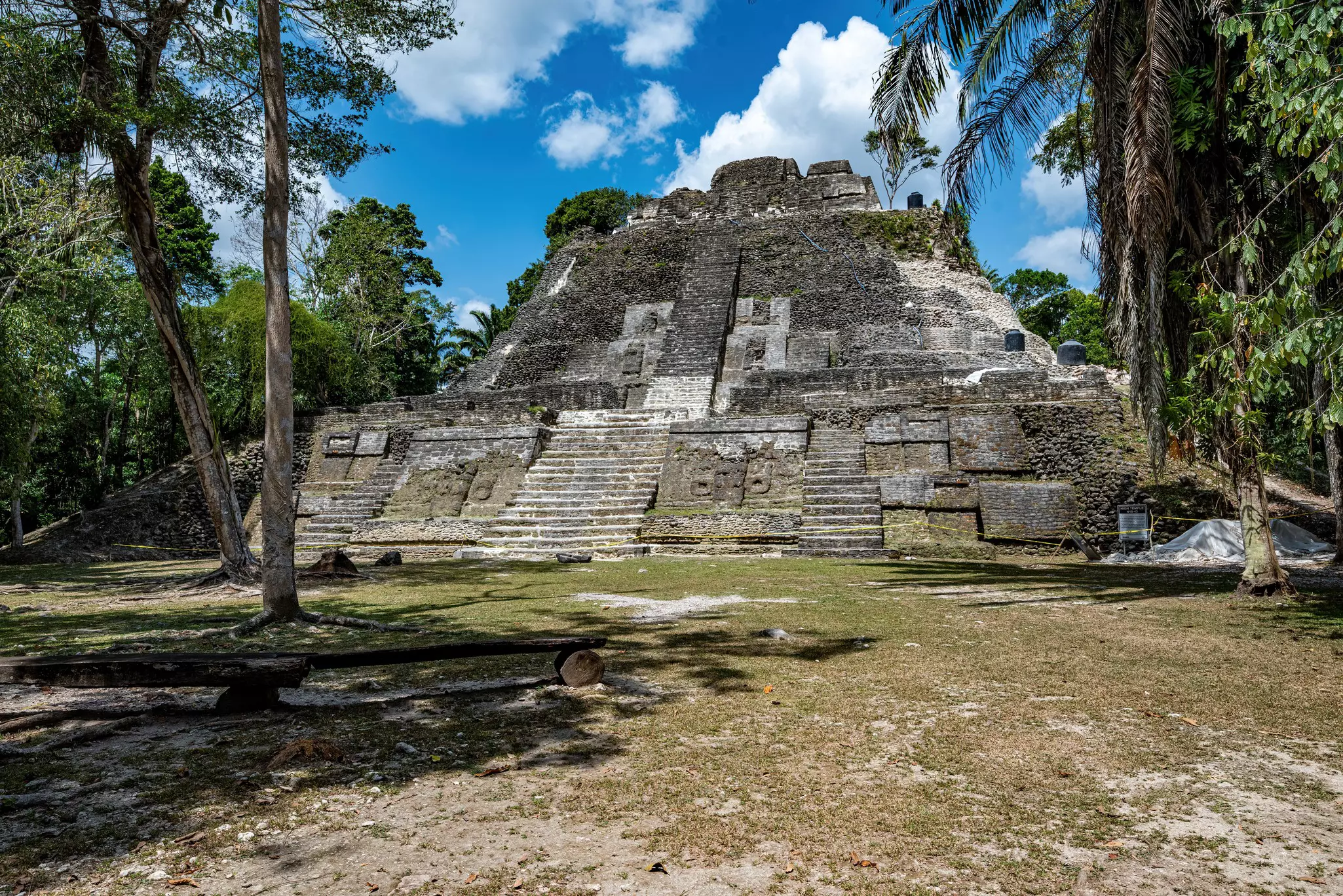
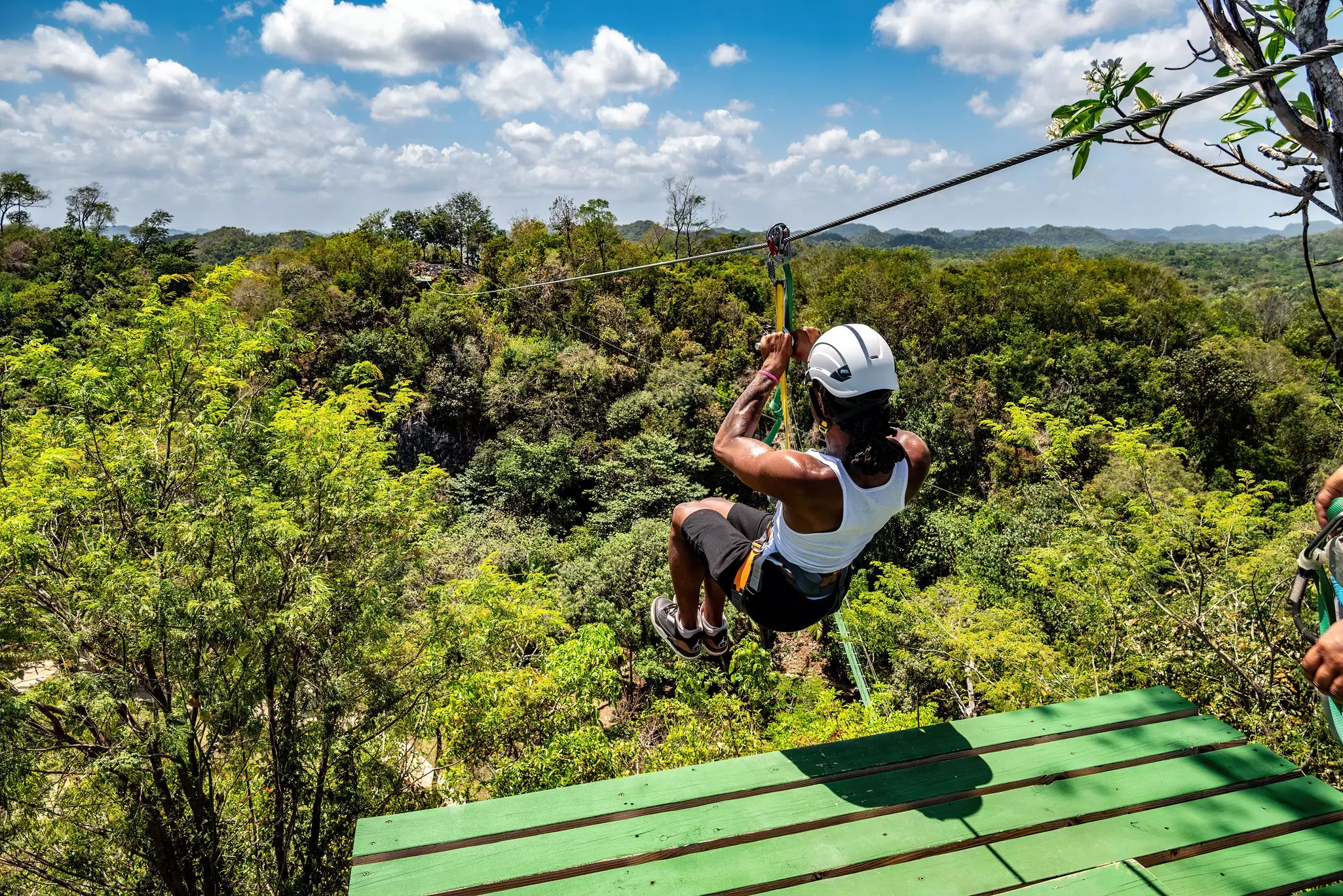
The weathered temples at 600-plus Maya sites play coy in five of Belize’s districts. And in the sixth, you’ll zip-line across the Stann Creek District, or rappel down waterfalls and hike on trails past oversized ferns in the majestic Maya Mountains. Then turn inward: the 540,000-sq-ft Chiquibul Cave System is the longest in Central America – though you can see stalagmites, cave pearls and rock chandeliers inside any of Belize’s 300-plus caves on foot, by inner tube or from a canoe.
Belize’s beguiling way of life can be experienced in many ways: the sheer giddiness of a fly-fishing grand slam in Toledo’s Permit Alley; drumming lessons that pivot to punta (a traditional Garifuna dance) parties of show-and-tell on the beach in Hopkins; drinking in the sunlight in the waist-deep waters of Actun Tunichil Muknal, a sacred underground cave that you’re allowed to capture with your eyes only. Even the glare from 1600ft of tumbling white water at Thousand Foot Falls is brilliant, blinding and thrilling.
Annatto-spiced stewed chicken, soft pockets of fried dough called fry jacks and spiced chimole soup that’s black as onyx – the fusion of Central American and Caribbean cuisine in Belize may surprise you. Because for every person who loves Costa Rican coffee, there’s another who adores award-winning Belizean chocolate.
All it takes is one taste of bite-sized Belize to be hooked.
Mara Vorhees is a coauthor of Lonely Planet’s guide to Costa Rica, a country she has been traveling to and writing about for nearly three decades.
When I arrived in Costa Rica for the first time, I made a beeline to the Península de Osa, with the hope of getting into the rainforest and spying some wildlife. The monkeys did not disappoint, and I fell in love with this wild and wonderful corner of this country. The expanse of coastal forest, the scarlet macaws squawking overhead, the rustic yet luxurious eco-lodges: I was hooked – and craved more.
Nearly 30 years later, after exploring every mile of this incredible isthmus, I can say with authority that every region is a destination worth discovering, from the beaches on both coasts and the majestic mountain range that cuts right down the middle to the dry forest, the rainforest and the cloud forest and everything in between. Sweet little Belize can hardly compete with this wonderland of biodiversity.
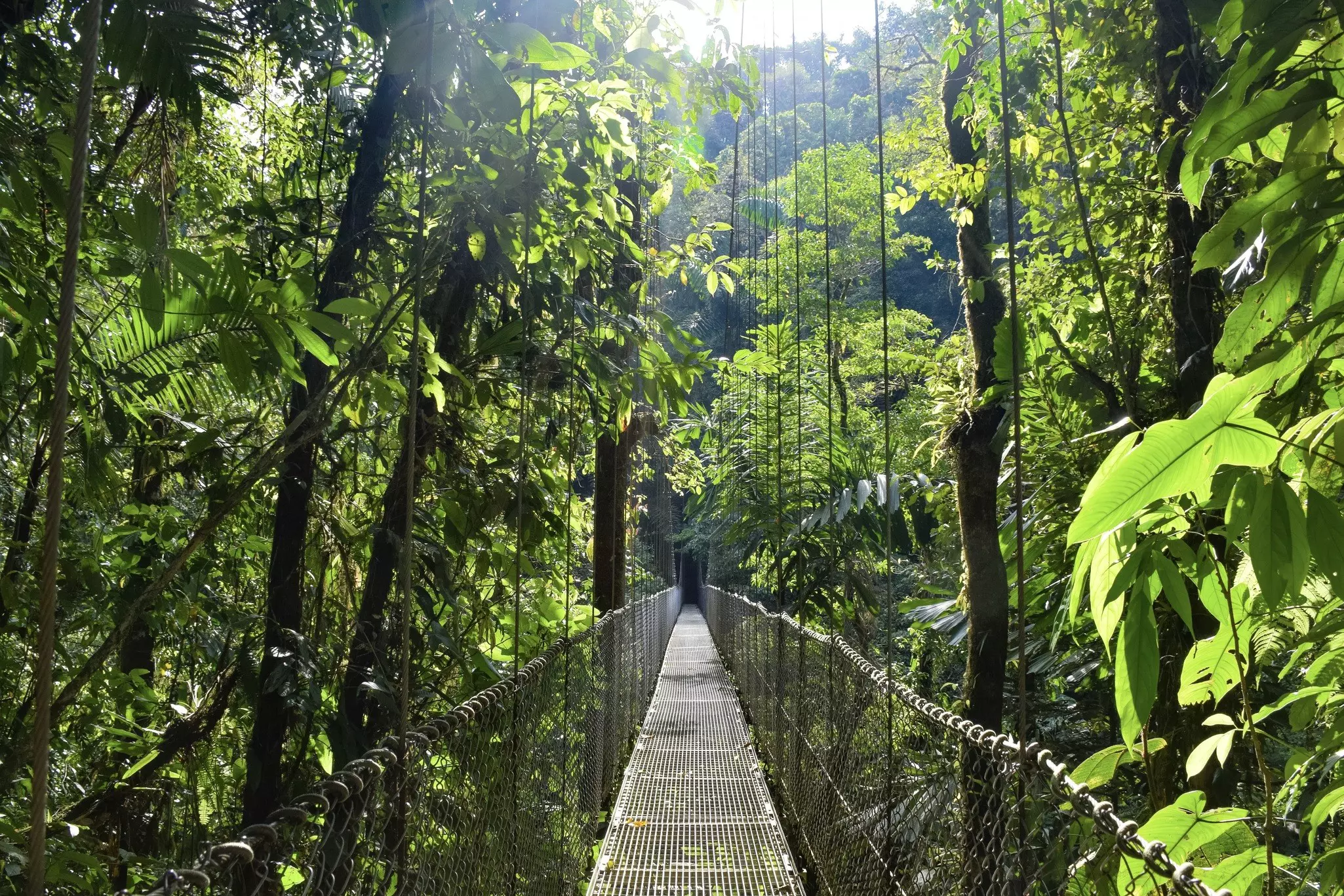
Sure, some places in Costa Rica are more developed and touristy than others, but given the range of places to visit in this vacation paradise, it’s far from overrun. This forward-looking nation protects an impressive 28% of its land territory and 30% of its territorial waters in the form of national parks or private reserves. Do some of the popular destinations get crowded during the high season? Yes – but many more places still feel undiscovered. You don’t have to be Francis Drake to find a deserted beach or empty patch of wilderness to explore.
By protecting its land and waters, Costa Rica preserves the habitats of a tremendous diversity of creatures. It’s not just the monkeys (although the four species found here are charismatic indeed). You might also spot smiling sloths, nosy coatis, quirky agoutis, hungry anteaters, lumbering tapirs, basking iguanas and toothy caimans, and some 850 species of birds flutter through these parts too. Costa Rica’s fauna is the country’s premier attraction, and you can see it all in its natural habitat. In fact, you’re likely to see it without even looking for it.
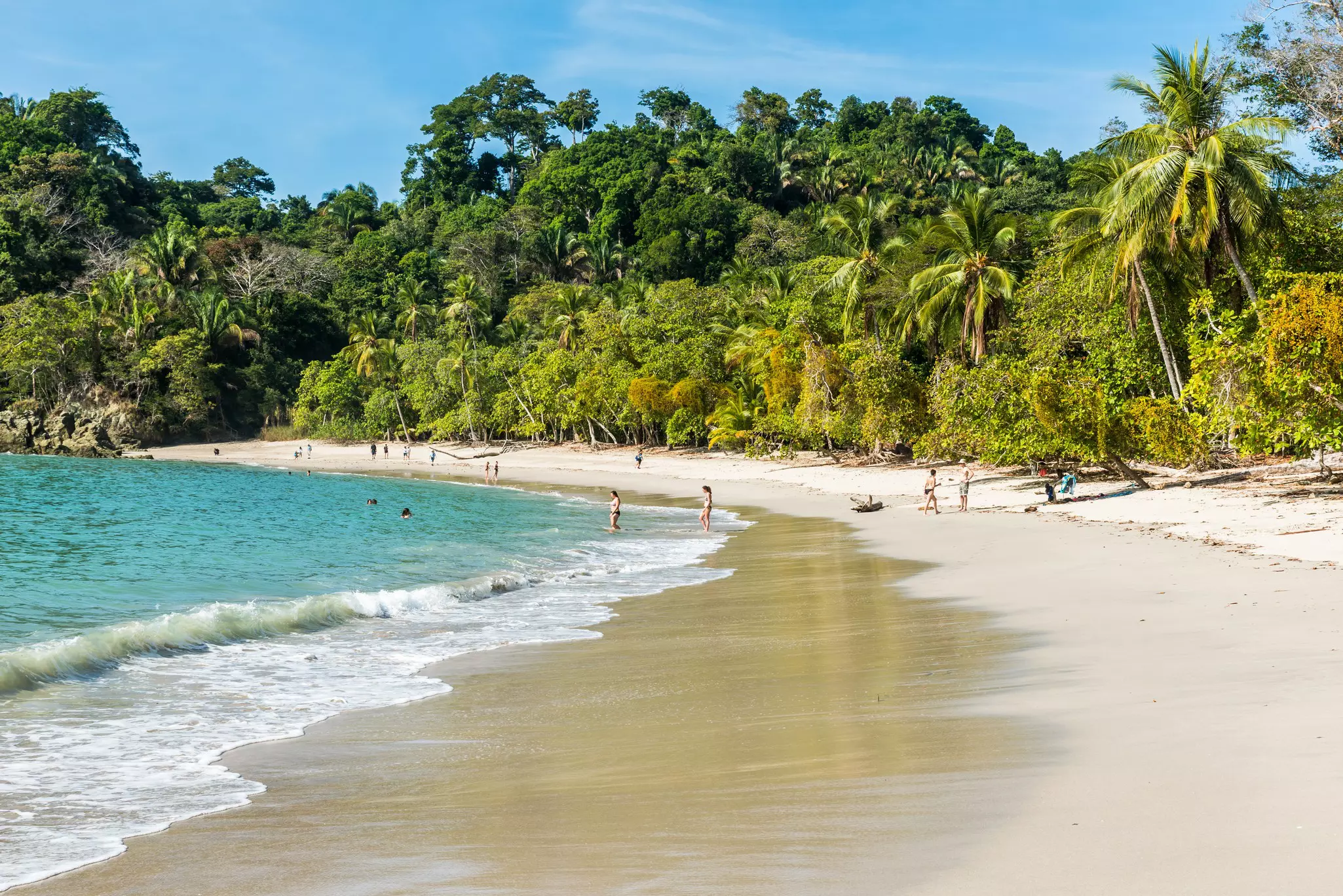
Do you like hanging out on stunning beaches? I thought so. Costa Rica has over 200 strands on two coastlines to sample, with beaches for surfing (some of the world’s best), snorkeling, swimming or just sunbathing. There are wild, deserted beaches backed by dense forest, and there are more civilized beaches with chaise lounges and beach bars. They don’t call this country the “rich coast” for nothing.
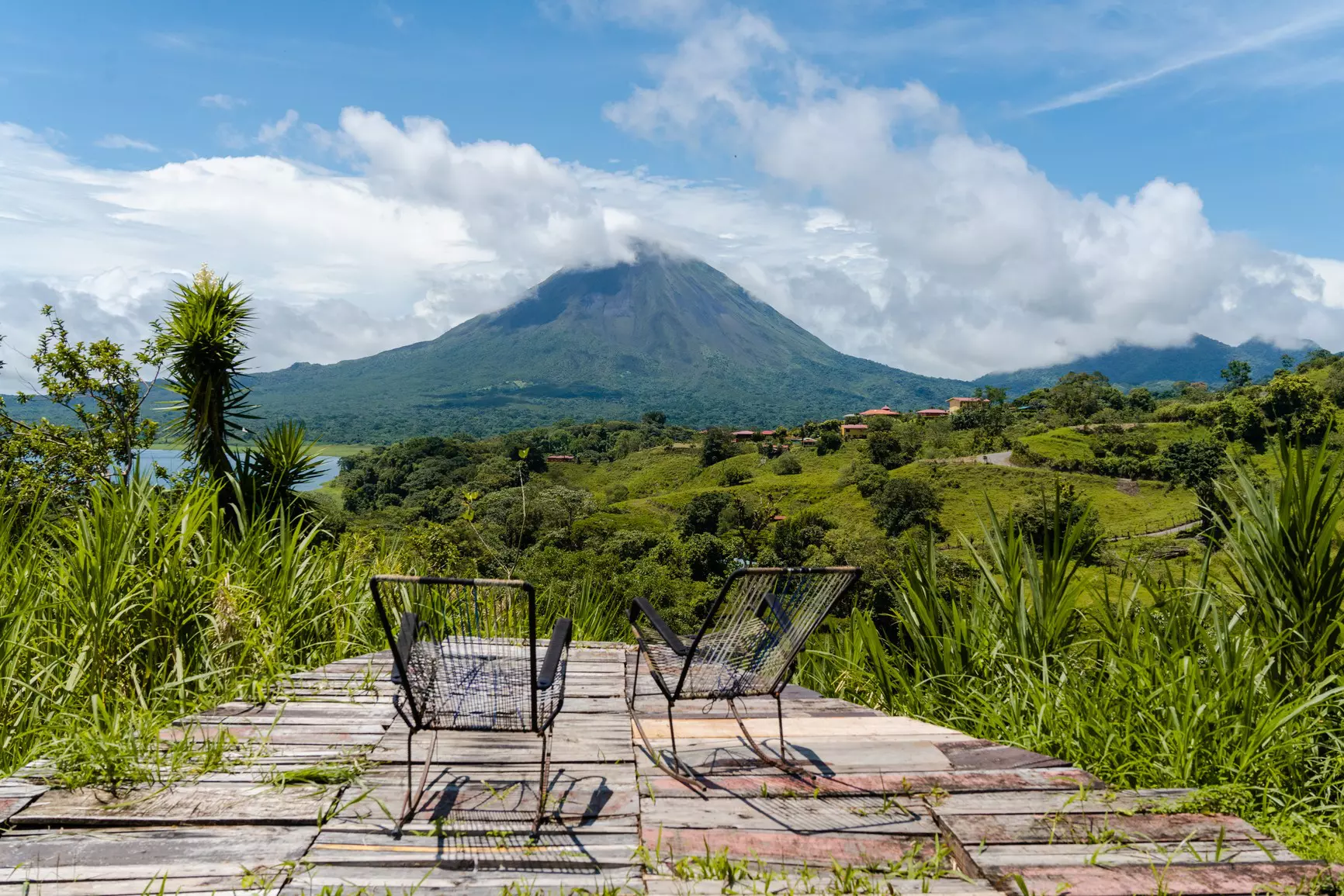
Venture away from the coast and the landscape changes dramatically, rising into the lush forest-covered mountains that define this country. A series of stunning volcanic peaks beckons visitors to peer into their steaming craters and soak in their thermal pools. Cloud forests – swirling with mist and dripping with epiphytes – invite explorers to soar through the treetops and swim under luscious waterfalls. The country’s highest peak, Cerro Chirripó, rewards hikers with spectacular vistas stretching to both coasts.
The appeal of Costa Rica is best summed up by two words: pura vida. Pure life. You’ll hear this expression frequently on any visit, offered as a sincere wish that you might enjoy your time in this modern-day Eden. It’s a valediction, an affirmation and a state of mind, reflecting an appreciation for the awesomeness of the natural world and our role in it.
Book your Costa Rica trip with Lonely Planet Journeys
See Costa Rica how it's meant to be seen
Planned by local experts and tailored to you, Lonely Planet Journeys handles the logistics so you can just enjoy the trip. Tell us what you want and we'll build your Costa Rica itinerary from scratch, or browse our bookable trips to get inspired.


Explore related stories