Sep 27, 20269 min read
The 10 Best Places to Visit in VietnamJul 8, 2026
10 MIN READ
Writer
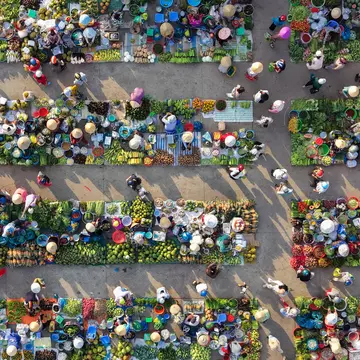
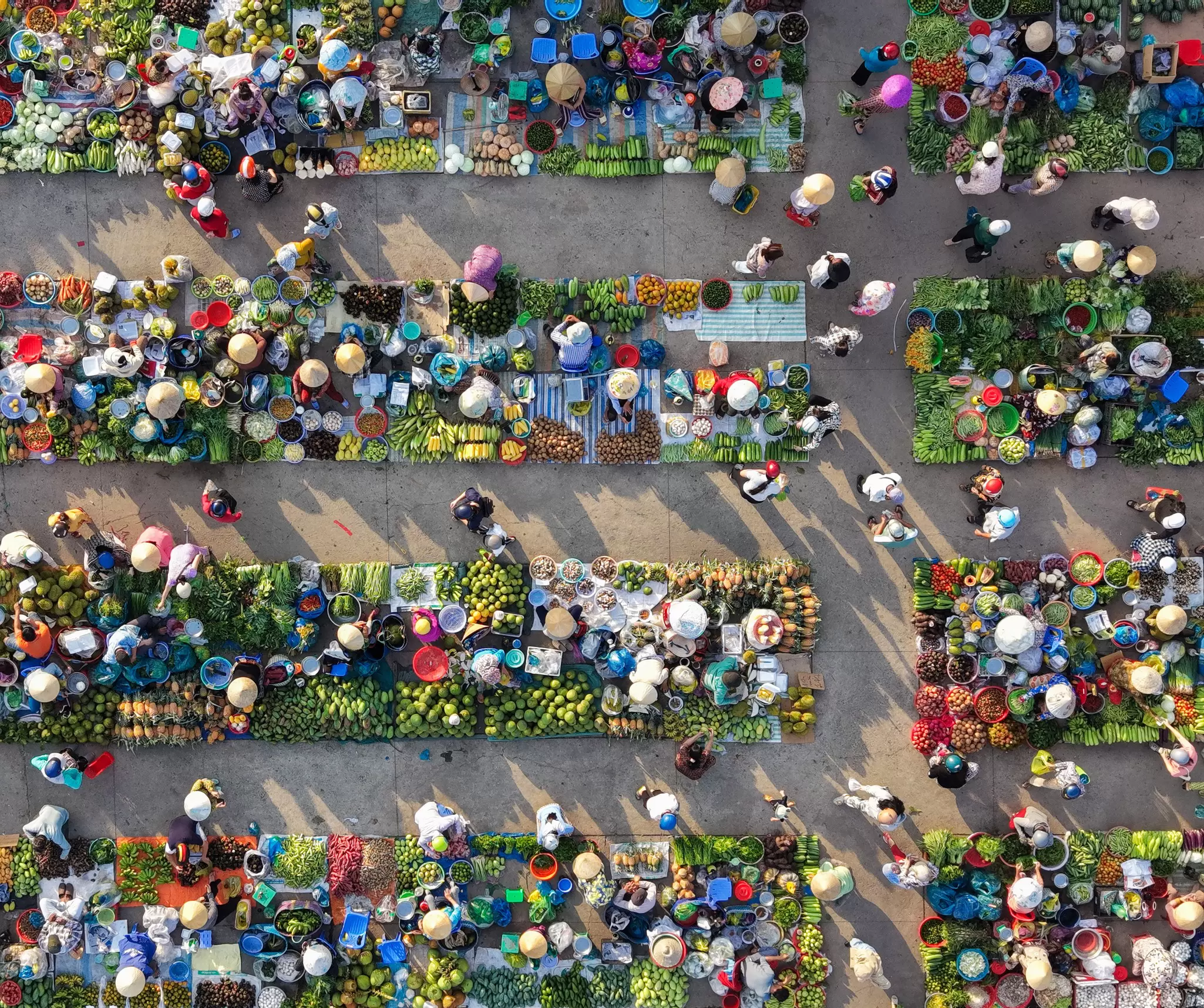
Aerial view of Chom Hom market. Alex Sheal
Writer
Highlights
Hanoi-based writer Alex Sheal rounds up nine markets from Hanoi to the Mekong.
Long Bien Market buzzes with Hanoi's night wholesale; Gioi's warren rewards thrifters.
Head to Dao San in Lai Chau for colorful Hmong and Dao markets every Sunday.
Try Chom Hom's squatting market in Hau Giang and Long Xuyen's floating market in An Giang.
Lonely Planet may earn a commission from affiliate links on our site. All recommendations and reviews reflect our own independent opinions.
In Vietnam, markets (cho) are not just places to buy and sell goods, but points of orientation and social gathering. In cities, they may offer everything under the sun, or specialize in certain regional products; in towns, they tend to focus on fresh groceries and textiles. In rural areas, particularly the mountains, it’s all of the above, plus livestock, tools and entertainment for weary shoppers traveling there from far-flung villages. Some markets are open every day, while others happen weekly, or only on certain lunar days. The odd one gathers annually. For travelers, a trip to the market is a window into the culture, a chance to meet locals, and simply a fantastic way to spend a couple of hours on your adventures. May these nine traditional cho help you discover the true joy of market-going in Vietnam.
Best for night owls
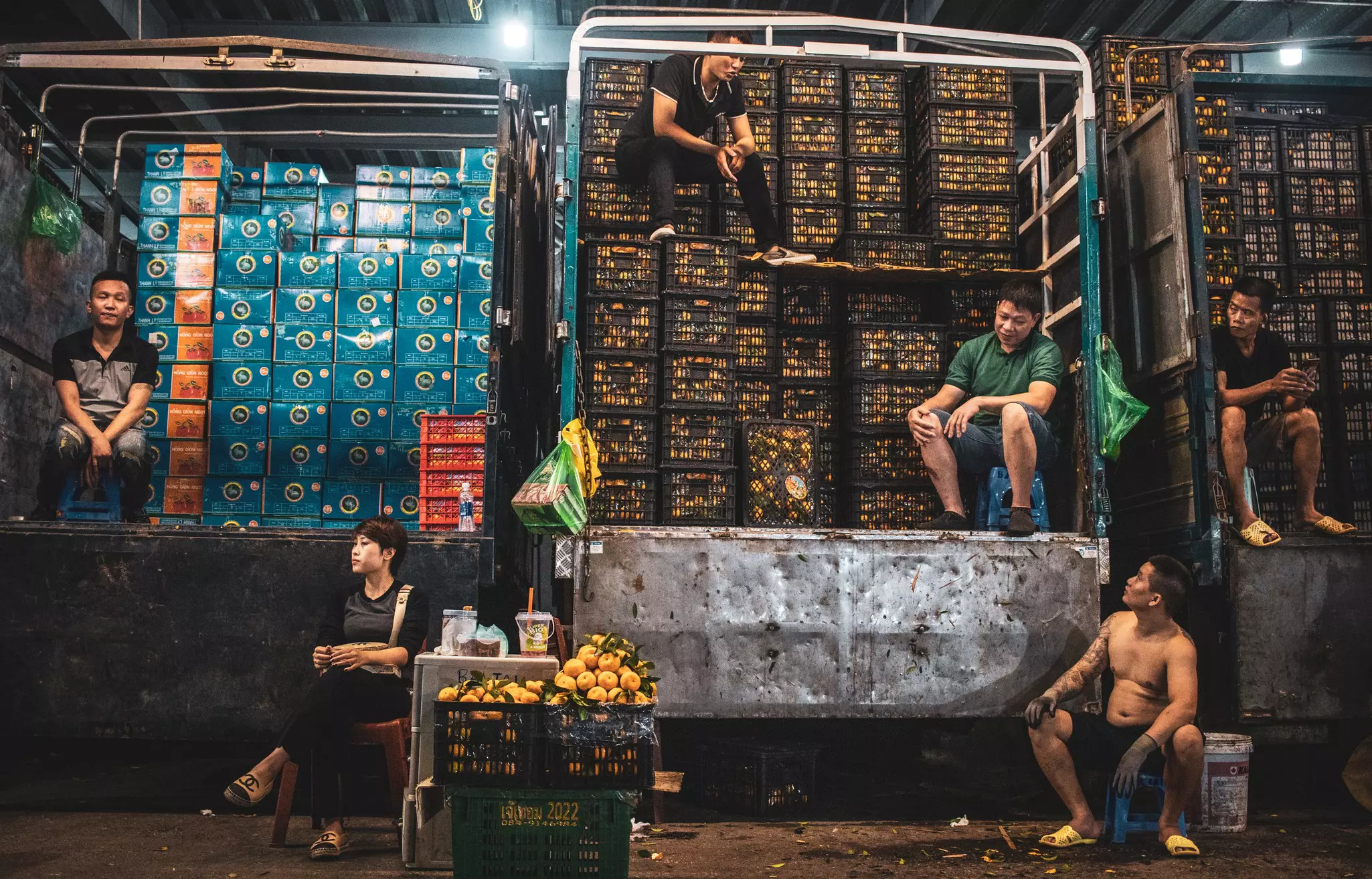
The undisputed don of Hanoi’s open-air markets is only a stroll from the city center, and located right under century-old Long Bien Bridge. Whether visiting at the beginning of the night or in the early morning, grab a top-down view from the bridge before venturing into the chaos. A wholesale hub serving central Hanoi’s shops and restaurants, the market gets going at around 9pm, as trucks roll up bearing produce from all over Vietnam. This is not a tourist market, or even one for individual shoppers, so make sure to respect the workers’ space (and look after yourself) as you enjoy the immersive experience. In particular, keep an eye out for wagon-pulling porters hurtling through the crowds, plus fruit vans reversing round blind corners. Prepare to get your feet wet in the seafood section, where cases of iced shrimp, squid and shellfish slosh across the floor. As day begins to dawn, conical-hatted sellers arrive across the bridge overhead by bicycle, bringing baskets of veg from market gardens along the Red River.
Planning tip: Going to Long Bien for the late shift? Combine it with a visit to Quang Ba night flower market, just a short Grab ride up the road.
Best for adventure-seekers
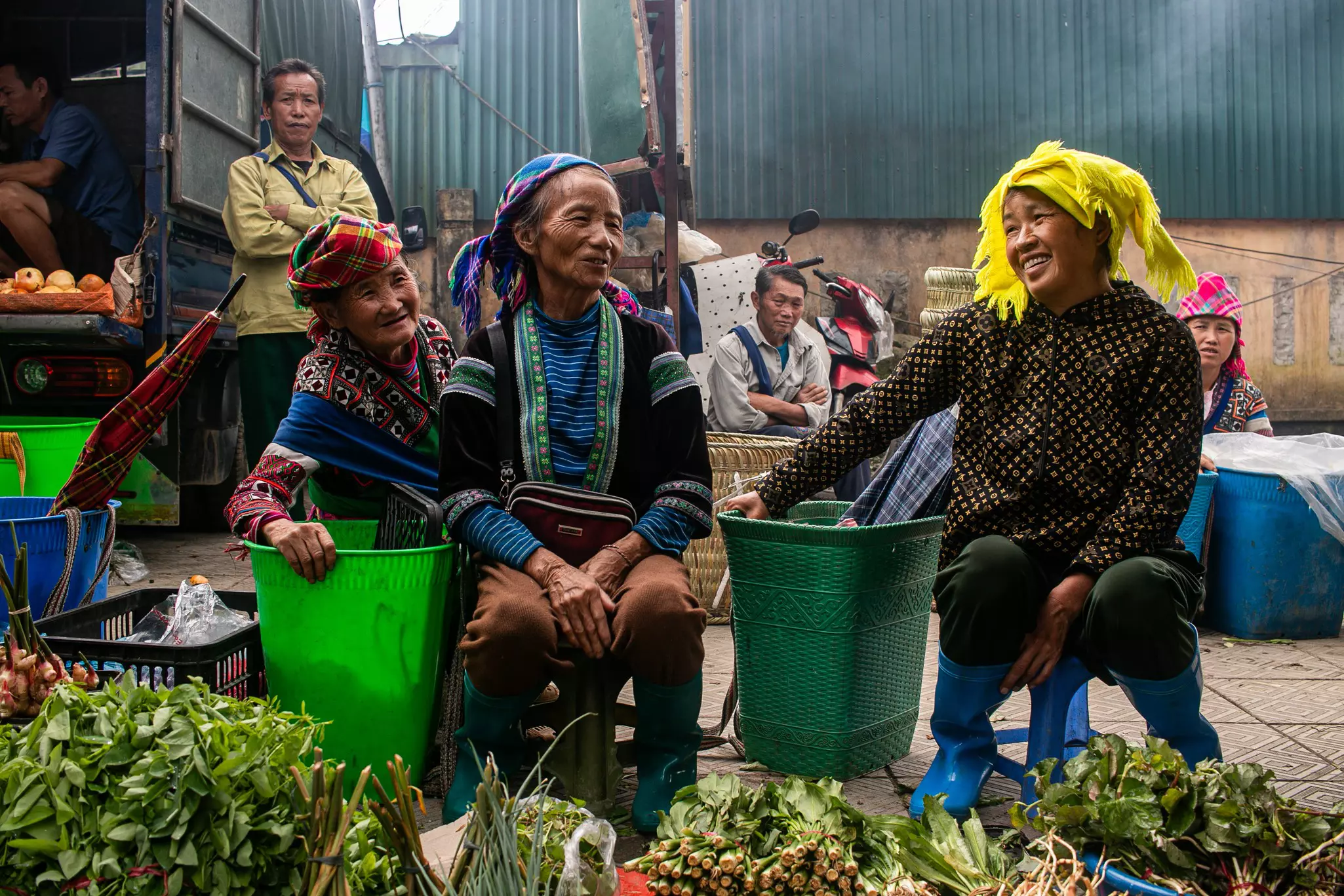
High up in the hills of northern Lai Chau lies one of Vietnam’s most distinctive and colorful tribal markets. A throwback to the old days in Ha Giang, Dao San has kept its character, thanks to its location in a remote frontier zone. On Sundays, various minority groups, including the Dao, Hmong and Ha Nhi descend on the town to shop, do business and catch up with friends. Along with the fresh produce and smoky food shacks, check out the billiards hall bursting with teenage pool sharks, the raucous dawn drinking den, and the dentist treating a queue of patients dressed in tribal regalia. Fuel up with a coffee and sweet banh ran (fried rice cake) before exploring further - or heading back downhill to enjoy the lush surrounding landscapes at leisure.
Planning tip: For foreigners wishing to stay in Dao San overnight, police in Lai Chau will require permits. Border officers may ask to see a passport or visa (photos and scans are fine) from even those just passing through.
Getting there: It’s best to stay the night in Lai Chau city, then get an early start for Dao San. The drive takes around 2 hours (plus you’ll want time for scenic stops) and the market wraps up by lunchtime. For those traveling independently, a motorbike is preferable. A bus also heads to Dao San from Lai Chau station at around 6:45am.
Best for craft enthusiasts
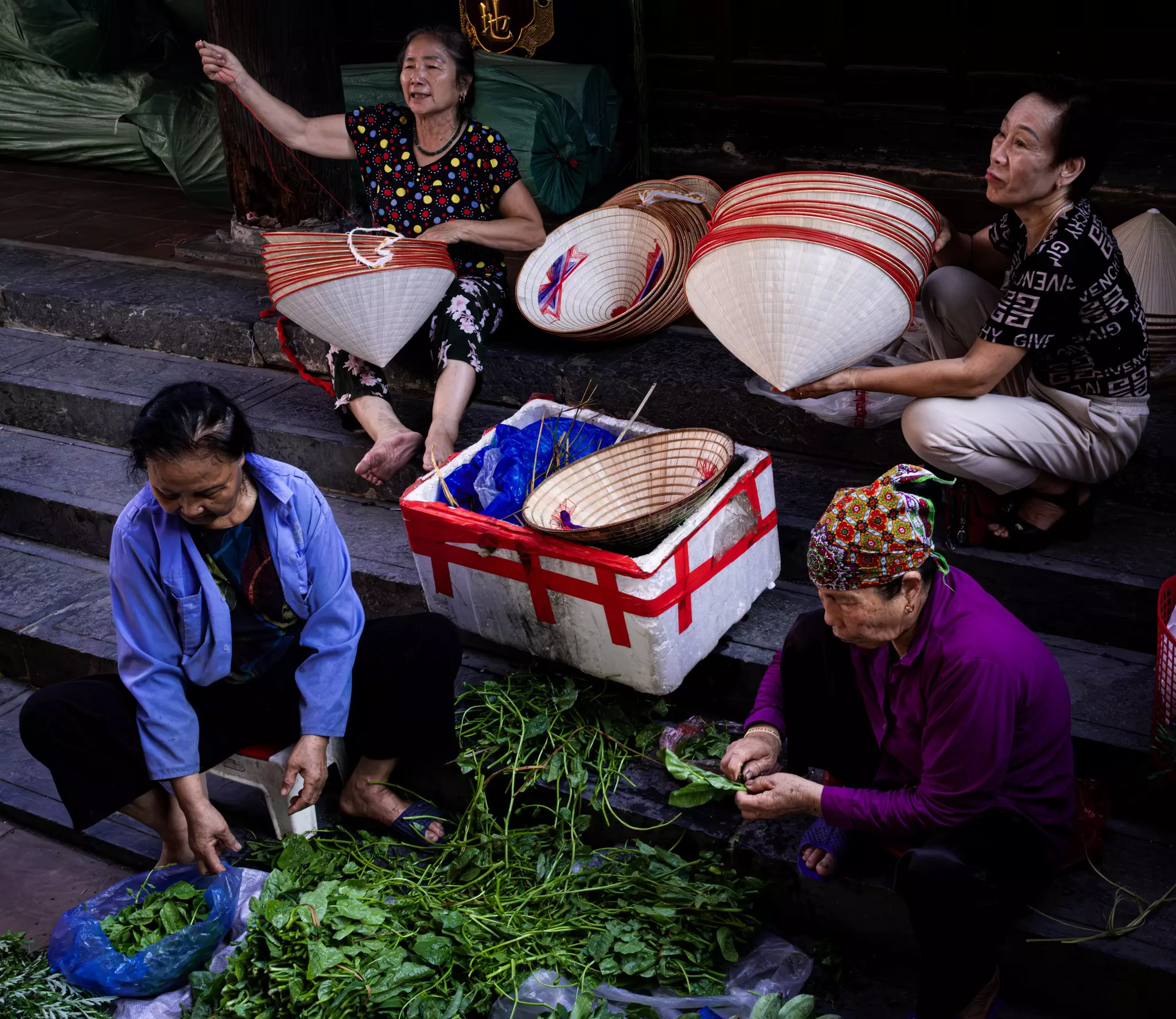
Chuong, on the outskirts of Hanoi, has a tradition of conical hat (non la) production reaching back 300 years. It’s an intriguing visit to see hat-making demonstrations – and even to make your own – at dedicated shops around the village. But if you want to experience the culture of non la at source, get down to Chuong’s market. Running between 4:30-7:30am on select days of the lunar month, the event attracts hatters from surrounding villages, many of whom inherited the craft from their mothers and grandmothers. The heart of the action is Chuong’s ancient communal house, where traders buy and sell the palm leaves, bamboo strips and ready-made frames for making non la, as well as finished hats. You can even see hats being crafted and mended on the spot, rather than as a show for visitors. After purchasing an elegant headpiece or two, dig into a breakfast of local speciality bun cha la lot dau (rice vermicelli with grilled betel leaf rolls and tofu) in the adjacent covered market.
Planning tip: The conical hat market is only held on the 4th, 10th, 14th, 20th, 24th and 30th days of the lunar month.
Best for cultural explorers
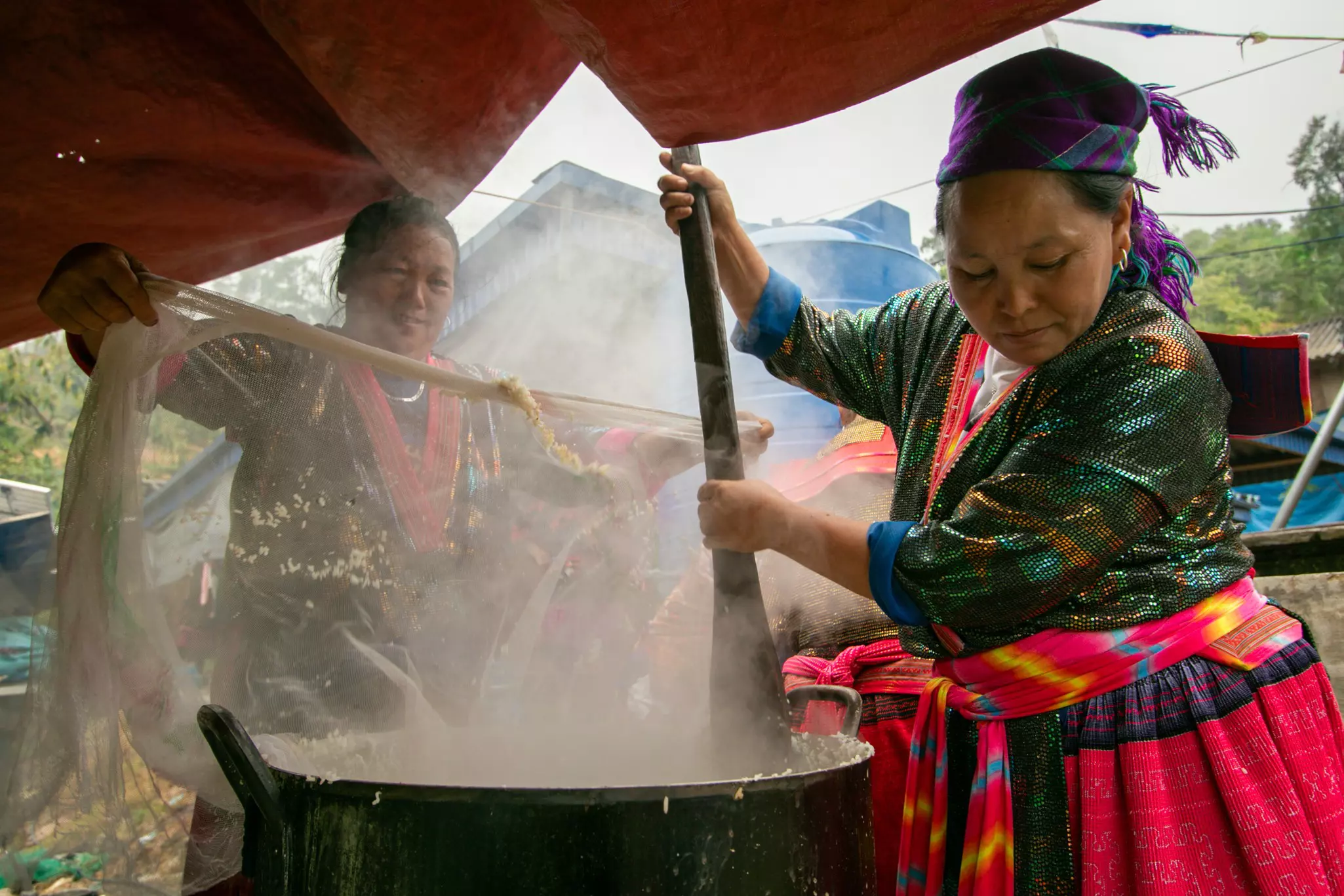
Deep in Dien Bien province, Ta Sin Thang town hosts what is reputed to be Vietnam’s oldest continuous tribal market. It may also be the most scenically-set, in an area of jungle-covered hills, swooping rice valleys and a rocky volcanic plateau. On market mornings, the winding paths around town fill with brightly-attired Hoa and Hmong families on the way to their weekly meet-up. Join them among the stalls to find purveyors of handmade jewelry, wild honeycomb and unusual flora from the forests of Tua Chua district. The area is also home to ancient Shan Tuyet trees, and you’ll find shops near the market entrance selling their tasty, lightly-flavored tea by weight. The market runs on a six-day cycle, landing on the signs of the horse and the mouse, meaning you’ll need to consult a lunar calendar for the correct schedule.
Getting there: This is the really fun part. Dien Bien Phu city is accessible from Hanoi via long-haul bus or short-haul flight. After that, it’s best to arrange your own wheels to take you to Tua Chua district. Alternatively, ask at your hotel in Dien Bien Phu for minibuses to Tua Chua town. From there, catch another local service to Ta Sin Thang.
Best for thrifters
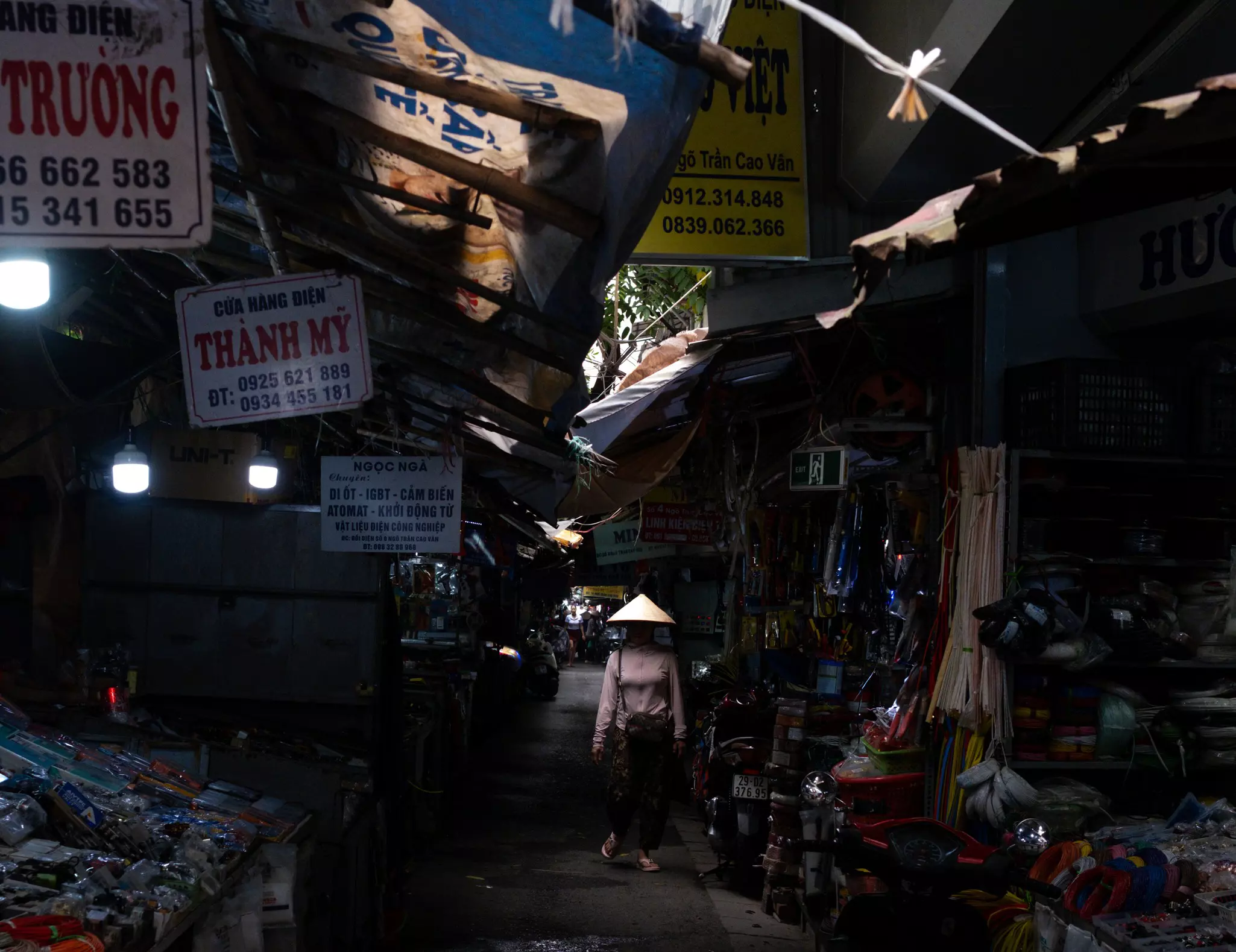
The origins of Hanoi’s Cho Gioi are as shady as some of the items on its shelves. Records of its role as a market for stolen and used goods date back to the 1950s, while its name has a double meaning, gioi denoting both "flea" and "sky." The latter title apparently derives from its open-air kiosks, but it’s also said to suggest you can buy "anything under the sky" there. Indeed, you’ll find all manner of second, third and tenth-hand items for sale, especially electronics and auto parts, construction tools, wiring, but also cassette collections from the 80s, home furnishings and retro clocks. The market spreads warren-like among backstreets between Pho Hue and Lo Duc, and encompasses conventional shops, tarp-covered stalls, tiny cubby holes and corner spots for freelance sellers. It’s a place to wander, to get lost, and if you do that well enough, you may stumble into its best-kept secret, a French colonial-era mortuary reborn as a pensioners’ ping pong club.
Planning tip: Gioi market can be an assault on the senses, especially the ears. Escape from the motorbike horns afterwards with a lakeside wander in nearby Reunification Park.
Best for seafoodies
As dawn breaks over central Vietnam, a magical scene unfolds on certain beaches. Fishing boats anchor offshore, the crew taking turns to ferry their night’s haul to the sand via basket boat. Buyers converge to greet them, in search of the freshest seafood to resell in local markets and restaurants, or simply for their own table. Tam Tien is one of the busiest of these beach markets, and, perhaps thanks to its distance from Hoi An (an hour by road), little-visited by foreign tourists. Stay close by if you plan to visit the beach market, as it starts before sunrise and wraps up in just a couple of hours. Prepare yourself for a rude awakening – the market is bustling, brash and often breached by waves. Dive in and purchase some fresh squid, shrimp or even giant sea snail to grill on a breakfast barbecue.
Planning tip: You’ll find plenty of budget accommodations near Tam Tien, with a few places overlooking the beach itself, and great-value Tam Thanh Beach Resort and Spa slightly further north.
Best for river lovers
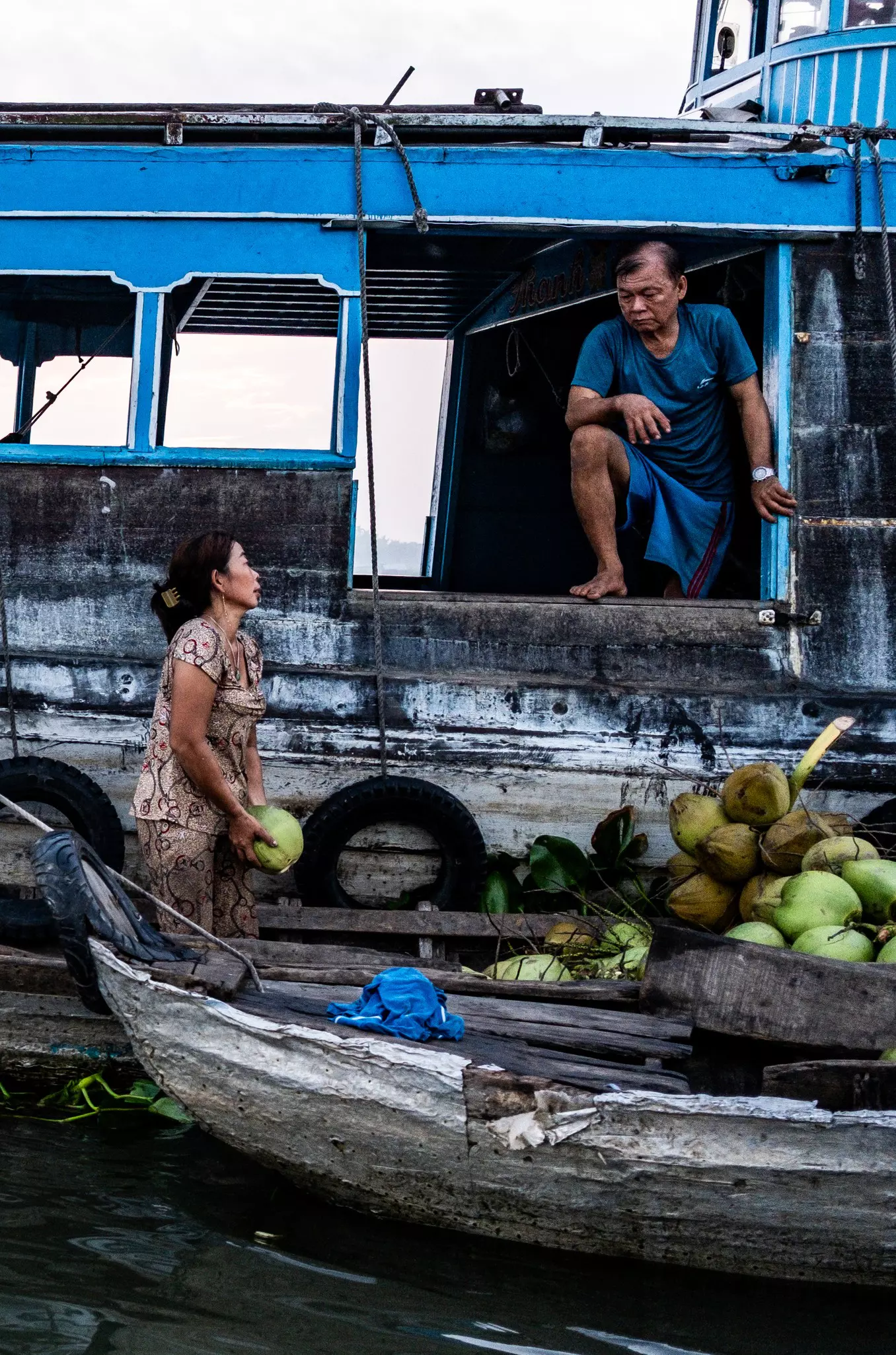
Long Xuyen’s floating market is believed to be the last fully operational one in the region, but even this has nearly vanished. From O Moi jetty, hire a longboat at daybreak to visit a community of floating houses nearby, where you’ll see bulk trading of watermelons, pineapples and various greens. It’s also worth it to glimpse people’s life on water, as they slurp a noodle soupon deck, do jumping jacks or ready the children for a ferry to school. However, the real commerce now goes on at the town market beside the boat dock, particularly its riverside fish and crustaceans section. Take a stroll among the busy stalls, as sunbeams slant through the awnings. Notice traders carting their wares from boats on the riverbank right up into the market for sale.
Planning tip: Saturday and Sunday are the busiest days for the floating market, and it only runs in the early morning.
Best for local farmers’ produce
Literally meaning "Squatting Market," Cho Chom Hom, in the southern city of Vi Thanh, is a classic Mekong farmers’ meet-up. It gets going in the early hours each day, and draws sellers from all over the district, who lay out their offerings in pleasingly neat rows, displaying everything from field rat, frog and eel to fragrant tropical fruit and veg. Living up to its name, the mostly female traders squat or sit on tiny stools, and will invite you to try (and hopefully buy) their assorted, field-fresh produce. As the gathering is open-air, the Mekong sun sets the place ablaze by around 9am, which also explains why it begins to resemble a conical hat convention. Some sellers even tie an extra protective layer on top of their hats, resourcefully adapted from foil motorbike seat shades. Unless following suit, you may wish to take cover in the nearby food court and enjoy a delectable bowl of bun rieu cua (crab noodle soup).
Getting there: Vi Thanh is only an hour from Can Tho by road, making it an easy excursion via local bus.
Best for romantics
Perhaps stretching the definition of "market," Moc Chau’s cho tinh or "love market" is one of several in northern Vietnam. Held annually on September 1st, the event traditionally draws Hmong minority people from near and far in search of new love, or to rekindle old flames. Once a fairly informal get-together featuring Hmong games and performances, with the evening devoted to shadowy rendezvous, the "market" has become more commercial and family-friendly in recent years. Still, it makes for a fascinating encounter with Hmong culture in northern Vietnam, both its rich customs and modern incarnation. Look out for the style icons in brightly-patterned tunics, shades and high heels, the fierce football showdown between local villages, hoi cho (trade show) promoting tribal delicacies, and the occasional old-timer busting out a tune on the khen (Hmong pipes).
Planning tip: Aside from the love market, Moc Chau is a gorgeous district worth a few days’ exploration. Check out its lush tea hills and enjoy a wild swim at Chieng Khoa waterfall.
Book your Vietnam trip with Lonely Planet Journeys
See Vietnam how it's meant to be seen
Planned by local experts and tailored to you, Lonely Planet Journeys handles the logistics so you can just enjoy the trip. Tell us what you want and we'll build your Vietnam itinerary from scratch, or browse our bookable trips to get inspired.


Explore related stories