Nov 9, 202618 min read
Vietnam After All These YearsSep 27, 2026
9 MIN READ
Writer
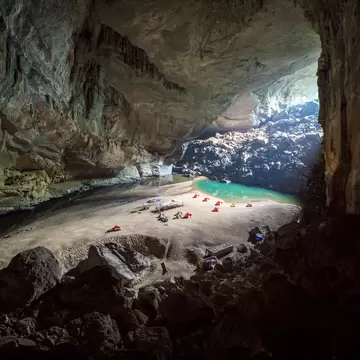
Hang En in Phong Nha-Ke Bang National Park. James Kelley/Getty Images

Writer
Highlights
Writer Joe Bindloss picks 10 places across Vietnam, from beaches to mountain passes.
In the south, head to Phu Quoc for beaches or HCMC for frenetic nightlife.
Hoi An's Old Town shophouses and Hue's imperial Citadel reward history lovers.
Hanoi is the north's cultural anchor and launchpad for Ha Giang's winding mountain roads.
Lonely Planet may earn a commission from affiliate links on our site. All recommendations and reviews reflect our own independent opinions.
Terraced emerald landscapes, history-steeped ancient sites, idyllic beaches, energetic cities: Vietnam is a magnet for visitors in search of unforgettable travel memories.
With blissful sands, Cham-era ruins and two of Asia’s liveliest megacities, Vietnam serves up all sorts of experiences, so it pays to spend some time planning your trip. Where you want to go will influence whether you fly into cultured Hanoi in the north or busy Ho Chi Minh City (HCMC) in the south – or whether you bypass these two mighty metropolises altogether for the laid-back beaches of tropical Phu Quoc or majestic mountains of Ha Giang.
Start your travel planning now with our favorite places in Vietnam, including unmissable cities, beaches, islands and national parks.
Best for first-time visitors

Every trip has to start somewhere, and the ideal point of arrival for first-timers is Vietnam’s historic capital. In addition to easy infrastructure, inexpensive accommodations, world-class dining and more history than you’ll ever have time to take in, Hanoi is the leaping-off point for the islands and outcrops around Halong Bay and the forest-draped trails of the mountainous northwest.
The city has many fantastic things to see and do. An while you can’t go wrong, you absolutely must make time to graze through Vietnam’s catalog of street food treats, and pause to soak up the atmosphere in the Old Quarter’s cozy cafes.
Planning tip: To enjoy Hanoi nightlife on a budget, swing by the streetside bia hoi (draft beer) stalls at busy Bia Hoi Junction on the drinking strip of P Ta Hein.
Best for underground adventures

Vietnam’s biggest natural attraction – literally – is Hang Son Doong Cave, the largest cavern in the world by volume and a true natural wonder. Though an entire New York City block could fit inside its vast main passage, visitor numbers are strictly controlled; this monster cavern is only accessible on costly guided treks, which book up many months in advance.
The good news is that Phong Nha-Ke Bang National Park is pockmarked with numerous other caverns that you can clamber, crawl, boat or zip-line through for a fraction of the cost. Trips to the Tu Lan, Phong Nha and Paradise caves are possible on a shoestring budget.
Planning tip: A higher fee will buy access to Hang En, where trekkers set up tents on an underground beach, illuminated by shafts of natural light.
Best for imperial history

The former capital of the Nguyen dynasty – which ruled over large parts of Vietnam, Laos and Cambodia in the 19th and 20th centuries – drips with imperial history, despite the ravages of US bombers during the American War.
Much was lost in Hue, but the grandeur of dynastic Vietnam lives on in the Citadel and Imperial Enclosure, housing the emperor’s residence, temples, palaces and court. At one time, entering without imperial compound permission would bring instant death.
Just outside town are the tombs of Vietnam's greatest emperors, resting serenely in green compounds beside the Perfume River. Another relic of royal rule is Hue's imperial cuisine – arguably the finest in the country. Try a spicy bowl of bun bo Hue (vermicelli noodle soup) or a crispy banh khoai pancake, and you’ll see what we mean.
Planning tip: To stay one step ahead of the crowds at Hue’s imperial tombs, rent a motorcycle or scooter to explore. And don’t miss the Thien Mu Pagoda on your way out of the city.
Best for uncrowded cruising

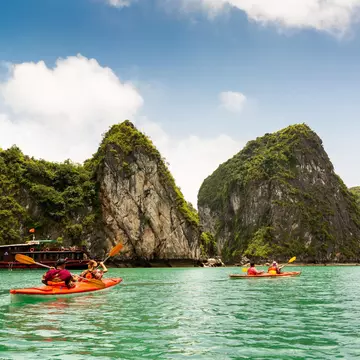
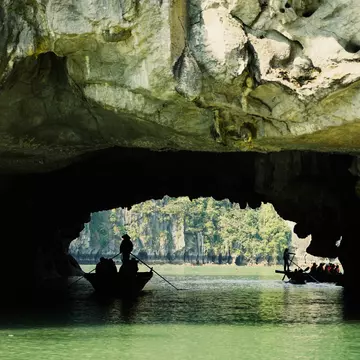
Everyone knows about the green waters and limestone islets of Halong Bay, which means it can get crowded with boats. Yet fewer know that the shimmering bays to the north and south have a more peaceful air and a similarly spectacular collection of karst outcrops and islands. While trips to Halong Bay are highly commercialized, with motorized luxury junks blowing diesel fumes around the eroded karst formations, in Lan Ha Bay and Bai Tu Long Bay, you won't have quite so many cruise ships in your photos.
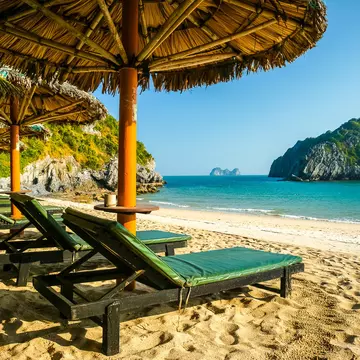
Try kayaking between the outcrops, explore the tropical trails on Cat Ba Island – gateway to Lan Ha Bay – or kick back on the sand on Bai Tu Long's idyllic Co To Island, with its collection of pretty beaches and seafood restaurants.
Planning tip: If you visit Cat Ba Island, take time to explore the trails around Cat Ba National Park. If you set out with your own guide, it’s easy to leave the crowds behind.
Best for beaches and family fun

About as far south as you can get from Hanoi without splashing into the Gulf of Thailand, the island of Phu Quoc is a beach lover’s paradise. Lapped by jewel-blue waters and edged by endless stretches of fine sand, this is a place to slip into low gear, reaching for a cocktail as the ember-colored sun dips into the bay.
But it’s far from undiscovered – local tourists come in droves for theme park thrills at VinWonders and dazzling views over the water from the world's longest over-sea cable car at the Sun World Hon Thom nature park. Phu Quoc is a popular stop for families – and, if you fancy a change from the tourist scene, there are dense jungles to explore inland from the sand.
Planning tip: Numerous Asian airlines offer flights directly to Phu Quoc from such hubs as Bangkok, Kuala Lumpur and Seoul. Also note that normal visa requirements are suspended for Phu Quoc, with visitors allowed to stay for up to 30 days, no visa required.
Best for a throwback atmosphere
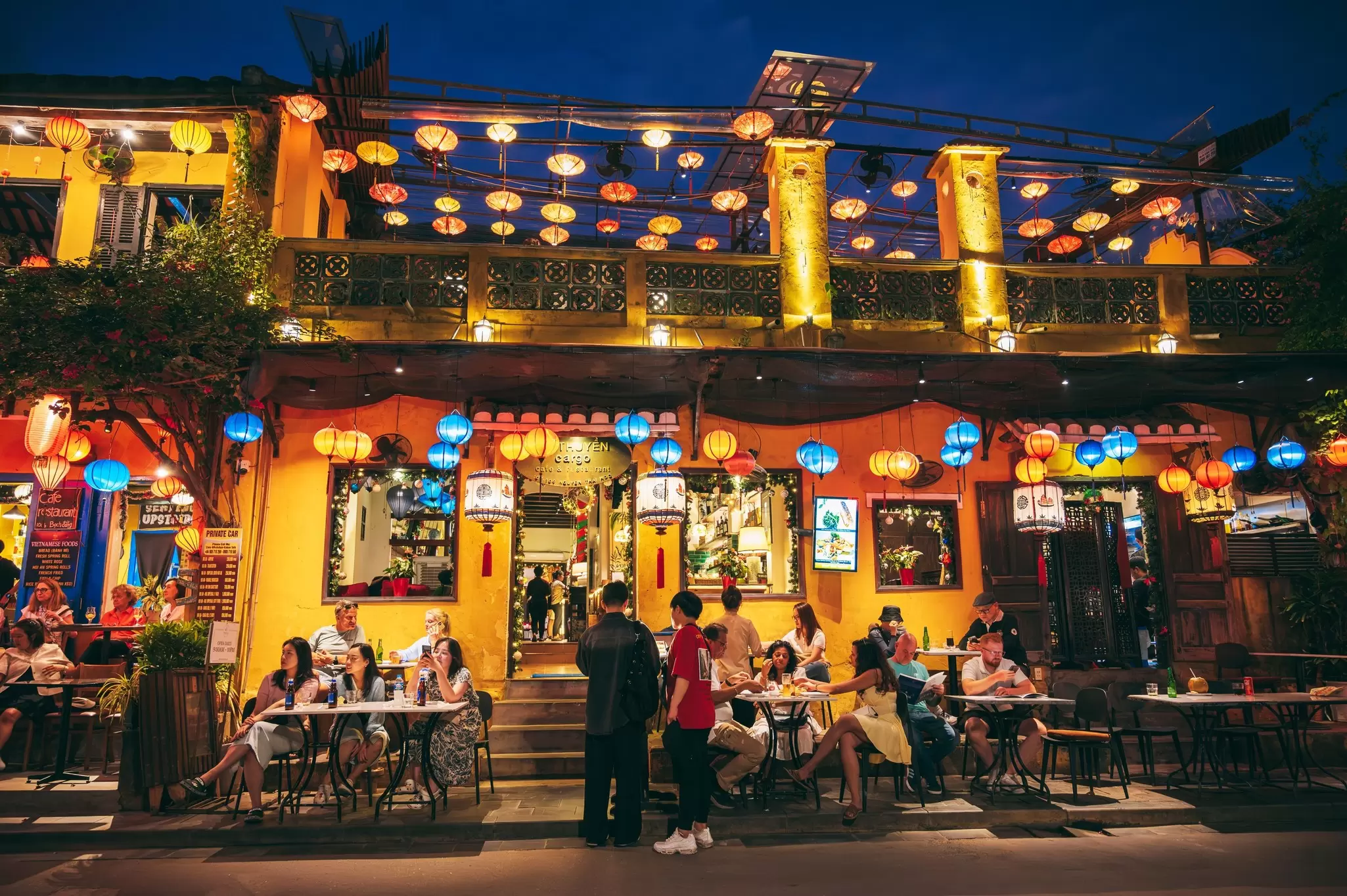
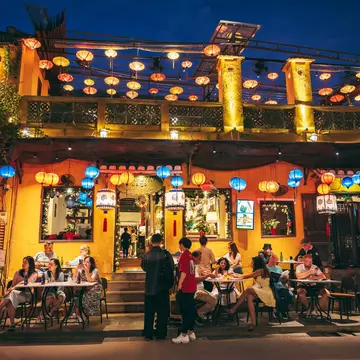
Gracious, lovely Hoi An opens a window into Vietnam’s layered past. This was once one of the most important ports in all of Asia, with traders from as far as Japan, Spain and North America filling the pockets of local merchants. These burghers used their money wisely, packing the Old Town with tidy shophouses, tea warehouses, fanciful covered bridges, elaborate Chinese-style guildhalls, and colorful Confucian and Buddhist pagodas.
But history is only the beginning in Hoi An. Many travelers stay for days, learning to make white-rose dumplings and summer rolls on chef-led cooking classes, and ordering made-to-measure suits and gowns from the city's modestly priced tailors’ shops.
Planning tip: For a change of pace, head inland from Hoi An and spend a night in a friendly community homestay in the Co Tu minority village of Bho Hoong.
Best for mountain views
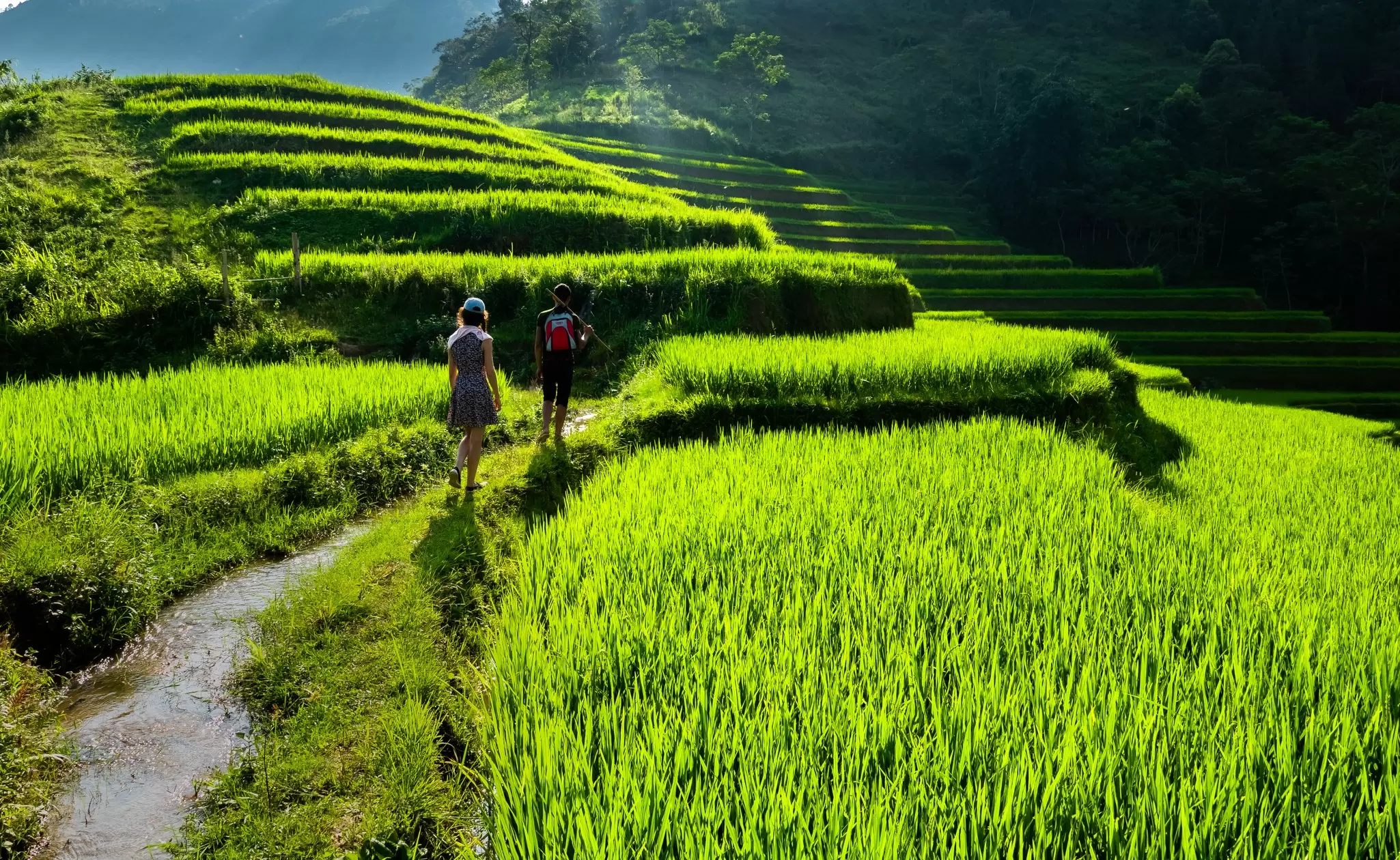
Trekking to minority villages in the hills around Sapa is one of Vietnam’s top draws – though in recent years, the country’s trekking capital has developed an unfortunately commercial, touristy feel. Hikers have to walk further every year to find the kind of rural idyll that first drew people to the country’s mountainous northwest.
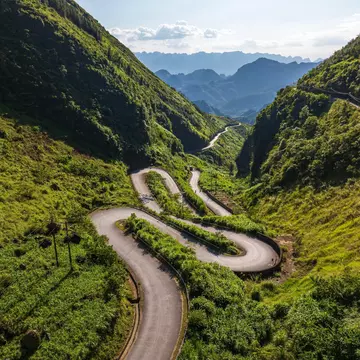
For scenic countryside without the company, remote Ha Giang province is Vietnam’s new frontier. Staying in simple village homestays, you can hike out to minority villages and rice terraces tucked between the soaring limestone peaks, and motor (or pedal) over some of Vietnam’s most spectacular passes. You’ll want to take plenty of photos on the winding mountain road between Ha Giang town, Dong Van and Meo Vac.
Planning tip: If you’re confident and experienced, rent a motorcycle or scooter in Ha Giang town and explore the hills. Be aware that you’ll need an international driving license (and a home license covering motorcycles if you plan to rent a motorcycle rather than a scooter). You can also book a tour or a local guide who will drive you through the highlights.
Best for nightlife
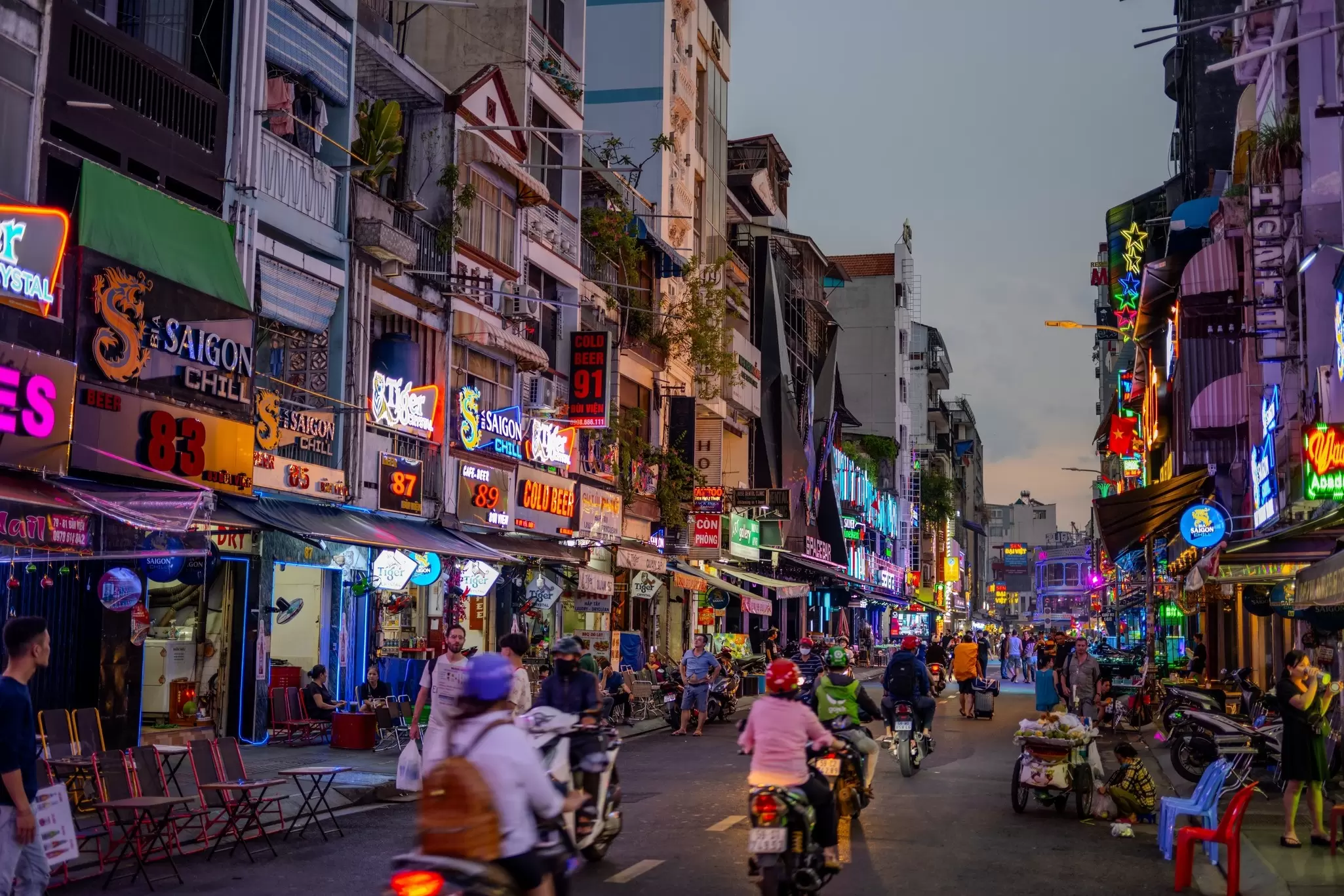
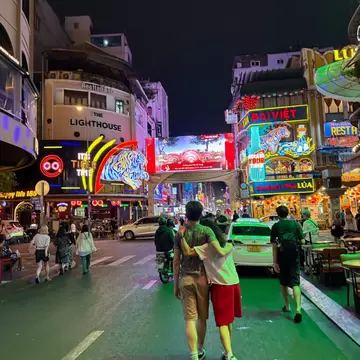
Cosmopolitan, French-flavored Ho Chi Minh City (HCMC) is the southern counterweight to Hanoi in the north, taking its cultural cues from the Mekong Delta and neighboring Cambodia. The city is fast-paced, frenetic and fun – particularly after dark, when the pavements transform into a mobile buffet of street food stalls and roadside bars.
A little of the frontier feel of the war years lives on in HCMC; you can learn more about this troubled period in Vietnamese history at such sites as the War Remnants Museum. The ghosts of French Indochina linger, too. Set aside some time to wander past the city’s colonial-era landmarks, then settle into a coffee shop with a cup of ca phe, drip-brewed Vietnamese coffee.
Detour: For a break from the city crush, swing out to nearby Tay Ninh, where the Cao Dai Holy See offers a fascinating introduction to the idiosyncratic Cao Dai religion.
Best for sunseekers
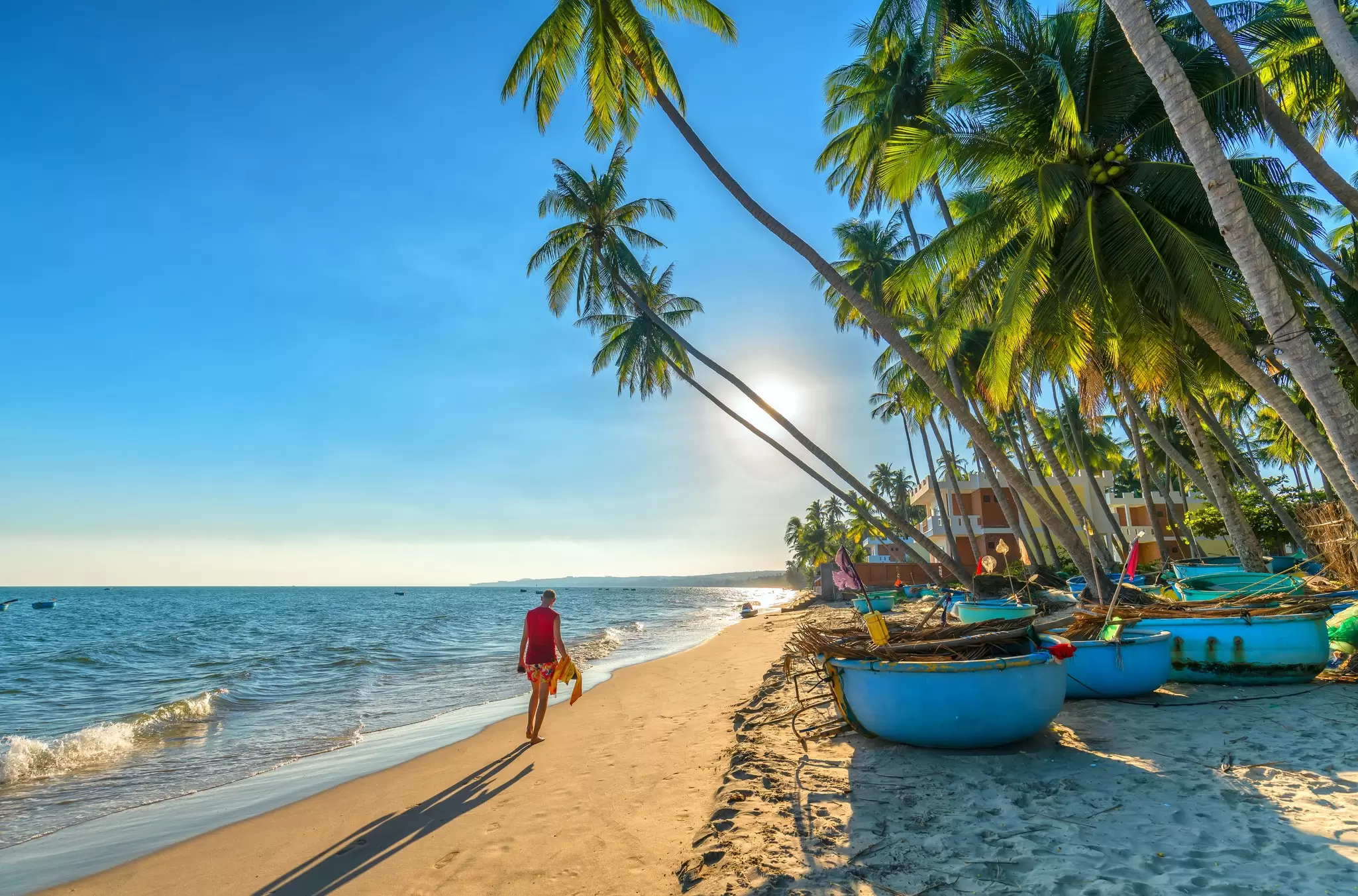
Sandy bays stud Vietnam’s central coastline, with the mood varying widely from beach to beach. Package tourists, for example, flock to high-rise Danang and Nha Trang. The latter is famed as a military R&R stop during the American War, more interesting today for its buzzing beach scene, Cham-era ruins, Buddhist shrines and delectable seafood.
We prefer the calmer beaches along the coast, where Vietnam’s old seaside charm endures. To the south of Nha Trang, Mui Ne is a lively kitesurfing hub spanning a string of sandy coves, while Doc Let Beach to the north serves up 18km of sand, surf and seafood.
Detour: For a quieter beach getaway, hit the coast between Hue and Danang: Thuan An is the gateway to a string of serene and sandy beaches flanking a lagoon-backed barrier island.
Best for lake and forest scenery
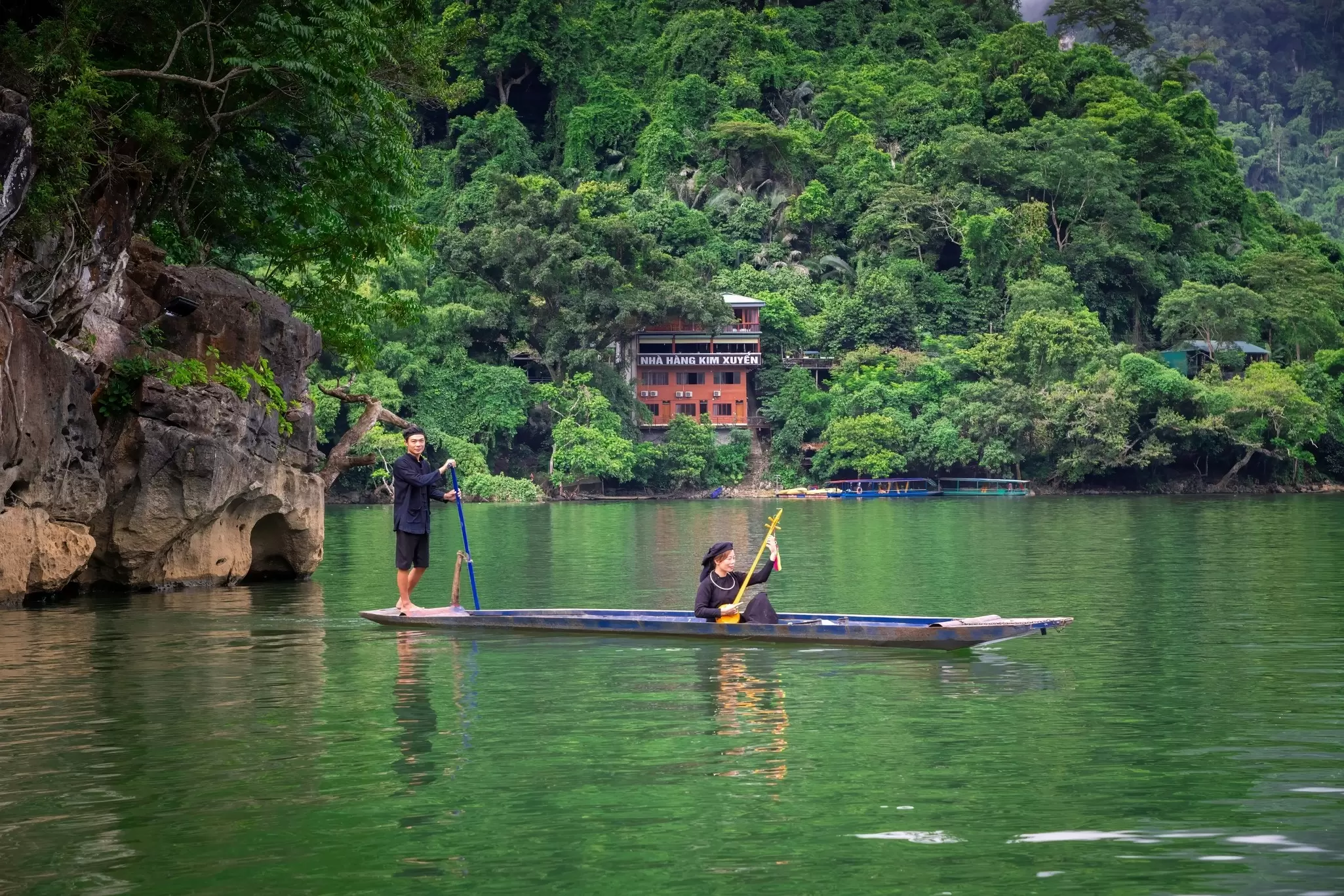
Vietnam has more than 30 national parks, which encompass landscapes ranging from coastal swamps to mountain jungles. Some are firmly on the tourist trail, with crowds that can be an impediment to spotting wildlife. That’s less of a problem in lovely Ba Be National Park, where trails weave between the limestone peaks to Hmong, Tay and Dzao villages, and boat and kayak trips cross serene lakes hemmed in by forested ridges, creating scenes worthy of a medieval woodcut.
Keep an eye out for wildlife while you explore. The park is a haven for everything from macaques and langur monkeys to rare black bears, scaly pangolins and the spectacular crested serpent eagle.
Planning tip: Comfy accommodation in village homes completes the sense of stepping off the mainstream tourist circuit. For an intimate homestay experience, check out the family-run guesthouses in Pac Ngoi village, accessible by bus from Hanoi, via the village of Cho Don.
Book your Vietnam trip with Lonely Planet Journeys
See Vietnam how it's meant to be seen
Accommodations, activities and ground transportation all taken care of, so you can focus on the fun part. Tell us what your dream trip to Vietnam looks like, and our local experts will build it from scratch. Or start with one of our itineraries and make it your own.

Explore related stories