Jun 22, 20267 min read
The 4 Best Food Cities in Asia, According to Its Best ChefsJun 22, 2026
7 MIN READ
Contributors
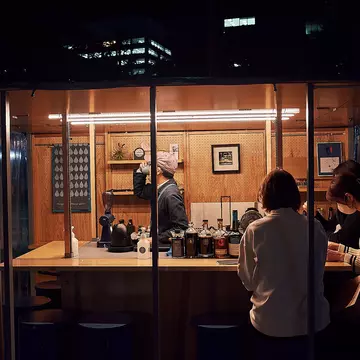
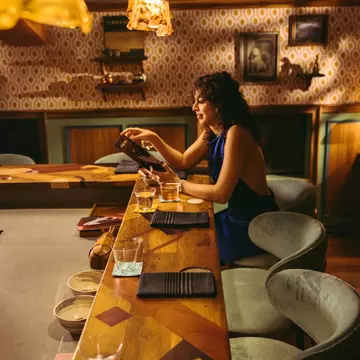
At the bar at Papa’s, Mumbai. Hunger Inc Hospitality

Contributors


Brian Healy, Katie Lockhart
Lonely Planet may earn a commission from affiliate links on our site. All recommendations and reviews reflect our own independent opinions.
On a continent bursting with dishes from pad kra prow to tonkatsu ramen to banh mi, it’s close to impossible to narrow down a “best of” list among Asian cities. That’s why we tapped some of the most renowned Asia-based chefs to give their favorite food cities and their personal restaurant recommendations.
Here are their top picks for the best cities to eat in Asia.
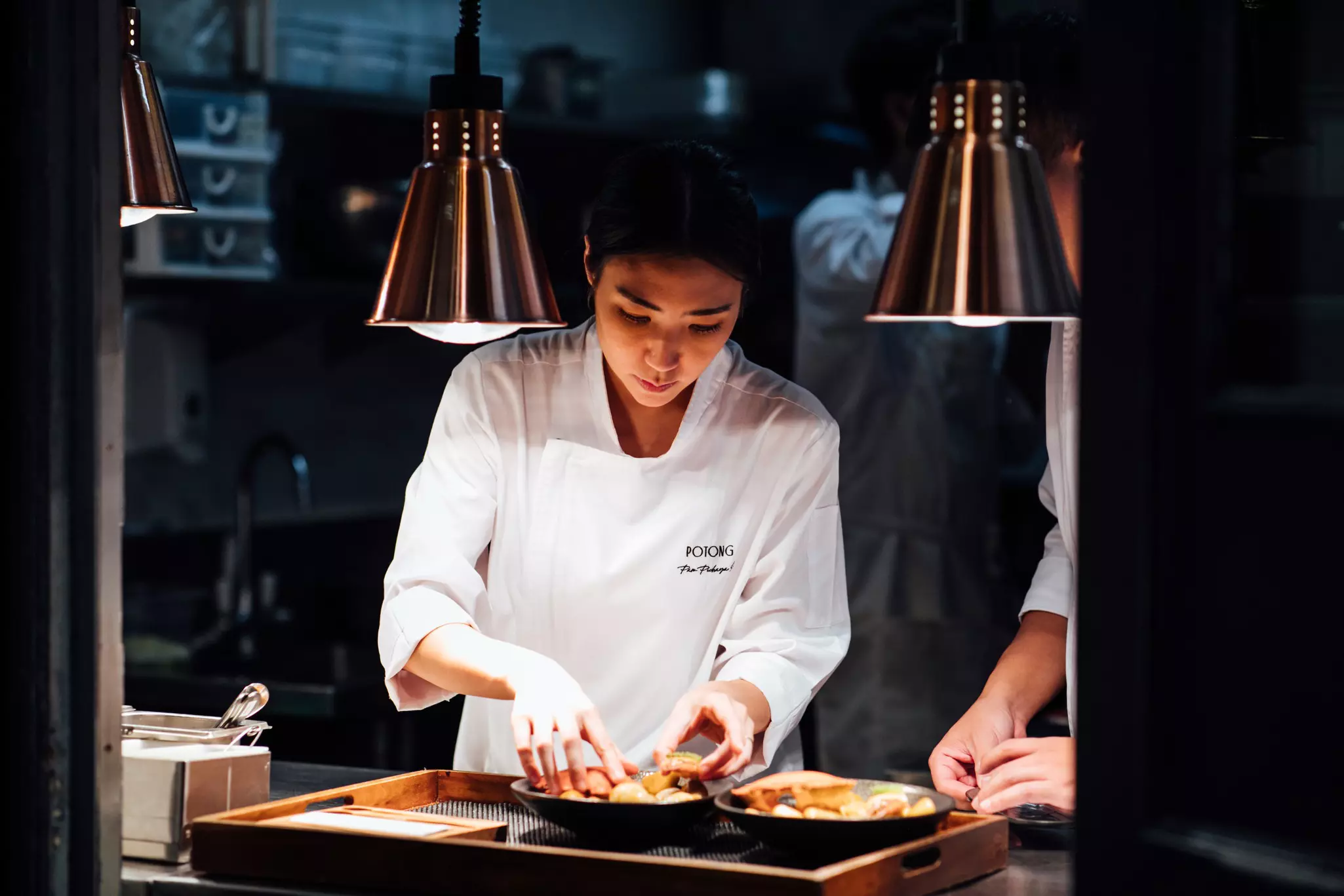
It seems inevitable that Bangkok appears on our list. This capital of Asian cuisine is also the hometown of Pichaya Soontornyanakij (known everywhere as “Chef Pam”), of Michelin-starred Potong.
“Bangkok represents everything I love about food in one city. It’s a true melting pot of cultures – Thai, Chinese and many others – and that diversity shows in the way people cook and eat every day,” she says.
Or Tor Kor Market has been a mainstay for Chef Pam since her childhood. “My mom always took me there, so I’m familiar with everything,” she says. “It’s also one of the cleanest markets in Thailand.”
In front of her restaurant Potong is Yen Ta Fo, a third-generation street-food noodle stall that she and her husband stumbled upon. She says it’s a go-to for flat noodles, and a bona fide Bangkok hidden gem.
In a city full of superb restaurants, Chef Pam’s pick is Nusara, whose team is putting Thai cuisine on a global stage.
The reputation of Shanghai has been rising in the culinary world. But for chef Scott Bao of 500 Weihai Road at the Alila Shanghai, it’s always been number one. For this huge city serves food from all over China, offering the chance to sample many regional cuisines.
Bao recommends Moose, where diners enjoy Shanghainese cuisine in a stately century-old mansion. “It’s a place I take my out-of-town friends,” he says. “I especially love their steamed shad: the fish is tender and smooth, and the aroma of fermented rice wine is just right. Their braised shredded vegetables are also excellent, with a clear and flavorful broth that makes for a satisfying meal.”
Tiaohe open-air food stall is this chef’s late-night go-to after a long day in the kitchen. “The liveliness here is unique to Shanghai: Cantonese people are eating congee, Sichuanese are enjoying spicy hot pot and locals are ordering stir-fried rice cakes. I usually order the barbecue platter so I can try a variety of things,” he says.
When he’s craving a simple noodle dish, Erbian Noodle Restaurant has the best bowl of pian’er chuan noodles, a classic soup from Hangzhou. “The noodles are chewy, the broth is clear and fresh, and the ratio of pickled mustard greens, bamboo shoots and shredded pork is just right. The key is that the food is served quickly, the taste is consistent – and you can’t go wrong,” he says. “At this restaurant, I learned that delicious food doesn’t have to be complicated. Being able to make the simplest things well is already quite an achievement.”
This tiny territory was the top food pick for not one but two of our celebrity chefs.
Chef Peter Cuong Franklin of Michelin-starred Anan Saigon had a tough time choosing between his home of Ho Chi Minh City and Hong Kong, but ultimately went with the latter for its striking depth of dining options. “I was recently in Hong Kong to attend the Asia’s 50 Best events and was impressed with so much diversity, from exceptional fine dining restaurants to small local eateries,” he says.
He recommends making a booking at Wing for Chef Vicky Cheng’s modern takes on classic Chinese cuisine. “My favorite course was the sea cucumber spring roll, an amazing dish with new-to-me textures and flavors. It was a perfect example of Chef Vicky’s innovative and boundless take on Chinese cuisine using amazing ingredients from the dried seafood markets in Sheung Wan,” Franklin raves.
An iconic spot for classic Cantonese cooking, The Chairman is another top pick. “I love the vintage waiters in old-school white shirts and no-nonsense attitude,” says Franklin. He loved the signature steamed flower crab, and his must-try dish is the congee rice porridge with shrimp roe and geoduck. “I was so inspired by the dish that I created a Vietnamese-style chao porridge dish with river prawns from the Mekong Delta,” Franklin says.
Franklin also suggests Duddell’s, a contemporary Cantonese restaurant in a striking space by famous local designer André Fu. “My go-to dish is the roasted combination (with goose, pork and yellow chicken with rice). Don’t miss the yellow chicken, an exceptional local Hong Kong product,” he says. If you can’t fit it into your itinerary, Franklin let us in on a little secret: there’s a branch at the airport, allowing you to satisfy your cravings for dim sum and roasted meats while waiting for your flight.
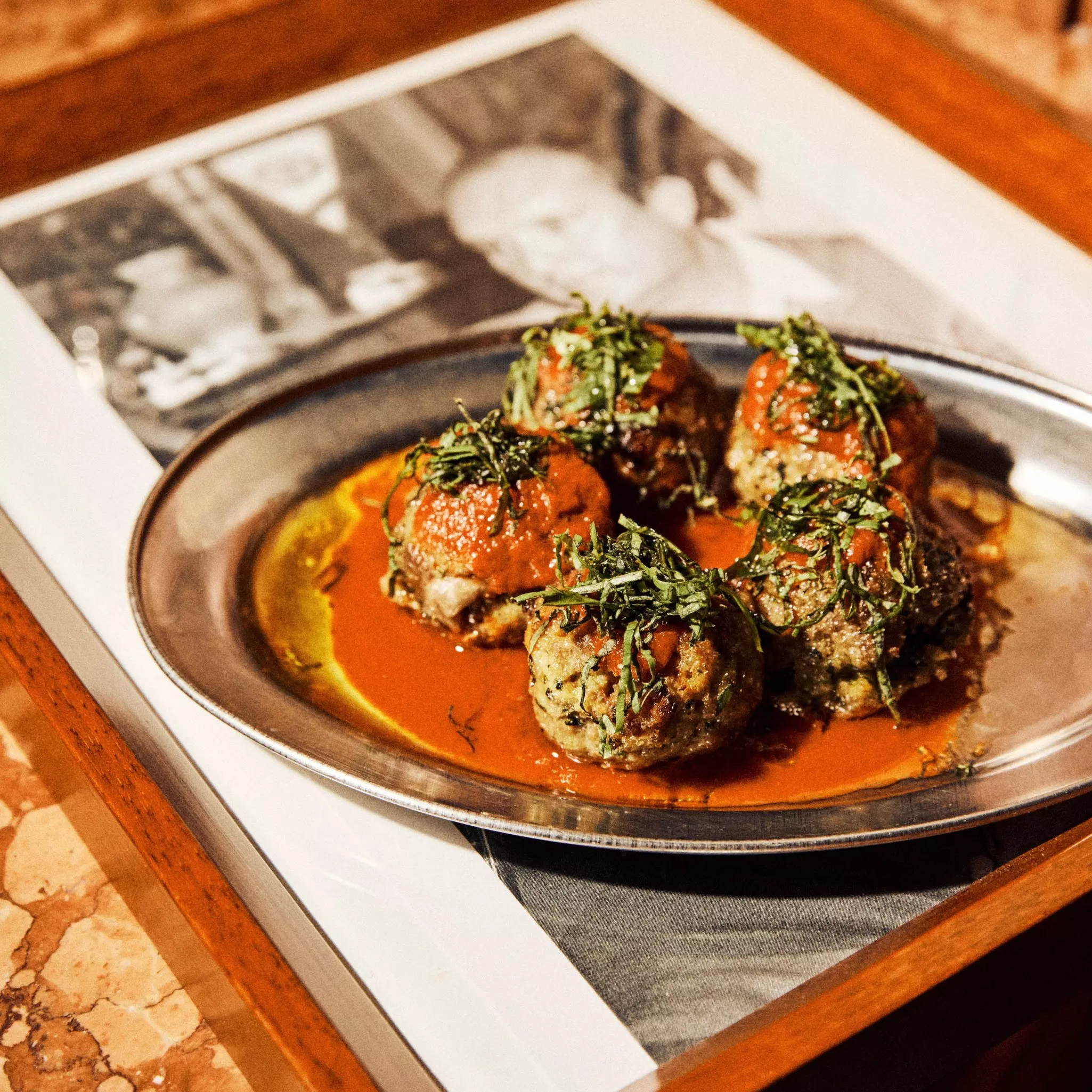
Bar Leone is another must-visit in Hong Kong. Franklin goes for a world-class Negroni in this Roman-inspired bar. But his hot tip is not to skip out on the bar snacks. “Surprisingly, the bar snacks and food are equally as impressive as the cocktails. Don’t miss the beef tartare, mortadella sandwich and smoked olive,” he says.
Chef Ben Wong, a Hong Kong native who runs the kitchen at Cassia (at Capella Singapore) agrees with Franklin. Wong’s love for the city’s dining relates to its concentrated density. “World-class dining, century-old establishments, and street-level energy are all packed into this tiny city. You can have Michelin-rated roast goose in Central in the morning, drink ‘silk stocking’ milk tea in Sham Shui Po in the afternoon, and enjoy wok-hei stir fries in Wan Chai at night,” he says.
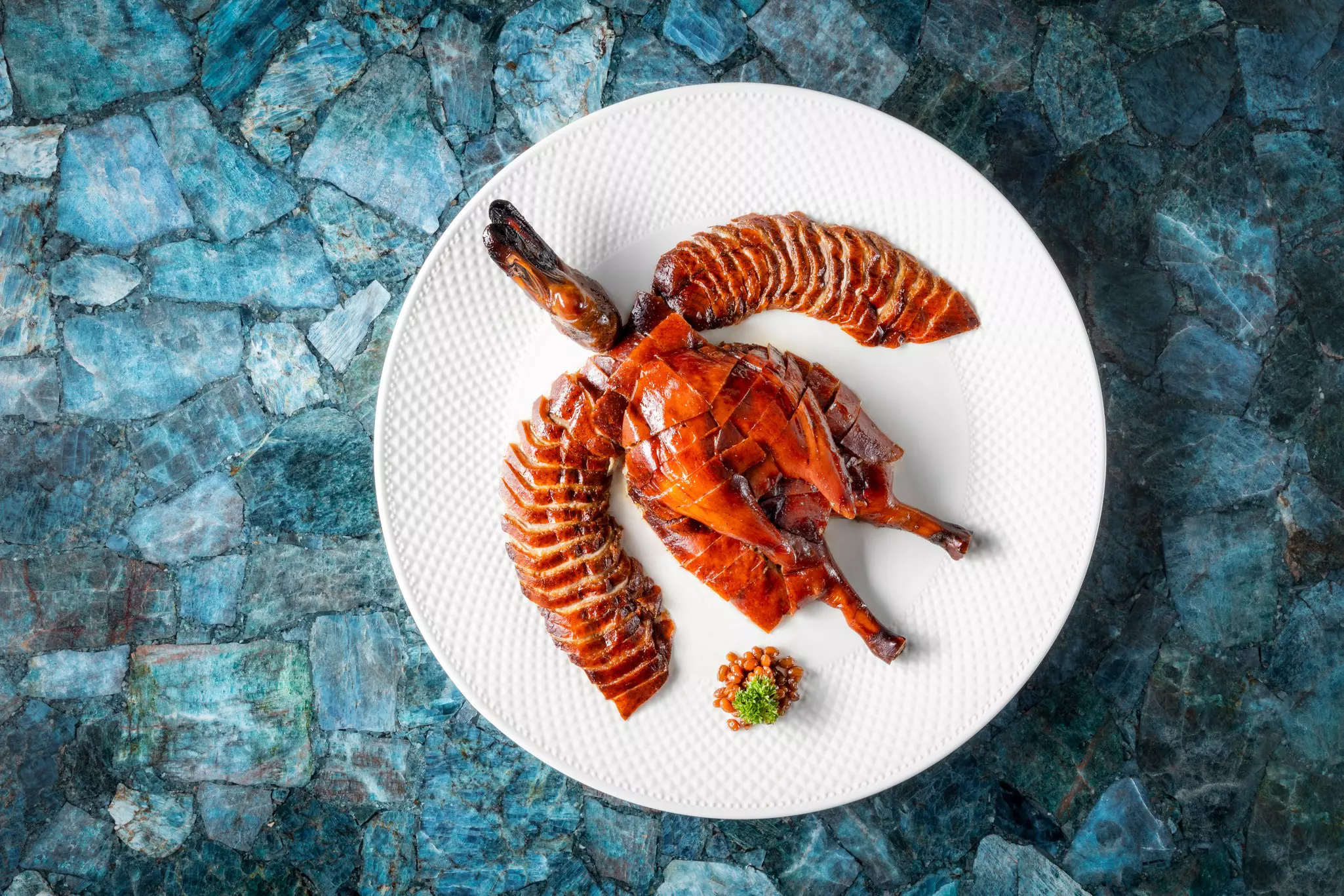
Roast goose is a Hong Kong must – and Wong gets his at the Central Main branch of Yung Kee Restaurant, a 70-year-old establishment that Wong says is great for a nostalgic meal with older family members. His order is the “Gold Medal Roast Goose”; be sure to reserve yours in advance of your reservation, and ask for the lower leg portion, which is fattier and juicier.
If you can’t get into Yung Kee, Wong thinks the dish at Michelin-starred Kam’s Roast Goose is a close second. He even argues the roast goose here is more refined than at Yung Kee, with thinner, crispier juice skin and the perfect amount of fat. His order here is roast goose leg rice: the tenderest part with the crispiest skin, the leg comes served with plum sauce to cut through the richness. If you’re with a group, order the suckling pig with crispy skin – which shatters like candy, he says.
For more old-school delights, Wong loves Lan Fong Yuen. “Open for over half a century, it’s a living fossil of Hong Kong’s tea restaurant culture,” he says. "The setting is humble and the service direct, but a cup of milk tea and a pork chop bun capture old Hong Kong mornings perfectly.”
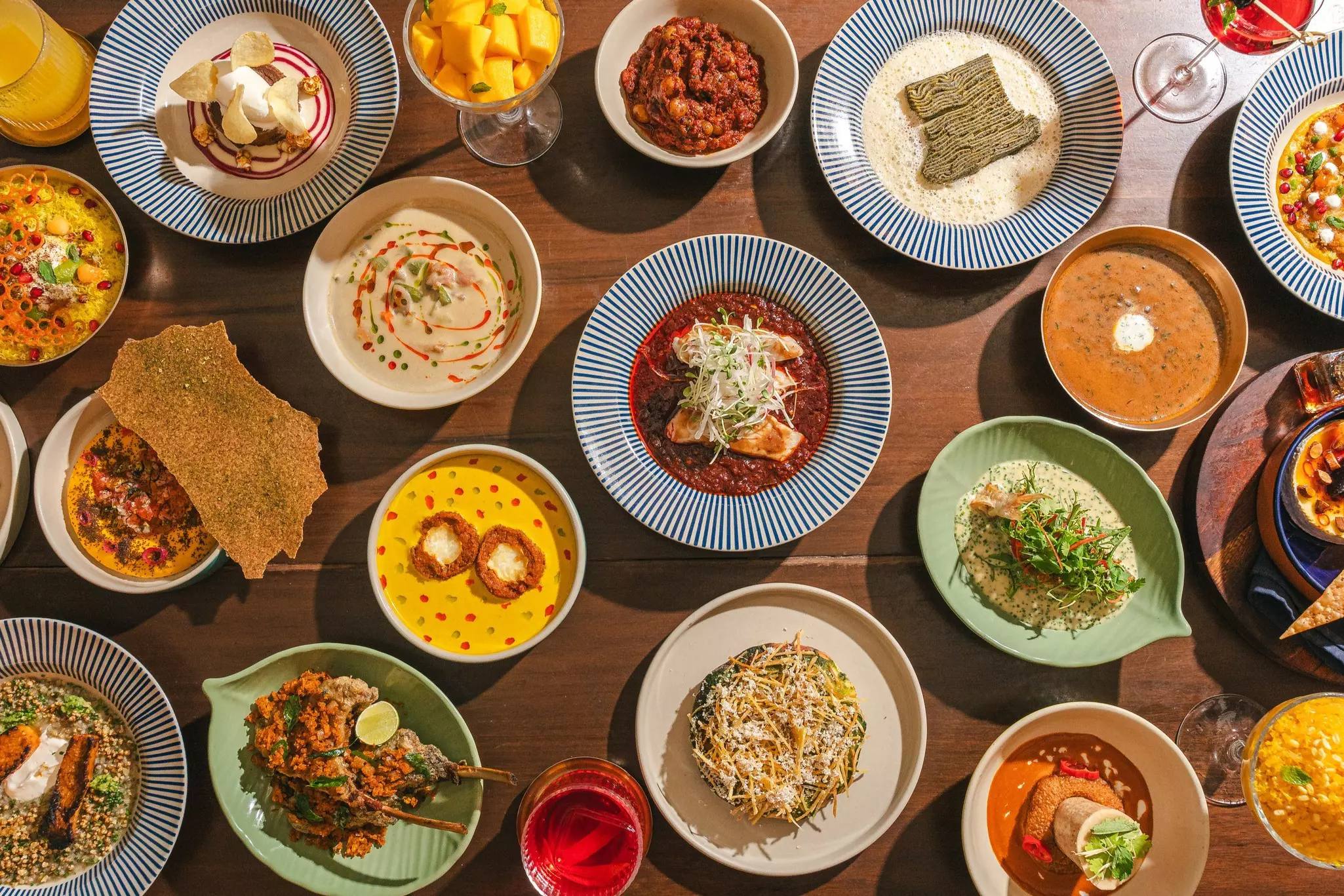
For Will Goldfarb, chef and owner of Bali’s Room4Dessert, Mumbai serves up incomparable colors, textures and flavors. The sweet-toothed chef has a special affinity for Bombay Sweet Shop. “It has bright colors and regional flavors that I first encountered at Diwali festivals in Jackson Heights, New York City,” he says. “Don’t miss the khevar, the most intricately layered crispy pastry.”
Bombay Canteen is another stalwart from Mumbai’s much-loved Hunger Inc Hospitality. Goldfarb says, “Think ‘big Bombay energy’…big colors, big flavors, lots of heart. Order a sidecar. I don’t drink as much as I’d like these days, but the drinks at Bombay Canteen are first-rate.”
And Papa’s, a Wes Anderson–esque attic tucked above bustling cafe-deli Veronica’s, is well worth a visit. With a surprise menu of modern Indian cuisine, this 12-seat chef’s counter is always a hot ticket.
Explore related stories