Sep 15, 202614 min read
How to Drive All of the Blue Ridge Parkway in 5 DaysApr 20, 2026
6 MIN READ

Writer
Lindisfarne Castle on Holy Island, Northumberland

Writer
Lonely Planet may earn a commission from affiliate links on our site. All recommendations and reviews reflect our own independent opinions.
No boat? No problem. Here are nine islands you can reach on foot. Just wait for the tide to roll out and voilà: walking paths appear that lead to fairy-tale castles, religious shrines, Viking houses and other exhilarating sights.
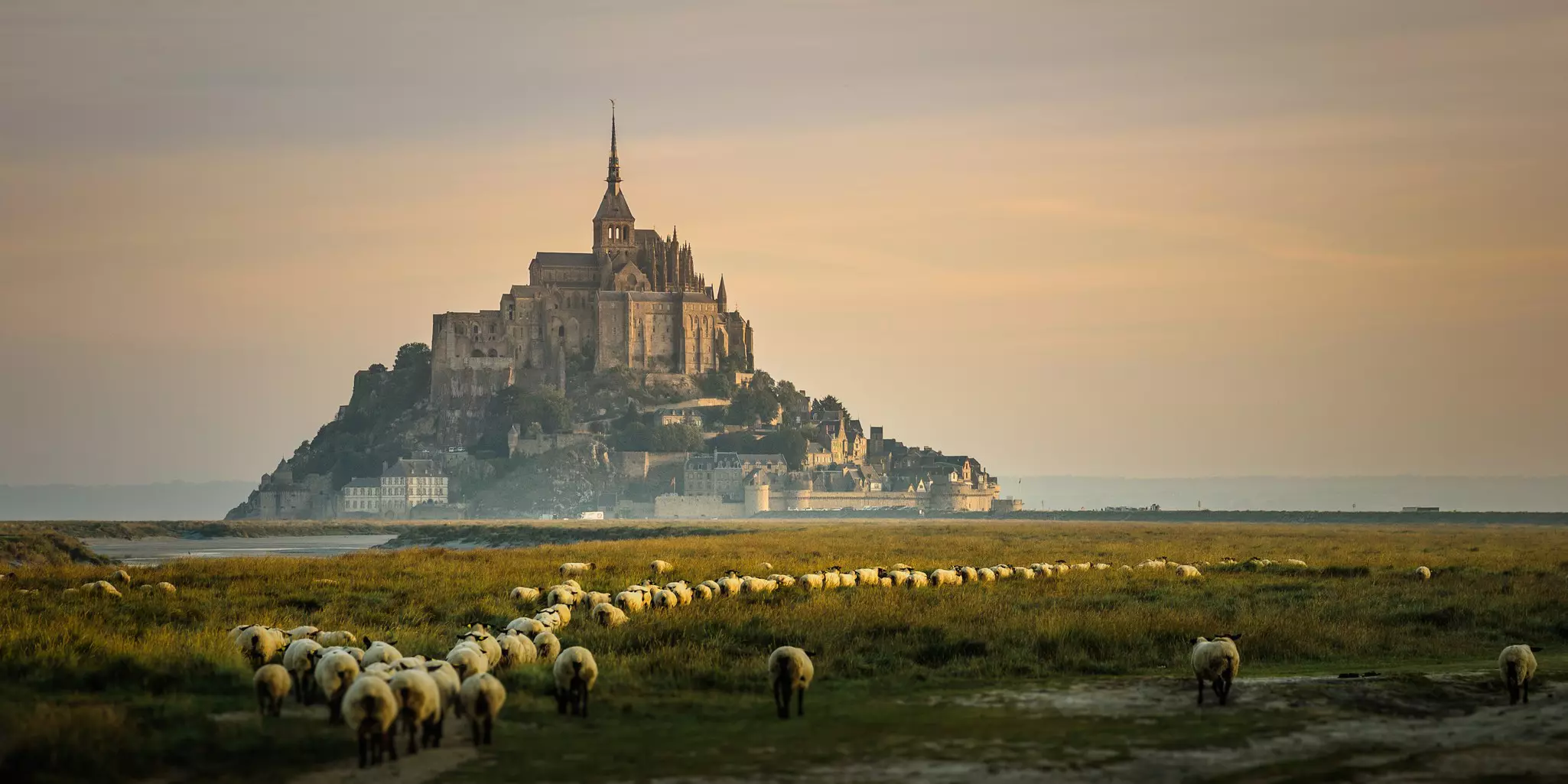
Shortly after having a vision of Archangel Michael, Bishop Aubert of Avranches is said to have built a devotional chapel on the summit of this island in 708. That's probably why the gilded figure is perched on the vanquished dragon, crowning the tip of the abbey’s spire. Mont St-Michel's one main street, the Grande Rue, leads up the slope – past souvenir shops, eateries and a forest of elbows – to the star attraction of a visit here, a stunning ensemble crowning the top: the abbey. Most of the abbey, now a UNESCO World Heritage Site, is available to see without a guide, but if the 1-hour-and-15-minute tour is running, it is worth the time. English tours (usually) begin at 11am and 3pm between October and March, with three or four daily tours in spring and summer.
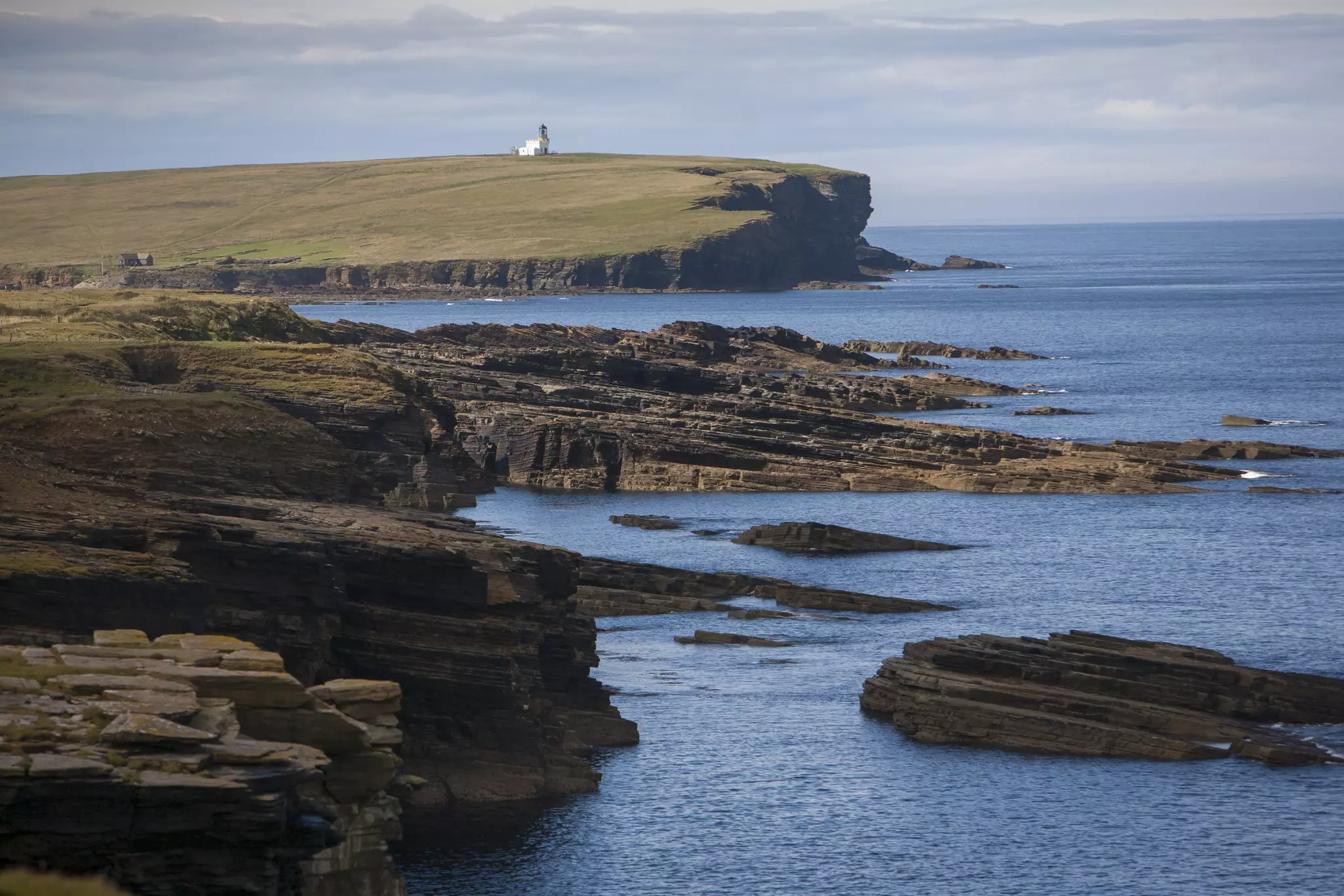
A whole lot of history has gone down on the desolate Brough of Birsay. In the 7th and 8th centuries the tribal Picts staked a claim, and remnants of their settlement remain. Next came the Norse, who left behind amazing Viking hall-houses from the 10th century or so. The ruins of St Peter's Church survive from the 12th-century, when the Brough was the seat of Orkney's rulers. Clown-like puffins and sweeping, lighthouse-dotted cliffs add to the otherworldly vibe. A visit to this ocean outcrop is unreal, especially as you wait for the hazy concrete path to emerge from the tide and lead you across the water.
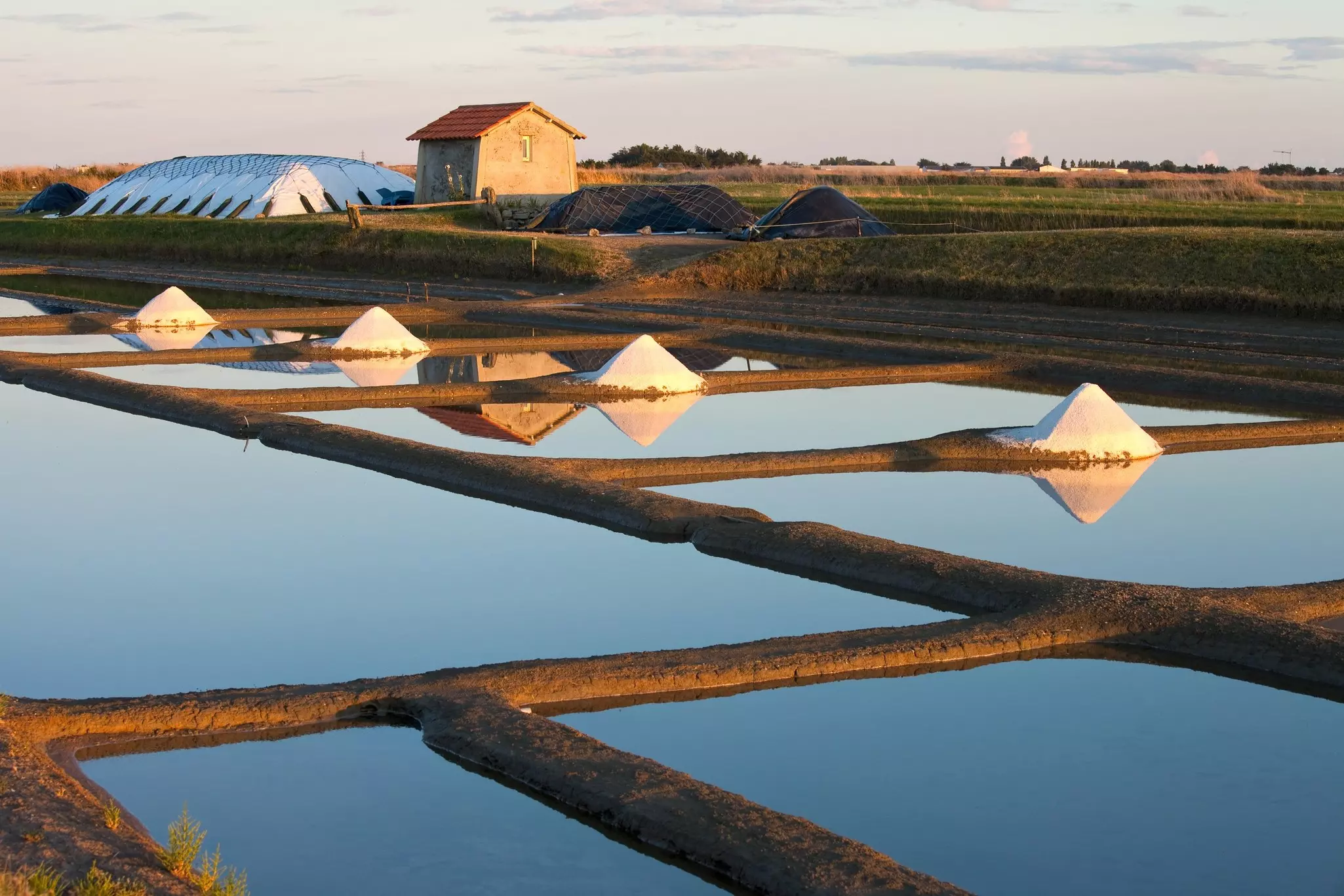
For a few hours at low tide each day, the 4.5km Passage du Gois surfaces from the sea and connects the village of Beauvoir-sur-Mer, on the mainland near Brittany, to the storybook island of Noirmoutier. It's a dreamy place of whitewashed, blue-shuttered houses, colorful hollyhocks and glinting salt pans. There's even a medieval castle with a Michelin-starred restaurant hiding behind it. You can make the trip on wheels, but it's much more fun to go on foot and join locals searching for cockles and clams in the exposed sand. Pay attention to tide times, or be ready to climb one of the safety poles placed at intervals along the passage to wait it out until the waters recede.
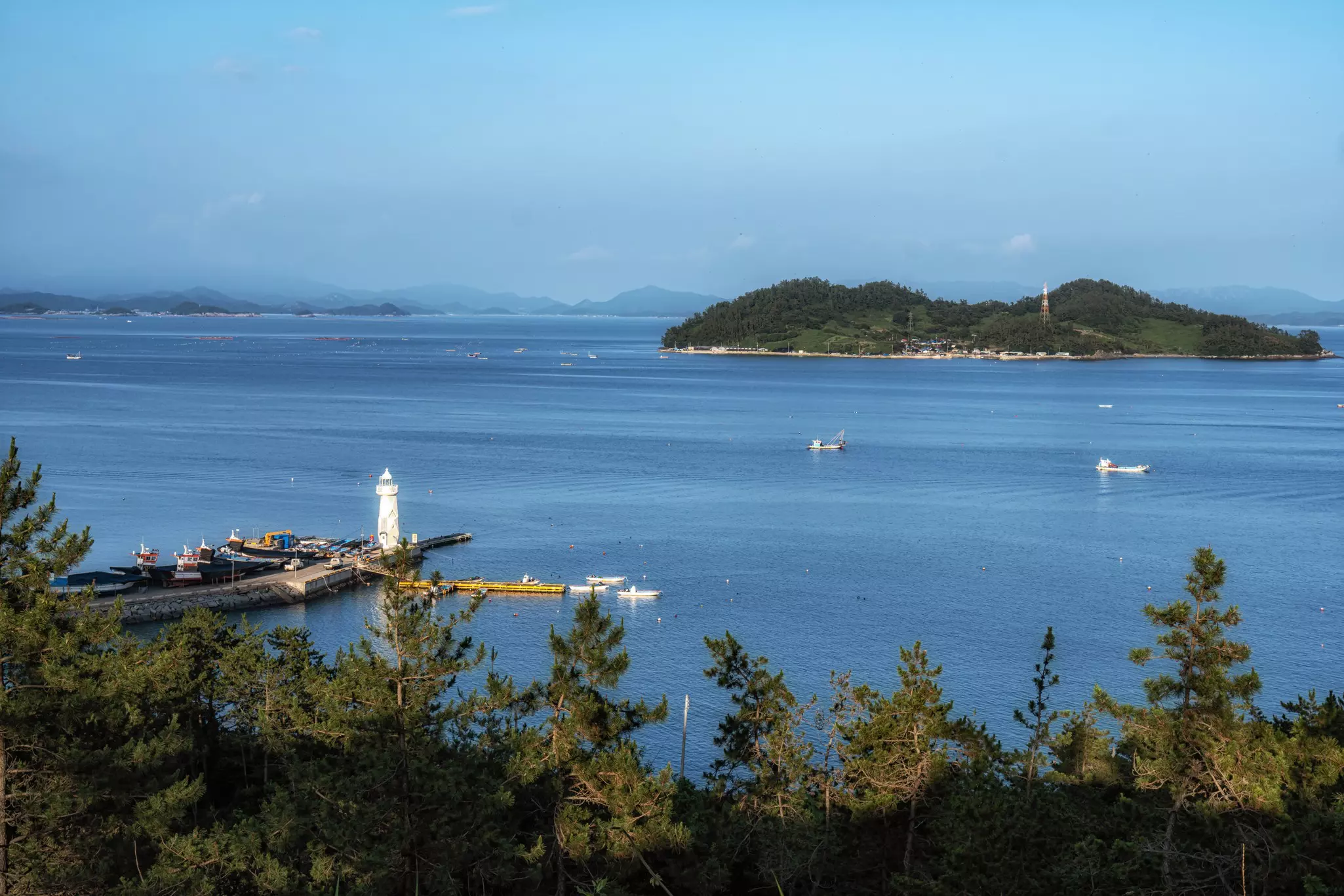
For a few days each year (usually in spring), the tide drops exceptionally low, exposing a 2.8km-long, 40m-wide causeway that connects the island of Jindo to the nearby island of Modo in the nation's southwest corner. Known as the Ganjuyuk Gyedo (Mysterious Sea Road), it has long been celebrated among Koreans in legend. The Jindo Miracle Sea Road Festival is held annually to coincide with the road's advent, attended by 300,000 people who make the crossing in knee-high rubber boots.
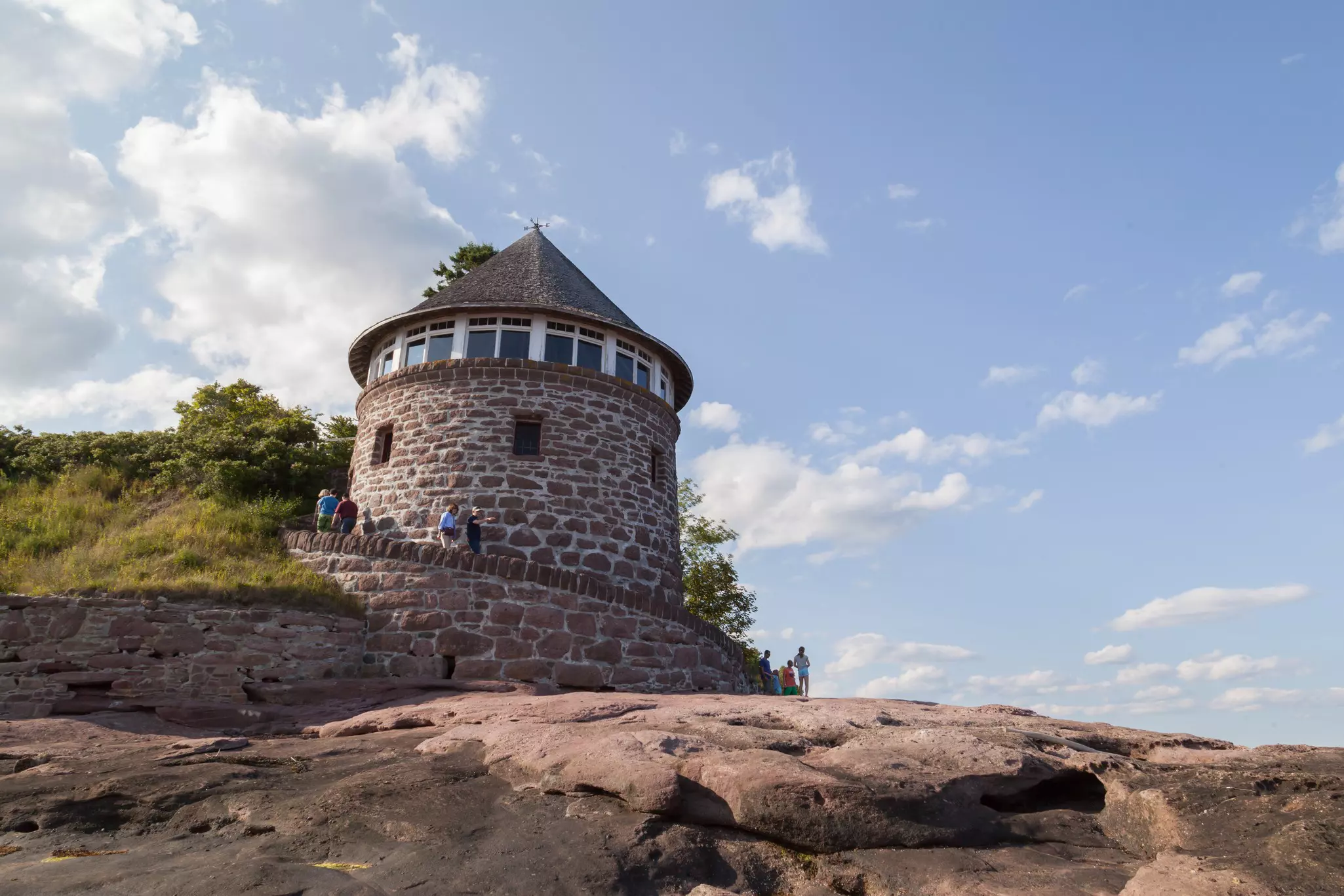
It always seems like magic: at low tide you amble 1km across the ocean floor to reach Minister's Island, and then at high tide the path vanishes under several feet of water. The Reverend Samuel Andrews bought the island in 1790 as a base to tend to his parishioners, hence the name; the little stone cottage where he lived still stands. Railway magnate William Cornelius Van Horne purchased the island next in 1890. He wasn't messing around when he built his "cottage" – a 50-room whopper with 17 bedrooms, 11 fireplaces and a windmill to bring running water into the home. A walkabout time-warps you into faded, Edwardian-era opulence.
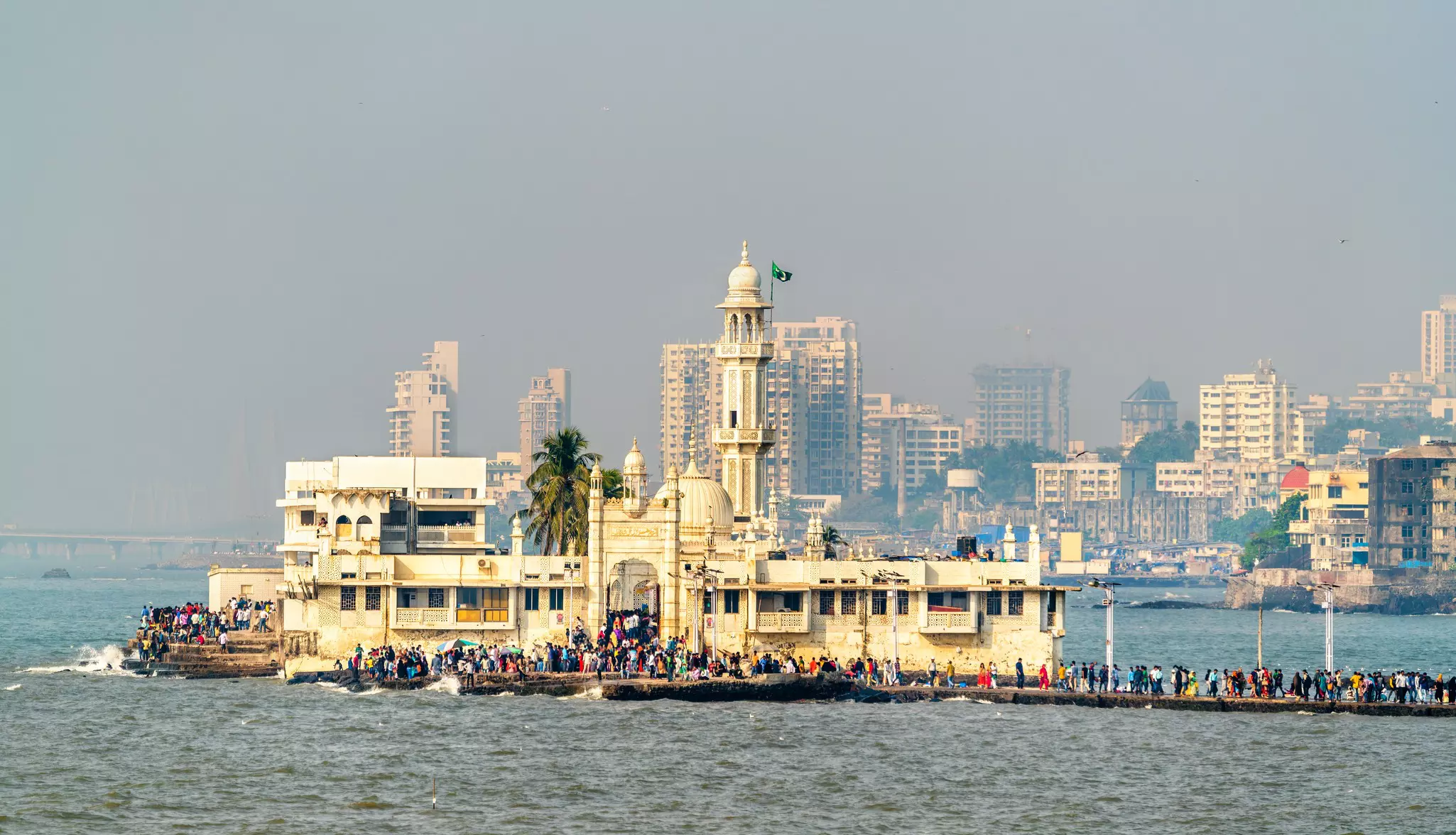
Here's the legend of the Dargah, a Sufi shrine on an islet beside Mumbai: Muslim saint Pir Haji Ali Shah Bukhari – performer of miracles, teacher of Islam here in the mid-15th-century – died while on a pilgrimage to Mecca. His shroud inexplicably floated back to this fleck of rock, so his followers built a white marble mosque on the spot to hold his tomb. For much of the day it shimmers out at sea like a mirage. But when the tide goes down, a causeway rises up that allows devotees to walk to the holy site – which they do in droves, especially on Fridays when Sufi devotional singers send melodies to the heavens.
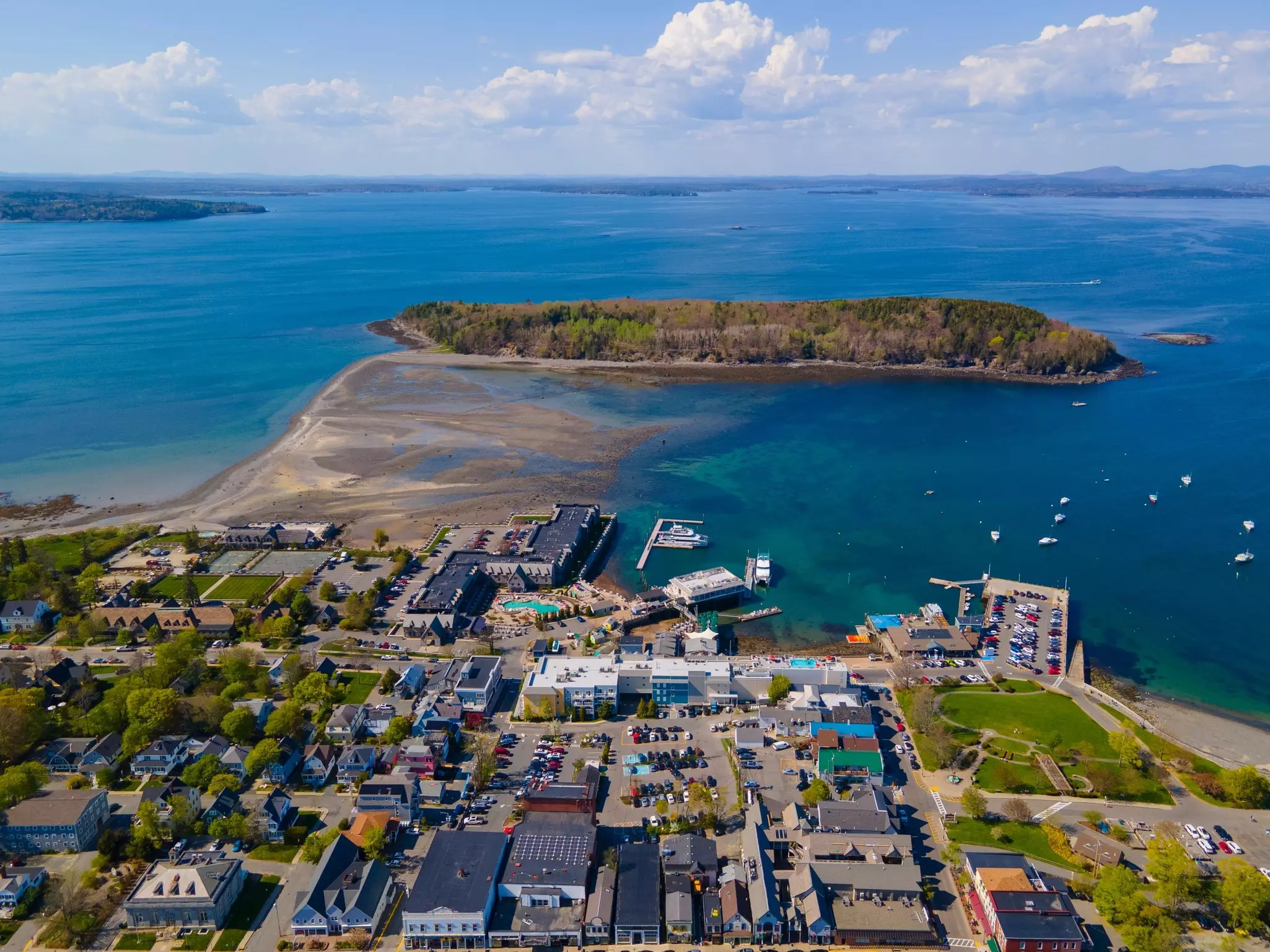
This part-time island floats just offshore from the village of Bar Harbor. Head downtown to the foot of Bridge St at low tide, and behold as a natural gravel land bridge morphs from water. It's a 1.5km walk over to the islet, where you can poke around the forest, meadows and rocky shoreline. A trail leads up to a small peak that offers lovely views of the surrounding sea and mountains. The postcard scenery is no surprise, as the island is part of Acadia National Park, one of America's wildest coastal landscapes.
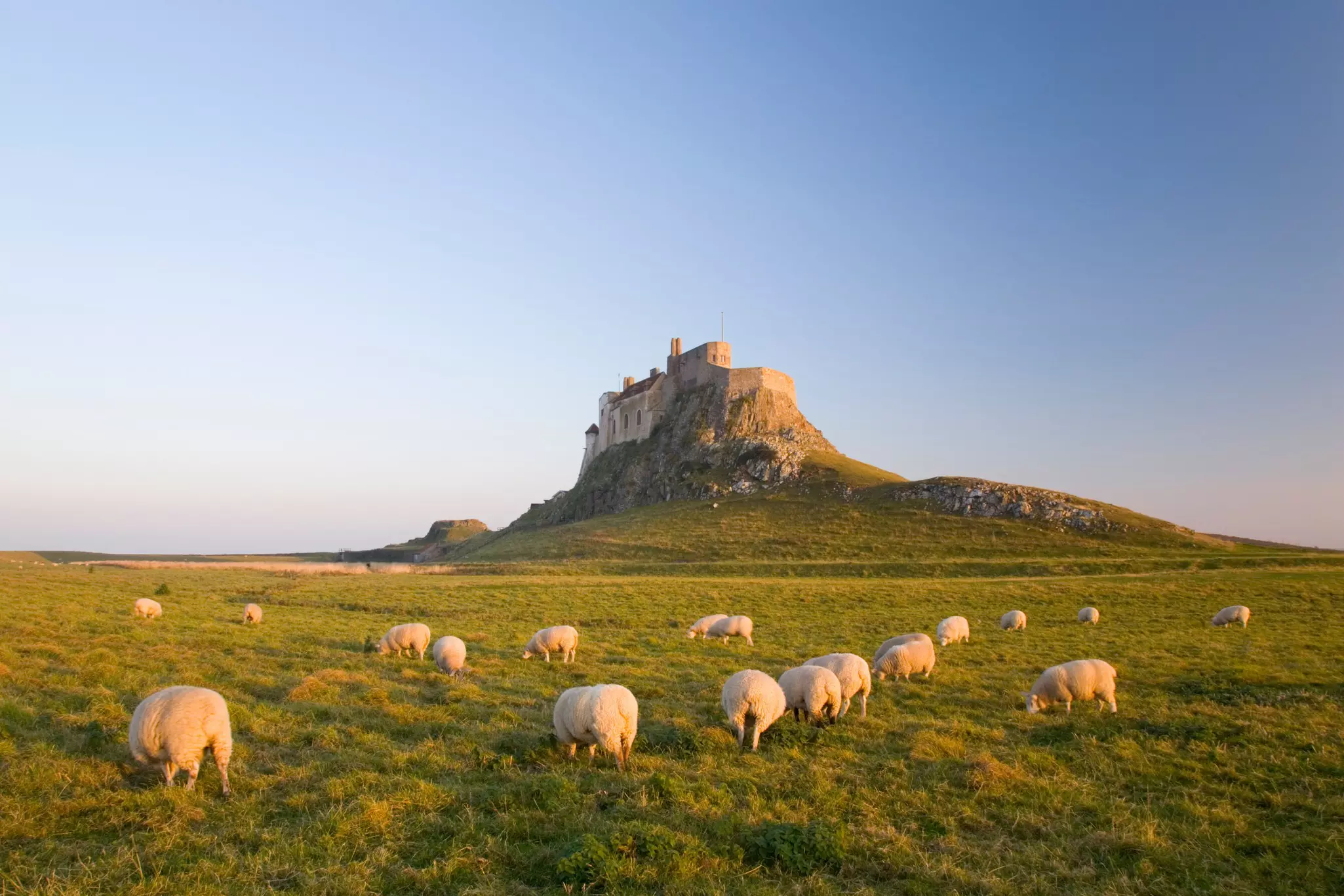
A stone's throw from the Scottish border, the Holy Island of Lindisfarne remains as remote and windswept as when St Aidan stepped ashore to build his monastery here in 635. Twice a day the tides shift, and a path appears that leads through the sand and mudflats. Known as the Pilgrim's Way, the route has been used for centuries to trek over to the wee isle. A line of vertical poles marks the 5km way, and the reward for those who make the journey includes ancient abbey ruins to explore, a brooding hilltop castle to climb to, and a bird reserve to visit where merlins and bar-tailed godwits roam.
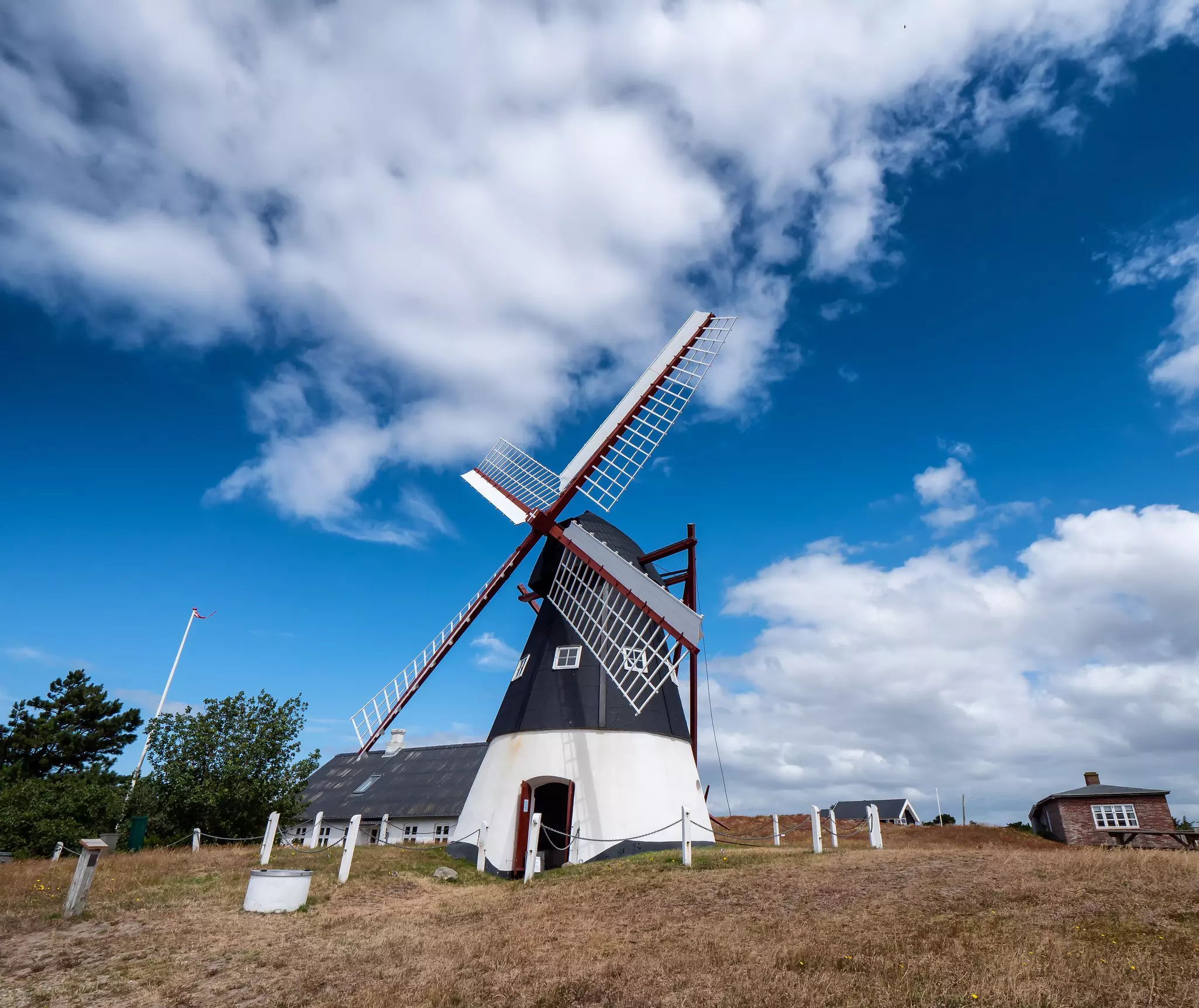
Tranquil Mandø hovers in the Wadden Sea near the west coast town of Ribe. Visit the isolated little island and it'll just be you, the rustling grass, the grazing sheep and some 60 villagers under the slate-blue sky. To get to Mandø you can, in theory, stroll over on the causeway that pops up at low tide, though no one does this because the mud makes it a real slog. Instead, everyone climbs aboard the tractor-pulled bus whose mighty tires ply the muck, squishing to and fro until the water returns and sets the island afloat once more.
Book your France trip with Lonely Planet Journeys
See France how it's meant to be seen
Planned by local experts and tailored to you, Lonely Planet Journeys handles the logistics so you can just enjoy the trip. Tell us what you want and we'll build your France itinerary from scratch, or browse our bookable trips to get inspired.


Explore related stories