
Oct 30, 20268 min read
A Guide to Muscat and Beyond: See the Best of Oman Oct 30, 2026
8 MIN READ

Writer
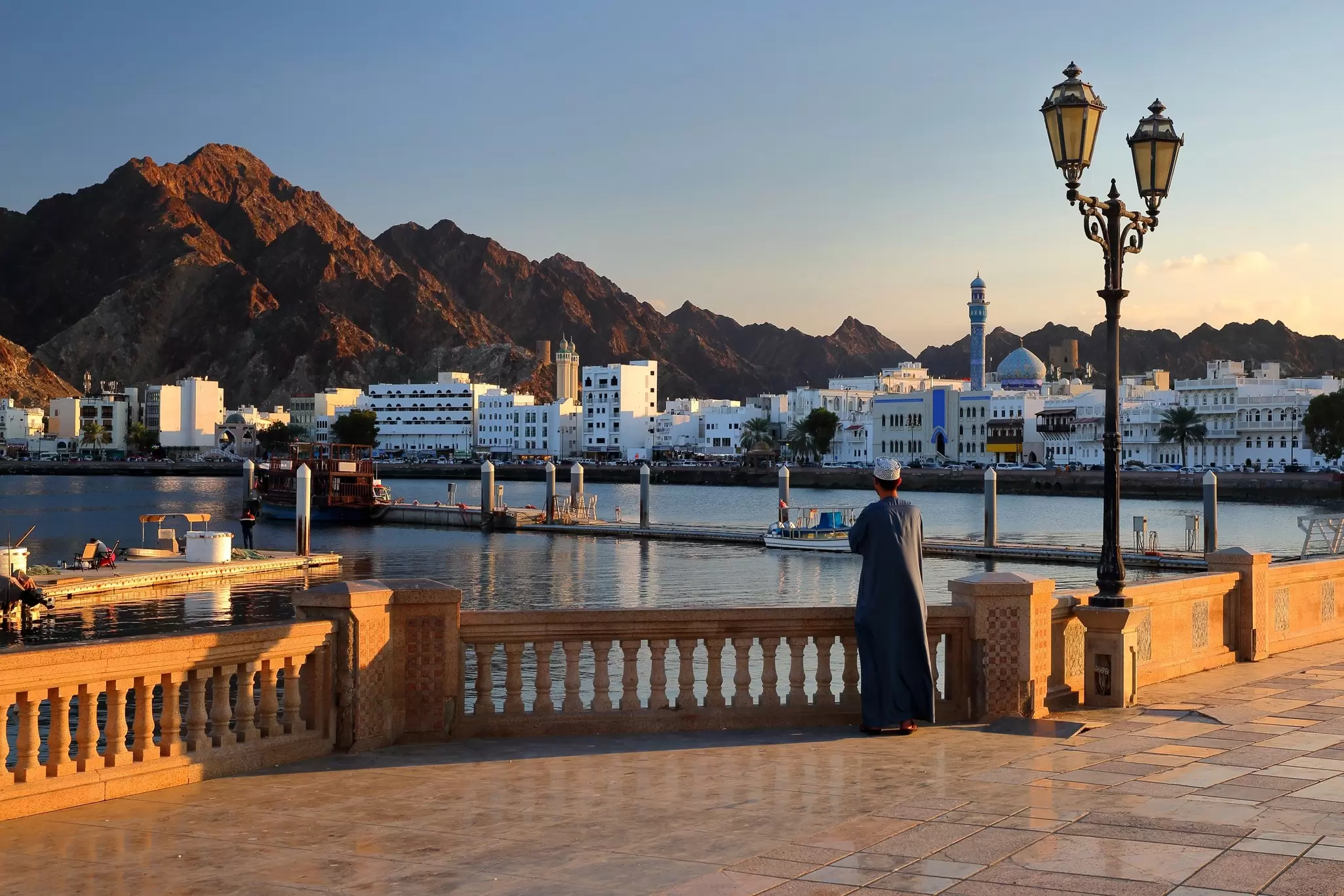
The corniche in Muscat, Oman. Christophe Cappelli/Shutterstock
Writer
Lonely Planet may earn a commission from affiliate links on our site. All recommendations and reviews reflect our own independent opinions.
“It’s OK, there’s not that much wind today,” our guide Hassan explains just as a breeze rushes past us and the rope I’m gripping onto tos and fros. I’m on the side of the Hajar Mountains, and I’m about to throw myself on a zip line. I was once scared of heights – about 30 minutes ago when I began climbing the via ferrata. It was a week ago that I still thought that a via ferrata was a fancy boat ride – I could not have been more wrong. But high up at 2000m, I’m strangely at peace, I’m calm, I’m a changed woman. Zara Croft, they called me on this trip, and that I was, and still am. I’ve relished this new, daring version of myself. Fear of heights no more, I have an upcoming bouldering lesson at a local climbing wall. What’s next I don’t know, but I say shukran, thank you, to Oman for unleashing this side of me.

The aim of my trip to Oman was adventure, and wow, did it deliver. From mountains and desert to watersports, there are many fantastic activities to choose from. One day you can scramble up a mountain before your morning cup of tea (just like I did), then later run up a sand dune in Sharqiyah Sands to catch the sunset. The next day you could go snorkeling with adorable turtles. Most journeys in Oman will start in Muscat and the city is an ideal introduction to this hospitable country.
This guide takes you through the essential advice for the capital and where else to go in Oman if time allows (and we recommend that it does).
Oman can get roasting hot in the summer with temperatures soaring past 40°C (104°F). November to February are peak times for visiting Muscat with cooler temperatures of 20°C to 25°C (68°F to 77°F). Desert nights can be chilly, even in the summer, so wrap up warm. Note that from mid-June to mid-August is khareef, rainy season, in southern Oman.

The Sultan Qaboos Mosque is an exquisite highlight on any Muscat itinerary. A gift from the late Sultan, the building is a masterpiece. Admire the second-largest single-piece carpet in the world, hand-loomed by Iranian women and the 8-tonne Austrian chandelier twinkling with Swarovski crystals. Non-Muslim visitors can attend the Sultan Qaboos Mosque Sunday to Thursday 8am to 11am, so if you are not Muslim, do not go on a Friday. The space can hold up to 20,000 worshippers and there is a separate prayer hall for women, featuring a grand Rolex clock and detailed teak craftwork from Myanmar. Dress modestly, covering arms and legs – women must also cover their heads – and do not take photographs of anyone praying.
Muttrah Souq is perfect for souvenirs. It’s one of the oldest souqs in the city and is home to a labyrinth of alleys where you can find treats such as frankincense, jewelry, perfume and Omani textiles including cat cushion covers that you never knew you needed. Bring cash: not all vendors accept credit cards.
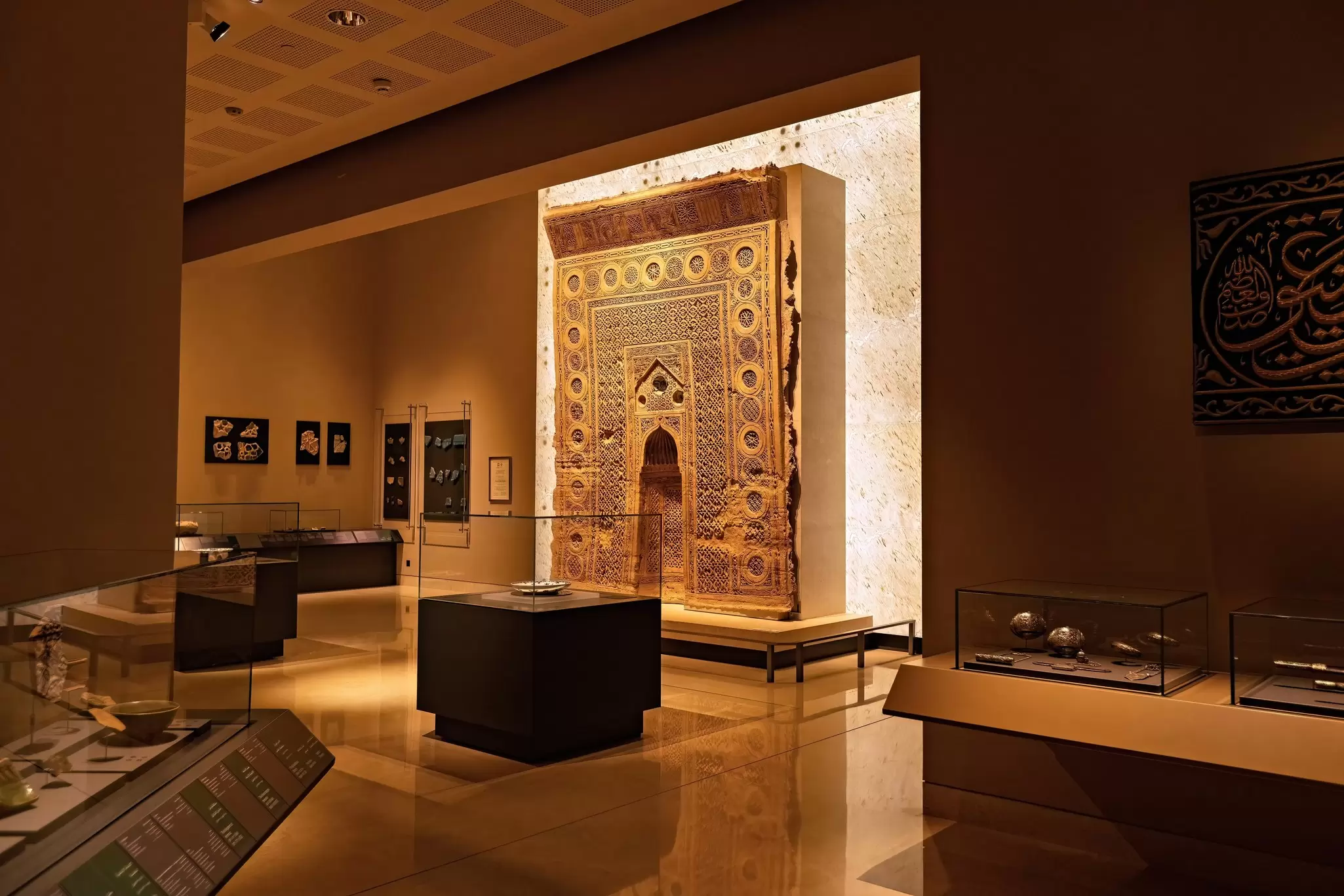
The National Museum of Oman displays 7000 objects related to Omani heritage. You will find 14 permanent galleries showcasing objects from a wide variety of themes from maritime history to currency. The museum also holds exhibitions, check the website for the latest details. Private tours guides are available.
Pack formal or business attire for the Royal Opera House Muscat where you can see a range of shows from music to ballet from September to March. It was built by the same architects as the Sultan Qaboos Mosque, so again expect grand decor. Admire the Omani and Islamic details of the wooden work and the marble flooring. You can also join one of the guided tours (around 20 to 30 minutes) in the building which gives you basic details of the opera house’s construction and acoustics, and you can see rare musical instruments from around the world such as a French lyre guitar.
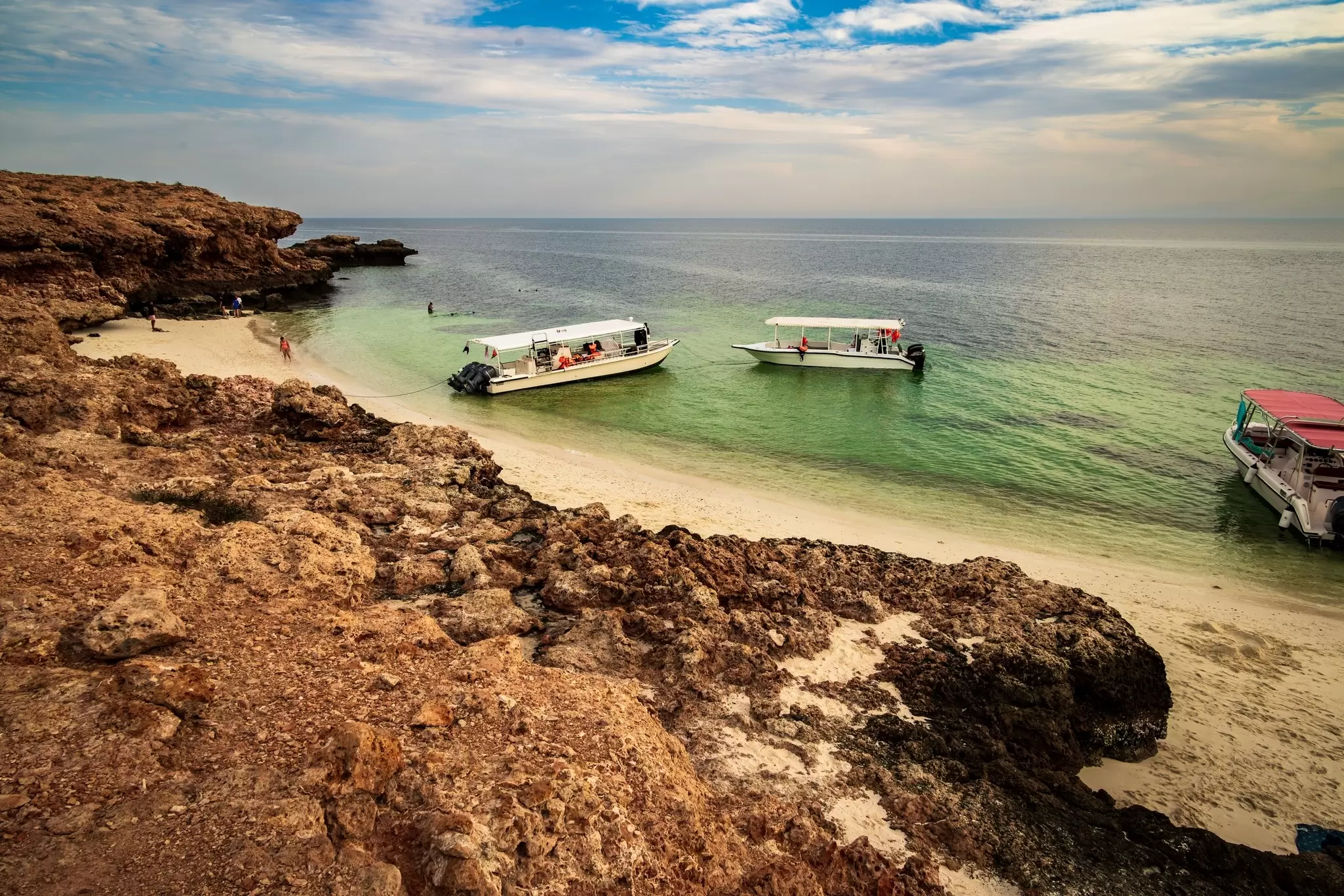
You can take a boat tour to the protected nature reserve of the Damaniyat Islands (around a 30-minute boat tripfrom Muscat) and enjoy a spot of snorkeling. Even just a leisurely float on the surface will give you views of fluttering fish and sweet turtles. In August, you may also find whale sharks in the water with you. Bring plenty of sunscreen and drinks.
For something slightly less active go on a sunset dhow cruise. Trips embark from Al Mouj Marina and you’ll get views of the surrounding islands, mountains and rugged coastline with a coffee in hand. In Oman, coffee is offered everywhere.
British born Omani-Zanzibari chef, Dina Macki, is a pioneer in the Omani gastronomic scene. Dina opened the restaurant, Mesa, which serves spectacular Omani food with a Portuguese and Mediterranean twist along with various Zanzibari influences. Think marinated sardines in an escabeche with frankincense oil, tomatoes, fennel and orange and pulled spiced lamb served with turmeric almonds, pomegranates, caramelized onions and confit garlic. The pomegranate fizz is a refreshing beverage to wash it all down with.
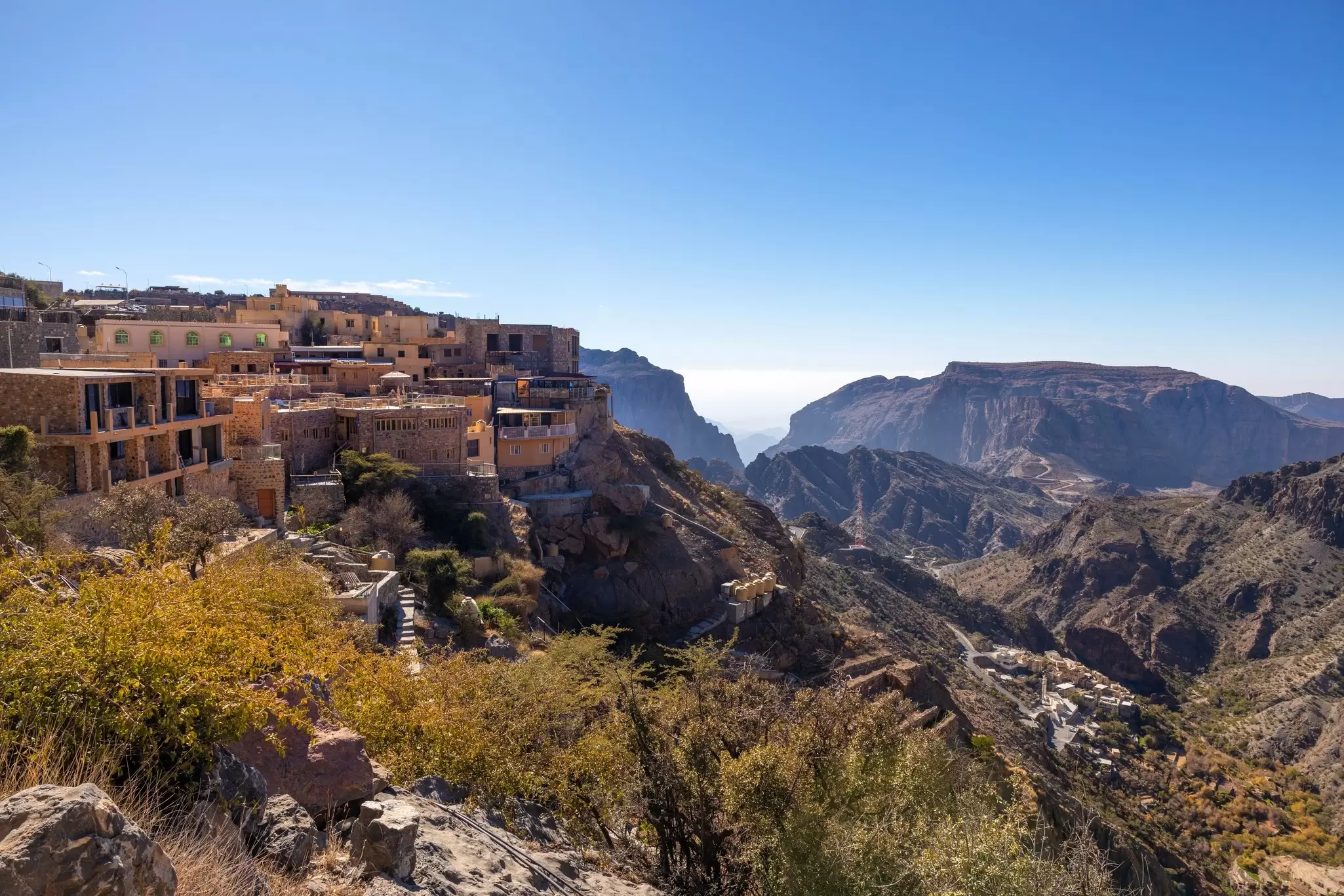
Head to the Hajar Mountains for stunning scenery. The area feels like a blissful retreat with its towering peaks and lush greenery. Here is where you can really add a kick of adventure to your trip.
Jebel Akhdar (also known as Green Mountain) is part of the Hajar Mountains range. At the Anantara Al Jabal Akhdar Hotel climb the via ferrata (non-hotel guests can also book this activity). The hotel is also where Diana’s Viewpoint can be found, the exact place where the late Princess of Wales visited. There are various types of via ferratas, some aimed at children, and the more difficult route includes a zip line. Jump in I say, you never know, the experience may change you like it did me.
For even more outdoor bliss, visit Sharqiyah Sands. Make sure to scramble up dunes to catch those last rays of sunshine and for glorious views of the sandy peaks. Stay at the Desert Nights Resort where you can go out on sunset drives and star gazing. It’s the solitude, the slowness and the quiet that I love here.
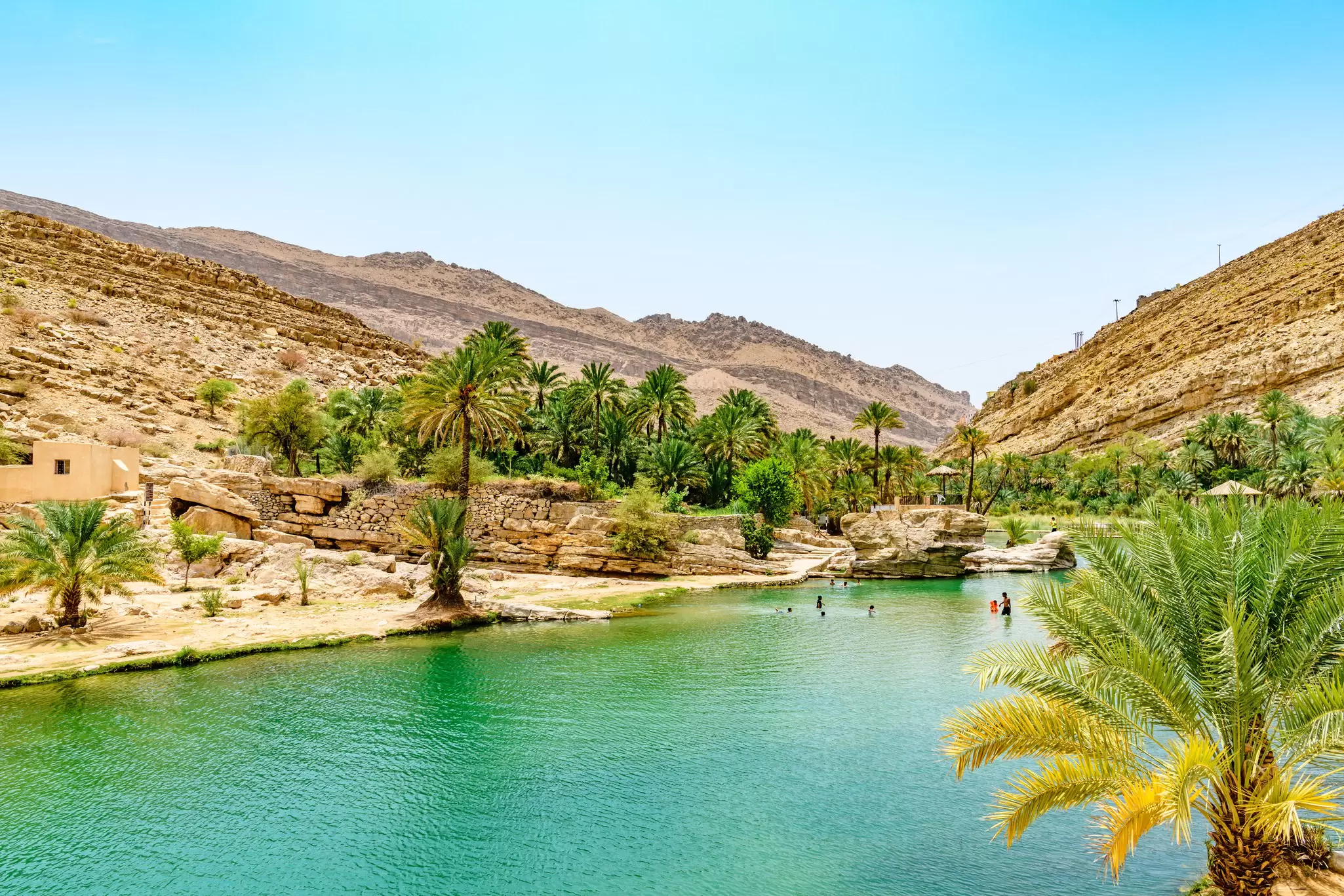
Wadi Bani Khalid is a refreshing pitstop in the Eastern Hajar Mountains, and can be enjoyed as part of a day trip from Muscat. Wadis (valleys) are made up of rocky river gorges with striking natural pools. Head here for a taste of local life – wadis are popular for family picnics and for a quick dip in the water. Wear modest swimwear and bring water shoes for scrambling on the rocks. Look out for the chains dangling down in the wadis and hold on if you are tired and need a break from swimming.
The Three Villages Walk is a walking trail situated on the Jebel Akhdar plateau. The classic route starts in Al Uqr and will take you through Al Ain and end at Al Sherija and covers around 7km. The views of the rugged mountains are outstanding. Spot pretty doors, bulging pomegranates and around late March and the start of April, damask roses are in bloom.
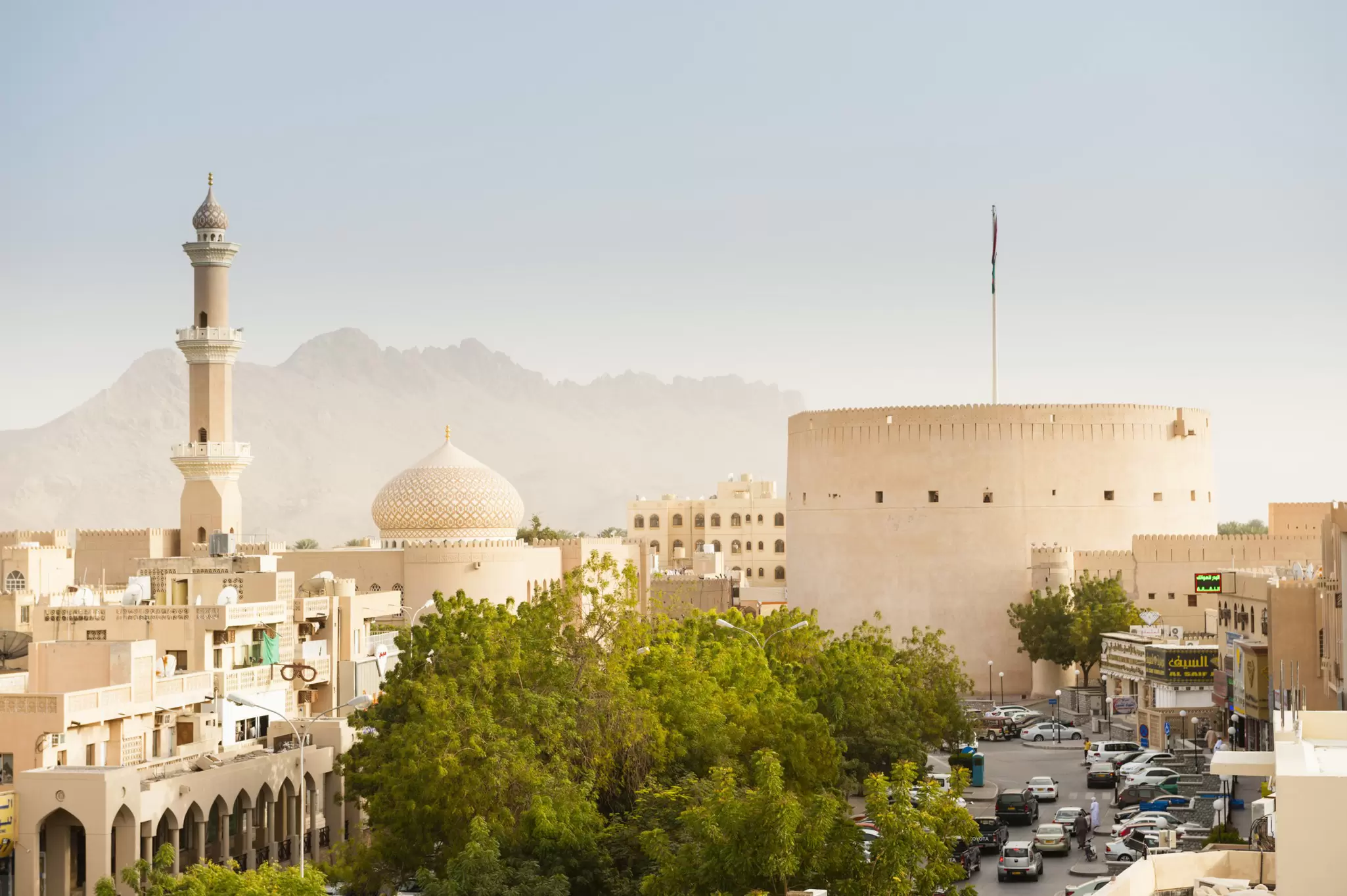
If you know me, you know I love dates. And lots of them. So much so, I came back home with 5kg of the good stuff from Nizwa Souq. From jewelry to frankincense resin, you can stock up on other souvenirs here too. Nizwa is also known for its pottery and halva. You will see rows of the sweet treat with flavors such as fig and honey. After browsing the souq, head to Nizwa Fort which was built in the 17th century. It provides an interesting insight into Oman’s history; you’ll find diagrams of the defensive heritage dotted around the structure – think boiling hot date syrup from high above.
Pack sunscreen – lots of it – and mosquito repellent. A cap is essential if hiking or spending lengthy amounts of time outdoors, as are a good pair of walking shoes. We also suggest hydration tablets for all that outdoor fun.
Remember that Oman is a Muslim country and respectful dress is essential. Think long sleeves and loose clothing, particularly if going to more traditional villages and remote areas. Women should bring a headscarf for mosque visits.
Zara Sekhavati traveled to Oman with the support of FINN Partners, Experience Oman and Al Maamari Tours. Lonely Planet staff do not accept freebies in exchange for positive coverage.
Explore related stories