Nov 13, 202610 min read
The Ultimate 5-Days in BelizeSponsored by
This article was paid for and produced with Belize Tourism. Paid content is produced separately from Lonely Planet's editorial coverage. Product availability and terms are subject to change; please verify details directly with service providers.
Nov 13, 2026
10 MIN READ
Writer
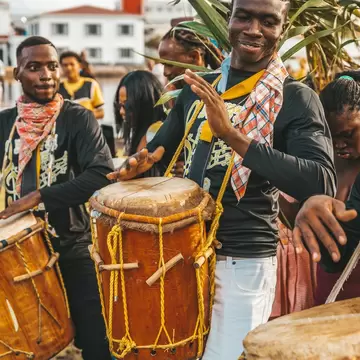
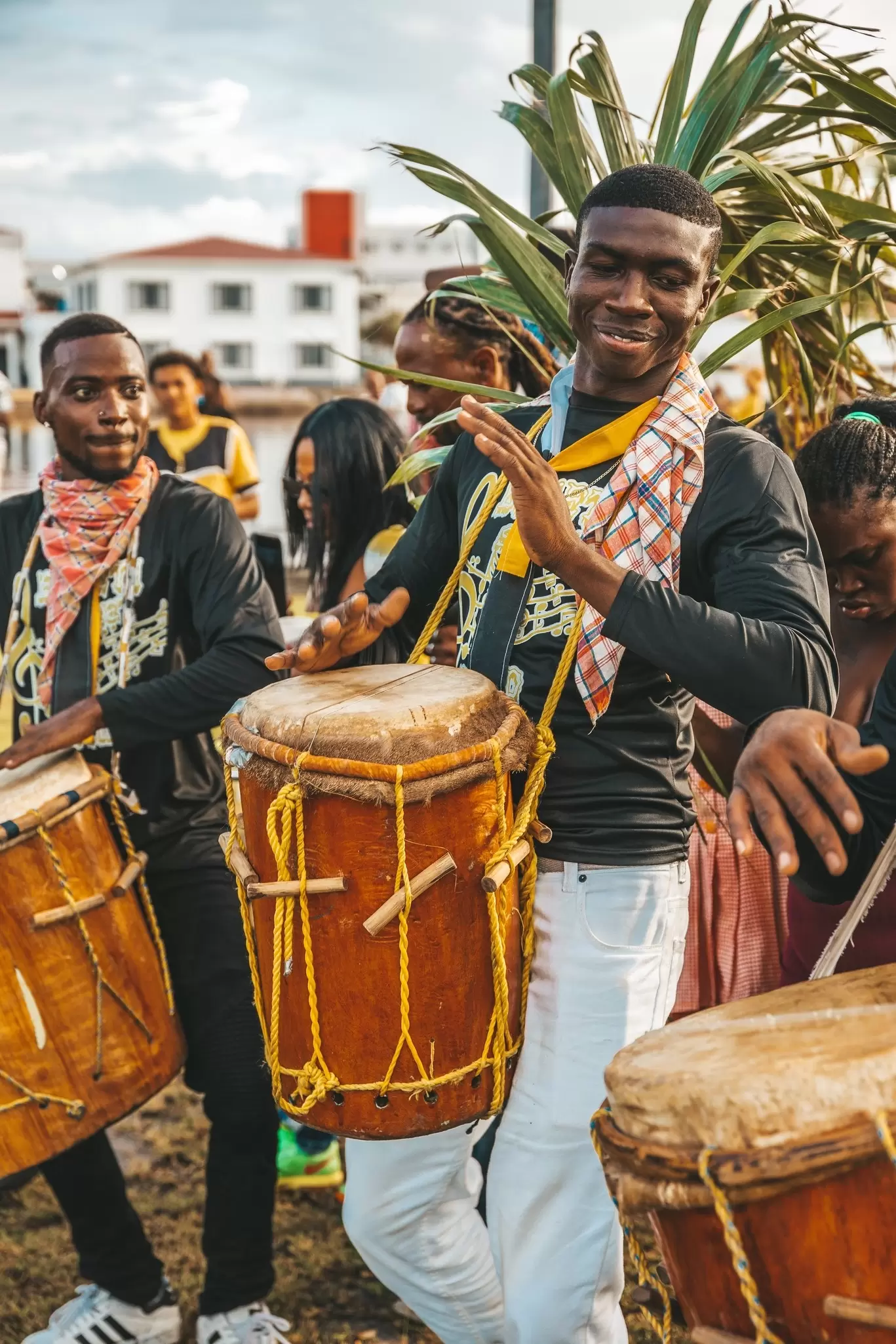
Drummers perform during a festival in Belize City, Belize. JC Cuellar/Shutterstock
Writer
Lush, tropical Belize is not the smallest country in Central America – that honor goes to El Salvador – but it is compact, while still squeezing a wealth of attractions into its green hills, dense rainforests and coral-fringed coastline.
To get more from a trip to Belize, mix up the classic sights – Maya temples, rainforest reserves, sand-circled islands and more – with some authentic and memorable Belizean experiences. This might mean trying Garifuna drumming on the Caribbean coast, or learning to make chocolate at a family-run cacao farm in the hills of Toledo.
If you want to delve a little deeper into this small but perfectly formed Central American nation, here are eight of the best experiences that will give you a taste of the culture and traditions of Belize.
Best for discovering endangered musical traditions

There’s no space for embarrassment when you learn how to dance the punta or paranda – a seesaw shuffle of feet and hips – during a drumming lesson led by local pros in Hopkins village. Belizeans won’t indulge any embarrassment either: there’s no space for ego at a traditional Garifuna music session, just unabashed cultural pride.
To learn about the musical traditions of the Garinagu (Garifuna) people, book a class with the Lebeha Drumming School in Hopkins, visit Kalipuna Island in Freshwater Creek Lagoon, attend a drum-making workshop at Punta Gorda's Warasa Garifuna Drum School, or just jump in with locals at any local beach bar (or really anywhere on the coast).
With handmade segunda and primero hardwood drums layering together to drive the pace, Garifuna songs intertwine celebration and grief as they tell the story of the community's mixed African and Caribbean heritage. Joining in is a fiercely fun way to help safeguard a musical form recognized by UNESCO as a Masterpiece of the Oral and Intangible Heritage of Humanity.
Planning tip: Belizeans drape the Garifuna flag countrywide in November, but nobody celebrates Garifuna Settlement Day quite like the inhabitants of the area where the first Garinagu people landed in the 19th century. In any town or village on the southeastern coast of Belize, you're likely to see a spirited reenactment at dawn on November 19.
Best for experiencing cacao traditions on a family-run farm
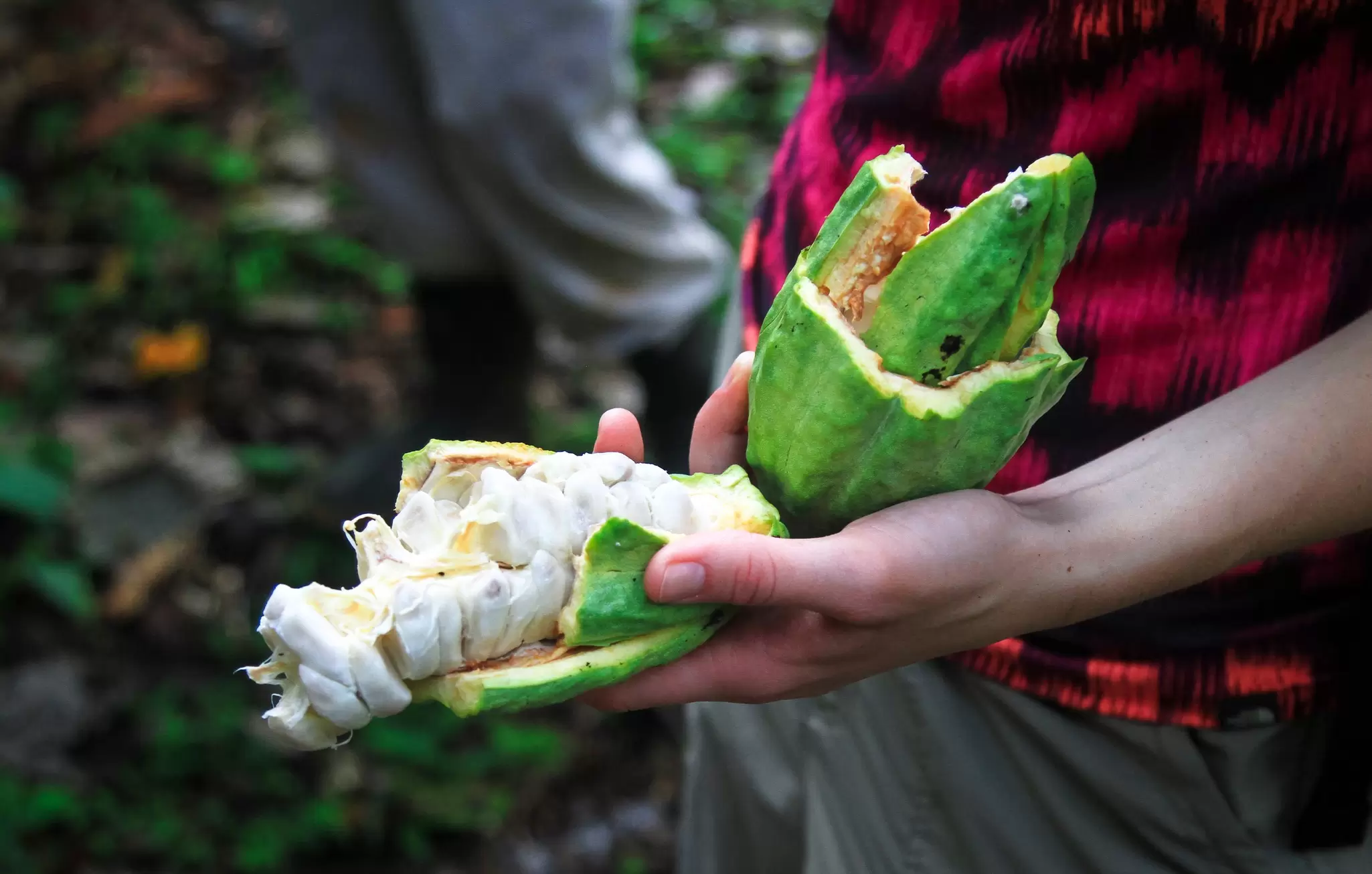
With furrowed, mini American footballs growing straight from their trunks, cacao trees seem almost alien, and a tour of one of Belize's cacao plantations may see you weaving through the groves in the company of a patriarch who has walked the same route for decades.
Following the lead of their Q’eqchi’ and Mopan Maya ancestors, more than 450 Belizean families carry on the tradition of cacao production to provide for their families, farming organically and sustainably. In the vicinity of Punta Gorda in Belize's Toledo district, the Cho siblings of the Ixcacao chocolate company or Eladio Pop of Eladio's EcoFarm will be happy to introduce you to their farming traditions.
Cacao tours include a hands-on experience of chocolate making, but the stuff of the gods looks – and tastes – rather different in its rawest form, though lychee is the closest comparison to the taste of the fresh flesh that surrounds the cacao beans inside each pod.
After fermentation, drying and roasting, you’ll hand-crush some of these bitter nuggets to dilute in hot water to make the frothy drink xocoatl, or grind beans to a paste to create a familiar block that’s sweetened your way, using anything from condensed milk to raw honey or local cane sugar.
Planning tip: Tours run year-round, but the beans are sweeter from November to June and the harvest peaks around May, which also coincides with the Belize Chocolate Festival in Punta Gorda.
Best for casual street bites

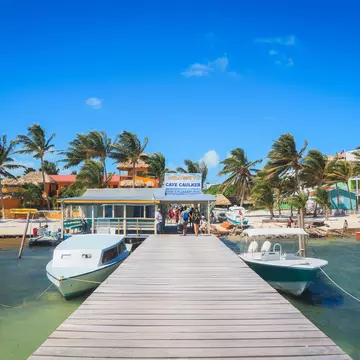
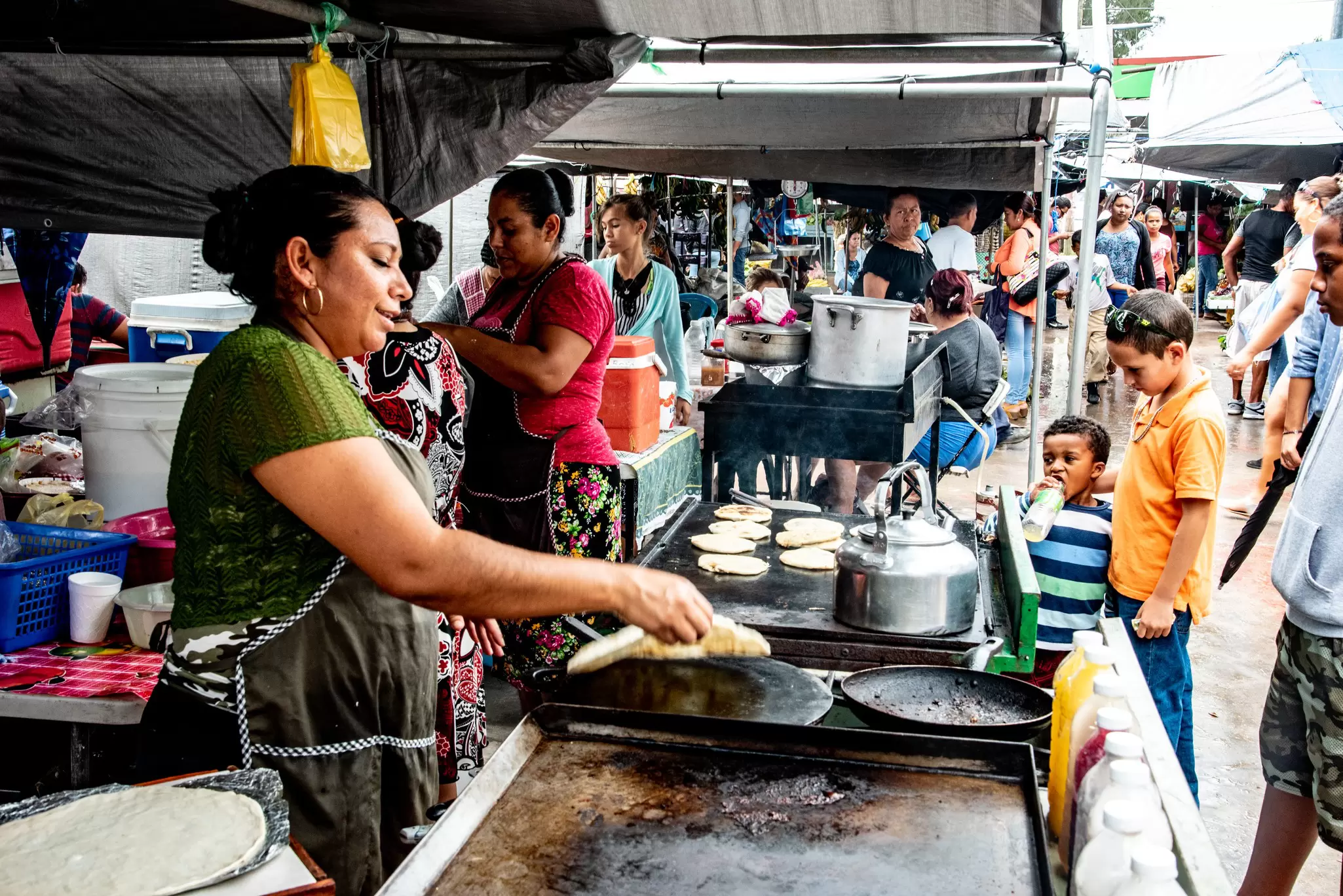
No roof, seating, or cutlery? No problem. Daily life in Belize is often tasted in motion, with a bite of a hot meat pie held in the left hand, while the right hand steers the bicycle handlebars. School kids hold cigar-rolled tacos while bouncing along in golf carts, careful to avoid any pickled onions or pibil pork gravy dripping onto their uniforms. It's not because anyone is rushing. In fact, it's quite the opposite: on Caye Caulker, the time zone is literally "slow."
Franchise-free fast food of almost any flavor imaginable can be found (cheaply) across the island, usually from someone all the locals know on a first-name basis, like family. Grab some paper-bag-wrapped fry jacks (fried dough) from Jenny’s or Errolyn’s, or char-grilled lobster on Front Street at Betty’s, Ester’s or Kareem’s, then find a picnic table and dig in. There are also dessert carts whose owners will yell out to tempt you with powder buns, banana bread and lemon pie.
Planning tip: Most small vendors only accept cash and have no opening hours, but you'll tend to find them on a specific corner or street. Don’t see them? Just try again tomorrow.
Best for an easy taste of cave exploration
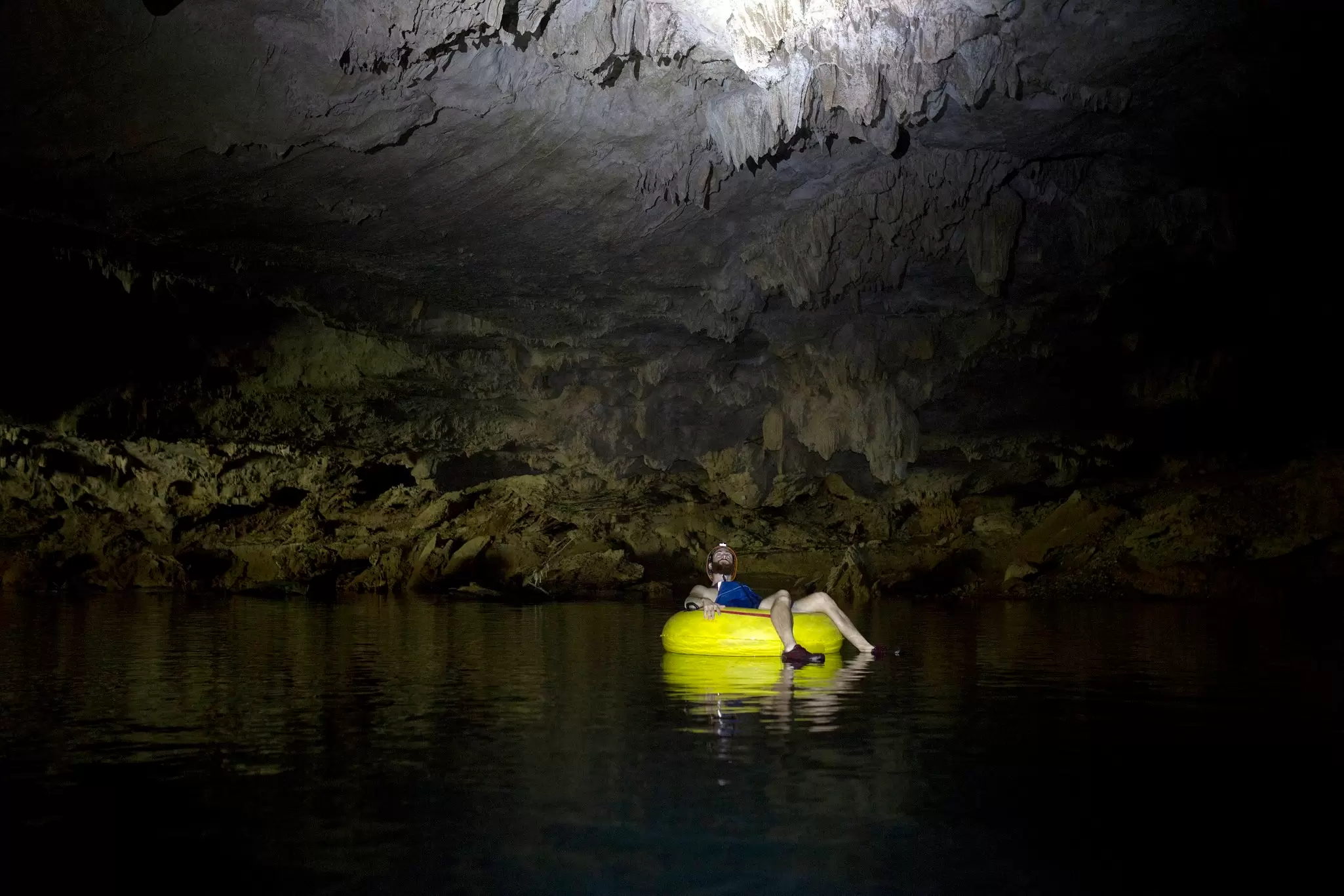
The scale of the karst landscape at Nohoch Che'en is frankly impressive, and visits to this exhilarating but easily accessible network of caverns function like clockwork. You'll grab a rubber inner tube, trek for 20 minutes along a fairly flat trail through the rainforest, cross a few rivers, and then enter the (always) invigorating spring water on a tubing tour lasting around 3 hours.
While you float, your guide will tell you that this site has 19 caves in total and is filled with artifacts from the Middle Pre-Classic to Post-Classic periods. It's a wonder to witness these underground voids by headtorch, while a modern-day Maya guide explains their history and gushing water echoes between the still-growing formations.
As well as swooning over the caverns' natural features, you'll be filled with reverence and admiration for both nature’s patient process of transformation and the Maya appreciation of faith and ceremony.
Planning tip: Go beyond the usual tourist trail by traveling to the sparkling chambers on a full-day kayak tour, seeing a total of five caves within the network.
Best for seeing wildlife up-close on foot
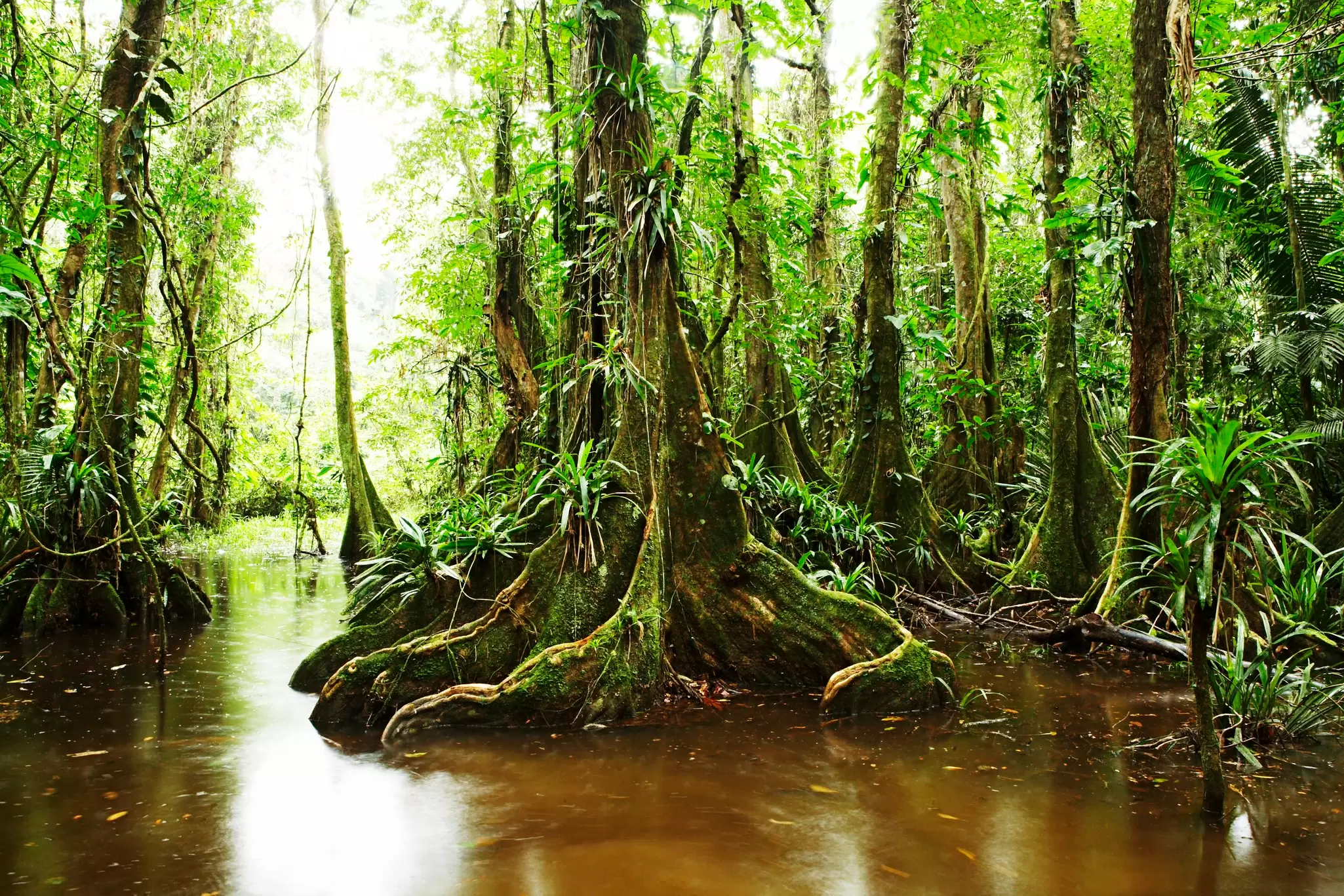
Many of the wild spaces that belong to the people of Belize are co-managed by NGOs, and the beauty of Cockscomb Basin Wildlife Sanctuary is making global waves, with some 154.5 sq miles of strikingly lush jungle falling under the tutelage of the Belize Audubon Society.
The first jaguar preserve in the world emerged as a result of relentless advocacy for the vulnerable big cat population. Creating the sanctuary required community buy-in, extensive biodiversity research and science-backed lobbying, and even a plane crash (the scientists on board all survived) whose wreckage still stands along one of the walking trails.
The sanctuary is the longest-running jaguar monitoring project in the world, with a recently inaugurated research center and an impressive 30 miles of maintained, mostly self-guided trails that pass under a tree canopy towering over fields of tiger ferns.
Other attractions here include river tubing, listening to northern schiffornis singing back and forth – we think the call of these small birds sounds like someone saying "IIIII love you" – and the second-highest peak in Belize. There’s no shortage of waterfalls either, with some striking double cascades and plunge pools.
Planning tip: Birders can ask to enter the park before it opens for the day; just call the sanctuary's Belize City headquarters in advance or ask the gift shop at Maya Center (the main gateway to the sanctuary) to radio ahead. You can arrange taxis and last-minute guides here too.
Best for a scenic boat ride to an ancient Maya city
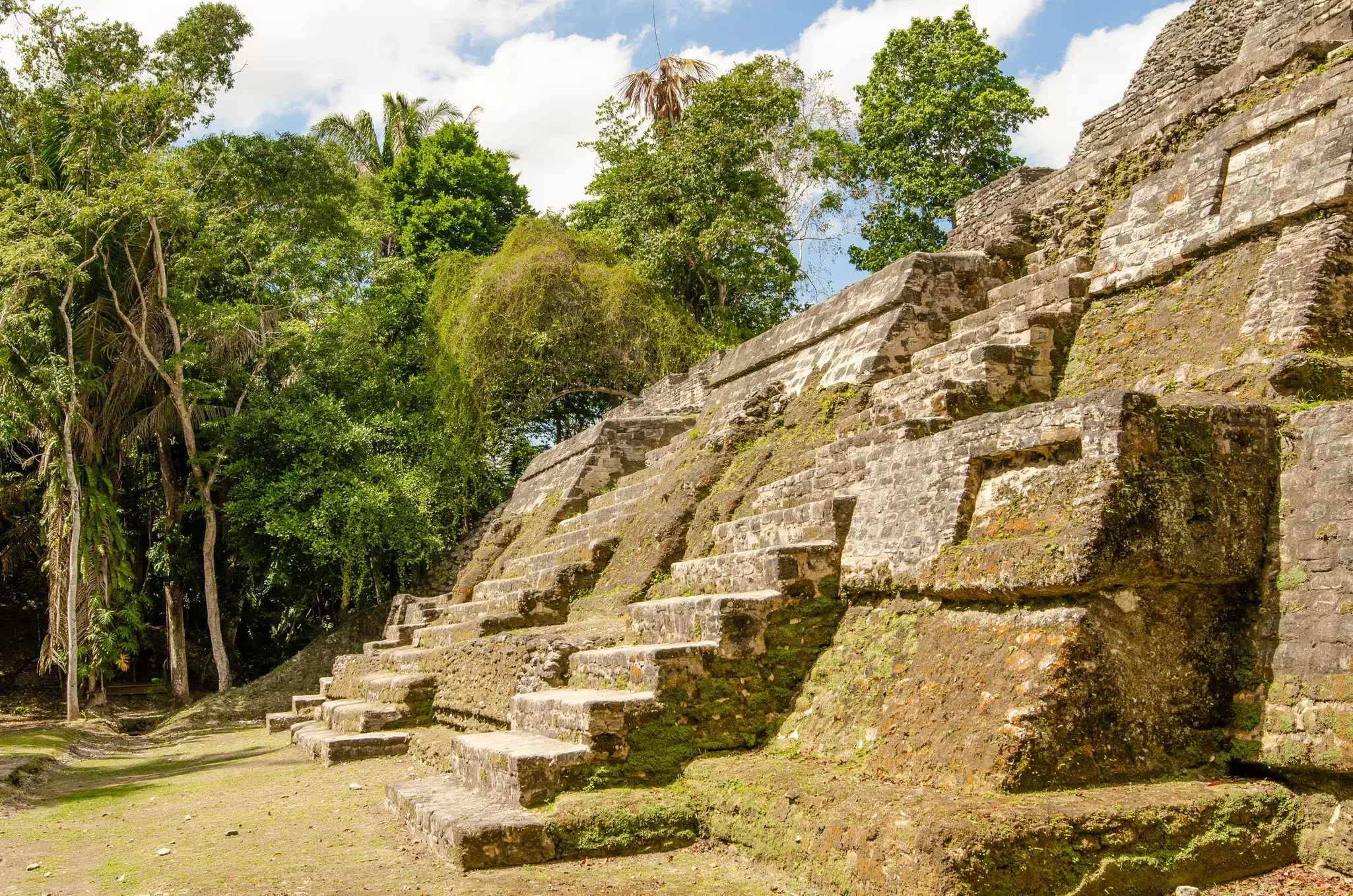
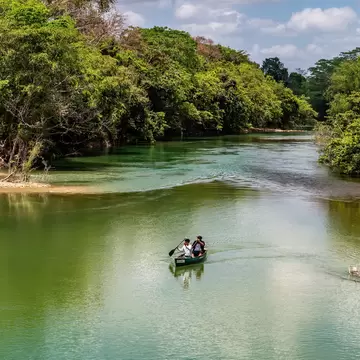
Floating along a winding river in the company of sun-seeking crocodiles, black howler monkeys and even tiny fruit bats roosting among the underbrush is just the apéritif. On a boat trip to Lamanai – the ancient Maya city whose name translates to "submerged crocodile" – you’ll also cruise past the Mennonite community of Shipyard with its still-functioning sugar mills and carpentry traditions.
But the journey upstream on the spring-fed New River Lagoon culminates at Belize’s longest-inhabited ancient city, set quite literally in the middle of the jungle. Here you can drift into daydreams, imagining what the construction of the city might have been like, while marveling at the intricately carved architecture that survives today.
Standing where Maya royalty once did, you can revel in the most completely excavated Maya city on a 2-hour tour, taking in sights such as the canopy-protected crocodile headdress adorning the front of the Mask Temple and the city's tallest structure, the 125ft-high High Temple.
Planning tip: If you don't need to rush on from Lamanai, stop overnight at the nearby village of Indian Creek or the Lamanai Outpost Lodge for a remote, riverside eco-adventure.
Best for marine encounters on the Belize Barrier Reef
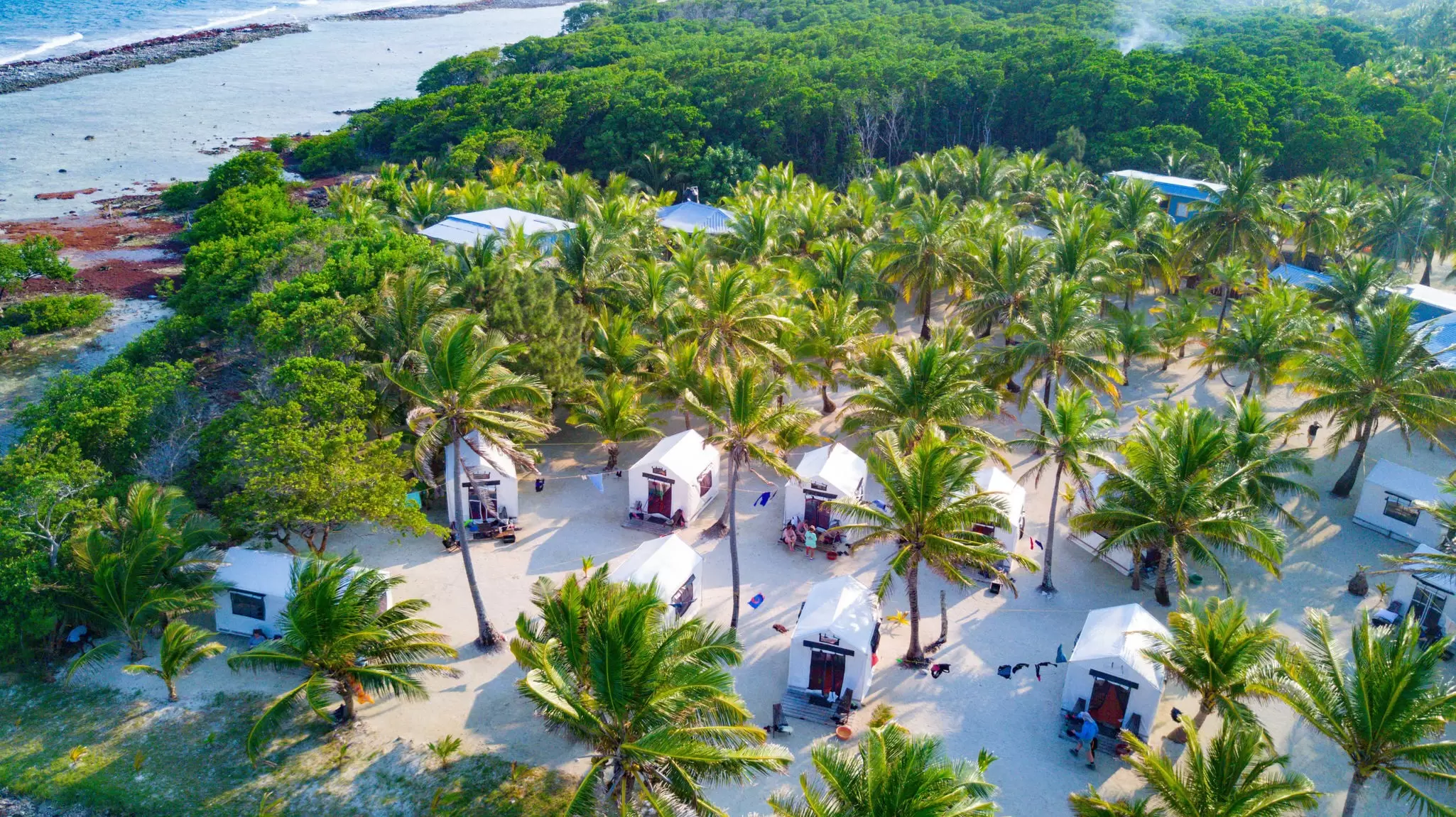
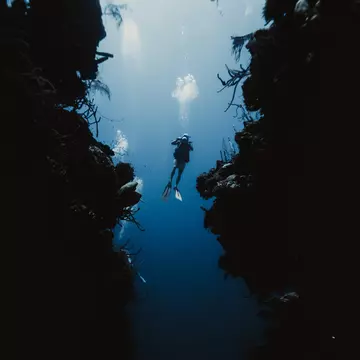
The pristine coral formations of Glover's Reef enclose a tranquil lagoon, creating the Western Caribbean’s finest and best-formed atoll. Located in the far south of the country, the atoll is well worth the trip for the chance to dive on the world’s second-largest barrier reef (as attested by UNESCO).
Remoteness isn’t even the caveat either: here, it’s the allure. On a day trip from the mainland or an overnight stay in one of the atoll's resorts, you can dive or snorkel on the fringes of the 15,000ft-deep Caiman Trench, which runs east toward Cuba.
Snorkelers can float over in a tangle of green elkhorn coral thronged by reef fish at a depth of just 25ft at Emerald Forest Reef, while divers can drop down the walls at Long Caye or Southwest, viewing marine fauna ranging from Caribbean reef sharks to hawksbill turtles and giant groupers. The dramatic, near-vertical descents are radiant with life during night dives.
Planning tip: Book your dive experience at Glover's Reef for the start of your trip in case of potential delays due to the weather. Reaching the dive sites and island resorts involves an open-ocean crossing and the wind can be a factor. The boat trip from Dangriga, Hopkins, or Sittee River on the mainland takes around 2 hours one-way, with lodging available in either rustic or deluxe accommodations at resorts such as Glover's Atoll Resort and Isla Marisol Resort.
Best for learning an Indigenous craft
Packed with thousands of nerve endings, our fingertips provide us with a flood of information, and getting hands-on with a traditional craft is a wonderful way to engage with a destination. You can learn more about Indigenous Maya pottery at the all-women, non-profit co-op run by Yucatec Maya people in the village of San Antonio, 10 miles south of San Ignacio.
Teachers adorned in traditional Huipil dress will introduce you to the community's ancestral pottery techniques, from digging out the river clay to coiling pots, burnishing the surface of the clay with river stones, and painting with naturally ground minerals. And they'll teach you just how they use their hands, so you can do it too.
During the workshop, you'll make a perfect vessel for drinking homemade atole corn porridge as the teachers explain the sustainable firing methods of the traditional kiln. Resident Frank Tzib hand-paints Maya hieroglyphics on the vessels, an ancient language revived by this community.
Planning tip: Try to time your trip so you are also able to experience the San Ignacio Market, open daily but particularly lively on Saturdays, and best visited in the early morning.
Explore related stories