Feb 3, 20269 min read
The 10 best things to do in San Juan, Puerto RicoFeb 3, 2026
9 MIN READ
Writer
Lonely Planet may earn a commission from affiliate links on our site. All recommendations and reviews reflect our own independent opinions.
The imposing Castillo San Felipe del Morro, Old San Juan, Puerto Rico. Frederick Millett/Shutterstock
Writer
San Juan seamlessly weaves together the historic and the modern, with cobblestone streets first laid half a millennium ago and neighborhoods that hum with contemporary life.
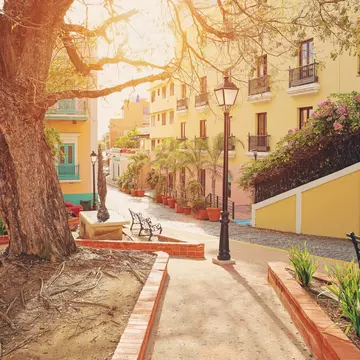
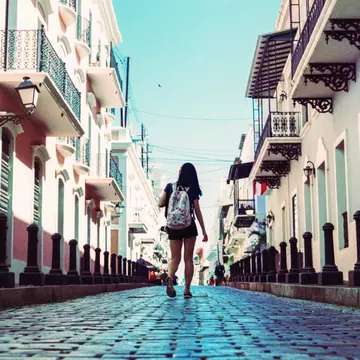
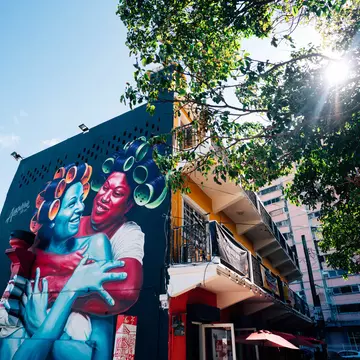
Bursting with charm, Old San Juan unfurls a confection of rainbow-colored buildings against a dramatic palm-fringed coastline guarded by monumental fortresses. The diverse blocks enclosed within the 3-mile-long city walls overflow with bold street art and farm-to-table restaurants that celebrate Puerto Rico’s rich culture.
San Juan’s emerging entrepreneurs, chefs and trendsetters are riding a wave of creativity by channeling an "all things local" philosophy. Across the city, bars and clubs rock to the sound of salsa, reggaeton and Latin trap as mixologists craft innovative cocktails from fresh produce.
In a place like this, exploring prized landmarks is just the beginning. Many of San Juan’s signature experiences involve simply falling into the daily rituals of the city. Here are a few of the best things to do in San Juan, Puerto Rico.
Colonized by Spain in the 16th century, ceded to the USA in the 19th, rapidly industrialized in the 20th – San Juan has faced armies, pirates, hurricanes and all forces in between. The Museo de San Juan's exhibits and art illustrate the island’s arc from the Caparra ruins (where the Spanish settled in 1508) to the city's modern-day neighborhoods.
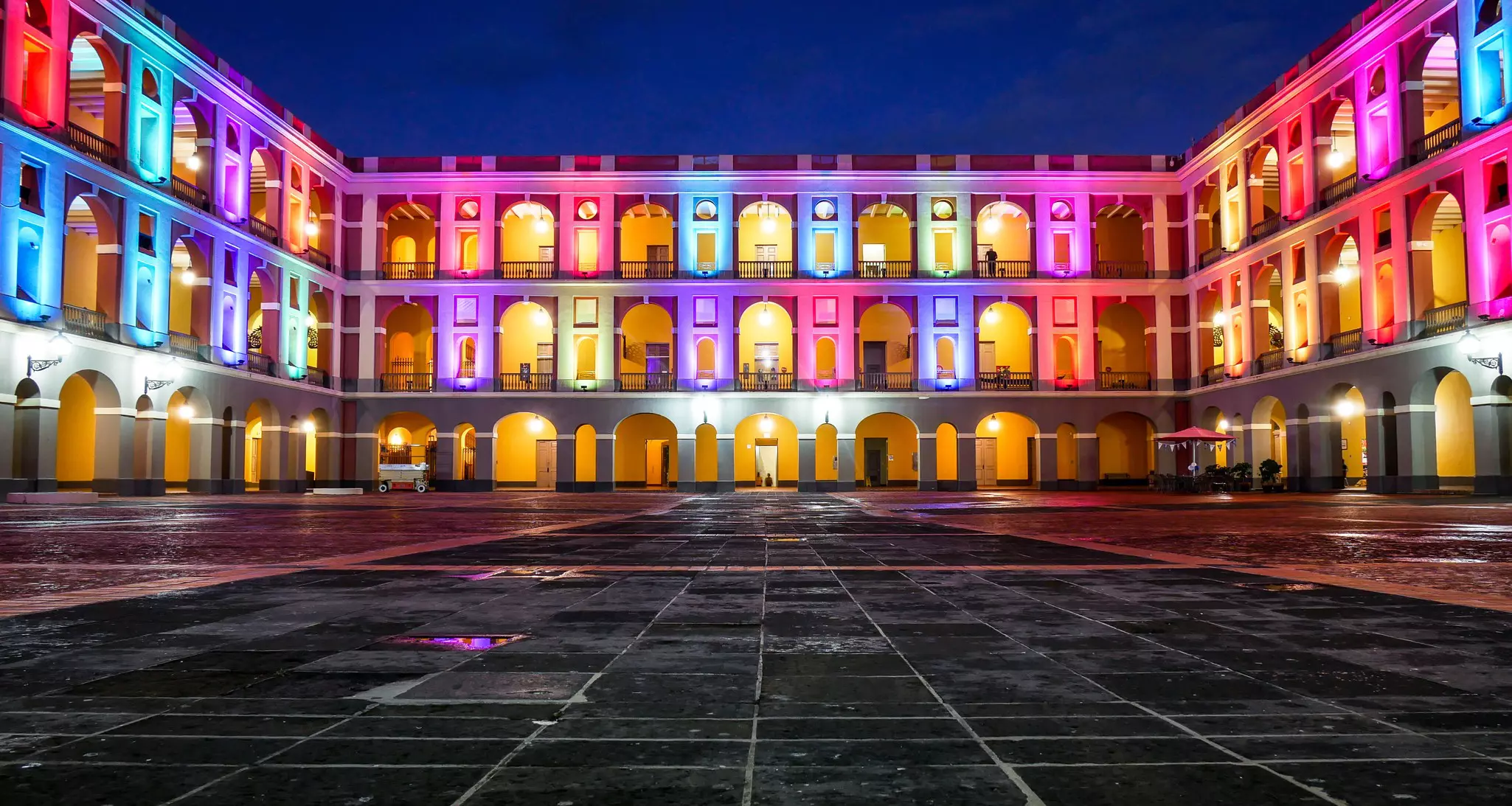
The outstanding Museo de las Américas stands as a testament to the historical importance of the second-oldest European settlement in the western hemisphere (only Santo Domingo in the Dominican Republic is older). Housed in a former military barracks, the museum has well-curated displays that chronicle the island’s rich African heritage, Indigenous culture and the tumultuous colonial period in thought-provoking ways.
San Juan’s other top museums include the Museo de Arte de Puerto Rico, which contains over 4000 artworks from the 14th through 19th centuries; the Museo del Mar, for nautical history; and the Museo de Arte Contemporáneo, featuring 1200 Latin American, Caribbean and diaspora artworks from the mid-20th century to the present.
Planning tip: At 77 sq miles, San Juan looks like a tiny city, but don’t be fooled by its size – getting around requires a combination of walking, taxis and asking locals for directions. Don’t be shy; if you get lost, someone will show you the way and very likely tell you a good story.
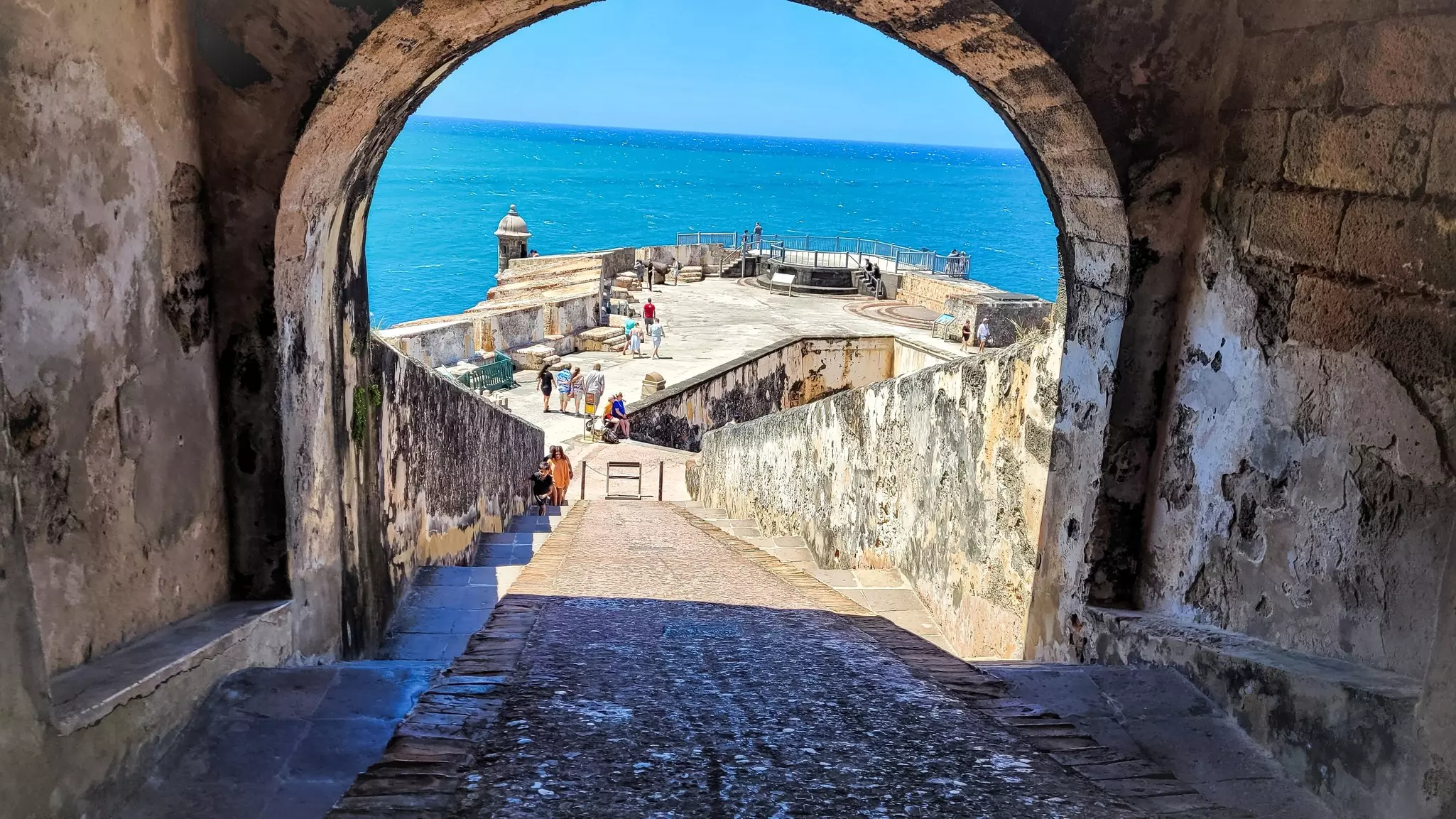
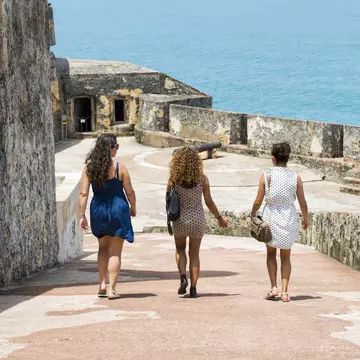
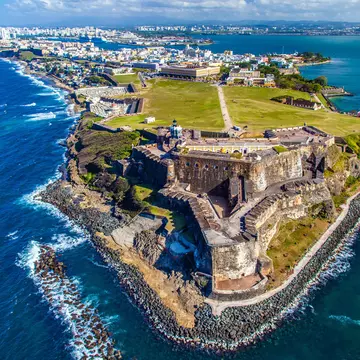
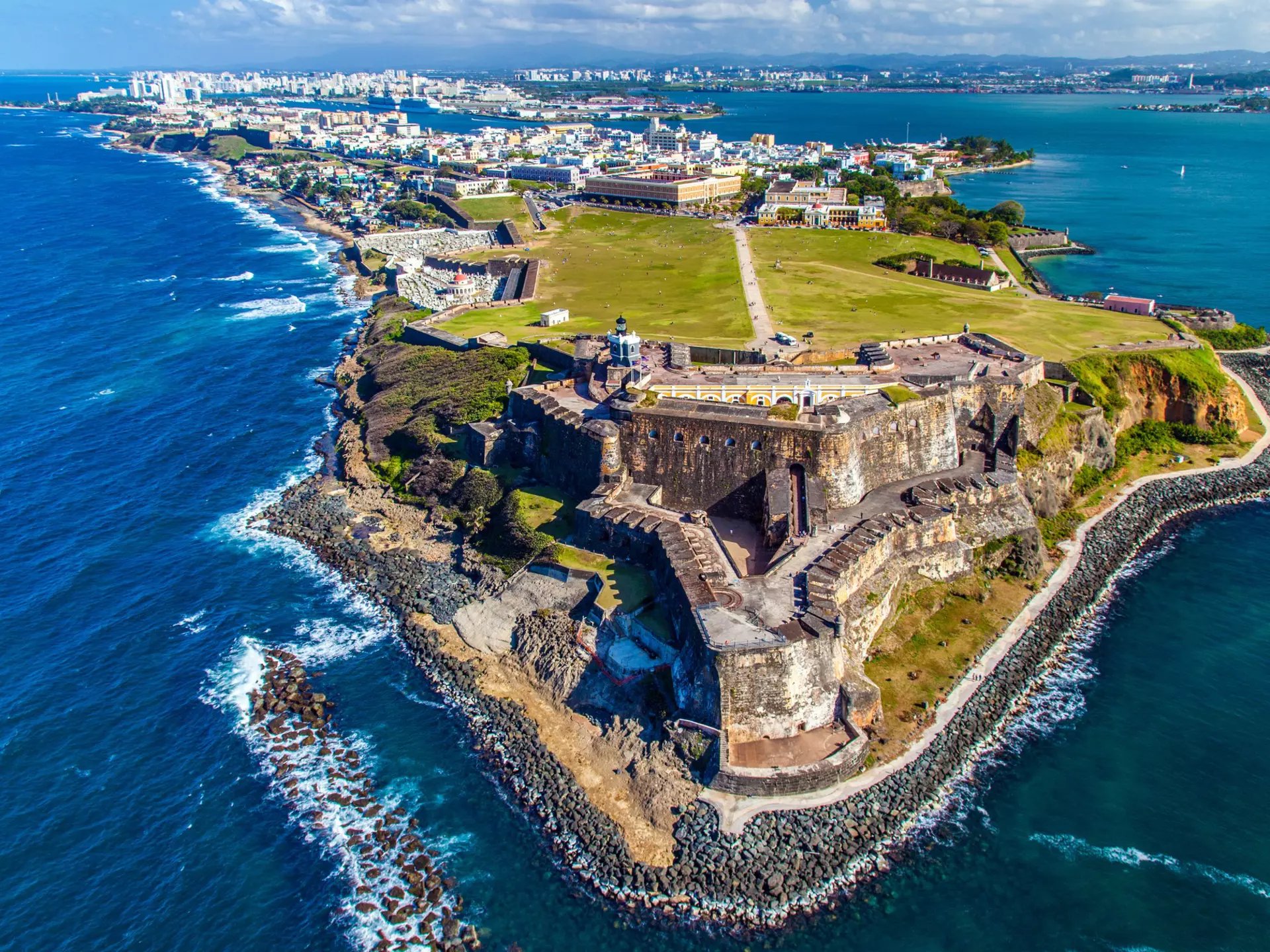
Built over the span of two centuries to repel Puerto Rico’s seaborne aggressors, Castillo San Felipe del Morro – just El Morro to friends – kept the Spanish flag flying over San Juan for almost 400 years, until American troops poured into the city in 1898. The national monument majestically rises above the northwestern point of the Old San Juan peninsula, and beneath its crenellations and towers lies a fascinating labyrinth of dungeons, vaults, barracks, turrets, lookouts and secret passageways. Ringed by walls that top 45ft in places, these immense fortifications came close to bankrupting the Spanish crown.
Planning tip: Head here on weekends, when local families flock to the fort’s grassy promenade to picnic, walk their dogs and fly kites (you can buy your own kite from the vendors in front of the site).
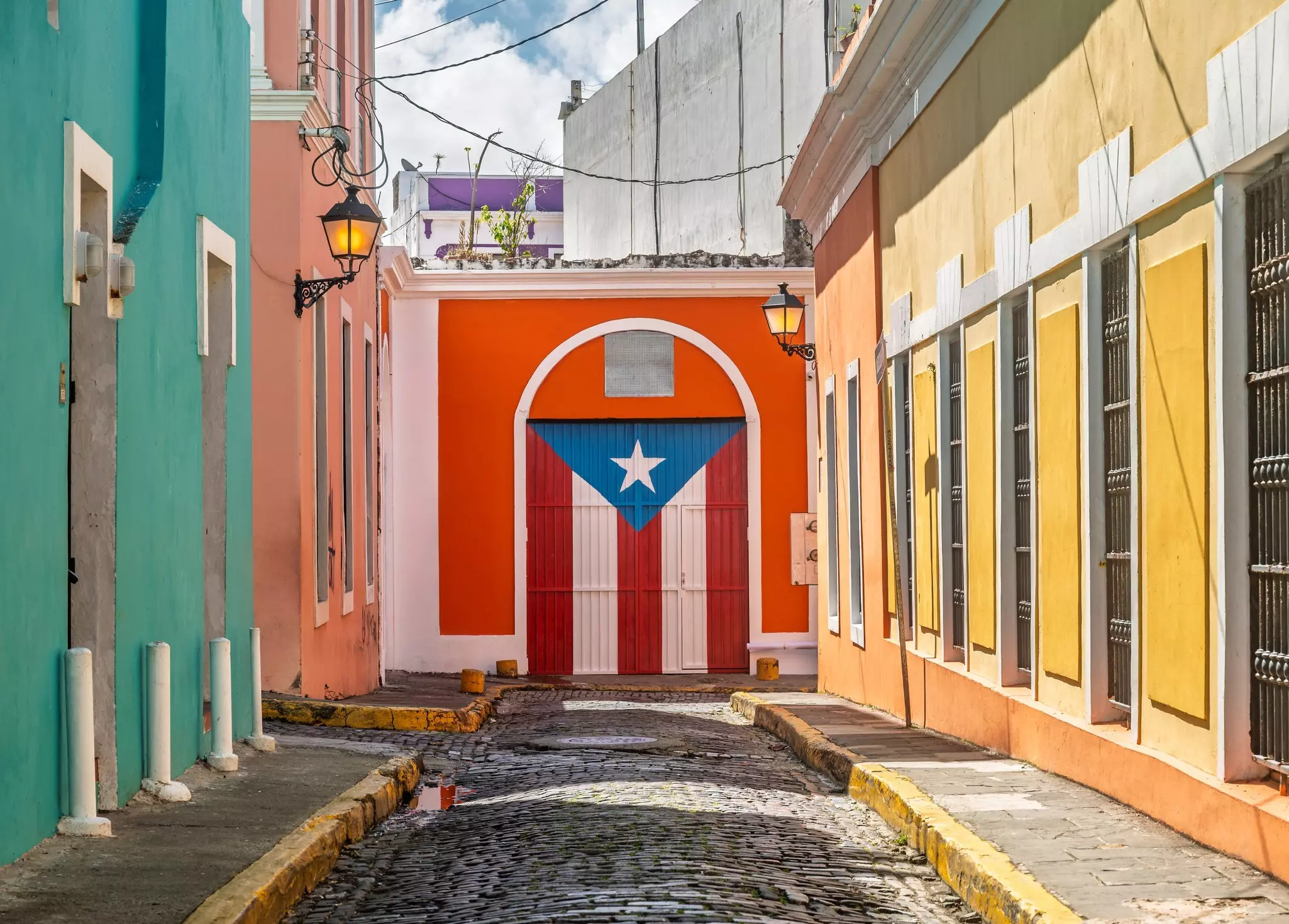
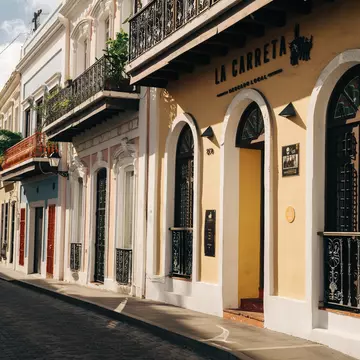
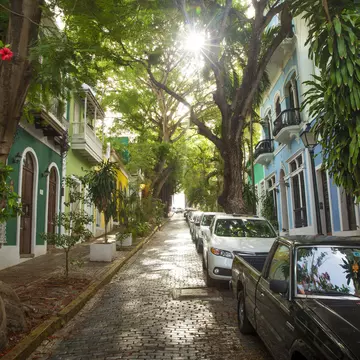
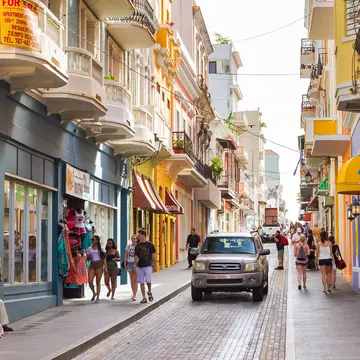
Small and neatly laid out, Old San Juan is a repository of beautifully preserved colonnaded buildings, historic plazas and streets cobbled with ballast from Spanish galleons. Walk within the imposing 16th-century walls that enclose a seven-by-seven grid of streets and be met with flower-filled patios, boutiques, art galleries and a handful of engaging museums. The surfeit of architectural showpieces includes the venerable Gothic Catedral de San Juan Bautista, built in 1540; and the palatial La Fortaleza, the eye-catching official residence of Puerto Rico’s governor.
Planning tip: Organized protests on Calle de la Fortaleza, where the governor’s mansion is located, are a possibility depending on political events. Check the news for any planned demonstrations.
A stone’s throw from La Placita de Santurce, Santaella is a superb, trend-driven restaurant serving contemporary Puerto Rican cuisine. Once a hardware store, it now contrasts industrial decor with flamboyant tropical murals, and its Caribbean dishes fuse authentic local flavors and international cooking styles, like succulent jumbo shrimp drizzled with garlic cream sauce; farm-to-table roasted cauliflower with white bean hummus, goat cheese and pomegranate; and avocado salad enlivened by fresh cheese and ginger dressing.
At the sleek bar, mixologists craft tropical libations and inspired interpretations of classic cocktails – favorites include the watermelon mojito and tequila-infused espresso martini.
Planning tip: On the flip side of fine dining is San Juan's strong food truck scene. Sample the options at Lote 23, where new and established chefs have set up shop tucked between buildings in the middle of Santurce. The wooden shacks have everything from La Sobrina, a classic Puerto Rican chinchorro, to creative vegan fare at Pazalsear and a full craft beer menu at El Lote de Salitre. Watch the calendar for special events and live music.
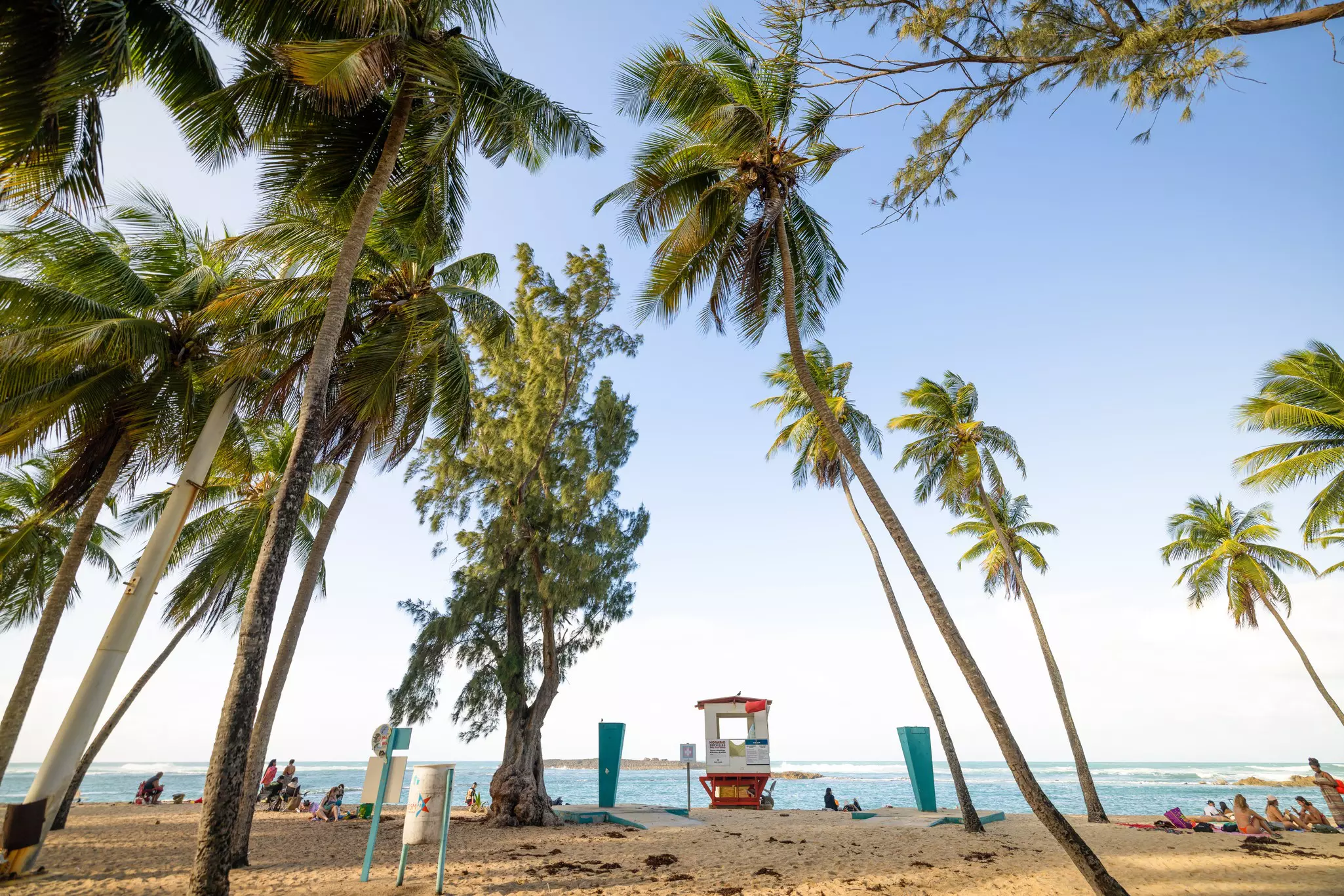
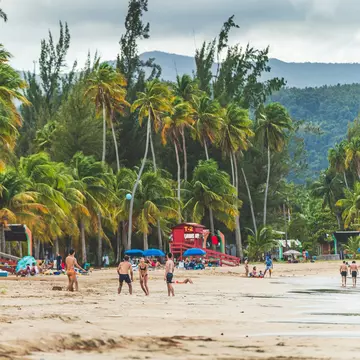
Surfers of all stripes are drawn to San Juan’s consistent swells, diverse breaks and laid-back vibe. On the northern end of Puerta de Tierra, just outside Old San Juan, Playa El Escambrón – known locally as La Ocho – is considered San Juan’s best balneario (public beach).
Escambrón combines dramatic scenery with family-friendly recreation and amenities. Beautiful palm-shaded sands are protected by a coral reef that provides rewarding snorkeling at Escambrón’s namesake marine park. Snorkelers can float among schools of blue tangs and damsel fish that carouse among magnificent brain coral. (For prime visibility, aim for the western side of the conspicuous rock offshore.)
Detour: Worthy of a visit nearby are the Batería del Escambrón, a small 18th-century fortification, and the oceanfront Parque del Tercio Milenio, a popular green space with trails and bike paths.
A short ferry and taxi ride from the main islet of Old San Juan is Casa Bacardí, the rum giant’s flagship factory and spiritual home since the Bacardi family fled from Cuba to Puerto Rico in 1960. The distillery produces a staggering 100,000 gallons of rum each day – it is the largest of its kind in the world.
The visitors center reflects the interior of a Cuban villa, housing an interactive history of both the company and rum itself. You’ll also have the opportunity to smell the different ingredients that go into rum.
Planning tip: Bacardi offers three tours: a rum-tasting tour, a mixology class and the legacy tour, which focuses on Bacardi family history. Be sure to end your visit by sipping a cocktail on the waterfront pavilion and enjoying views of El Morro across the bay.
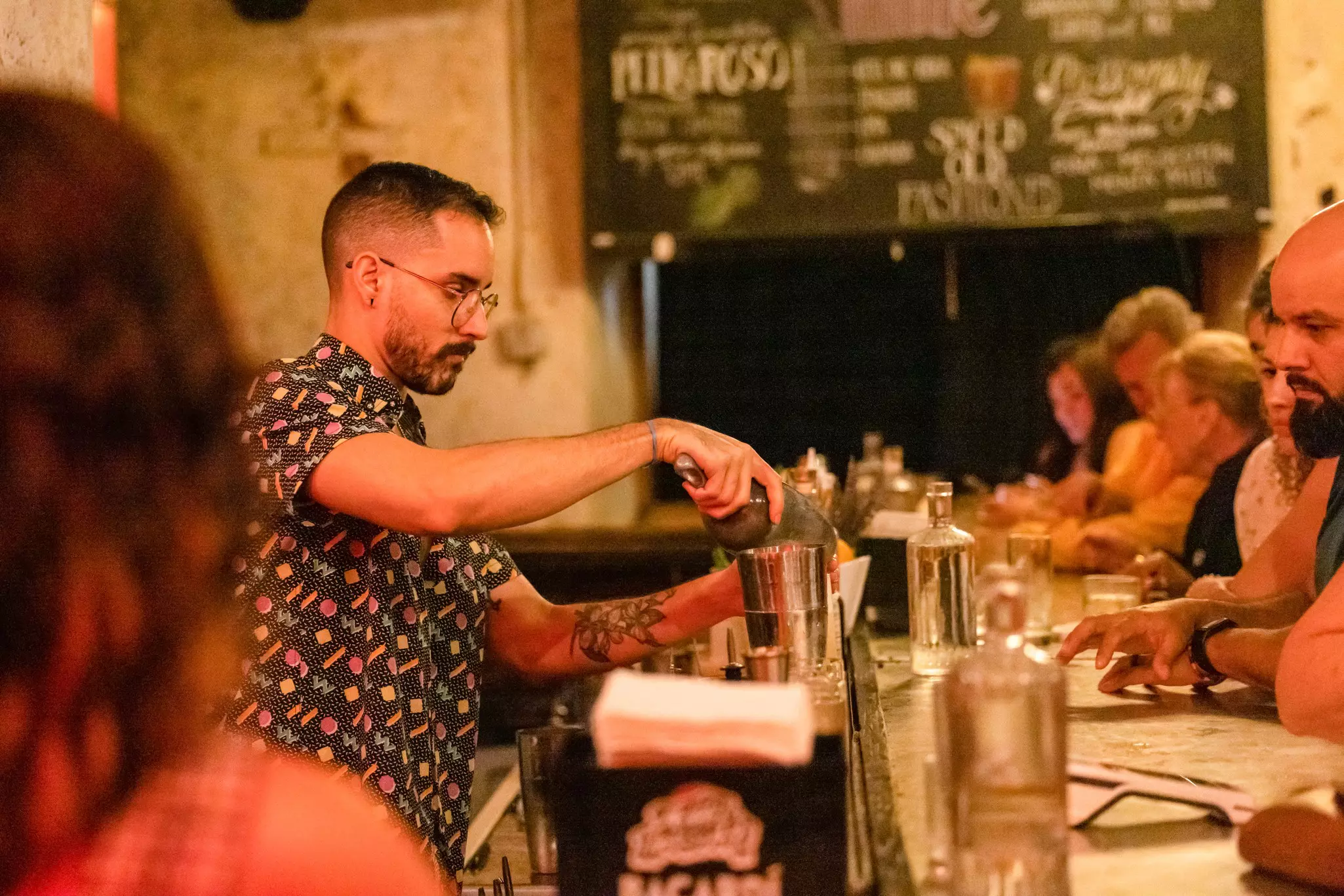
One of San Juan’s must-visit cocktail bars, La Factoría rejuvenated the city’s bar scene when it opened in 2013. Now La Factoría is an international phenomenon, thanks in no small part to its appearance in the music video for the reggaeton hit “Despacito.”
Graffiti-etched passageways link a chic lounge, sultry wine bar and salsa dance floor; the common theme is terrific music and virtuoso mixology. A house favorite is the Lavender Mule, a potent combination of vodka, house-made ginger beer and lavender-infused syrup.
Planning tip: Barhop further along Calle San Sebastián to Taberna El Lúpulo for local and international artisanal brews, a great playlist and creative bar fare. At La Sombrilla Rosa, inexpensive beer and lots of reggaeton dancing fuel an all-night party that spills onto the street – the crowd skews young, and weekends get rowdy.
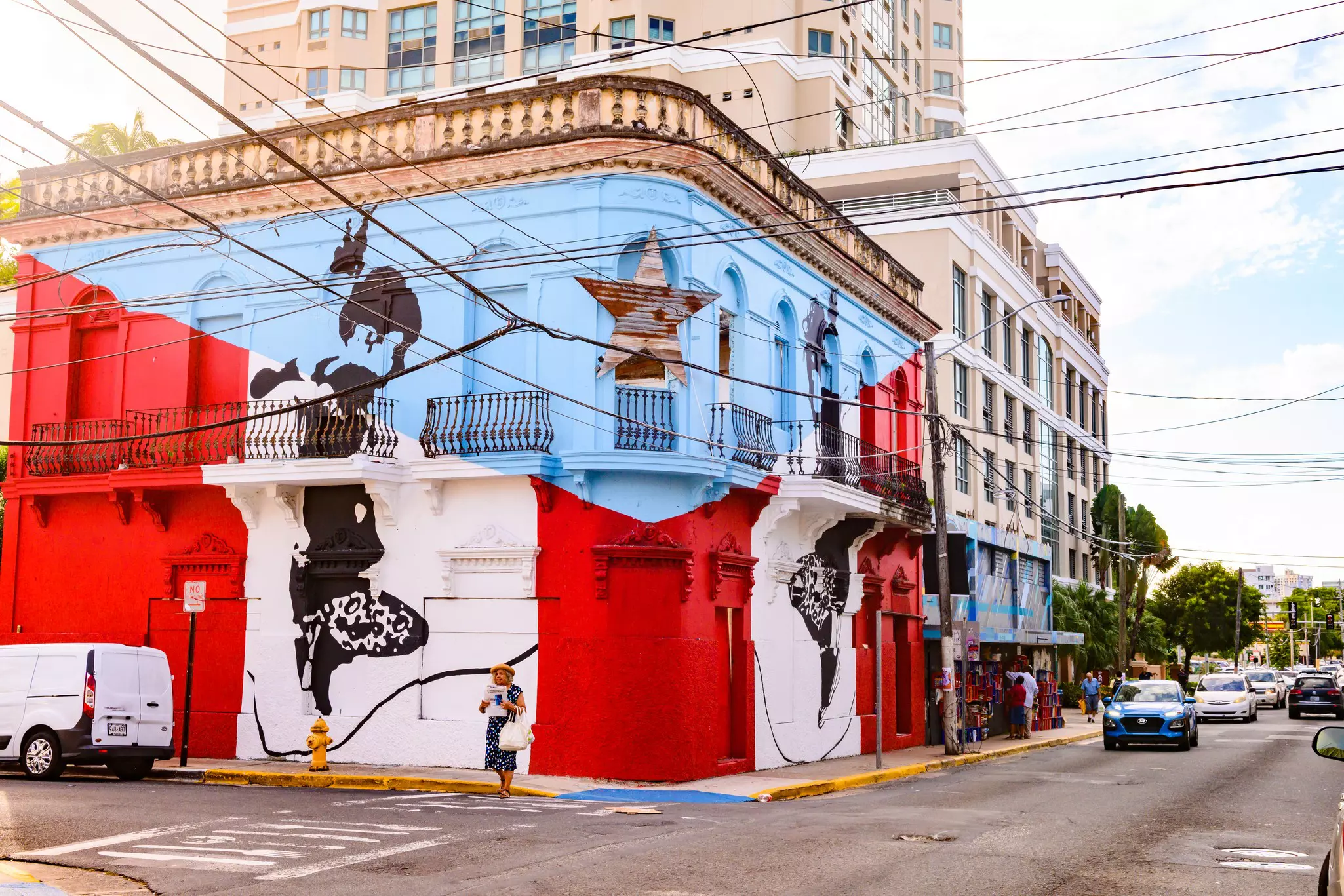
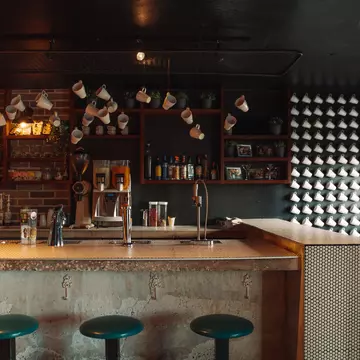
Dubbed the Avenue of the Arts, Calle Loíza overflows with stylish cafes, eclectic restaurants and concept stores that channel Puerto Rico’s Apoyo Lo Local (Shop Local) movement.
In the space of several blocks, you can savor a robust cortadito (espresso with steamed milk) made with locally produced coffee beans at Café con Cé, rejuvenate with a tropical fruit smoothie at Kamoli Juice Bar and pause at Tresbé, built around bright yellow shipping containers, for a casual alfresco lunch of classic Puerto Rican bites and international fusion fare.
Art is everywhere along Avenida de Diego and Calle Tapia. One of the area’s most emblematic artworks, Loíza Brinca by local Abéy Charrón, enlivens an entire building with the Puerto Rican flag. On the corner of Loíza and Benitez Castaño, check out the bold, geometric mural by design studio Kiik Create.
Planning tip: Weekend fairs and annual events like the Fiestas de la Calle San Sebastián in January are a great way to meet artisanal makers and get everything from hand-rolled tobacco to woven hammocks.
The revitalized neighborhood of Santurce bursts with color and creativity, and the hub of this rapidly gentrifying barrio is La Placita, a historic farmers market by day and vibrant outdoor party by night.
Come evening, friends swing by and families gather at the many bars and restaurants that surround the square. From 10pm onward, everything kicks up a notch, as musicians play from the makeshift stage and just about everyone takes part in spirited salsa and perreo dancing.
Planning tip: This party doesn't break early – the revelry invariably continues until dawn.
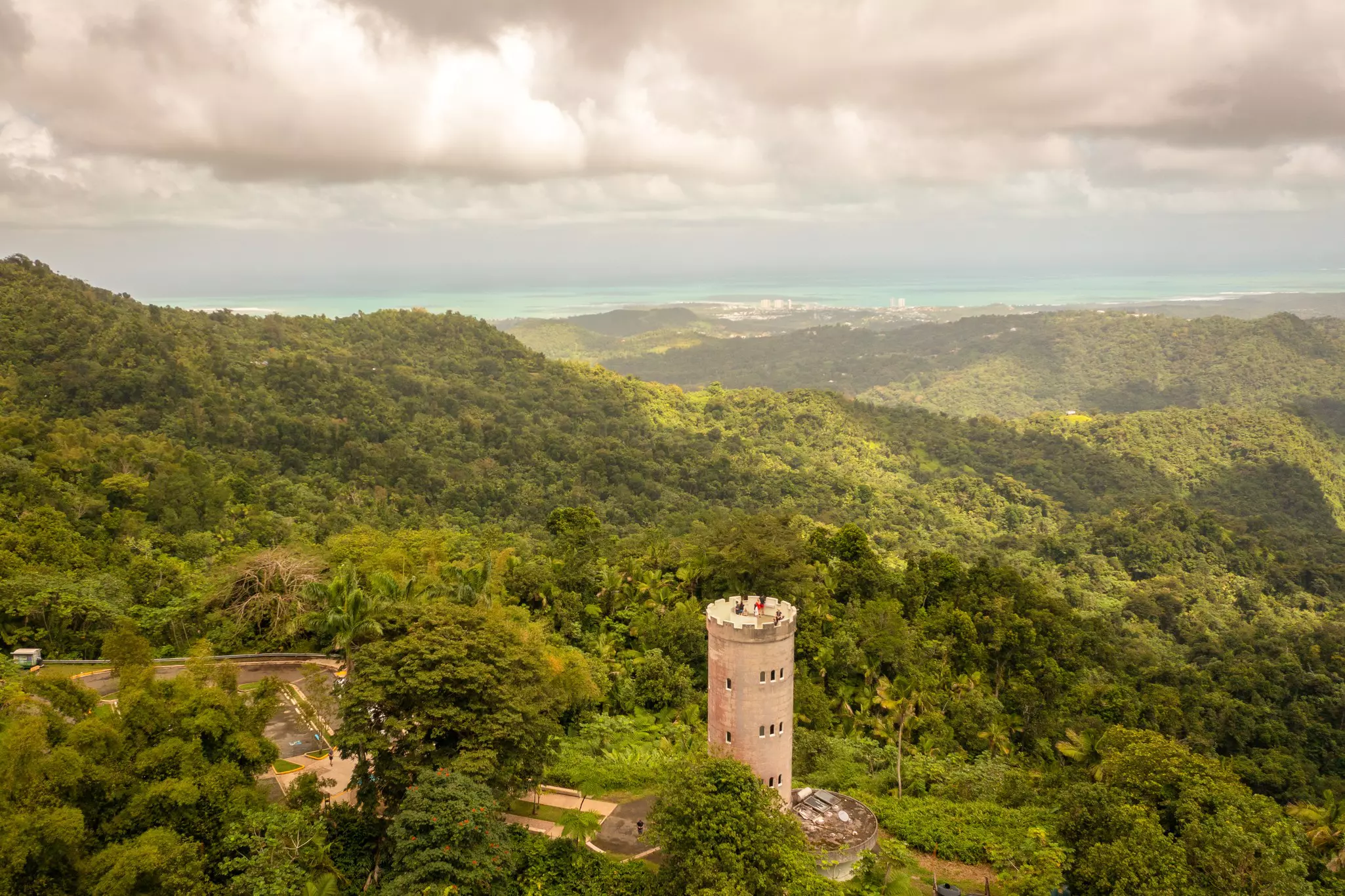
A scant hour by car from San Juan, El Yunque National Forest is the smallest of the national forests in the US National Forest Service – and the only tropical rainforest – yet it’s remarkably biodiverse, containing 240 tree species and 127 land vertebrates, including species endemic to Puerto Rico and the forest itself.
Get oriented at the visitors center, then strike out on one of the trails. The short Los Picachos path leads to a 360-degree viewpoint after only 0.2 miles. Or climb the 69ft Yokahú Tower; from the top, some 1575ft above sea level, you can see the full expanse of the forest out to the coastline and even as far as the Virgin Islands.
Planning tips: Bring a change of clothes in case you take a dip and some water shoes to wear at the waterfalls. Waterfalls and rivers are prone to flash flooding, so even if it’s sunny, stay vigilant for signs of flooding.
Explore related stories