Jun 1, 202611 min read
Guide to Delhi’s Red Fort (Lal Qila)Mar 12, 2026
12 MIN READ
Contributors
Contributors


Monique Choy, Lonely Planet Editors
Things are changing fast in Delhi, the fast-paced, culture-crammed capital of India. This modern metropolis may have a fast and efficient metro and an increasingly international feel, but it has always treasured its incredible past. The top things to do in New Delhi will take you on a journey through thousands of years of history, vividly colorful bazaars, atmospheric places of worship and fantastic food.
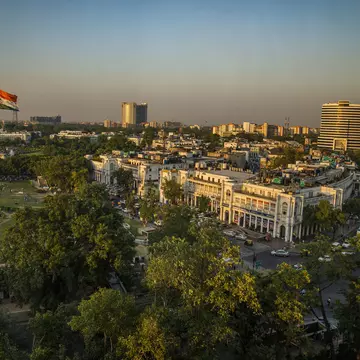
Delhi is one of the world’s oldest continually occupied cities, so you won’t have to look far to encounter fascinating hints of the past. Traces of eight historic capitals poke through the modern sprawl of this rapidly evolving city, from the art deco administrative hub built by the British to the ruined fortifications of Delhi's founders, the Hindu Tomar dynasty.
To get to grips with Delhi, you'll need to understand its geography. Following the path of the Yamuna River, Old Delhi – the Mughal city founded by Shah Jahan – and British-built New Delhi sit surrounded by a vast sweep of residential "colonies" where the bulk of the city's inhabitants reside. In the south, Mehrauli was the heart of the medieval Delhi sultanate, while the remains of Delhi's other ancient capitals lie dotted around the suburbs.
From touring the historic Red Fort in Old Delhi to visiting the multi-faith Bahai House of Worship in New Delhi, here's our pick of the best things to do in Delhi.
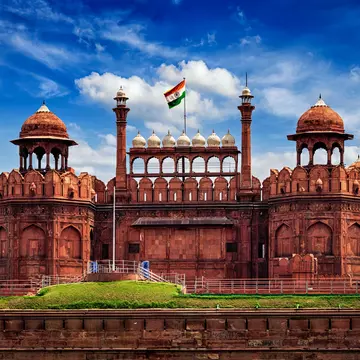
One of India’s most storied leaders, the Mughal emperor Shah Jahan moved his capital to Delhi from Agra in 1648, the same year that work was completed on his wife’s mausoleum, the Taj Mahal. He named his city Shajahanabad (widely known as Old Delhi today) and built the magnificent Red Fort and the nearby Jama Masjid to show off its brilliance.
The Red Fort was a key battleground against the British during the 1857 First War of Independence (you can still see the bullet holes). After the war, the British destroyed two-thirds of the buildings in the Red Fort and erected Victorian-style barracks on the grounds. Today, these have been repurposed as modern museums, exploring the city's complex history.
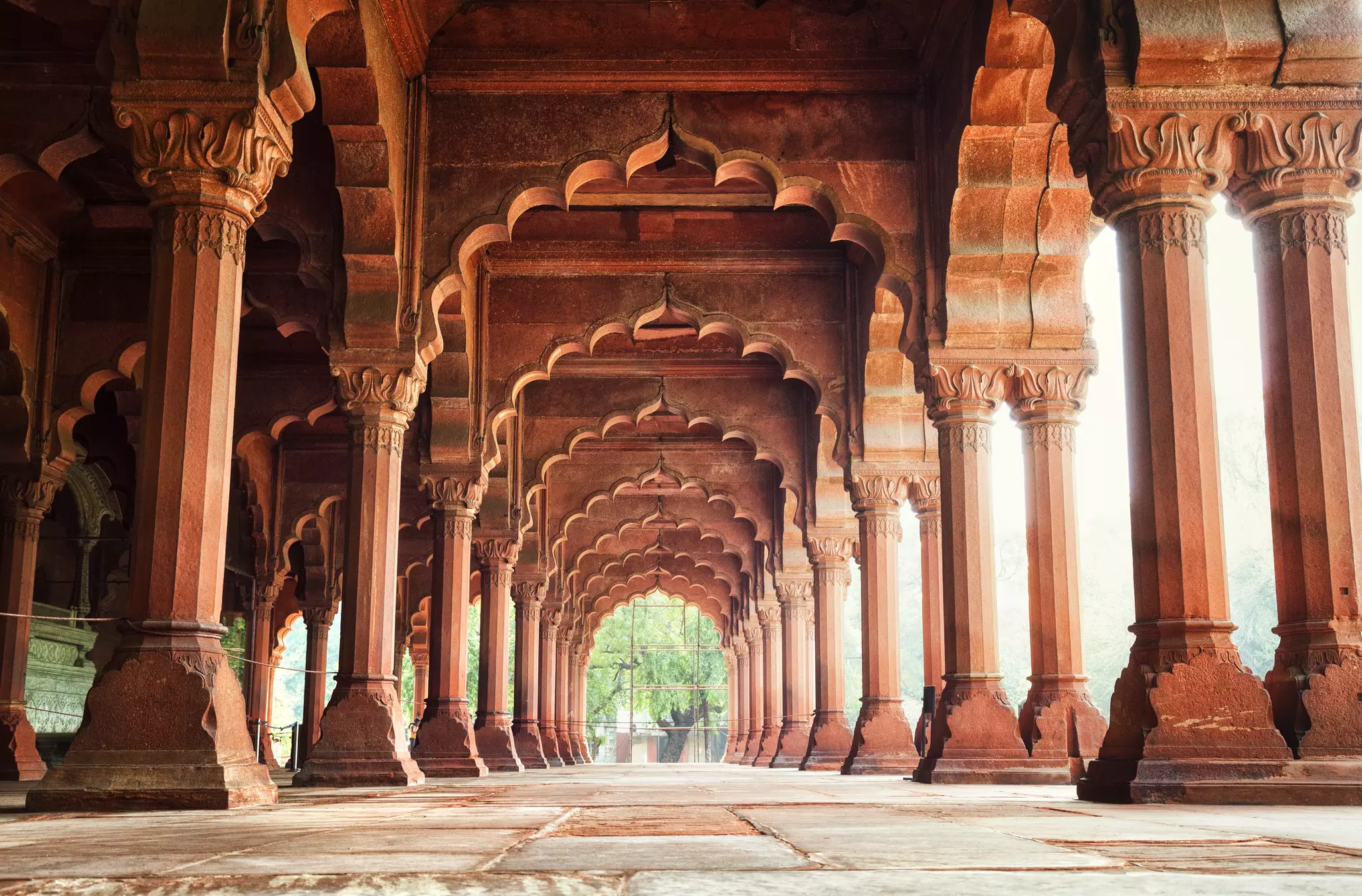
Even if the fort's grandeur is diminished, wandering the remaining structures is a fascinating introduction to the ceremonial life of the Mughal court, with dedicated structures set aside for meetings with the public, discussions with favored courtiers, and the private life of the royal family. The last Mughal emperor, Bahadur Shah Zafar, was evicted from the palace by the British for his role in the 1857 rebellion, bringing an end to more than 300 years of Mughal rule.
The surrounding bazaars are some of the most atmospheric places to shop in Delhi, selling everything from wedding turbans to sequined saris and statues for home shrines. The crowds can be phenomenal, and touts and scams can be a minor problem, but nowhere brings the ancient city so evocatively to life.
Detour: Just outside the Red Fort is Chandni Chowk, a prime hunting ground for Delhi street eats, known locally as dilli-ka-chaat. Try specialties such as jalebis (syrup-soaked fried dough whorls), dahi bhalle (fried lentil balls served with yogurt and garnished with chutney) and chhole bhature (a breakfast favorite of spicy chickpeas, accompanied by puffy, fried bread).
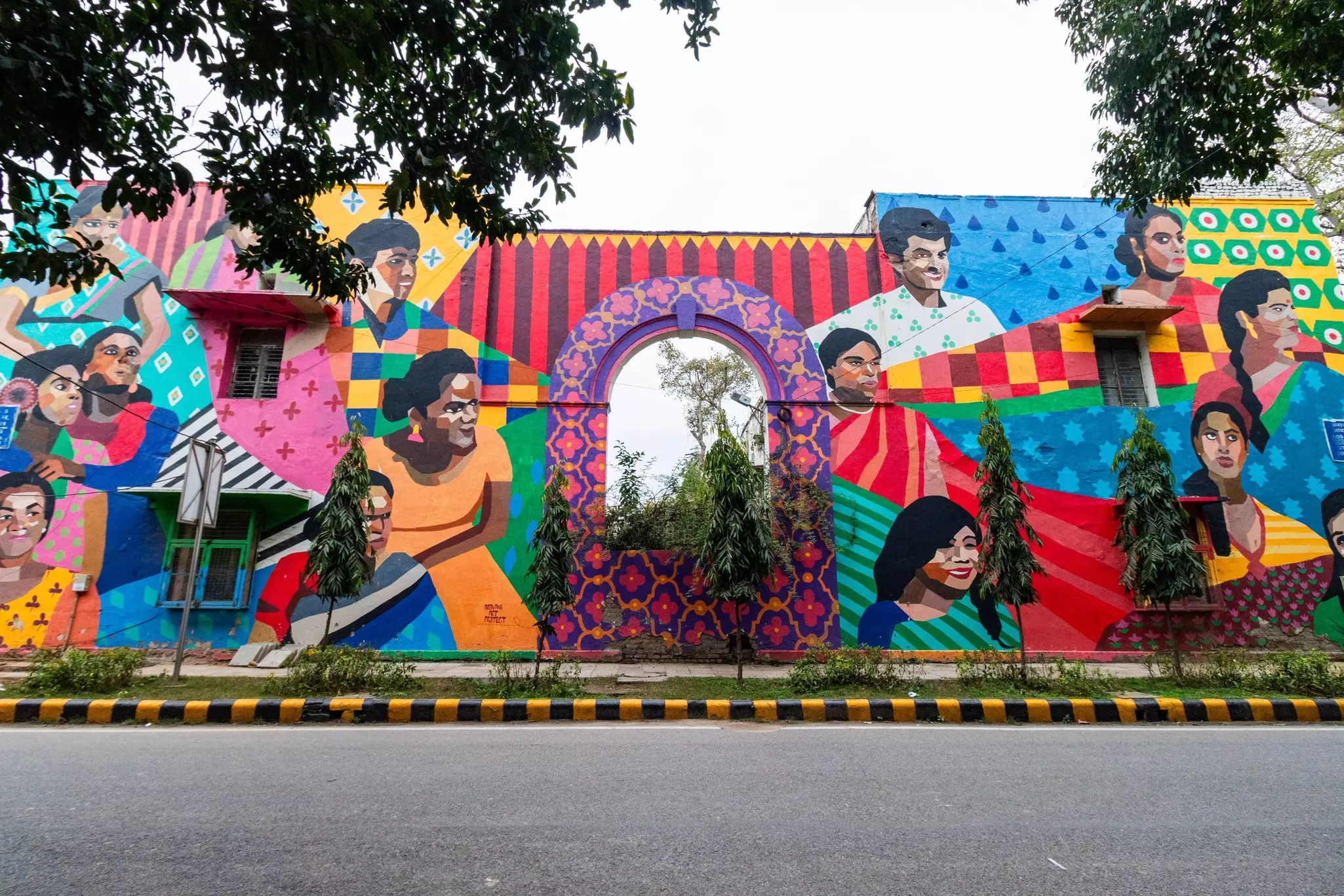
South of the organized streets of New Delhi, Lodhi Colony was once a bland and blocky suburb of British-era housing estates, but its tall walls are now splashed with color. More than 50 Indian artists and creatives from Mexico to France, Canada to Singapore and everywhere in between, have graced the buildings with fabulous murals. It's a project of the St+art India Foundation, and many works take inspiration from Indian culture and heritage.
Exploring is one of Delhi's best free things to do, and you'll also be well-placed to explore the Lodi-era tombs in the Lodi Garden, one of Delhi's most charming – and calm – green spaces. Delhi-ites come here to escape the city crush along shady walkways dotted with ruins from the final dynasty of the Delhi sultanate.
Planning tip: When you need a break from murals and mausoleums, refuel at the fabulous Carnatic Café, specializing in the flavorsome cuisine of Karnataka.
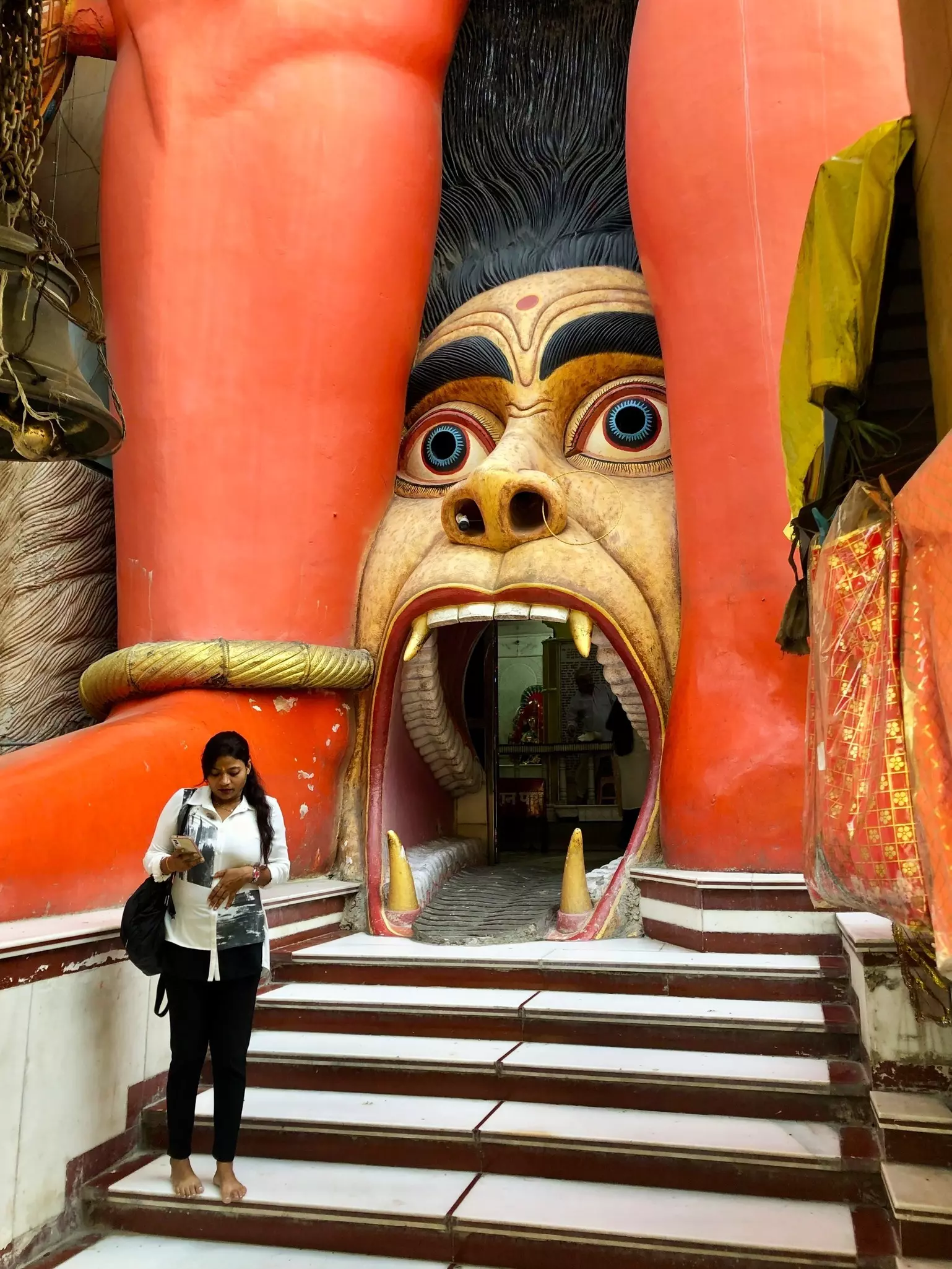
Not far from the popular backpacker hub in Paharganj, Jhandewalan Hanuman Temple towers above the landscape on the edge of the Karol Bagh market district. The temple is centered on a 34m-tall statue of Hanuman, the Hindu monkey god and loyal companion of Lord Rama. Enter through a demon’s mouth and you'll find an artificial cave full of life-sized sculptures of deities, some drinking the blood of Kali as it spurts from her severed neck.
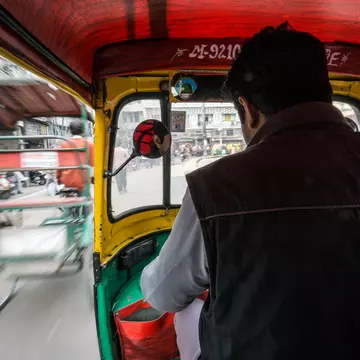
Planning tip: You can reach the temple and the Karol Bagh markets on the metro – a quicker way to travel than weaving through the streets west of New Delhi Railway Station by autorickshaw. When visiting temples and mosques in Delhi, remove your shoes, dress respectfully (covering the upper arms and legs) and follow the guidance of attendants for other rules for visitors.

Lonely planet’s trusted travel insurance provider
Travel with confidence. Protect your trip and your wallet.
We don’t represent World Nomads, we receive a fee from quotes using this link. This is not a recommendation to buy travel insurance.
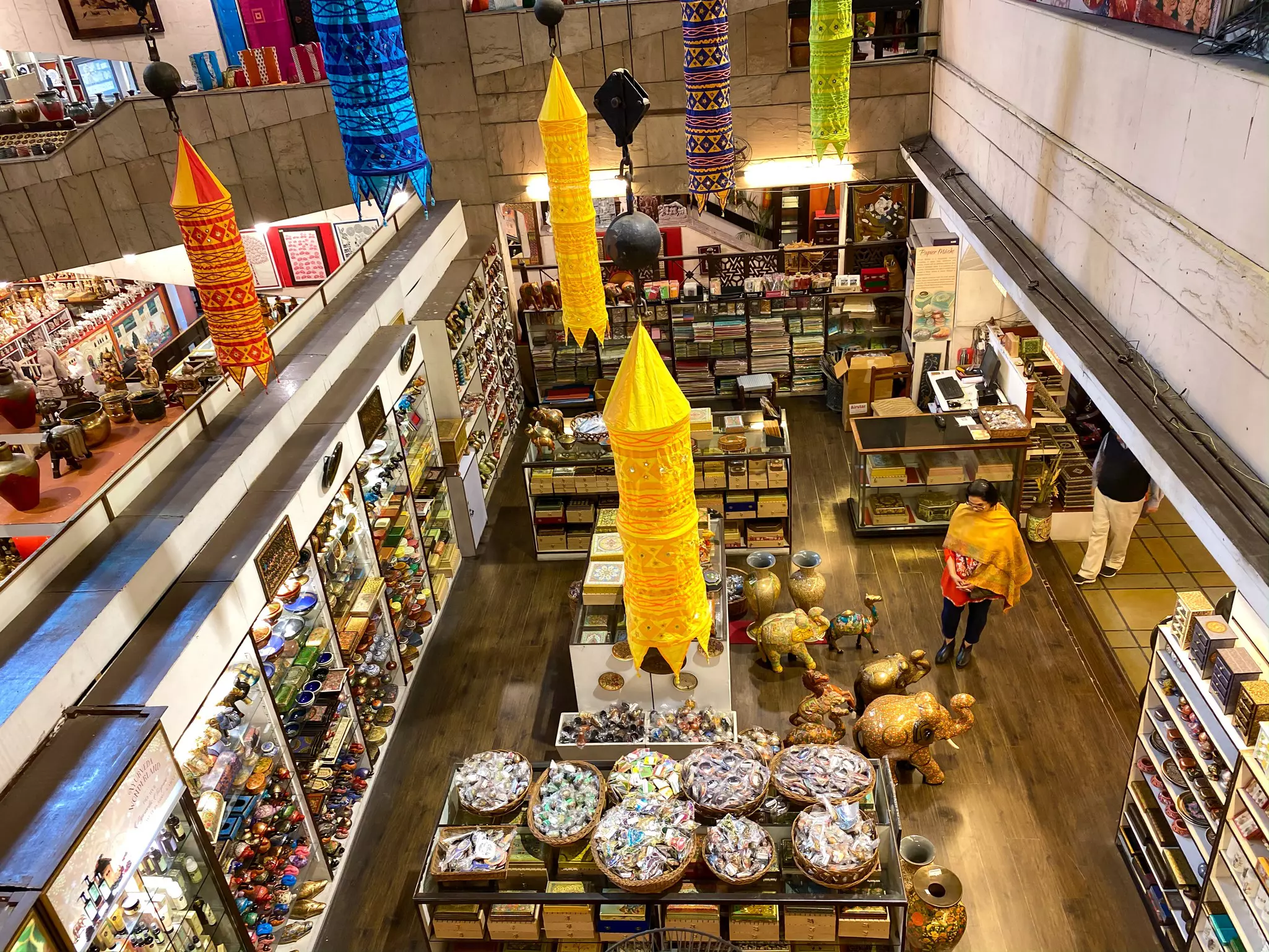
There are benefits to being the capital. Whether it's food, culture, or arts and crafts, the best of India converges in Delhi. You can pick up souvenirs from across the country all in one place along Baba Kharak Singh Marg, extending west from central Connaught Place.
Spread along half a kilometer, treasure-filled state emporiums showcase the work of artisans from across India’s states. You can pick up everything from deity carvings to jewelry and wall hangings, often at very reasonable prices. A couple of blocks east, the government-run Central Cottage Industries Emporium is a multistory treasure trove of handicrafts from across India, all at fixed prices.
Detour: While you're in the area, stop by the eccentric pink-and-white Jantar Mantar, an enormous astronomical observatory built in 1725 by Maharaja Jai Singh II. Check out the massive sundial resembling a stairway to heaven and a world-time clock shaped like an inverted heart. The same ruler built an even larger observatory along the same lines in Jaipur in Rajasthan.
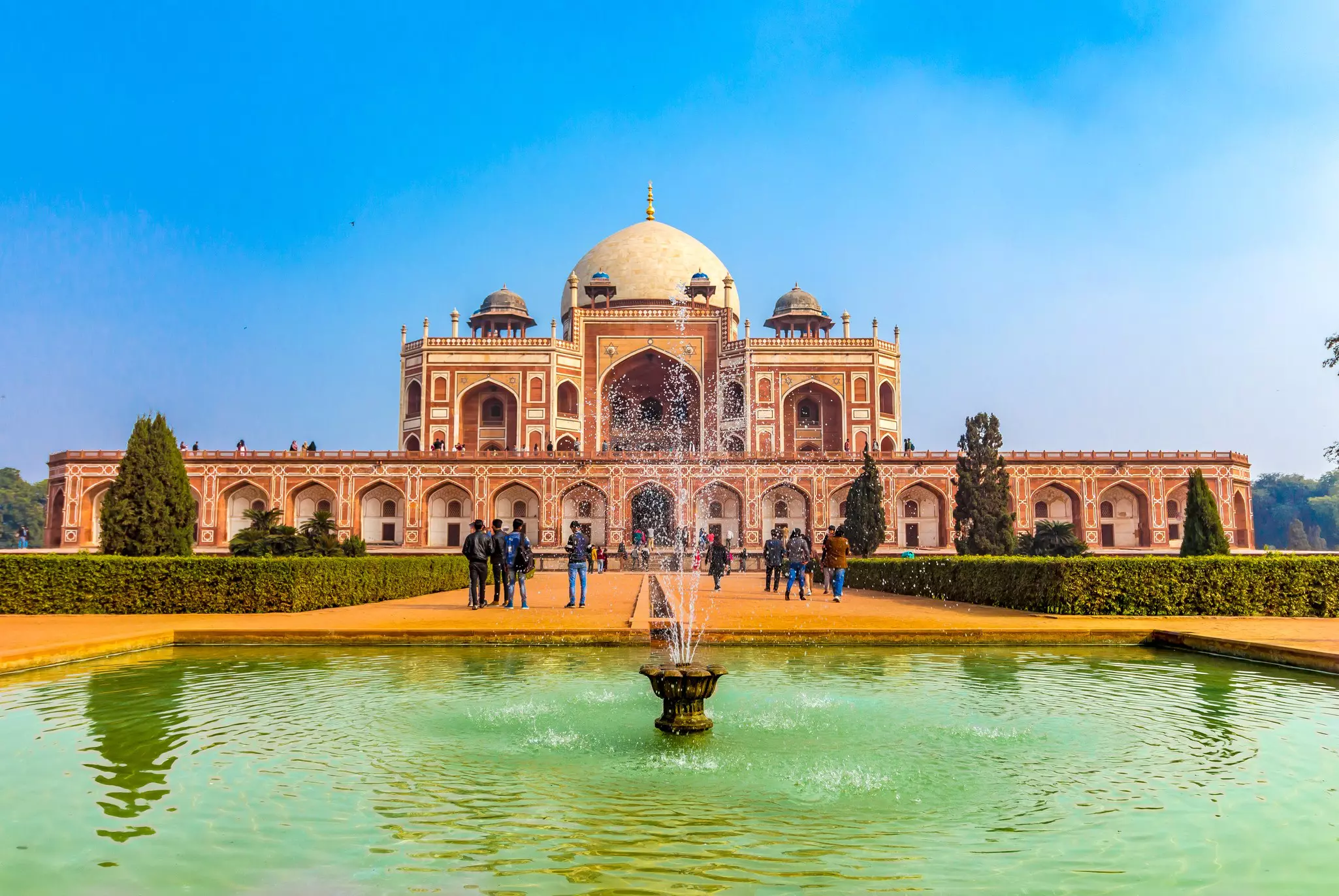
Sublimely proportioned and UNESCO-listed, the tomb of Emperor Humayun was constructed in 1570 to house the mortal remains of Humayun, the second Mughal emperor. This vast, imposing mausoleum blends traditional Mughal architecture with the architectural traditions of Humayun’s Persian-born wife, Haji Begum. The combination was so successful that it was used as a model for the Taj Mahal.
Detour: Within walking distance from Humayun’s Tomb are two standout Delhi attractions. Tucked into the alleyways of Nizamuddin, the Hazrat Nizam-ud-din Dargah offers Delhi’s most mystical experience, as hundreds of devotees gather daily to pay their respects to this revered Sufi saint, singing qawwali hymns and offering rose petals as offerings. Nearby, you'll find more historic structures at the Sunder Nursery, a Mughal garden lovingly restored as a heritage park.
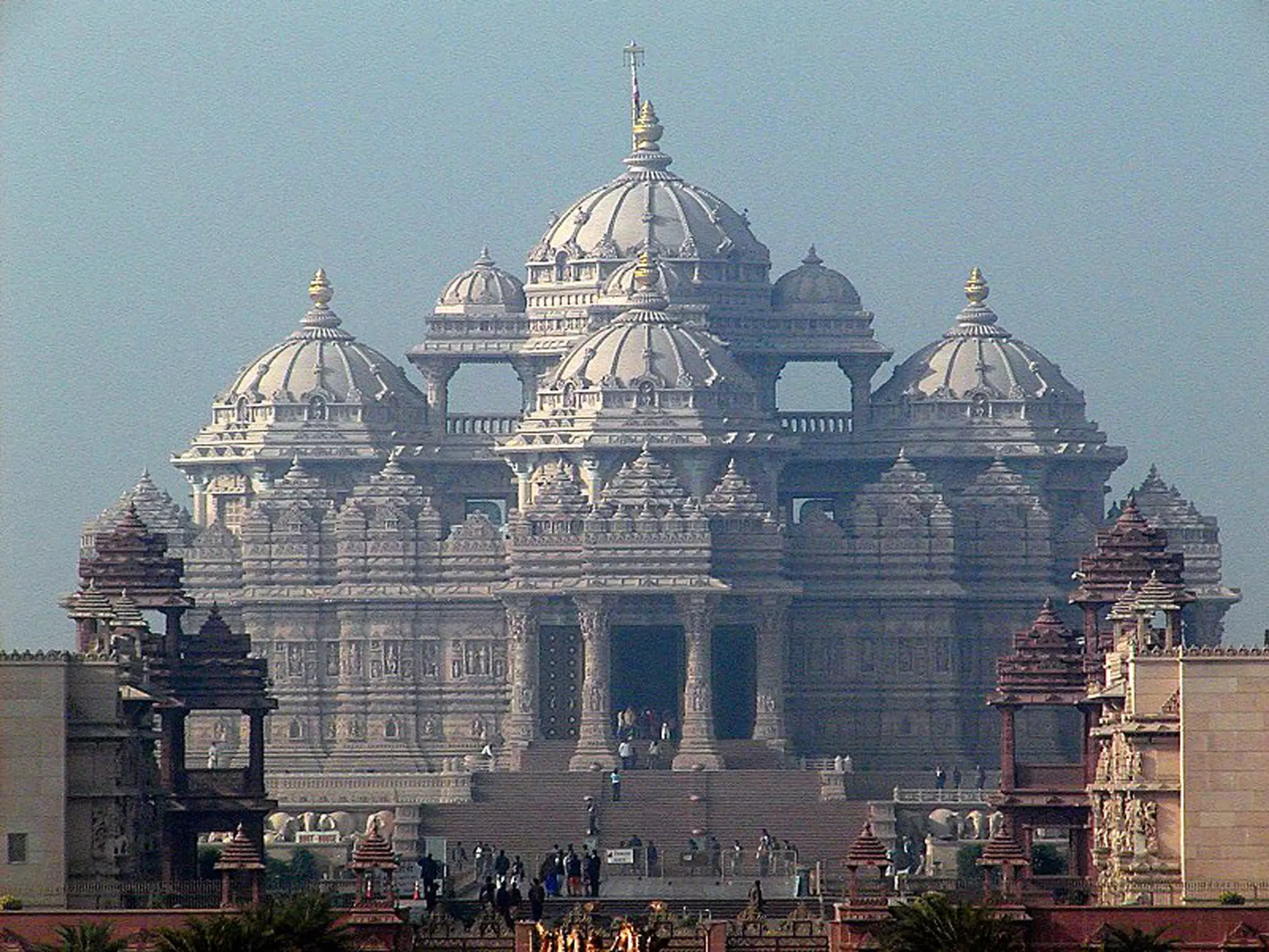
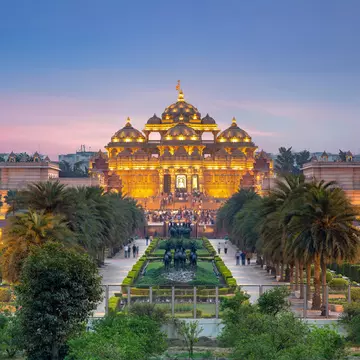
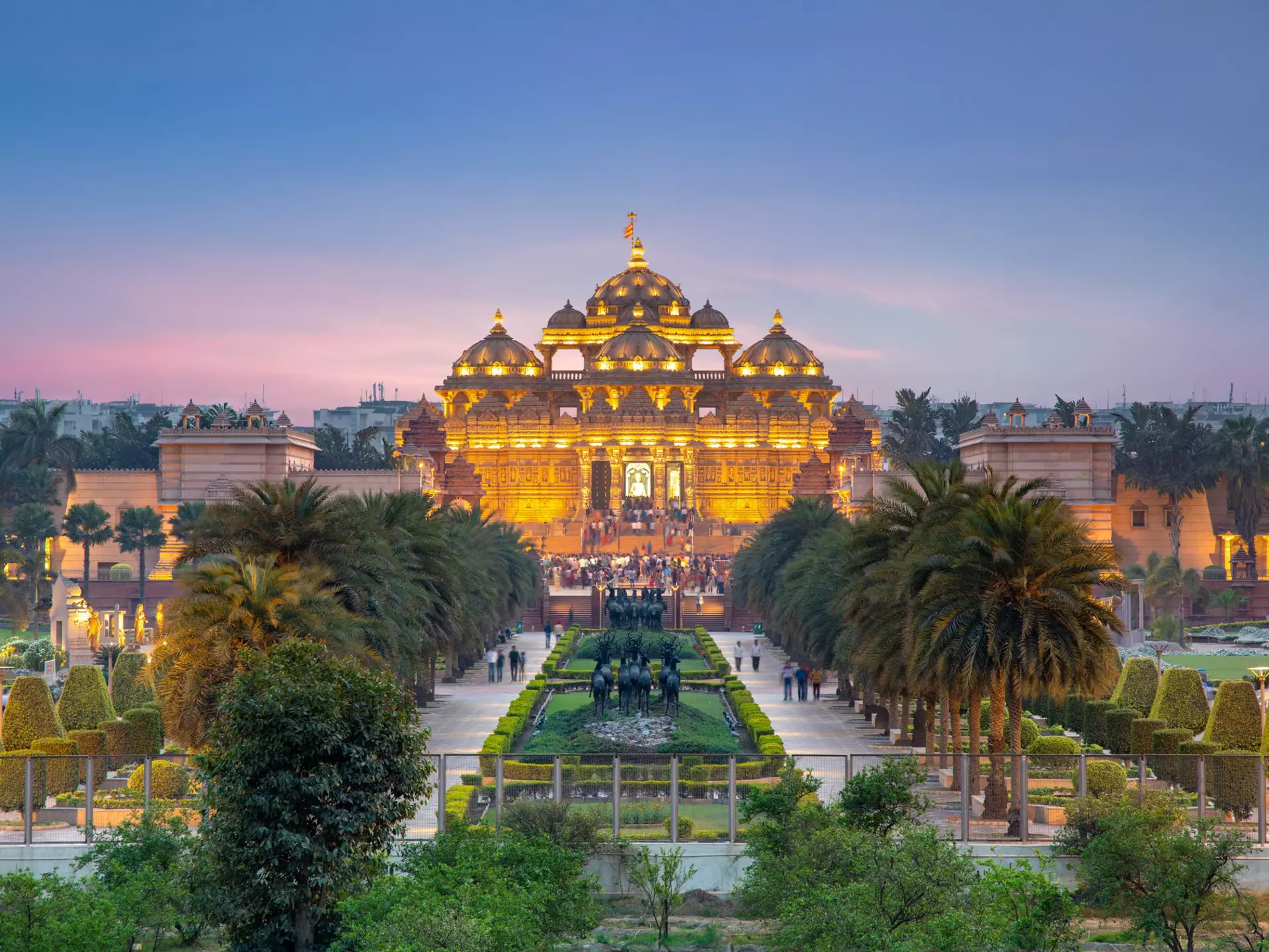
To experience the zenith of modern temple building in Delhi, head east across the Yamuna to reach the theatrically vast Akshardham Temple, built by a popular Hindu organization from Gujarat in 2005 and covered from top to bottom in intricate deity carvings.
Visiting is a theme park-like experience – "exhibitions" include a boat ride through 10,000 years of Indian history, a walk-through animatronic experience and a sound-and-light show. The real wonder, however, is the temple itself, with pale-red sandstone carved into elaborate reliefs using traditional stone-carving skills that have hardly changed in millennia.
Planning tip: While the temple sits on the less-explored east side of the Yamuna, it's easy to get here on the Delhi metro, disembarking at Akshardham station.
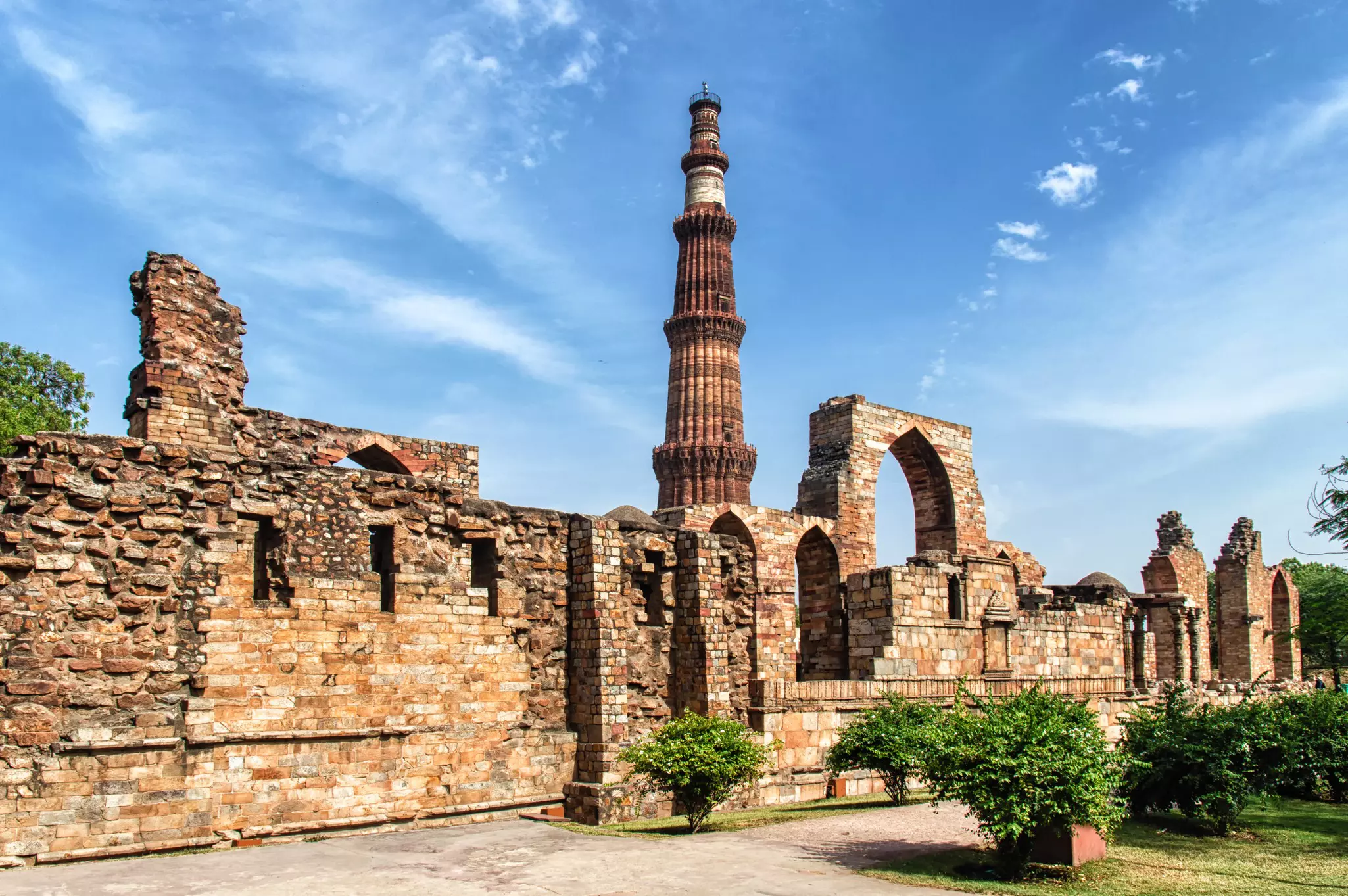
The UNESCO-listed Qutb Minar was the first structure created by Qutb-ud-din Aibak, the founder of the Delhi sultanate, when he stormed into town in the late 12th century, overthrowing the Tomar Rajputs. Constructed from the stones of the old fort and its Hindu temples, this calligraphy-covered, 72.5m-high minaret emphatically announced that a new regime was in town.
While undeniably impressive, it remains a controversial structure for many Delhiites. Muslims would rule Delhi from this time until the coming of the British, though the city was captured on several occasions by Hindu armies. The complex includes the remains of the Quwwat-ul-Islam Masjid, India’s first mosque, constructed in 1193 CE, as well as residential and administrative buildings and Islamic tombs.
Detour: This is just a small part of the sprawling capital of the early Delhi sultanate. A short autorickshaw ride from the Qutub Minar metro stop, the free-to-visit Mehrauli Archaeological Park covers some 440 monuments, including 10th-century ruins from the ancient Tomar city, dotted through a dry forest. Highlights include the time-ravaged tombs of Balban and Quli Khan, the Jamali Khamali mosque and mausoleum, and the 16th-century Rajon ki Baoli, Delhi's most impressive step-well.
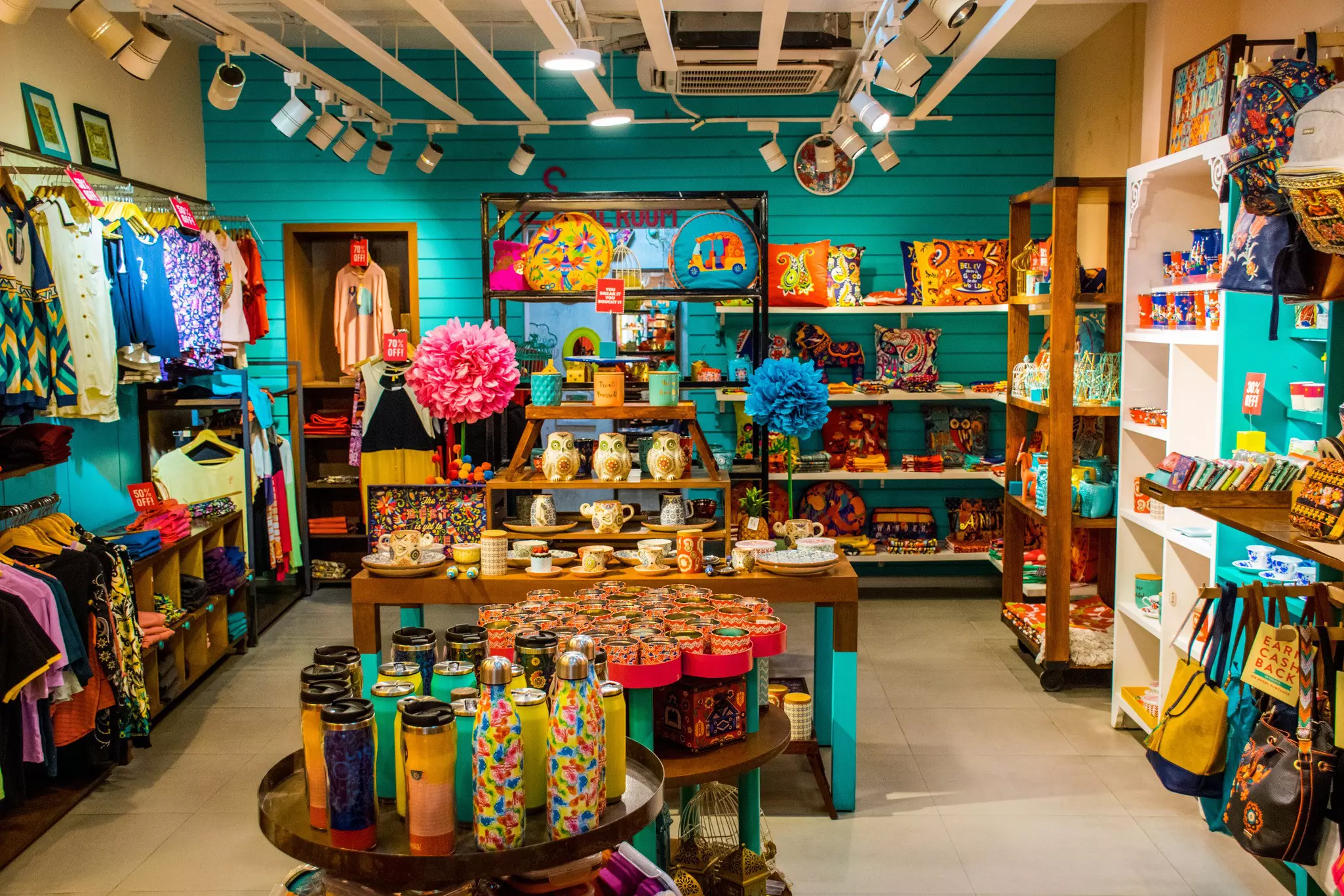
Indie India converges on South Delhi’s Hauz Khas Village (HKV), an arty little enclave of cool cafes, art shops, live-music venues, tattoo parlors and offbeat fashion boutiques, set beside an ancient tree-cloaked reservoir and an impressive collection of ruins from the Delhi Sultanate era. It's a popular hangout for Delhi students and it offers a tangible change of pace from other parts of the city.
At the heart of this boho district are the impressive remains of a 14th-century madrasa (religious school) and the tomb of Feroz Shah Tughlaq, sultan of Delhi from 1351 to 1388 (check out the intricate ceiling inside). In the surrounding lanes, you can crate dive for records, catch some live music, or play some yourself at Gypsy Cafe, a shoes-off, cushions-on-the-floor spot where musicians gather to jam.
Planning tip: You can get here on the metro– the center of Hauz Khas Village is a bit of a walk from the metro stop, but you'll pass a string of Muslim mausoleums in various styles along the route. There's another alternative, arty enclave northeast of the station at Shahpur Jat, set amid the ruins of Siri Fort.
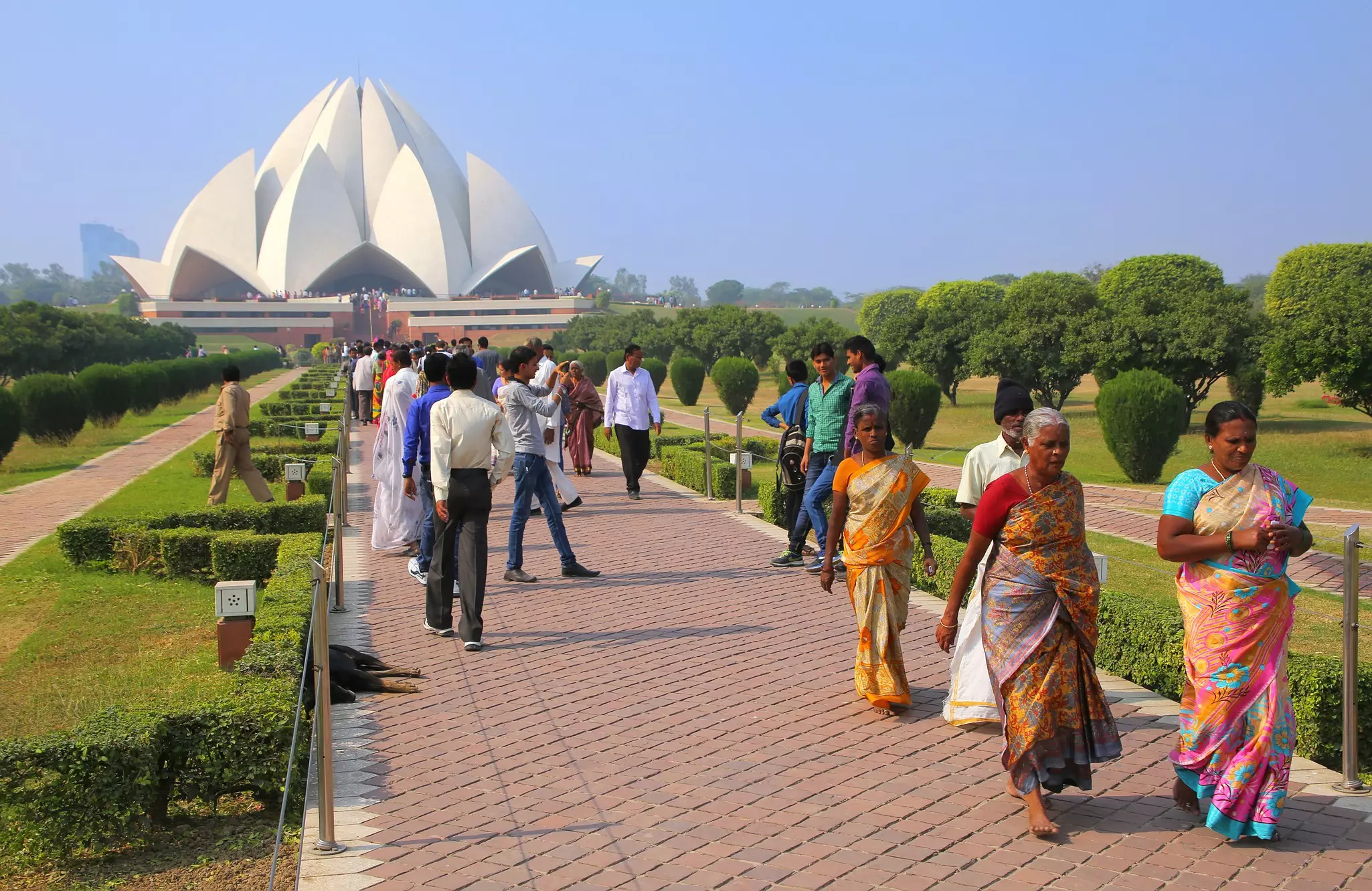
A stunning piece of modern architecture, the free-to-enter Bahai House of Worship – aka the "Lotus Temple" – is shaped like a lotus flower, with 27 delicate-looking white-marble petals. The building was created by Iranian-Canadian architect Fariborz Sahba in 1986 to bring people of different faiths together, and it embraces the truths shared by all belief systems.
This is one of a collection of temples built around the world by followers of the Bahai faith who fled from Iran. Visitors are invited to pray or meditate silently according to their own beliefs, and there’s an almost tangible feeling of serenity inside the space, which sits in the middle of expansive gardens to the south of New Delhi.
Planning tip: You can walk to the temple from the Kalkaji Mandir metro station. In the same area, consider a detour to the colorful, 18th-century Shri Kalka Ji Mandir, sacred to Kali, and the flamboyant Iskcon Temple, built in 1998 by the Hare Krishna movement.
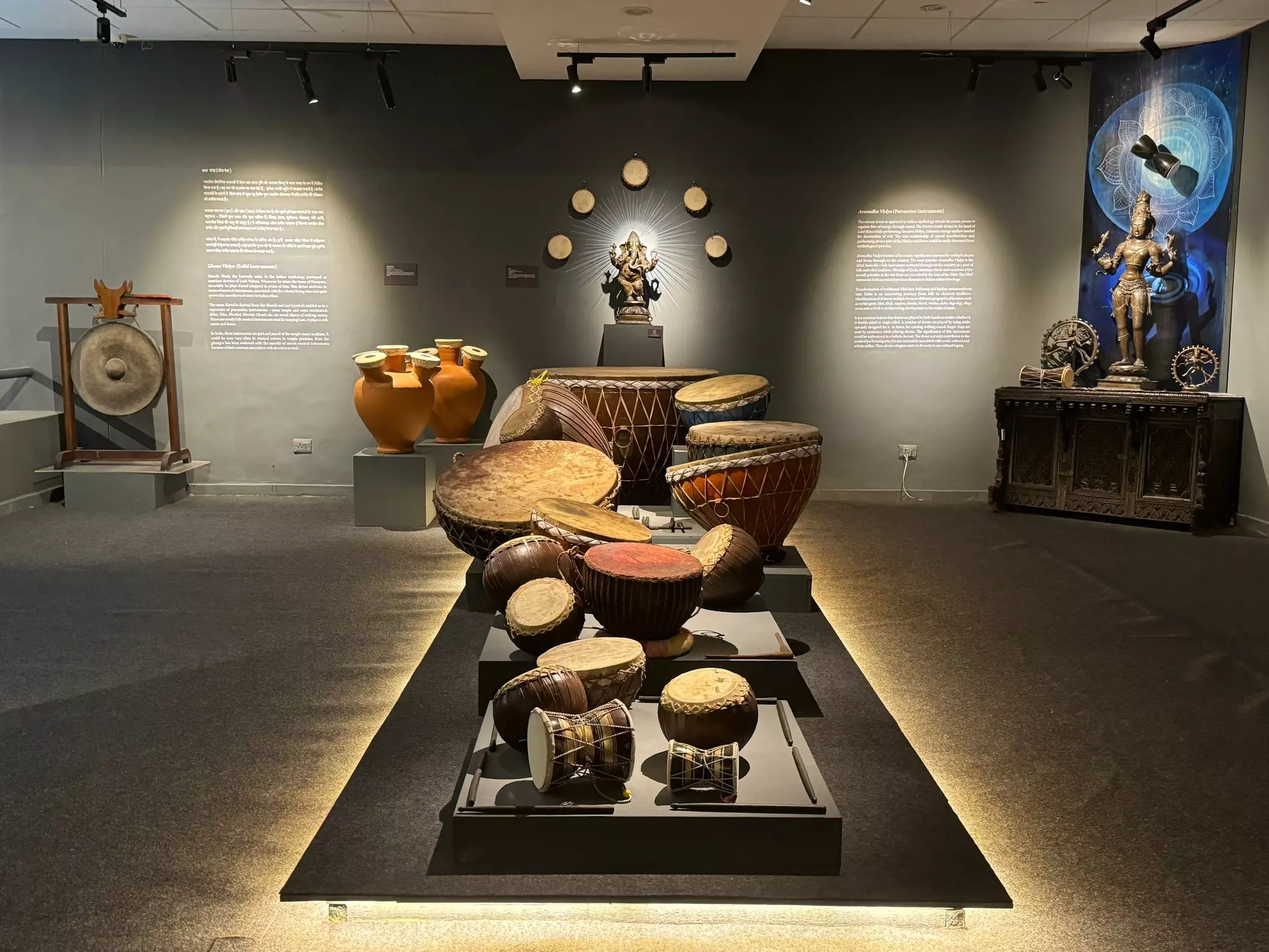
As the nation's capital, Delhi hosts some of the most interesting museums in the country, many tied to India's struggle for Independence. Start with an overview of Indian history at the National Museum – set to move from its dusty premises on Janpath to a prestigious new home at the Yuge Yugeen Bharat in the North and South Secretariat buildings flanking Kartavya Path in 2026 or 2027.
Nearby is the National Gallery of Modern Art (NGMA), contrasting British orientalist works with the impressive output of Indian artists. Fans of history and politics should visit the National Gandhi Museum, the Gandhi Darshan exhibition, and Raj Ghat, where the Mahatma was cremated after his assassination in Delhi in 1948.
For more insights into Indian politics, visit the Indira Gandhi Memorial Museum, set in the home where India's first female prime minister lived and was assassinated by her bodyguards in 1984, and the Nehru Memorial Museum in the former home of Jawaharlal Nehru.
Planning tip: Change the mood entirely at the National Crafts Museum – a lovely, partly outoor space devoted to India's varied traditional arts and crafts, with artisans demonstrating their skills. While you're here, drop into the popular Cafe Lota for a drink, cake or meal.
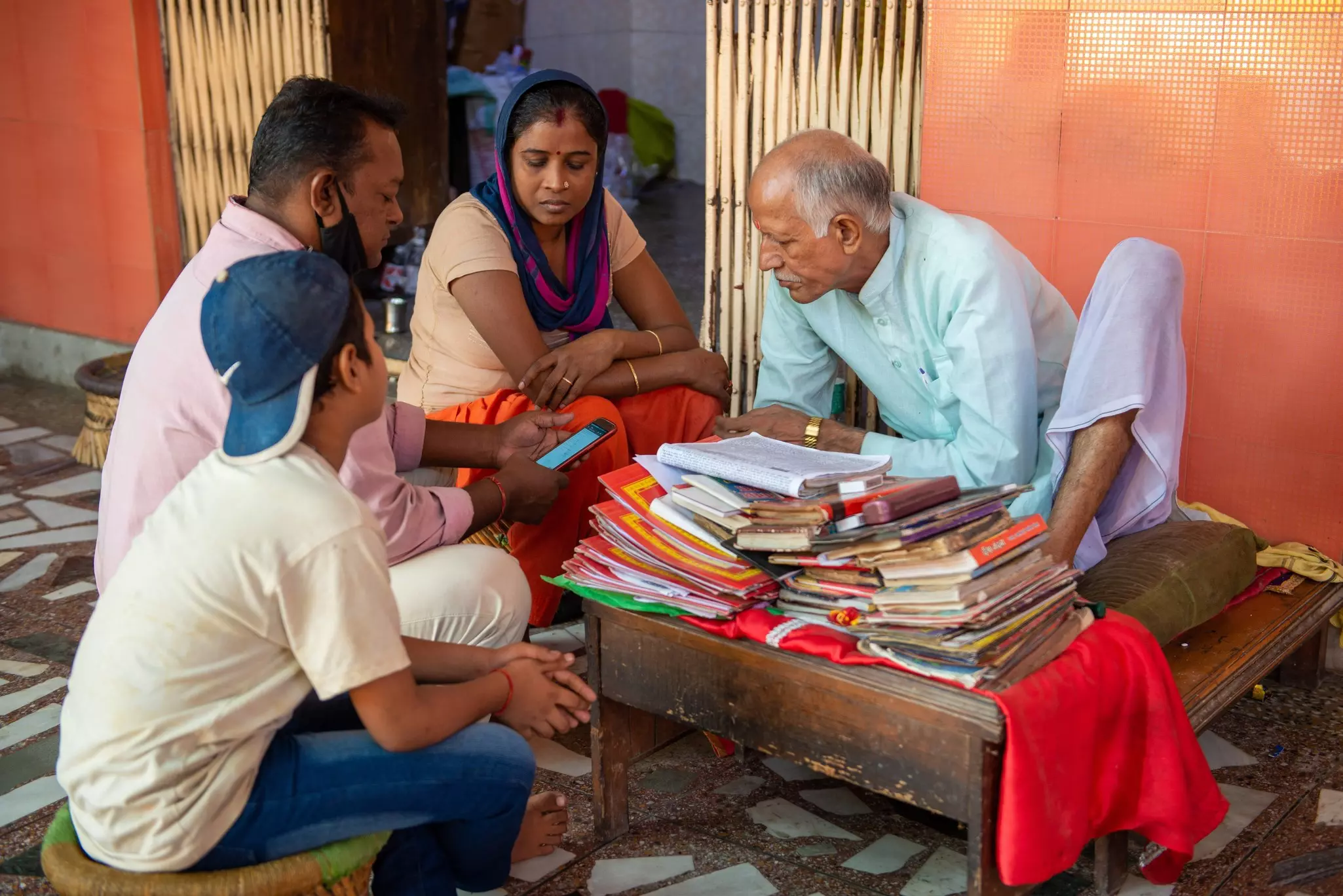
Indian Vedic astrology, also known as Jyotish, has been practiced in India for about 3000 years. While there are plenty of skeptics, astrologers are deeply embedded in Indian culture, and southern Delhi is a great place to consult with an astrologer. You don't have to be a Hindu to seek guidance from these spiritual advisors, but finding an astrologer with good language skills is helpful.
The best way to track down an astrologer is to search for "astrologer" and "Delhi" online, checking out practitioners' online reviews and training. Generally, the better the astrologer's reputation, the more you will pay for their advice. Prices start from 1000 rupees (₹) but you might pay as much as ₹6000 for an hour with a respected English-speaking astrologer.
Planning tip: If you visit an astrologer, have a list of questions ready to ask; typical consultations explore topics such as relationships, family, money, career, health and travel.
Explore related stories