Mar 12, 20269 min read
Europe's Best Music Festivals for Summer 2026Dec 18, 2025
13 MIN READ

Writer
Old Town Prague Seen from Charles Bridge Tower Gate. Pintai Suchachaisri/Getty Images

Writer
Lonely Planet may earn a commission from affiliate links on our site. All recommendations and reviews reflect our own independent opinions.
While historic knockouts like Prague, Budapest and Kraków are well feted, there are huge swathss of Eastern Europe that still fly spectacularly under the radar and are ripe for the discovery.
From time-warp villages in Hungary, where rural life has little changed in centuries, to street food in the mosque-studded backstreets of Sarajevo, swims in mountain-clasped lakes in Slovenia to hikes in the bear-patrolled peaks of Slovakia’s High Tatras - you will have more than enough variety for whatever adventure is calling your name.
The region’s true beauty shines when you go off piste, whether hunting for truffles in the fairy-like woods of Istria in Croatia or kayaking to hidden coves on the Albanian Riviera.
You’re bound to make memories of your own, but here are 15 of our favorite things to do in Eastern Europe to get you started.
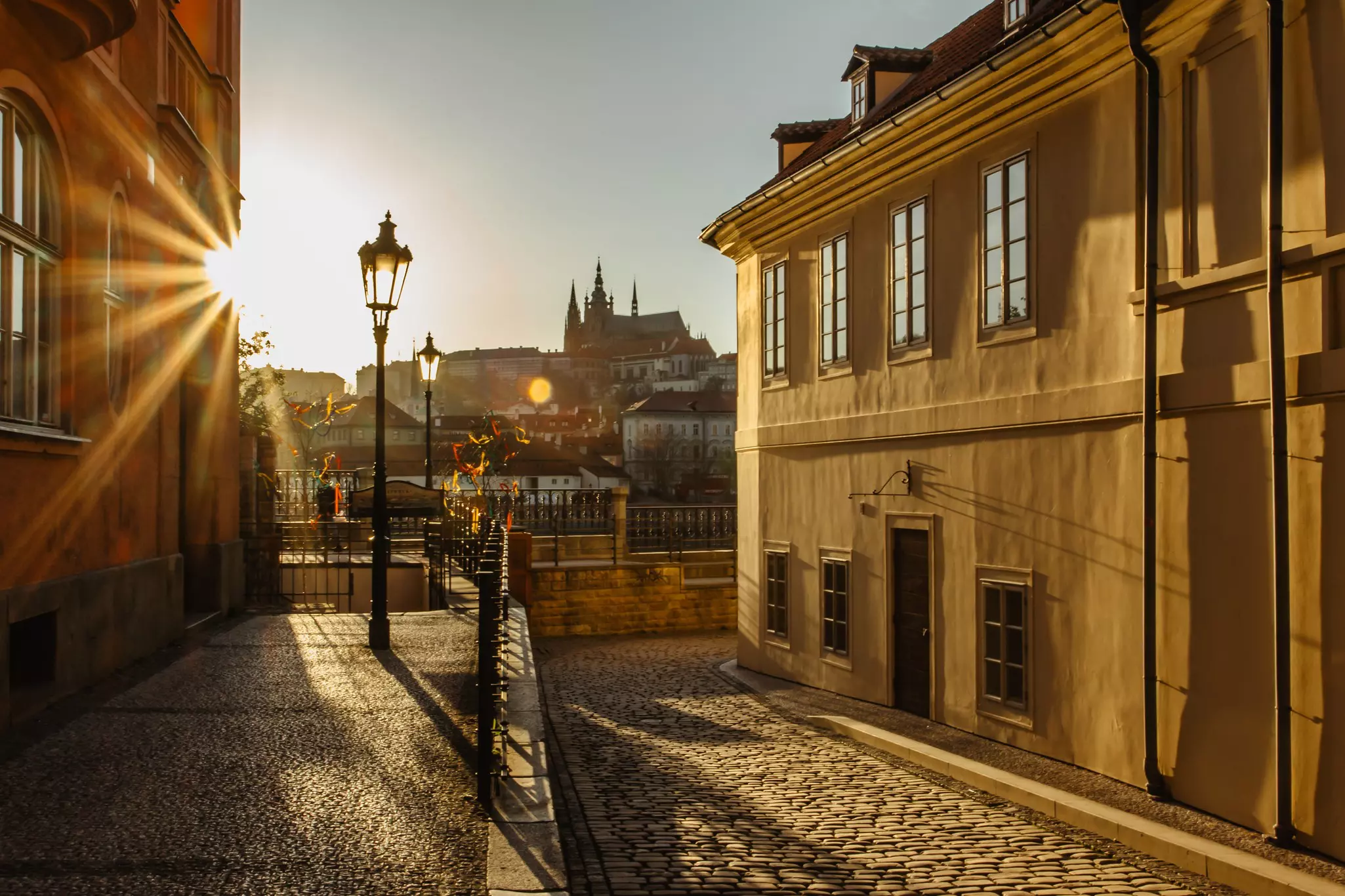
Paris gets all the fuss, but few cities in Europe can match Prague for romance. The Czech capital is like time travel, with a millennia-spanning history mapped out in its cat’s cradle of medieval lanes, Gothic churches and the palaces, museums, galleries and basilica of Prague Castle, hovering high above the Vltava River like a fairy-tale fortress. The ornate brilliance of St Vitus Cathedral, Charles Bridge in the hush of dawn, the Renaissance palaces of riverside Malá Strana (Little Quarter) – there’s beauty and history here on every bend.
But don’t just randomly tick off sights. Prague rewards those who slow the pace and wander the backstreets, stopping for a foam-topped Czech pilsner in an atmospheric Bohemian beer hall like vaulted U Zlatého Tygra.
Detour: Prague is crazily popular, so visit during the shoulder seasons (spring and autumn) for a less-crowded experience. Winter brings sparkle to Christmas markets.
If Moldova doesn’t yet feature on your "best of" European wine map, you are not alone – but you are missing a trick. Only clued-up oenophiles have an inkling of just how fantastic the wines are in this dinky, little-touristed nation between Romania and Ukraine. Thank the mild, sunny climate and fertile soil for producing top grapes that go into clean, crisp Chardonnay, Riesling and the Fetească Albă whites, and Merlot, Cabernet Sauvignon and full-bodied Fetească Neagră reds.
High on any itinerary should be the wineries of Cricova and Mileştii Mici, where wine is stored in labyrinthine underground tunnels that stretch for hundreds of kilometers. Mileştii Mici holds about 1.5 million bottles, which makes this the world's largest wine collection, according to the Guinness Book of World Records. Cheers!
Planning tip: Email or call ahead to book tours and tastings. In-depth tastings in chandeliered chambers are often paired with cheese or lunch. Arranging for a private car and driver is more relaxed than self-driving.
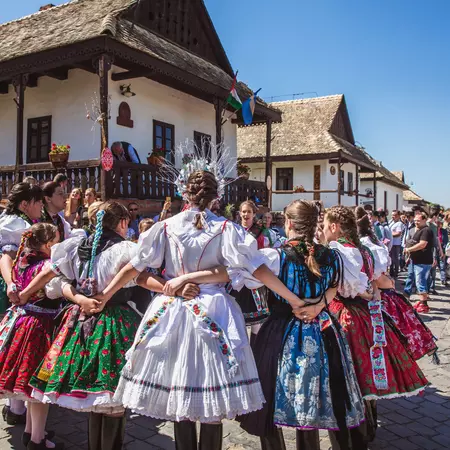
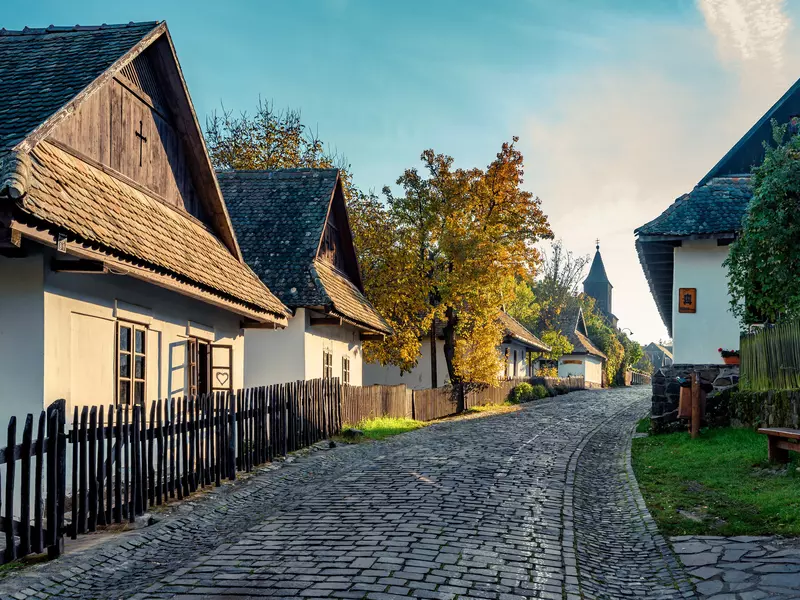
It’s the 21st century elsewhere, but Hollókő in Northern Hungary didn’t get the memo. Refreshingly old-school, this UNESCO World Heritage village offers a rare glimpse of rural life in a pre-industrial age. Home to the ethnic Palóc people, there’s no place like it for tuning into Hungarian folk culture: stroll cobbled streets past thatched-roof houses with carved wooden porches, pause to buy embroidered textiles or freshly baked bread, and try Hungarian beef goulash with lashings of paprika at a woodsy tavern like Muskátli Vendéglő.
For mood-lifting views over fields and forested hills without a trace of human life, clamber up to the pentagonal keep of medieval Hollókő Castle.
Planning tip: Visit in March or April to experience Hungary’s Easter traditions, with traditional Palóc folk concerts, dancing and crafts.
Ringed by mountains, Sarajevo, capital of Bosnia and Hercegovina, has an East-meets-West spirit and irrepressible energy unlike anywhere else in Europe.
This is a city of street food. Snack central is Baščaršija in Sarajevo’s historic heart, an upbeat area jam-packed with Ottoman mosques coppersmiths’ alleys, caravanserai (inn) restaurants and enticing cafes. For Sarajevo’s best burek pastries, filled with meat or cheese, swing by Sač, where everything is baked ispod sača (under a domed metal lid covered in charcoals). Or for killer ćevapi (spicy beef or pork sausages) with crispy somun bread, onions and kaymak (thick, savory cream), grab a table at Željo.
Detour: While you’re in Baščaršija, go for traditional Bosnian coffee, sticky baklava and rose juice in the Ottoman courtyard of Sevdah Art House.
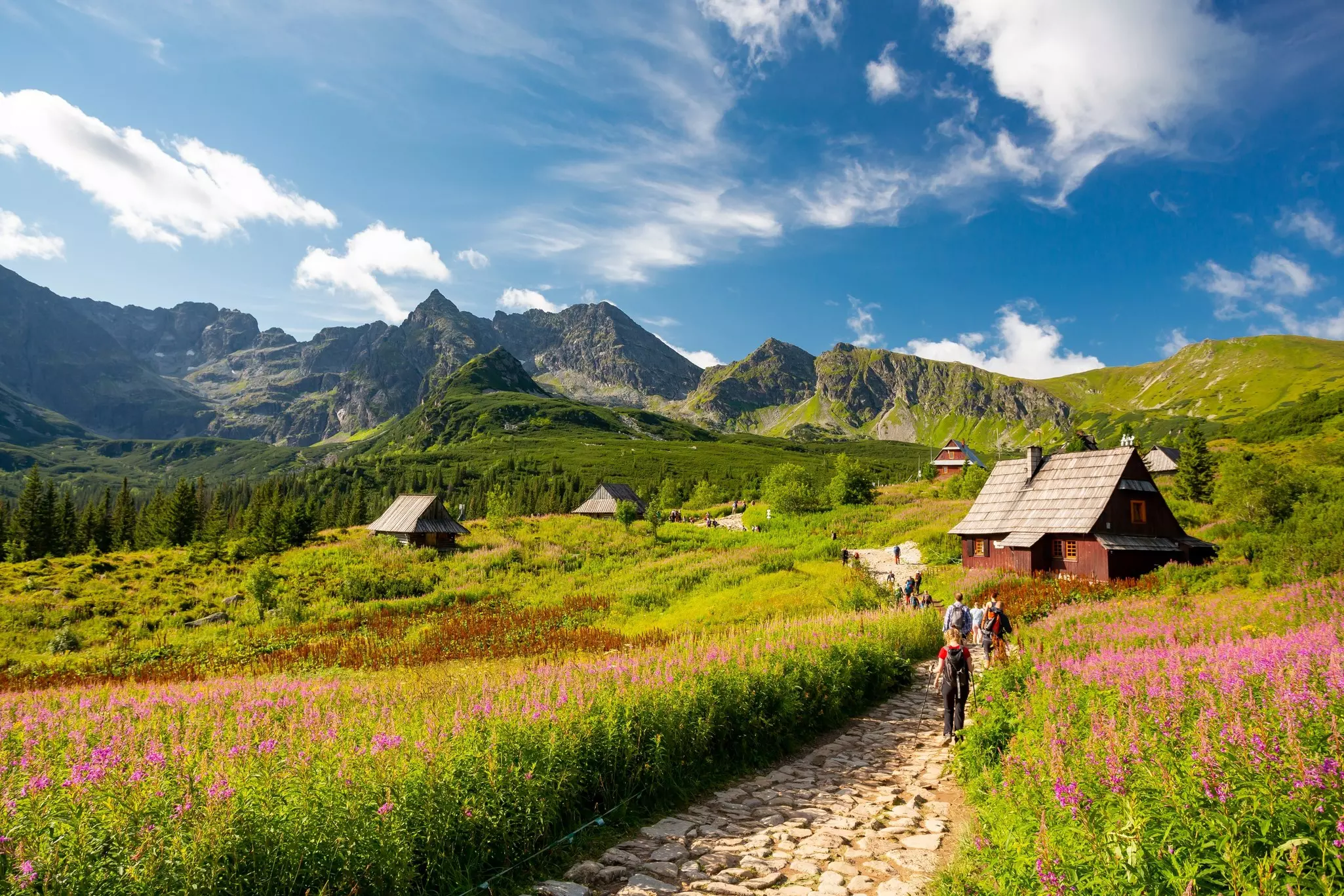
The Alps get all the love when it comes to mountain trekking in Europe, but serious hikers seeking off-the-radar trails are starting to wise up to the beauty of the High Tatras, the highest range in the Carpathians, rippling along the border between Slovakia and Poland. This UNESCO-listed biosphere reserve, much of it national park, is an outdoor wonderland of epic proportions, with jagged mountains splashed by waterfalls, dense forests and alpine meadows crisscrossed by trails. How wild is it? Very. Brown bears, lynx, wolves and chamois feel right at home here.
You can walk in silent wonder for days here, tuning into nature and spending the night at sky-high mountain huts. If you’re up for a hiking challenge, the big one is the 45-km Tatranská Magistrala, a three- to four-day stomp into the wilds.
Planning tip: Hit the trail from mid-June to September when the days are longer and weather milder. Huts fill in a flash in summer (especially July and August), so book well ahead.
So, you think Lake Bled looks insanely pretty? Right you are, but Slovenia is more than a one-lake hit wonder. Just a 30-minute drive west of Bled is eyes-on-stalks beautiful Lake Bohinj in Triglav National Park, a lake of deepest blue framed by the forested slopes and the rocky peaks of the Julian Alps. Good news: it’s far quieter than its much-photographed rival.
One look at the glass-clear, mountain stream-fed water, and you’ll be itching to leap in. On the lake’s western shore, Ukanc’s pebble beach is perfect for doing just that. Base yourself at eco-aware Camp Bohinj, where you can rent out a canoe, SUP or kayak to paddle across the mirror-like waters in wonder.
Detour: There’s plenty of natural beauty in the surrounds. For a riveting view of the lake and skiing in winter, ride the cable car up to 1535m Vogel. Nearby, Savica Waterfall plunges 78m through a gorge into a startlingly turquoise pool.
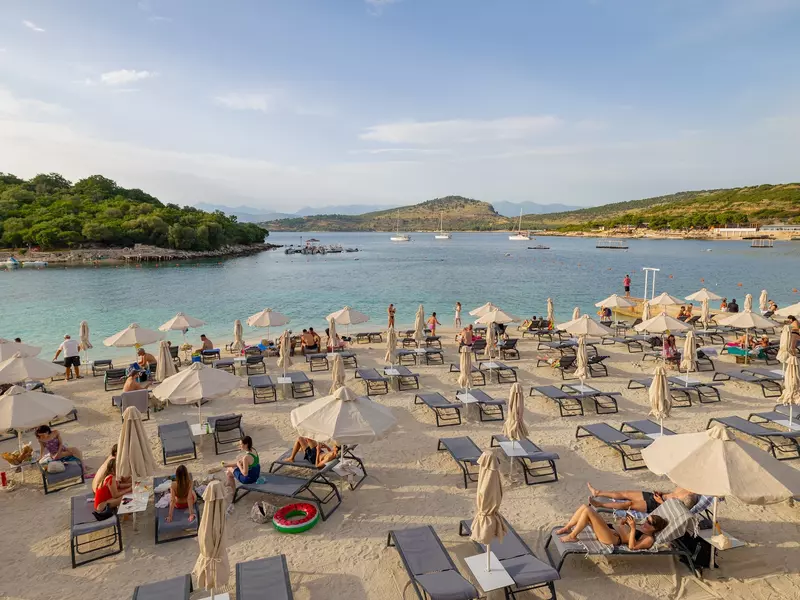
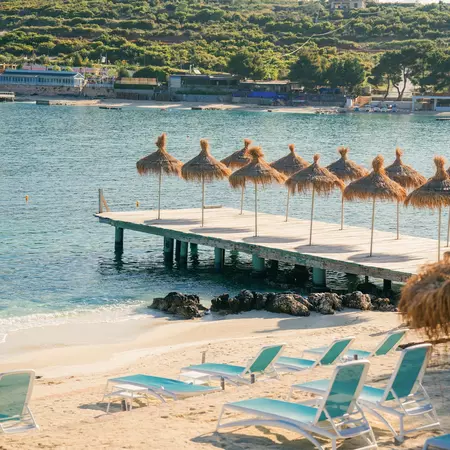
Granted, the Albanian Riviera is no longer the brilliantly kept secret it once was, but if you dodge the high-season crowds and go the extra mile, the beaches are divine. Take cliff-wrapped Ksamil, for instance, where powder-soft sands slip into the Ionian Sea. Snorkel in jewel-blue waters, or rent a kayak and paddle out to caves, remote, secluded coves and uninhabited islands.
Ksamil straddles a narrow strip of land between a teal-green lagoon and the sea. As you might imagine, the seafood is superb. For a sea-to-plate feast of the mussels hailing from these sparkling waters, take a traditional boat tour of the Butrint lagoon. Or try the plump mollusks at the lagoon-facing Mussel House (look out for the giant shells on the deck).
Detour: Map out ancient history exploring the romantic Greek and Roman ruins of Butrint. Arrive first thing in the morning before the heat and visitor numbers rise.
There’s magic in the mushrooms that grow underground in the forests of Istria, the peninsula jutting out into the Adriatic Sea in Croatia’s west. This is truffle country. Slip away from the coast into the hinterland, and Tuscany comparisons come thick and fast, as you weave past medieval villages, flower-freckled valleys and vine-ribbed hills – all in search of some of Europe’s tastiest tubers.
For best chances of finding fungi gold, make for the Motovun Forest in the Mirna River Valley, close to the Venetian-walled town of Motovun. Bristling with oak, elm, ash and poplar, these damp, mossy woods have rich pickings. Head out with tartufari (truffle hunters) and their specially trained dogs on a guided truffle hunt before a tasting of truffle products. Or tap into the local slow-food scene with a truffle-laced lunch at a rustic tavern like Zigante in Livade.
Planning tip: Timing matters. Hunt for prized white truffles from September to December (October and November are prime time), and for black truffles from December to March.
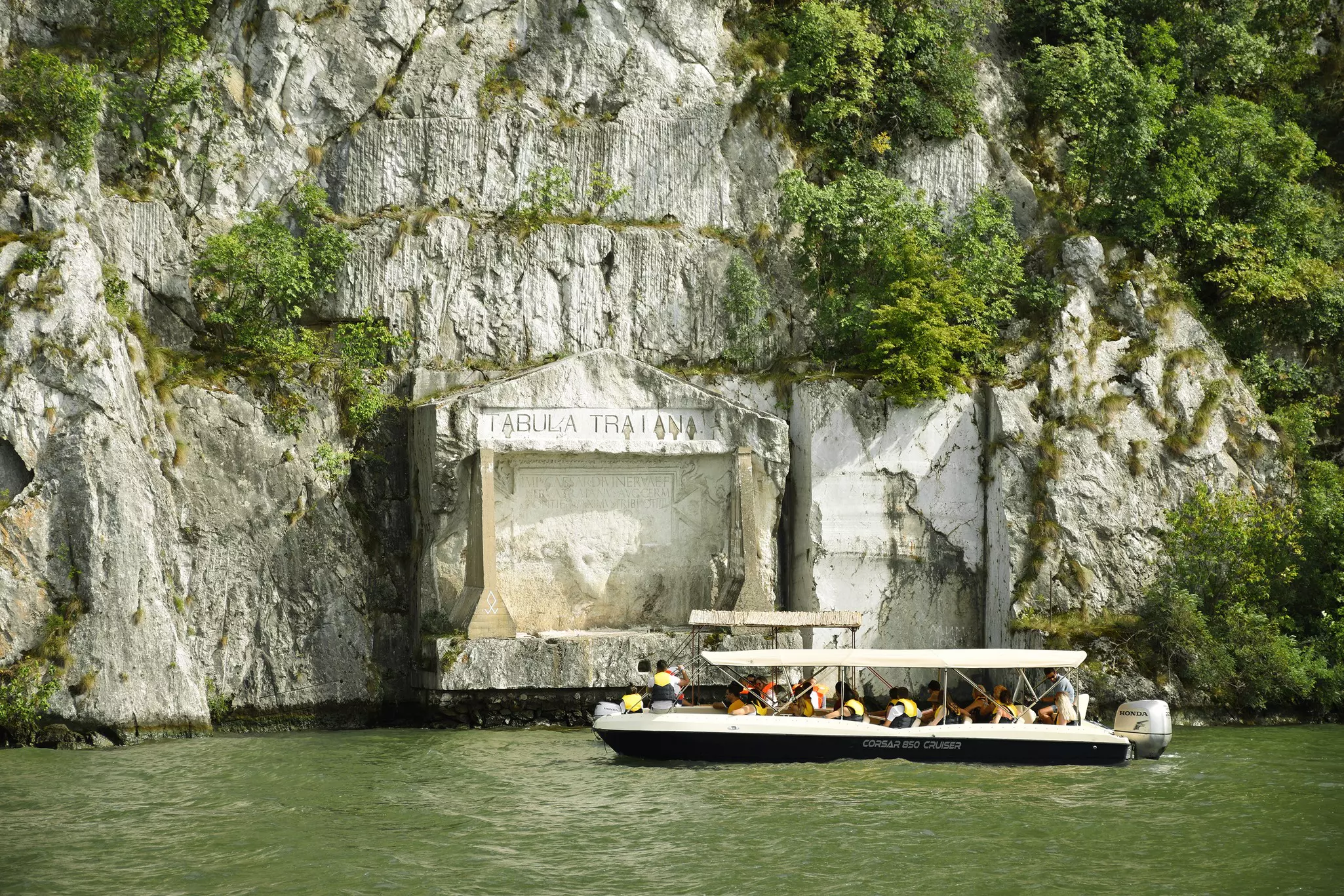
The Danube ramps up the drama tenfold at the I ron Gates gorge on the border between Serbia and Romania, where 300m-high limestone cliffs fling up above the increasingly narrow, fjord-like waters of the river. For the full-on effect, begin at the gateway to the gorge the cliff-hugging, 10 tower-topped Golubac Fortress, with spirit-lifting views over the river from its ramparts.
This mighty canyon forms the centerpiece of Djerdap National Park, a trail-woven expanse of forests, rock formations, meadows and wetlands that is a safe to wildlife including deer, wild boar, golden eagles, chamois and the rare and elusive lynx. Explore on foot or by bike. Or, better still, paddle along the gorge in quiet exhilaration by kayak with the pro guides at Wild Serbia.
Detour: Tune into life in Mesolithic- and Neolithic-era fishing communities exploring the archaeological remains of Lepenski Vir.
Topped off by regal, UNESCO-listed Castle Hill, divided in two by the mighty Danube and sprinkled with art nouveau architecture, the Hungarian capital Budapest is visually a knockout.
There are many ways to relax in Budapest, but few more special than dunking in the mineral-rich waters of one of the city’s gorgeous bathhouses, such as the vast, grand, neo-baroque Széchenyi Baths, where bath-warm water is piped into three outdoor and 15 indoor pools. Or for a novel way of taking in the sights, balance on a stand-up paddleboard on a dawn or sunset tour with SUP Hungary.
Detour: By night, swing over to the city’s seventh district Jewish quarter and its one-of-a-kind romkocsma (ruin bars), which have popped up in streets behind the Great Synagogue. Come to drink, dance and party in once-derelict buildings.
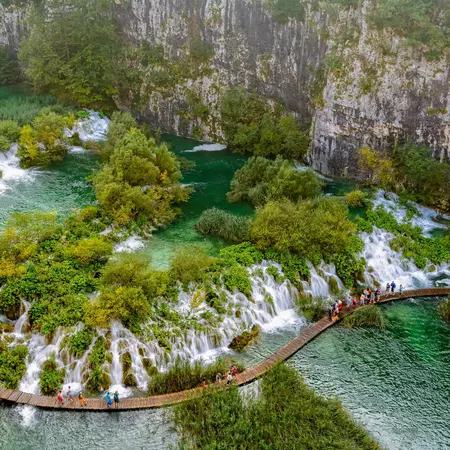
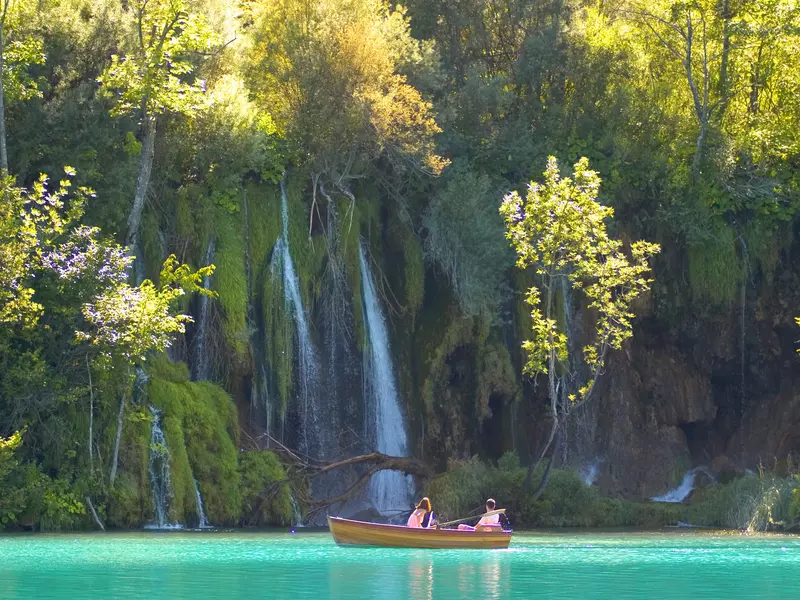
Everyone raves about Croatia’s coast and islands – and deservedly so. But turn your focus away from the Adriatic to the hinterland for just a second and you’ll find unexpected beauty. Cue Plitvice Lakes National Park. Set against the rugged Dinaric Alps, this forest-cloaked park is necklaced with 16 lakes that take you through every shade of blue on the spectrum - from teal to turquoise, cobalt to aquamarine.
Strike out on foot on the 17km Route K, a full-day hike stitching together all the major lakes and falls. The trail skips over footbridges and follows paths that skirt the water, passing clouds of butterflies. Bring binoculars as the old-growth fir and beech forests are patrolled by bears, wolves, lynx and wild boar.
Planning tip: You can reach Plitvička Jezera in just over 2 hours by bus from Zagreb. The park is gorgeous year-round, but spring is best to see the falls at their crash-bang best, while autumn brings colour-changing foliage. Avoid the busiest months of July and August.
With cliffs shooting above the piercingly blue, fjord-like waters of the Adriatic, the UNESCO World Heritage Bay of Kotor in Montenegro has a beauty that’s off the charts. Slow-touring is the way to go, with roads zigzagging to turquoise coves, walled citadels, Venetian forts and terracotta-roofed towns where taverns serve boat-fresh seafood with entrancing views of the bay.
Clasped between forested mountains and lapped by cobalt waters, Kotor is a crazily photogenic springboard for exploring the bay. Staggering down steep slopes, the town is a warm-stone beauty, with its snaking walls, Venetian palazzi, cafe-rimmed plazas and tangle of cobbled alleys, never prettier than when softly lit by night.
Planning tip: The bay is loveliest from the water. Boat or kayak over to the Blue Grotto on the Luštica Peninsula for a dip in surreally blue waters. Arrive early to dodge the crowds.
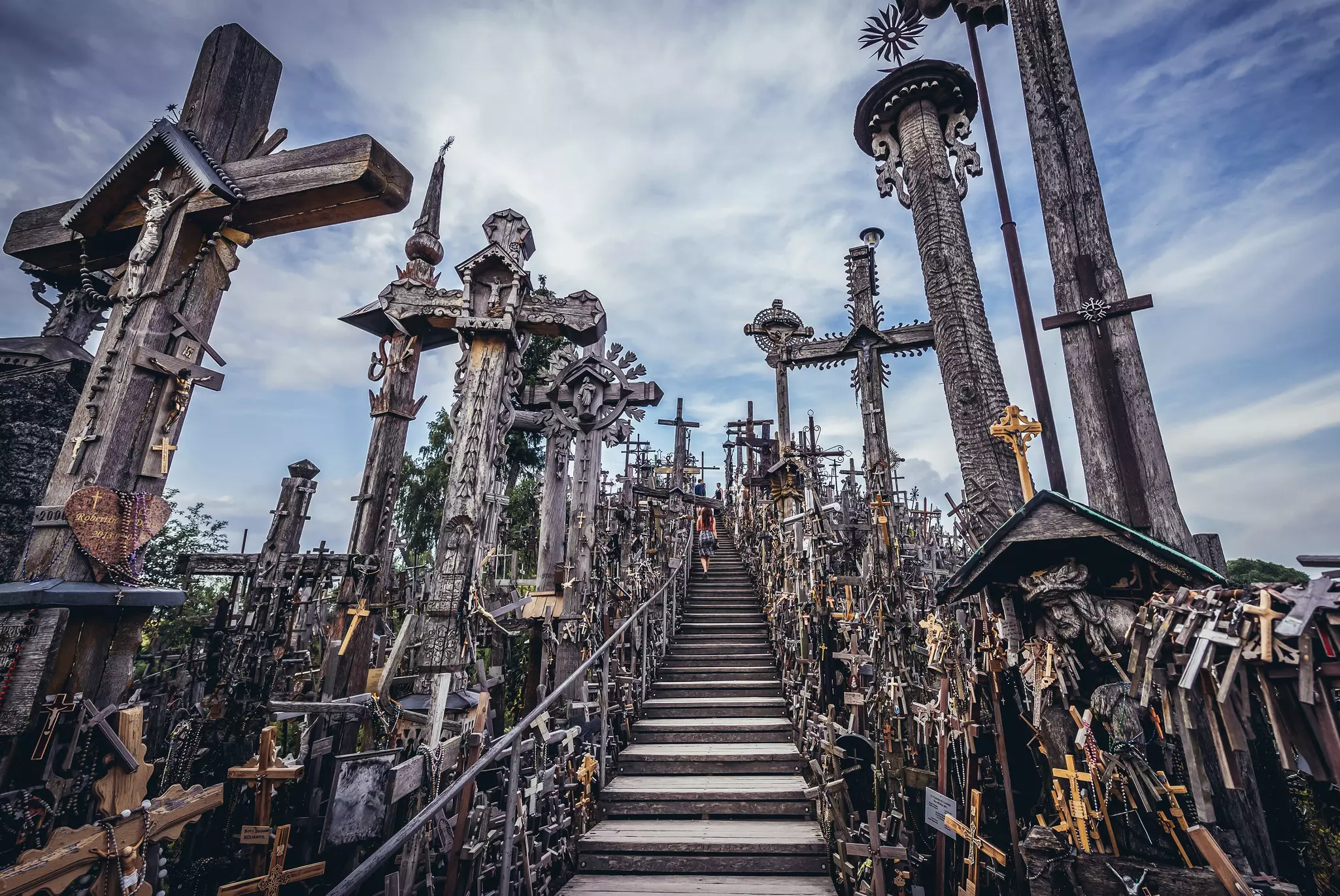
Religious or not, you can’t help but be deeply touched by the sight of the Hill of Crosses in Lithuania - a symbol of the country’s faith, identity, resilience and defiance against oppression. Encrusted with more than 100,000 crosses, some draped with rosary beads, the low-rise hill has been a place of pilgrimage since the 1831 uprising. During anti-religious Soviet rule in the 1960s, locals would bravely creep up here at night to quietly lay their crosses, enraging their oppressors.
Big and small, wood and metal, plain and intricately wrought, the crosses rise up alongside mournful statues of the Sorrowful Christ (Rūpintojėlis) and Virgin Mary. Whether seen in the somber light of a winter day or in golden summer sunrise, this hill moves all those who survey it. Buy a cross of your own or climb up to the chapel for a view framing the scene.
Planning tip: Located 12km north of Šiauliai (2km off Hwy A12) near Jurgaičiai, the hill is easiest to reach with your own wheels (car or bike), but it is possible by public transport. From Šiauliai, take a Joniškis-bound bus to the Domantai stop, then it’s a 20-minute walk.
Deep, dark and densely wooded, Transylvania is like something out of a kid’s bedtime story. In the folklore-rich heart of Romania, this region of foggy Carpathian Mountains and crag-top Gothic castles swirls with myth and mystery. So much so that Irish writer Bram Stoker was inspired to set his blood-sucking, fang-toothed Gothic horror novel Dracula here. Though Stoker never actually set foot in the region, his 1897 novel was based on the birthplace of the historical Dracula, a brutal man known as Vlad the Impaler.
You’ll of course want to roam the medieval city of Braşov and, close by, fantasy Bran Castle, high atop a rocky promontory, with its riot of turrets and towers. But for scenery that’s the stuff of legend, edge west to Piatra Craiului National Park to hike along a ragged limestone ridge, past woods and gorges where bears, wolves and lynx prowl.
Planning tip: For a sense of Transylvania beyond the Dracula lore, venture into the region’s rural corners, with its Roma communities, horses and carts and Székely Land hamlets where only Hungarian is spoken.
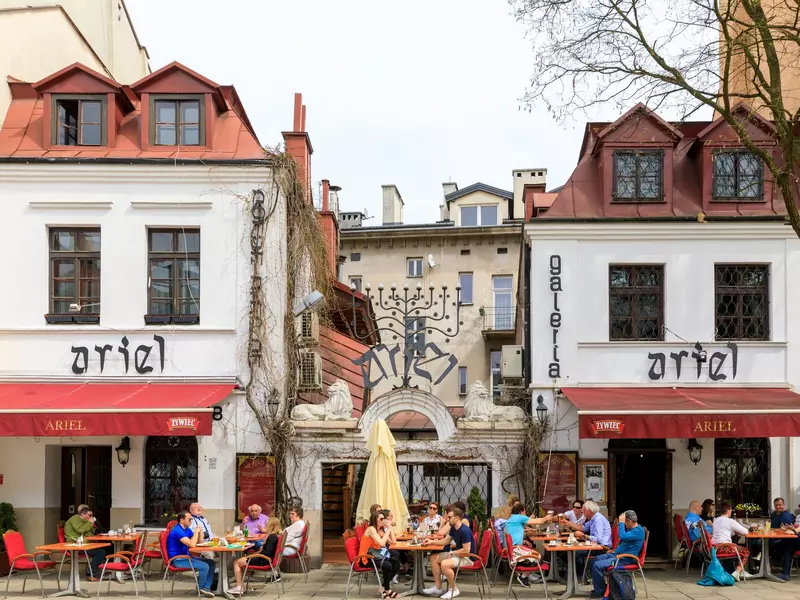
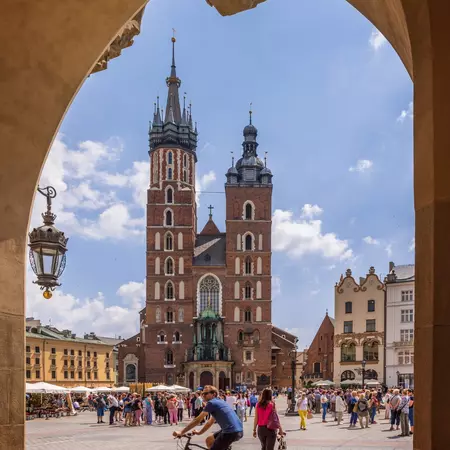
With its maze of cobbled streets, clip-clopping horse-drawn carriages and exquisitely preserved Old Town, Kraków is a historic heart-stealer. Spared destruction in WWII, Poland’s former royal capital wings you architecturally through the ages: from Romanesque to Gothic, Renaissance, baroque and art nouveau.
The showstopper is Rynek Główny, Europe’s biggest medieval town square, where you’ll be drawn to the Renaissance Cloth Hall and its underground warren of medieval market stalls and chambers, and red-brick St Mary's Basilica, with its mismatched towers, blue-star vaulted nave and magnificent Gothic high altar. A step south, Wawel Castle dives deep into Poland’s royal past.
There’s more: amble south to the revived Jewish quarter of Kazimierz to explore synagogues, hang out in relaxed cafes, and dig into pierogi (dumplings) in folksy bistros with klezmer music. Across the Vistula River, Schindler's Factory shines a light on the heroic man who saved the lives of many of his Jewish work force during the Holocaust.
Detour: Squeeze in a day trip to the Unesco-listed Wieliczka Salt Mine, just south of Kraków, which wows with its Chapel of St Kinga (Kaplica Św Kingi), a subterranean church carved entirely from rock salt (even the chandeliers, altarpieces and reliefs).
Explore related stories