Mar 23, 202612 min read
The 9 Best Things to Do in Aswan, Egypt Mar 23, 2026
12 MIN READ

Writer
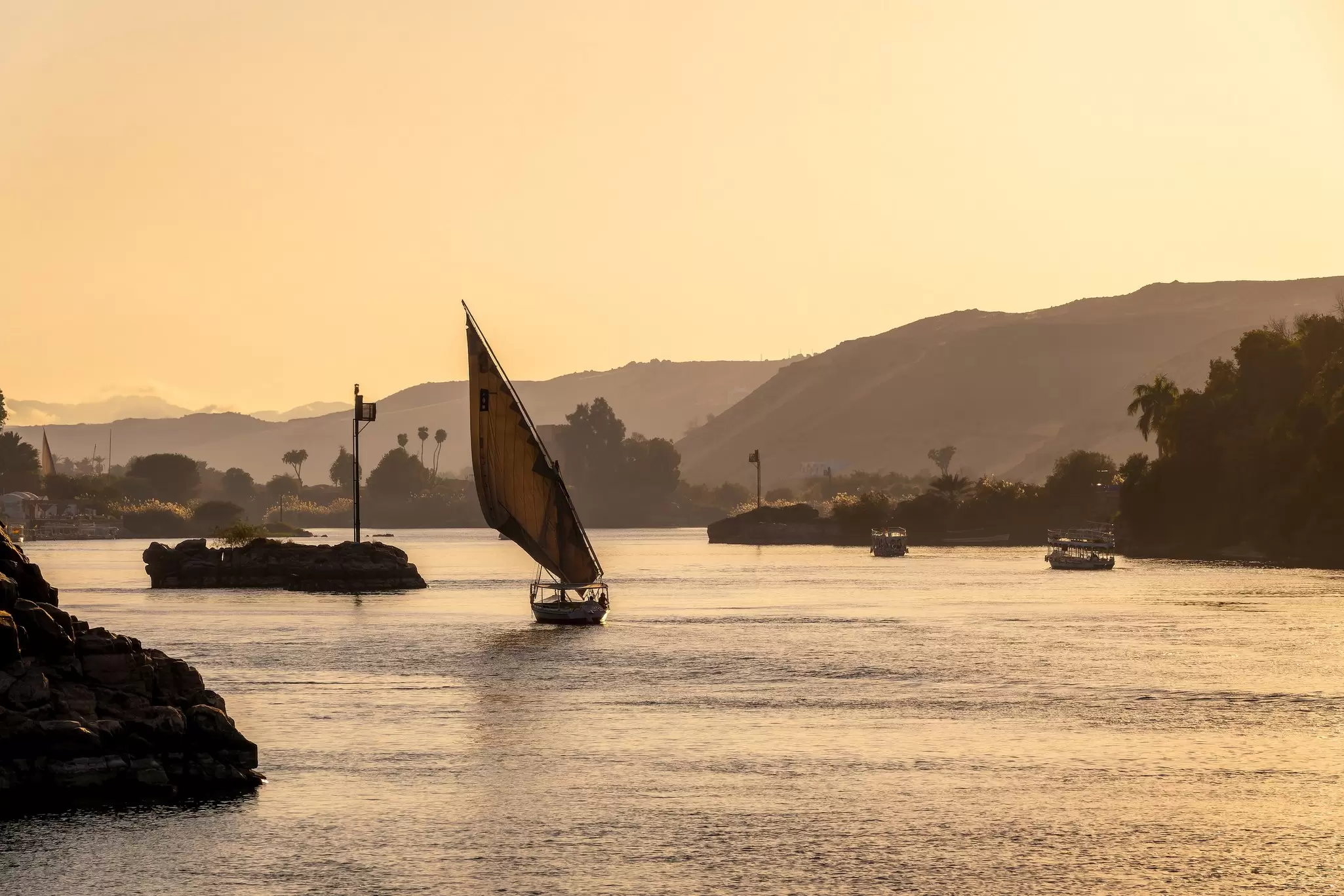
A felucca on the Nile river at sunset in Aswan, Egypt. Delpixel/Shutterstock
Writer
Lonely Planet may earn a commission from affiliate links on our site. All recommendations and reviews reflect our own independent opinions.
Aswan has a history that sets it apart from the rest of Egypt. The original ancient settlement on Elephantine Island served as a natural fortress positioned just below the First Nile Cataract, one of six sets of rapids between Aswan and Khartoum. The town took the name Abu (Ivory) after the trade that flourished here.
In subsequent eras, Aswan was a place of exile, a military hub for colonial troops and one of the earliest tourist destinations in the modern world thanks to Thomas Cook’s Nile tours, which began in 1869. Today, this city of some 400,000 residents continues to thrive as a trading hub, university town, center of a large Nubian community, tourist favorite and gateway to one of the world’s most impressive dams. Aswan’s pace is unhurried; the views of the Nile framed by desert are enchanting. It’s the perfect place for any visitor to Egypt to kick back and relax.
Here are a few of the top things to do in Aswan.
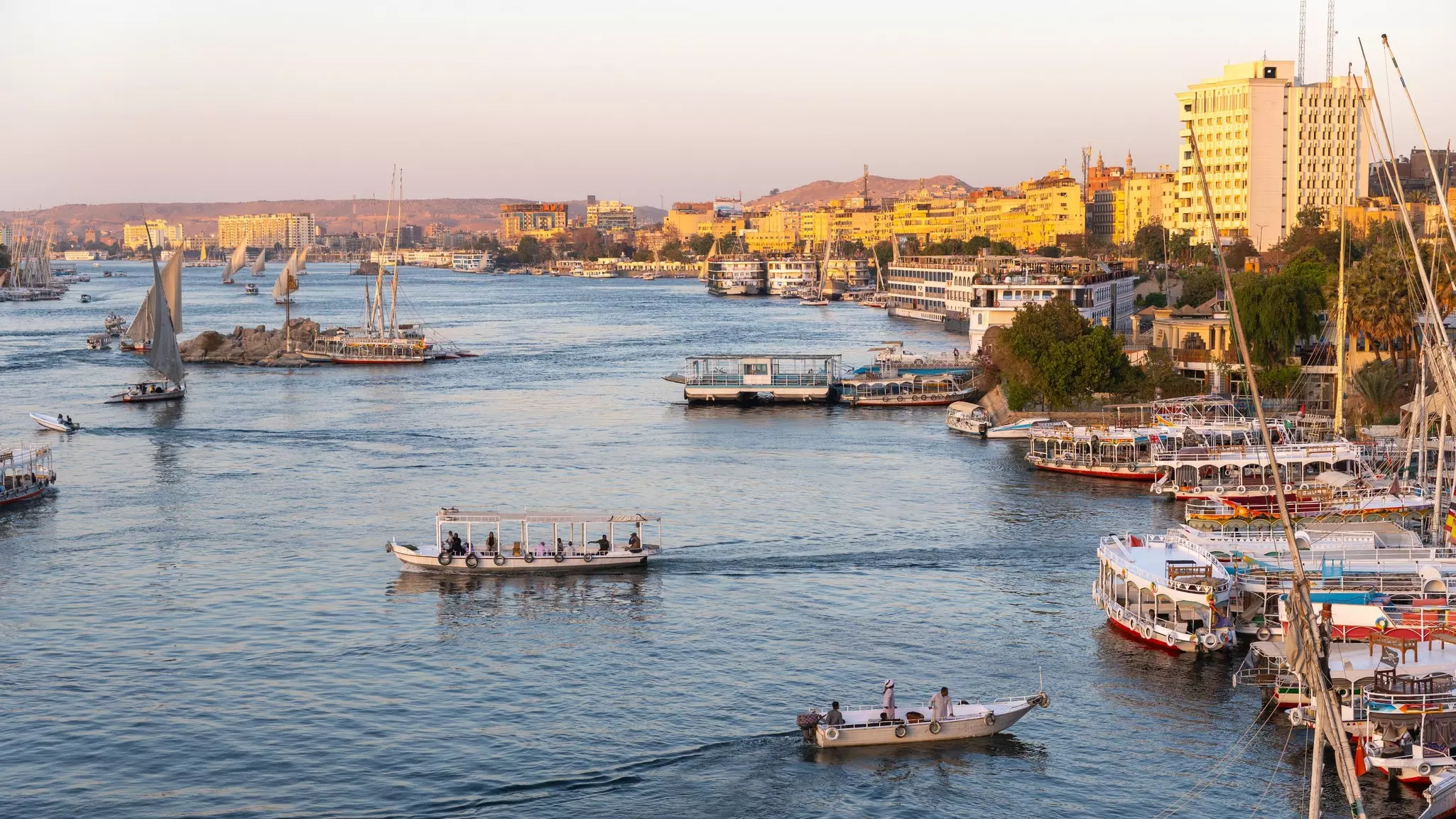
To beat the daytime heat and savor the soft morning light, get an early start along Aswan’s 3km Corniche, where there’s usually plenty of activity down on the water as captains ready their boats for the day. At the southernmost end, just before the Old Cataract Hotel, are the public Feryal Gardens, a small and peaceful patch of green popular with Egyptian families. The main attractions are the Nile views, which are just as good as those from the neighboring hotel.
From the gardens, it’s a 5-minute walk uphill to the imposing Coptic Cathedral of the Archangel Michael. The interior is open throughout the day from around 9am, depending on services, and there’s often a volunteer around to explain some of the building’s rich architectural symbolism. From the church, continue 10 minutes uphill or take a taxi to the Nubia Museum (more below). Afterward, loop back to the Old Cataract Hotel to enjoy tea or a meal at the Terrace restaurant overlooking the river.
Planning tip: Reverse the route and finish with a promenade along the Corniche – a favorite sunset pastime for locals – followed by a drink at one of several cafes.
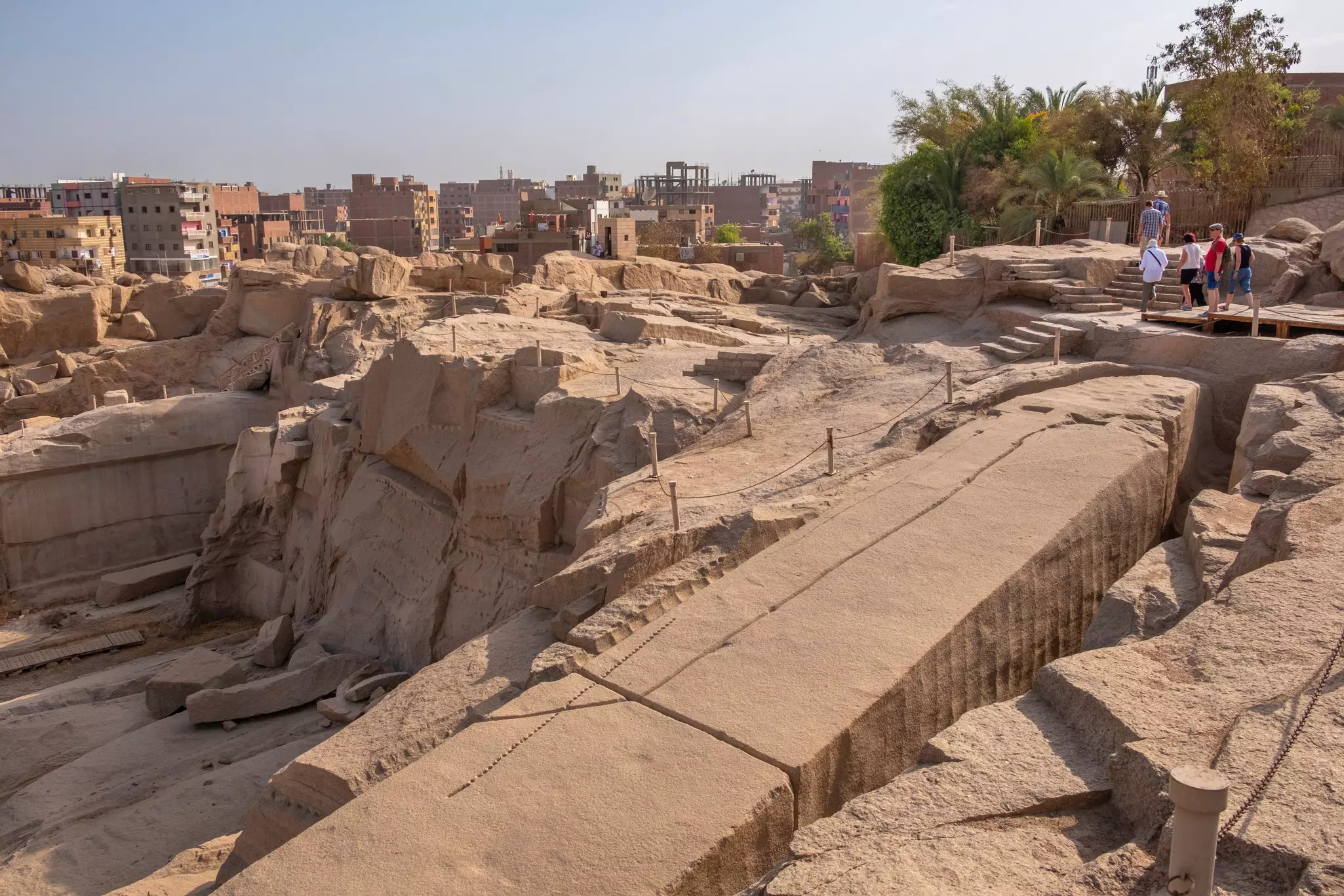
Aswan’s Northern Quarries were the source of some of Egypt’s finest granite, which was used for statues, temples, pyramids and obelisks (tekhenu, or “sky-piercer” to the ancient Egyptians). Today, the area is notable as the site of an enormous unfinished obelisk, thought to have been ordered by Queen Hatshepsut (r 1479–1457 BCE). At 42m high and 1168 tons, it would have been the tallest and heaviest carving of its kind – but it was abandoned after cracks were discovered. You can still see marks from chiseling and other ancient tools, although questions remain about the exact methods of the ancient masons. You can contemplate then as you take an up-close look.
Planning tip: As elsewhere in Egypt, it’s best to visit with a guide, who can explain the ancient techniques here and at other Aswan sights. We recommend Waleed and his team at Aswan Individual and Mena Zaki of Aswan Luxor Travel. For deluxe bespoke tours with intriguing commentary, try Osiris Tours.
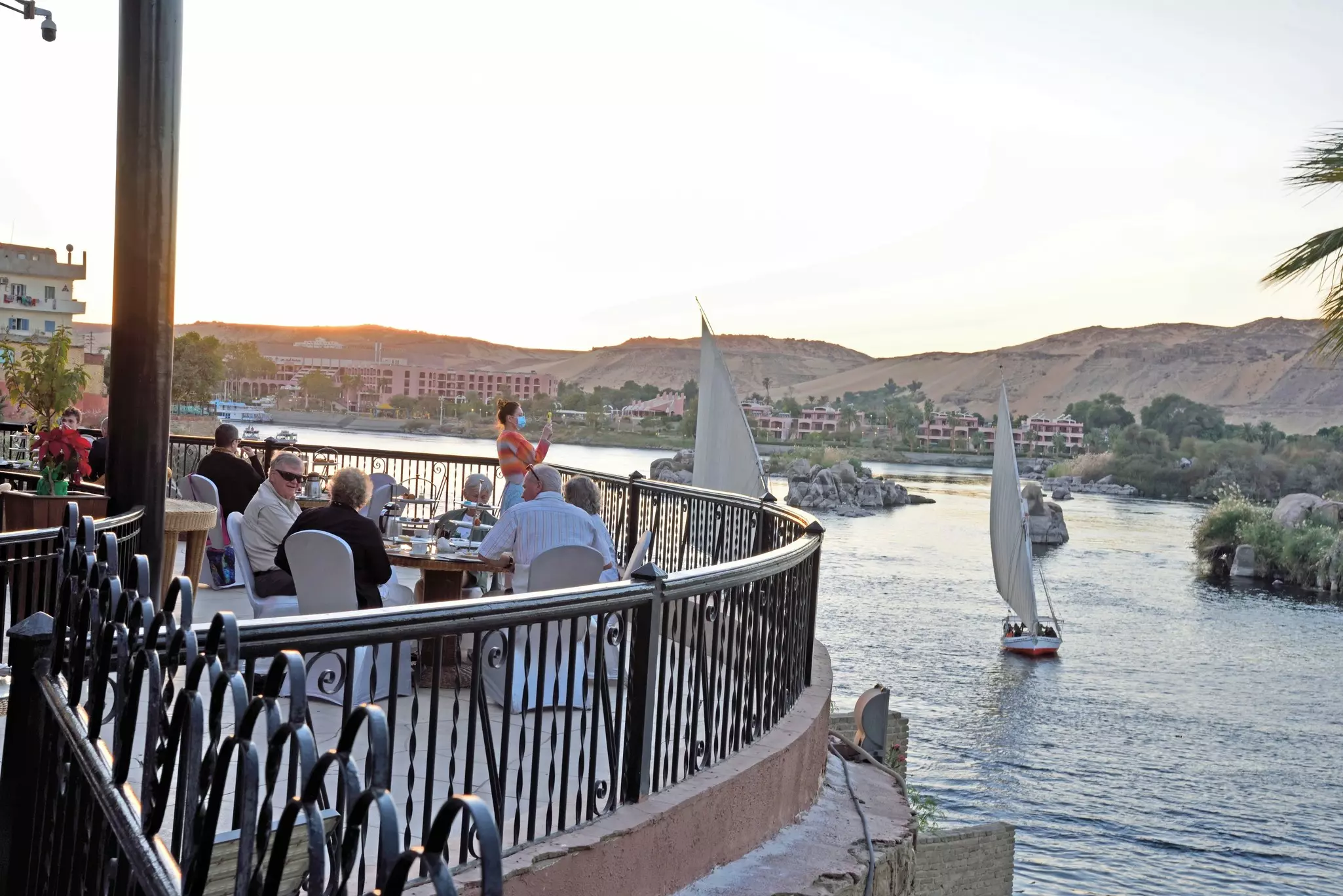
Perched on a small bluff, the splendid Old Cataract Hotel has magnificent views over the Nile, as well as its own long history. Built by Thomas Cook and opened in 1899 when Egypt was a sovereign state, the property has hosted a long line of dignitaries and celebrities. One was Agatha Christie, who spent a year living here in 1937 while writing her best-seller Death on the Nile. Even if you’re not a guest, it’s worth visiting to take in the vistas, lush gardens and the Victorian facade, and to enjoy a meal – especially the daily high tea – served by waiters in vintage attire.
Planning tip: Note that unless you have a room, you’ll need to buy an 1000-Egyptian-pound voucher to enter the grounds, which you can redeem at the on-site restaurants.
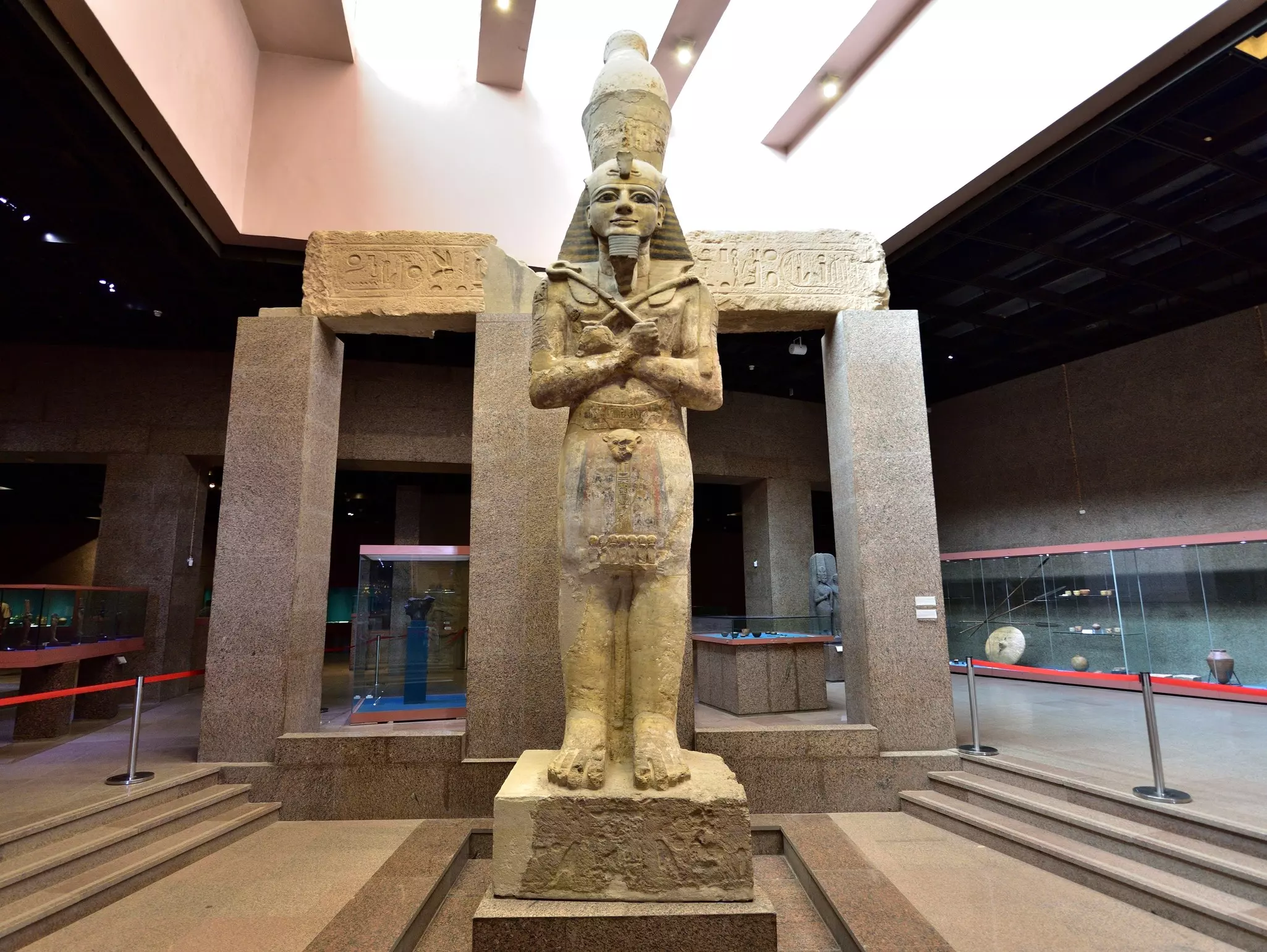
The beautiful Nubia Museum displays artifacts from Lower Nubia that UNESCO helped salvage before the region was flooded by Lake Nasser. Within an award-winning building made from Aswan’s signature pink granite are over 3000 objects (displayed on a rotating basis) spread over two dramatically lit floors. Among the highlights are early painted pottery bowls dating back 6000 years, which were found at Nabta Playa (about 100km west of Abu Simbel), where archaeologists also discovered the remains of houses, sculpted monoliths and one of the world’s oldest calendars.
As you move through the museum, excellent explanations map the power struggle between Nubia and Egypt, two cultures that have been intertwined since at least 3500 BCE. When Egypt was strong, it dominated Nubia and exploited its natural resources; when Egypt was weak, the Nubians enjoyed periods of growth. These cross-cultural influences are clearly visible in the impressive statuary. Although wearing Egyptian attire, the high priest of Amun in Thebes has distinctive Nubian features, as does the granite head of Pharaoh Shabaka from the 25th dynasty, when the Nubians controlled Egypt for nearly a century (from 744 to 656 BCE).
Other treasures include a set of decorative silver livery and saddles mounted on two spot-lit horses dating to the 5th to the 7th centuries BCE. Beside them, a row of silver crowns studded with carnelians glow in a glass cabinet. Subsequent rooms take you through the Coptic and Islamic eras, when Nubians were converted to Christianity and then to Islam.
Planning tip: Take note of dioramas showing scenes from traditional Nubian life. Elsewhere in Aswan, you’ll see contemporary Nubians continuing to practice their ancient language, traditions and culture.
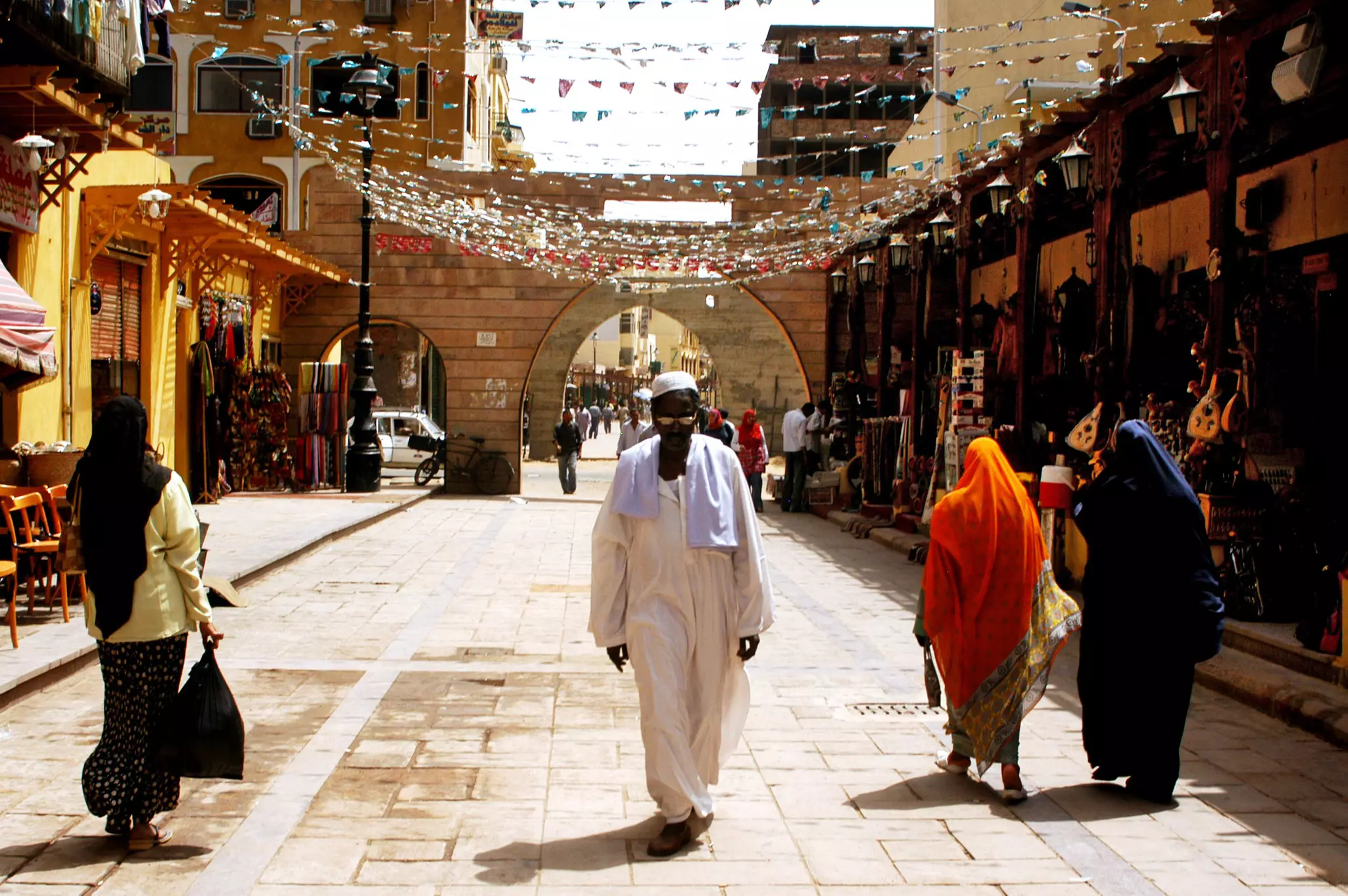
Midway along the riverside Corniche, head inland one block to Sharia As Souq a, Aswan’s bazaar street. It’s wonderful to wander, full of merchants selling scarves, galabeyas, perfumes and spices. Vending only gets started after noon, with summer evenings the liveliest times to visit.
The further in you go, the less touristy it becomes. Items to seek out include sand-roasted fuul sudani (peanuts), top-quality henna powder, various teas, any spice you could imagine and the dried hibiscus flowers used to make karkadai (cold hibiscus tea).
Local tip: Save room for a meal at Makka Restaurant, a popular souq stop serving traditional Egyptian dishes, together with the usual sides and salads.
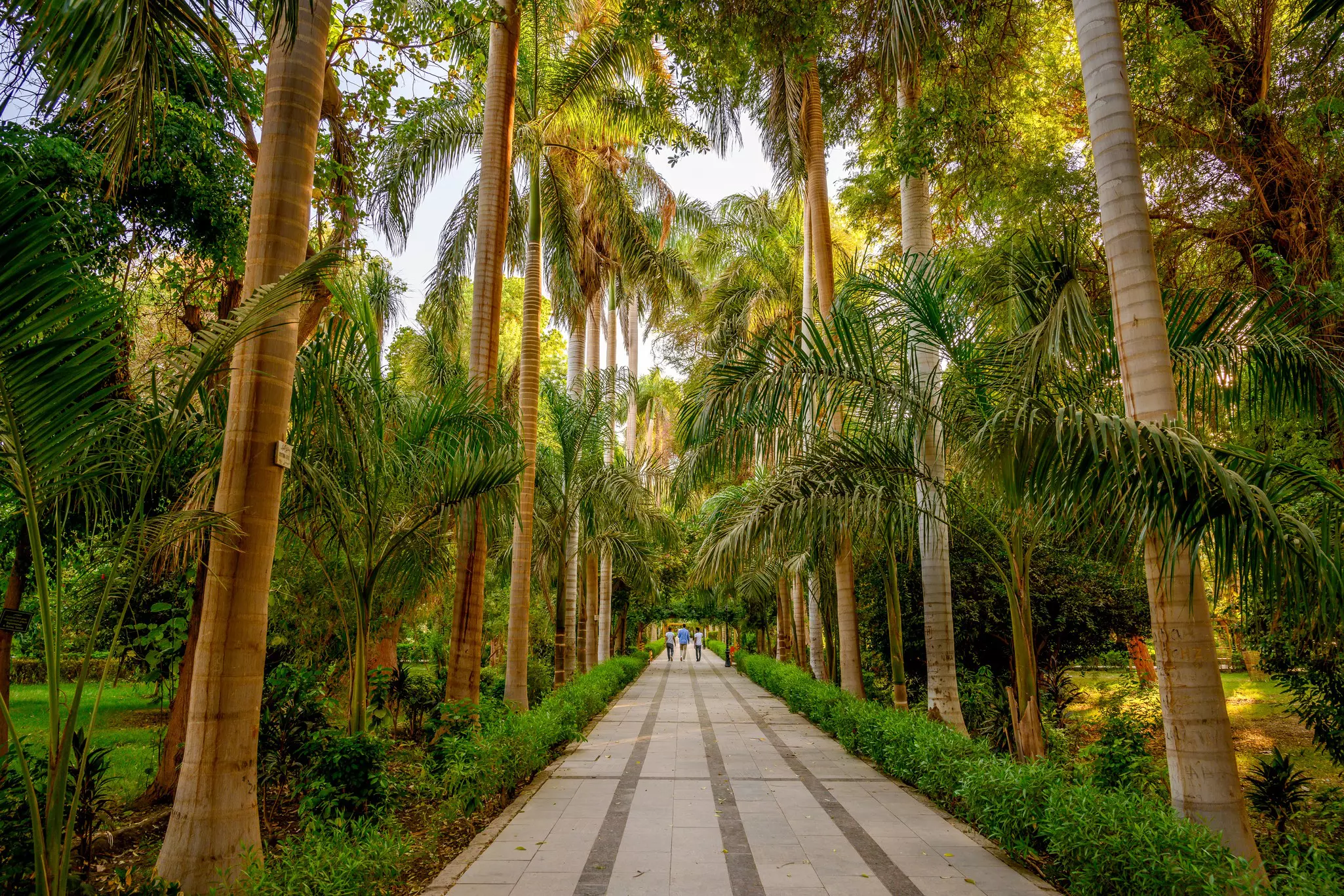
Palm-shaded Elephantine Island is the oldest inhabited area of Aswan. In ancient times, its now-ruined city of Abu marked the limits of Egyptian power at the border of Nubia. The island’s high granite outcrop provided a defensive site and natural cargo point for the thriving river trade in gold, enslaved people and ivory, from where the name abw (meaning “ivory” or “elephant”) possibly originated.
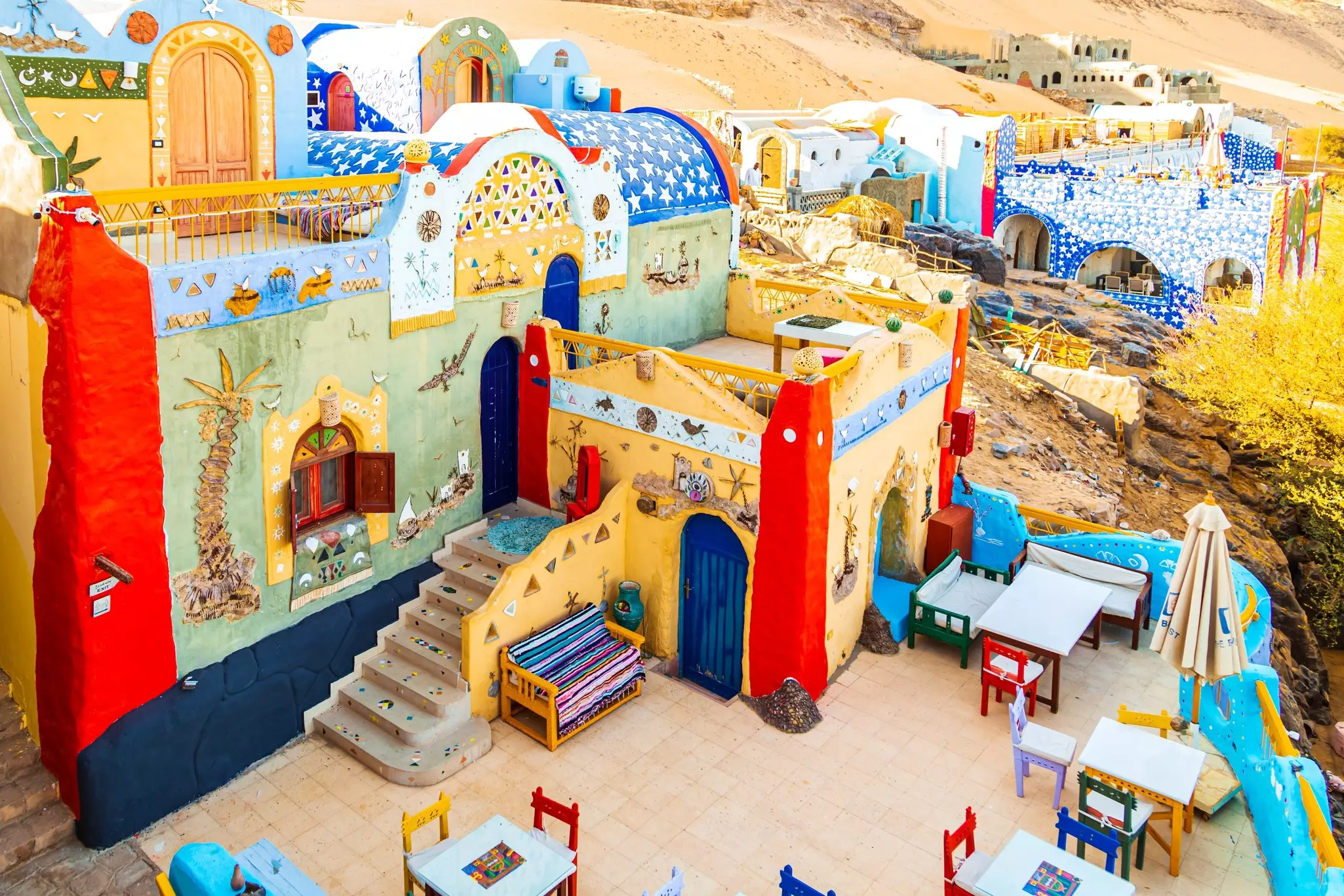
Abu’s ruins sit at the southern end of the island near the small Aswan Museum. North of here are two Nubian villages, Siou and Koti: with their narrow alleys and painted mud-brick houses, they make for a surprisingly rural counterpoint to Aswan’s bustle.
From the island’s western side, it’s easy to arrange a boat across the narrow channel to the Botanical Garden on Nabatat (Kitchener’s) Island. The former commander of the Egyptian army, Lord Kitchener turned the island into a botanical garden in 1898, importing plants from East Asia, India and elsewhere in Africa. Today, it’s a refuge for migrating birds; its majestic trees are particularly lovely at sunset, when the scent of jasmine floats on the breeze.
Local tip: Local Fatma Sobhy (WhatsApp +20-11-5360-6770) leads short walks around the island and to Animalia, the house-museum created by her father, historical preservationist Mohammed Sobhy. She and her fellow female guides will explain aspects of Nubian culture, language and domestic life in excellent English, French and Arabic.
The Nile is especially alluring at Aswan. Explore it on a 2- to 3-hour dawn motorboat tour around the islands and boulders south of Elephantine Island, including large Seheyl Island – watching en route for herons on the rocks and African swamp hens in the reeds.
Due to Seheyl’s dramatic backdrop and swirling waters, the island was considered sacred to Anukis, goddess of the cataracts. As you motor by its southern tip, watch for a cliff with over 200 inscriptions dating to the 18th and 19th dynasties. The most famous is the so-called “famine stele” from the 3rd dynasty, recounting a 7-year famine during the reign of Zoser (2667–2648 BCE).
Detour: Opposite, on the west bank, is the colorful Nubian village of Gharb Seheyl. Although it has become a popular tourist attraction, complete with such activities as henna tattoos and visits to see baby crocodiles, the spot nevertheless offers opportunities to get acquainted with genuine Nubian life and culture.
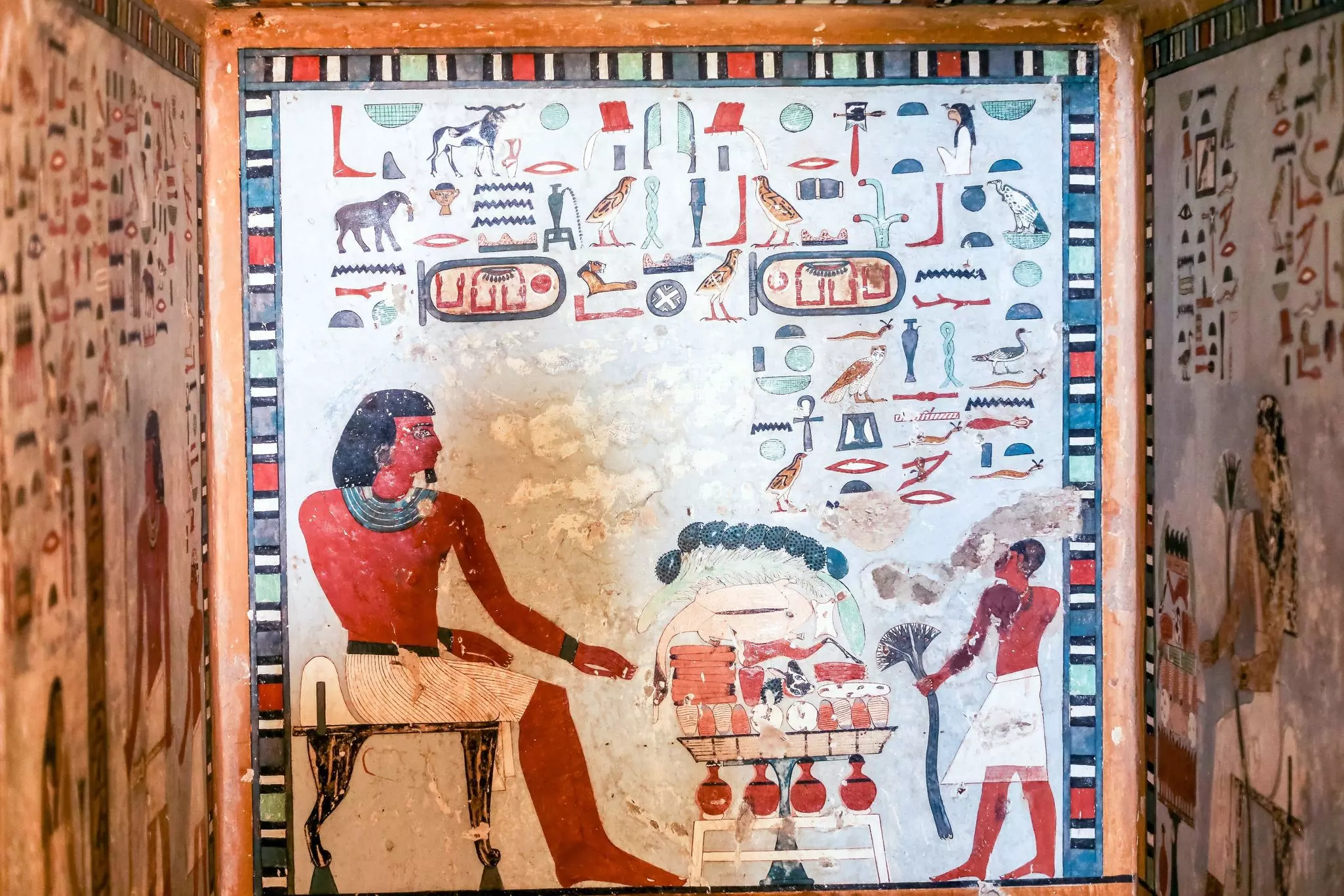
Hidden among the sandstone cliffs opposite Aswan are the Tombs of the Nobles, burial site of the ancient governors of Elephantine Island. The hillside makes a fine, offbeat excursion from the city, with excellent views over the river. Many of the tombs date to the Old and Middle Kingdoms (2200–1750 BCE), although the most recent discovery, in 2022, is of a tomb from the Greco-Roman Period containing 20 intact mummies.
Only a few of the tombs are open; the gatekeeper will unlock them (tipping appreciated). The best of the lot is the Tomb of Sarenput II (site 31). The Tomb of Governor Harkhuf (site 34) contains a hieroglyphic text detailing trading expeditions into Africa.
Afterward, make your way by camel or on foot (about 40 minutes through deep sand; bring water and a hat) across the barren hillside to the large ruins of the 7th-century Monastery of St Simeon. The original rock-cut caves and church retain defaced frescoes of the Apostles, while the upper fortress housed the monks’ living quarters. At sunset, the mud-brick walls glow red and offer fantastic views of the desert.
From the monastery, make your way down to the river below the (closed) Aga Khan Mausoleum, where there are several small restaurants and boats back to Elephantine Island.
Planning tip: To get to the Tombs of the Nobles, take the Aswan–Gharb public ferry and climb the staircase from the landing. Perched on the ridge above the tombs is Qubbet Al Hawa, the domed tomb of a Muslim sheikh. It’s a stiff walk up the hillside but worth it for the vistas.
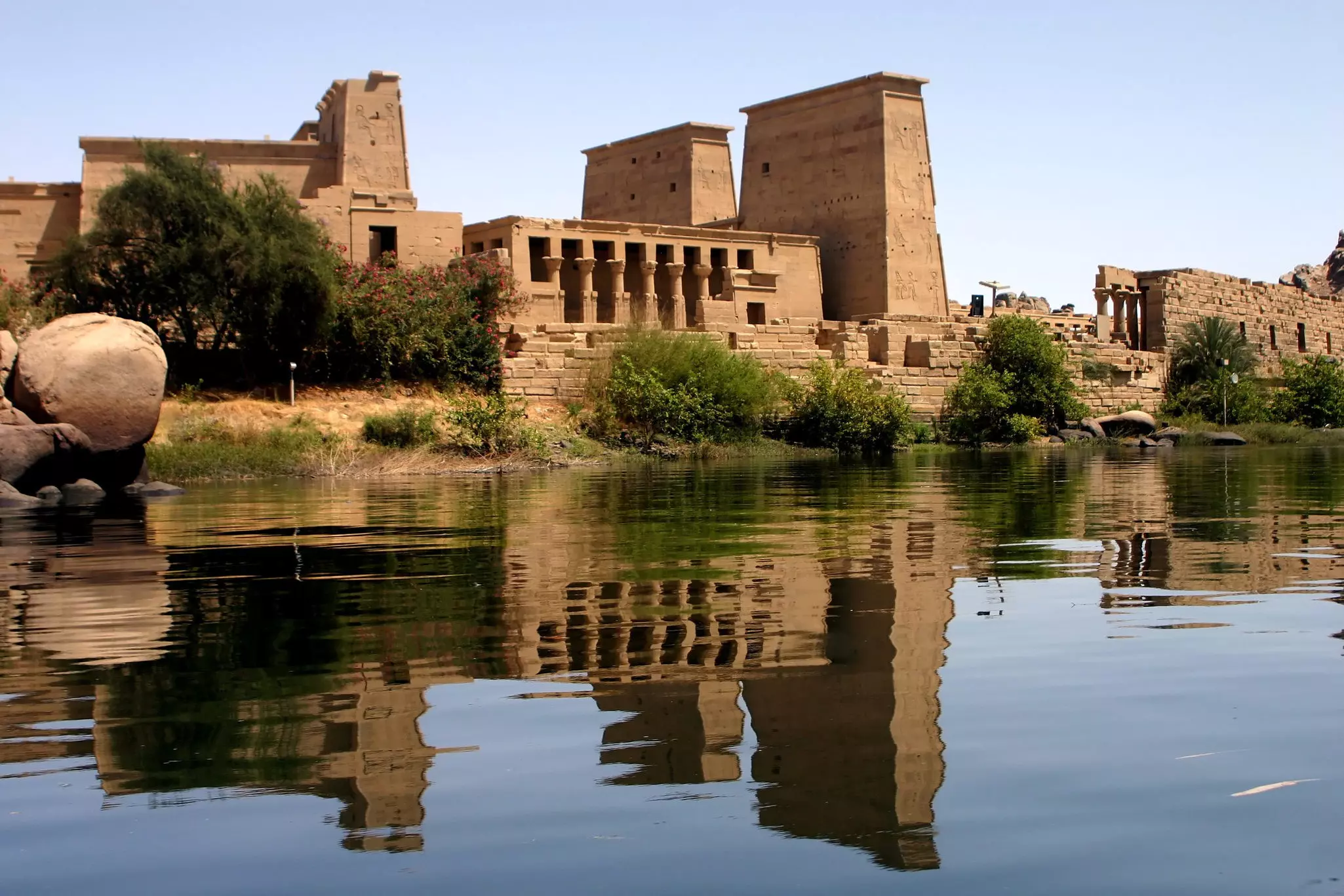
A half hour by car and boat from Aswan, Philae Temple was the cult center of the goddess Isis and Egypt’s last classical-style temple. The site was revered by Nubians, Egyptians, Greeks and Romans, and its well-preserved monuments span centuries, from the pharaohs to the caesars.
The original Philae Island became subject to seasonal submersion when the old Aswan dam was completed, after 1902, with silt caking the temple’s sandstone and stripping its reliefs’ vibrant colors. As part of the planning for the High Dam, authorities decided to move the Temple of Isis to nearby Agilika Island, a process that was completed in 1980.
After catching a motorboat for the short ride from Philae Marina to Agilika, you’ll find the temple’s oldest structure, the Kiosk of Nectanebo II, near the dock. Beyond it stretches a long colonnaded courtyard with windows overlooking the water; just beyond this is the Temple of Isis, built by the Ptolemies.
Philae was also believed to be one of the burial sites of Osiris, Isis’ brother-husband, whom she brought back to life with a single tear – which also caused the Nile’s annual inundation. Accordingly, Philae has many depictions of Isis with Horus (her son with Osiris). The mammisi (birth house), to your left when facing the temple, is dedicated to Horus.
A guide can point out dozens of other interesting details, such as the ankh (key of life), later converted to a Christian cross in the hypostyle hall, where you’ll also find an altar. Pilgrim graffiti in Greek and Latin, dating to 116 BCE, is also in evidence, as are some of Egypt’s last known hieroglyphs, which were carved on the Gate of Hadrian (left of the temple) in 394 CE. On the island’s eastern side is the Temple of Hathor, decorated with reliefs of musicians, and the adjacent Kiosk of Trajan, the subject of many paintings in Victorian times.
Planning tips: At Philae Marina on the mainland, you’ll need to purchase your temple ticket before entering the marina to strike a deal with the boat captains. Check the sign near the entrance for the current government price recommendation (currently LE340 per boat for up to nine passengers, including 2 hours of waiting time) – which will be your reference when negotiating. When your visit is concluded, resume negotiations with your skipper for a lift to nearby Bigga Island for a Nubian meal at Eco Nubia’s Solaih Nubian Restaurant (advance booking essential).
This article was adapted from Lonely Planet’s Egypt guidebook, published in December 2025.
Book your Egypt trip with Lonely Planet Journeys
See Egypt how it's meant to be seen
Accommodations, activities and ground transportation all taken care of, so you can focus on the fun part. Tell us what your dream trip to Egypt looks like, and our local experts will build it from scratch. Or start with one of our itineraries and make it your own.

Explore related stories