Sep 16, 202610 min read
15 Things to Know Before Traveling to Rome Sep 16, 2026
10 MIN READ

Writer
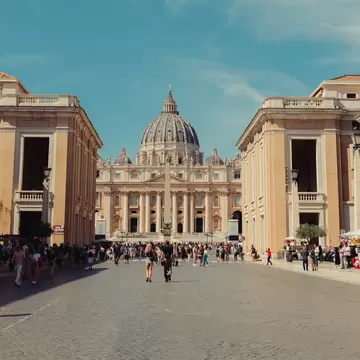
St Peter's Basilica in Rome. mouad bethaoui/Shutterstock

Writer
Highlights
Writer Alexis Averbuck shares 15 essentials when visiting Rome, including timing, what to reserve ahead and tourist laws.
Book a visit to the Vatican on Tuesday or Thursday.
Sitting on the Spanish Steps can lead to a fine; cover your shoulders and legs at churches.
Watch for pickpockets at the Colosseum, Piazza Venezia and Bus 64 at the Vatican.
Lonely Planet may earn a commission from affiliate links on our site. All recommendations and reviews reflect our own independent opinions.
I first visited Rome in 1992, and my love for the city has only grown since. I wrote my first book about Italy's capital in college and rarely a year goes by since then when I don’t visit my favorite piazza (Navona), enjoy my favorite gelato (cioccolato e limone con panna) or gaze upon my favorite art (Raphael’s Stanze in the Vatican Museums).
Even though my love for Rome runs deep, I can see why the city feels daunting to visitors, but enjoying the Eternal City and its nuances is much easier than many people think. Here are the essential things to know for anyone lucky enough to be headed to magnificent, wonderful Roma.
To continue planning your trip, download the Lonely Planet app or check out our Pocket Rome guidebook.
Rome gets crowded, and sights like the Vatican are both overwhelming in scale and overwhelmed with other visitors. Many a tourist has lapsed into a stupor as they wandered the nearly 7km of corridors. By the time they finally reach the Sistine Chapel, they gaze up at Michelangelo’s fantastic ceiling in a daze and are out the other side before having time to enjoy it.
But with a bit of planning, you can avoid the most crowded times at the Vatican Museums. Visit on a Tuesday or Thursday; Wednesday morning is good, too, though the afternoon is better than the morning. Monday is an especially bad day to visit the Vatican because other museums in Rome are closed (instead, use the day for exploring the city’s neighborhoods, squares, back alleys and parks).
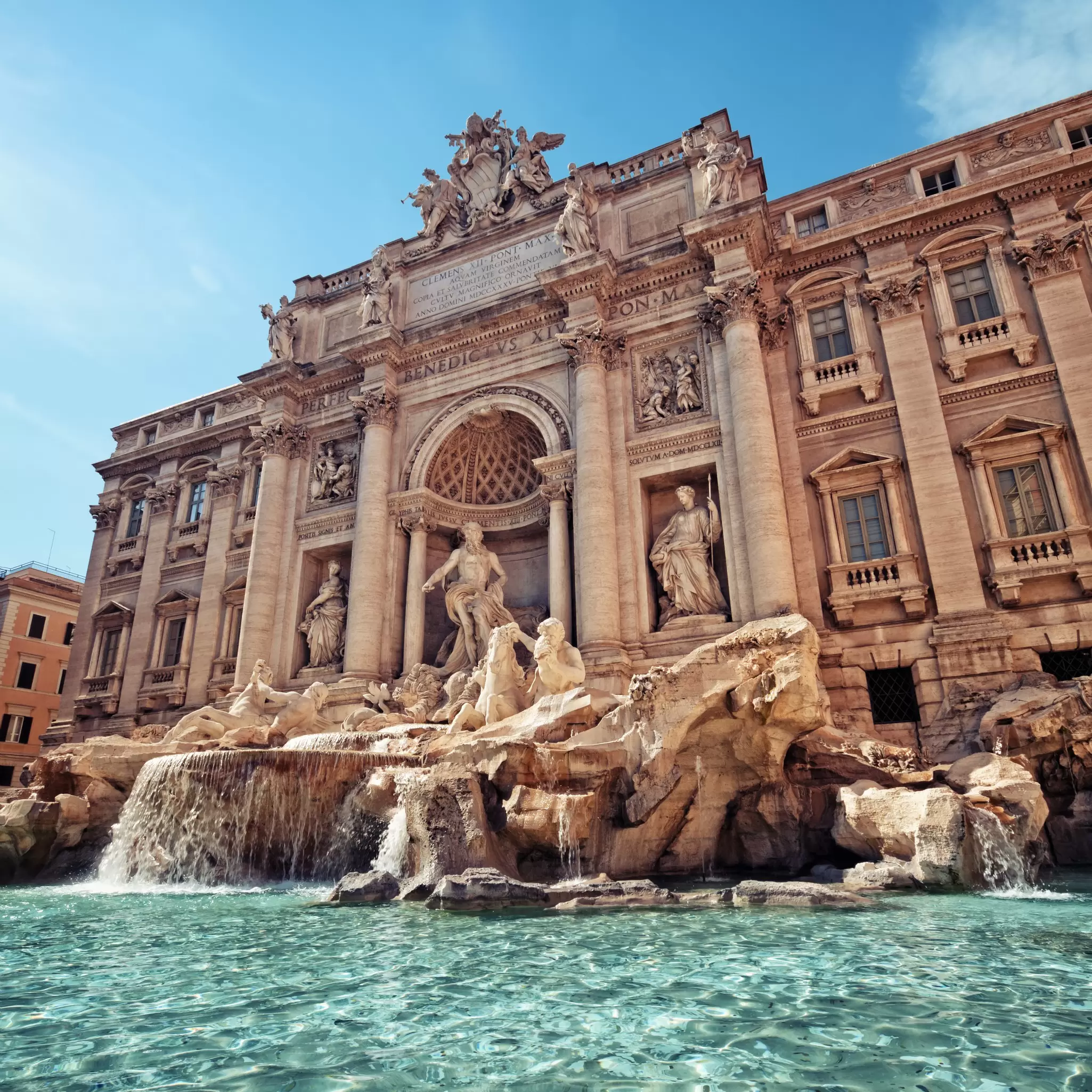
Check the guidelines established to control visitor numbers and better preserve the sumptuous Trevi Fountain.
Across Rome, weekends are always busier at attractions as tourists are joined by Romans enjoying the sights on their days off.
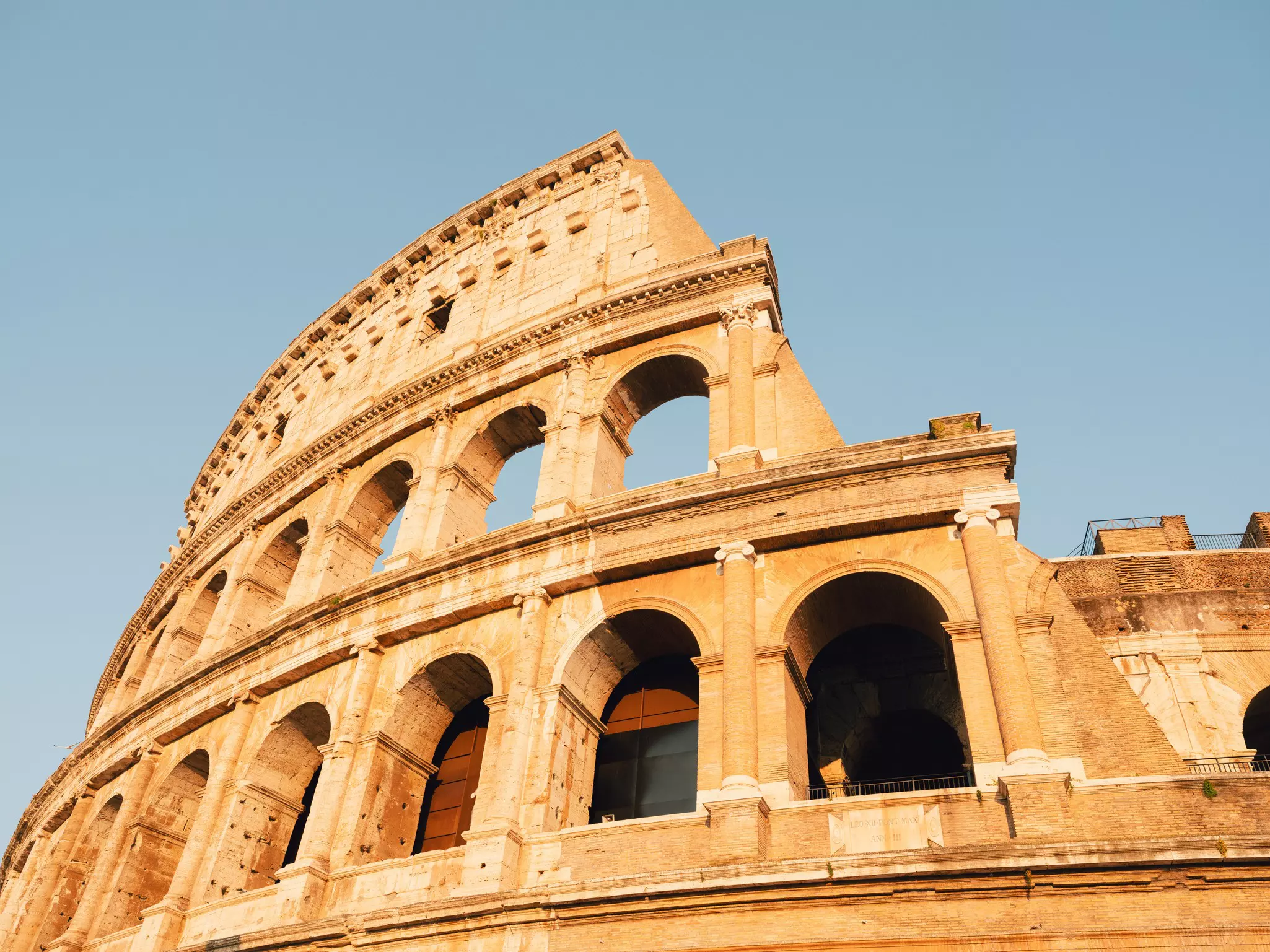
Rome is well connected and easy to get to. Once there, you can easily get around on foot. The main sights are all fairly close together, and with traffic limited in much of the area, it’s relatively stress-free to walk about. The obvious starting point is the Colosseum, Rome’s ancient amphitheater. Early risers need not get gladiatorial as long queues only start to form around midmorning, at which point you’ll be poking around the Palatino, breathing in the majesty of the once-powerful palace and its perfumed pine trees before roving around the ruins of the Roman Forum.
Enjoy the next morning's well-earned espresso among the cobblestone streets of Centro Storico (try Caffè Sant'Eustachio); the coffee will be sweetened with prebooked tickets to the Vatican. Visitors who are first in line at the Vatican will also be at the head of the line at Bonci Pizzarium when it opens for lunch. Nothing recharges your sightseeing energy like a slice of the city’s best pizza, still warm from the oven.
Of course, Rome has plenty more museums, but it’s also a living city offering la dolce vita. Stroll through day 3 past the designer boutiques of Via del Corso, stopping only to dip into the devilishly cool Salotto 42 for one of the city’s very best cocktails.
You’ve mastered the metro and finally reached your sight of choice, only to discover a guide ahead of you in the line for tickets, methodically – and slowly – paying for admission for 40 people. Or you discover that a few hundred others are already in the queue. While you wait in the hot sun for your turn, you feel a prime chunk of your day ticking away.
However, you can easily avoid all of this by buying tickets in advance online. The Vatican Museums are a perfect example of where you’ll feel the joy of walking past the waiting masses while you breeze in. For any major sight in Rome, it’s always worth checking the website for advance ticket sales. Some unmissable attractions, like the Museo e Galleria Borghese, and special tours, like the secret castle tours at Castel Sant’Angelo, require advance tickets because admission is limited to avoid overcrowding.
Lonely planet’s trusted travel insurance provider
Travel with confidence. Protect your trip and your wallet.
We don’t represent World Nomads, we receive a fee from quotes using this link. This is not a recommendation to buy travel insurance.
You don't need me to tell you just how popular Rome is, with nearly 23 million people visiting per year. Timing is everything when it comes to optimizing your trip to the nation's capital, and it all depends on what you want from your visit.
Summer is predictably the busiest time of year as visitors flock to the city from June to September. Expect crowds everywhere, peak prices and the kind of heat and humidity that would challenge even the hardiest traveler. If your schedule allows, pack your knitwear and visit during January or February for a crowd-free experience that's easier on your budget.
Decide which of the unmissable top sights you’ll most enjoy, and face the fact that you won't get to see everything on a single day in Rome. Any attempt to see places like the Vatican or the Forum in a rush will leave you unsatisfied and stressed – these are incredible experiences that are worth your time. The Roma Pass is a good option to save money on major sights and also gets you free access to public transportation (a welcome relief when you're all walked out on a hot day).
And always leave extra time for wandering, cafe sitting and people watching – it’s one of the true highlights of Roman life.
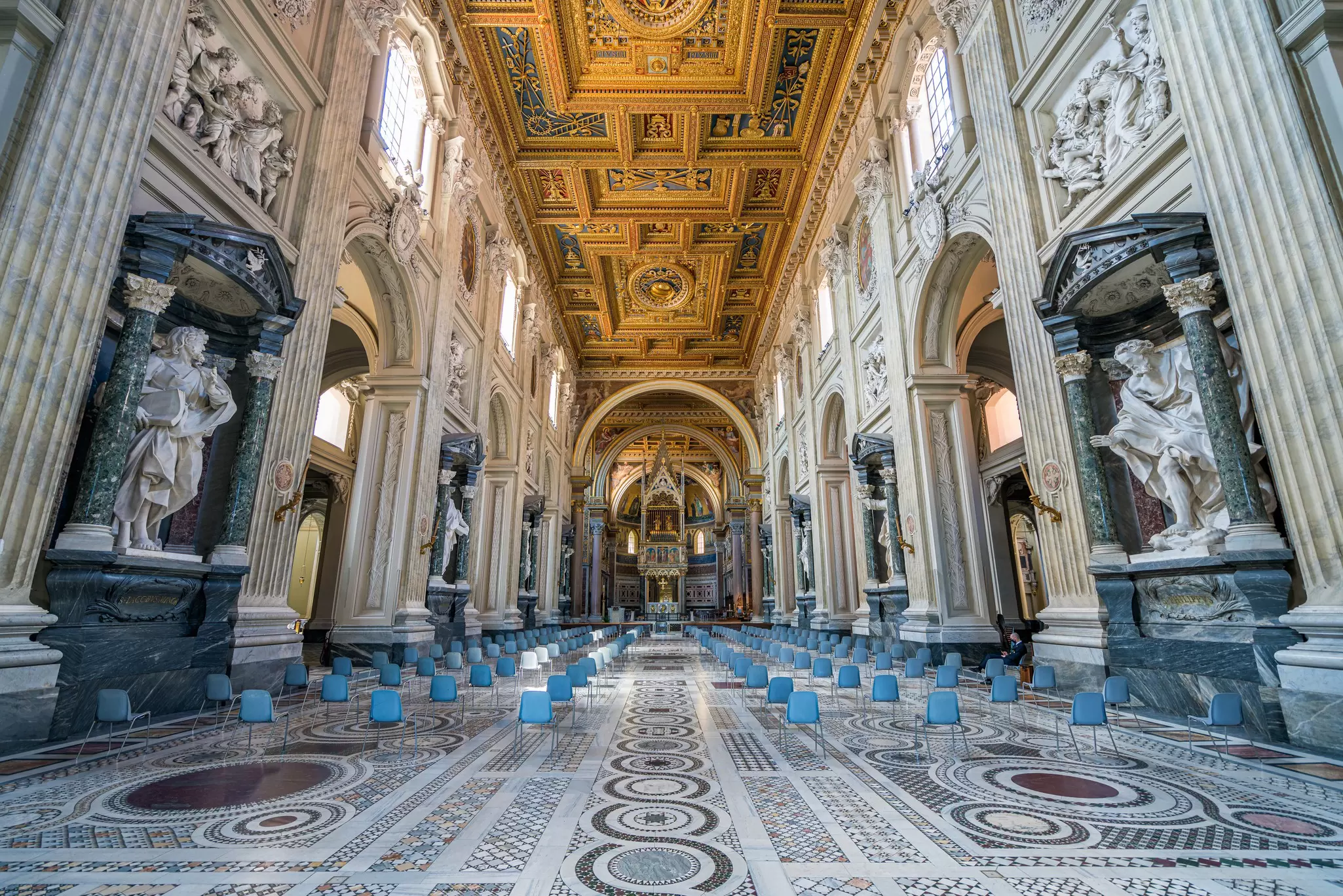
Have the self-awareness to know your limit on churches. Yes, some would cry sacrilege, but if you’re standing in some world-famous house of God and you can’t remember which one you’re in because it’s looking a lot like the previous 10, then it’s better just to pick a couple and focus on those. Plus, you’ll have something new to see on your next trip.
The Spanish Steps provide, yes, a nice stone staircase with good views, but tourist traps, touts and fast food all jostle for space. If you do go, don’t sit down! Fines are issued by police to those who use the steps as a seat.
Having a reservation is one of those intangibles that’s essential in practice. Some of Rome’s most vaunted restaurants fill up their reservations weeks in advance, so it pays to book tables before you arrive. No matter if your travel style is loose and easygoing, it’s always a good idea to reserve a table, even if it's just a couple of hours before your meal (assuming there are still tables available). Roman restaurants give more respect to people arriving with a booking as opposed to mere walk-ins – even when there are plenty of available tables.
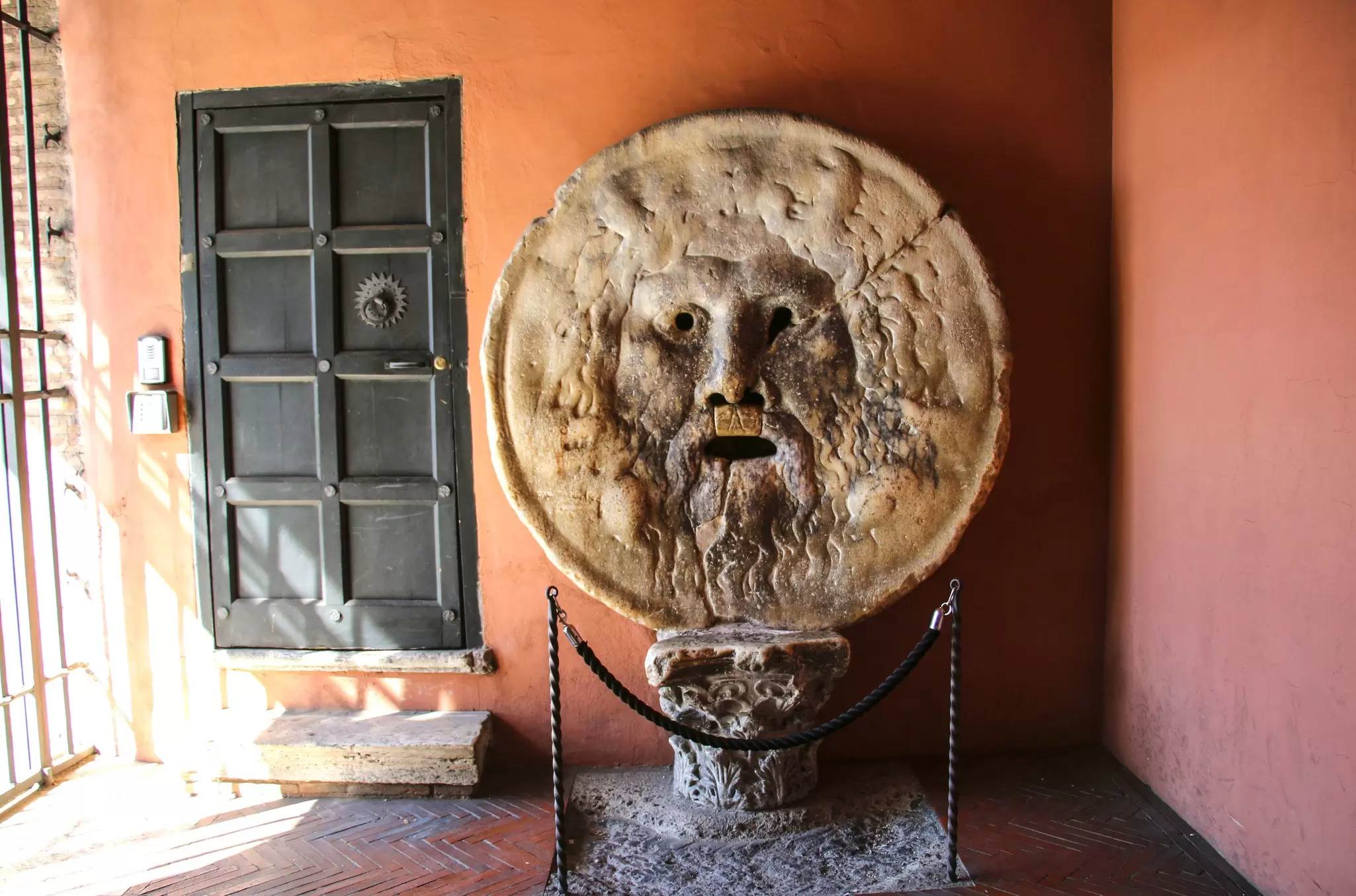
Bocca della Verità is an old stone carving of a lion head with a mouth that’s been pawed by millions of sweaty fingers. Every country seems to have one of these (hello Blarney Stone!), right down to a magical legend; in this case, the lion will bite your hand if you tell a lie. Uh-huh.
Most restaurants are open 12–3pm and 7:30–11pm, usually closing one day per week (often Sunday or Monday). In August, most eateries close for at least a week, although some close for the entire month.
Other essential tips:
Bite through hanging spaghetti – no slurping, please.
Pasta is eaten with a fork, not a spoon.
It’s OK to eat pizza with your hands when you’re getting it to go – in restaurants, people usually use a knife and fork.
Like any Italian grandma, fare la scarpetta (literally “make a little shoe”) with your bread to wipe plates clean.
Yes, there are vegan restaurants in Rome.
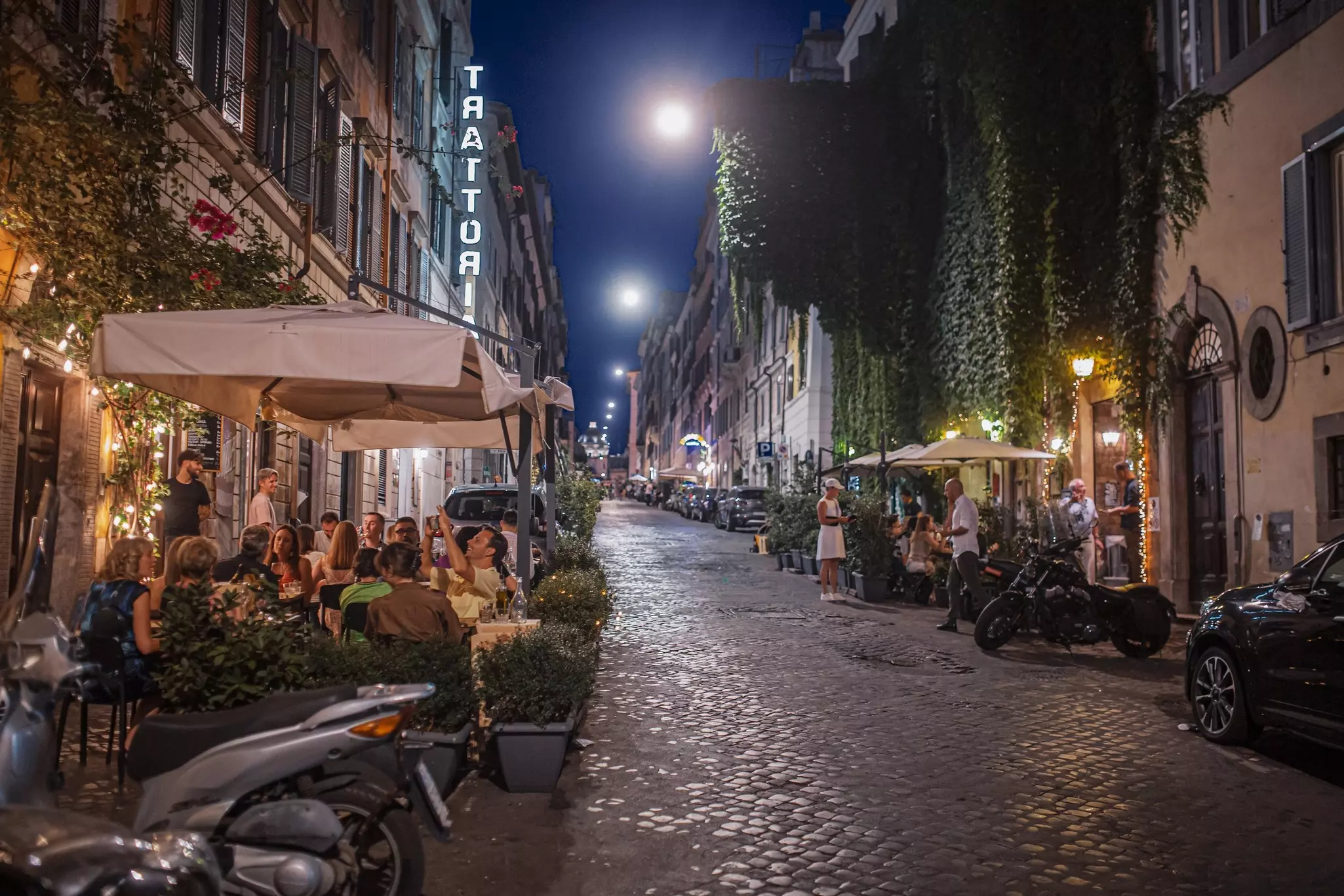
Roman style is world-renowned, and there’s no better way to escape the tourist cliche than to dress with panache, especially when going out to celebrated restaurants and clubs. Let sharp and smart be your bywords in this, and don’t underestimate what you can achieve with travel-friendly black and eye-catching accessories.
During the day, dapper casual is the rule. Still, there’s never a time when you’ll want to wear a ratty sweatshirt, goofy shorts and the like – unless it’s your signature look and you can pull it off!
Picking up the trash is an ongoing and seemingly eternal challenge for Rome, but laws are on the books to reign in the excesses of the visiting masses. People caught breaking these rules risk fines or even a temporary ban on entering the area in which they caused the offense. Among the restrictions:
Sitting on the Spanish Steps is forbidden.
No wading in the city’s fountains.
No messy outdoor eating near historic monuments.
No walking around bare-chested.
No dragging strollers or wheeled suitcases on historic staircases.
At public drinking fountains (known as nasoni), don’t place your lips on the spout – drink from your cupped hands.
Italy is quite a formal society, and the niceties of social interaction are observed. Greet people in bars, shops and trattorias with buongiorno (good morning), buon pomeriggio (good afternoon) or buonasera (good evening). Say mi scusi (excuse me) to attract attention or ask for help. Use permesso (permission) to pass someone in a crowded space, and always cover up at churches (that means shoulders and legs).
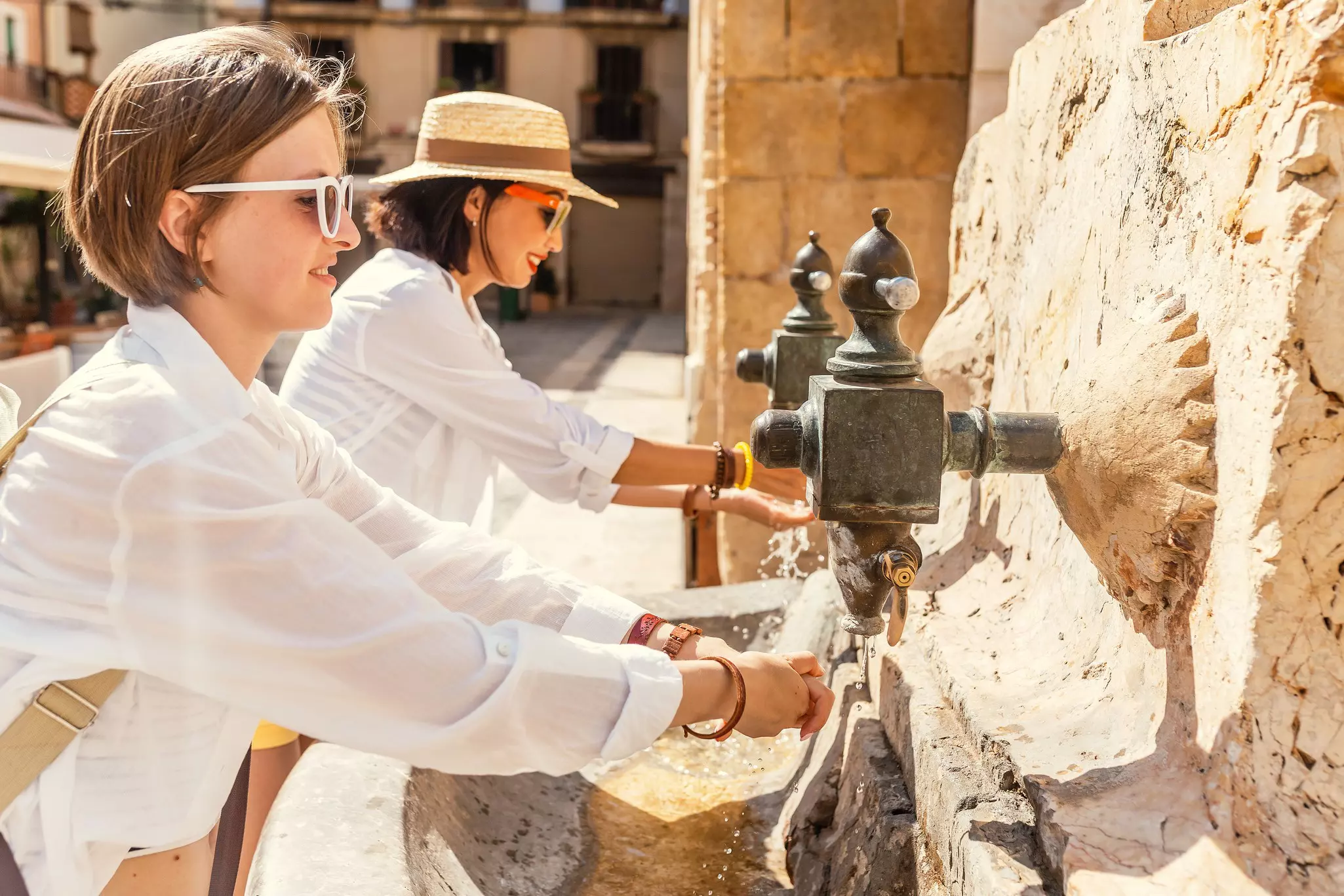
Rome has no inherent health hazards beyond the bloating that comes from wildly excessive food (and gelato) intake. But a few tips will keep you feeling tip-top.
Stay hydrated. It gets hot in summer, especially out in the open air of places like the Forum. Carry a water bottle, drink copious amounts, and keep it filled at the many public drinking water fountains.
Ancient cobblestones, long staircases and hours spent wandering are just some of the features that will tire you out. Wear shoes with excellent support and cushioning.
Rome is generally a safe city, but petty theft is a real risk. Use common sense and watch your valuables. Pickpockets and thieves are active in touristy areas such as the Colosseum, Piazza di Spagna, Piazza Venezia and St Peter’s Square.
Stay alert around the chaotic Termini train station and on crowded public transit – Bus 64 at the Vatican is notorious. Keep your wallets, phones and valuables out of reach of pickpockets (a wallet bulging in your back pocket won't remain there for long).
In case of theft or loss, always report the incident to the police within 24 hours and ask for a statement. The emergency number for the police is 112. Make sure you never drape your bag over an empty chair at a street-side cafe or put it where you can’t see it.
Beware of gangs of kids or others demanding attention. If you’ve been targeted, take evasive action or shout "Va via!" (Go away!)
Explore related stories