Oct 16, 202615 min read
The 10 Best Things to Do in RomeOct 11, 2026
16 MIN READ
Contributors
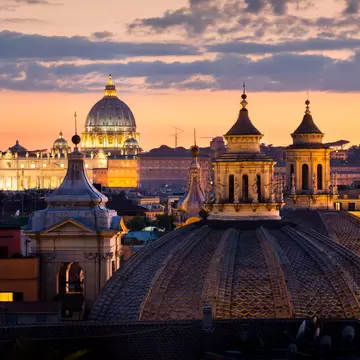
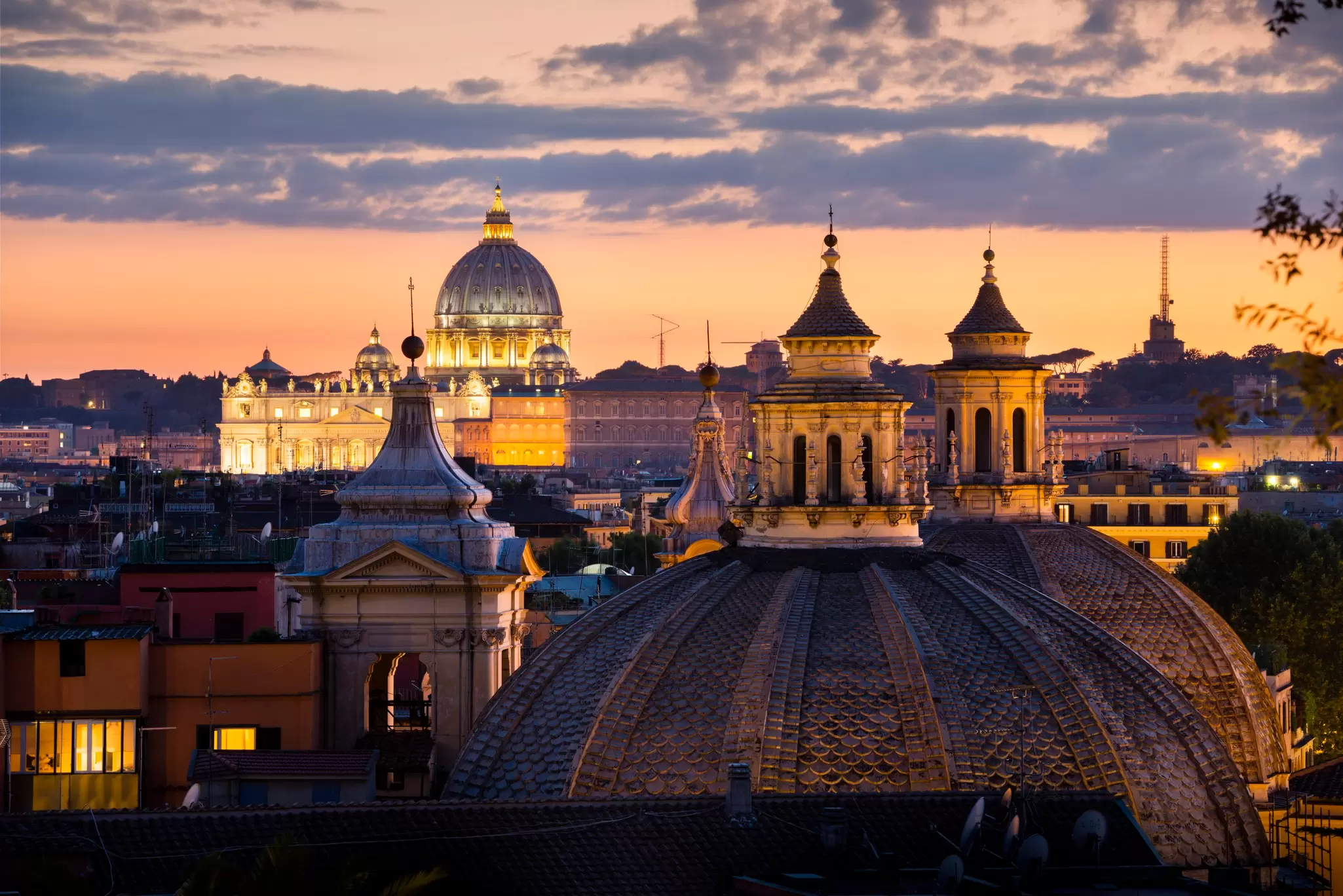
A view over the rooftops of Rome to St Peter's Basilica. Justin Foulkes for Lonely Planet
Contributors


Lonely Planet Editors, Duncan Garwood
Highlights
Writer Duncan Garwood maps a three-day Rome itinerary from the Colosseum to Trastevere.
The Colosseum, Roman Forum and Piazza Navona fill day one with ancient grandeur.
Michelangelo's Sistine Chapel and St Peter's Basilica are the prizes on day two.
Day three pairs Bernini sculptures at the Galleria Borghese with Monti's vintage shops.
Lonely Planet may earn a commission from affiliate links on our site. All recommendations and reviews reflect our own independent opinions.
One of my favorite travel memories is the first morning I spent in Rome. I’d arrived early on an overnight train, and for a few hours it seemed like I had the city to myself. I remember the beautiful glow of the buildings on Piazza Navona and feeling wonderstruck in a near-empty St Peter’s Basilica.
Even after writing about Rome for almost three decades, the city continues to amaze me. Everything just seems so extreme, from the mesmerizing beauty of its monuments to the daily dramas that play out on its colorful streets. But as much as its energy and good looks, what I love are the small pleasures: a pitch-perfect cappuccino, a plate of carbonara pasta at a favorite trattoria.
There's so much to see and do in Rome that it could easily fill a lifetime, but you can get a taste of the city's highlights even on a short trip. Whether you're drawn by the Roman ruins, the grand museums, the painted chapels of the Vatican or the pizzas and pasta, here's how to spend 3 perfect days in Rome.
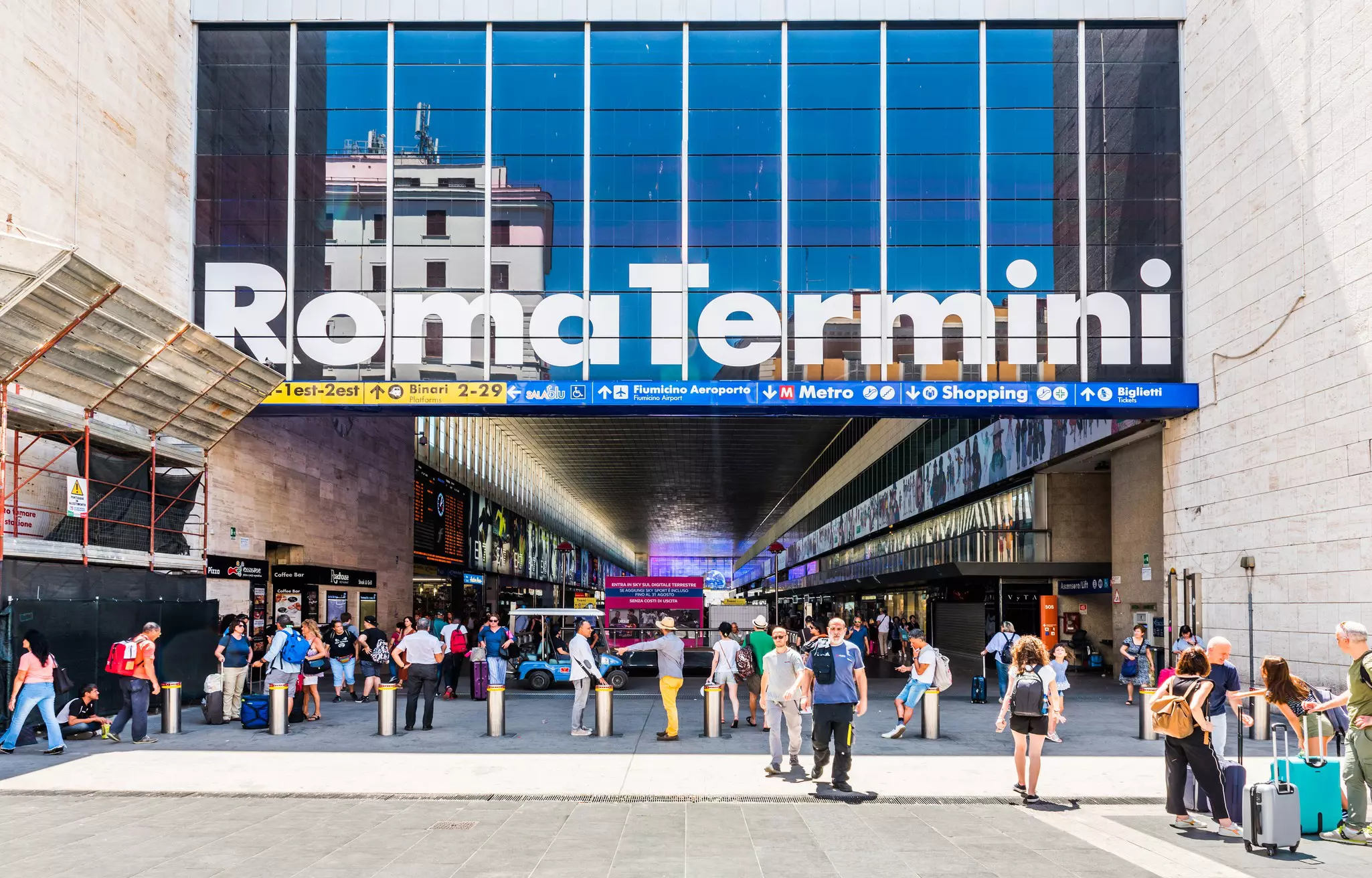
Start your Rome visit off on the right foot with the following tips, covering the key practicalities.
When to visit: To catch Rome at its most enchanting, a spring or fall visit is your best bet. If you come from March to May or September to November, the skies will be blue, it will be warm without being stifling, and markets will be heaving with seasonal produce. You will, however, have to contend with crowds, long lines and high-season rates. While still busy with tourists, summer sees temperatures soar as festivals take to outdoor stages and many residents head off on their holidays, particularly around Ferragosto on August 15. Winter brings cold, short days and the possibility of rain, but if the weather is not a deal-breaker, you can enjoy tempting low-season prices, quiet museums and shorter queues at the ancient sights.
Arrival options: Flights to Rome land at one of two airports – Fiumicino Airport (officially known as Leonardo da Vinci) is around 30km southwest of the city on the coast, while Ciampino Airport is 14km southeast, and favored by low-cost airlines. To save money on the trip to the center, the Leonardo Express train runs straight from Fiumicino to Rome Termini train station, where national and international trains arrive. From Ciampino Airport, you can take a shuttle bus to the station. Taxis from both airports are expensive, and demand can be high at peak times. For a low-cost route to Rome, long-distance coaches run to the city's Autostazione Tibus from across Italy and mainland Europe, with many services operated by FlixBus.
Getting around: Rome is a sprawling city, but the center can be covered on foot if you don't mind traipsing along cobbled streets in the sun. For longer journeys, public transportation is your friend; however, with the traffic congestion, it's faster to get around using the metro or suburban trains than by bus, tram or taxi (and there are few rideshare options). ATAC offers transport passes covering unlimited use of public transportation, lasting from 24 hours to 7 days.
Where to stay: The Centro Storico is an atmospheric area with everything right on your doorstep, but it's expensive and can be noisy, so opt for accommodation in the quieter northern part of Rome if you want something more affordable. For a cost-effective stay near Rome Termini train station, Yellowsquare offers comfy rooms and dorms and a sociable buzz. In the center, Hotel Mimosa is a rare, almost-budget option that's an excellent base, offering a warm welcome, spacious rooms and a top location near the Pantheon. For five-star comfort, Eitch Borromini is in a 17th-century palazzo designed by 17th-century architect Francesco Borromini. It looks over Piazza Navona, and there are dreamy views from its two rooftop terraces.
With Rome's astonishing collection of ancient sights, modern attractions and quality places to eat, drink and shop, you'll never be able to see and do everything, so we've picked key areas of the city to explore in depth on this 3-day itinerary.
Ancient wonders are what Rome is all about, so we've devoted the first day to the best, from the Colosseum to the Pantheon. Get an early start so you can beat the crowds to the Colosseum when it opens at 8:30am.
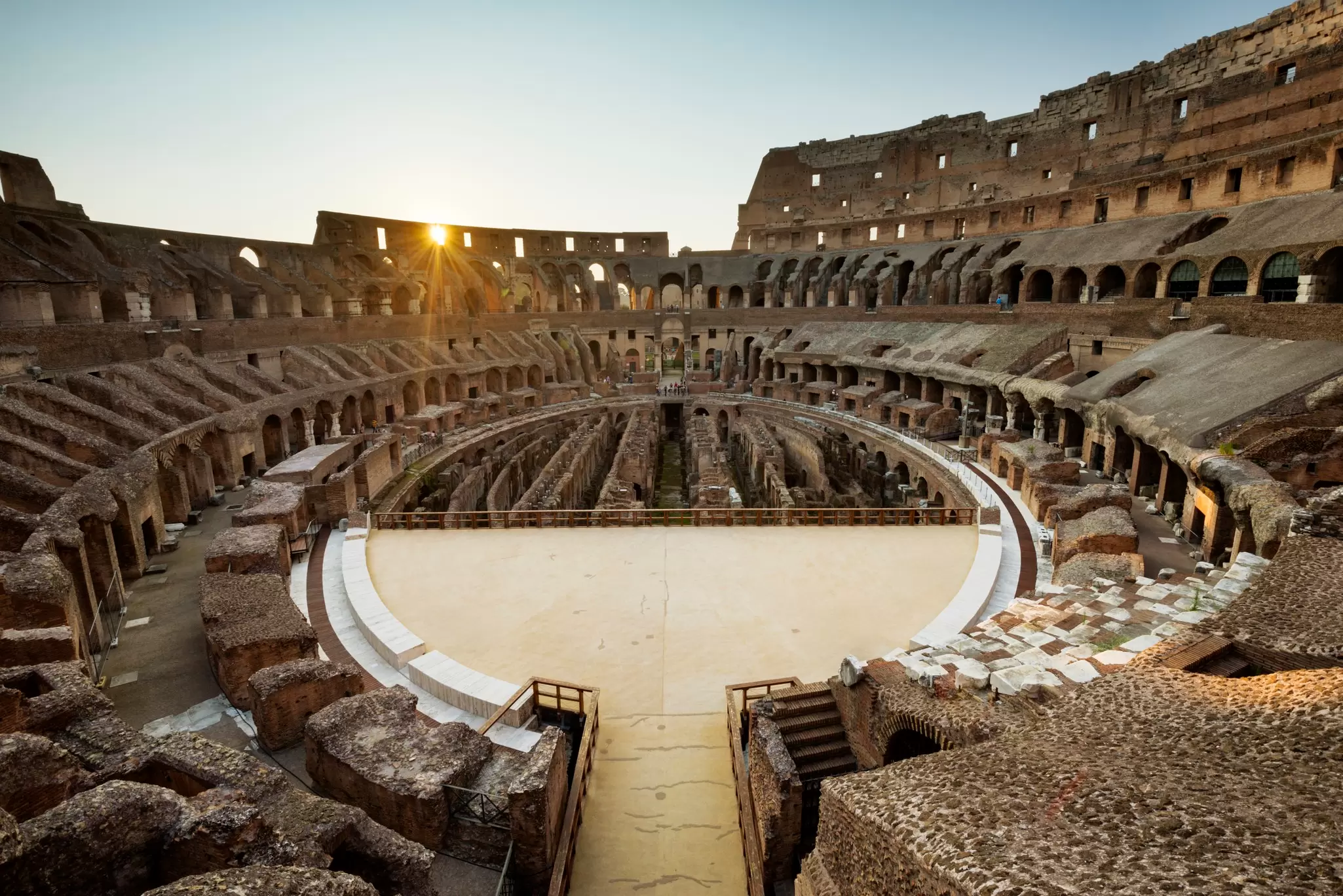
Morning: After a speedy hotel breakfast or coffee on the go, start with a showstopper – the mighty Colosseum, commissioned by the emperor Vespasian in 72 CE and inaugurated by his son and successor Titus in 80 CE. This is where gladiators met in mortal combat, and where prisoners fought off wild beasts in front of baying, bloodthirsty crowds. You'll recognize it instantly – the Colosseum has cameoed in endless Hollywood movies, from Gladiator (2000) to Godzilla x Kong: The New Empire (2024).
It's impressive from the outside, and even more impressive within, particularly if you pay the extra fee to visit the underground sections of the ruins. From the stands, you can look over the partially rebuilt arena floor and down into the subterranean chambers that once housed gladiators counting down to their last moments. On the 2nd floor, duck into the small Museo del Colosseo, detailing the monument's history, and admire the views from the balcony toward the Arco di Costantino.
Demand for tickets is always high, so book well in advance – as much as a month ahead for peak periods. There are several different tickets available; the standard 24-hour ticket covers a single timed entry to the Colosseum, plus one entry to the Roman Forum and the ruins atop Palatine Hill (which we'll get to in the afternoon). Opt for the pricier Full Experience ticket for a tour of the underground levels or the attic.
Before breaking for lunch, head on to Palatino (Palatine Hill), where the wolf-raised Romulus supposedly founded the city in 753 BCE, and where Rome’s all-powerful emperors lived in palatial luxury. Ruins spill around pine forests on the hilltop, while the Museo Palatino offers classic views over the Roman Forum.
How to spend the day: After a breakfast buffet of history, grab lunch at Osteria Circo, a cozy Italian eatery tucked into ancient vaults beside the Circo Massimo (Circus Maximus), or pick up a sandwich from Alimentari Pannella Carmela on Via dei Fienili.
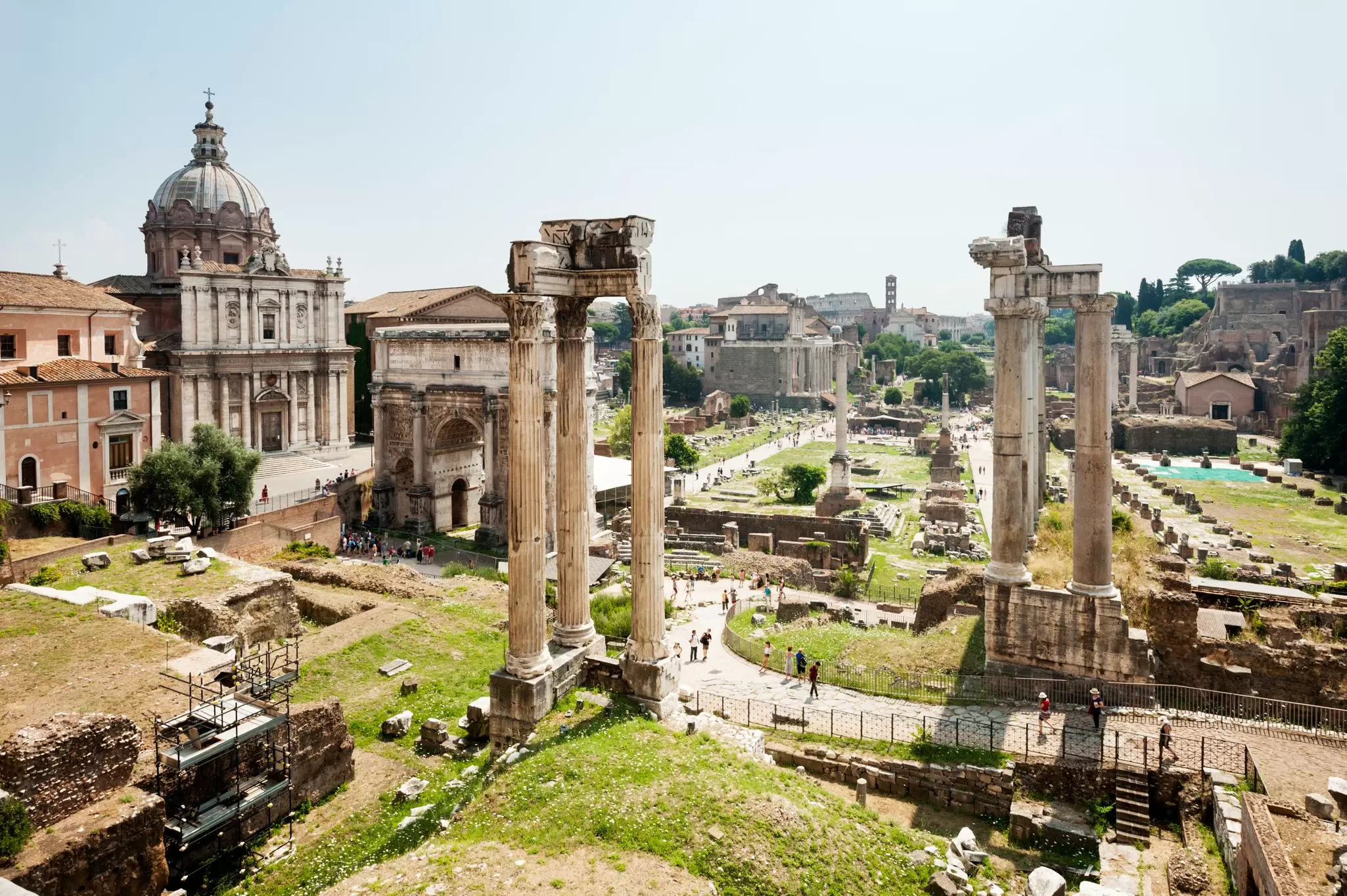
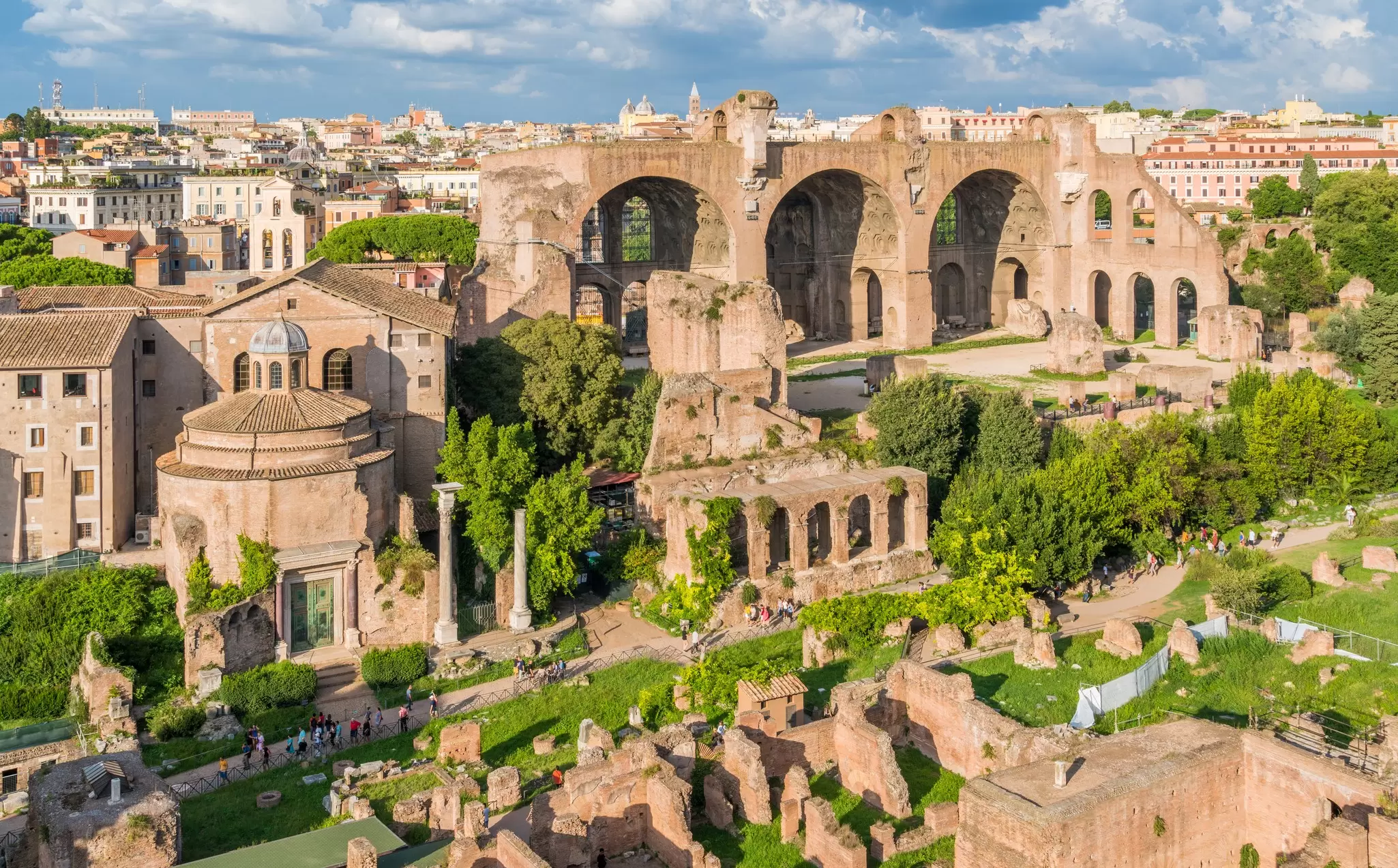
Suitably fortified, you can dive into the thick of things at the Roman Forum, the beating heart of the ancient city – a once teeming district of temples, basilicas, narrow lanes and busy public spaces. The ruins are some of Italy’s most impressive, but you’ll need to fire up your imagination (or get a good guide) to picture them in their heyday.
Enter from the Arco di Costantino and follow Via Sacra past tottering columns and a string of ruined temples and basilicas to reach the Curia Iulia, the original seat of the Roman Senate, and the Imperial Forums, where Rome's emperors demonstrated their power to the masses. Finish at the 23m-high Arco di Settimio Severo, built in 203 CE to commemorate Emperor Septimius Severus’ victories over the Parthians.
If time and energy levels permit, swing into the Capitoline Museums, where the Palazzo dei Conservatori and Palazzo Nuovo are packed out with Roman sculptures of astonishing artistry, including a world-famous statue of Romulus and Remus being suckled by a she-wolf. There’s also a formidable picture gallery with works by many big-name Italian artists.
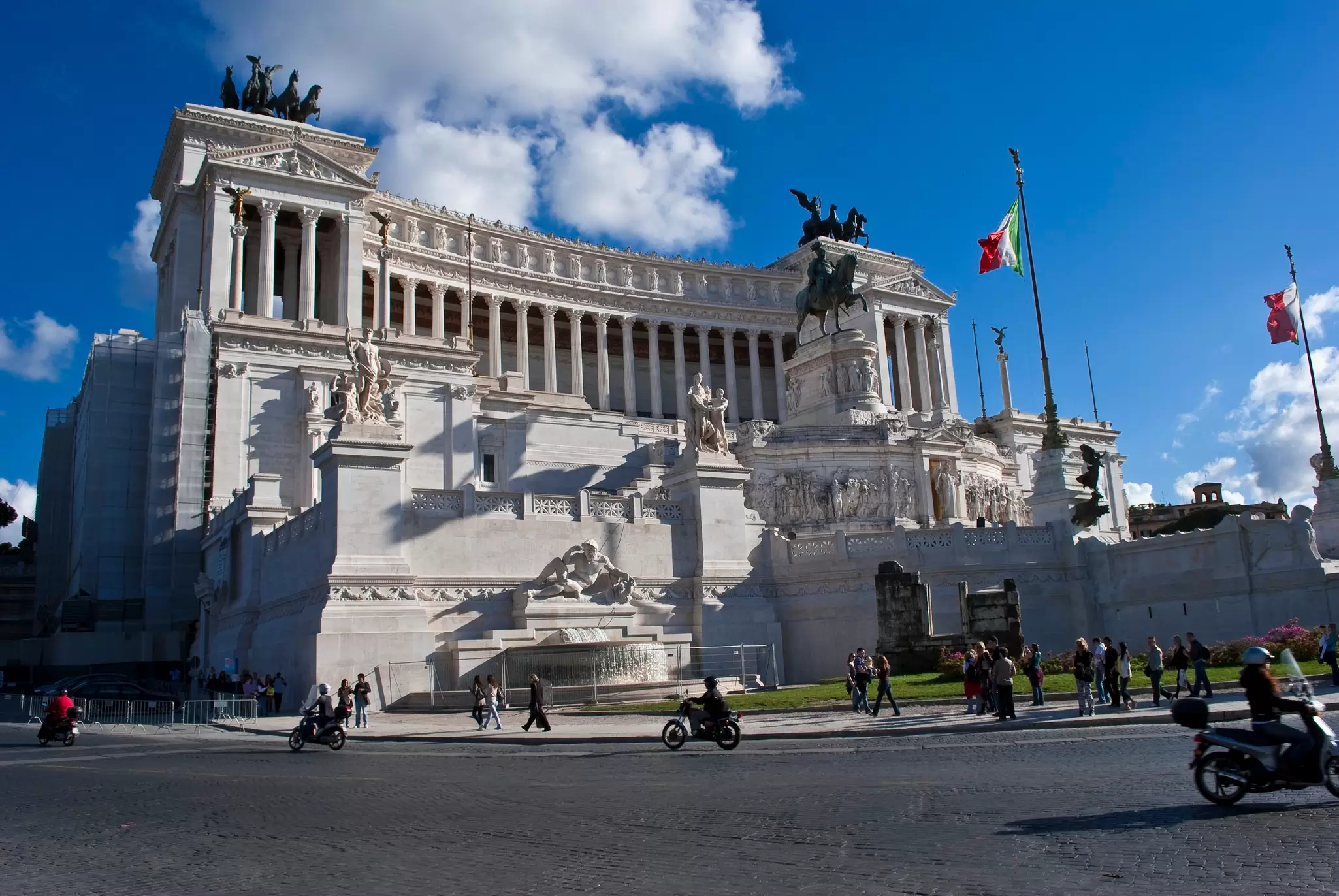
If a big museum feels like too much, drop by Il Vittoriano, the colossal white monument honoring Italy’s first king, Vittorio Emanuele II, then wind through palazzi-lined lanes to reach the Pantheon, a 2000-year-old Roman temple reinvented as a church, crowned by the largest unreinforced concrete dome ever built. Walking a few more blocks west will deliver you to Piazza Navona, Rome's fountain-decked showpiece square.
Dinner: When in Rome, you should eat like a Roman and Da Cesare al Pellegrino on Via del Pellegrino is a good place to start – an archetypal trattoria serving classic Roman fare made with market-fresh ingredients. Or try busy Grappolo d’Oro – a standout trattoria amid the lackluster touristy stops near Campo de’ Fiori.
Night: A first night in Rome deserves a big night out, and they don't get much bigger than Teatro Argentina. Rome's top theater was founded in 1732, and it stages a wide-ranging program of classic and contemporary plays (mostly in Italian), as well as dance performances and classical concerts. Alternatively, go small and cozy, sipping interesting Italian wines at L'Angolo Divino, close to Campo de' Fiori.
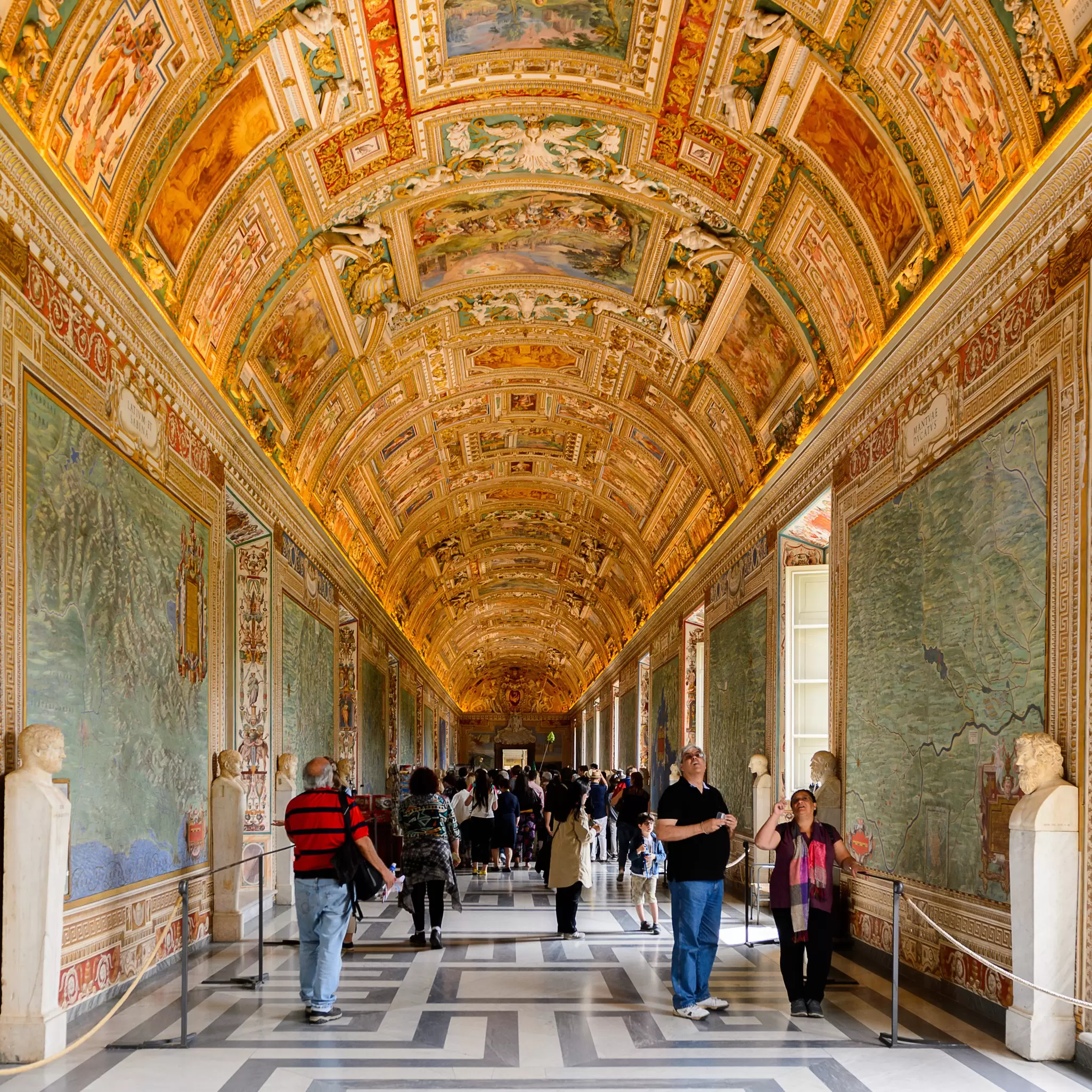
People often forget that Rome is not one city but two: Rome itself, and the nestled independent state of the Vatican, south of Prati on the west side of the River Tiber. Start day two at this city within a city.
Morning: Another quick breakfast is in order so you can reach the Vatican Museums when they open at 8am. Here, you'll find some of Italy's greatest artistic treasures, including Rome's magnum opus, the Sistine Chapel, painted in stages by Michelangelo, Sandro Botticelli and others in the 15th and early 16th centuries. Gazing up at Michelangelo's masterpiece of God and Adam, almost (but not quite) touching on the chapel ceiling, is one of those life-affirming travel moments.
That's just the beginning. The Vatican Museums boast more masterpieces than some whole countries, and more than 7km of exhibition halls display one of the greatest art collections in the world. Exploring the entire complex in depth would require several days, but even a half-day visit is sure to leave you dazzled. Don't miss the Gallery of Maps, the papal pictures in the Pinacoteca, the sculptures of the Museo Pio-Clementino, and the Raphael-daubed chambers of the Stanze di Raffaello.
To get the best from a visit, come early, and pre-book your ticket online to avoid losing time to queues at the ticket desk. If it happens to be the last Sunday of the month, you can explore the museum for free, but thousands of other art appreciators will have the same idea, so expect a crowd.
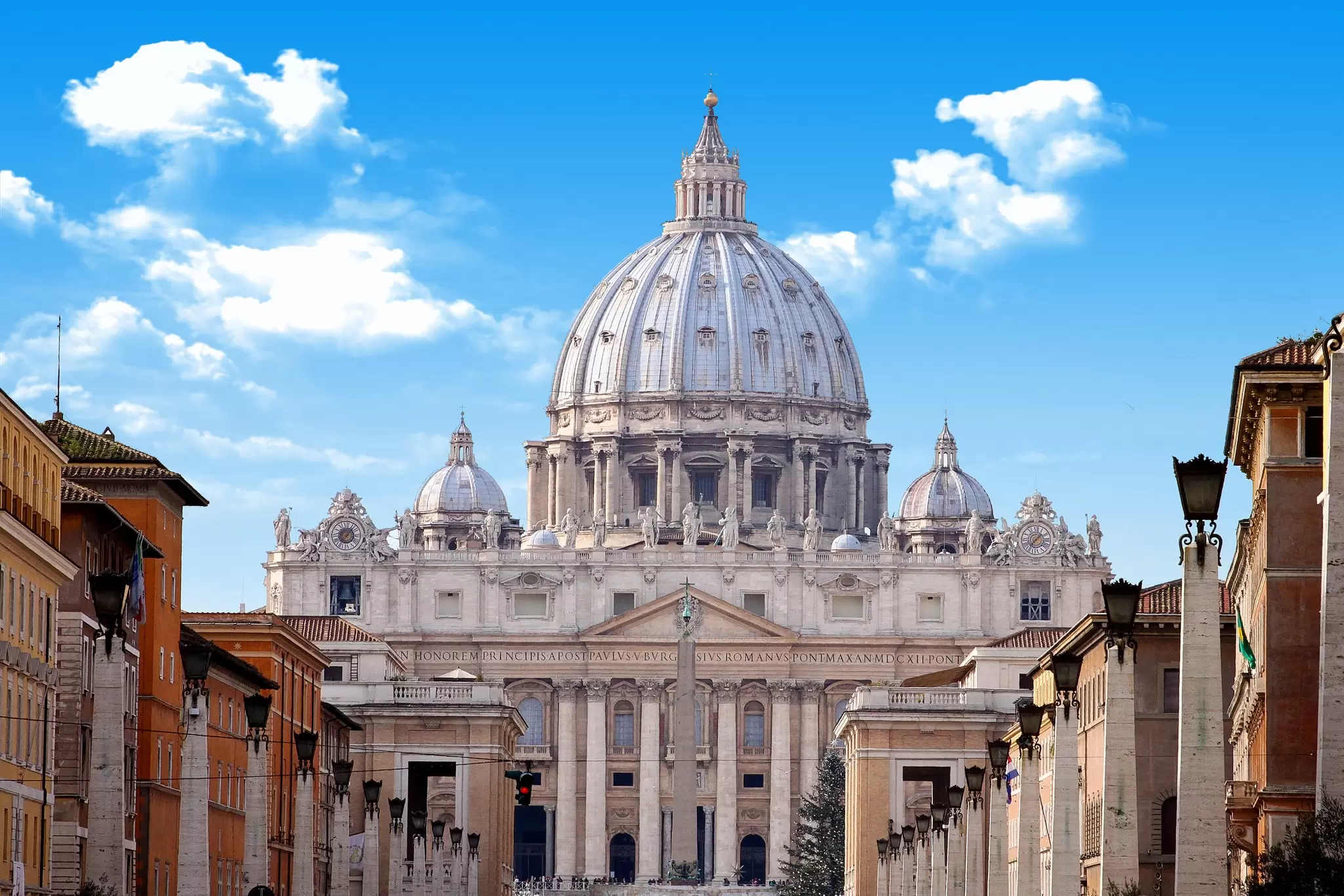
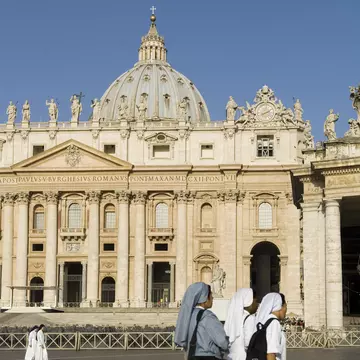
How to spend the day: Recharge your batteries over lunch at Bonci Pizzarium, a beloved pizza spot serving some of Rome’s best sliced pizza, with tons of creative toppings. You'll need a carb cram to tackle the next big-hitter sight, St Peter's Basilica, arguably the world's most famous cathedral and the official headquarters of the Catholic Church.
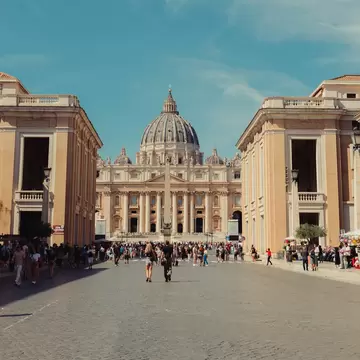
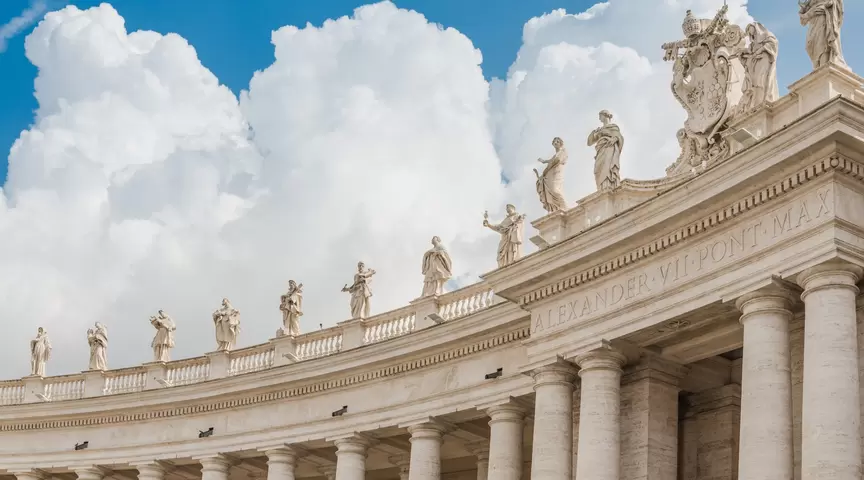
Dress appropriately, covering knees and shoulders, and you can wander the vast, column-lined piazza where vast crowds gather for papal audiences on Wednesday mornings, admiring the views of St Peter's iconic dome before you go inside. As you enter the basilica itself, note the Loggia della Benedizione, the balcony where newly elected popes are proclaimed to the faithful, and where Urbi et Orbi blessings are delivered at Easter and Christmas.
Inside, the central nave leads up to one of Bernini’s great masterpieces, the famous baldachin that stands over the papal altar. St Peter's gilded throne is held up by four massive statues of saints, with light shining on the entire composition from a yellow window surrounded by the golden angel and white dove of the Holy Spirit.
Other things not to miss include Bernini's monument to Pope Alexander VII in the left aisle, and the Museo del Tesoro, displaying the many sacred relics and objects that have been passed down from one pope to another. The right aisle displays Michelangelo’s legendary La Pietà, a masterful marble sculpture representing the Virgin Mary tenderly holding the body of Jesus.
While you're in the area, stop into the Castel Sant'Angelo, immediately recognizable from its round shape and its Roman-built access bridge crossing the Tiber. The history of the castle dates all the way back to the 1st century CE, when the Emperor Hadrian ordered a mausoleum to become his burial place (he was later joined by emperors Antoninus Pius, Marcus Aurelius, Commodus, Septimius Severus, Geta and Caracalla).
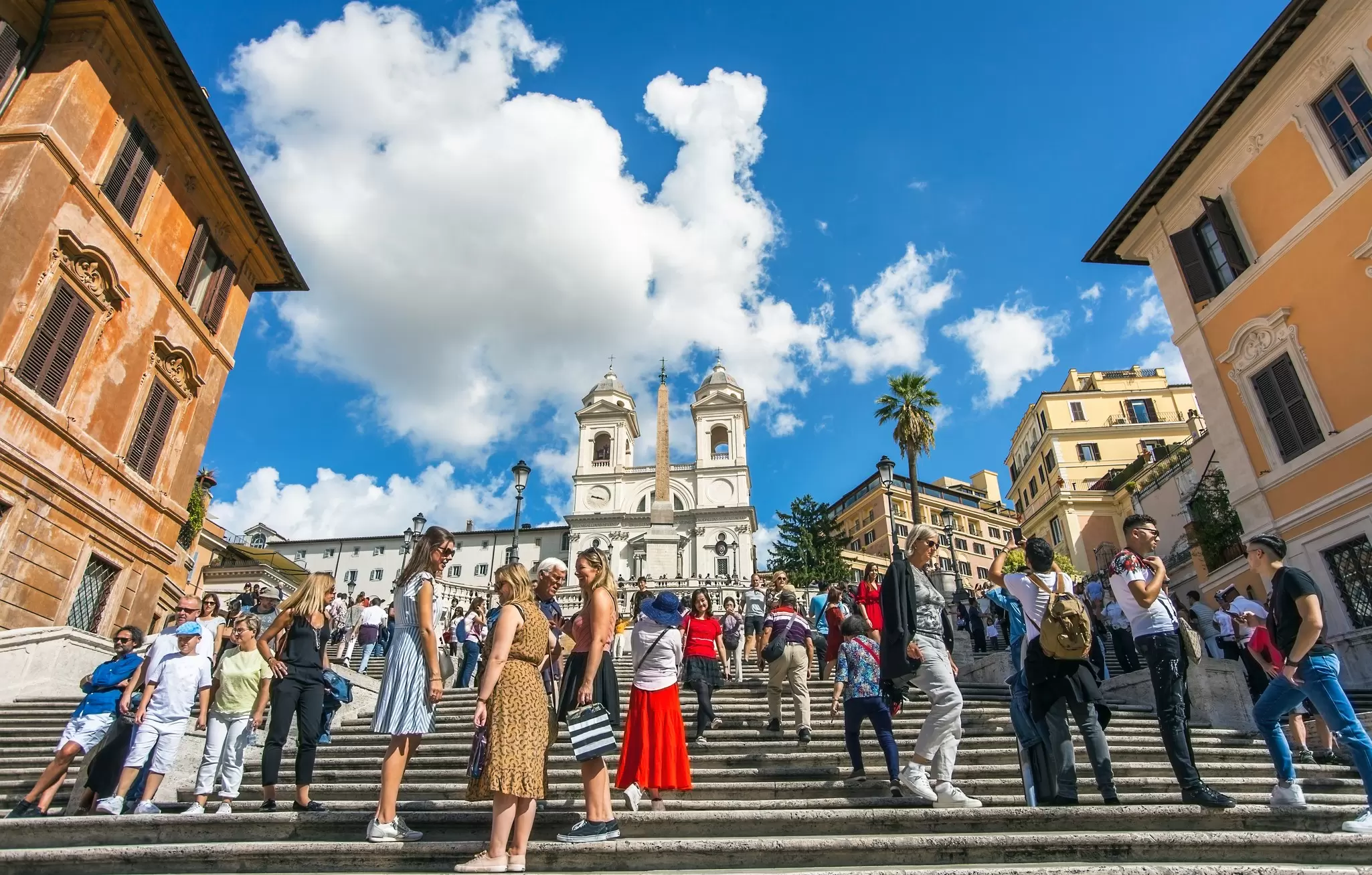
Hungry for more? Head across town to the Spanish Steps, rising from Piazza di Spagna to the Chiesa della Trinità dei Monti. This is one of the most photographed spots in Rome (and the world), but it's hard to deny its aesthetic perfection.
Wander south through Rome's historic lanes to reach the monumental Trevi Fountain, designed by Nicola Salvi in 1732 and filling an entire square with statues of gods and sea creatures. And yes, this is where Anita Ekberg paddled in Federico Fellini’s 1960 movie La Dolce Vita.
Close out the piazza-hopping by taking a peek at the Piazza del Quirinale, edged by the grand palazzo that serves as the official residence of the Italian president.
Dinner: You've earned a good dinner, so head to Osteria La Quercia, a smart restaurant on a charming square near Piazza Farnese. The menu is crammed with Lazio regional classics.
Night: You might want to head straight for bed after dinner, but if not, grab drinks at Terrazza Borromini, a sophisticated rooftop overlooking Piazza Navona. Alternatively, ease off the pressure at craft-beer pub Open Baladin, or sip hip cocktails with 1920s vibes at Jerry Thomas Speakeasy.
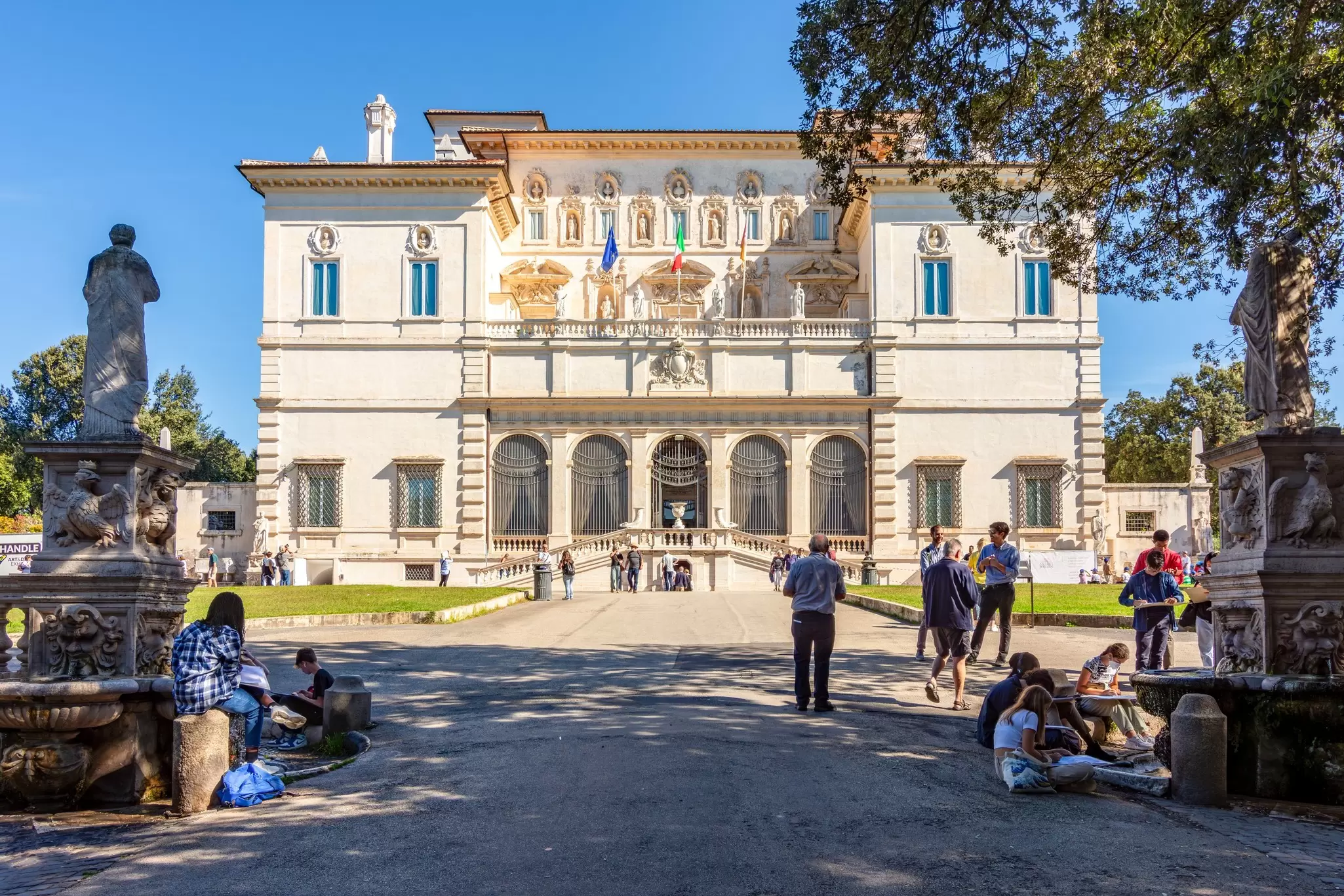
You've seen the center, now it's time for the less-touristy corners of Rome. Day three will take you from Villa Borghese to foodie appointments in Monti and drinks across the Tiber in Trastevere.
Morning: Villa Borghese and the northern parts of Rome are less crammed with traditional sights and less touristy than many more central neighborhoods, and that's part of the appeal. Start day three as you mean to go on at the Museo e Galleria Borghese, whose stunning collection provides a perfect introduction to Renaissance and Baroque art.
Housed in a lavishly decorated villa from the 17th century, the museum has some of the city’s greatest masterpieces, including sensational sculptures by Bernini and major paintings by Titian, Raphael, Rubens and other greats. Don't miss the Sala del Sileno, displaying six paintings by tormented maestro Caravaggio.
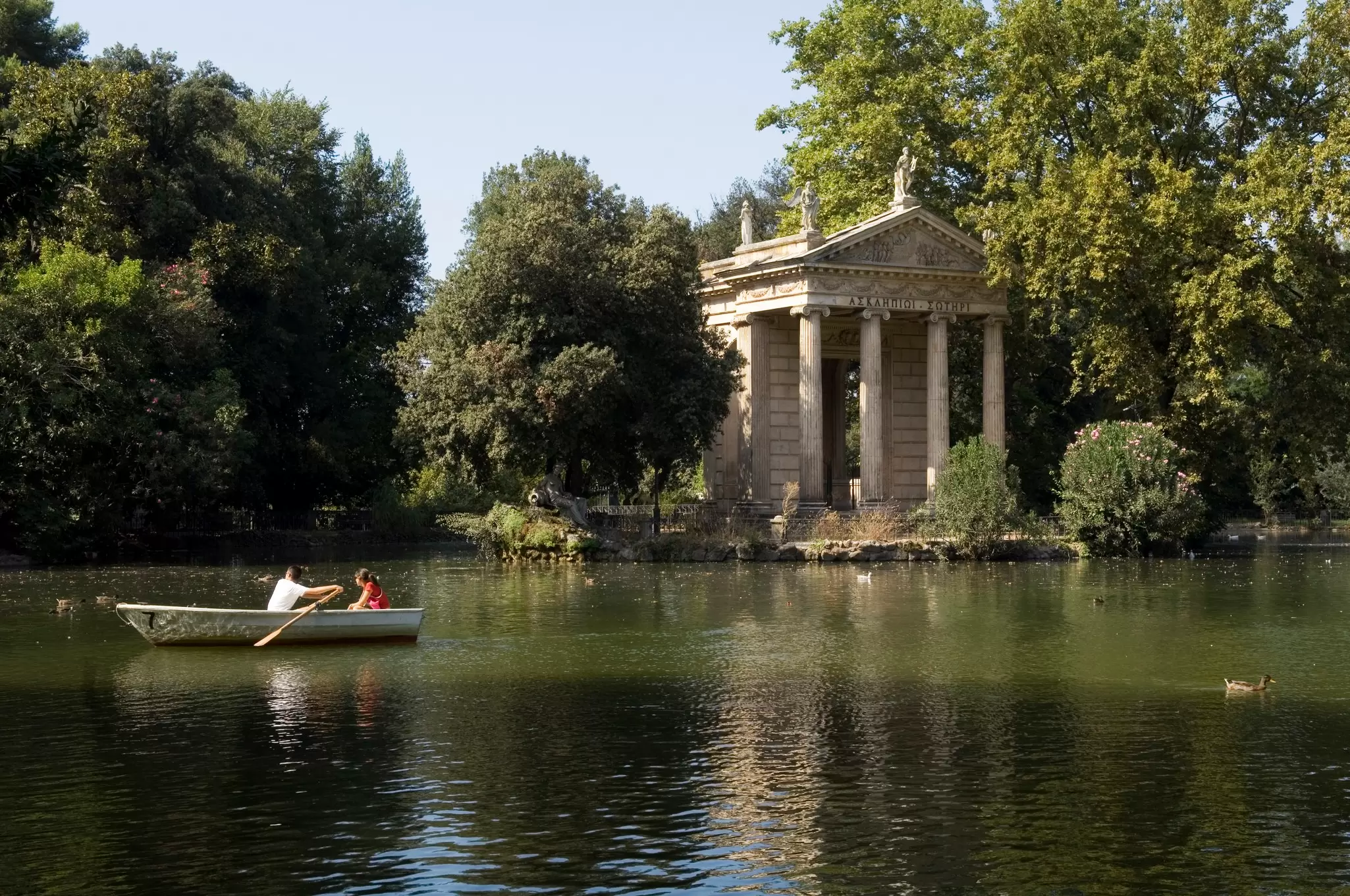
How to spend the day: Lunch calls, so answer at Il Margutta, an art gallery restaurant with an excellent vegetarian and vegan menu and an all-you-can-eat buffet on Sunday. Then you'll be ready to enjoy the gorgeous greenery of Villa Borghese.
Rome’s flagship park was originally the estate of powerful 17th-century cardinal Scipione Borghese, but it’s now an 80-hectare oasis of picturesque glades, gardens and grassy banks, home to several intriguing museums. Breathe in the views from the terrace at the Pincio Hill Gardens, where the vista stretches
from Piazza del Popolo to St Peter’s and on to the Gianicolo Hill.
There's time for more culture, too. Head south toward Rome Termini station, where the rarely busy Palazzo Massimo alle Terme, built over an ancient Roman bathhouse, is stuffed with wonders. Here, you can sit in a room frescoed as an idyllic garden, see bronzes from Caligula’s ceremonial ships, and study the delicately portrayed scars of an ancient boxer.
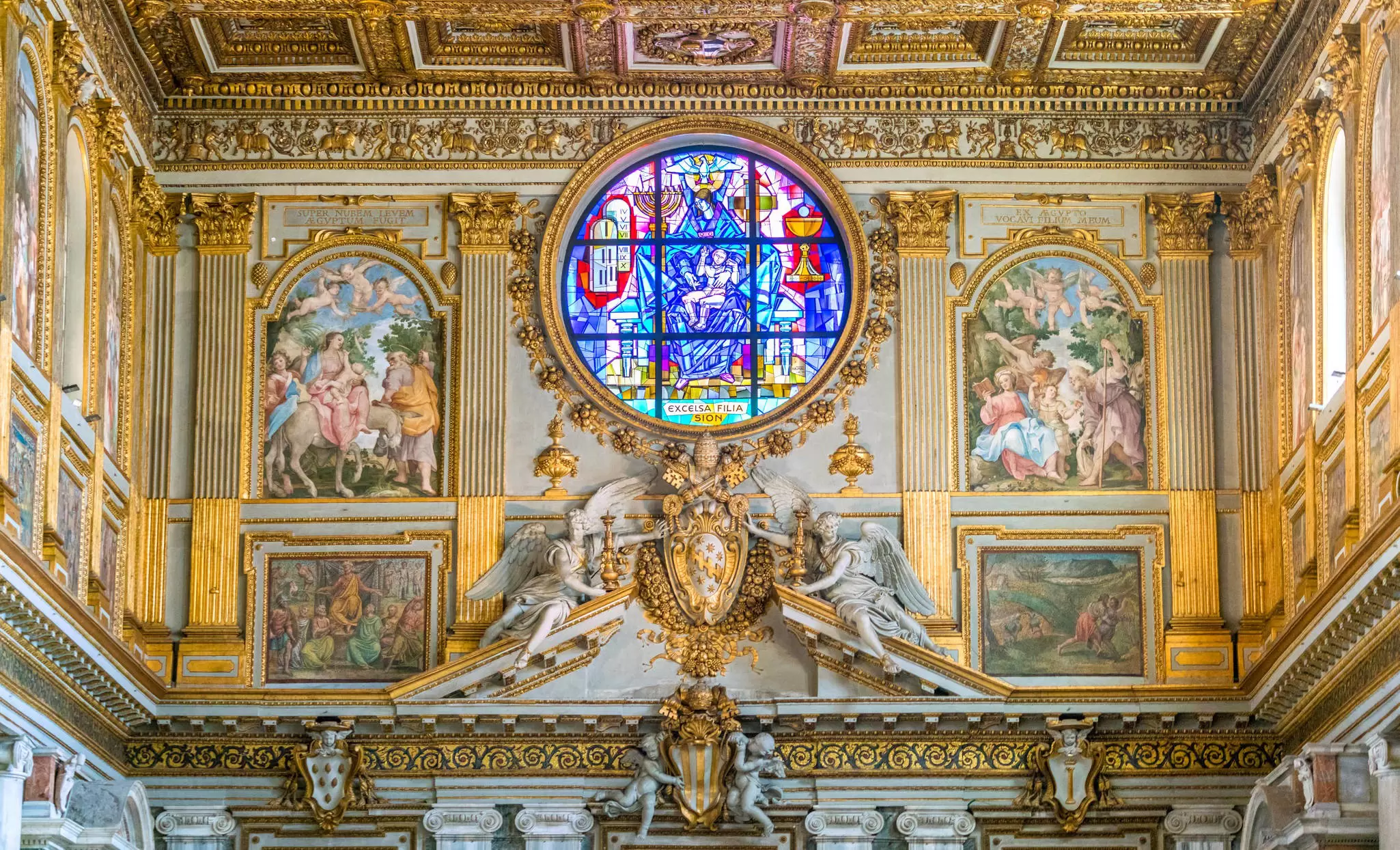
St Peter's sets the church bar high, but you'll still be impressed by the Basilica di Santa Maria Maggiore, one of Rome’s four patriarchal basilicas. Standing at Esquilino’s summit, a Baroque 18th-century loggia protects a medieval facade decorated with beautiful mosaics. Inside, take in lavish interiors and the burial place of the great Bernini.
If you have room for one more church, visit the Basilica di Santa Prassede, an ochre-walled medieval church dedicated to a saint who helped early Christians flee from persecution. Inside this 9th-century jewel box, brilliant blue and gold Byzantine mosaics seem to emit their own light.
Close out the day with a spot of shopping in the area of Monti, close to Cavour metro station – a hotspot for small independent shops and vintage stores. Prime among them is Humana Vintage, with clothes organized by size and color. Other worthwhile stores to visit include Pifebo, good for denim, jackets and football jerseys, and Fabio Piccione on Via del Boschetto, specializing in costume jewelry.
Dinner: Going local is the theme for the day, so head to Monti's La Barrique, a creative, bottle-lined
neighborhood enoteca that's as popular with the area's residents as it is with visitors.
Night: Assuming you still have energy in the tank, traipse southwest across the Tiber to Meccanismo – a hip coffee spot by day and an equally hip cocktail stop by night. Or go big on beers at Ma Che Siete Venuti a Fà, where the neighborhood vibe will make you feel positively Roman for a couple of hours before you head off to pack your suitcase.
You'll be doing a lot of walking, even if you use public transportation, so pack for spending time outdoors. Consider bringing the following:
Comfortable shoes: Pack shoes you'll be happy walking around in for the whole day. Factor in exploring cobbled streets and ancient ruins (so skip the heels).
Appropriate clothing for the weather and culture: Rome gets hot and humid in summer, so bring lightweight, breathable clothing. From fall to early spring, you'll need warmer layers. At any time of year, you'll want clothes that cover the upper arms and legs for visits to the Vatican and other religious sites.
A dress-up outfit: Italians make a point of being fashionable, so bring some smarter clothes for trips to bars and upmarket restaurants.
A secure bag: Rome has a reputation for pickpockets and bag snatchers, so consider bringing a secure cross-body bag you can keep in front of you, rather than a daypack you wear on your back.
Book your Italy trip with Lonely Planet Journeys
See Italy how it's meant to be seen
Accommodations, activities and ground transportation all taken care of, so you can focus on the fun part. Tell us what your dream trip to Italy looks like, and our local experts will build it from scratch. Or start with one of our itineraries and make it your own.
Explore related stories