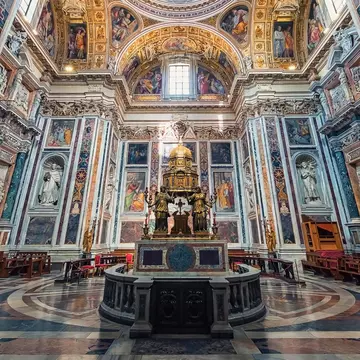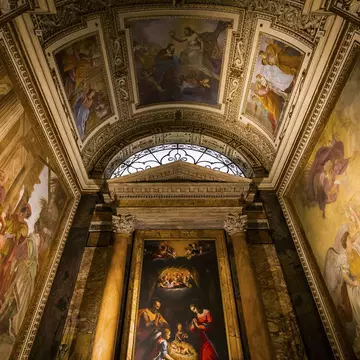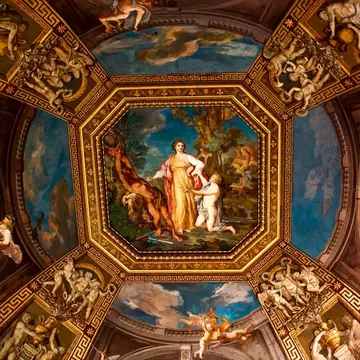
The Vatican Museums can boast more masterpieces than some countries, and their 7km of exhibitions are rightly considered one of the greatest art collections in the world. While exploring the entire complex in depth would require several days, even a one-day visit is sure to leave you dazzled as you take in work of art after work of art.
A Bit of History
The museums were founded by Pope Julius II at the beginning of the 16th century as a way to collect the immense Vatican possessions in one place, but they were originally reserved only for the eyes of the popes and those who worked for them. It was Pope Clement XIV who decided to open them to the public in the latter half of the 18th century.
The museums occupy a sprawling 5.5 hectares, consisting of two main palaces – the Palazzo Apostolico Vaticano and the Palazzetto di Belvedere, joined together by two long galleries. You can find three courtyards inside the museums, namely the Cortile della Pigna, the Cortile della Biblioteca and the Cortile del Belvedere. Even with all this space, visitors only see a fraction of the immense Vatican collection – there’s simply no way to display it all, and even the amount currently available does require some serious planning, or it can become overwhelming very quickly. Fun fact – the current director of the museums is Barbara Jatta, the first woman in the job.
The Pinacoteca
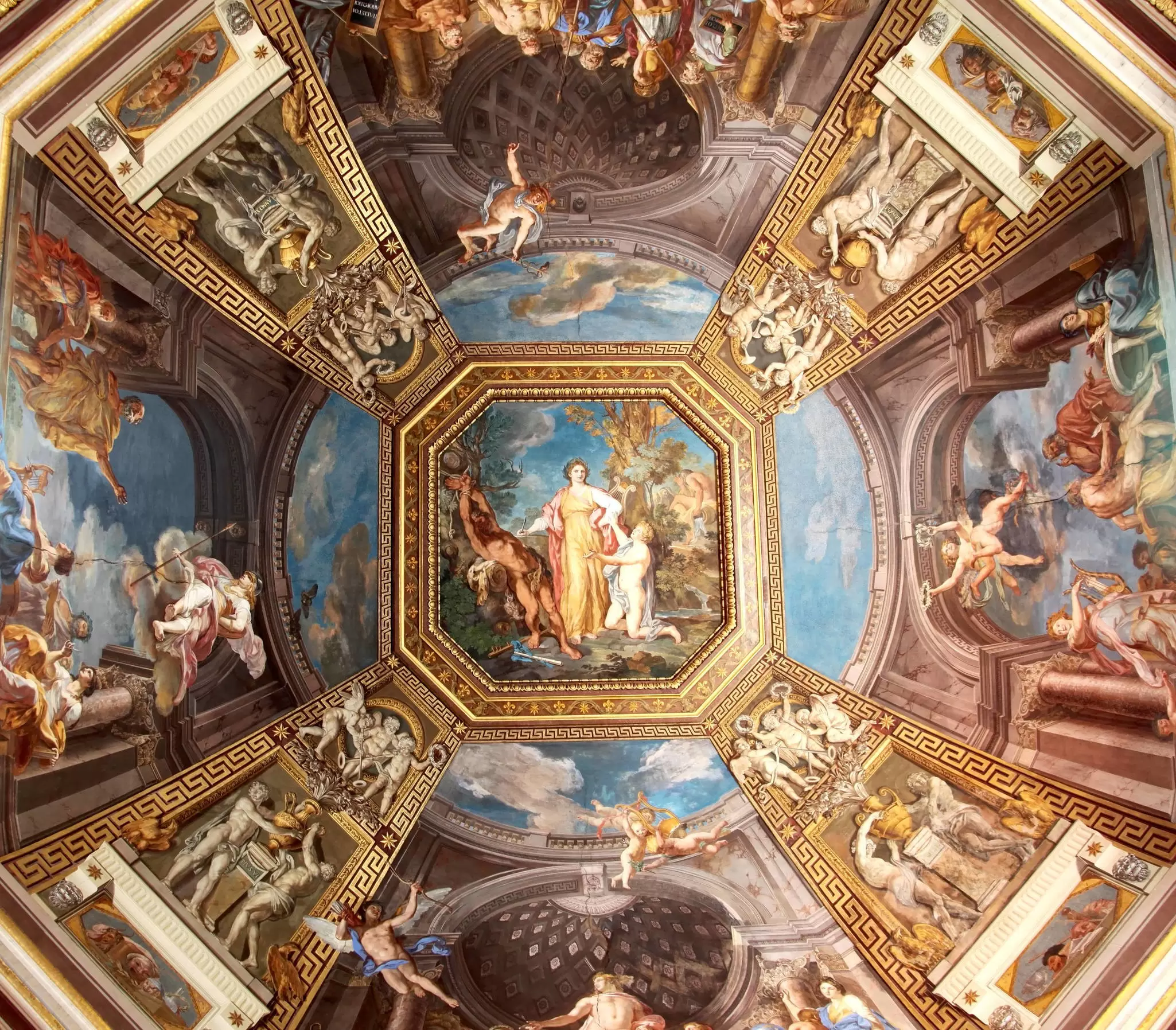
While visitors prefer to marvel at the grandiose frescoes of the Stanze di Raffaello or the remarkably lifelike statues of Museo Pio-Clementino, the papal picture gallery does deserve its moment in the spotlight. It contains works from the 11th to the 19th centuries produced by some of the greatest masters of their craft – Raphael, Giotto, Titian, Caravaggio, da Vinci, you name it. Particularly unmissable is a trio of Raphael works, the Madonna di Foligno (Madonna of Foligno; 1511–12), the Incoronazione della Vergine (Crowning of the Virgin; 1502–04) and especially La Trasfigurazione (Transfiguration; 1516–20), whose incredible colors will leave you truly stunned. Be sure to also check out Leonardo da Vinci’s San Girolamo (St Jerome; 1480–90), haunting even though it’s unfinished, and Caravaggio’s Deposizione (The Entombment of Christ; 1603–04), heartbreakingly human like most of Caravaggio’s works.
The Museo Pio-Clementino
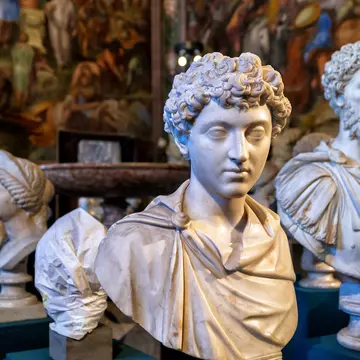
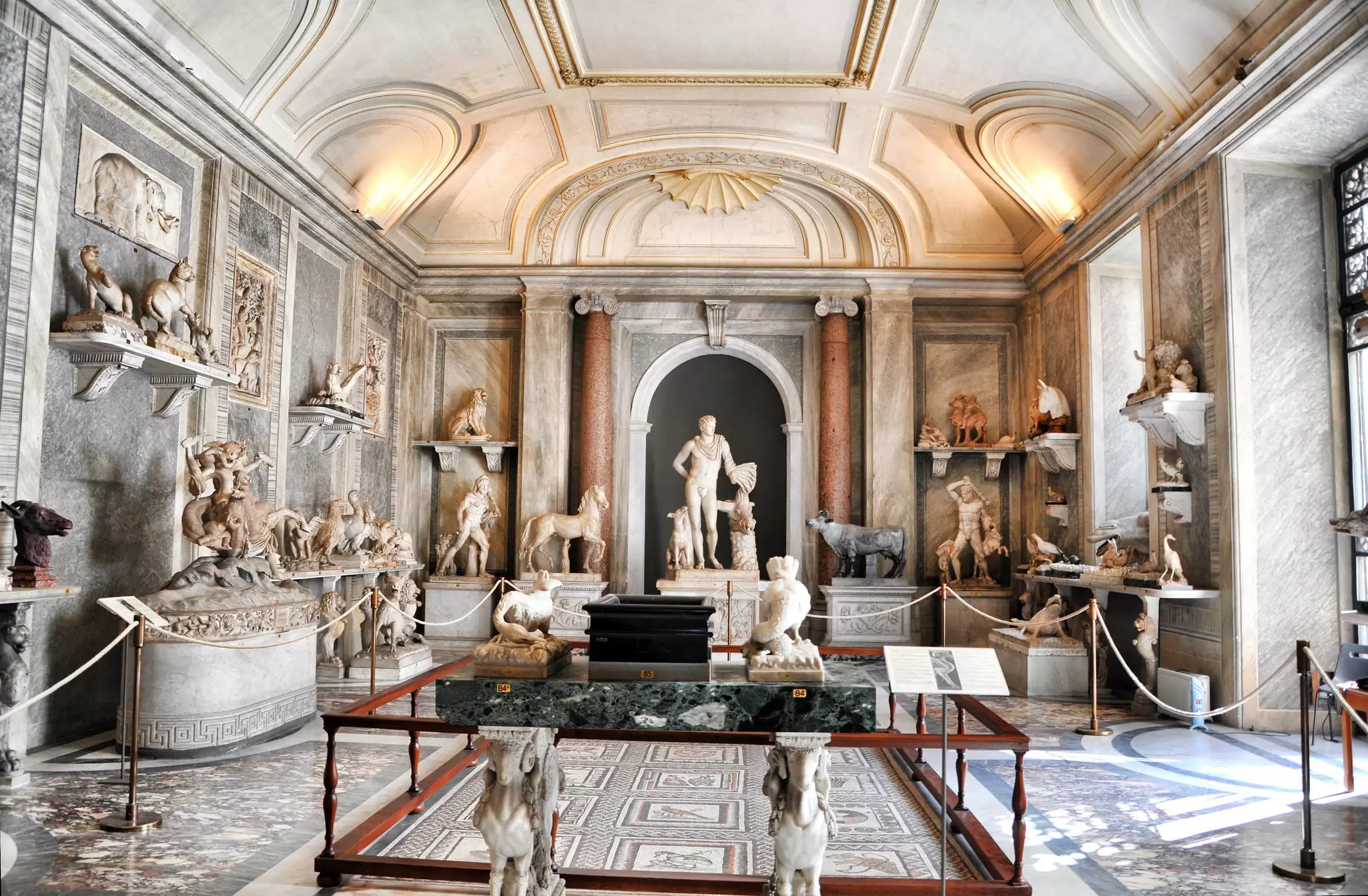
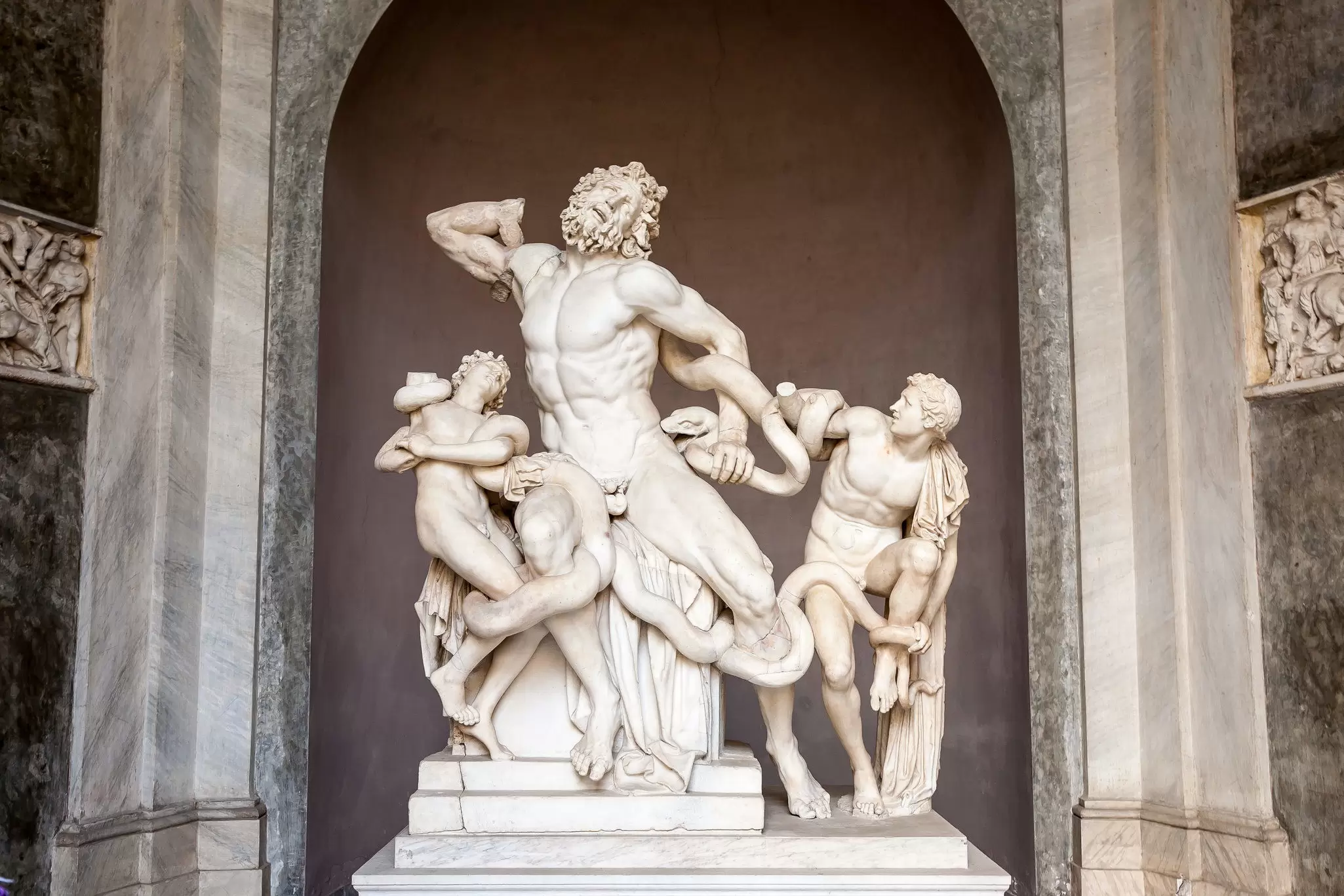
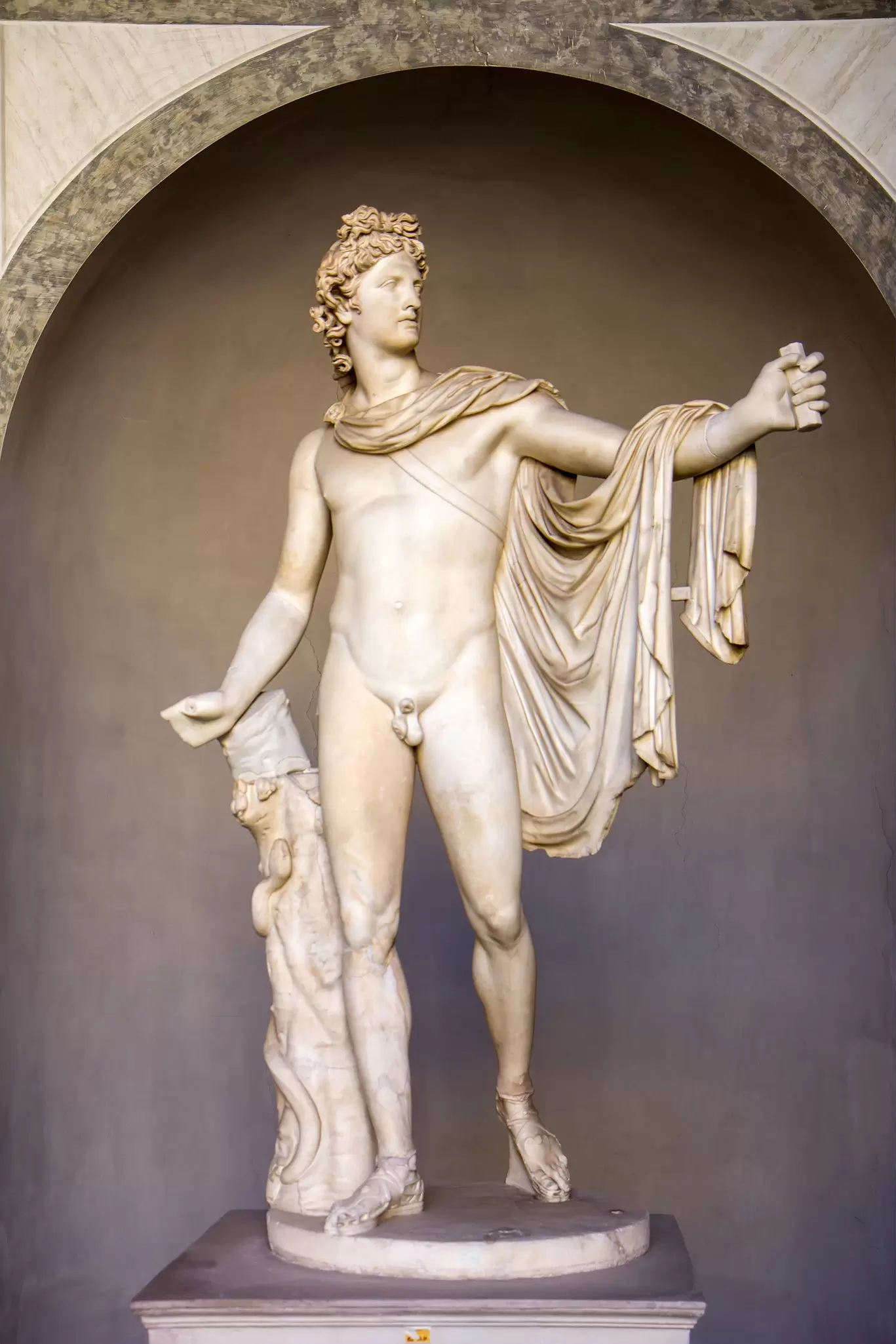
The Museo Pio-Clementino is where a good part of the Vatican’s collection of classical sculptures is housed. The highlights of the collection are on display in the Cortile Ottagono – the Laocoön and the Apollo Belvedere. The so-called Laocoön Group represents the Trojan priest Laocoön and his two sons Antiphantes and Thymbraeus being attacked by sea serpents sent by the gods as a way to silence Laocoön from warning the Trojans about bringing the infamous wooden horse inside their city. Sculpted sometime between 27 BCE and 68 CE, the statue has been described as one of the great depictions of human suffering.
The Apollo Belvedere, on the other hand, is widely considered one of the most magnificent statues from ancient times. Dating to the 2nd century CE and probably a marble copy of an even older 4th-century-BCE bronze work, it's a true representation of ideal beauty and perfect proportions. And it’s not like the rest of the Museo Pio-Clementino lacks in wonders. The Apoxyomenos, located just before entering the Cortile Ottagono, another Roman copy of an original Greek statue from the 4th century BCE, is one of the earliest depictions of a dynamic figure with a raised arm. The Sala delle Muse houses the famous Torso Belvedere, a fragment of a muscular 1st-century-BCE Greek statue used by Michelangelo as inspiration for his Sistine Chapel frescoes. Finally, admire the colossal statues of the Sala Rotonda, including a bronze Eracle (Hercules) which dates to the end of the 1st century CE and is a copy of a much older 4th-century-BCE Greek work. This room also contains a gigantic basin made out of a single piece of red porphyry stone, which was originally found inside Emperor Nero’s Domus Aurea.
The Galleria Delle Carte Geografiche
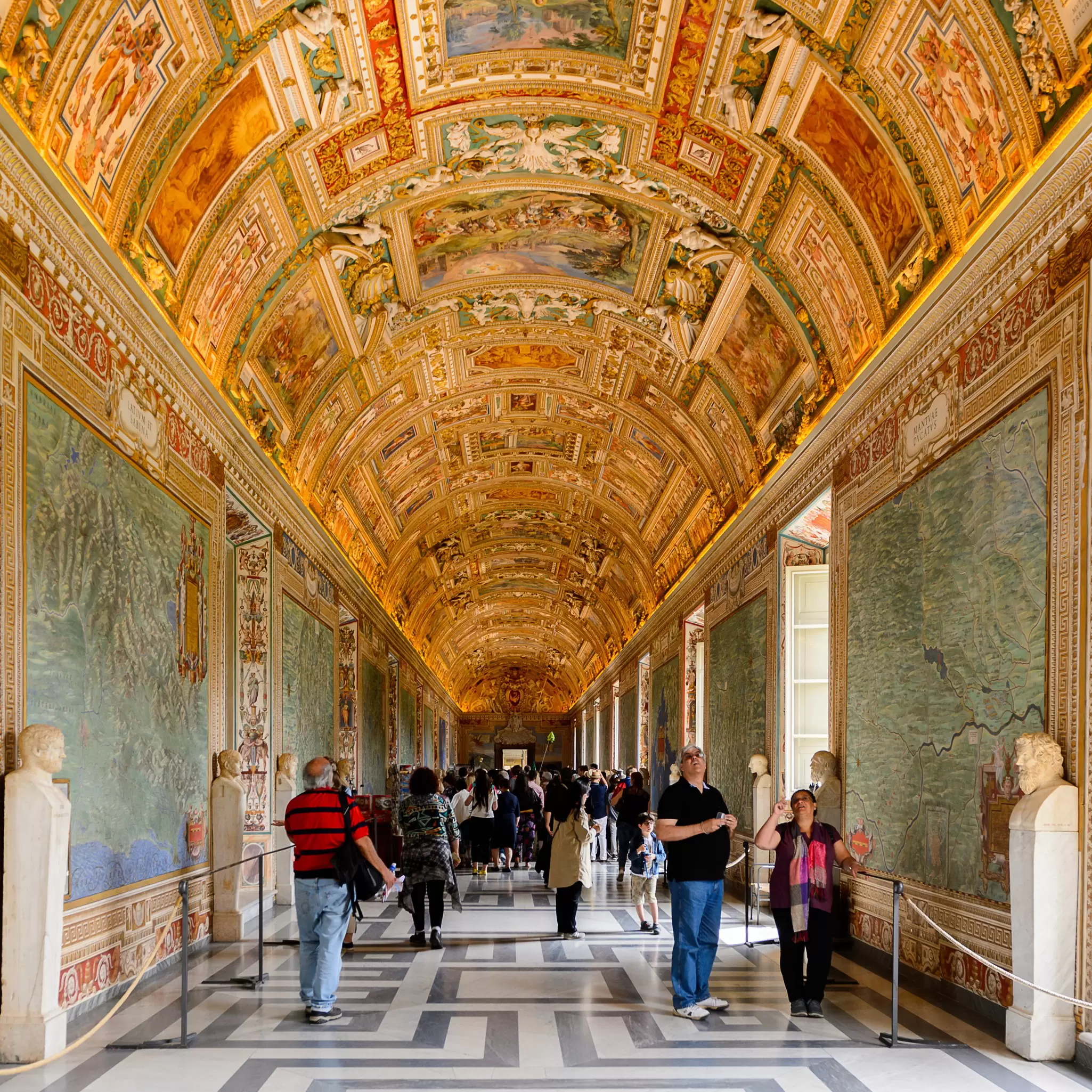
This 120m-long hall contains 40 massive topographic maps created between 1580 and 1583 for Pope Gregory XIII. The maps cover all regions of Italy as well as Corsica, which belonged to Genoa at the time of the map’s realization, and Malta, domain of the Knights of Malta. There’s also a map of the area around Avignon in France, which used to belong to the popes, as well as two maps depicting ancient Italy and "modern" Italy – as in, Italy as it was in the 16th century. While not as famous as other areas of the Vatican Museums, the Galleria delle Carte Geografiche is a hit with visitors – especially those who come from a place actually depicted in the maps. You will always find groups of Italians pointing out their homes on one of the maps, which are very detailed and include a good number of small villages as well as major cities. And if some maps look upside down to you, that’s actually perfectly normal – mapmaking in the 16th century hadn’t yet adapted the convention of always placing north at the top of the map, meaning that those regions south of Rome are depicted as they would be "seen" from Rome.
Stanze di Raffaello
The name Stanze di Raffaello indicates four different chambers frescoed by Raphael between 1508 and 1524 and once part of Pope Julius II’s private apartments. Raphael painted the Stanza della Segnatura and the Stanza d’Eliodoro by himself, while the Stanza dell’Incendio di Borgo and the Sala di Costantino were completed by his pupils following his designs, as was customary at the time.
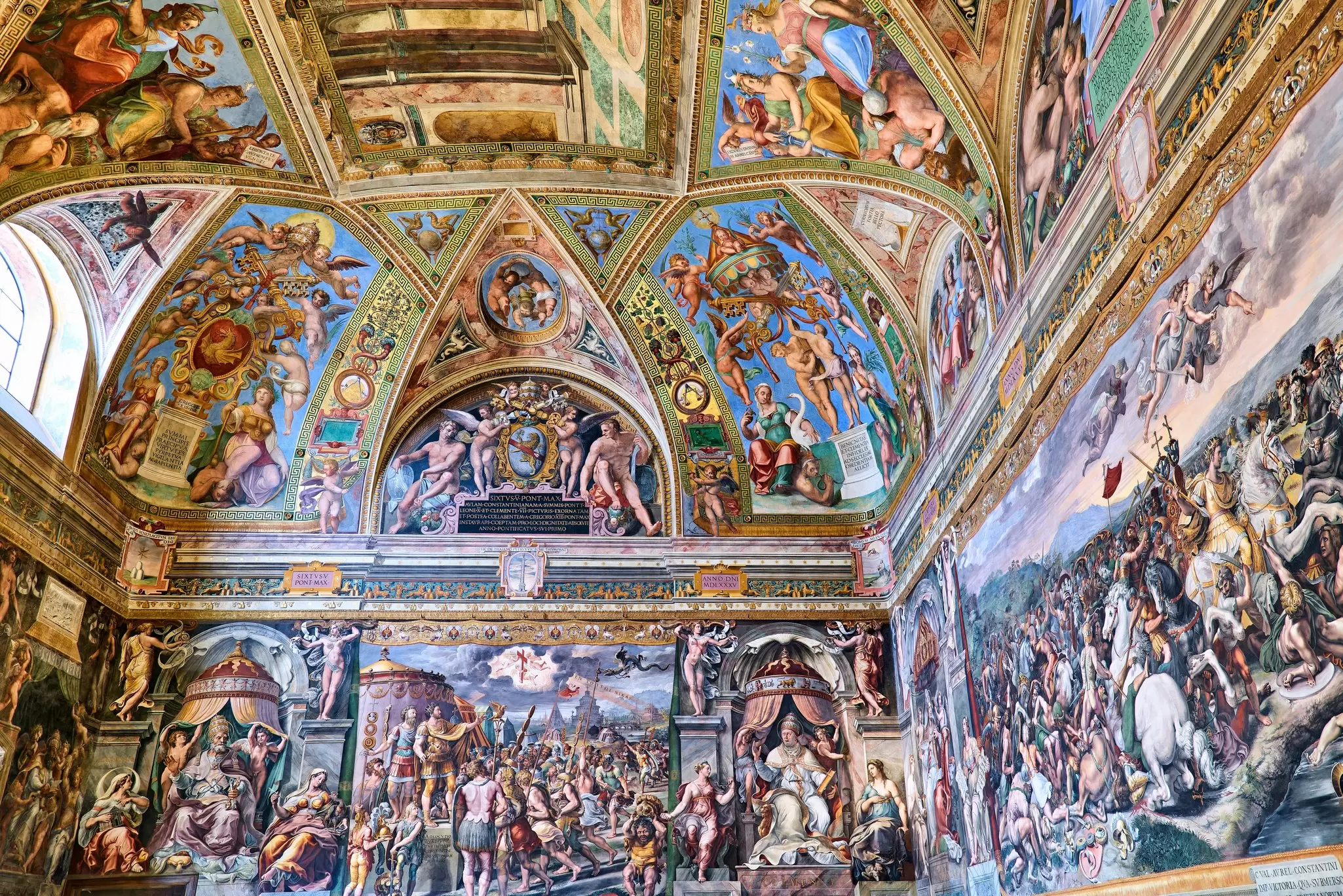
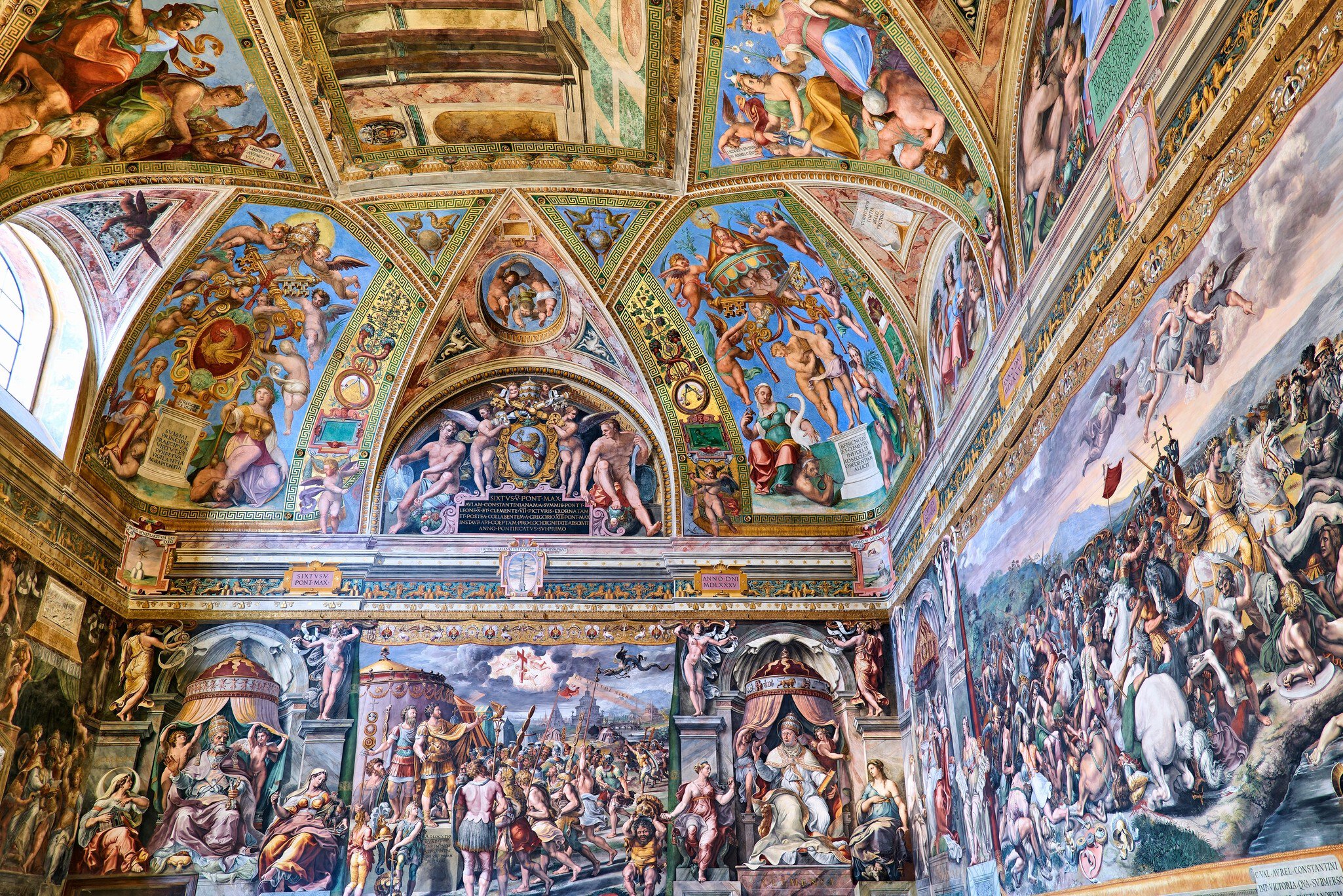
The first room you’ll walk into is the Sala di Costantino, which was originally a reception room during official ceremonies. The fresco decorating it depicts the Battle of the Milvian Bridge, where Emperor Constantine, the first to convert to Christianity, defeated his rival Maxentius. The Cappella Niccolina leads just off the Sala di Costantino – it was the pope’s private chapel and beautifully decorated by Fra’ Angelico, but it’s sadly often closed to the public. Then you’ll enter the Stanza d’Eliodoro, where the pope used to hold his private audiences. This room’s frescoes depict four different episodes, starting with the Cacciata d’Eliodoro (Expulsion of Heliodorus from the Temple), which also gives the room its name. Then there’s the Messa di Bolsena (Mass of Bolsena), the Incontro di Leone Magno con Attila (Encounter of Leo the Great with Attila) and finally the Liberazione di San Pietro (Liberation of St Peter).
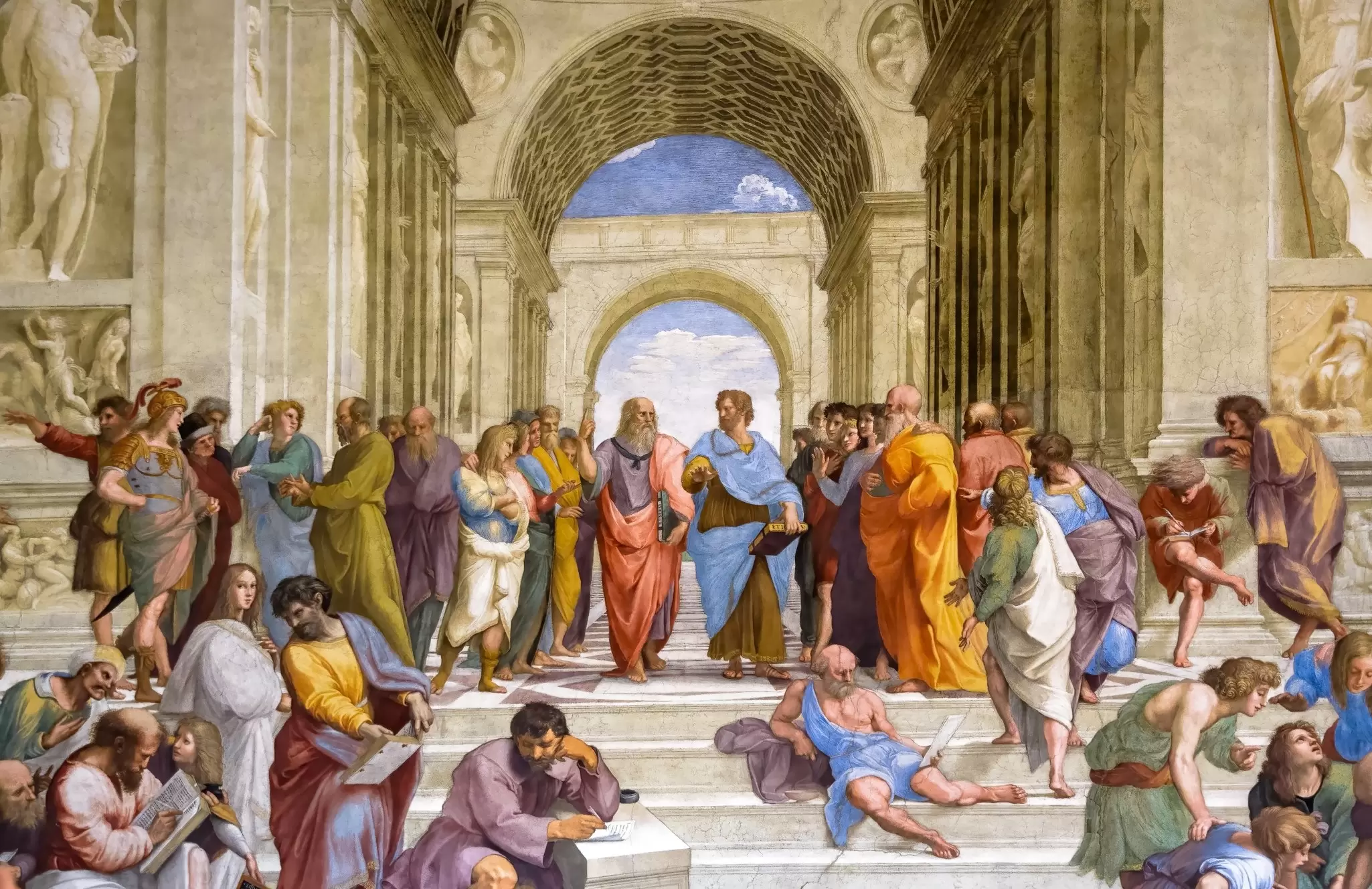
The third room is undoubtedly the most famous – the Stanza della Segnatura, with Raphael’s great masterpiece La Scuola di Atene (The School of Athens). The fresco depicts a group of scholars gathered around Plato and Aristotle – two of the fathers of Western philosophy. Opposite that is La Disputa del Sacramento (Disputation on the Sacrament). The final room, the Stanza dell’Incendio del Borgo, was first the seat of the Holy See’s highest court and then a formal dining room. Its main decoration is Incendio del Borgo (Fire in the Borgo), which depicts Pope Leo IV extinguishing a fire by making the sign of the cross.