Sep 10, 202621 min read
Where to Stay in Paris by NeighborhoodJul 15, 2026
8 MIN READ

Writer
Quai de L’Hotel De Ville, Paris. Amir Hamja for Lonely Planet

Writer
Highlights
Paris-based writer Fabienne Fong Yan shares 15 tips on planning, etiquette and safety.
Spring and autumn bring lighter crowds; book museum tickets online to avoid long waits.
Greet shopkeepers with bonjour; at cafes, grab a terrasse seat and keep your voice down.
Watch for pickpockets near tourist sites and always keep to the right on Metro escalators.
Lonely Planet may earn a commission from affiliate links on our site. All recommendations and reviews reflect our own independent opinions.
Fabienne is a Paris local and one of the authors of our latest Paris guidebook. Here, she shares what you need to know before visiting Paris for the first time.
Paris is bustling, diverse and surprising, and first-time visitors may find it challenging. Even after nearly 20 years of living in Paris, I still encounter nuances in the local lifestyle, constantly learning new-to-me Parisian peculiarities. (Who knew you could be fined for walking the wrong way in a Metro corridor?) To save you from the same, here are my practical tips and cultural insights.

Paris can be enchanting year-round. Spring (especially April and May) and autumn (particularly September and October) are ideal, when crowds are thinner, but the weather is temperate and lovely. Summer (June to August) is a good time to enjoy the city's famed cafe culture with other tourists, yet it's worth noting that August is the traditional holiday period in France, which means some places close and locals flee the heat. Sights are quieter, and prices are lower during winter.
A glimpse of Paris can be caught in just a couple of days, given how compact the city is. It's easy to group activities by neighborhood, allowing you to save time and pack in as much as you can. To truly experience this busy city's diverse activities, sights and experiences, 5 days to a week is ideal.
Think of the city as made up of dozens of villages, each with wonderfully distinct demographics and personalities. Start by considering which side of the river suits your needs better, as the experience can vary massively, before narrowing down the right area for you. If you are limited by budget in what can be an expensive destination, base yourself in a lesser-known neighborhood that might be a bit further out – it’s easy to get around Paris by foot, bike or metro.
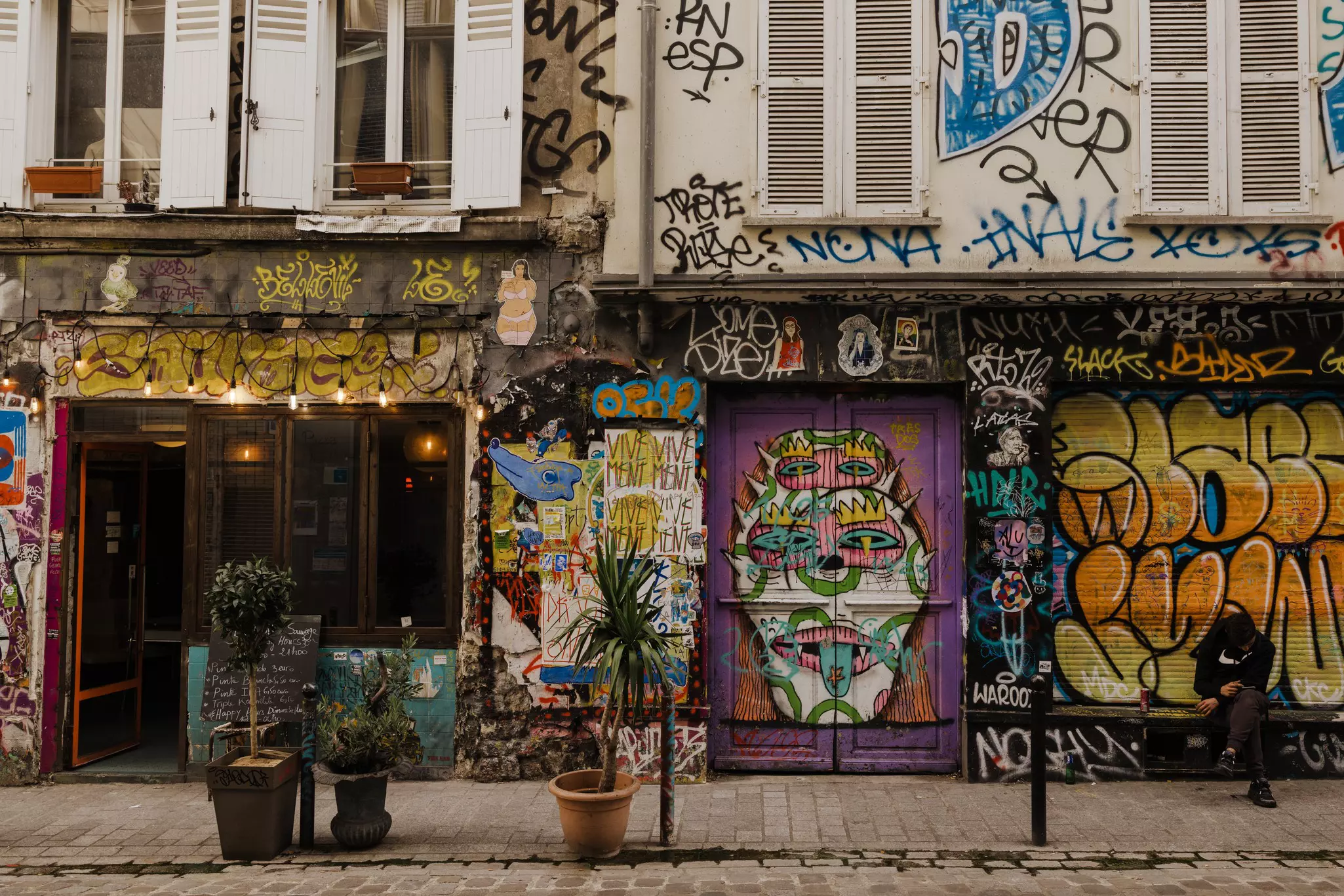
Wear something comfortable; Paris is a walking city. While dark clothes will generally help you blend in with the Parisians (and deter pickpockets), if you like bright colors or dressier clothes, that works, too. This is the home of couture, after all.
With limited time, pinpoint in advance the main attractions you want to visit. Booking online for museums, exhibitions or theater performances will save you a lot of time waiting in lines. Remember, Parisians enjoy their museums as much as tourists do, so visiting on weekdays and starting early can significantly change your experience of busy landmarks.
Be mindful of personal space, especially on public transportation. The golden rule when navigating Paris, particularly on the Metro and RER (suburban train network), is to be unobtrusive.
During busy times, especially at rush hour (from 7am to 9am and 5pm to 7pm), put your backpack or luggage down and avoid using fold-down seats. When the carriage is full, it's better to wait a few minutes for the next train. Always keep to the right on corridors and escalators, and have your ticket or Navigo travel pass handy for frequent ticket barriers and control.
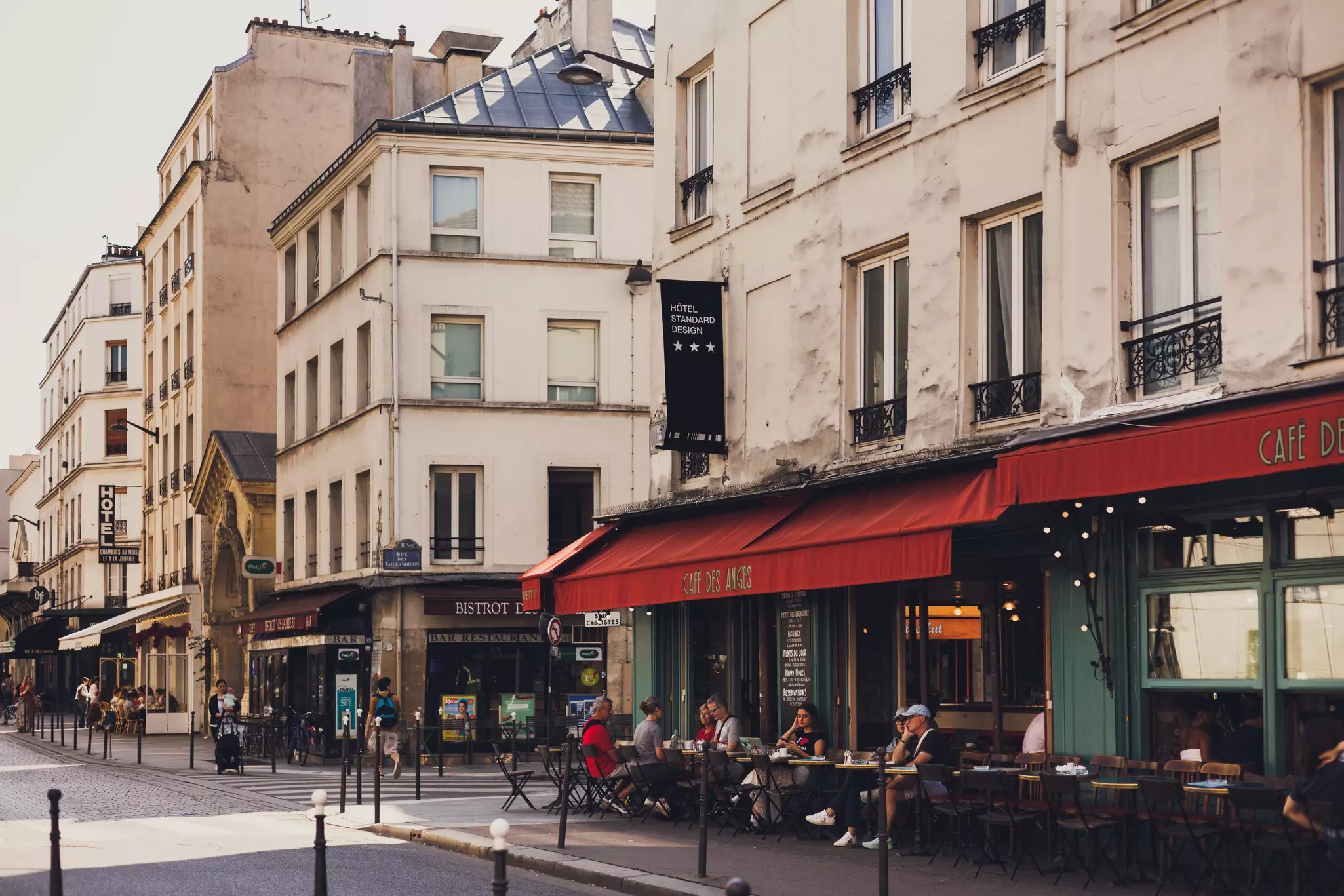
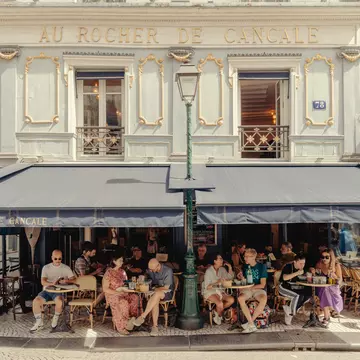
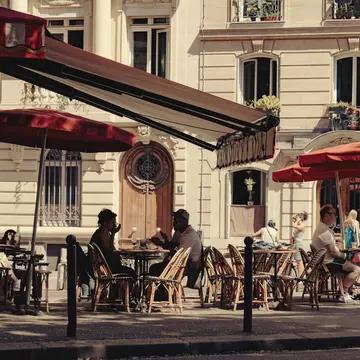
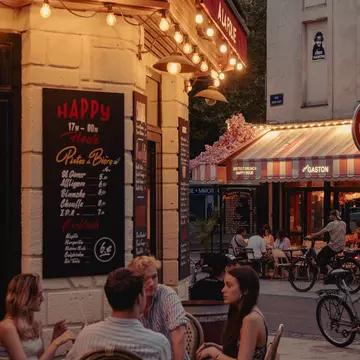
The best places to experience Paris and its people are at the city's cafes. Take a moment to rest on a terrasse – cafe tables on the street – to people-watch while planning the next part of your day. Just grab a table and seat yourself; servers will come and attend to you. Bills are often left with the order on the table, but payment isn't expected immediately unless explicitly stated. Tipping isn't required but is always appreciated.
It's not uncommon to exchange a few words with people at neighboring tables, but it's equally normal and acceptable to keep to oneself, despite the proximity of seating (as most establishments maximize their use of pavement space). Smoking tobacco is widespread in France, particularly at outdoor cafes. Indoor smoking is prohibited by law; so if you're wondering whether smoking is allowed, look for ashtrays on the tables. Additionally, Parisians generally value discretion, so loud voices might attract disapproving looks.
If you're lost or need directions, don't hesitate to ask a local. Despite the hustle, Parisians will generally stop to help, and most can provide basic directions in English. The phrase "Excusez moi, parlez vous anglais?" ("Excuse me, do you speak English?") is the best way to get someone's attention. It's also polite to greet and say farewell (bonjour during the day, bonsoir at night and au revoir as you're leaving) to anyone with whom you interact, such as shopkeepers and hotel staff.
Should you befriend locals, don’t be surprised to see them make a move towards your cheeks. La bise – giving kisses on the cheeks (two in Paris) – is the most common greeting among friends, including between men. However, as a foreigner, you won’t be expected to do it spontaneously.
Fortunately, Paris is, overall, a safe city. In localized areas in the northeast of Paris, there can be occasional nighttime criminal activity. As a tourist, you're unlikely to be targeted for violent crimes based on race or origin, especially when sticking to central attractions. If you need transportation late at night when the Metro isn't running (it stops between midnight and 5am on weekdays, and from 1:30am on weekends), it's safest to call a taxi or use a ride-hailing app.
Paris is welcoming and LGBTQ+ friendly (Le Marais is one of the historic “gayborhoods” in Paris). Unfortunately, catcalling towards women can happen on the streets or on public transportation, despite efforts to raise awareness. Take reasonable precautions as you would in any big city: watch out for potentially aggressive behavior – particularly from individuals who may be intoxicated or disoriented – on the Metro or in the streets.
Wherever you go, watch out for your personal belongings, as pickpocketing is a risk on the Metro and near popular tourist sites. Scammers may approach you with a petition to sign or items for sale, distracting you from a potential pickpocket accomplice. A "lost" jewel or banknote on the street is another distraction scam.
In some tourist areas, you might encounter people trying to place a bracelet on your wrist and then demand payment. In all cases, politely decline any unsolicited interaction and walk away.
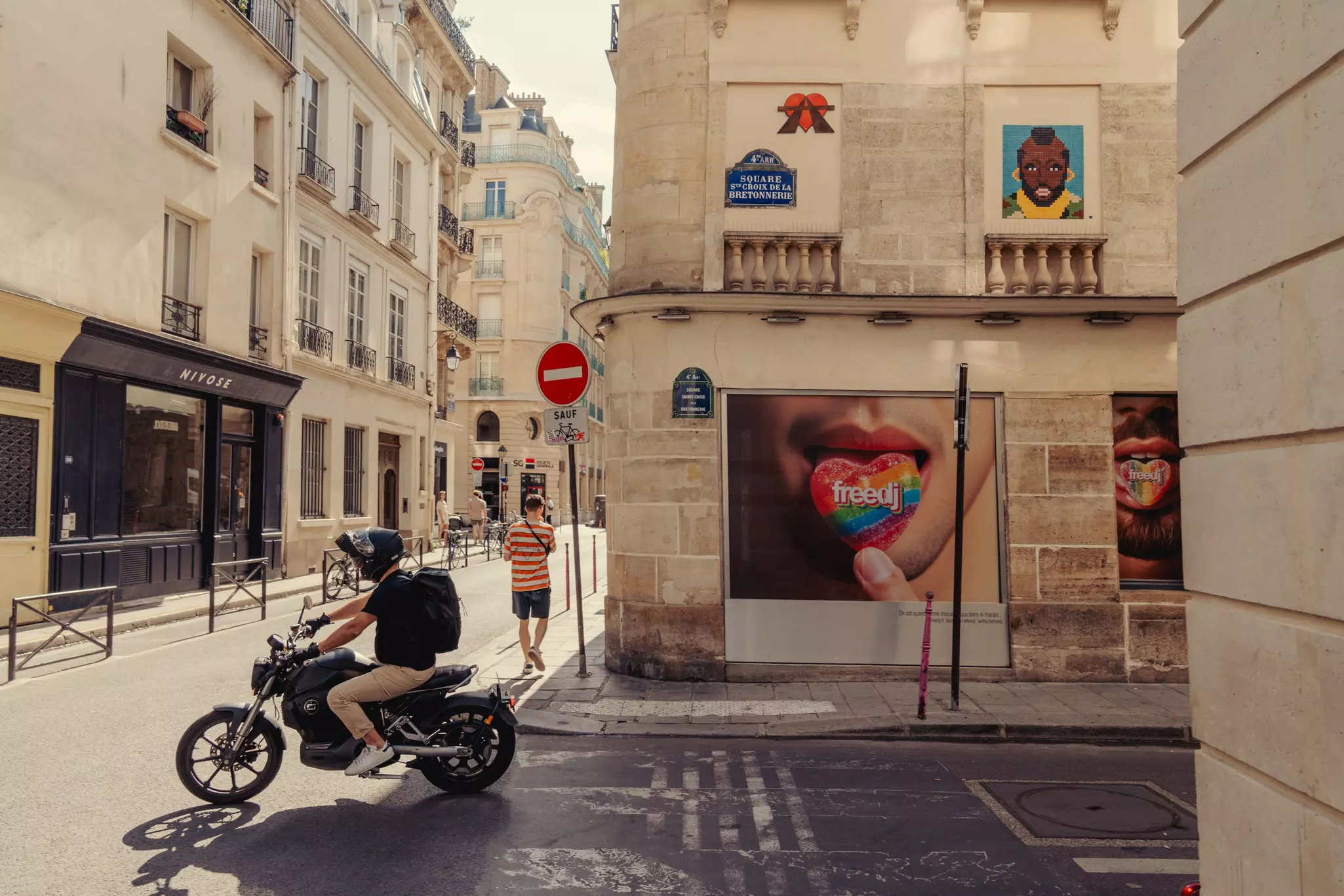
Some roads in Paris are shared; cars, taxis, delivery trucks, bikes, scooters, motorbikes, skaters and pedestrians are expected to coexist in busy spaces. Although the French drive on the right, be aware that bicycles and scooters may use dedicated lanes that sometimes run counter to the traffic direction or merge with pedestrian walkways. They're not always visible, so watch out in all directions before stepping into the road.
As is the case anywhere, things sometimes go wrong. If you run into a situation where you need police help, look for the closest police station. Every arrondissement (district) has its own central office open at all times. Alternatively, dial the European emergency number (112). For the fire department, dial 18.
Should you need medical assistance, Paris has the largest operating public hospital system in Europe, with emergency rooms equipped to receive travelers. In case of emergency, dial 15 for the ambulance service. Over-the-counter medicines can be found at pharmacies, which are on almost every street in Paris, with English-speaking staff around tourist areas. A mapping app can direct you to the nearest 24-hour pharmacy.
The few Metro stations that have elevators are indicated on Metro maps. Wheelchair users or those traveling with a stroller may find it easier to travel by bus or tram, as they are more spacious, at street level and are usually equipped with ramps.
If you’re comfortable leaving part of your time in Paris without a firm itinerary, stroll until you find yourself surprisingly lost. It will allow you to discover the unique identity of each arrondissement, which is shaped by various layers of history. With most landmarks concentrated in the city center, it's easy to wander and never get bored. In fact, there's even a French word for this approach to experiencing a place: flâner.
Traverse from the upscale Champs-Élysées to the tourist-packed St-Michel, then to the trendy Le Marais and the more bohemian Belleville, all within the city's boundaries (though you may not realize it!). For deeper insights, consider themed tours (food, culture, history, street art, architecture, etc). Many Parisians are eager to share their city with visitors, and it’s a great way to get first-hand insider tips.
To continue planning your trip to Paris, check out our guidebook.
Explore related stories